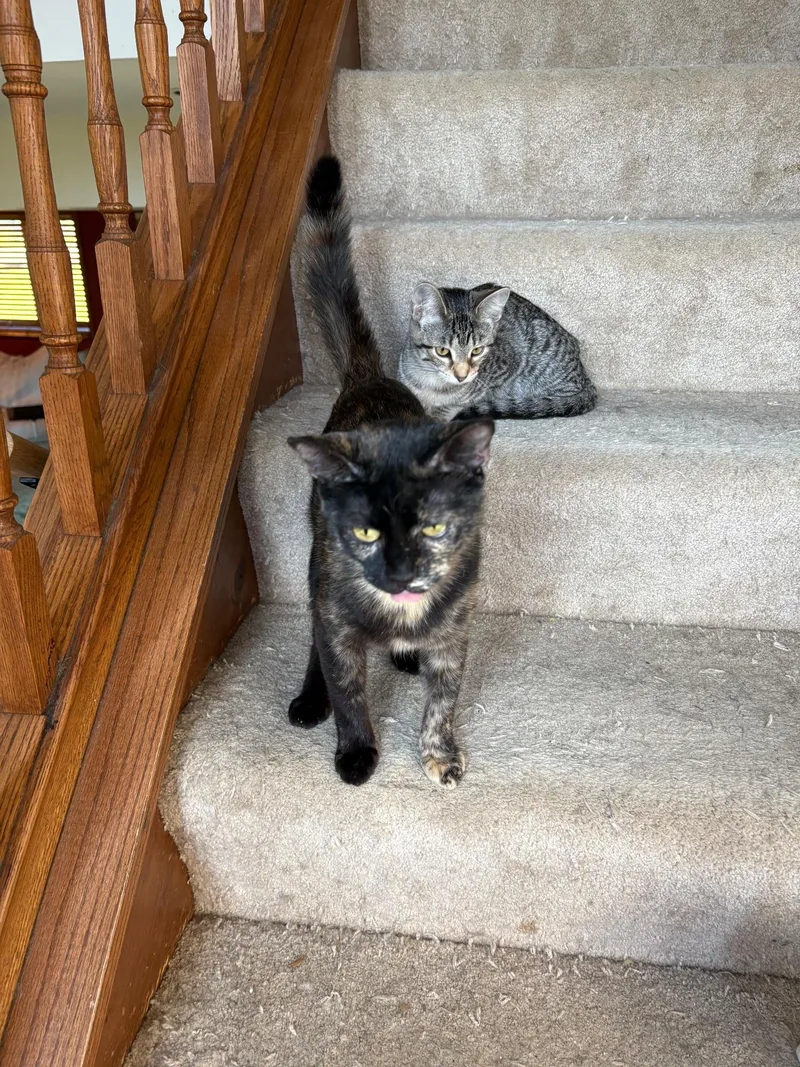
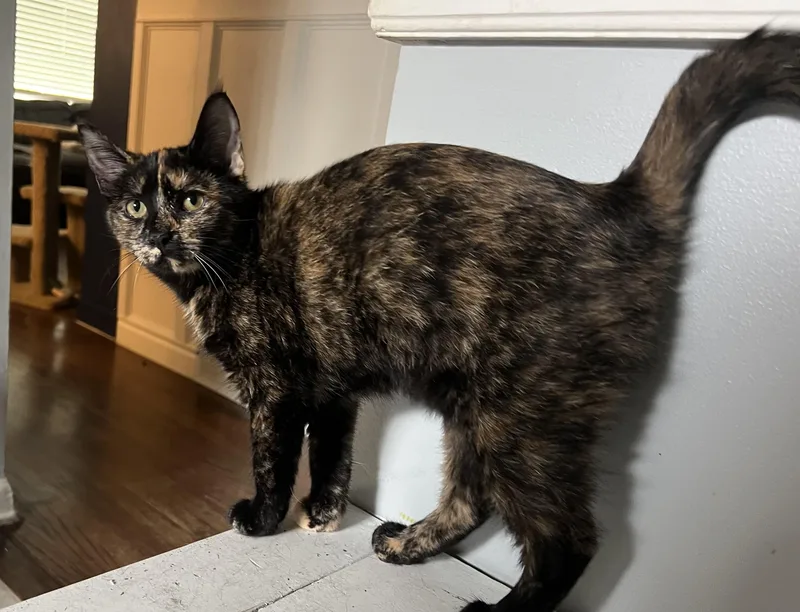
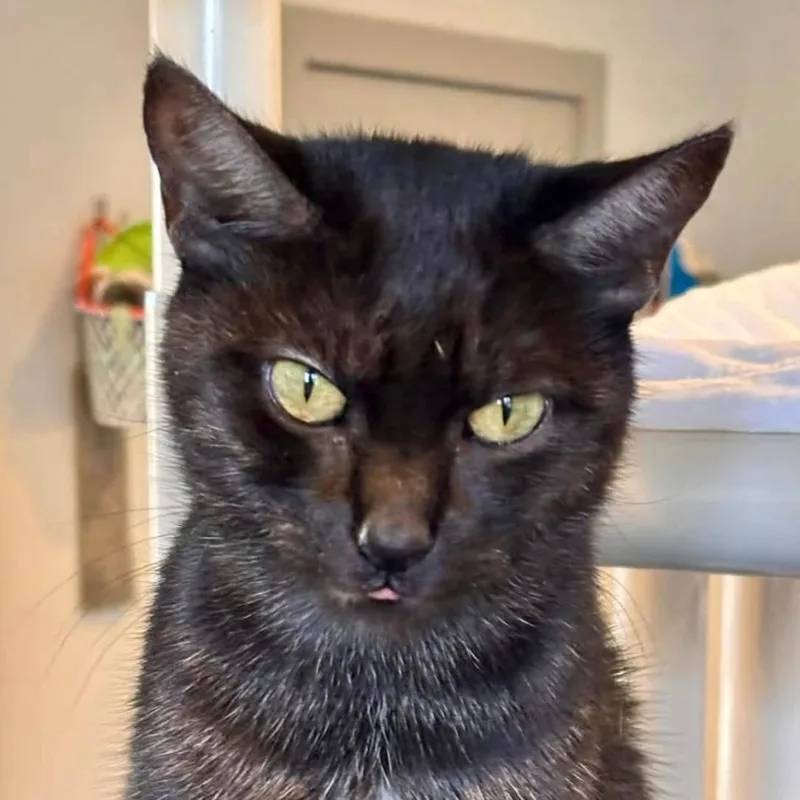
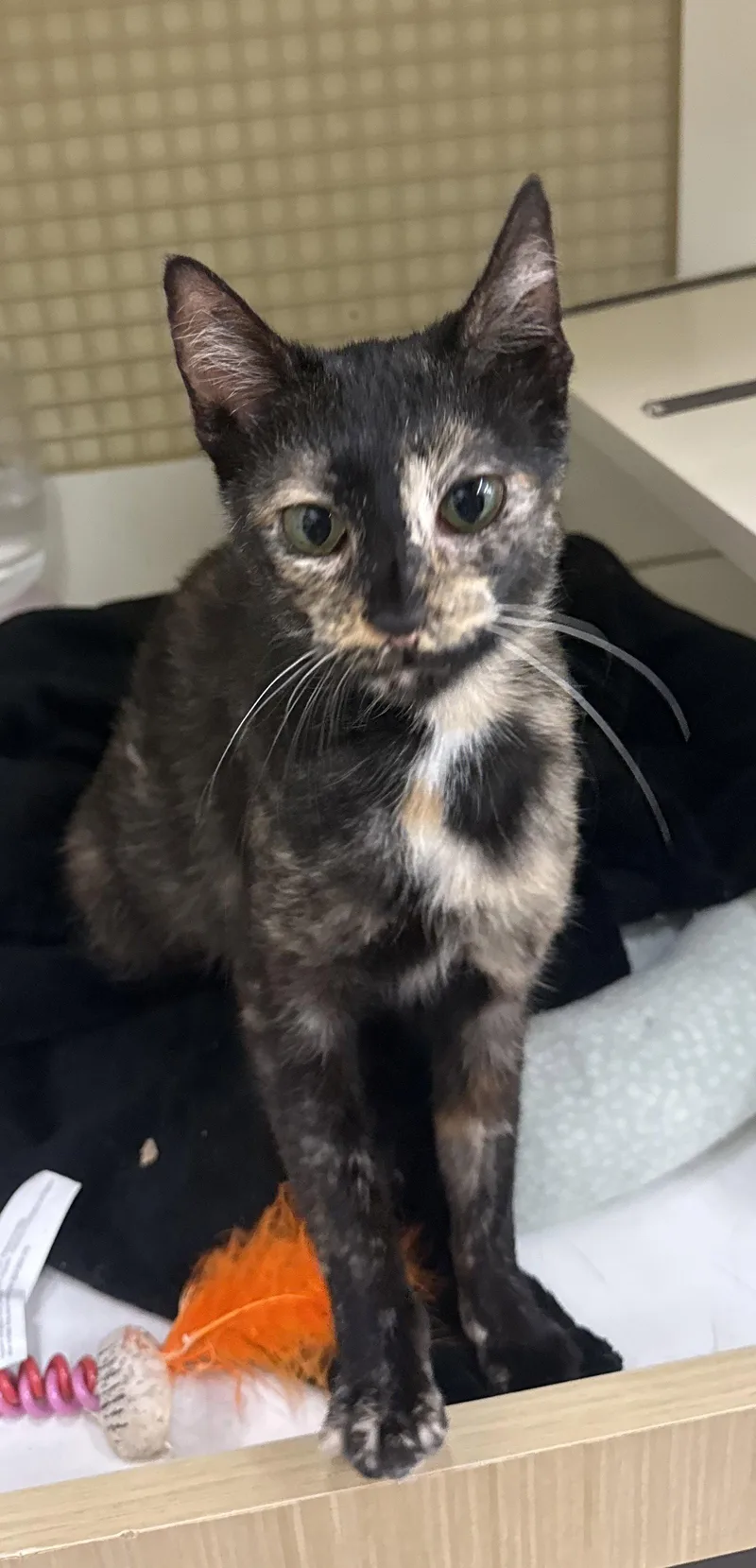
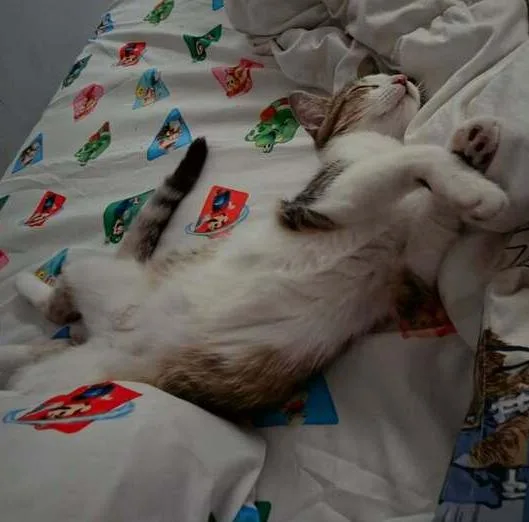
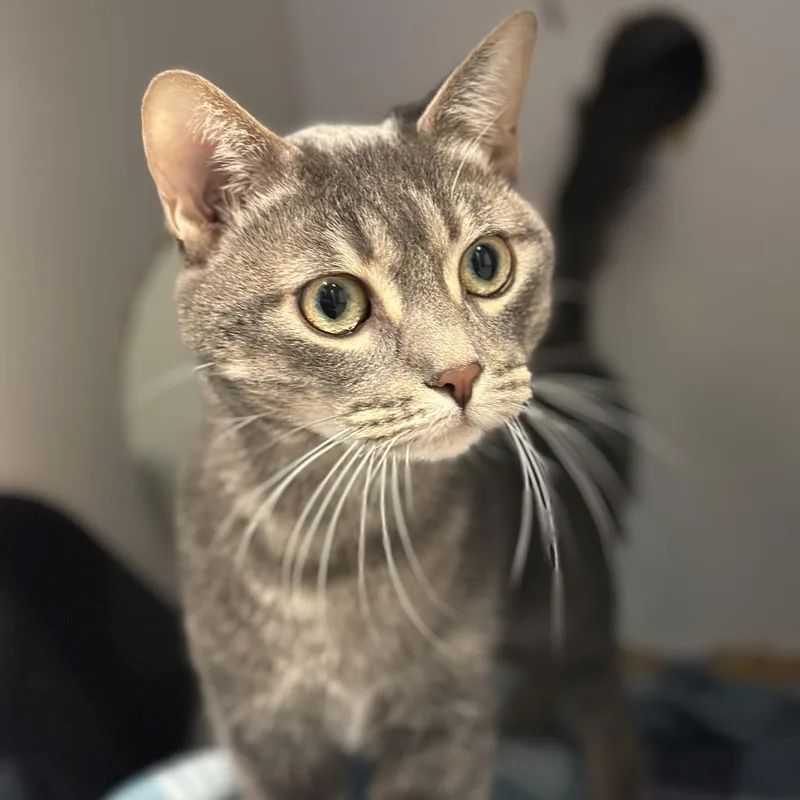
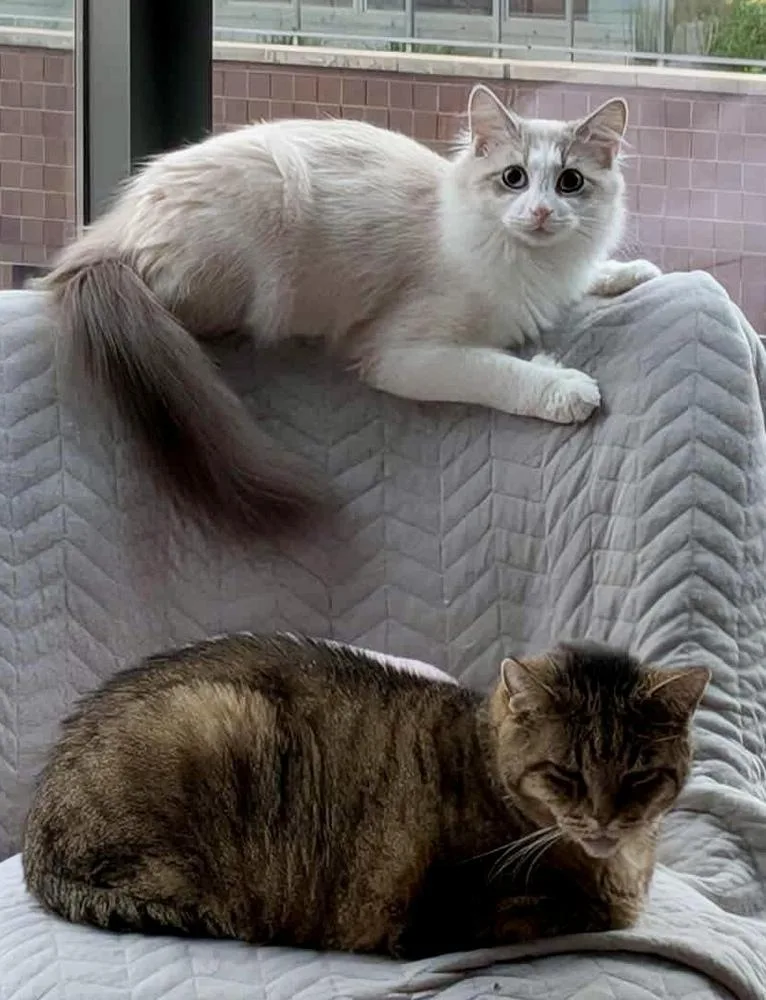
Tortoiseshell Cats for Adoption in Chicago, IL

Your guide to finding and caring for a Tortoiseshell in Chicago

A tortoiseshell cat suits a Logan Square greystone or a Pilsen walk-up, where a sunny window is the best show in the apartment. Tortoiseshell is a coat pattern rather than a breed, so these cats come in every personality and energy level. Most are shorthairs who do well indoors, watching the boulevard from a perch and chasing a wand toy down a long hallway. Chicago winters keep cats inside for months, so a sturdy cat tree matters.

979 Tortoiseshells available in Chicago and nationwide

Your Tortoiseshell is waiting

Tortoiseshells Available for Adoption Near Chicago

About the Tortoiseshell breed

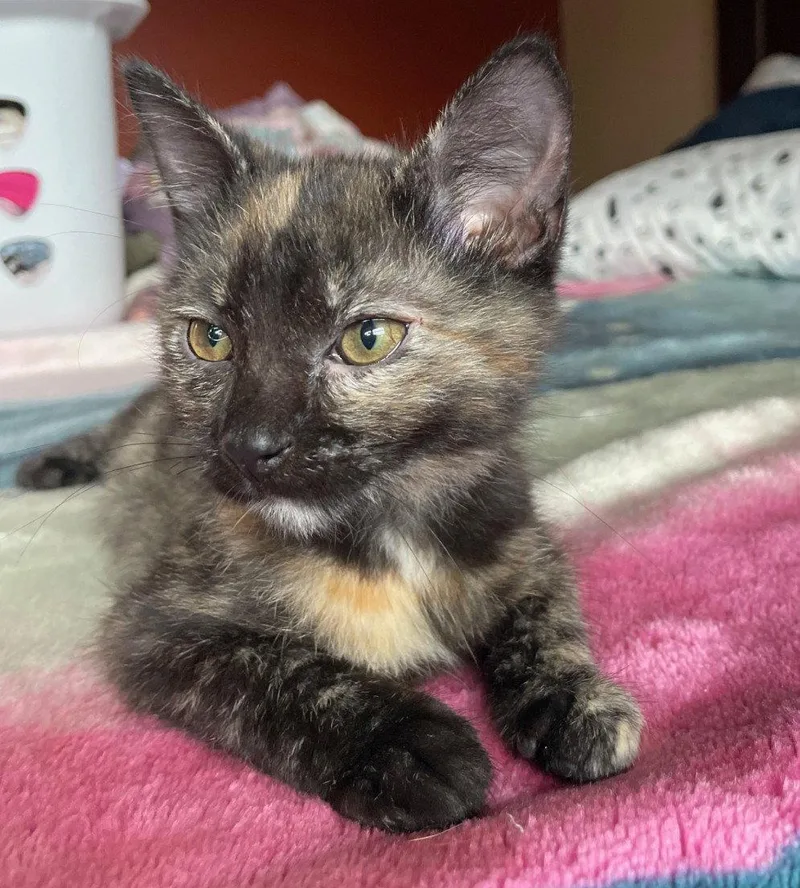
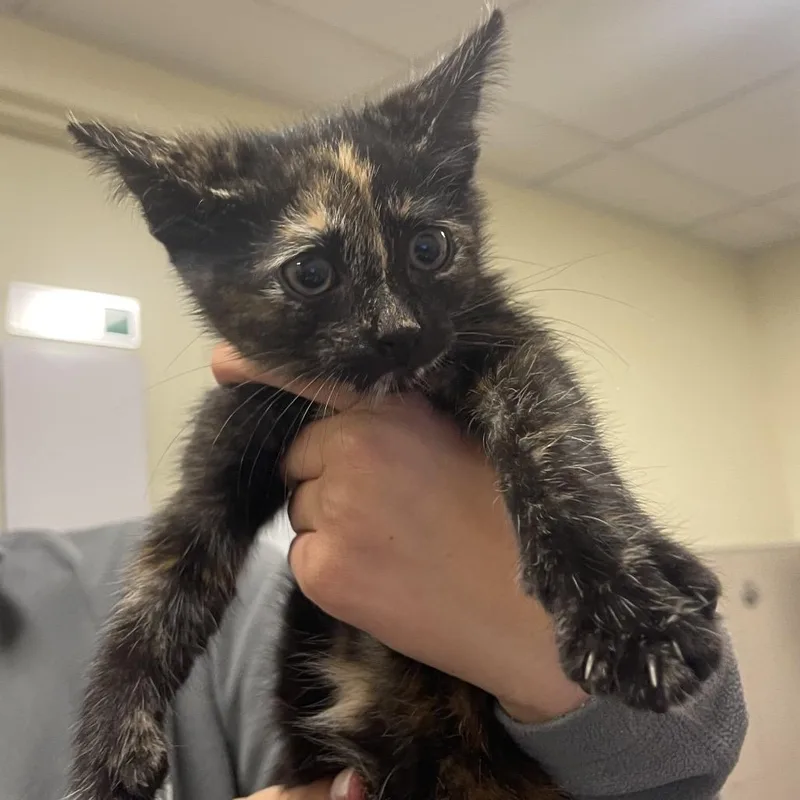
Tortoiseshell describes a coat, not a breed. The mix of black-based and orange-based patches, usually with little or no white, shows up mostly on domestic shorthairs, though it also appears in Persians, Maine Coons, British Shorthairs and others. Nearly all torties are female, and the rare males usually carry an extra X chromosome. Dilute torties look soft gray and cream, and torbies add tabby stripes.

Torties have a reputation for "tortitude," but the evidence is thin and mostly owner impressions. A cat's age, history and socialization say more about personality than color does. In a Chicago apartment, expect a medium-size cat, typically 6 to 14 pounds, with moderate shedding, so a weekly brush and a lint roller go a long way. With good care, many live 12 to 18 years.

Weight
6–14 lbs
Height
8–10 in
Lifespan
12–18 yrs
Temperament
Independent, Affectionate, Playful
Shedding
Moderate

Owning a Tortoiseshell in Chicago

Having a Tortoiseshell in Chicago

Tortoiseshell is a coat, so a tortie's traits come from age, history and ancestry more than color. Most are domestic shorthairs who adapt well to indoor life in a Chicago apartment, with moods and energy as varied as any other cats.

Temperament

Torties are said to have "tortitude," but that comes mostly from owner impressions, and tortoiseshell cats range from shy to bold. In a busy Chicago building, a confident cat may shrug off hallway noise and neighbors, while a sensitive one may want a quiet room with a hiding spot. Watch how each cat reacts to handling and sounds.

Exercise Needs

Plan on daily play: wand toys, chase games and puzzle feeders fit small apartments well. Kittens and young adults need more, seniors less. Winter keeps Chicago cats indoors for months, so a tall cat tree, a window perch and two short play sessions a day, morning and evening, help burn off energy.

Health Considerations

The coat pattern carries no particular health risks in female cats, while the rare males usually have an extra X chromosome and may face added concerns. Health follows ancestry, age and care, so plan yearly vet exams and dental care. Indoor winters can add pounds, so measure meals and keep up play.

Living Space

Tortoiseshell cats do well in a studio, a greystone flat or a house, since vertical room and quiet corners matter more than square footage. In a walk-up or high-rise, window perches, a cat tree and a scratching post go a long way. Keep window screens secure on upper floors, because cats can fall.

What it costs to own a Tortoiseshell in Chicago

ExpenseTypical costPer year
Food$25 to $50 per month$300 to $600
Pet insurance$20 to $45 per month$240 to $540
Routine vet care$150 to $350 per year$150 to $350
Other*$450 to $1,150 per year$450 to $1,150
Estimated yearly total (after year one)$1,140 to $2,640

Other costs are estimates and vary with size, age and health.

* Litter, flea and tick prevention, a dental cleaning allowance, toys and supplies, and home grooming.

Adopt a Tortoiseshell in Chicago.

Now that you know more, let’s find you a new best friend. These rescues and shelters below currently have Tortoiseshells available.

Frequently Asked Questions

Yes. Chicago has no breed-specific rules, and tortoiseshell is a coat pattern rather than a breed, so nothing singles these cats out. The city's registration is for dogs only. Cats adopted from shelters come spayed or neutered and microchipped under Illinois law. Renters should confirm the lease allows cats, and watch the listings on this page as availability changes.

Yes, tortoiseshell cats do well in Chicago apartments, from studios to greystone flats. Give the cat vertical space with a cat tree or window perch, a scratching post, and a litter box away from the kitchen. Use secure window screens on upper floors, and an evening play session helps keep late-night zoomies from waking the neighbors below.

Yes, as indoor cats. Chicago winters are long and cold, but a tortoiseshell with a warm bed, a window perch and regular play will be fine. The real cold-weather risks come from time outdoors, so don't let cats roam. Line the carrier with a blanket for vet trips, and keep fresh water out in dry heated rooms.

Yes, in a carrier. CTA buses and 'L' trains allow small pets inside a closed carrier that one person can carry and that fits under a seat. It can't take up a seat or block an aisle, and you're responsible for the cat's behavior. Most tortoiseshells fit, so get yours used to the carrier at home first.

Not much. Most tortoiseshells are shorthairs with moderate shedding, so a weekly brushing usually handles it, and shedding often rises in spring and when the heat comes on in fall. Longhaired torties need brushing a few times a week to prevent mats. Grooming is mostly done at home, so the cost estimate counts only a small allowance.

Often, yes, for people who can offer an indoor home and daily play. Torties vary from shy to bold, so match the cat's energy to your schedule: a busy, social cat suits a lively household, while a calm one suits quieter days. Long winters mean lots of indoor time, and coyotes across the city make indoor life safer.

A tortoiseshell cat is a cat with a coat pattern of black-based and orange-based colors blended or patched together, usually with little or no white. It is not a breed; the pattern appears in many breeds and most often in domestic shorthairs. Nearly all tortoiseshells are female because the genes for orange and black are carried on the X chromosome.

Almost all tortoiseshell cats are female, but not all. A female has two X chromosomes and can carry both orange and black color genes, producing the mixed coat. Males normally have only one X. Rare male torties usually have an extra X chromosome or are genetic chimeras, and they are estimated at roughly 1 in 3,000 tortoiseshells.

We have 2 rescues with Tortoiseshells available: Touched By An Animal / Cats-Are-Purrsons-Too and Feline Friends Chicago. You can see every rescue with Tortoiseshells available in the list above these questions, or scroll to the top to see the Tortoiseshells near Chicago.

Plan on roughly $25 to $50 a month for food, $20 to $45 a month for pet insurance, $150 to $350 a year for routine vet care, and $450 to $1,150 a year for everything else, including litter, parasite prevention and dental care. That comes to about $1,140 to $2,640 a year in total.