British Shorthair Cats for Adoption in Washington, DC

Your guide to finding and caring for a British Shorthair in DC

British Shorthairs fit DC's apartments and rowhouses well, because they're calm and happy to stay at floor level. A brick rowhouse in Petworth or an older Connecticut Avenue apartment in Woodley Park gives one plenty of room, as long as there's a sunny window perch and a sturdy scratching post. They'd rather follow you from room to room than demand a lap. Plan on short daily play sessions, since the breed gains weight easily, and keep the cat indoors.

89 British Shorthairs available in Washington and nationwide

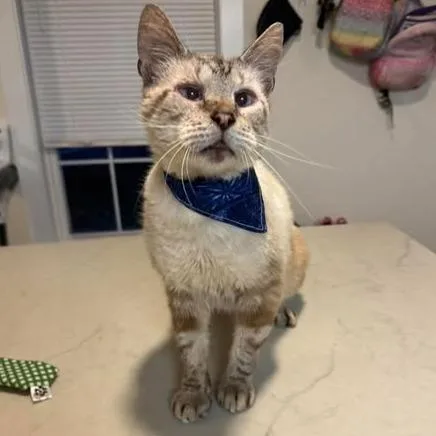
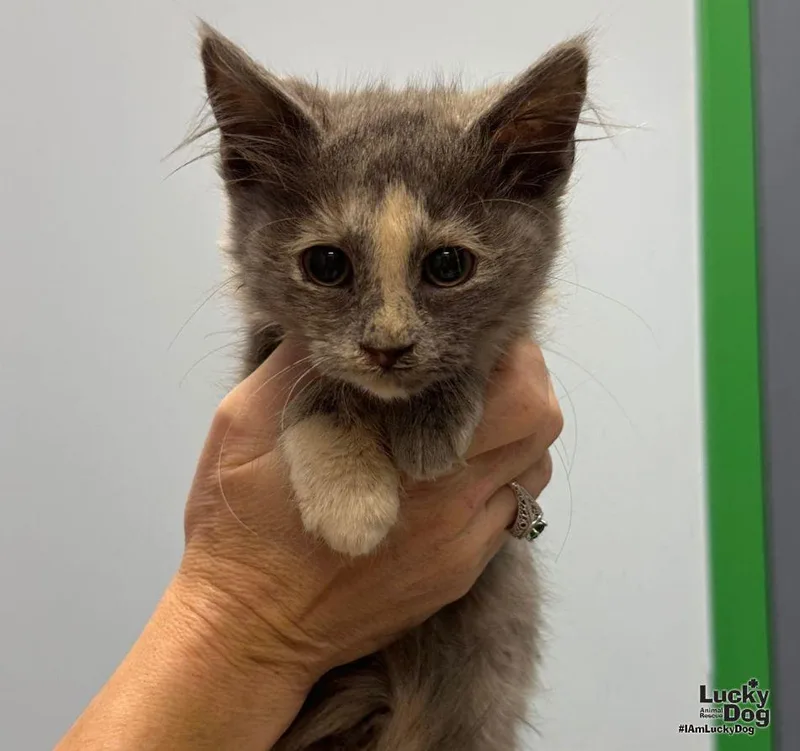
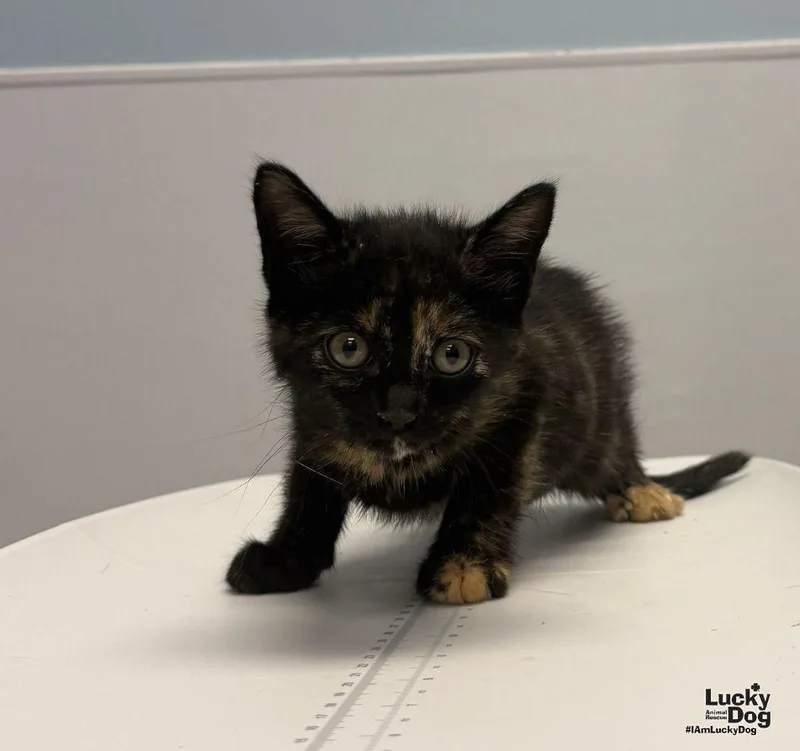
Meet a British Shorthair who needs you

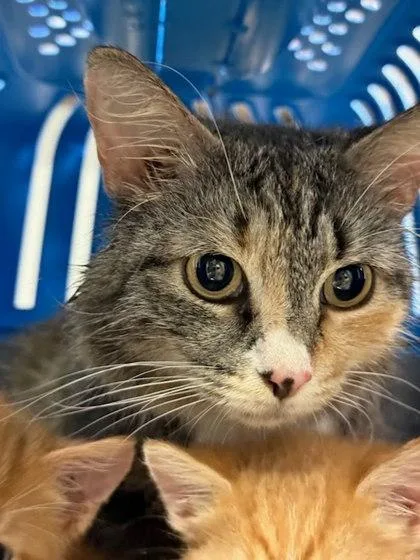
While we don't have enough cats near Washington, keep in mind that many rescues may offer transport.

British Shorthairs Available for Adoption Near Washington

About the British Shorthair breed

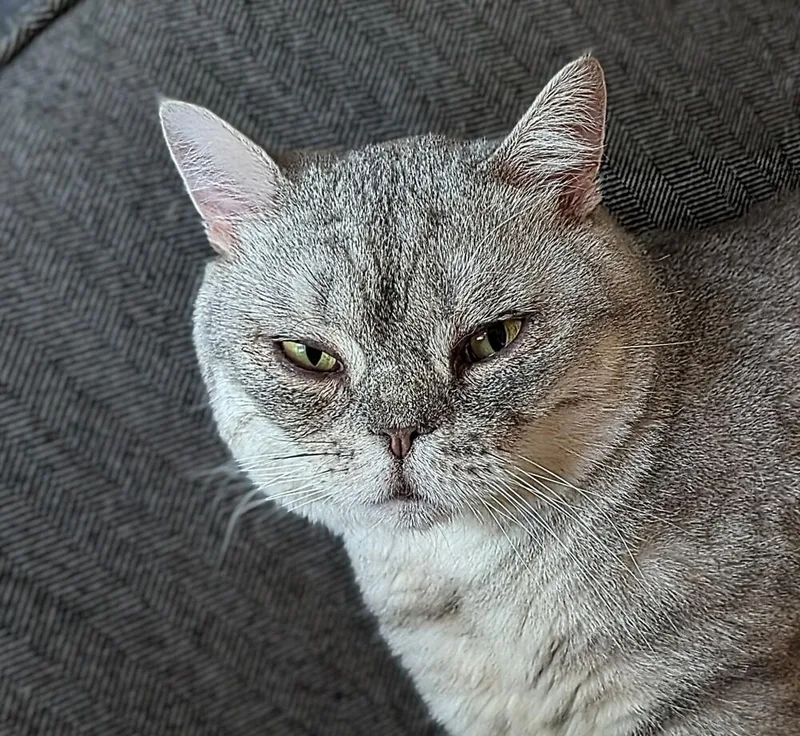
The British Shorthair grew from the working street and farm cats of Britain and appeared at the first organized cat show in London in 1871. The breed nearly vanished during the world wars before it was rebuilt. Its round face, thick body and one of the densest coats in the cat world give it a teddy-bear look. Blue with copper eyes is the classic image, but the breed comes in dozens of colors and patterns.

Many are calm, quiet companions that stay near their people without demanding a lap, and most dislike being carried. They mature slowly, often not filling out until about three years old, so a young cat may look leaner than the adult it becomes. In a DC household, plan for careful portions, weekly brushing and regular checkups that include heart and kidney health. Cats vary, so spend time with a cat before deciding.

Weight
7–17 lbs
Height
12–14 in
Lifespan
12–17 yrs
Temperament
Calm, Easygoing, Affectionate
Shedding
Moderate

Owning a British Shorthair in Washington

Having a British Shorthair in DC

A British Shorthair is a steady, sturdy cat that fits easily into small DC homes. Its low energy, dense shedding coat, tendency to gain weight and inherited heart and kidney risks are what shape daily care, whatever the neighborhood.

Temperament

Many British Shorthairs are even-tempered and quiet, happy to supervise from the next cushion rather than sit in a lap. That suits busy DC households and shared apartment walls, since the breed isn't known for loud talking. Most dislike being carried, and some stay reserved with visitors at first. Each cat's history and personality matter more than the breed label.

Exercise Needs

Plan on a few short play sessions a day with wand toys, toy mice or puzzle feeders. British Shorthairs rarely chase height, so floor-level play works in a rowhouse or a one-bedroom. A window perch overlooking a DC street adds entertainment. Steady activity matters because the breed gains weight easily once it reaches adulthood.

Health Considerations

The breed can be affected by hypertrophic cardiomyopathy, more often in males, and some cats carry polycystic kidney disease. Obesity and dental disease are common but preventable. DC requires rabies vaccination for cats over four months, and a veterinarian can advise on heart screening and weight. Many British Shorthairs have blood type B, which matters for transfusions.

Living Space

British Shorthairs adapt well to apartments and rowhouses because they're quiet and not big climbers. Furnish with a sturdy scratching post, a low cat tree and a sunny window perch. Keeping the cat indoors suits DC's busy streets and its wildlife, including raccoons, which can carry rabies. A harness or an enclosed catio gives safe outdoor time.

What it costs to own a British Shorthair in Washington

ExpenseTypical costPer year
Food$30 to $60 per month$360 to $720
Pet insurance$30 to $65 per month$360 to $780
Routine vet care$150 to $350 per year$150 to $350
Other*$450 to $1,150 per year$450 to $1,150
Estimated yearly total (after year one)$1,320 to $3,000

Other costs are estimates and vary with size, age and health.

* Litter, flea prevention, a dental cleaning allowance, toys, scratchers and other supplies, and weekly home brushing for the dense short coat.

Adopt a British Shorthair in Washington.

Now that you know more, let’s find you a new best friend. These rescues and shelters below currently have British Shorthairs available.

Rescues in Washington with British Shorthairs Available

DC's animal shelter and a network of foster-based rescues care for cats and dogs waiting for adoption in the city. Here are the rescues & shelters in the DC area where you can find British Shorthairs and other cats available for adoption.

Frequently Asked Questions

Yes, DC has no breed ban, so a British Shorthair is as welcome as any other cat. Cats aren't licensed, but those over four months must be vaccinated against rabies. Keeping seven or more animals over four months requires an animal hobby permit. Your lease is usually the bigger question, so read its pet terms before you apply.

Yes, a British Shorthair is a good fit for many DC apartments. Most are quiet, don't climb much and are content with a window perch, a scratching post and a few play sessions a day. Use secure window screens, measure portions, and give the cat a quiet corner away from hallway noise, since some are reserved with visitors.

Often, yes, especially for people with busy city schedules. Many British Shorthairs are easygoing, cope with some time alone and don't need outdoor space. They still want company in the evening and daily play to stay lean. If you travel often or want a lap cat, spend time with a particular cat before deciding.

Yes, but only in a closed carrier. Metrorail and Metrobus allow pets free of charge when they're securely enclosed in a carrier small enough to carry, and the carrier can't take up a seat. A British Shorthair can weigh up to 17 pounds, so choose a sturdy carrier you can lift comfortably. The DC Streetcar also requires a crate.

Yes, as long as they stay indoors. DC summers are humid and often reach 90°F, and the dense coat holds heat. Run air conditioning or fans, keep fresh water out, brush out loose fur and never leave a cat in a parked car. It's also worth planning for a storm-related power outage during a heat wave.

Plan on brushing about once a week, and a few times a week during the spring and fall sheds. The dense coat traps fur, and DC's humid summers can make it uncomfortable, so keep brushing consistent. Home brushing is already counted in the yearly Other costs, and professional grooming is rarely necessary for a short coat.

No, plan to leave your British Shorthair at home. DC's patio-dining law lets restaurants welcome dogs, not cats, and indoor dining rooms are off-limits to pets. A calm cat that dislikes being carried would likely find a crowded patio stressful anyway. Short, planned trips in a secure carrier, like vet visits, are a better use of the carrier.

British Shorthairs commonly live about 12 to 17 years, and many healthy indoor cats reach their late teens. Swedish insurance data found most lived past ten, though a UK veterinary study reported a lower average because of early deaths. Keeping a British Shorthair lean, brushing its teeth and screening for heart and kidney disease all help support a longer life.

We have 1 rescue with British Shorthairs available: Lucky Dog Animal Rescue. You can see every rescue with British Shorthairs available in the list above these questions, or scroll to the top to see the British Shorthairs near Washington.

Expect roughly $1,320 to $3,000 a year for a British Shorthair in DC. That adds up food at $30 to $60 a month, insurance at $30 to $65 a month, routine vet care at $150 to $350 a year, and other yearly costs of $450 to $1,150. Illness, emergencies and heart or kidney screening are extra, and the adoption fee appears on each listing.

Find British Shorthairs in Nearby Cities

Expand your search to find British Shorthairs available for adoption near Washington.

Explore Other Breeds in Washington

Looking for a different breed? Browse other cats available for adoption in Washington.