British Shorthair Cats for Adoption in Denver, CO

Your guide to finding and caring for a British Shorthair in Denver

British Shorthairs fit Denver's apartment neighborhoods well because they're happy to laze around a small space. A one-bedroom in a mid-rise near Cheesman Park or a brick Victorian in Baker gives this calm cat what it wants: a window perch, a low cat tree and its people in sight. It won't scale your bookshelves or yowl at the neighbors. On a cold January afternoon, it'll claim the one patch of sun on the floor and stay there until dinner.

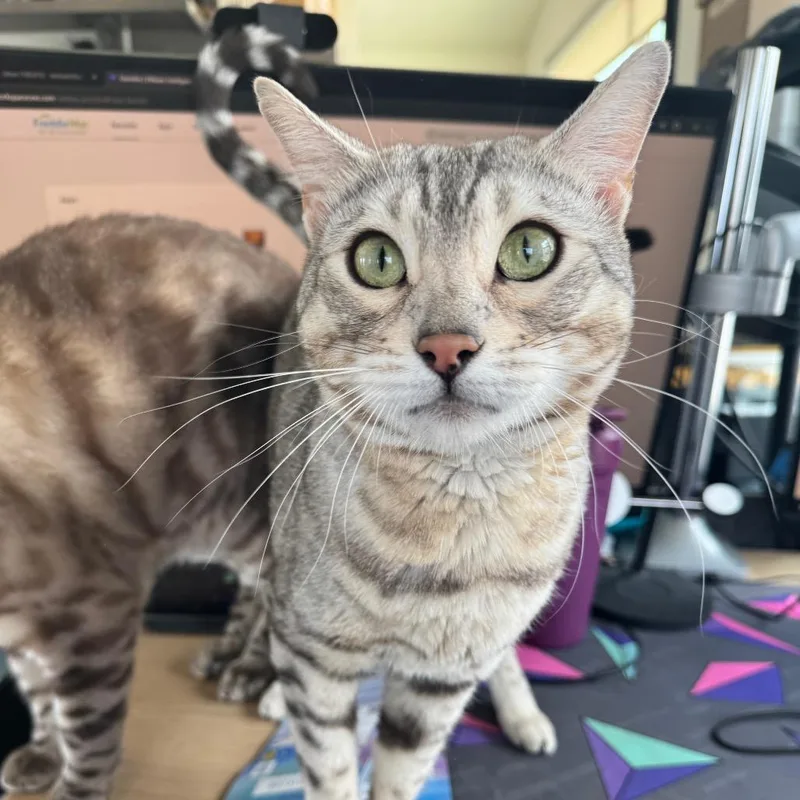
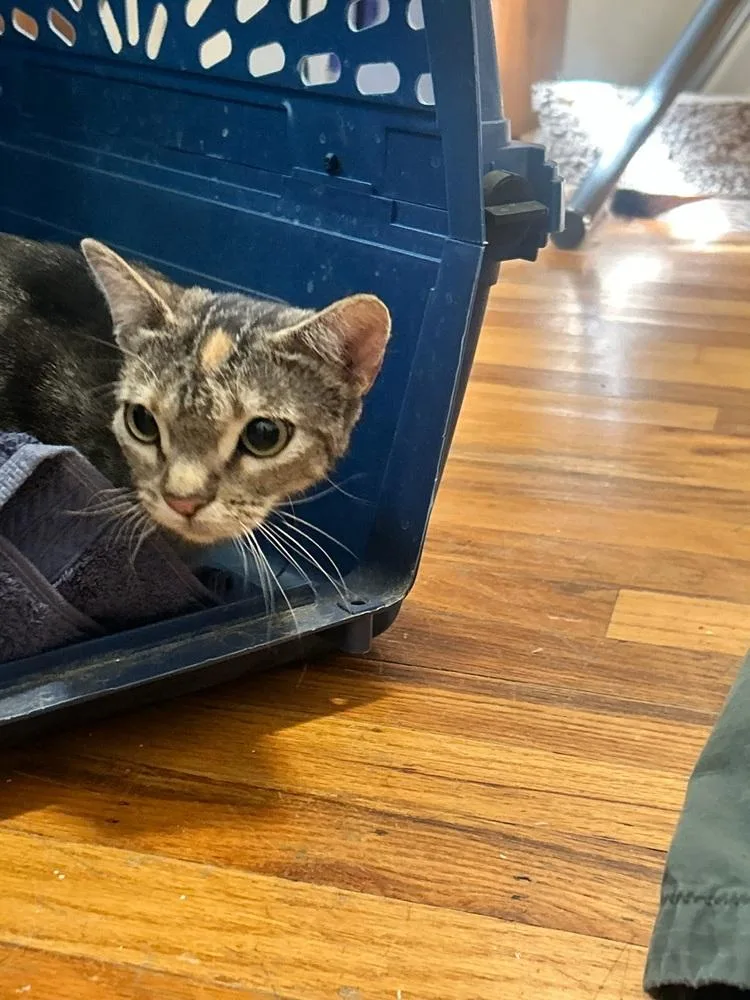
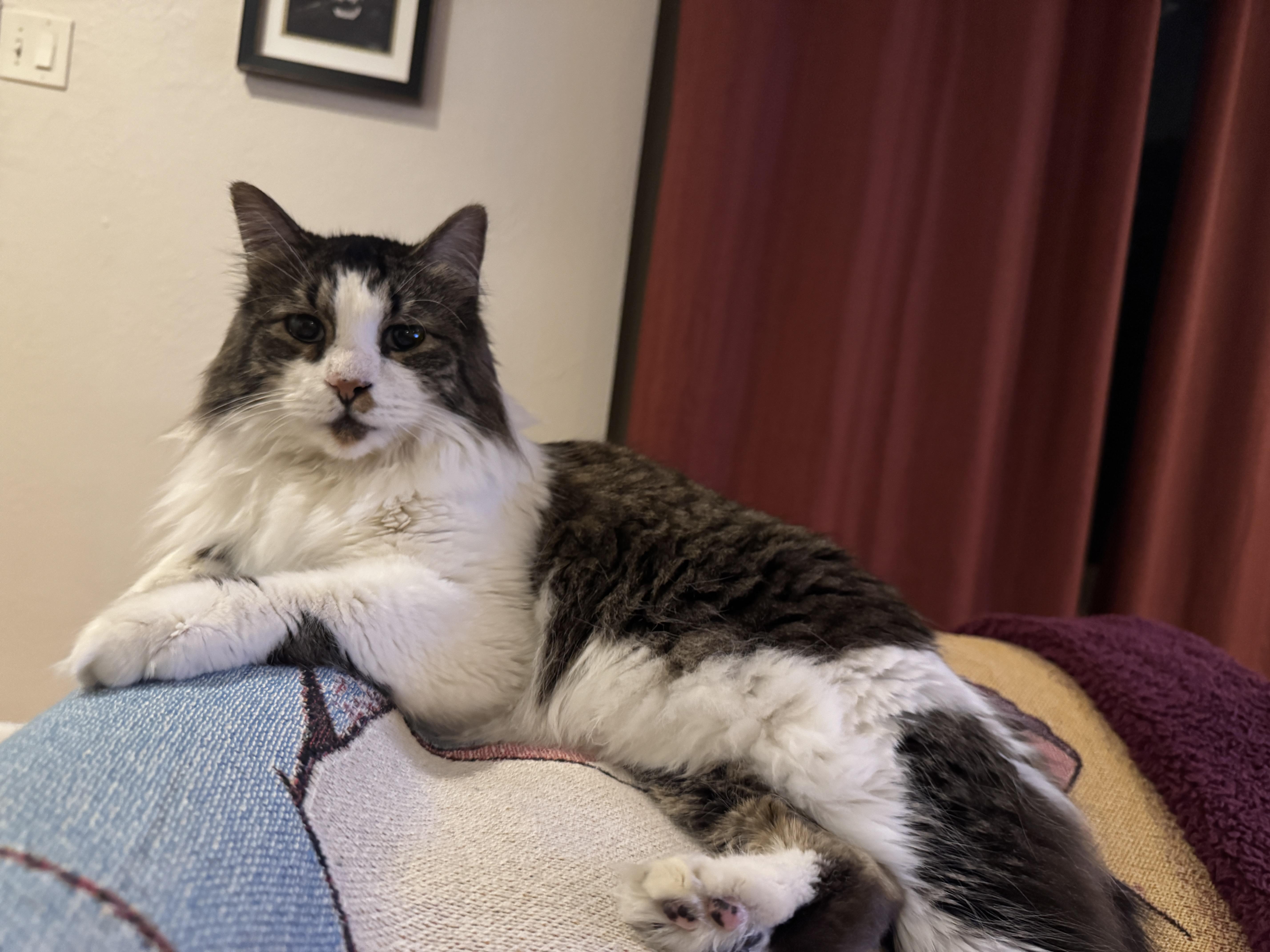
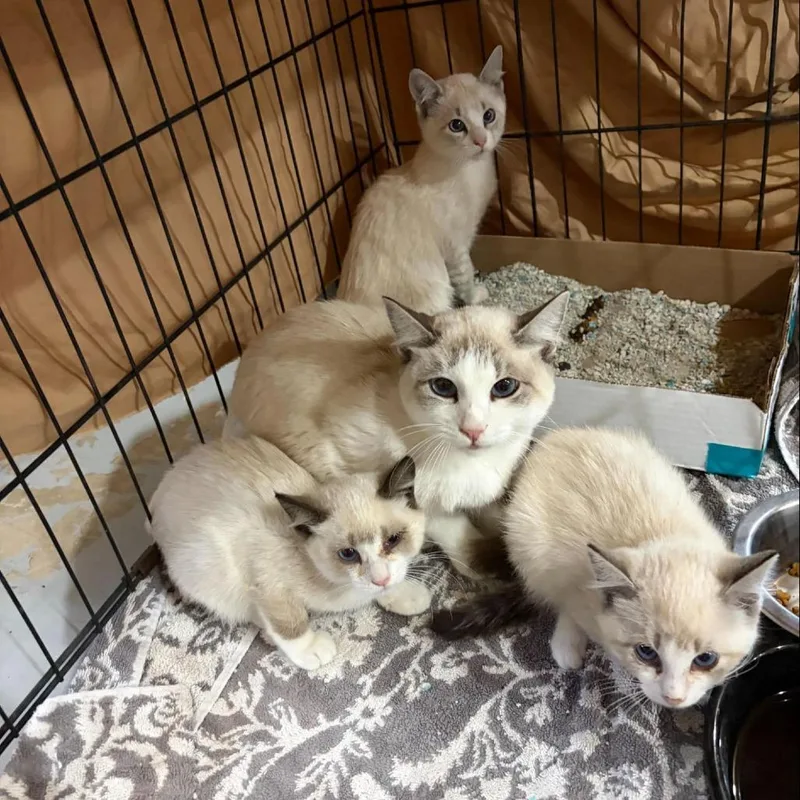
98 British Shorthairs available in Denver and nationwide

Meet a British Shorthair who needs you

While we don't have enough cats near Denver, keep in mind that many rescues may offer transport.

British Shorthairs Available for Adoption Near Denver

About the British Shorthair breed

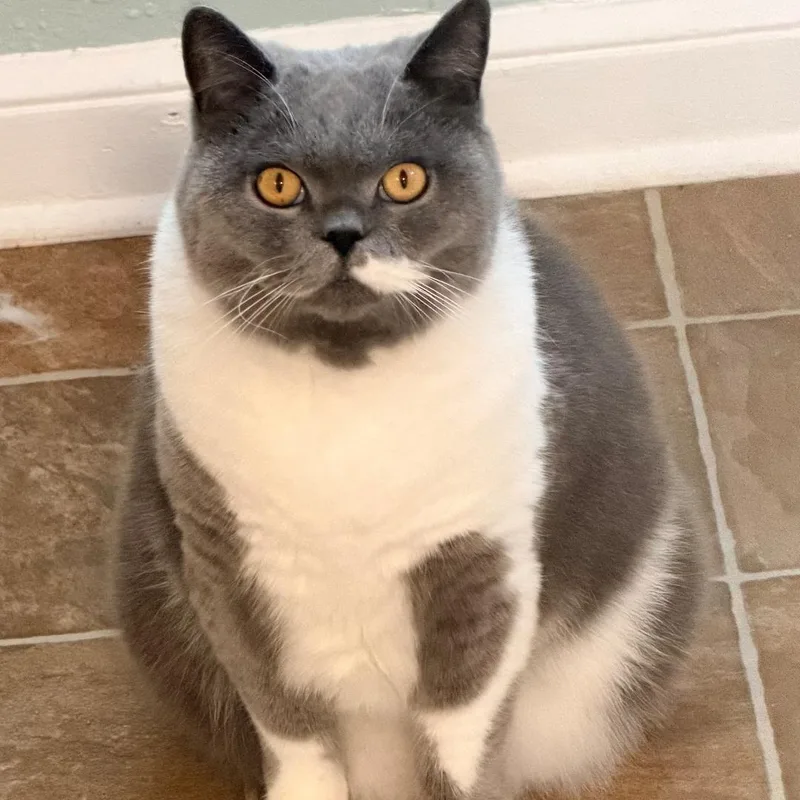
The British Shorthair descends from the domestic cats of Britain, with a stocky, round-faced build and one of the densest coats of any breed. The classic blue coat with copper eyes gets the attention, but the breed also comes in many other colors and patterns. Adults are heavy-boned, commonly 7 to 17 pounds, with males on the larger end, and they fill out slowly, often not reaching full size until around age three.

In a Denver home, a British Shorthair's calm manner is the main draw. Many follow their people from room to room, watch instead of climb, and dislike being carried. Plan for weekly brushing, measured meals to head off weight gain, and regular vet visits that include heart and kidney checks. Cats vary, so a quiet, easygoing nature is common but not guaranteed.

Weight
7–17 lbs
Height
12–14 in
Lifespan
12–17 yrs
Temperament
Calm, Easygoing, Affectionate
Shedding
Moderate

Owning a British Shorthair in Denver

Having a British Shorthair in Denver

A steady, low-key cat with a sturdy build, the British Shorthair adapts to indoor life easily. These cards cover temperament, exercise, health and living space, including how the breed's moderate energy, dense coat and tendency to gain weight play out in a Denver home.

Temperament

Even-tempered and quiet, many British Shorthairs prefer sitting beside you to sitting on you. That suits shared-wall apartment living, where a cat that rarely yowls helps. Some are reserved with visitors at first, and most dislike being carried. A cat's own history and personality matter more than breed reputation.

Exercise Needs

Aim for a few short play sessions a day with wand toys, toy mice or puzzle feeders, all at floor level. Because this is an indoor cat, planned play does the work a yard would do, and it matters because adults of this breed gain weight easily. A window perch adds entertainment between sessions.

Health Considerations

Documented concerns include hypertrophic cardiomyopathy, more common in males, and polycystic kidney disease in some lines. Obesity and dental disease are common but preventable. Ask a Denver vet about heart and kidney screening at the first visit, and keep rabies vaccination current, as the city requires for cats over six months.

Living Space

British Shorthairs do well in Denver's mix of apartments, condos and brick bungalows because they're quiet and not big climbers. Give them a sturdy scratching post, a low cat tree and a sunny window perch. Indoor living also keeps a slow-moving cat away from traffic and coyotes.

What it costs to own a British Shorthair in Denver

ExpenseTypical costPer year
Food$30 to $60 per month$360 to $720
Pet insurance$30 to $65 per month$360 to $780
Routine vet care$150 to $350 per year$150 to $350
Other*$465 to $1,165 per year$465 to $1,165
Estimated yearly total (after year one)$1,335 to $3,015

Other costs are estimates and vary with size, age and health.

* Litter, flea prevention, a dental cleaning allowance, toys, scratchers and other supplies, weekly home brushing, and the $15 Denver cat license.

Adopt a British Shorthair in Denver.

Now that you know more, let’s find you a new best friend. These rescues and shelters below have cats available in and near Denver.

Rescues and Shelters in or near Denver

Denver has a municipal shelter and nonprofit rescues, and the cats listed below are the ones currently waiting for homes. Here are the rescues & shelters in the Denver area with cats available for adoption, worth asking whether a British Shorthair is coming in.

Frequently Asked Questions

Only in a carrier. RTD bars pets on its buses and trains except small pets in carriers, and it publishes no size limit. A British Shorthair can reach 17 pounds, so choose a sturdy, roomy carrier and keep the cat inside it for the whole trip. On commuter rail, keep the carrier on the floor or your lap, not a seat.

Yes. Denver nights fall to freezing roughly 156 days a year, but a British Shorthair's dense coat and indoor routine handle that well. Keep the cat inside, offer a bed away from drafts, never shave the coat, and wipe up antifreeze and ice melt. Summer heat in sunny apartments is the bigger adjustment.

Yes. Denver's breed-specific rules apply to three pit bull–type dog breeds, not to cats. Cats are covered by the same basics as other pets: a license and rabies vaccination from six months old, and spay/neuter. Households are limited to five dogs and cats combined, so check your count first.

Yes. British Shorthairs are quiet, moderately active and not big climbers, which suits apartment living. Provide a window perch, low cat tree, scratching post and daily play sessions to prevent weight gain. Put secure screens on any open window, and read the lease for pet limits before you apply.

Often, yes, for someone who wants a calm, low-energy indoor companion. Denver's sunny windows and cool winter days suit a cat that likes to lounge, while summer heat, hail and thunder mean you'll want shade and a quiet hiding spot. Breed alone doesn't decide fit, so consider each cat's personality against your routine.

Brush about once a week, and a few times a week during the spring shed as Denver warms up. The dense coat doesn't need shaving in any season. Home brushing costs little beyond a brush, so grooming stays within the yearly Other costs listed on this page, and a professional session is optional.

British Shorthairs commonly live about 12 to 17 years, and many healthy indoor cats reach their late teens. Swedish insurance data found most lived past ten, though a UK veterinary study reported a lower average because of early deaths. Keeping a British Shorthair lean, brushing its teeth and screening for heart and kidney disease all help support a longer life.

No, British Shorthairs are not hypoallergenic. Their dense coat sheds, and like all cats they produce the Fel d 1 allergen in saliva and skin, which spreads onto fur during grooming. People with mild allergies sometimes cope with frequent brushing, air purifiers and a cat-free bedroom, but spending time with the specific cat before adopting is the safest test.

British Shorthairs can be capable hunters, since the breed grew out of working cats that kept British farms, homes and streets free of rodents. Most pet British Shorthairs today are more relaxed than driven, and many prefer stalking toy mice and wand toys. Their prey drive is still real, so keep small pets like birds and hamsters securely separated.

A British Shorthair in Denver typically costs about $1,335 to $3,015 a year: $360 to $720 for food, $360 to $780 for insurance, $150 to $350 for routine vet care, and $465 to $1,165 for everything else. Insurance runs higher for this breed because of its inherited heart and kidney risks.