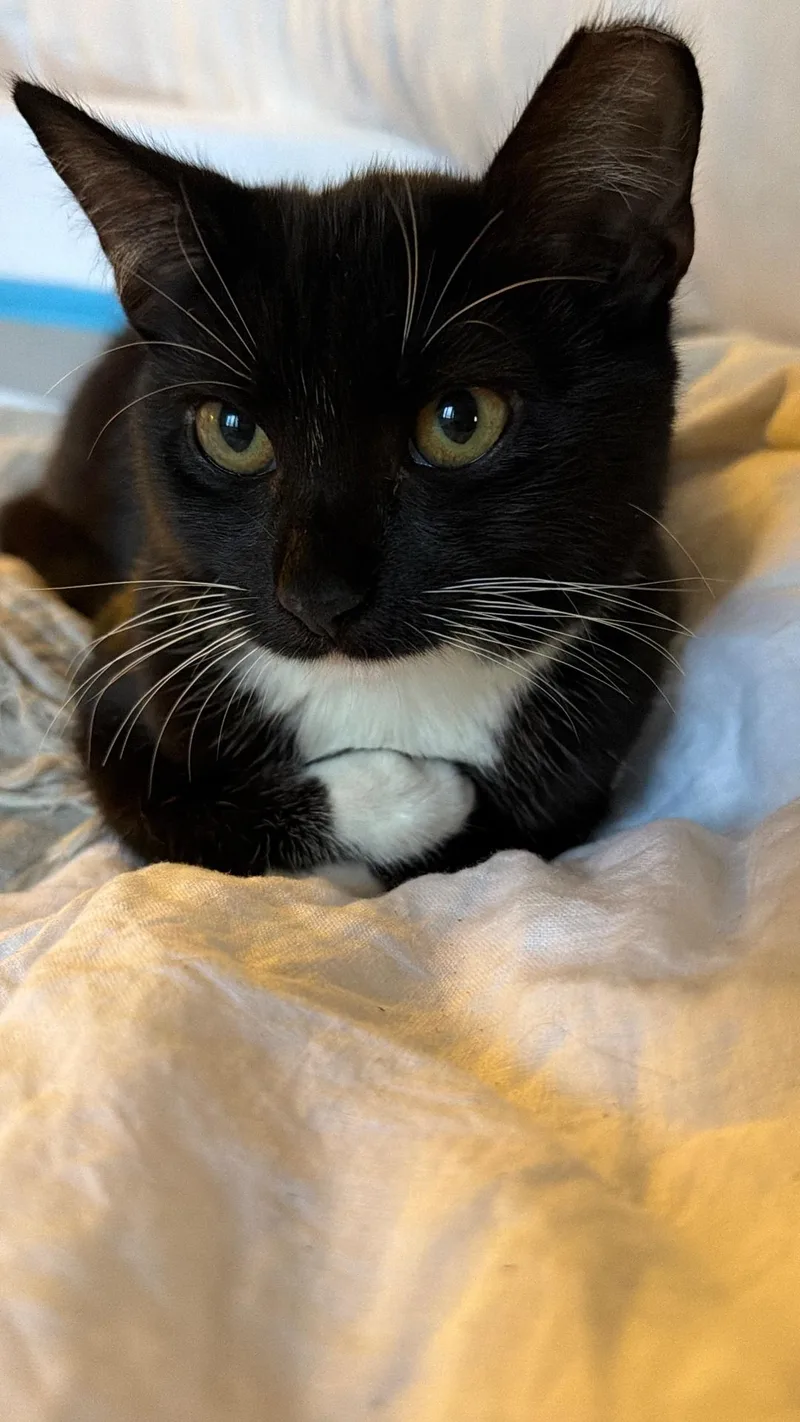
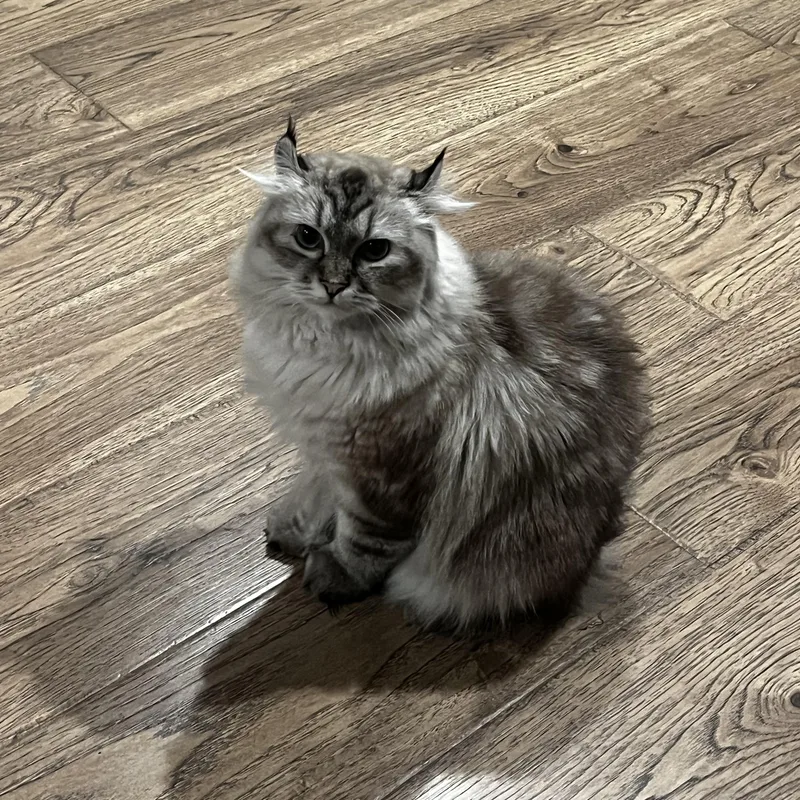
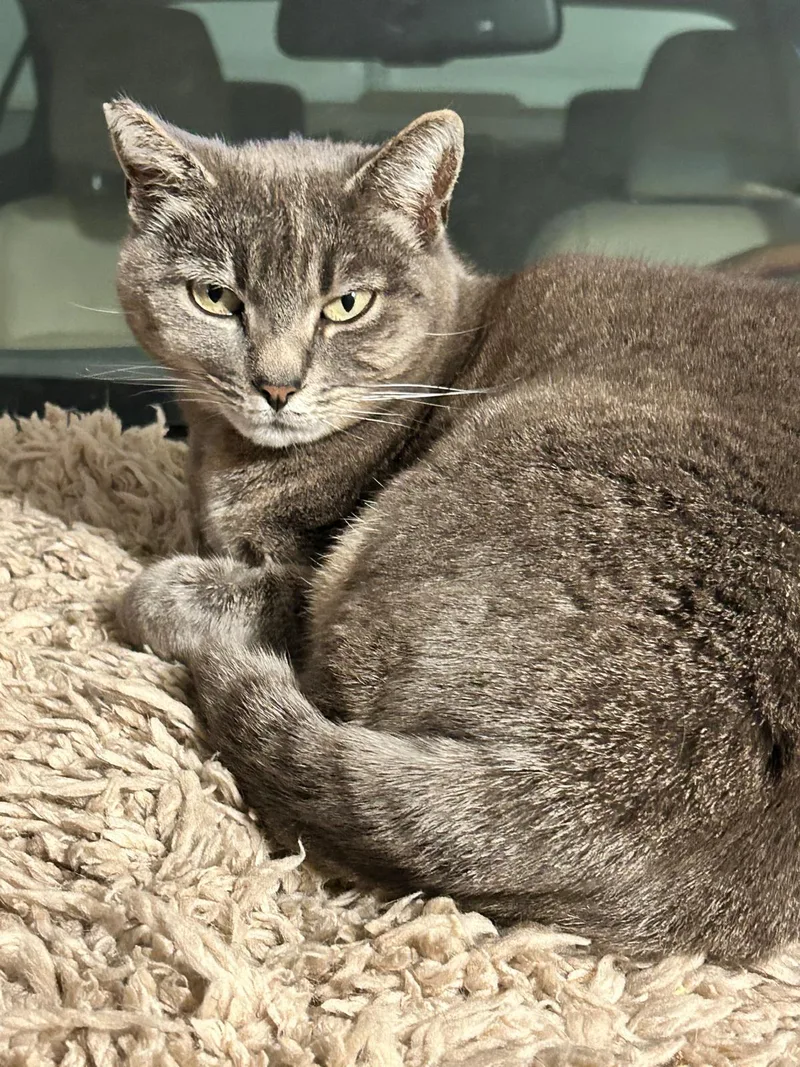
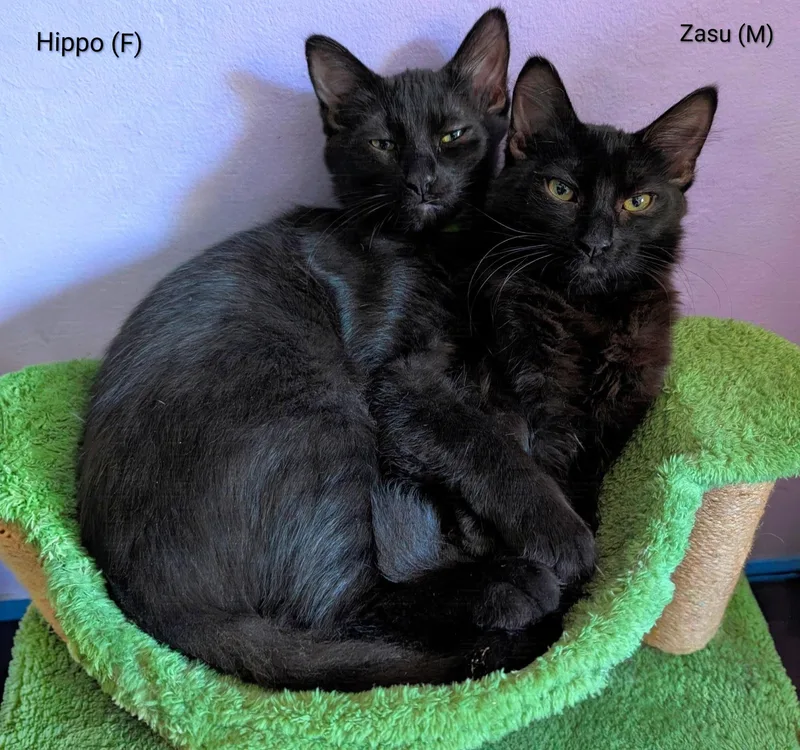
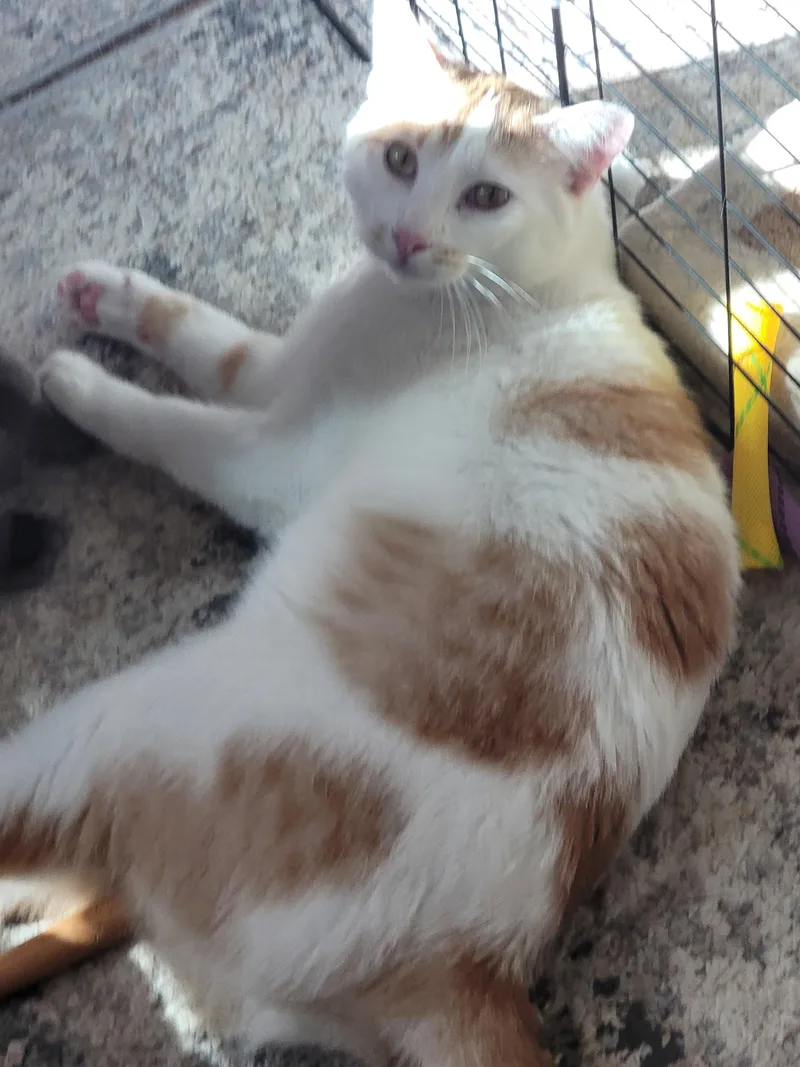
Tortoiseshell Cats for Adoption in San Jose, CA

Your guide to finding and caring for a Tortoiseshell in San Jose

Tortoiseshell isn't a breed, and in San Jose that works in your favor, since torties come in every personality. A quiet one might love a sunny window in a Rose Garden cottage, while a bolder one could rule an Evergreen townhome with a cat tree by the stairs. Most are domestic shorthairs with moderate shedding. San Jose requires a license and rabies shot for cats, so budget for both when you bring a new cat home.

960 Tortoiseshells available in San Jose and nationwide

Your Tortoiseshell is waiting

Tortoiseshells Available for Adoption Near San Jose

About the Tortoiseshell breed

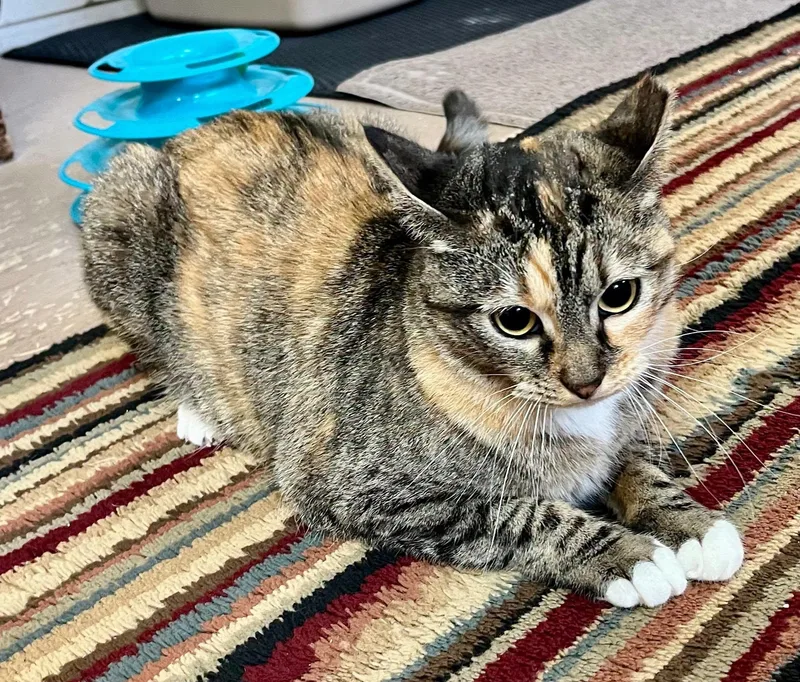
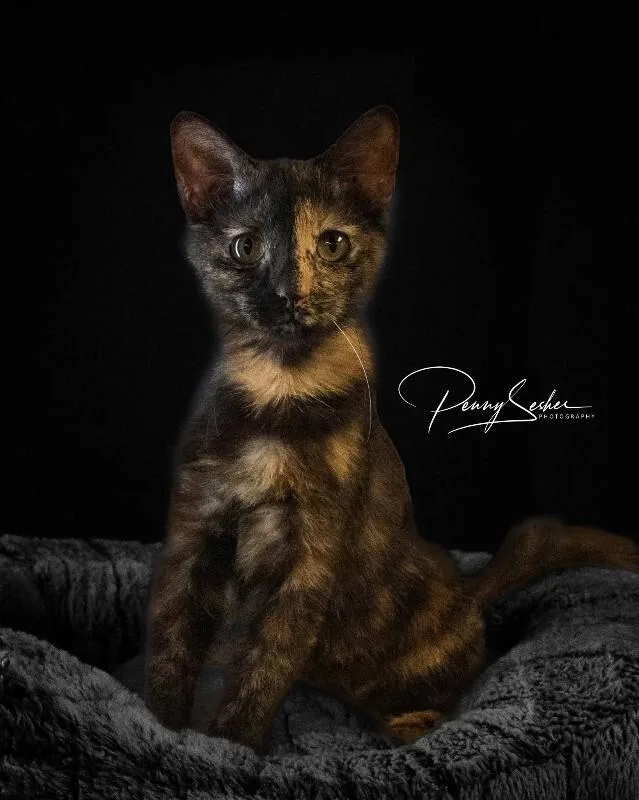
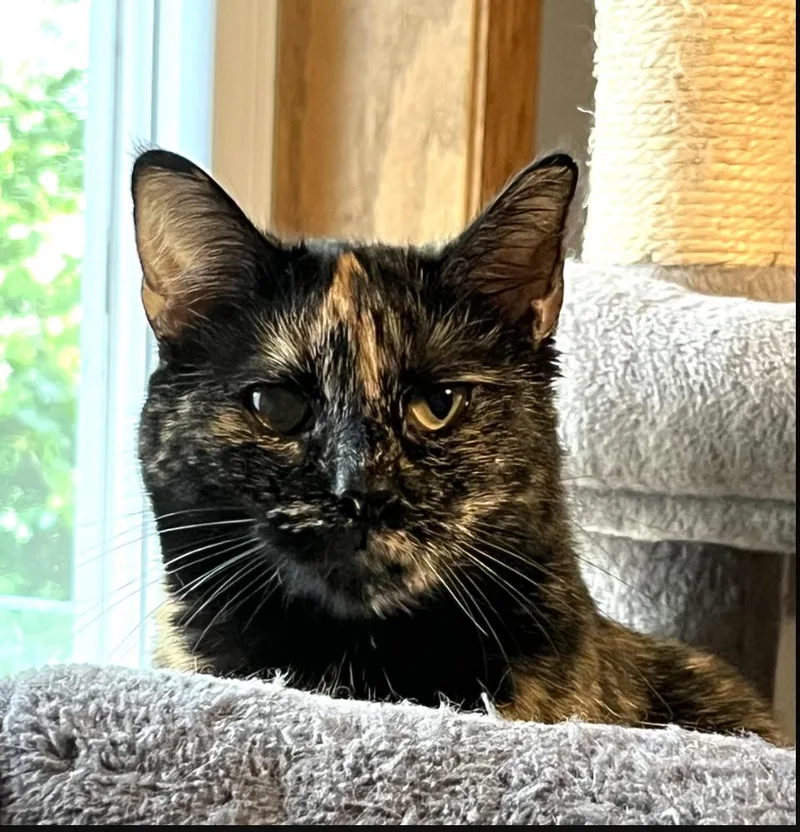
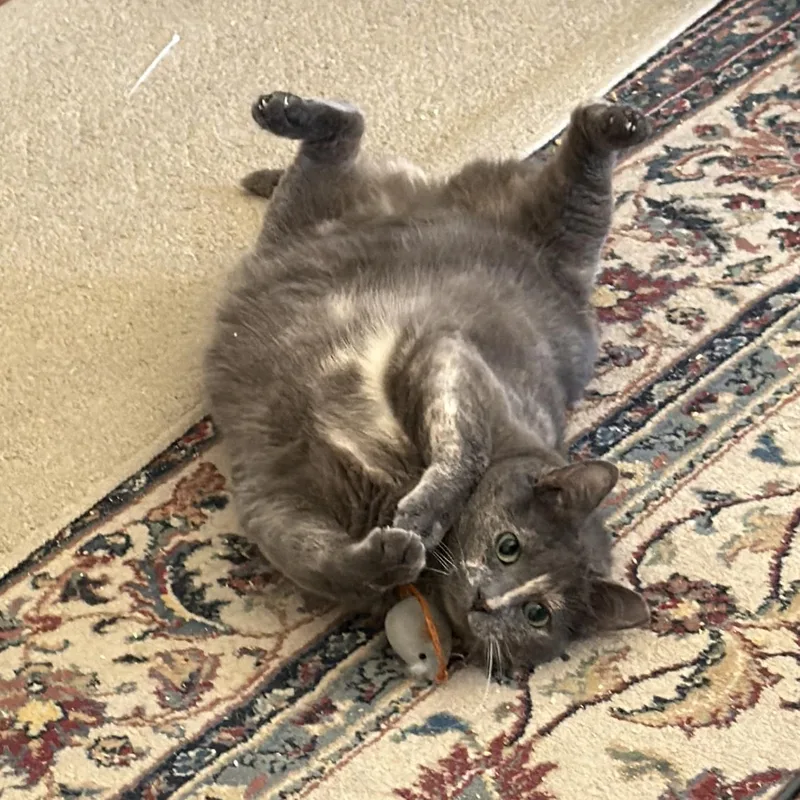
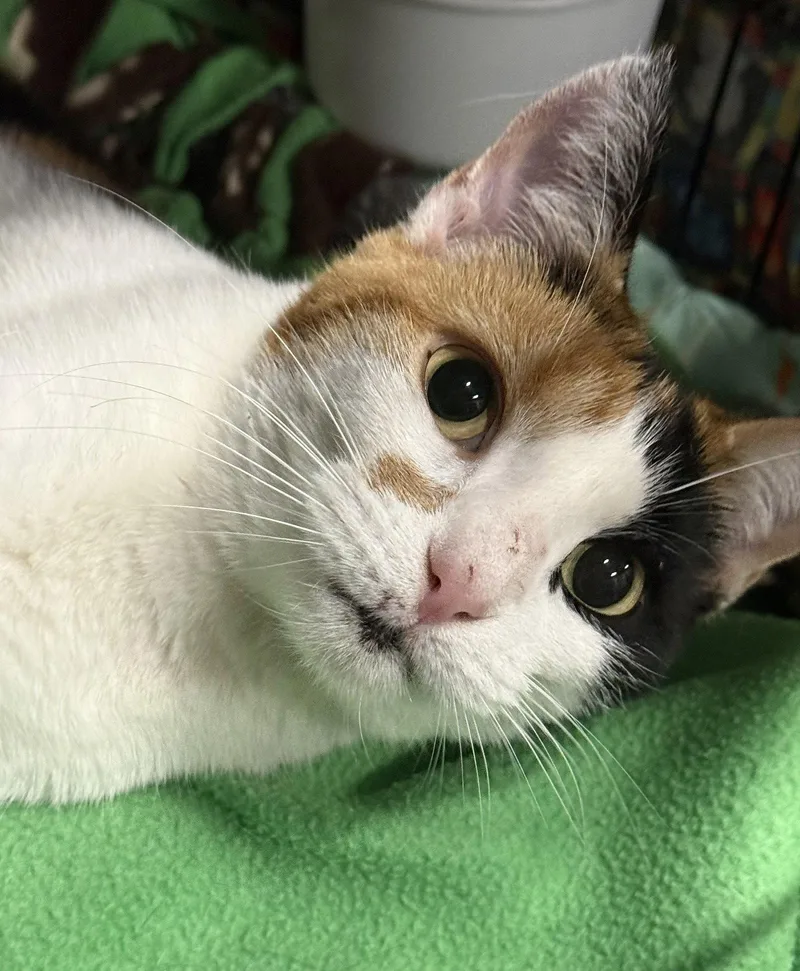
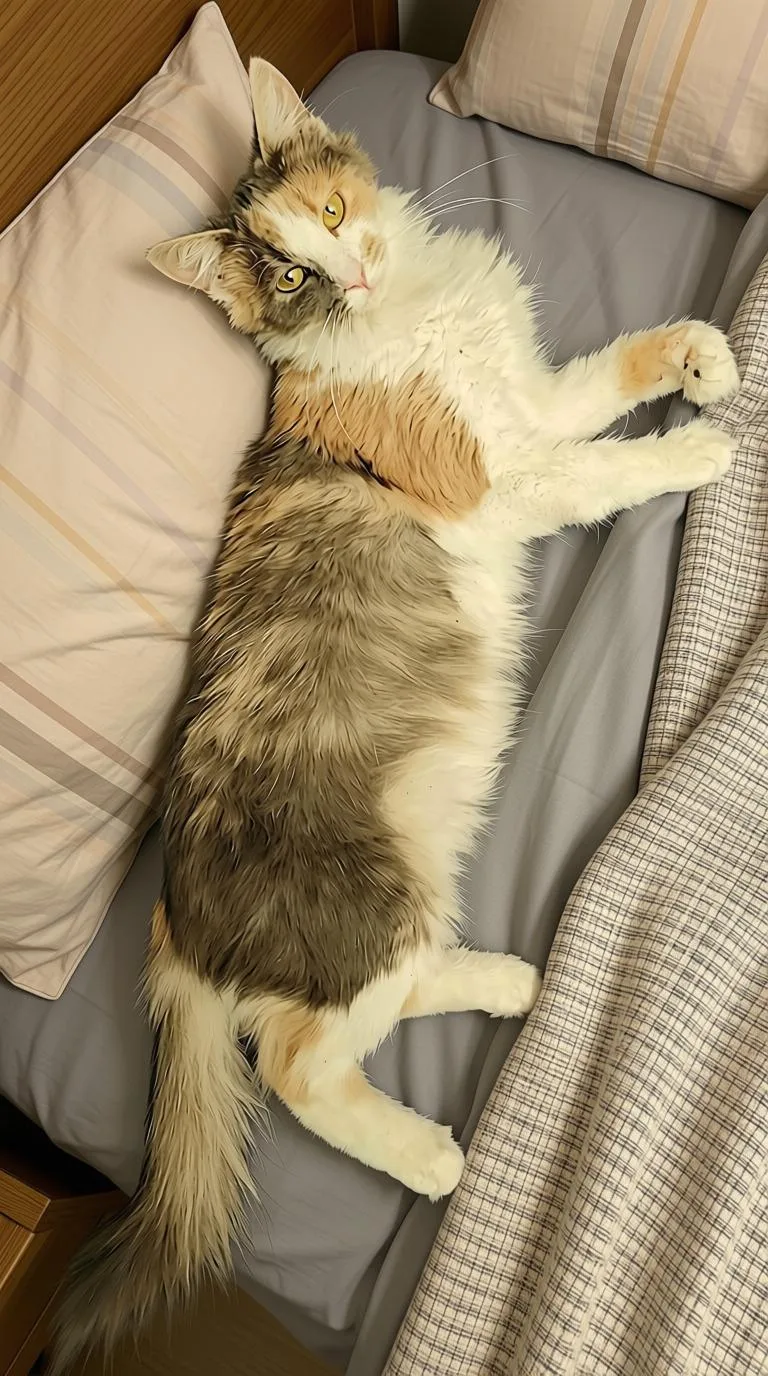
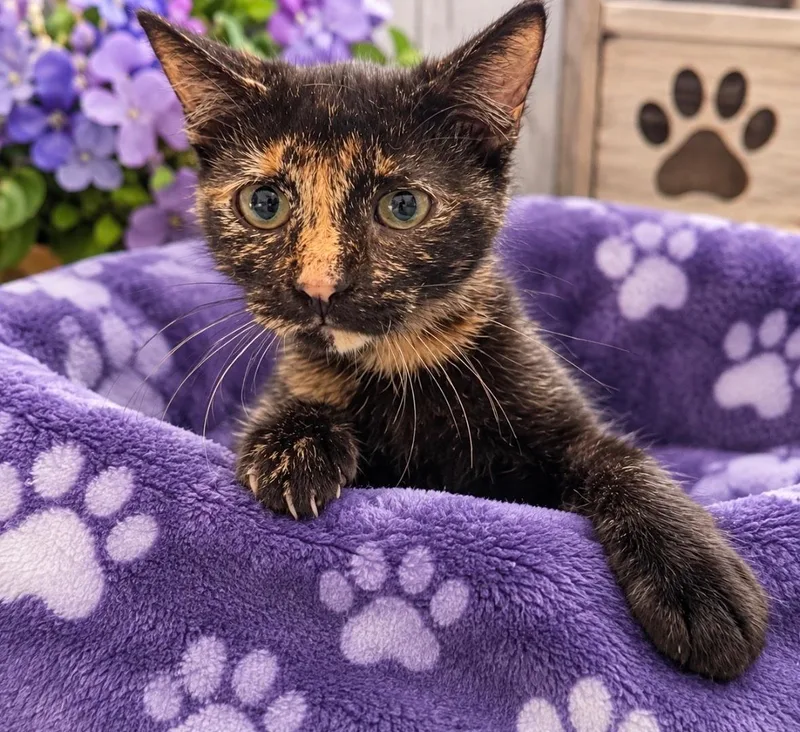
Tortoiseshell describes a coat, not a breed. A tortie's fur mixes black-based and orange-based colors in patches or a fine mottled blend, usually with little or no white; a cat with large white areas is a calico. Nearly all torties are female, because the orange gene sits on the X chromosome.

Most torties are domestic shorthairs, though the pattern also appears in Persians, Maine Coons, British Shorthairs and others, so size and grooming needs vary. The "tortitude" reputation for sass rests mostly on owner impressions, and a cat's age, history and socialization say far more about personality. In San Jose, a medium-sized tortie usually adapts well to townhomes, condos and cottages, as long as she has perches and daily play.

Weight
6–14 lbs
Height
8–10 in
Lifespan
12–18 yrs
Temperament
Independent, Affectionate, Playful
Shedding
Moderate

Owning a Tortoiseshell in San Jose

Having a Tortoiseshell in San Jose

Tortoiseshell is a coat, so a tortie's traits come mostly from ancestry, age and upbringing. These cards cover what holds for most torties, usually domestic shorthairs, and how that plays out in San Jose homes and weather.

Temperament

Torties have a reputation for spirited, opinionated behavior, nicknamed tortitude, but the evidence is thin and mostly owner impressions. In practice, tortoiseshell cats range from shy to bold and cuddly to independent. In a busy San Jose apartment or townhome, watch how the cat handles noise and visitors, and give a shy cat a quiet room.

Exercise Needs

Most torties benefit from daily interactive play: wand toys, chase games and puzzle feeders. Kittens and young adults need more, and seniors prefer gentler sessions. Indoors, cat trees and window perches add enrichment. For outdoor time, a catio or harness training is safer than free roaming near busy streets and foothill open space.

Health Considerations

The tortoiseshell pattern carries no particular health risks in females; the rare males usually have an extra X chromosome and may face added issues. Otherwise, health follows breed, age and care, so yearly vet exams, dental care and a healthy weight matter most. San Jose requires a rabies vaccine for cats over four months, so schedule that shot early.

Living Space

Tortoiseshell cats do well in apartments and houses alike, since space needs follow the cat, not the coat. In a condo or townhome, cat trees, scratching posts and window perches matter most, and a shy tortie may want a hideaway. Bolder, social cats adapt to busy households. Secure window screens are worth it above the ground floor.

What it costs to own a Tortoiseshell in San Jose

ExpenseTypical costPer year
Food$25 to $50 per month$300 to $600
Pet insurance$20 to $45 per month$240 to $540
Routine vet care$150 to $350 per year$150 to $350
Other*$480 to $1,180 per year$480 to $1,180
Estimated yearly total (after year one)$1,170 to $2,670

Other costs are estimates and vary with size, age and health.

* The $30 San Jose license for an altered cat, litter, flea and parasite prevention, a dental cleaning allowance, toys and supplies, and home grooming.

Adopt a Tortoiseshell in San Jose.

Now that you know more, let’s find you a new best friend. These rescues and shelters below currently have Tortoiseshells available.

Frequently Asked Questions

Yes, you can. Cats over 4 months old must be licensed and vaccinated against rabies, and a one-year license is $30 for an altered cat. A home can hold up to five cats if it has no dogs, with lower limits when dogs live there. Renters should also confirm their building's pet policy.

Yes, a Tortoiseshell can live happily in a San Jose apartment, since space needs follow the cat's age and personality rather than coat color. Provide a cat tree, window perch and daily play, and secure window screens. Get any pet terms in writing, and remember pet deposits count toward California's security deposit cap.

Yes, on VTA and BART, as long as the cat stays in an enclosed carrier. VTA requires one small enough to fit on your lap, and BART wants a secure carrier made for pets. Caltrain allows service animals only, so a pet cat can't ride it. Choose a sturdy carrier and keep the cat inside for the whole trip.

Yes, San Jose summers are warm and dry rather than extreme, with hot spells mostly in August and September. Indoor torties do fine with shade, fresh water and a fan on hot afternoons, and a cat should never be left in a parked car. On smoky wildfire days, keep your cat inside.

Most tortoiseshell cats are shorthairs that shed moderately and do well with a weekly brushing, while long-haired torties need brushing several times a week. San Jose's mild climate adds little, apart from checking coat, ears and paws for foxtails if your cat goes outside once the grass dries. Home grooming keeps this a small part of yearly costs.

Often, yes, especially for people who can offer daily play and a cat-safe home. Torties adapt to San Jose's mix of cottages, townhomes and apartments, and the mild climate suits indoor cats. Because tortoiseshell is a coat rather than a breed, personalities vary widely, so judge each cat on its own age, energy and comfort with noise.

A tortoiseshell cat is a cat with a coat pattern of black-based and orange-based colors blended or patched together, usually with little or no white. It is not a breed; the pattern appears in many breeds and most often in domestic shorthairs. Nearly all tortoiseshells are female because the genes for orange and black are carried on the X chromosome.

Almost all tortoiseshell cats are female, but not all. A female has two X chromosomes and can carry both orange and black color genes, producing the mixed coat. Males normally have only one X. Rare male torties usually have an extra X chromosome or are genetic chimeras, and they are estimated at roughly 1 in 3,000 tortoiseshells.

We have 3 rescues with Tortoiseshells available: 13th St Cats, Ace Kitty Rescue Force Corp and Tailchaser Rescue. You can see every rescue with Tortoiseshells available in the list above these questions, or scroll to the top to see the Tortoiseshells near San Jose.

Plan on roughly $1,170 to $2,670 a year for a tortie in San Jose. Food runs $25 to $50 a month, insurance $20 to $45 a month, routine vet care $150 to $350 a year, and other costs, including the license, litter and parasite prevention, $480 to $1,180 a year. Emergencies and one-off supplies like a carrier and cat tree come on top.