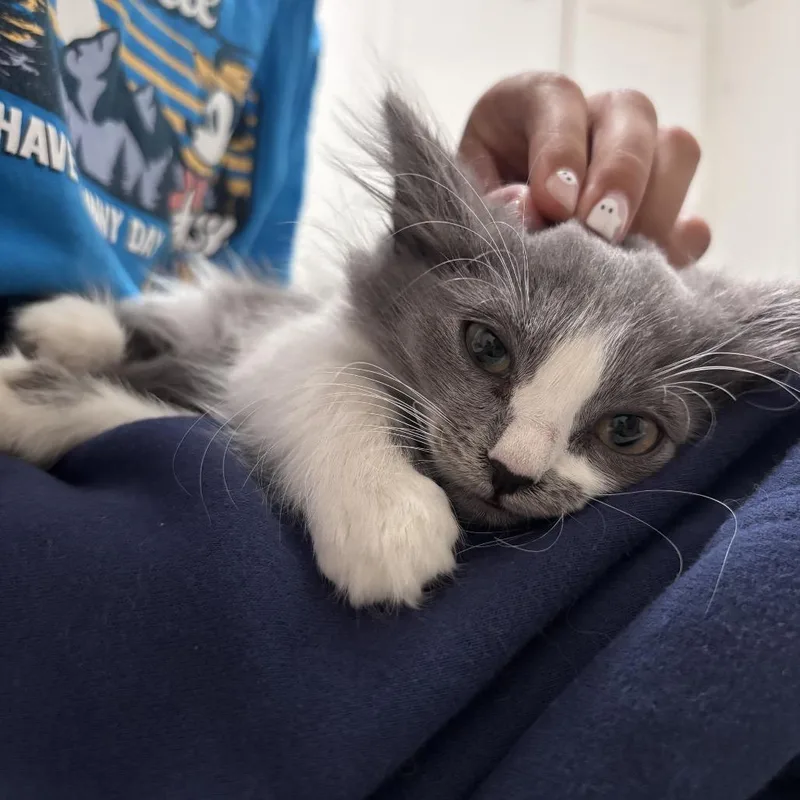
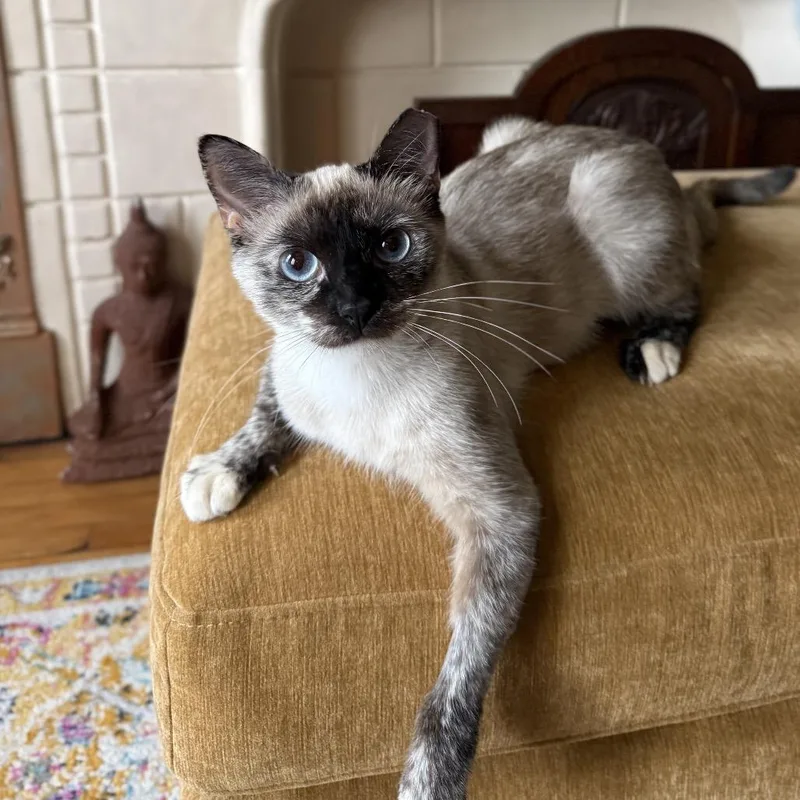
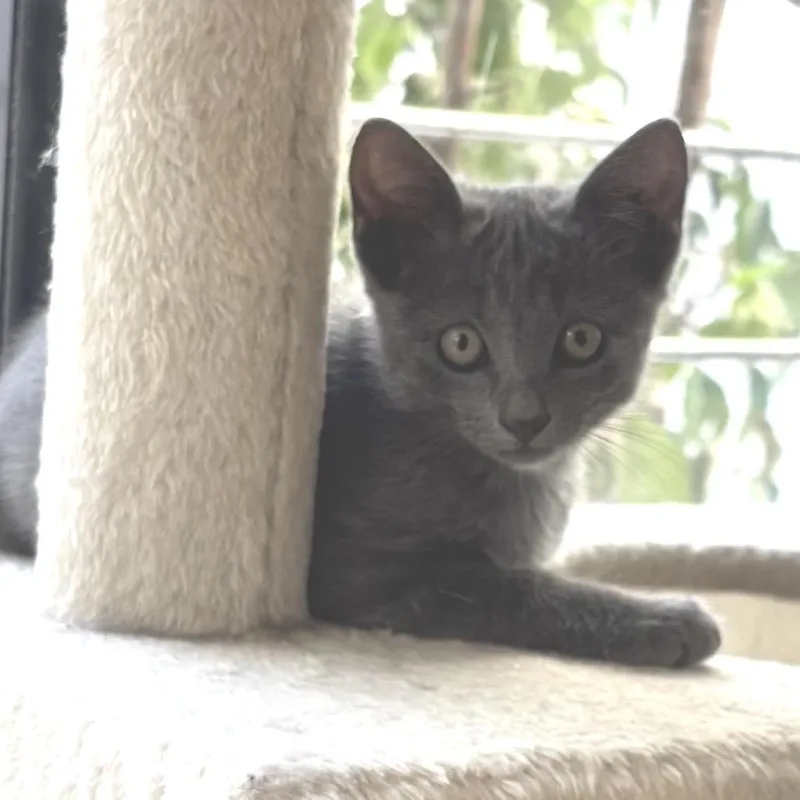
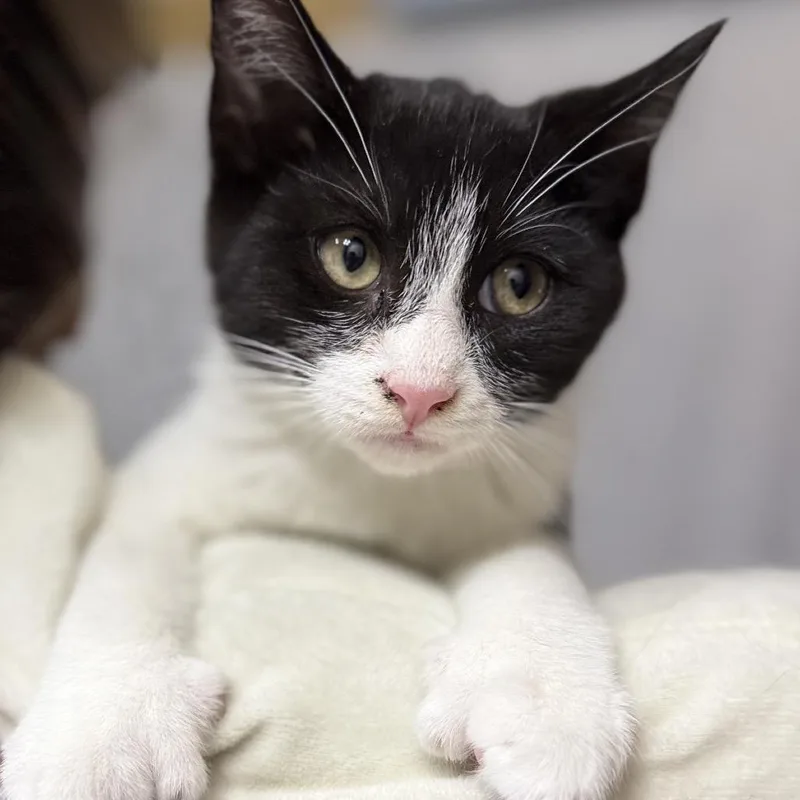
Tortoiseshell Cats for Adoption in Long Beach, CA

Your guide to finding and caring for a Tortoiseshell in Long Beach

A tortie fits easily into Long Beach apartment life, whether that's a 1920s condo in Alamitos Beach or a Craftsman bungalow in Hellman. Tortoiseshell is a coat pattern rather than a breed, so these cats come in every personality, but most settle happily indoors with a cat tree and a sunny window. Ocean breezes keep many homes comfortable, which makes a perch by a screened window prime real estate. Plan on daily play and keep her inside after dark.

981 Tortoiseshells available in Long Beach and nationwide

Your Tortoiseshell is waiting

Tortoiseshells Available for Adoption Near Long Beach

About the Tortoiseshell breed

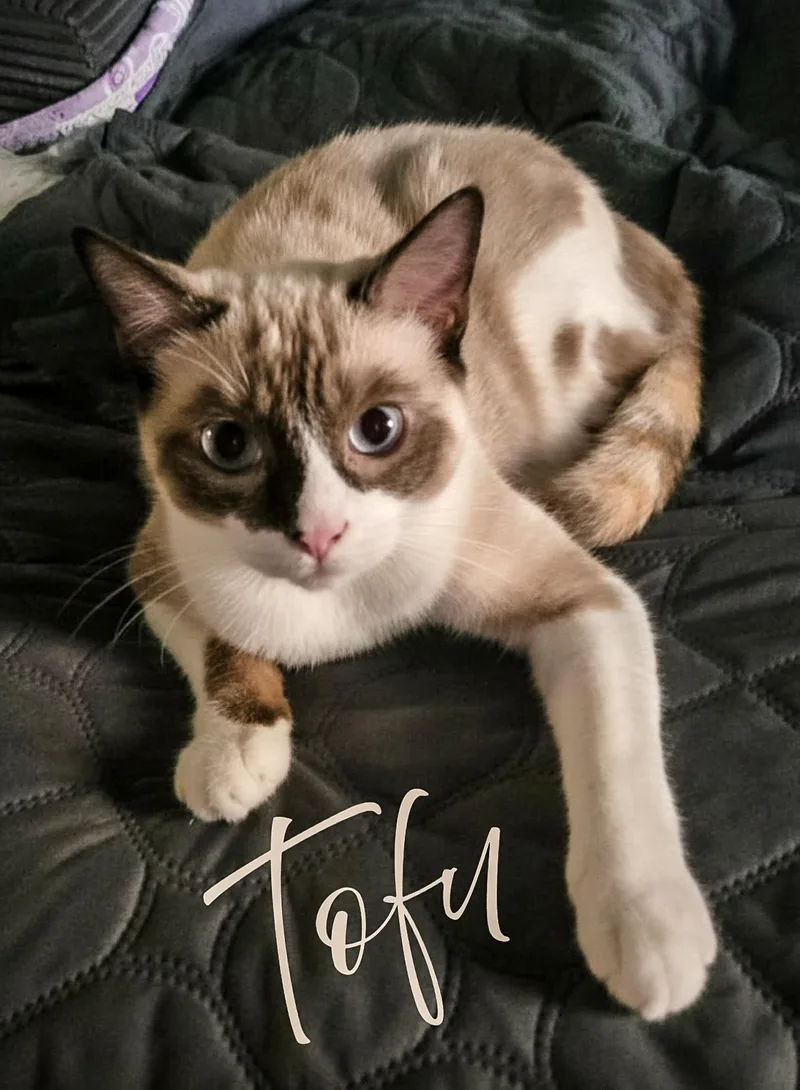
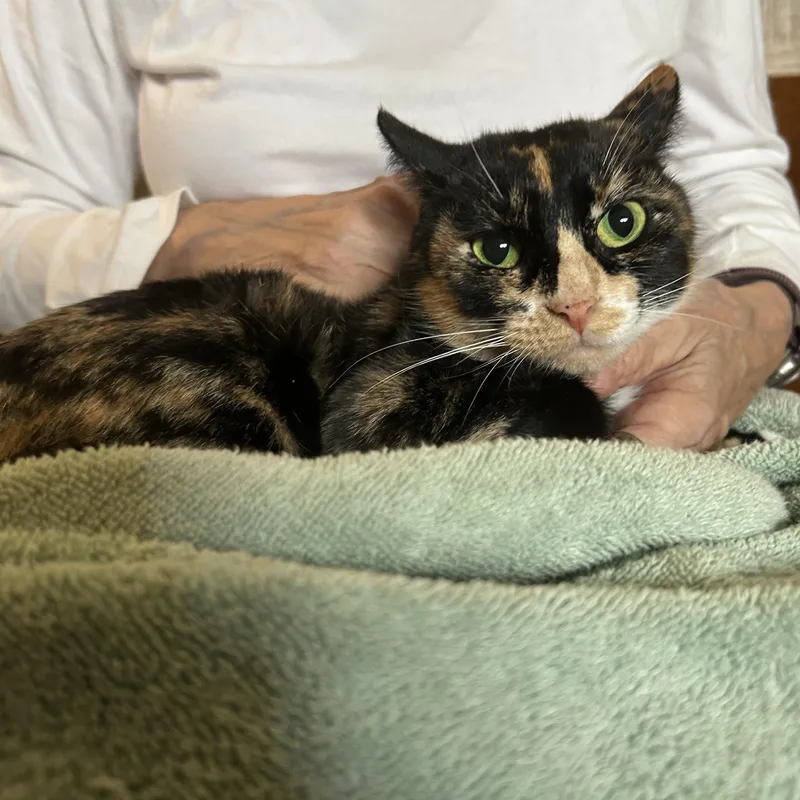
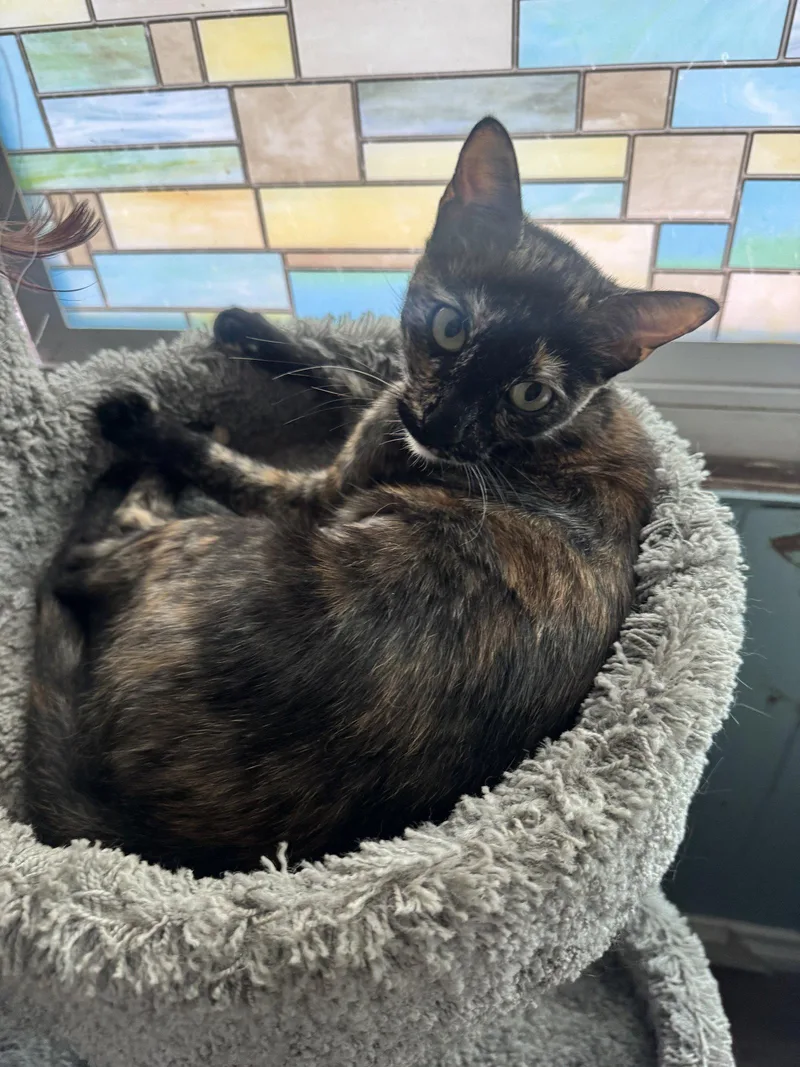
Tortoiseshell describes a coat, not a breed: black-based and orange-based colors blended in patches or a fine mottled mix, usually with little or no white. Because the orange gene sits on the X chromosome, nearly all torties are female. Most are domestic shorthairs or longhairs, though the pattern also appears in Persians, Maine Coons, British Shorthairs and many other breeds.

The famous "tortitude" is mostly folklore, backed by owner impressions and limited evidence. A cat's age, history and socialization say far more about personality than color does. Typical torties weigh 6 to 14 pounds and often live 12 to 18 years, so adopting one is a long commitment to daily play, scratching outlets and regular vet care.

Weight
6–14 lbs
Height
8–10 in
Lifespan
12–18 yrs
Temperament
Independent, Affectionate, Playful
Shedding
Moderate

Owning a Tortoiseshell in Long Beach

Having a Tortoiseshell in Long Beach

Because tortoiseshell is a coat pattern, traits vary widely from cat to cat. These cards cover what's common among the domestic shorthairs most adopters meet, with notes on how apartment life, mild weather and Long Beach's coyotes shape daily care.

Temperament

Torties have a reputation for sass, but it comes from owner stories more than research. Expect anything from shy to bold. In a Long Beach apartment, a cat's tolerance for noise matters: hallway traffic, street sounds and fireworks around July 4 suit confident cats better than easily startled ones.

Exercise Needs

Plan on two or three short play sessions a day with wand toys, chase games and puzzle feeders. Kittens and young adults usually want more, seniors less. Indoor cats in Long Beach can add vertical space and a window perch for watching birds. If you try a harness, keep outings short, supervised and in daylight.

Health Considerations

Coat color brings no particular health risks for female torties, so checkups, dental care and a healthy weight matter most. Rabies vaccination and a license or registered microchip are required from four months of age. A veterinarian can check a newly adopted cat's teeth, weight, skin and parasites soon after she comes home.

Living Space

Torties do well in apartments and houses alike, which suits a city where most households rent. Add a cat tree, scratching post and a hideaway, plus a screened window or balcony enclosure for fresh air. Keeping a cat indoors also protects her from coyotes and traffic.

What it costs to own a Tortoiseshell in Long Beach

ExpenseTypical costPer year
Adoption fee$40 to $95, one time$40 to $95 in year one
Food$25 to $50 per month$300 to $600
Pet insurance$20 to $45 per month$240 to $540
Routine vet care$150 to $350 per year$150 to $350
Other*$462 to $1,162 per year$462 to $1,162
Estimated yearly total (after year one)$1,152 to $2,652
First-year total (with adoption fee)$1,192 to $2,747

Adoption fee is the range of fees on Tortoiseshell listings in Long Beach on GetBuddy today. Other costs are estimates and vary with size, age and health.

* Litter, flea and parasite prevention, a dental cleaning allowance, toys and supplies, home grooming, and the $12 Long Beach altered-cat license.

Adopt a Tortoiseshell in Long Beach.

Now that you know more, let’s find you a new best friend. These rescues and shelters below currently have Tortoiseshells available.

Frequently Asked Questions

Yes. Long Beach has no breed-specific rules for cats, and tortoiseshell is a coat pattern anyway. Cats over four months need a City license tag or registered microchip and a rabies vaccination, and they must be spayed or neutered unless exempt. Households are limited to four pets. Browse the cats listed on this page, or save a search to hear about new tortoiseshells.

Yes, most tortoiseshell cats adapt well to apartments, which is how many Long Beach cats live. Provide vertical space, a scratching post and daily play, and screen any open window or balcony. Before you apply, get the landlord's pet policy, deposit and monthly pet rent in writing, since California doesn't cap pet rent or guarantee a right to keep a pet.

Yes, but only in a carrier. Long Beach Transit requires pets other than service animals to ride in a rigid carrier with locks or latches that doesn't block the aisle or doorway. The Metro A Line and Metro buses allow animals only in fully enclosed carriers, and a bag or backpack doesn't count. A hard-sided, latching carrier covers both.

Yes, the mild coastal climate suits most tortoiseshell cats. It almost never freezes, summer nights stay cool, and only about 23 days a year reach 90°F, mostly in August and September. On those hot days keep water out, close curtains and watch for panting. Winter rain arrives in a few heavy storms, so cats stay indoors.

Usually not much. Shorthaired torties do well with weekly brushing, while longhaired ones need brushing several times a week to prevent mats. Long Beach's mild climate means no heavy winter coat, though shedding picks up as spring warms. Home grooming fits within the "Other" costs shown on this page, and a professional groomer is rarely needed for a shorthair.

Often, yes, particularly if you can offer an indoor life, daily play and a calm retreat. Long Beach's apartments and mild weather suit indoor cats. A confident cat tends to shrug off neighbors and street noise, while a shy one needs a quiet room. Keep a microchip registered, since lost-pet reports rise around July 4.

A tortoiseshell cat is a cat with a coat pattern of black-based and orange-based colors blended or patched together, usually with little or no white. It is not a breed; the pattern appears in many breeds and most often in domestic shorthairs. Nearly all tortoiseshells are female because the genes for orange and black are carried on the X chromosome.

Almost all tortoiseshell cats are female, but not all. A female has two X chromosomes and can carry both orange and black color genes, producing the mixed coat. Males normally have only one X. Rare male torties usually have an extra X chromosome or are genetic chimeras, and they are estimated at roughly 1 in 3,000 tortoiseshells.

We have 2 rescues with Tortoiseshells available: Lori's Angels Animal Rescue and Long Beach Spay Neuter. You can see every rescue with Tortoiseshells available in the list above these questions, or scroll to the top to see the Tortoiseshells near Long Beach.

Expect roughly $25–$50 a month for food and $20–$45 for optional insurance, plus $150–$350 a year for routine vet care and $462–$1,162 a year for everything else, including litter, parasite prevention, dental care and the $12 altered-cat license. Adoption fees are separate and vary by listing.