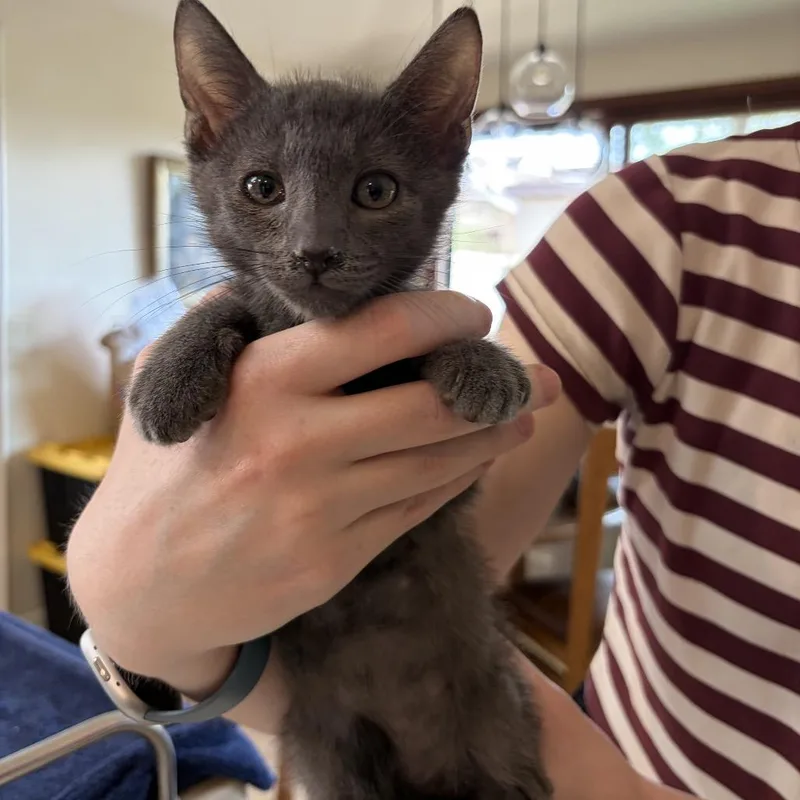
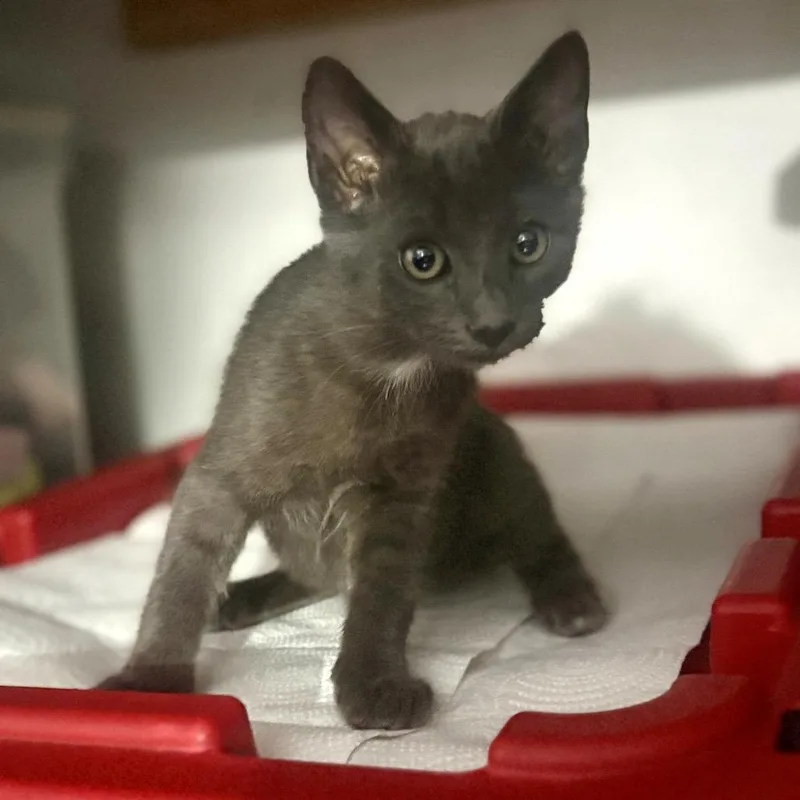
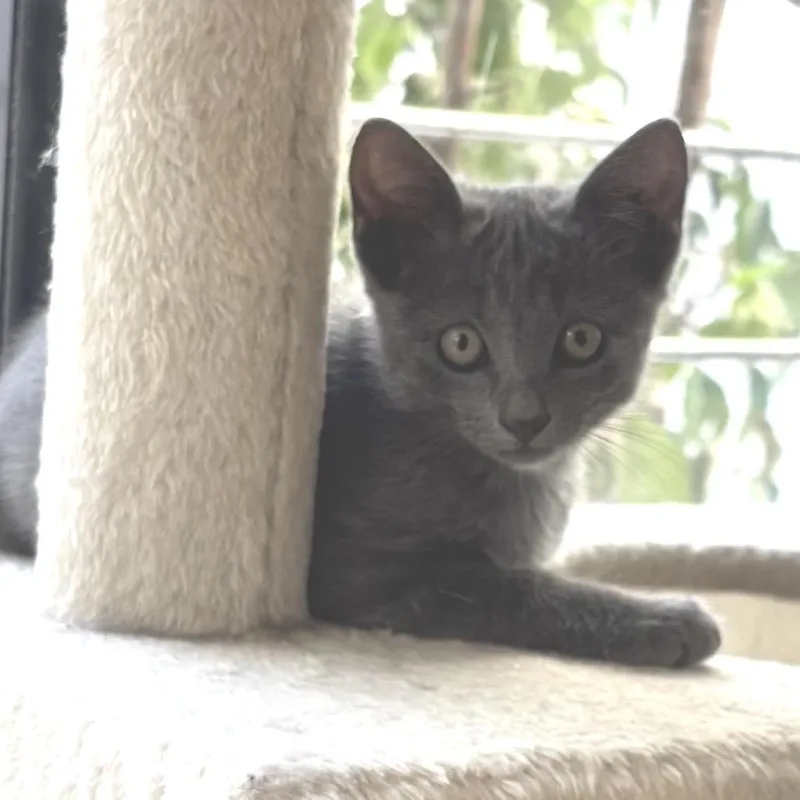
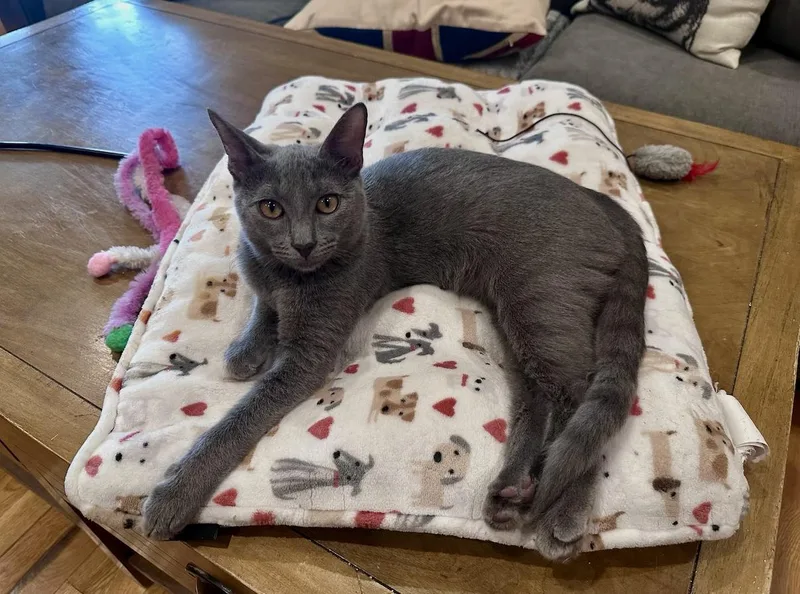
Russian Blue Cats for Adoption in Long Beach, CA

Your guide to finding and caring for a Russian Blue in Long Beach

A Russian Blue suits a quiet Long Beach condo or Craftsman bungalow better than most cats. In Alamitos Beach, where 1920s buildings sit a short walk from the sand, a calm cat with a window perch can watch the street without needing a yard. Russian Blues like routine and tend to be reserved with strangers, so a steady household in Hellman or Rose Park works well too. Plan on daily play, since they love food and gain weight easily.

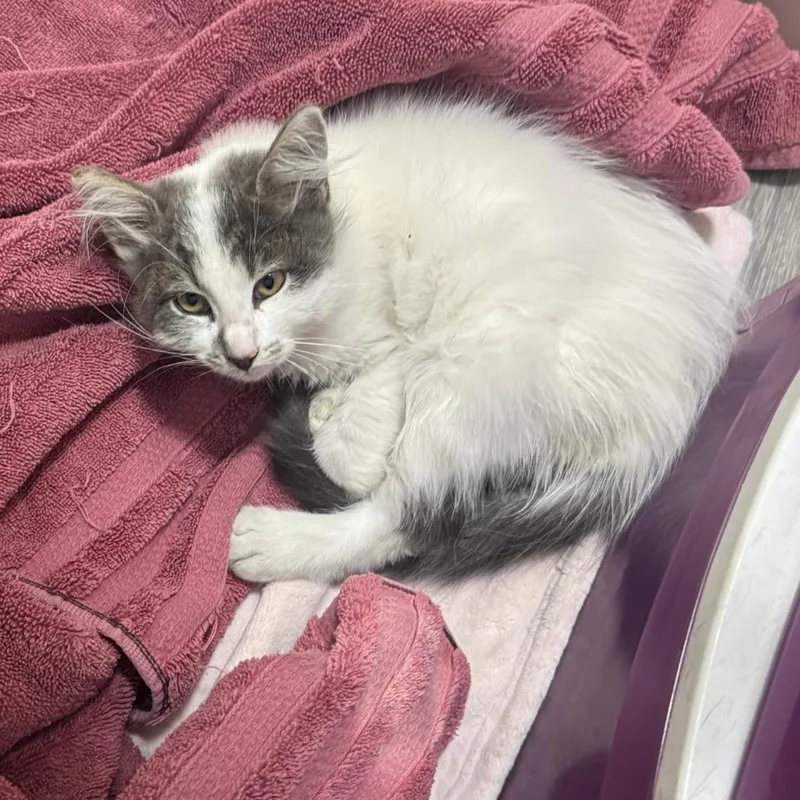
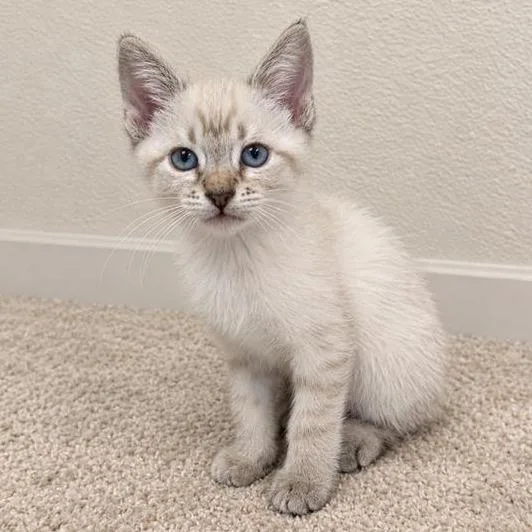
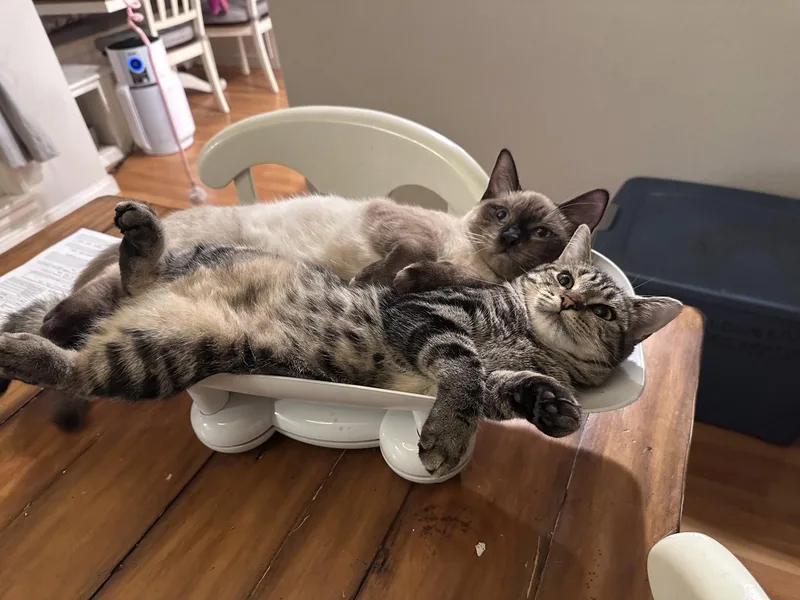
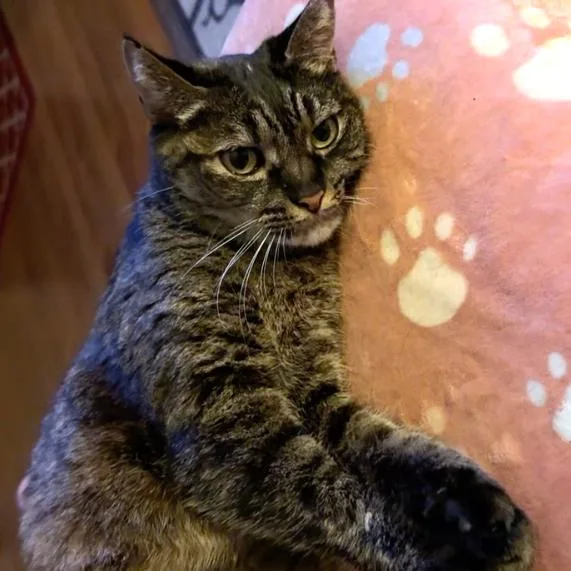
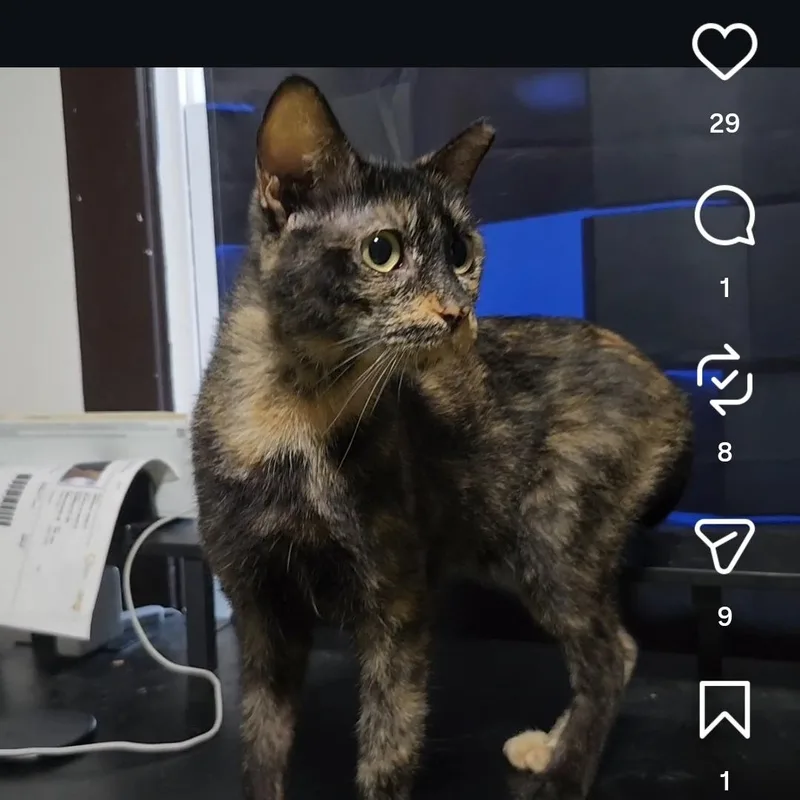
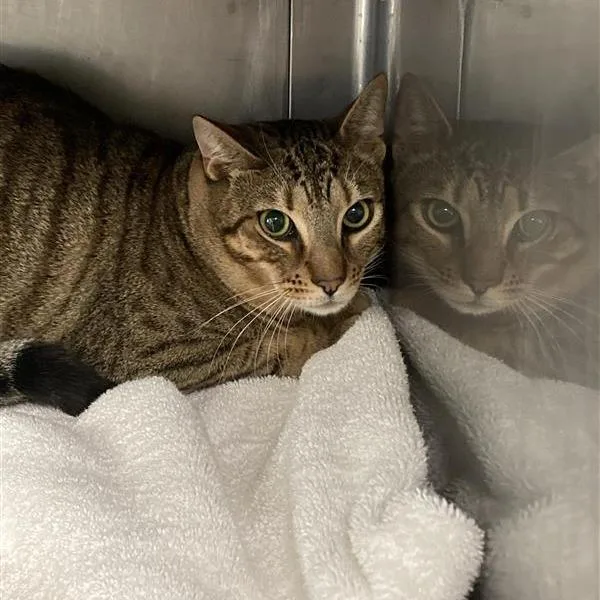
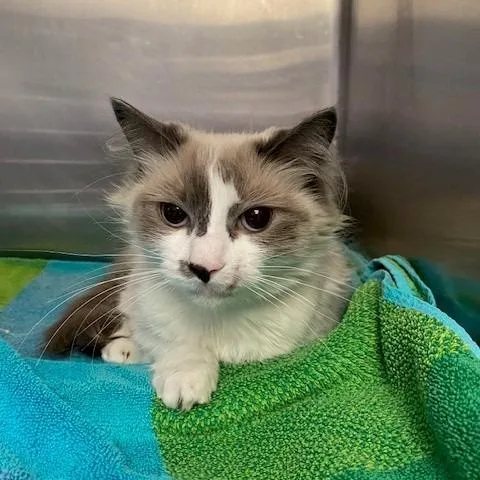
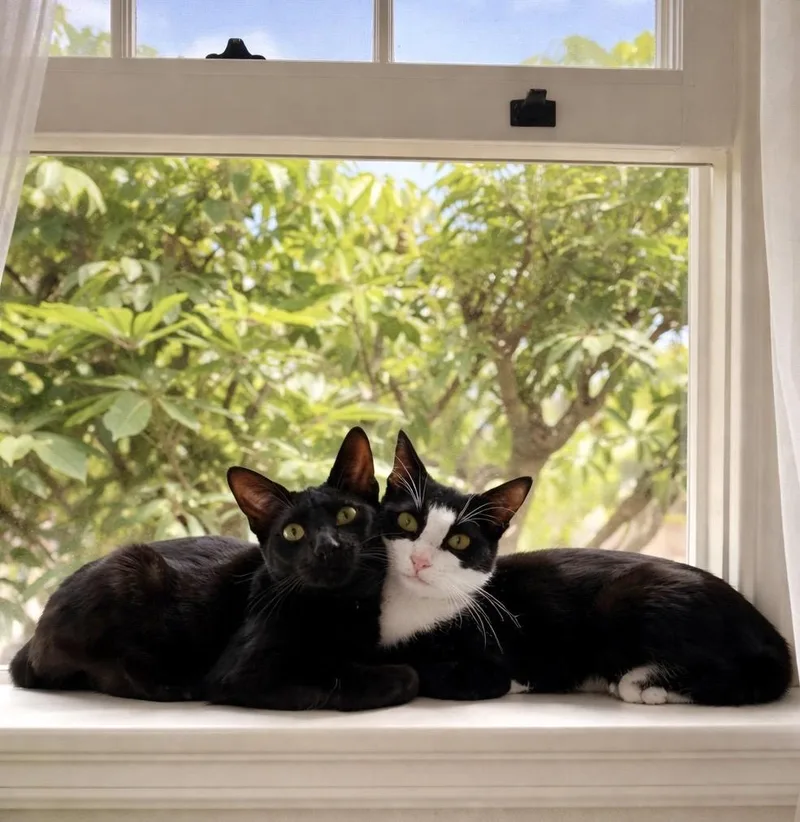
13 Russian Blues available for adoption in Long Beach

Find your Russian Blue

Russian Blues Available for Adoption in Long Beach

About the Russian Blue breed

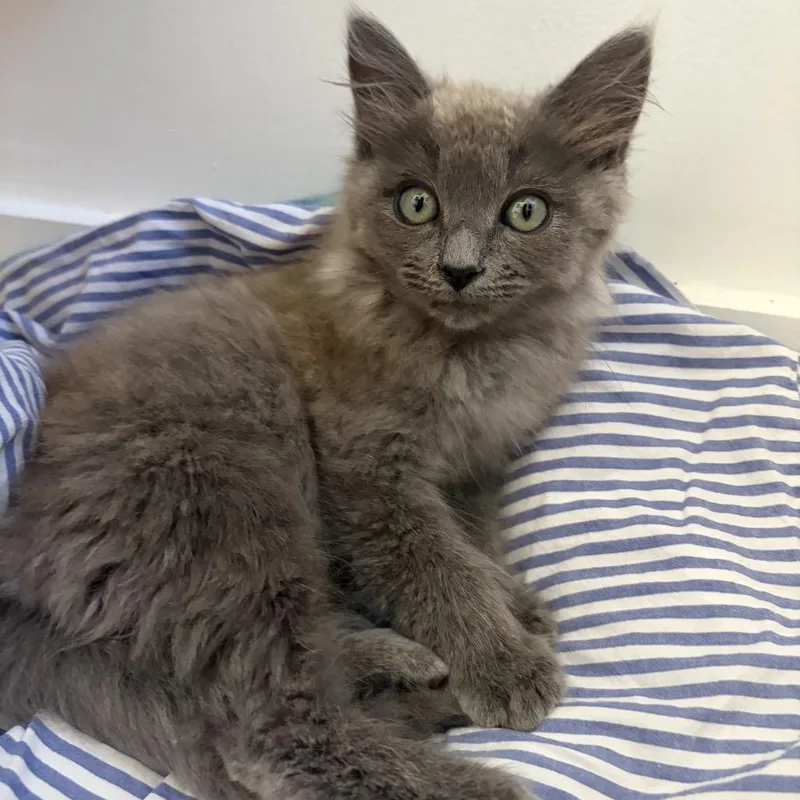
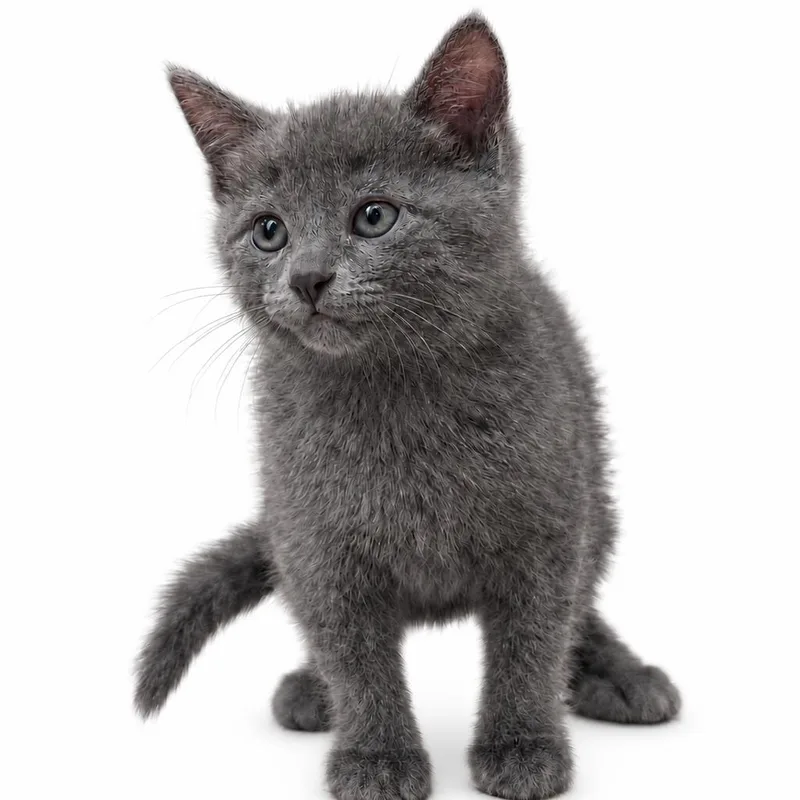
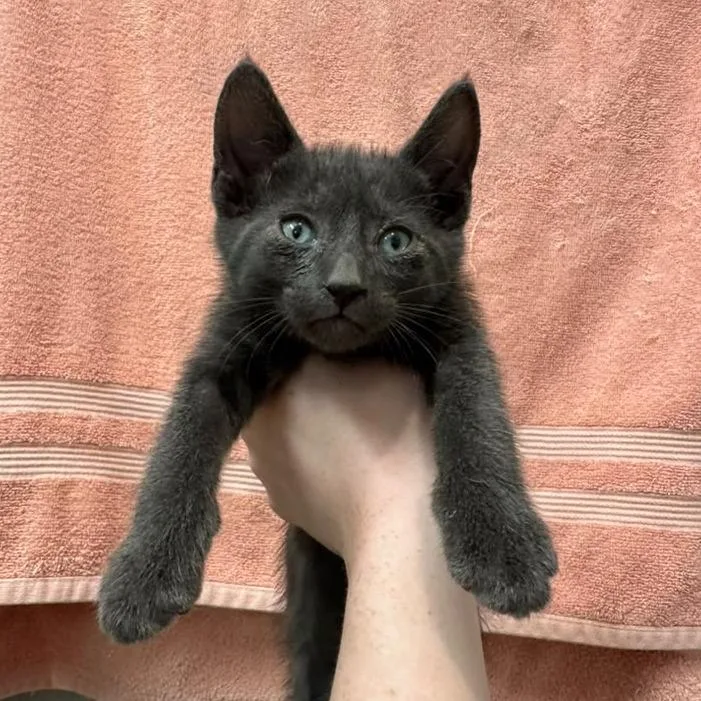
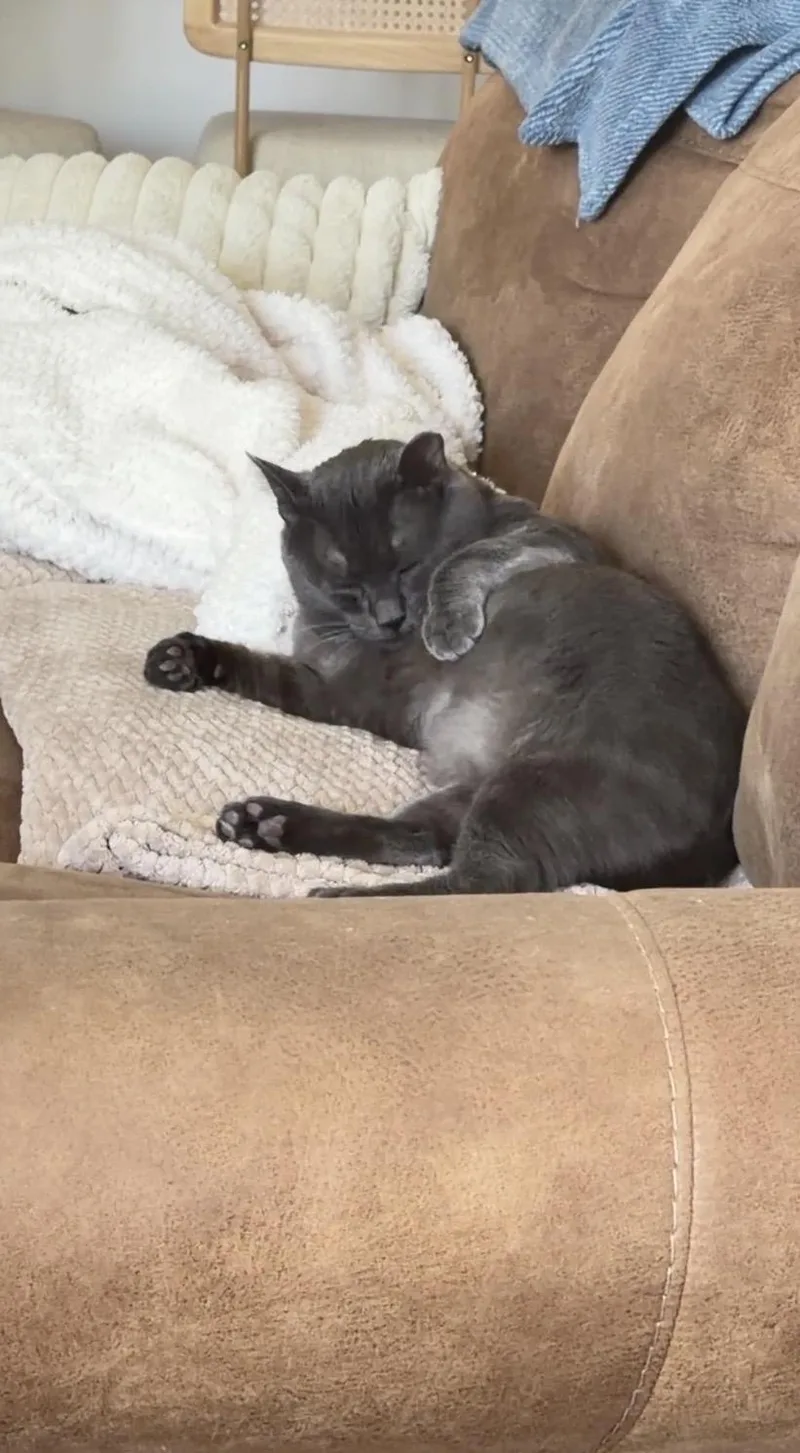
Russian Blues are slender, fine-boned shorthairs with a dense, plush double coat of even blue-grey, tipped with silver so it seems to shimmer, and vivid green eyes. The breed is believed to come from the Archangel region of northern Russia, reached Britain by ship in the nineteenth century, and was later refined in Britain, Scandinavia and the United States.

Many are gentle, quiet and devoted to their own people while staying reserved with strangers. They like routine, notice changes in household mood, and enjoy games that challenge their quick minds. The short coat is easy to keep, but a healthy appetite calls for portion control. In a city of rentals and smaller homes, that calm, indoor-friendly nature is a big part of the appeal, though each cat varies.

Weight
6–12 lbs
Height
8–10 in
Lifespan
12–16 yrs
Temperament
Gentle, Quiet, Intelligent
Shedding
Low to Moderate

Owning a Russian Blue in Long Beach

Having a Russian Blue in Long Beach

Russian Blues pair an easy-care coat with a sensitive, thoughtful nature. How they handle routine, visitors and noise shapes the home that suits them, and Long Beach's mix of condos, bungalows and busy streets makes those details worth weighing before you adopt.

Temperament

Russian Blues tend to be gentle and loyal with family but watchful with newcomers, often observing from a distance first. Many prefer predictable households and can be unsettled by loud noise, such as neighborhood fireworks around July 4. Slow introductions to other pets usually go best. Each cat's past shapes how quickly trust builds.

Exercise Needs

Most Russian Blues are agile and playful, so daily wand-toy, chase and puzzle-feeder sessions burn energy and help keep them lean. Tall cat trees and window perches give them lookouts over a Long Beach street. Because they love food, steady play matters. Keep any outdoor time enclosed or on a harness, since coyotes live in the city.

Health Considerations

Russian Blues have no widely recognized breed-specific inherited disease, but they can develop dental disease, bladder stones, kidney disease and heart conditions. Their strong appetite makes obesity a common, preventable concern. Regular checkups, measured meals and dental care help, and a veterinarian can check a newly adopted cat's heart, teeth and weight early.

Living Space

Russian Blues often do well in condos, apartments and quieter houses, since they value calm routines and cozy retreats more than square footage. Hiding places, secure window perches and a cat tree help them feel safe. A room away from street noise suits many of them, and indoor living with daily play keeps them content.

What it costs to own a Russian Blue in Long Beach

ExpenseTypical costPer year
Adoption fee$125, one time$125 in year one
Food$25 to $50 per month$300 to $600
Pet insurance$25 to $50 per month$300 to $600
Routine vet care$150 to $350 per year$150 to $350
Other*$462 to $1,162 per year$462 to $1,162
Estimated yearly total (after year one)$1,212 to $2,712
First-year total (with adoption fee)$1,337 to $2,837

Adoption fee is the fee on Russian Blue listings in Long Beach on GetBuddy today. Other costs are estimates and vary with size, age and health.

* Litter, flea prevention, a dental cleaning allowance, toys, scratchers and supplies, minimal home grooming for the short coat, and the $12 Long Beach altered-cat license.

Adopt a Russian Blue in Long Beach.

Now that you know more, let’s find you a new best friend. These rescues and shelters below currently have Russian Blues available.

Frequently Asked Questions

Yes, Long Beach has no breed-specific rules, and California law limits those to spay/neuter and breeding. Cats over four months need a rabies vaccination and either a City license tag or a registered microchip with an annual license. Spay/neuter is required over four months unless exempt, and a household can keep up to four pets.

Yes, Russian Blues often do well in apartments and condos because they prefer calm routines and cozy retreats over space. Choose a quieter room away from street noise, add hiding spots and a cat tree, and use secure window screens. Review the lease's pet terms before you apply, since buildings differ.

A Russian Blue can be a good fit if your household is fairly calm and you can play with the cat daily. The mild climate makes indoor life easy. Watch for noise stress around July 4 fireworks, keep the cat inside because of local coyotes, and measure meals to prevent weight gain.

Yes, the mild coastal climate suits Russian Blues. Only about 23 days a year reach 90°F, nights stay cool, and freezing is almost unheard of. Heat clusters in August and September, so provide water, shade and screened windows. Winter storms can be loud, so give a nervous cat a quiet hiding spot.

Only in a carrier. Long Beach Transit requires pets that aren't service animals to ride in a rigid carrier with locks or latches that doesn't block the aisle. The Metro A Line and Metro buses allow only service animals or animals in fully enclosed carriers; purses and backpacks don't count unless fully enclosed.

Very little. The short, dense coat needs a weekly brushing, a bit more during seasonal shedding, plus routine nail trims and dental care. Long Beach's mild climate means no heavy coat management. Professional grooming is rarely needed, so grooming costs stay small and fall within the Other line of the cost table.

Russian Blue cats are often gentle, quiet and deeply attached to their families, while staying reserved with strangers. Many like predictable routines, follow favorite people around and enjoy interactive games that test their intelligence. They tend to be sensitive to household mood and noise. Personality varies, so a foster's description of an individual cat is the best guide.

A Russian Blue is a medium-sized shorthaired cat with a dense, plush blue-grey coat tipped in silver, vivid green eyes and a slender, graceful build. The breed is thought to come from northern Russia. Many Russian Blues are quiet, intelligent and loyal to their people, though often shy around visitors until they feel comfortable.

We have 3 rescues with Russian Blues available: Friends of Normie, Long Beach Spay Neuter and Paws in the Sand Cat Rescue. You can see every rescue with Russian Blues available in the list above these questions, or scroll to the top to see the Russian Blues in Long Beach.

Expect roughly $25–$50 a month for food and $25–$50 a month for insurance, about $150–$350 a year for routine vet care, and $462–$1,162 a year for everything else, including litter, flea prevention, dental care and the $12 altered-cat license. Altogether that's roughly $1,200 to $2,700 a year.