Teddy
Available
Teddy
AvailableAbout Teddy
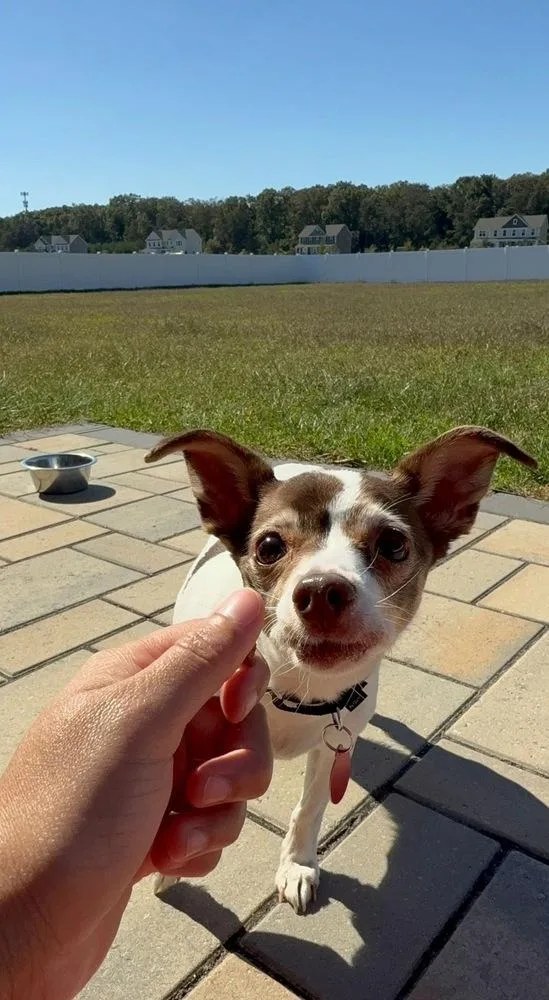
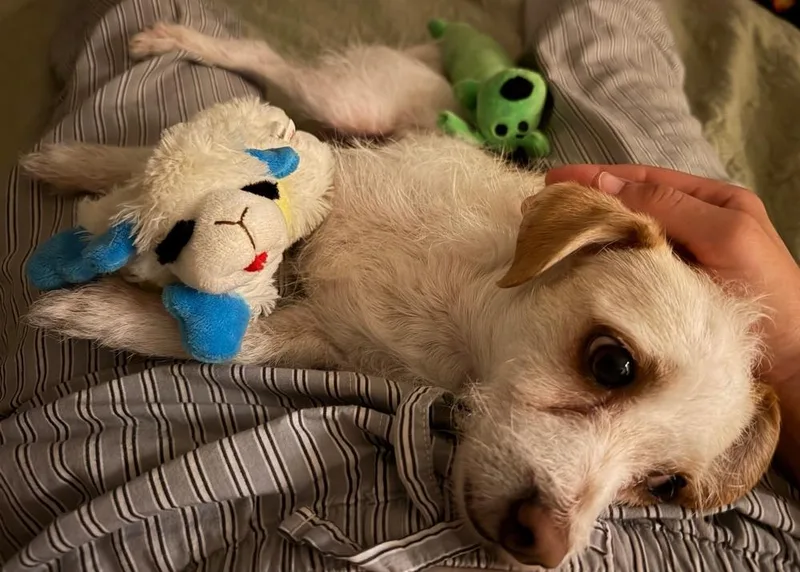
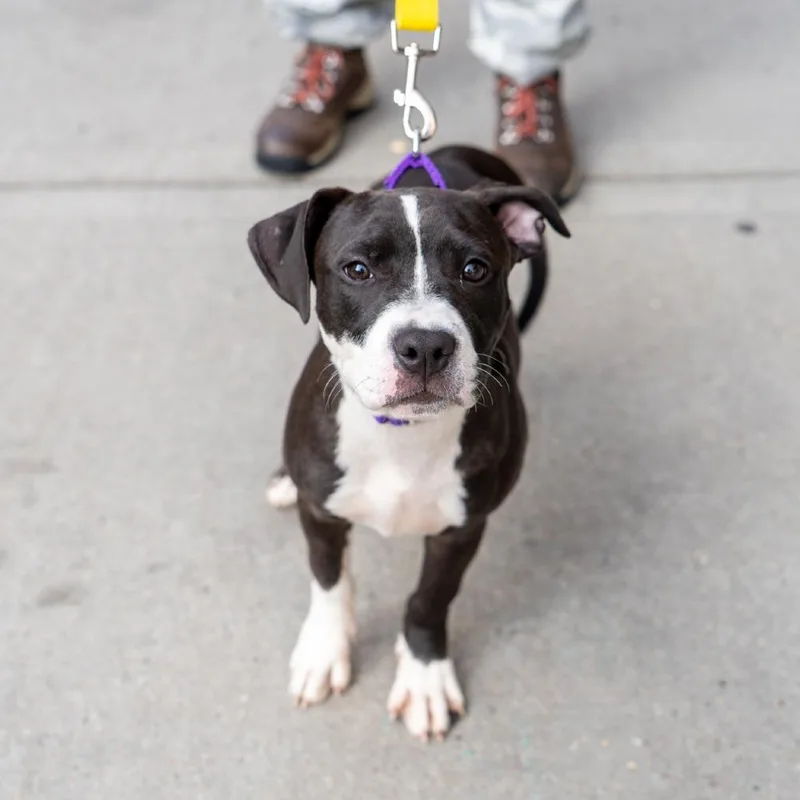
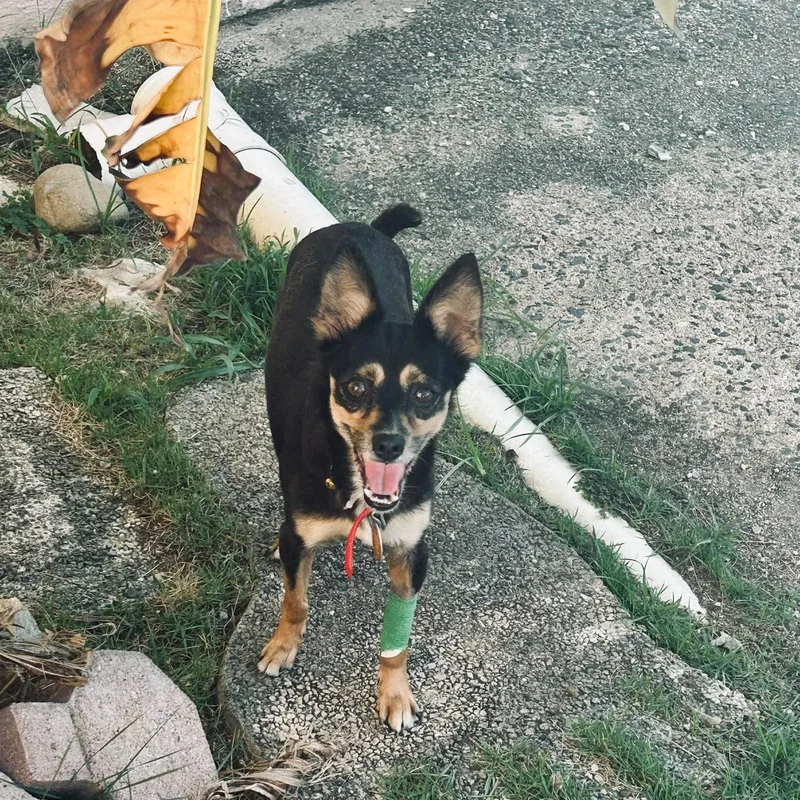
Teddy - 5 months & 10lbs (as of 8/25), Chi Mix, Neutered Expected to be about 25lbs full grown This puppy is eligible to join our foster-to-adopt program. Please email fostertoadopt@socialteesnyc.org with the animal's name in the subject line if you are interested! Want to straight up adopt? Submit an adoption application at socialteesnyc.org Their Foster Family Says: "He's an absolute mush ball with a rambunctious streak!! He loves to be near his human. So much so that he may get in your way in the kitchen, so be careful not to step on him. He loves to be cuddled up on the couch with his chew toy. After every walk, he may momentarily get the zoomies. Then he will eventually settle and take quite a few naps, especially after each walk. He is still learning how to walk properly on leash. He can be a little all over the place, but with repetition and time, he will get the hang of it. City noises still scare him and strangers aren't his favorite at the moment. He's quite smart with the puzzles. And he loves a long lasting collagen bone to chew on. I walk him several times a day, after each meal. He has quite an appetite and is very food motivated. He can be shy getting out of the crate first thing in the morning, some kibble or freeze-dried treats would go a long way to coaxing him out. So far, he's not shown any particular food allergies, but he tends to get a soft stool if I feed him anything other than his kibble. He sometimes makes a whiny noise when he has a toy in his mouth. I think that's his happy sound LOL. He lives soft toys as well as rubber toys. He will bark if he hears noise coming from other tenants passing by our door. No incessant barking as of yet. Like with any pup, he will try to test boundaries. Repetitive corrections will be needed, but he tends to learn quickly." Level of dog ownership experience required: INTERMEDIATE – As an adult, this dog will need significant structure and plenty of daily exercise, training, and mental stimulation – 90 consecutive minutes of movement in the morning plus potty break walks and brain games throughout the day. The adopter must have relevant primary care experience with a similar breed, temperament, and/or energy level. (Primary care experience includes ownership, fostering, or dog sitting as an adult, not a dog you grew up with.) Relevant puppy care experience is a huge plus, but bare minimum the adopter must have TONS of time and patience. Raising a puppy can be a lot of fun, but it's also tremendous work. Puppies' personalities and exercise/stimulation requirements change dramatically between now and when they're a year old as their bodies and brains develop, so an active lifestyle and the ability to adapt to a pup's evolving needs are a must. We strongly urge professional dog training with a rewards based trainer from the get go. Adults only or kids ages 8 and up – all puppies go through a mouthy, rambunctious phase and often accidentally hurt children when playing. PLEASE DO YOUR OWN BREED RESEARCH to make sure you have a better understanding of the kind of temperament and exercise requirements this dog may have as an adult. Energy level: MEDIUM – Very young puppies sleep and nap a lot, but their energy level skyrockets when they become teens (4 months to around a year). As an adult, this dog will need significant structure and plenty of daily exercise, training, and mental stimulation – 60 consecutive minutes of movement in the morning plus potty break walks and brain games throughout the day at a minimum. (This is regardless of dog size – many small breeds were designed for lots of activity and will exhibit unwanted behavior when they're understimulated.) TOLERANCE TO CITY Adjusting to the city – Spooked easily by loud noises and bustling areas but walks pretty well in quiet areas and probably just needs more time to adjust (may be a puppy or a brand new rescue). Would prefer a home in a calmer part of the city or the suburbs. Teddy is easily spooked by loud cars/trucks/sirens. He can be a little skittish at a passing skateboarder. Ideal home would be somewhere calm Although, I think he needs more time to get acclimated. POTTY TRAINING Yes – Few or no accidents. He still relies on wee pads for peeing, as he drinks quite a bit of water. He has learned to go number 2 outside. COMFORT LEVEL WITH STRANGERS Wallflower – Very shy with new people and takes a while to warm up. Afraid when unfamiliar people try to say hi on the street, hides or shrinks back when new people visit the home. Teddy is very timid around strangers. He recoils if a stranger tries to approach him. If a stranger comes to my home, he will bark, but will not approach the person. BEHAVIOR WITH CHILDREN (always requires adult supervision) Maybe for age 12 and up – Is either big and energetic (okay with kids big enough not to get knocked down) or a little skittish (could be comfortable with older children that can be extra gentle) He has moments when he can be mouthy and gets the zoomies. He can be skittish among young children. SOCIAL BEHAVIOR WITH OTHER DOGS Still working on it – Either retreats from other dogs or barks at them/leash reactive. Needs more socialization training or may just be a dog that prefers human company. He is very afraid of dogs larger than him. He shows some interest in smaller dogs, but needs to be trained to approach them calmly. MOUTHY BEHAVIOR Needs training – Is either still in the puppy stage or was never trained. Tries to put their mouth on your hands when playing or needs attention, grabs leash, chews on your personal belongings. Teddy has a propensity to bite hands. I've noticed this occurs after he's energized from a walk. Firm correction usually stops him. He also likes to bite the leash on walks. If left unsupervised, he will try to eat shoes, grabs clothes within reach, eat cardboard, dig in bathroom trashcan. SEPARATION ANXIETY (Please leave your foster dog home alone every day for at least 20 minutes.) Adjusting – Might cry for a few minutes when you first leave the house but settles pretty quickly and has no problem being left alone otherwise. I've left him alone for a couple of hours in some cases, and he does whimper, but the eventually settles down with his chew toys. He's always placed in the crate when I leave him alone, so there's no destruction. As he's a puppy, I cannot trust him to roam around my apt alone. LEASH MANNERS Getting the hang of it – Probably hasn't been on a leash much in their life but figuring it out. Might be a mild puller but responds to correction. He's still getting the hang of walking on one's side. He tends to zigzag left to right during walks. He sometimes gets eager and starts pulling ahead. He will walk and then stop walking, if he's walking ahead, which he tends to do. He also has gotten comfortable sniffing. CUDDLE BUG LEVEL Medium – Likes to snuggle when he's in the mood but often stays in his own bed. I would say medium to high. He likes to be on the sofa next to me and loves to be held when we're sitting at the park. I don't allow him to sleep on my bed. He sleeps throughout the night in his crate. JUMPING ON PEOPLE TO SAY HELLO Listens to correction – Only jumps on people they know when really excited, stops with correction. CRATE TRAINING Yep/mostly – Seems comfortable in the crate, may whine a little at first but settles pretty quickly. We use the crate when we leave the pup alone and/or at night. He has adjusted quite well to the crate. He goes in easily, with some mild coaxing at times. He sleeps through the night in the crate with no whining. I will leave him in the crate whenever I step out. Medical status: Healthy as far as we know. Up to date on their DHPP and Bordetella vaccines, spayed/neutered; microchipped; treated with dewormer upon intake. (For dogs under 4 months old, adopters will need to finish the DHPP vaccine series and administer the Rabies vaccine at 16 weeks of age.) How did this dog end up with Social Tees? Most of our dogs come via partner groups who help us save them from shelters where they are at risk of euthanasia in Tennessee, Los Angeles, and Puerto Rico. There are very few spay/neuter resources there and many more animals in those areas than there are people to adopt them. Rescue groups like ours bring them to the northeast where the desire for pets like these allows us to save their lives. PLEASE NOTE: We cannot guarantee any breed mix, exact age, or full grown size (if the dog is under a year old). We do our best with very educated guesses. This animal is not at the Social Tees office, all are in foster homes. LEARN MORE ABOUT US: socialteesnyc.org and Instagram @socialteesnyc
Adoption Fee

Inquire directly with rescue.
Adoption fees can usually be paid via credit card, or other convenient methods. Please check with the shelter for specific payment methods.