Bouvier des Flandres Dogs for Adoption in Vancouver, WA

Your guide to finding and caring for a Bouvier des Flandres in Vancouver

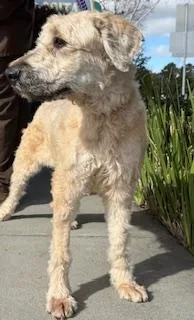
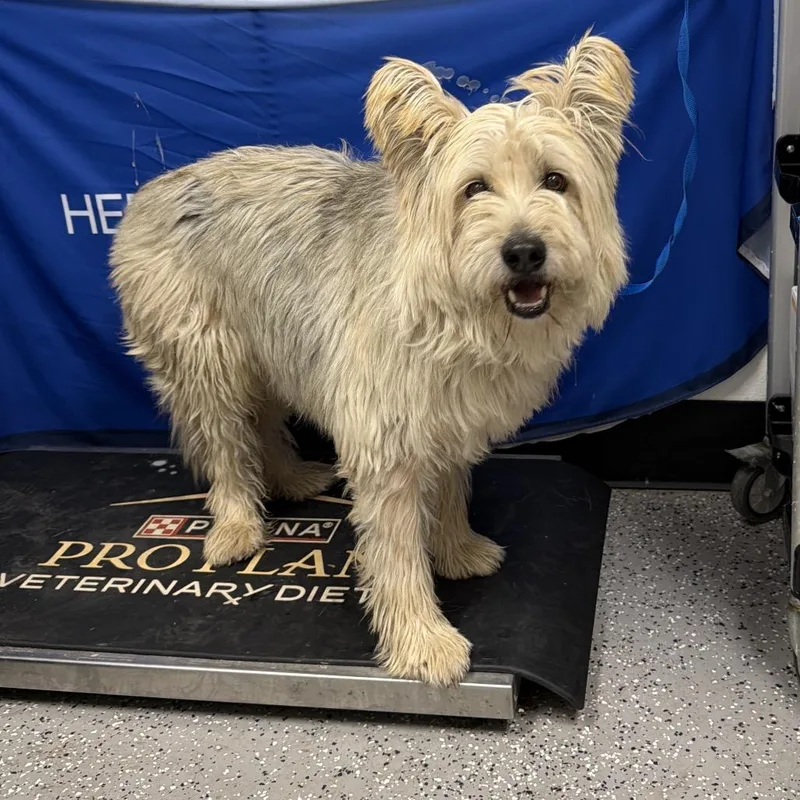
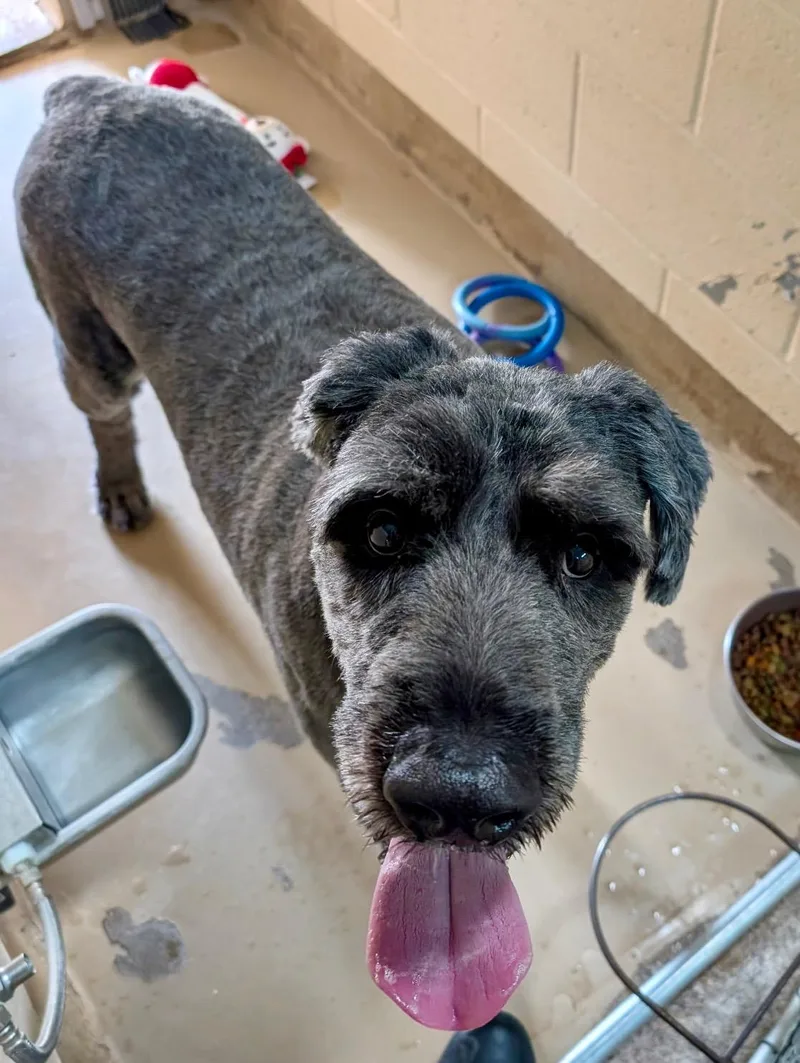
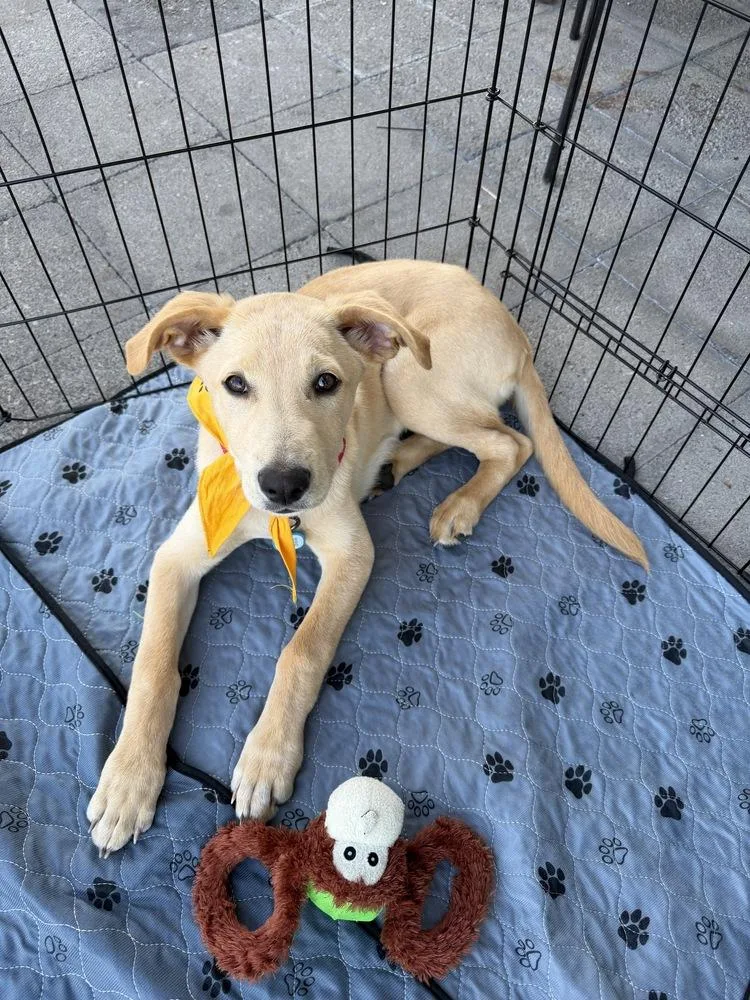
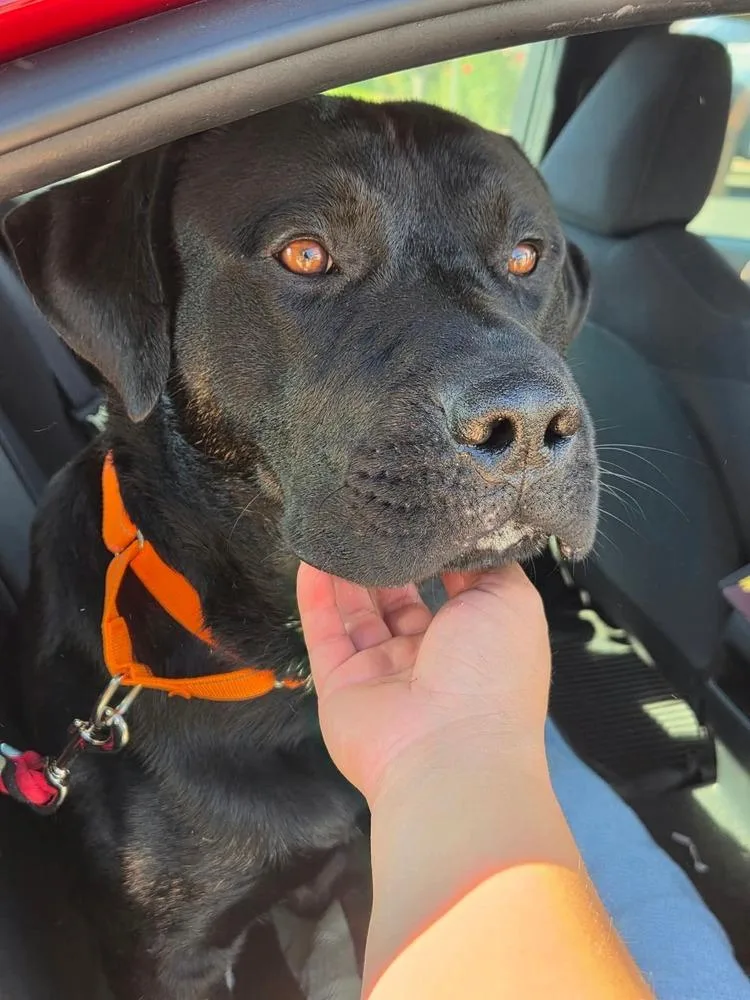
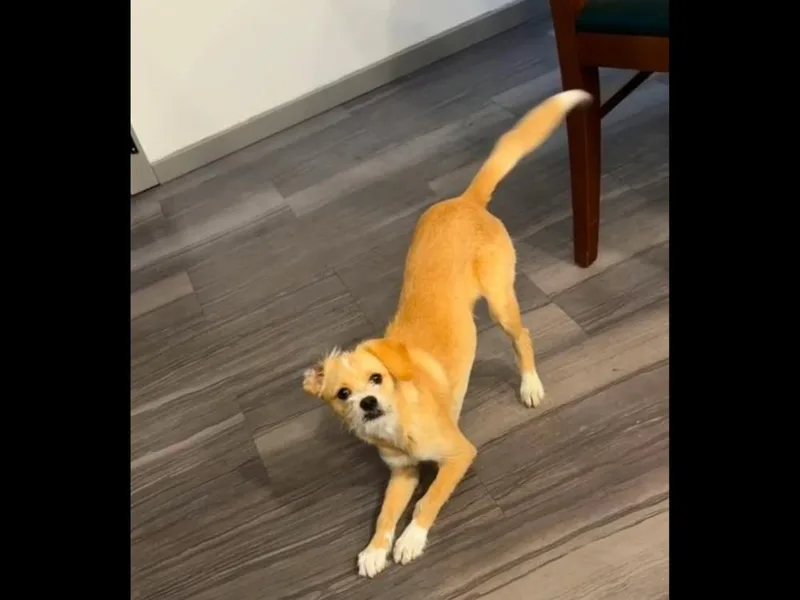
26 dogs similar to Bouvier des Flandres available in Vancouver and nationwide

Fall for a Bouvier des Flandres

While we don't have enough dogs near Vancouver, keep in mind that many rescues may offer transport.

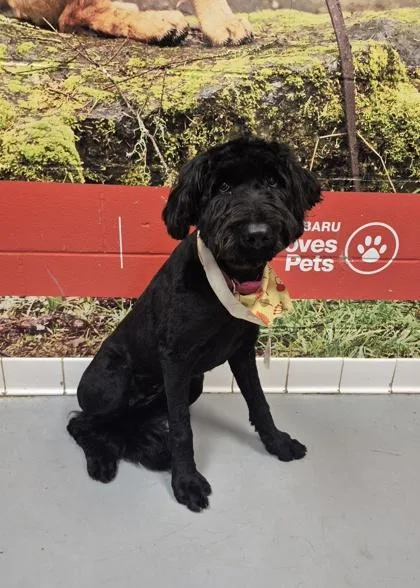
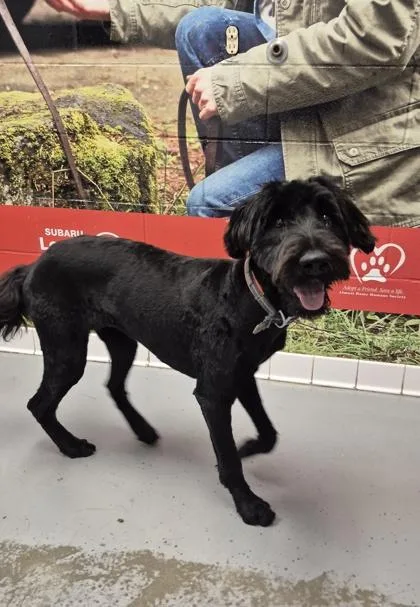
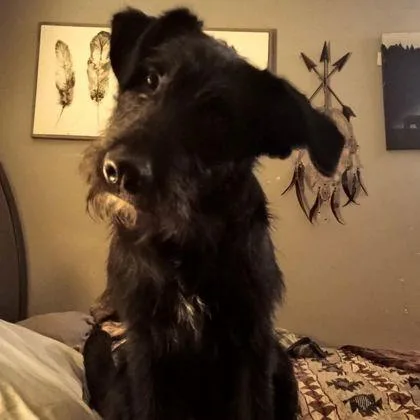
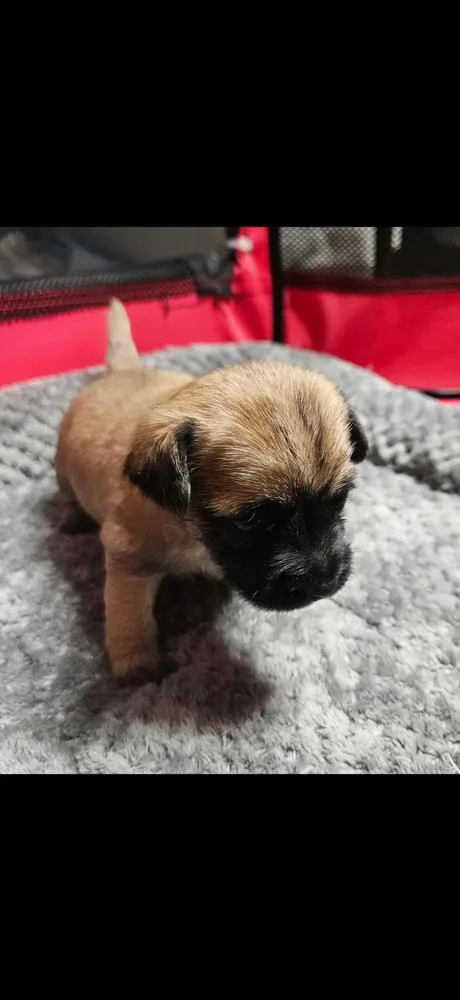
Bouvier des Flandres and Similar Breeds Available for Adoption Near Vancouver

About the Bouvier des Flandres breed

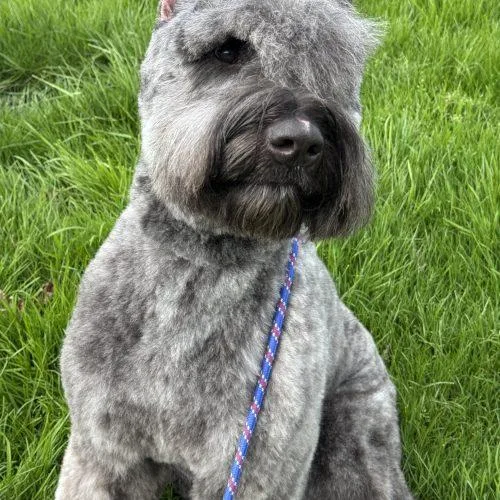
Farmers in Flanders, the lowlands spanning Belgium and northern France, relied on the Bouvier des Flandres to drive cattle, pull carts and watch the farmyard. The breed served as a messenger and ambulance dog in World War I and nearly vanished in the devastation, rebuilt afterward from a few surviving lines. Today's Bouvier is a big, square, powerfully built dog with a tousled, harsh double coat, a heavy beard and mustache, and colors from fawn to black, including brindle and salt and pepper.

The breed standard describes a steady, resolute and fearless dog, and many Bouviers are calm, loyal family guardians that keep a watchful eye on strangers. They are intelligent and capable of serious work, so they need consistent training, early socialization and a real job or sport. The coat needs substantial weekly grooming and regular trimming, which adopters should budget time or money for.

Weight
70–110 lbs
Height
23–28 in
Lifespan
10–12 yrs
Temperament
Loyal, Protective, Calm, Intelligent
Group
Herding
Shedding
Low to Moderate

Owning a Bouvier des Flandres in Vancouver

Having a Bouvier des Flandres in Vancouver

The Bouvier combines a working farm dog's strength and judgment with a deep attachment to its family. Its guarding instincts, training needs, grooming demands and orthopedic risks all shape whether one fits a household, so each trait below is worth weighing before adopting.

Temperament

Bouviers tend to be even-tempered, confident and devoted to their people, often calm indoors and watchful outside. Many are reserved with strangers and naturally protective, so early socialization helps them tell guests from threats. They usually respond well to firm, fair, reward-based training but can be strong-willed. Individual temperament depends heavily on background and handling.

Exercise Needs

A Bouvier usually needs daily walks plus active work, such as hiking, herding, tracking, cart pulling or obedience and rally training. Mental challenges matter as much as miles; a bored Bouvier may chew or invent its own jobs. Young dogs should avoid repetitive jumping and long runs on hard surfaces until their joints mature, and seniors still enjoy steady outings.

Health Considerations

Bouviers can be affected by hip and elbow dysplasia, glaucoma, cataracts, hypothyroidism, laryngeal paralysis and subaortic stenosis, a heart defect. As a large, deep-chested breed, they also face a risk of bloat, a surgical emergency. Ask about screening results and eye and heart checks, and learn bloat warning signs with your veterinarian's help.

Living Space

A Bouvier is a large dog that does best in a home with room to move and a securely fenced yard, though a fit, well-exercised adult can adapt to smaller spaces. The beard drips water and carries crumbs, and the coat brings in leaves and mud. Most of all, Bouviers want to live indoors close to their families.

What it costs to own a Bouvier des Flandres

ExpenseTypical costPer year
Adoption fee$600, one time$600 in year one
Food$55 to $110 per month$660 to $1,320
Pet insurance$65 to $130 per month$780 to $1,560
Routine vet care$250 to $500 per year$250 to $500
Other*$940 to $2,390 per year$940 to $2,390
Estimated yearly total (after year one)$2,630 to $5,770
First-year total (with adoption fee)$3,230 to $6,370

Adoption fee is the fee on Bouvier des Flandres listings in Vancouver on GetBuddy today. Other costs are national averages for Bouvier des Flandres; we don't have costs specific to Vancouver yet.

* Professional grooming and trimming every six to eight weeks, flea, tick and heartworm prevention, a dental cleaning allowance, a dog license, and sturdy toys and bedding; license fees vary by city.

Adopt a Bouvier des Flandres in Vancouver.

Now that you know more, let’s find you a new best friend. These rescues and shelters below currently have Bouvier des Flandres available.

Frequently Asked Questions

A Bouvier des Flandres is a large, rough-coated herding and farm dog from Flanders, the region covering parts of Belgium and northern France. It was bred to drive cattle, pull carts and guard the farm, and later served in police, military and guide work. Bouviers are powerful, square-bodied dogs with a beard and mustache, known for a steady, protective temperament.

Yes, Bouvier des Flandres dogs shed, but usually less noticeably than smooth double-coated breeds. Their harsh outer coat and soft undercoat release hair that tends to stay caught in the coat rather than drifting onto floors, which is why regular brushing matters to prevent mats. Shedding increases somewhat with the seasons, and an ungroomed coat can tangle quickly.

No, the Bouvier des Flandres is not truly hypoallergenic, because no dog breed is free of allergens. Some allergy sufferers find a well-groomed Bouvier easier to live with, since loose hair stays in the coat until brushed out. Dander and saliva still carry allergens, and the beard spreads water and drool. Spend extended time with the specific dog before adopting.

Bouviers can be very good family dogs for households that provide training, exercise and grooming. Many are gentle and patient with their own children and deeply loyal. Their size and herding instincts mean they may bump or nudge small kids, and their protectiveness makes socialization with visiting children important. Supervision and a dog with a known history help.

Bouvier des Flandres dogs usually do not bark a lot, but they do bark with purpose. Most alert to strangers, unusual sounds or anything they consider a threat, and their deep voice carries. Boredom, loneliness or a lack of training can increase barking. Giving a Bouvier enough exercise and work, and teaching a quiet cue, usually keeps noise reasonable.

Bouvier des Flandres typically live about 10 to 12 years. A 2024 UK study put the breed's life expectancy at about 11.3 years, slightly below the average for purebred dogs. Keeping a Bouvier lean, screening for heart and eye conditions and recognizing signs of bloat early can help an individual dog reach the upper end of that range.

Bouvier des Flandres is French for cow herder of Flanders. Bouvier comes from the French word for an ox or cattle driver, and Flandres refers to Flanders, the low-lying region of Belgium and northern France where the breed developed. Older local names include the Flemish Vlaamse Koehond, meaning Flemish cow dog, and Toucheur de Boeuf, or cattle driver.

Bouvier des Flandres is pronounced roughly boo-vee-AY day FLAHN-druh, following the French. Many American owners shorten the first word to boo-vee-AY and simply call the dog a Bouvier. The plural is usually Bouviers, pronounced boo-vee-AYZ. You may hear small variations in the final syllable, but any of these is widely understood among dog people.

Groom a Bouvier des Flandres by brushing the whole coat at least weekly with a pin brush or slicker, then combing through to the skin to find mats, especially behind the ears, under the legs and in the beard. Wash and dry the beard often. Every six to eight weeks, trim the coat to about two and a half inches and tidy the feet.

We have 1 rescue with Bouvier des Flandres available: Mutts and Misfits. You can see every rescue with Bouvier des Flandres available in the list above these questions.