Samoyed Dogs for Adoption in Tacoma, WA

Your guide to finding and caring for a Samoyed in Tacoma

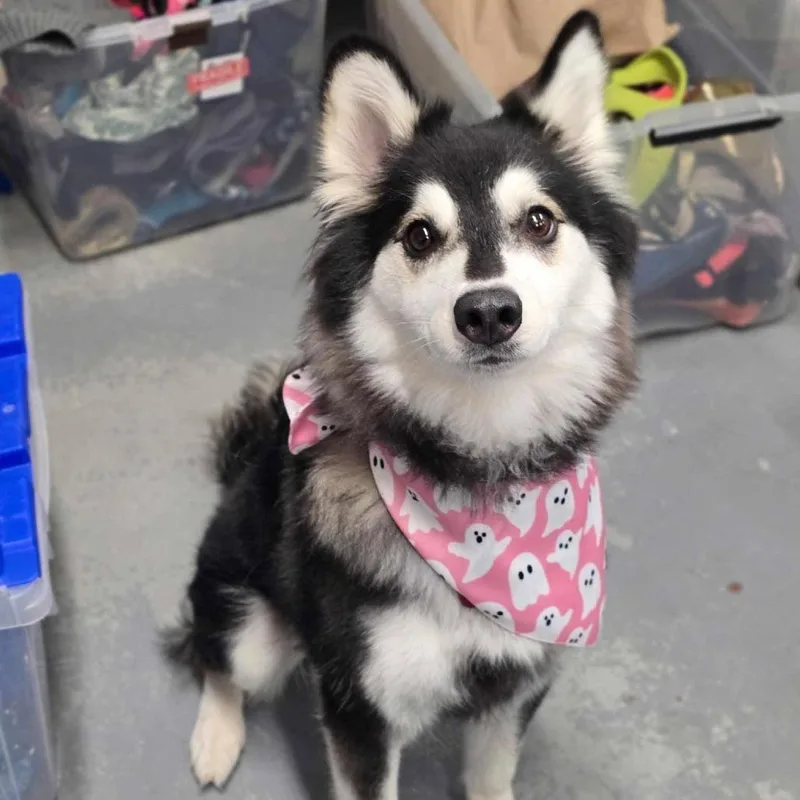
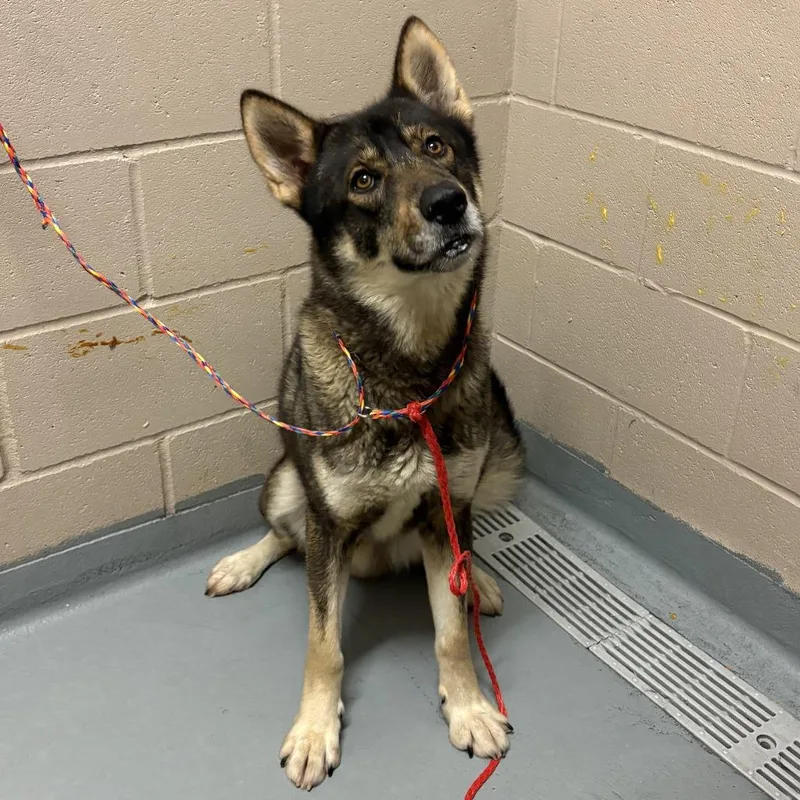
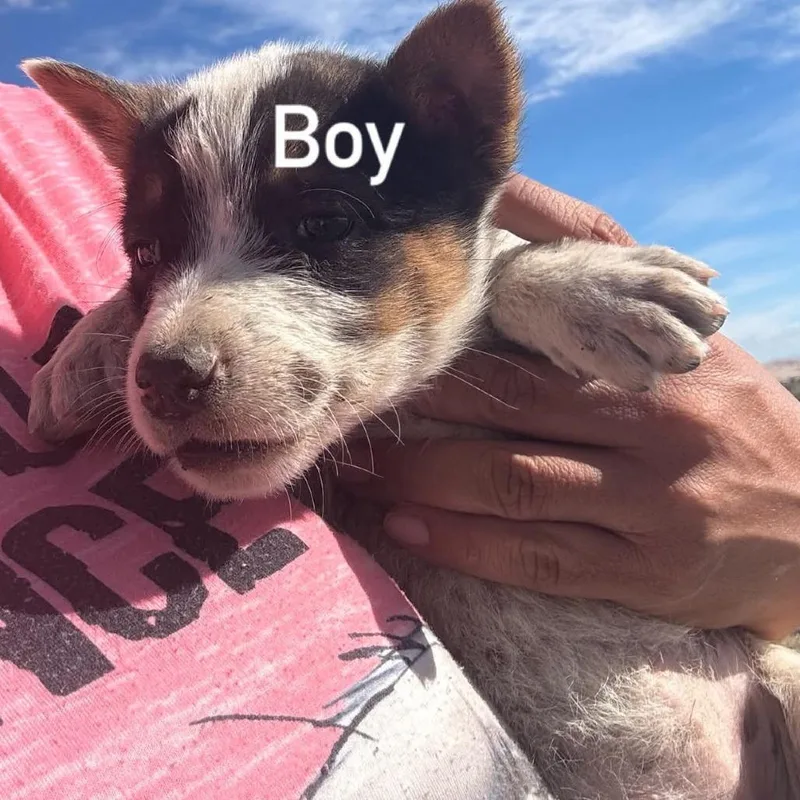
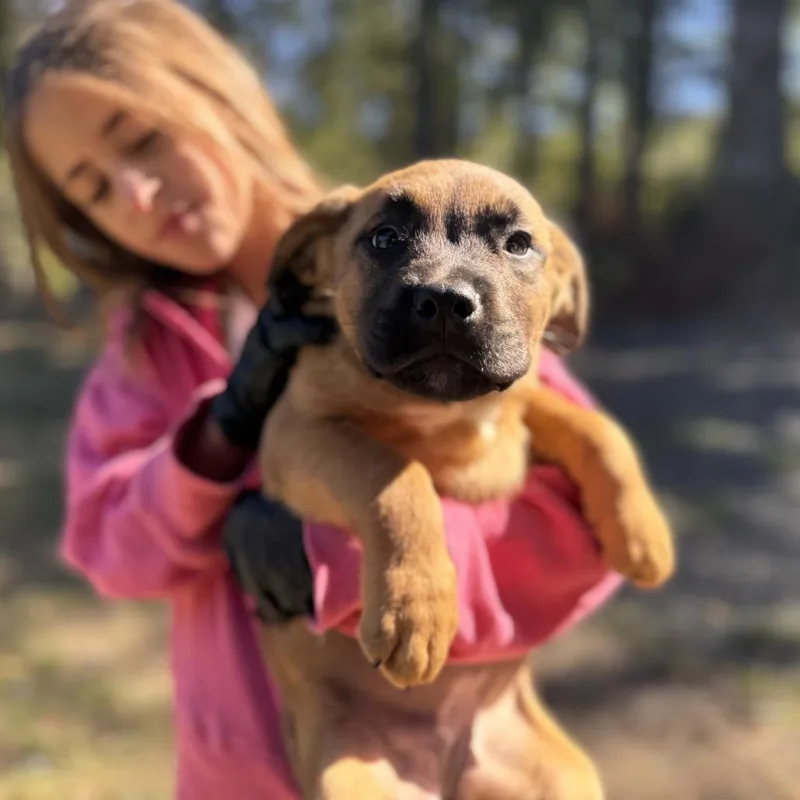
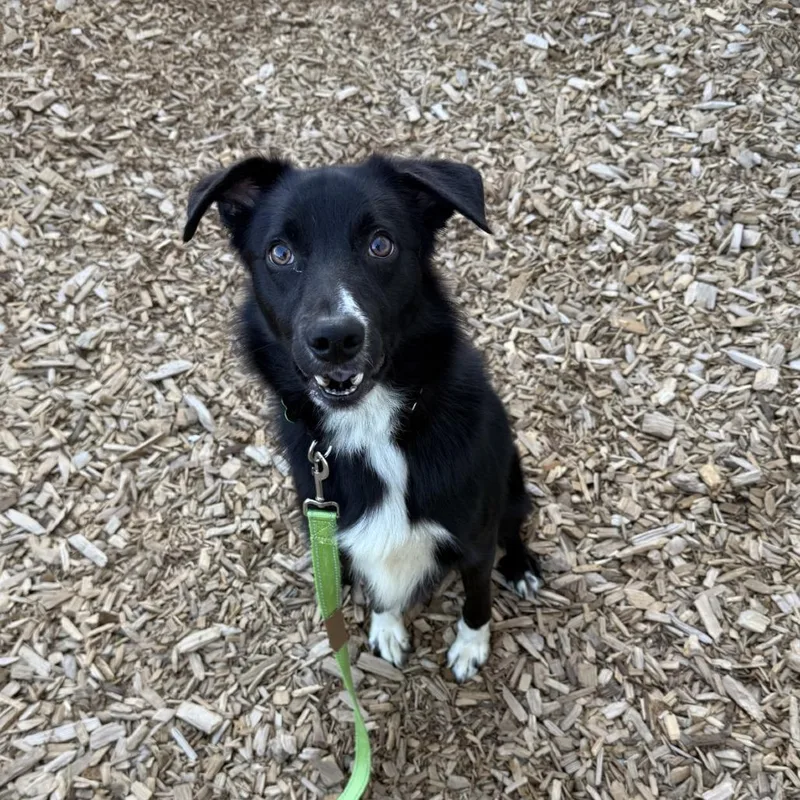
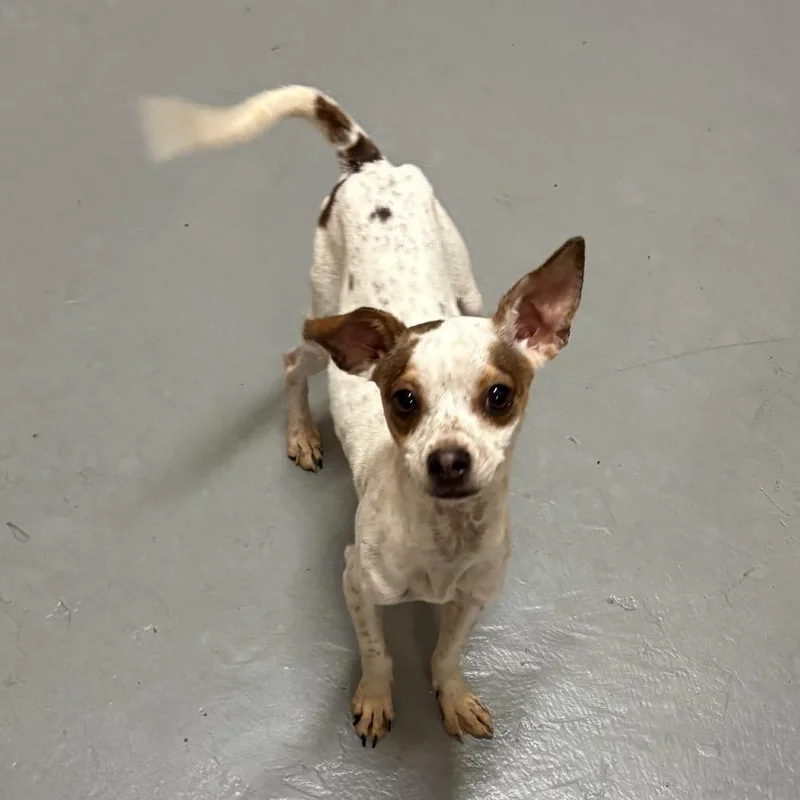
25 Samoyeds available in Tacoma and nationwide

Fall for a Samoyed

While we don't have enough dogs near Tacoma, keep in mind that many rescues may offer transport.

Samoyeds Available for Adoption Near Tacoma

About the Samoyed breed

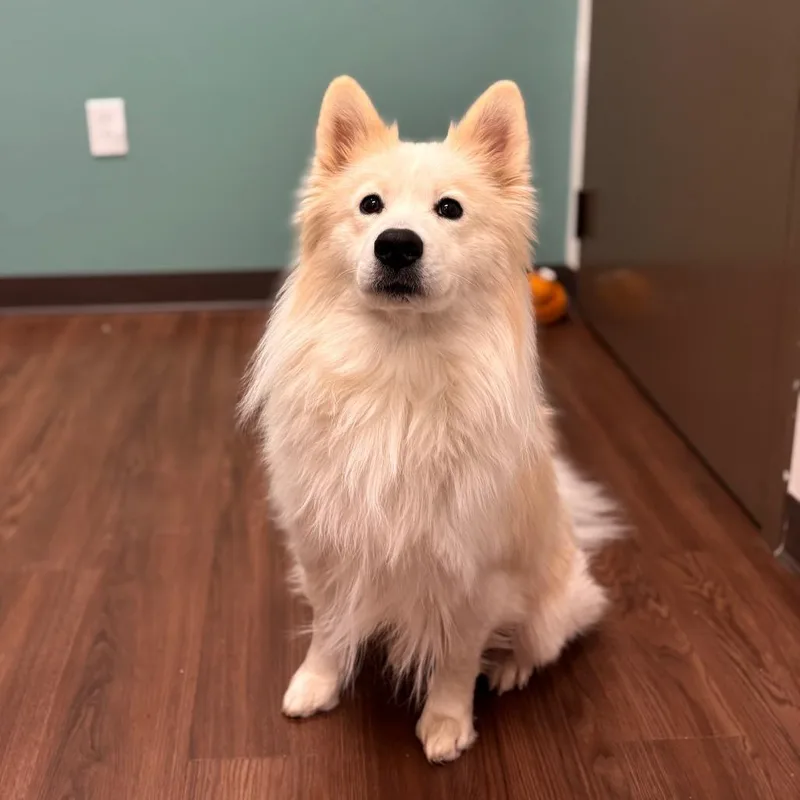
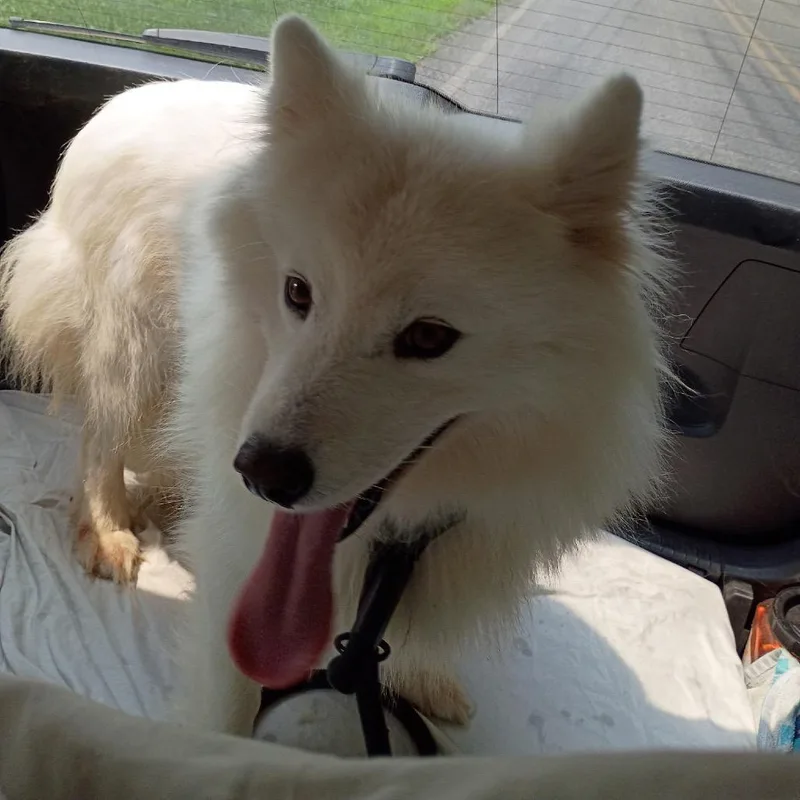
The Samoyed takes its name from the Samoyedic peoples of Siberia, such as the Nenets, who relied on these hardy spitz dogs to herd reindeer, pull sleds and guard camps. Genetic studies count it among the older dog lineages, predating most modern breeds. Its signature look is a thick, stand-off white or cream double coat, dark almond eyes, upright ears, a plumed tail curled over the back and upturned mouth corners often called the Sammie smile.

Many Samoyeds are friendly, gentle and sociable, more likely to greet a stranger than guard against one. They are also lively, talkative and sometimes stubborn, and they usually want to be with their people. That fluffy coat sheds heavily, especially during seasonal blowouts, and a working past means most need daily exercise and something to do.

Weight
35–65 lbs
Height
19–24 in
Lifespan
12–14 yrs
Temperament
Friendly, Gentle, Playful
Group
Working
Shedding
High

Owning a Samoyed in Tacoma

Having a Samoyed in Tacoma

A Samoyed combines a famously sunny, people-loving nature with the stamina of an Arctic working dog and one of the heaviest-shedding coats around. These traits shape the exercise, grooming and companionship adopters should plan for every week.

Temperament

Samoyeds tend to be affectionate, gentle and outgoing with family, visitors and often other dogs. Many are playful well into adulthood and enjoy being the center of attention. They can also be independent and stubborn, vocal with barks and howls, and unhappy when left alone. Patient, reward-based training works better than repetition or harsh correction.

Exercise Needs

Most Samoyeds need daily walks plus active play, hiking or pulling sports such as skijoring and carting. Training games and puzzle toys help keep a clever Sammie from digging or chewing. Their thick coat makes them prone to overheating, so in warm weather exercise during cooler hours, provide shade and water, and watch for heavy panting.

Health Considerations

Samoyeds are prone to several inherited conditions, including hip dysplasia, progressive retinal atrophy, cataracts, diabetes and hypothyroidism. Samoyed hereditary glomerulopathy, a kidney disease, mainly affects males. Excess thirst, frequent urination or weight loss deserves a prompt veterinary visit. Keeping regular checkups helps catch problems early.

Living Space

A Samoyed can live in a house or an apartment if it gets daily exercise and plenty of company, though its barking and howling may test thin walls. A fenced yard is useful. Expect white hair throughout the home, especially during seasonal sheds. Samoyeds should live indoors with their families, with air conditioning in hot weather.

What it costs to own a Samoyed

ExpenseTypical costPer year
Food$35 to $70 per month$420 to $840
Pet insurance$55 to $100 per month$660 to $1,200
Routine vet care$225 to $450 per year$225 to $450
Other*$540 to $1,390 per year$540 to $1,390
Estimated yearly total (after year one)$1,845 to $3,880

Other costs are national averages for Samoyeds; we don't have costs specific to Tacoma yet.

* Flea, tick and heartworm prevention, a dental cleaning allowance, a dog license, toys and bedding, and brushing and baths for heavy seasonal shedding; license fees vary by city.

Adopt a Samoyed in Tacoma.

Now that you know more, let’s find you a new best friend. These rescues and shelters below currently have Samoyeds available.

Rescues in Tacoma with Samoyeds Available

Here are the rescues & shelters in the Tacoma area where you can find Samoyeds and other dogs available for adoption.

Frequently Asked Questions

Samoyeds were bred by the Samoyedic peoples of Siberia, such as the Nenets, to herd reindeer, pull sleds and help with hunting. They also guarded camps and, by popular tradition, slept beside their families for warmth. That versatile working past explains their stamina, cold tolerance, friendliness toward people and tendency to bark, herd and pull on the leash.

A Samoyed is a medium-to-large spitz-type dog from Siberia, known for its thick white coat, curled tail and upturned smile. It belongs to the American Kennel Club's Working Group and was originally a reindeer herder and sled dog. Many Samoyeds are friendly, playful and sociable, and they shed heavily and tend to be quite vocal.

Samoyeds are medium to large dogs. Males usually stand about 21 to 23.5 inches at the shoulder and weigh about 45 to 65 pounds, while females are about 19 to 21 inches and 35 to 50 pounds. Their thick coat makes them look bigger than they are, so feeling under the fur gives a truer sense of their frame.

Samoyeds are often good family dogs. Many are gentle, playful and affectionate with children and enjoy being part of every activity. They are also energetic, shed heavily, bark and may herd kids by nipping, so supervision and training matter. Families who can provide daily exercise, grooming and companionship tend to find Samoyeds rewarding companions.

Samoyeds typically live about 12 to 14 years, and a 2024 UK study put their average life expectancy around 13 years. Keeping a Samoyed lean, watching for signs of diabetes or kidney disease, and protecting it from overheating all support a longer life. Regular veterinary checkups help catch inherited conditions like hip dysplasia and eye disease early.

Samoyeds can be excellent pets for people who enjoy an active, social and talkative dog. Many are friendly with everyone, playful and gentle. In return they need daily exercise, regular brushing, lots of company and patient training. Heavy shedding, barking and a stubborn streak make them less suited to owners who want a quiet, low-maintenance dog.

Yes, most Samoyeds are very friendly. They tend to greet strangers, visitors and often other dogs with enthusiasm, which makes them poor guard dogs but cheerful companions. Friendliness still depends on socialization and history, and some can be shy or bossy. An adopted adult Samoyed's past experiences are the best indicator of how it will react to new people.

Before getting a Samoyed, know that they shed a lot, especially during seasonal coat blows, and need brushing several times a week. They are vocal, energetic and dislike being left alone for long. Many are independent learners, and their thick coat makes hot weather risky. Inherited conditions such as hip dysplasia, diabetes and kidney disease also occur.

No, there is no recognized miniature Samoyed. No major kennel club registers a smaller variety, and Samoyeds are medium to large dogs. Dogs advertised as miniature Samoyeds are usually mixes, often with American Eskimo Dogs or Pomeranians, or simply undersized Samoyeds. A small white fluffy dog may share traits but will vary in temperament and care.

We have 1 rescue with Samoyeds available: Wet Noses Foster Paws. You can see every rescue with Samoyeds available in the list above these questions, or scroll to the top to see the Samoyeds near Tacoma.