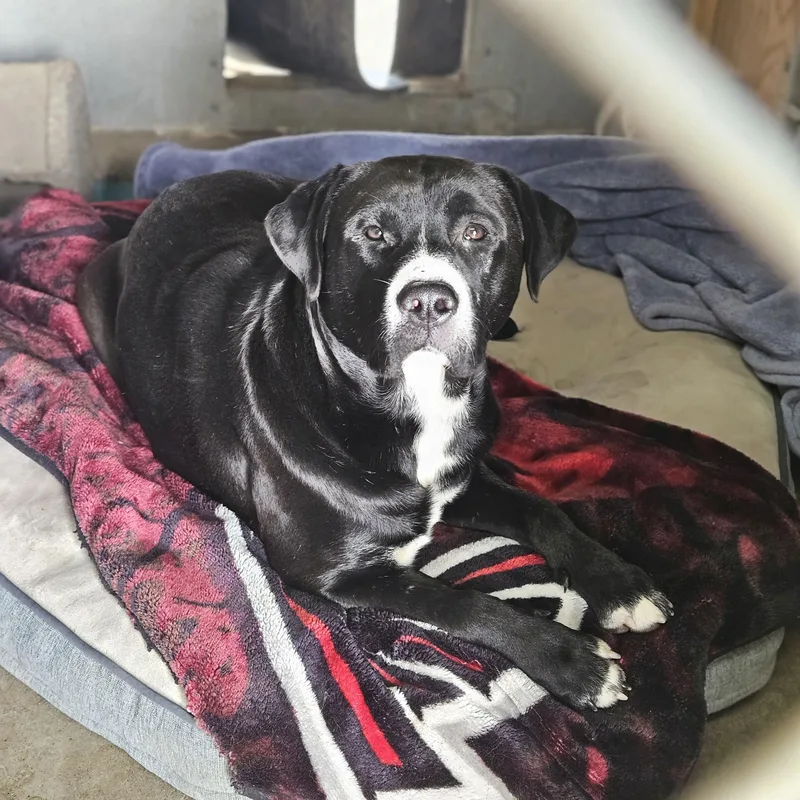
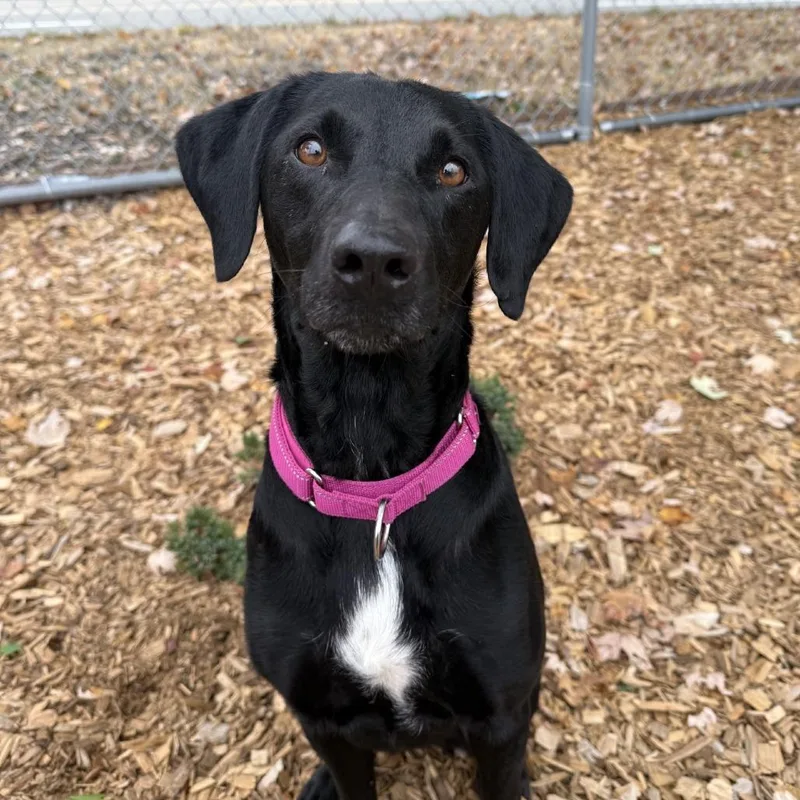
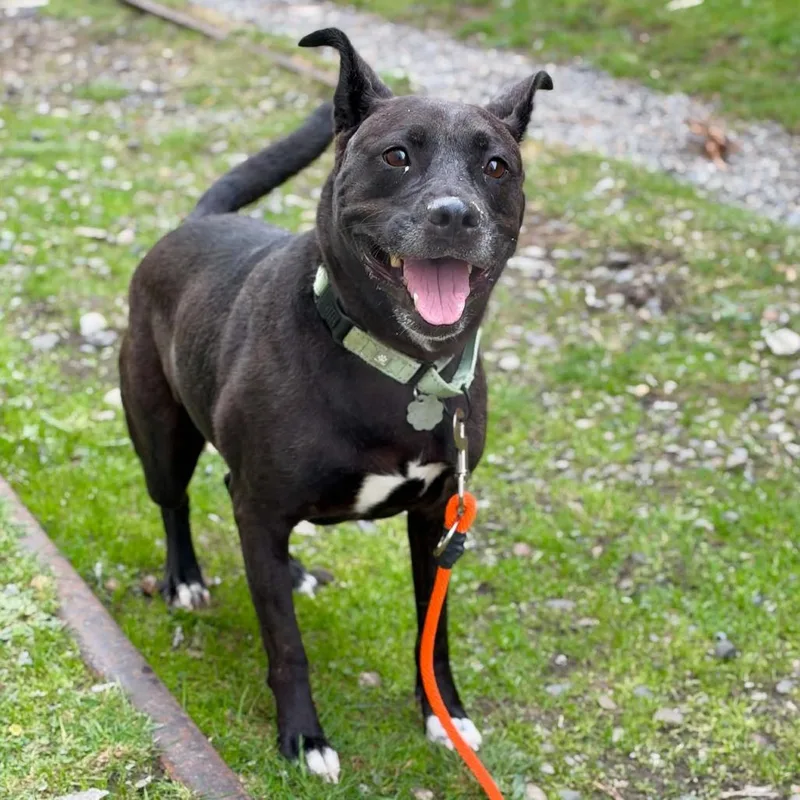
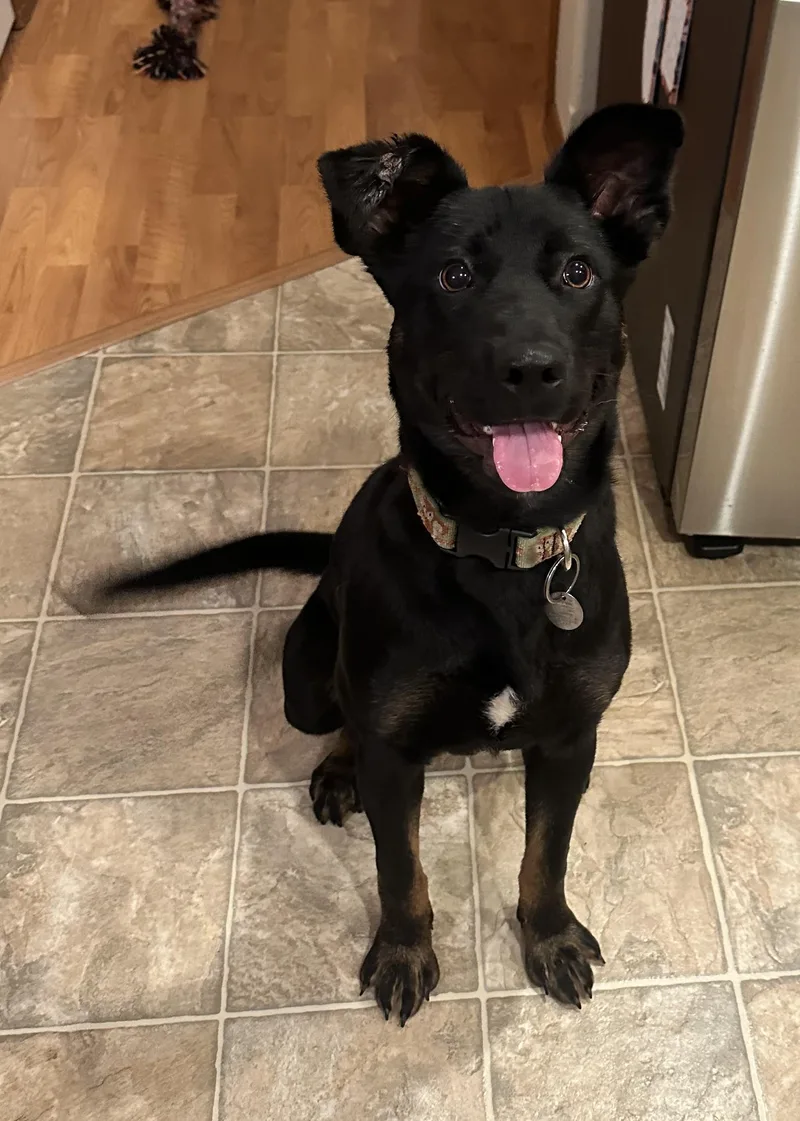
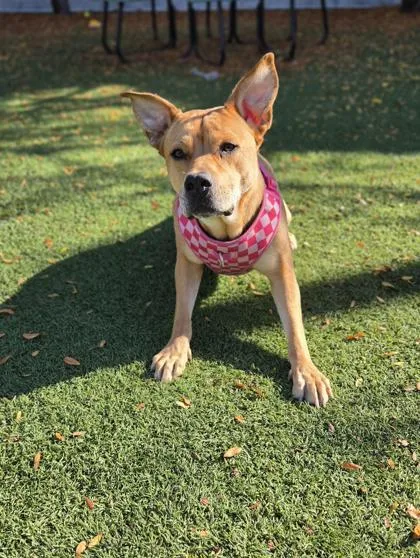
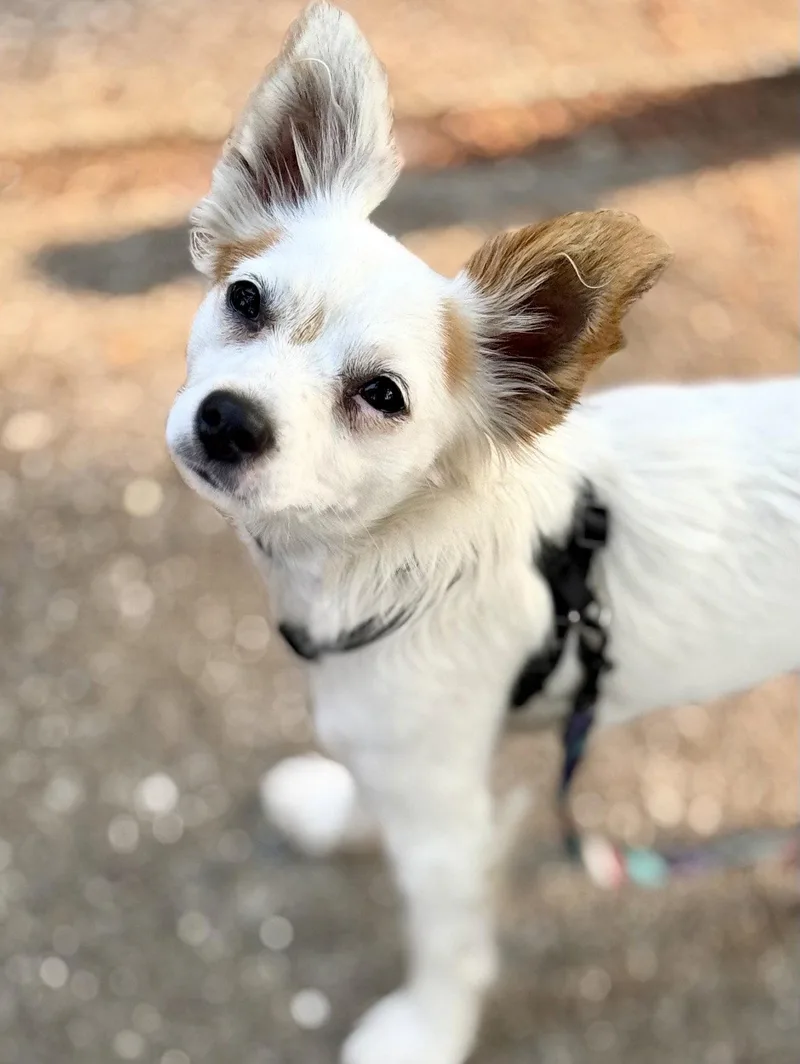
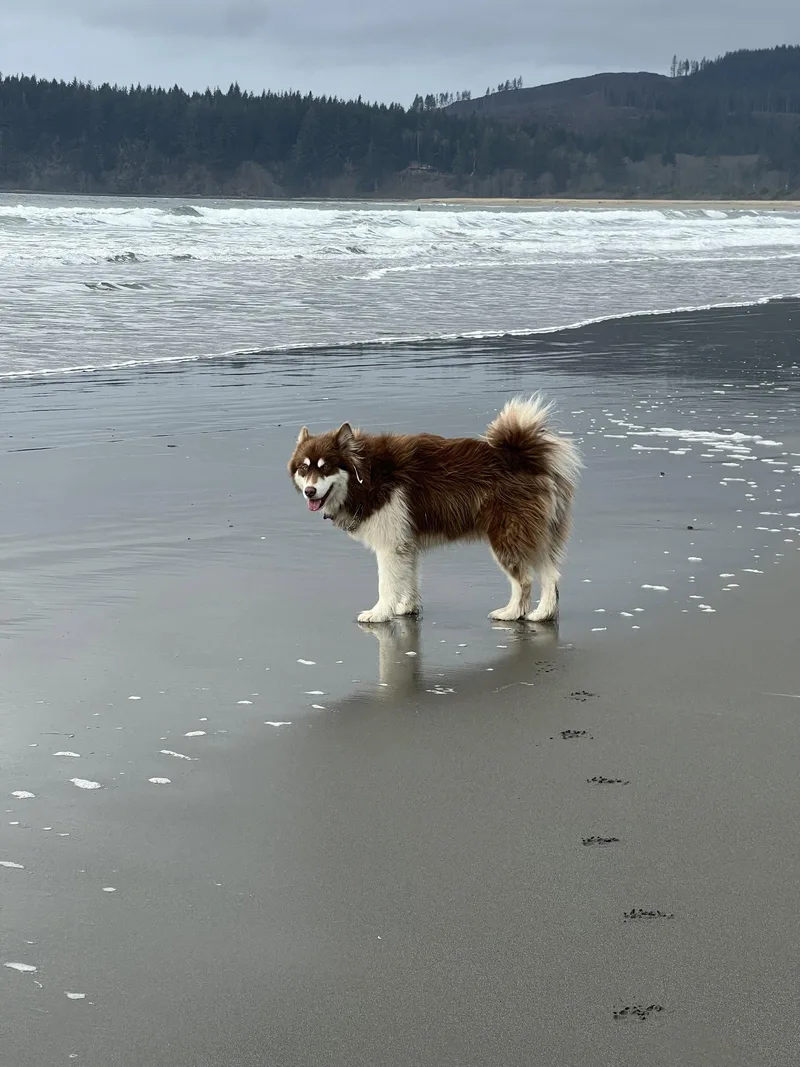
Black Labrador Retriever Dogs for Adoption in Seattle, WA

Your guide to finding and caring for a Black Labrador Retriever in Seattle

A black Lab fits Seattle best near water, and Magnuson Park has the only off-leash area in the city where dogs can get into the lake. Labs were bred to swim and retrieve, so a Sand Point or Laurelhurst routine of fetch along the shoreline suits them well. Expect a muddy dog after most outings, since measurable rain falls on about 90 days a year. They're friendly and food-driven, so plan on daily exercise and careful portions.

3050 Black Labrador Retrievers available in Seattle and nationwide

Find your Black Labrador Retriever

Black Labrador Retrievers Available for Adoption Near Seattle

About the Black Labrador Retriever breed

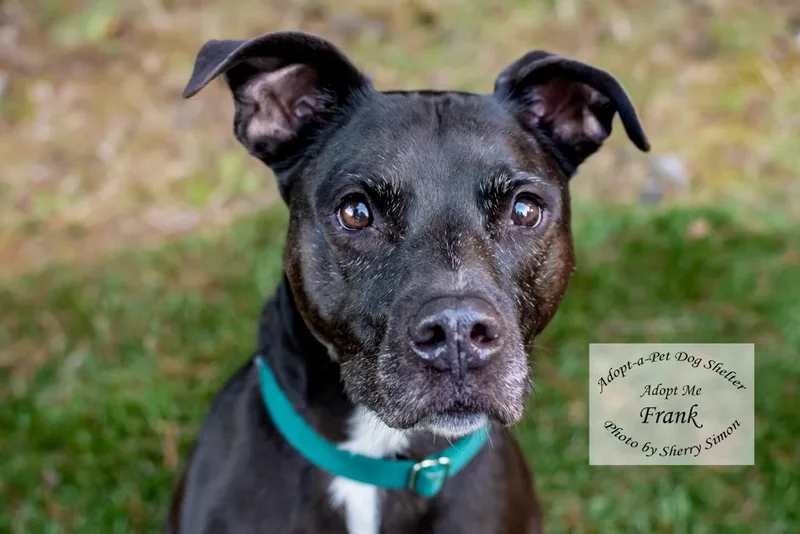
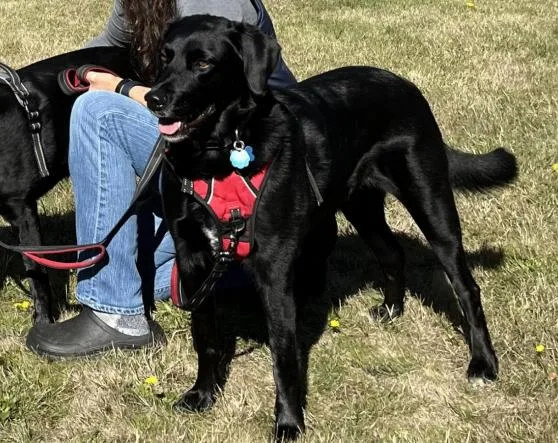
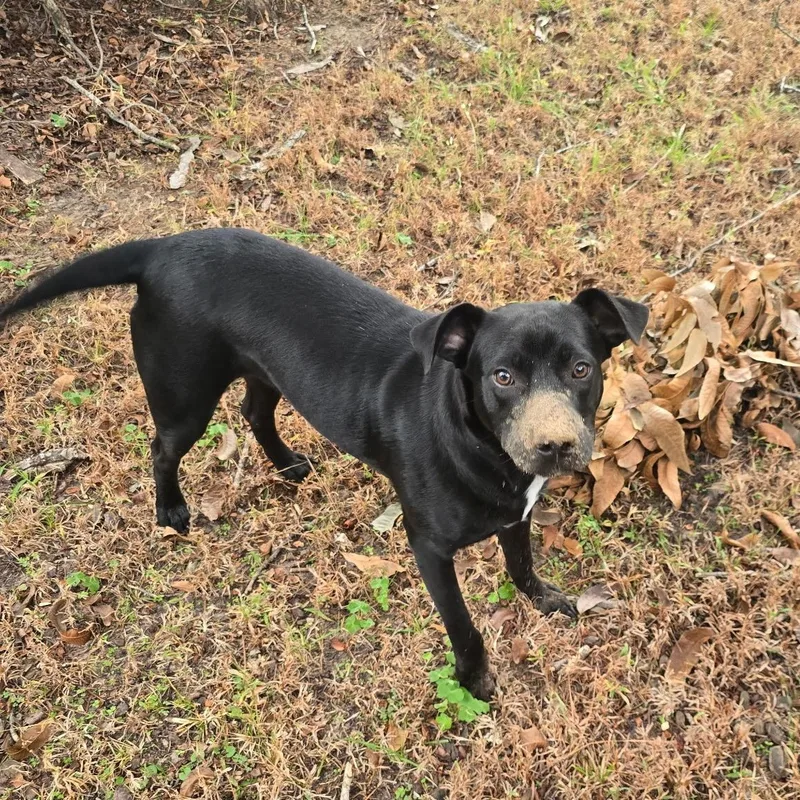
The Labrador Retriever traces back to the St. John's water dogs of Newfoundland, which British sportsmen refined into gun dogs. Black was the color of the earliest Labs and is still among the most familiar. Color is the only thing that sets a black Lab apart. It's the same breed as yellow and chocolate Labs, with a dense, water-resistant double coat, an otter tail and a sturdy, athletic build of 55 to 80 pounds.

In Seattle, that coat copes well with drizzle but holds on to mud, so expect towels by the door and regular brushing, especially during heavy shedding seasons. Labs are friendly and eager to please, though young dogs can be boisterous and mouthy for a couple of years. Dogs vary, and a Lab's age, history and energy matter more than breed or color when you're choosing a match.

Weight
55–80 lbs
Height
21–25 in
Lifespan
10–14 yrs
Temperament
Friendly, Outgoing, Active
Group
Sporting
Shedding
Moderate to High

Owning a Black Labrador Retriever in Seattle

Having a Black Labrador Retriever in Seattle

Black Labs are sociable, athletic and food-motivated, and in Seattle those traits meet wet weather and plenty of water access. Match the dog's age and energy to your routine, since a young, field-bred Lab and a calm senior need very different days.

Temperament

Most black Labs are outgoing and affectionate, which suits Seattle's busy sidewalks, elevators and off-leash areas, where friendly manners count. Young dogs can be mouthy and boisterous, and some get overexcited around fireworks. Reward-based training works well because Labs love food. How a particular dog was socialized matters more than breed reputation or coat color.

Exercise Needs

Plan on an hour or more of active exercise for a healthy adult: brisk walks, fetch and swimming where it's allowed. Magnuson Park has the city's only off-leash area with water access, and dogs must be licensed and vaccinated to use any off-leash area. On rainy days, tug, scent games and short training sessions burn energy indoors.

Health Considerations

Labs can develop hip and elbow dysplasia, cruciate ligament tears, exercise-induced collapse and progressive retinal atrophy, and obesity is common. Seattle's damp weather can add to ear infections and skin irritation, so dry ears and paws after wet outings. A veterinarian can check hips and elbows and help set a healthy weight.

Living Space

A black Lab can manage a Seattle apartment, condo or bungalow when daily exercise is covered. A yard helps, but it doesn't replace walks. Steep streets in areas like Queen Anne add built-in workouts. Expect shed hair, a sweeping tail that clears coffee tables, and a dog that wants to be indoors with you.

What it costs to own a Black Labrador Retriever in Seattle

ExpenseTypical costPer year
Adoption fee$450, one time$450 in year one
Food$55 to $110 per month$660 to $1,320
Pet insurance$65 to $130 per month$780 to $1,560
Routine vet care$250 to $500 per year$250 to $500
Other*$620 to $1,495 per year$620 to $1,495
Estimated yearly total (after year one)$2,310 to $4,875
First-year total (with adoption fee)$2,760 to $5,325

Adoption fee is the fee on Black Labrador Retriever listings in Seattle on GetBuddy today. Other costs are estimates and vary with size, age and health.

* The $45 Seattle dog license for a spayed or neutered dog, flea, tick and heartworm prevention, a dental cleaning allowance, toys and bedding, and brushing and baths for heavy seasonal shedding.

Adopt a Black Labrador Retriever in Seattle.

Now that you know more, let’s find you a new best friend. These rescues and shelters below currently have Black Labrador Retrievers available.

Frequently Asked Questions

Yes, you can own a Black Labrador Retriever in Seattle. The city has no breed bans, and Washington law limits breed-based rules statewide. You'll need a city dog license, which costs $45 a year for a spayed or neutered dog, plus a rabies vaccination, and the dog must be leashed off your property. A household can have up to three dogs and cats combined on a typical lot.

Magnuson Park is the top pick, since its 8.6-acre off-leash area has Lake Washington access for swimming and retrieving. Westcrest Park and Dr. Jose Rizal Park also have roomy off-leash areas, while Green Lake's 2.8-mile loop and Discovery Park work for leashed walks. Dogs can't go on city beaches, and off-leash areas require a license and vaccinations.

Yes, a Black Labrador Retriever can live in a Seattle apartment if daily exercise is covered, which means long walks and a fetch session, not just a balcony. Nearby off-leash areas help, such as Regrade Park in Belltown or Plymouth Pillars near Capitol Hill, though both are small. Budget time for early training so a bouncy young dog settles indoors.

Yes, on several services. Metro buses allow dogs: small dogs ride free on a lap, while larger dogs like a Lab ride on the floor with a paid fare, at the driver's discretion, and can't take a seat. Sound Transit is piloting leashed dogs on Link through spring 2027. The Water Taxi and state ferries also accept leashed dogs.

Yes, a Lab's water-resistant double coat handles Seattle winters well. They're cool, damp and seldom frozen, so the main tasks are towel-drying the dog and its paws and rinsing off any ice melt. A few snow days a year can close hilly streets and a windstorm can cut power, so keep indoor games and a backup plan ready.

Sometimes, on patios only. Washington's food code generally bars dogs from restaurants, but a restaurant with a health-department-approved plan can allow pet dogs in outdoor dining areas. Dogs typically must stay leashed, out of the indoor area and off chairs. Policies vary by restaurant, so look for patio signs, and bring a mat to help a Lab settle.

A black Lab needs weekly brushing most of the year and more when it sheds heavily, usually in spring and fall. Seattle's damp weather adds towel-drying, paw wipes and ear checks after wet outings. Most owners handle this at home with an occasional bath, which fits within the $620 to $1,495 yearly Other costs shown on this page.

A Labrador Retriever is a large sporting dog developed to retrieve game for hunters, especially from water. Labs have a short, dense double coat, a thick otter tail and a broad head, and they come in black, yellow and chocolate. Many are friendly, food-motivated and eager to work, which makes them common family, guide and service dogs.

We have 1 rescue with Black Labrador Retrievers available: Elphie's Animal Alliance. You can see every rescue with Black Labrador Retrievers available in the list above these questions, or scroll to the top to see the Black Labrador Retrievers near Seattle.

Expect roughly $2,300 to $4,900 a year in recurring costs for a black Lab in Seattle: food at $55 to $110 a month, insurance at $65 to $130 a month, routine vet care at $250 to $500 a year, and $620 to $1,495 in other yearly costs. The dog license is $45 for a spayed or neutered dog.