Australian Terrier Dogs for Adoption in Seattle, WA

Your guide to finding and caring for an Australian Terrier in Seattle

Australian Terriers fit Wallingford's mix of bungalows and apartment buildings well. At 14 to 20 pounds, an Aussie handles stairs and steep blocks easily, and the Woodland Park off-leash area gives a good run when walks aren't enough. They're alert and will announce every neighbor in the hallway, so training matters. The harsh coat shrugs off Seattle drizzle, though a towel by the door still helps. If you're thinking of adopting one here, plan on daily walks and some brain games.

30 Australian Terriers available in Seattle and nationwide

Give an Australian Terrier a home

While we don't have enough dogs near Seattle, keep in mind that many rescues may offer transport.

Australian Terriers Available for Adoption Near Seattle

About the Australian Terrier breed

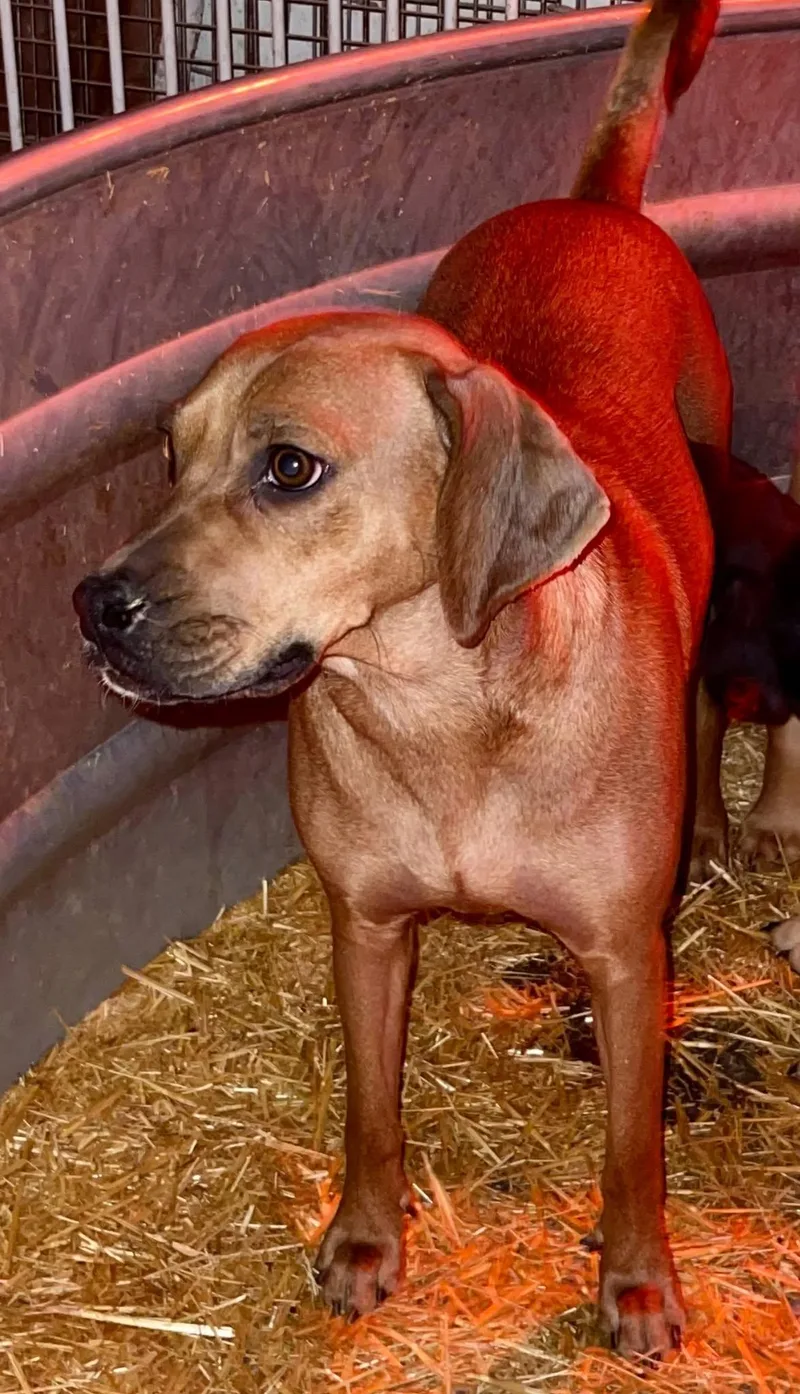
Australian settlers in the 1800s crossed rough-coated British terriers to get a compact, hardy dog that could kill rats and snakes and guard the homestead. It became the first native Australian breed recognized, and the AKC accepted it in 1960. Aussies are small but long in the body, with erect ears, a harsh coat in blue and tan, sandy or red, and a soft silky topknot.

Many are confident, affectionate and more tenacious than their size suggests. They bond closely with their people, bark at anything unusual and chase small animals with real conviction. In Seattle, that means a leash on wooded greenbelt trails, where squirrels and the occasional coyote turn up, and a plan for the damp months. They suit adopters who enjoy a lively, trainable companion, though each dog varies.

Weight
14–20 lbs
Height
10–11 in
Lifespan
11–15 yrs
Temperament
Spirited, Courageous, Alert
Group
Terrier
Shedding
Low

Owning an Australian Terrier in Seattle

Having an Australian Terrier in Seattle

Aussies pair terrier drive with a small frame. In Seattle, their needs show up as steady walks in a rainy climate, a light-shedding wiry coat that needs drying, and a vocal streak that matters in shared buildings. A few health concerns are worth knowing before adopting.

Temperament

Australian Terriers are usually self-assured, curious and affectionate, and many want to be part of everything. They tend to bark at footsteps and deliveries, which counts in Seattle's apartment buildings and close-set houses. Some are bossy with other dogs, and small pets can trigger chasing. Reward-based training helps, and every dog differs.

Exercise Needs

Plan on daily walks plus play that lets an Aussie chase and problem-solve. In Seattle, the Woodland Park off-leash area, Green Lake's leashed loop and Magnuson Park's off-leash area with lake access are all options. Puzzle toys and short training sessions cover the rainy days when a walk gets cut short.

Health Considerations

Aussies are generally sturdy, but luxating patellas, Legg-Calve-Perthes disease, diabetes, allergies, ear infections and some eye problems turn up in the breed. Seattle's damp weather makes drying ears and paws a good habit. Keep your dog lean, watch thirst and mobility, and schedule regular veterinary checkups.

Living Space

An Aussie can be happy in a Seattle apartment or a house with a yard, as long as exercise is reliable. In shared buildings, barking training matters most. A securely fenced yard helps because many dig or bolt after small animals; without one, stick to leashed outings and short, frequent potty breaks.

What it costs to own an Australian Terrier in Seattle

ExpenseTypical costPer year
Food$20 to $45 per month$240 to $540
Pet insurance$35 to $70 per month$420 to $840
Routine vet care$200 to $400 per year$200 to $400
Other*$520 to $1,295 per year$520 to $1,295
Estimated yearly total (after year one)$1,380 to $3,075

Other costs are estimates and vary with size, age and health.

* The $45 Seattle license for a spayed or neutered dog, flea, tick and heartworm prevention, a dental cleaning allowance, toys and bedding, and brushing and plucking of the harsh coat.

Adopt an Australian Terrier in Seattle.

Now that you know more, let’s find you a new best friend. These rescues and shelters below have dogs available in and near Seattle.

Frequently Asked Questions

Yes, with some limits. Metro buses allow dogs: small dogs ride free on your lap, while larger dogs ride on the floor with a paid fare, at the driver's discretion. Most Aussies are small enough for a lap. Sound Transit is piloting leashed dogs on Link through spring 2027; otherwise pets need a small carrier.

Mostly yes. Seattle's cool, wet, mild weather suits a hardy terrier with a weather-resistant coat, and the short summers rarely get hot. The main chores are towel-drying after rain, checking ears and paws, and having indoor games ready for the occasional snow or smoke day. Heat waves are rare but real, so keep shade and water handy.

Woodland Park's off-leash area and the leashed Green Lake loop make a good pairing, and Magnuson Park offers an off-leash area with lake access. Discovery Park's trails suit leashed walks, though the Wolf Tree Nature Trail is closed to dogs. Because Aussies chase, keep yours leashed anywhere outside an off-leash area.

Yes. Seattle has no breed bans, and Washington law limits them statewide. You'll need a city dog license, a rabies vaccination, and a leash whenever you're off your property. A household can keep up to three dogs and cats combined on a typical lot, so count any other pets before adopting.

Often, for active people who don't mind rain. An Aussie enjoys daily walks, handles drizzle well and is small enough for Seattle's hills and stairs. The tradeoffs are barking, chasing squirrels, and coyote reports in some neighborhoods, so supervise outdoor time, especially at dawn and dusk. Every dog differs, so judge the dog in front of you.

Sometimes, on patios. Dogs can join you at some Seattle restaurants with outdoor seating when the restaurant has a health-department-approved plan, while indoor dining rooms generally don't allow pet dogs. Policies vary, so look for dog-friendly signs. A terrier that barks at passersby may settle better with a mat and a chew.

Less than many breeds, but Seattle's rain adds chores. Plan on weekly brushing, towel-drying after wet walks, and occasional tidying or plucking of loose hair, since the harsh coat isn't normally clipped. Budget about $100 to $300 a year for tidying, which is part of the yearly other costs on this page.

Yes, Australian Terriers are often excellent pets for people who want a small dog with a big, busy personality. Many are affectionate, adaptable and trainable, and they bond closely with their families. The trade-offs are a tendency to bark, a strong urge to chase small animals and a need for daily exercise and mental activity to stay settled.

Australian Terriers typically live about 11 to 15 years. Some sources put the average closer to 11 or 12, with females often living slightly longer than males. Keeping an Aussie lean, active and up to date on dental care and checkups gives the best chance of a long life, and conditions such as diabetes are easier to manage when caught early.

Expect roughly $1,380 to $3,075 a year for an Australian Terrier in Seattle. That covers food at $20 to $45 a month, insurance at $35 to $70 a month, routine vet care of $200 to $400 a year, and other costs of $520 to $1,295 a year. Unexpected vet bills are extra.