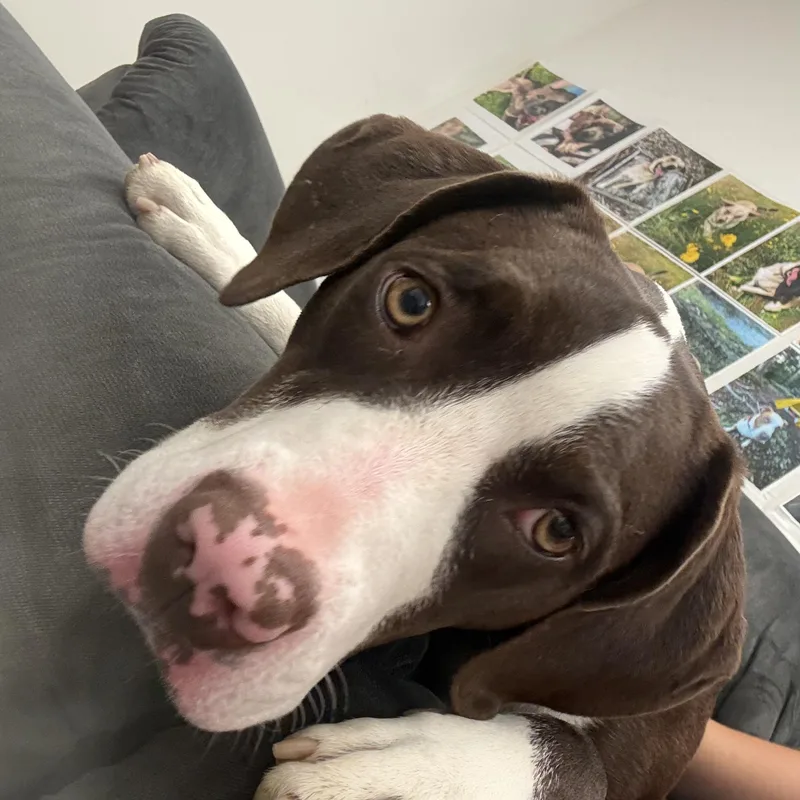
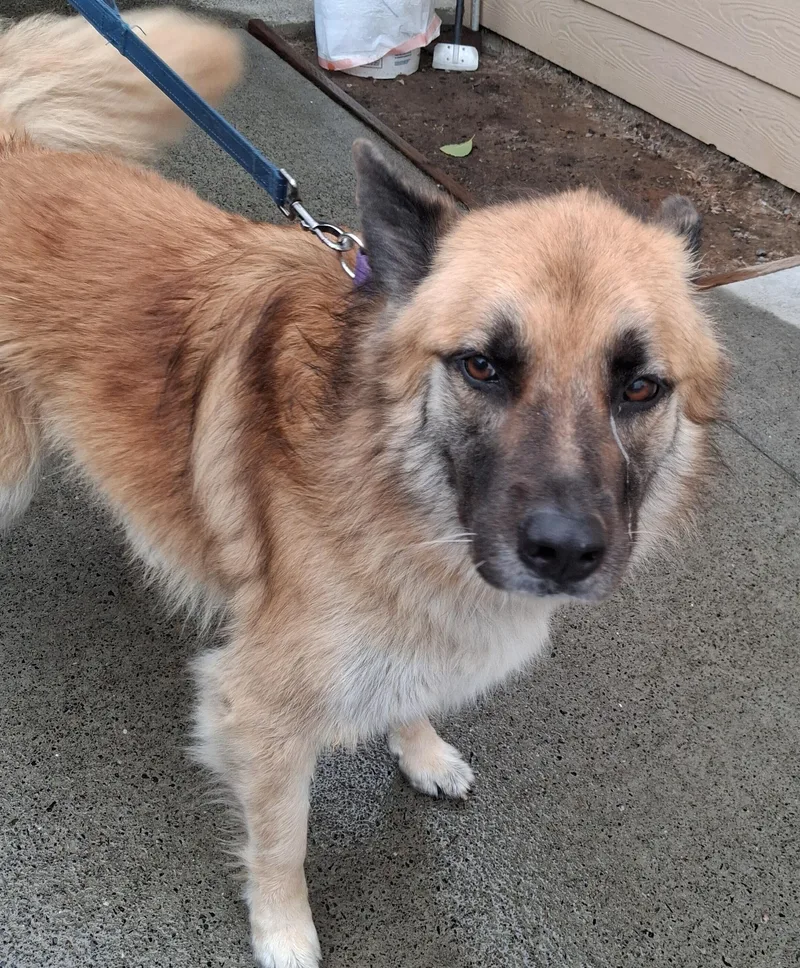
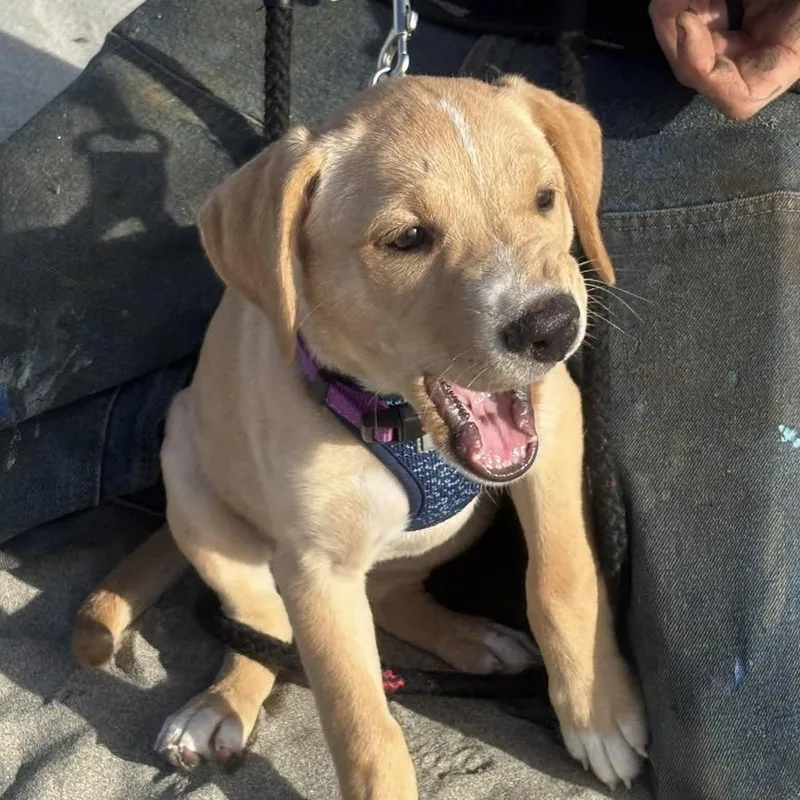
Chesapeake Bay Retriever Dogs for Adoption in Long Beach, WA

Your guide to finding and caring for a Chesapeake Bay Retriever in Long Beach

44 Chesapeake Bay Retrievers available in Long Beach and nationwide

Find your Chesapeake Bay Retriever

While we don't have enough dogs near Long Beach, keep in mind that many rescues may offer transport.

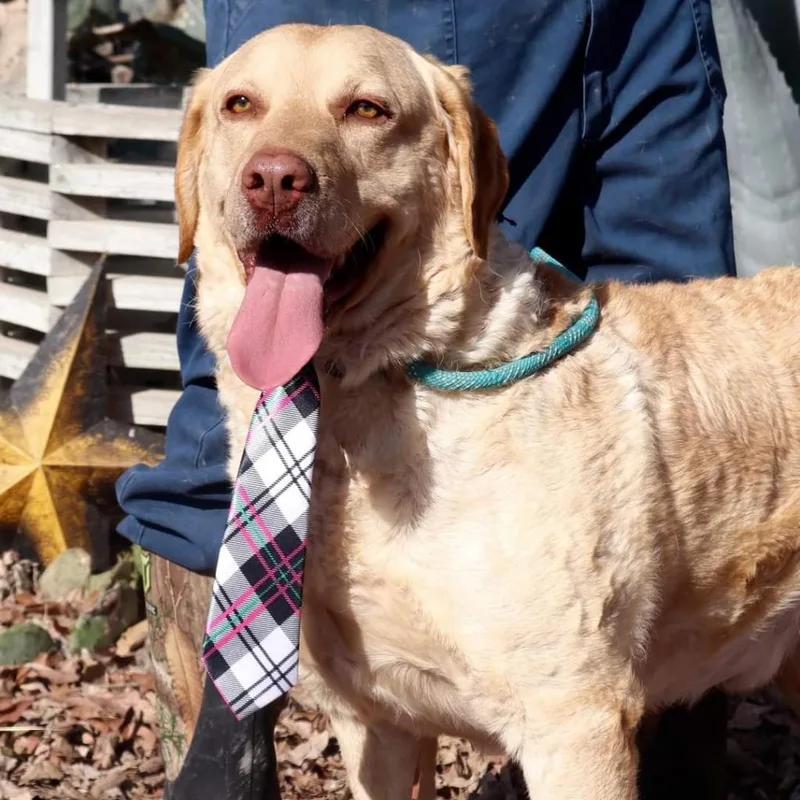
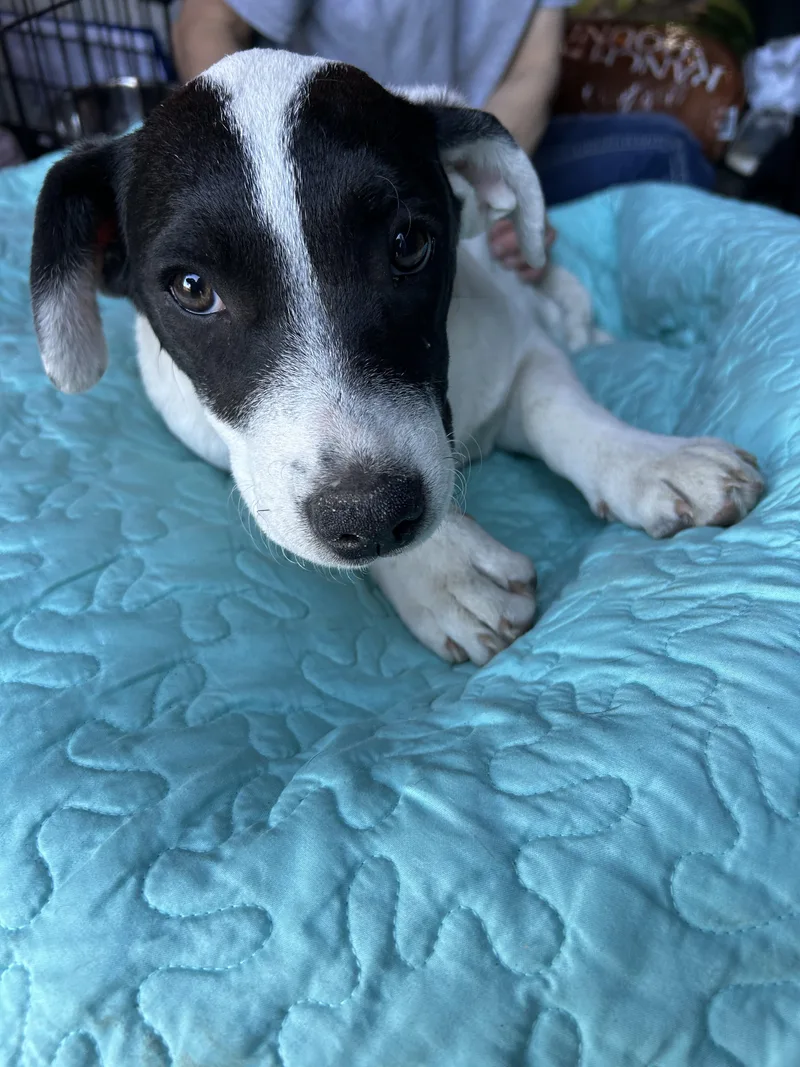
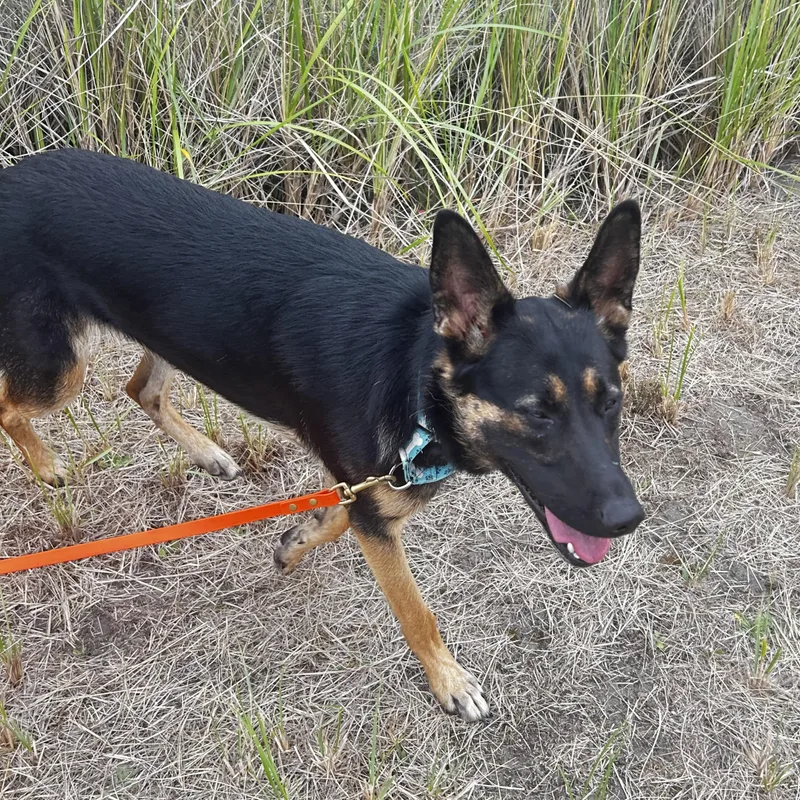
Chesapeake Bay Retrievers Available for Adoption Near Long Beach

About the Chesapeake Bay Retriever breed

The Chesapeake Bay Retriever is an American original, developed along Maryland's shores to retrieve ducks from rough, icy water, often breaking through ice between retrieves. Its oily, wavy double coat sheds water much like a duck's feathers, and its color, from brown to sedge to deadgrass, was selected to blend into marsh and reeds. Chessies are powerful, broad-chested dogs with webbed feet and striking yellow or amber eyes, and Maryland made the breed its state dog in 1964.

Compared with Labs and Goldens, Chessies tend to be more serious, independent and protective. Many are deeply loyal to their family yet reserved with strangers, and some can be dog-selective. They usually thrive with confident, consistent owners who enjoy training and can offer plenty of swimming, retrieving and outdoor work. In the right home, a Chessie is a tireless partner and a devoted, often goofy companion.


Weight
55–80 lbs
Height
21–26 in
Lifespan
10–13 yrs
Temperament
Loyal, Protective, Intelligent
Group
Sporting
Shedding
Moderate to High

Owning a Chesapeake Bay Retriever in Long Beach

Having a Chesapeake Bay Retriever in Long Beach

A Chessie brings a working retriever's drive together with a stronger guarding instinct and independent streak than many sporting breeds. Its exercise needs, distinctive coat and protective nature all affect daily life, so they are worth weighing before adopting one.

Temperament

Chesapeakes are often affectionate and playful with family but reserved or watchful with strangers. Many are protective of home and people, and some are selective with unfamiliar dogs. They are smart but can be stubborn, responding best to consistent, reward-based training from confident owners. Socialization and an individual dog's history shape how these tendencies appear.

Exercise Needs

Most Chessies need vigorous daily exercise, ideally including retrieving and swimming, which the breed was built for. Long walks, hikes and structured games like dock diving or hunt tests are good outlets. Mental challenges such as scent work and training sessions matter too. Under-exercised Chessies may become destructive, mouthy or pushy.

Health Considerations

Chesapeakes can be affected by hip and elbow dysplasia, progressive retinal atrophy, inherited cataracts, degenerative myelopathy, exercise-induced collapse and von Willebrand disease. Breed surveys also report arthritis, hair loss and cancer. Have a veterinarian check the hips and eyes, keep it lean and maintain regular veterinary checkups.

Living Space

Chessies usually do best in homes with room to move and owners who are active outdoors, though space matters less than daily exercise. Apartment living is possible with very committed owners. Their watchfulness means visitors need careful introductions. Expect shedding and wet-dog smell, and plan for indoor life with the family rather than kenneling.

What it costs to own a Chesapeake Bay Retriever

ExpenseTypical costPer year
Adoption fee$300, one time$300 in year one
Food$55 to $110 per month$660 to $1,320
Pet insurance$65 to $130 per month$780 to $1,560
Routine vet care$250 to $500 per year$250 to $500
Other*$590 to $1,490 per year$590 to $1,490
Estimated yearly total (after year one)$2,280 to $4,870
First-year total (with adoption fee)$2,580 to $5,170

Adoption fee is the fee on Chesapeake Bay Retriever listings in Long Beach on GetBuddy today. Other costs are national averages for Chesapeake Bay Retrievers; we don't have costs specific to Long Beach yet.

* Flea, tick and heartworm prevention, a dental cleaning allowance, a dog license, toys and bedding, and brushing for heavy seasonal shedding; license fees vary by city.

Adopt a Chesapeake Bay Retriever in Long Beach.

Now that you know more, let’s find you a new best friend. These rescues and shelters below currently have Chesapeake Bay Retrievers available.

Rescues in Long Beach with Chesapeake Bay Retrievers Available

Here are the rescues & shelters in the Long Beach area where you can find Chesapeake Bay Retrievers and other dogs available for adoption.

Frequently Asked Questions

Yes, Chesapeake Bay Retrievers shed, often quite a bit at certain times of year. Their dense, oily double coat drops hair year-round and sheds heavily once or twice a year when the woolly undercoat turns over. Weekly brushing with a rubber curry or undercoat rake, and more during heavy sheds, keeps hair manageable without stripping the coat's oils.

Chesapeake Bay Retrievers can be good family dogs for active households that understand the breed. Many are loving, playful and protective with their own family, including children they know. They are also strong, energetic and sometimes reserved with visitors, and some can be dog-selective. Families with time for training and daily exercise tend to do best.

Yes, the Chesapeake Bay Retriever is Maryland's official state dog, a designation it received in 1964. The breed was developed around the Chesapeake Bay in the 1800s to retrieve waterfowl in harsh conditions. It is also the mascot of the University of Maryland, Baltimore County, reflecting its close ties to the state's history and culture.

Chesapeake Bay Retrievers are not usually aggressive, but they can be more protective and reserved than other retrievers. The breed standard calls for an affectionate, protective nature and treats extreme aggression as undesirable. Some Chesapeakes are dog-selective or guard territory. Early socialization, consistent training and knowing an adopted dog's history help prevent problems.

A Chesapeake Bay Retriever is a large American sporting dog bred to retrieve ducks and geese from cold, rough water around the Chesapeake Bay. It has a wavy, oily, water-resistant coat in shades of brown, sedge or deadgrass, webbed feet and yellow or amber eyes. Chessies are typically loyal, intelligent, energetic and protective.

Chesapeake Bay Retrievers typically live about 10 to 13 years. UK Kennel Club data put the median around 10.75 years, and an American Chesapeake Club survey found an average just over 9 years, with about a quarter reaching 13 or more. Keeping a Chessie lean, active and screened for inherited conditions helps support a longer life.

No, Chesapeake Bay Retrievers are not hypoallergenic. Their thick double coat sheds steadily and heavily during seasonal changes, and like all dogs they produce allergens in dander, saliva and urine. The natural oils in their coat can also leave a noticeable odor. Anyone with allergies should spend extended time with a specific Chessie before adopting.

To train a Chesapeake Bay Retriever, start early with consistent, reward-based sessions, using food, toys and retrieving games as motivation. Keep sessions short and varied, since Chessies can be independent and stubborn with repetition. Socialize them widely with people and dogs. Harsh corrections tend to backfire, so calm, confident and fair leadership works best.

Yes, Chesapeake Bay Retrievers are good dogs for the right owners. Most are loyal, hardworking, smart and affectionate with family, and they excel in hunting, swimming and dog sports. They are less universally easygoing than Labs or Goldens, though, and need training, socialization and a lot of activity. Experienced, active owners often find them ideal.

We have 1 rescue with Chesapeake Bay Retrievers available: SPCHS. You can see every rescue with Chesapeake Bay Retrievers available in the list above these questions, or scroll to the top to see the Chesapeake Bay Retrievers near Long Beach.