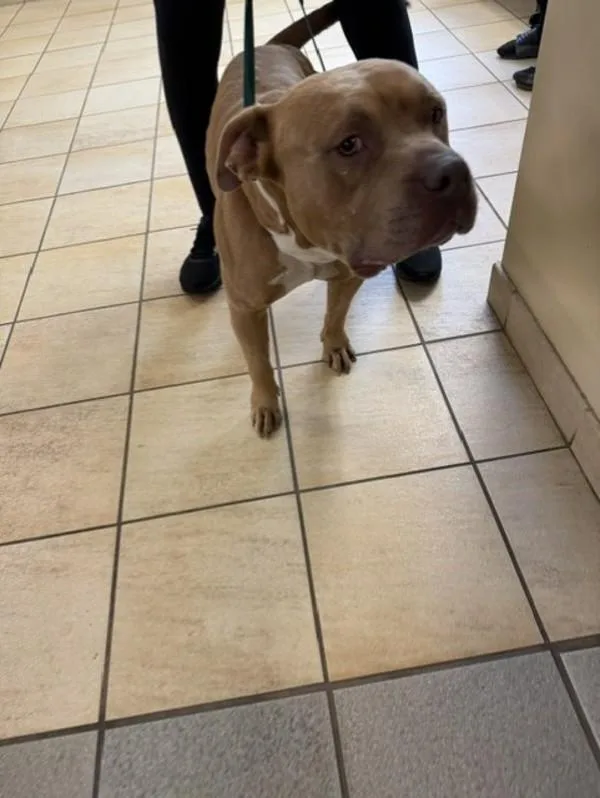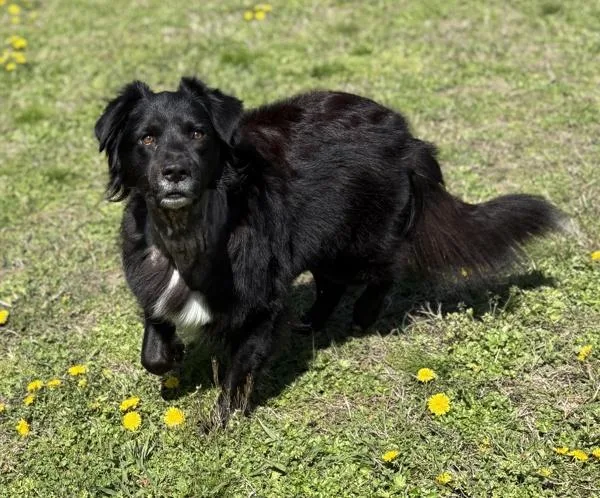
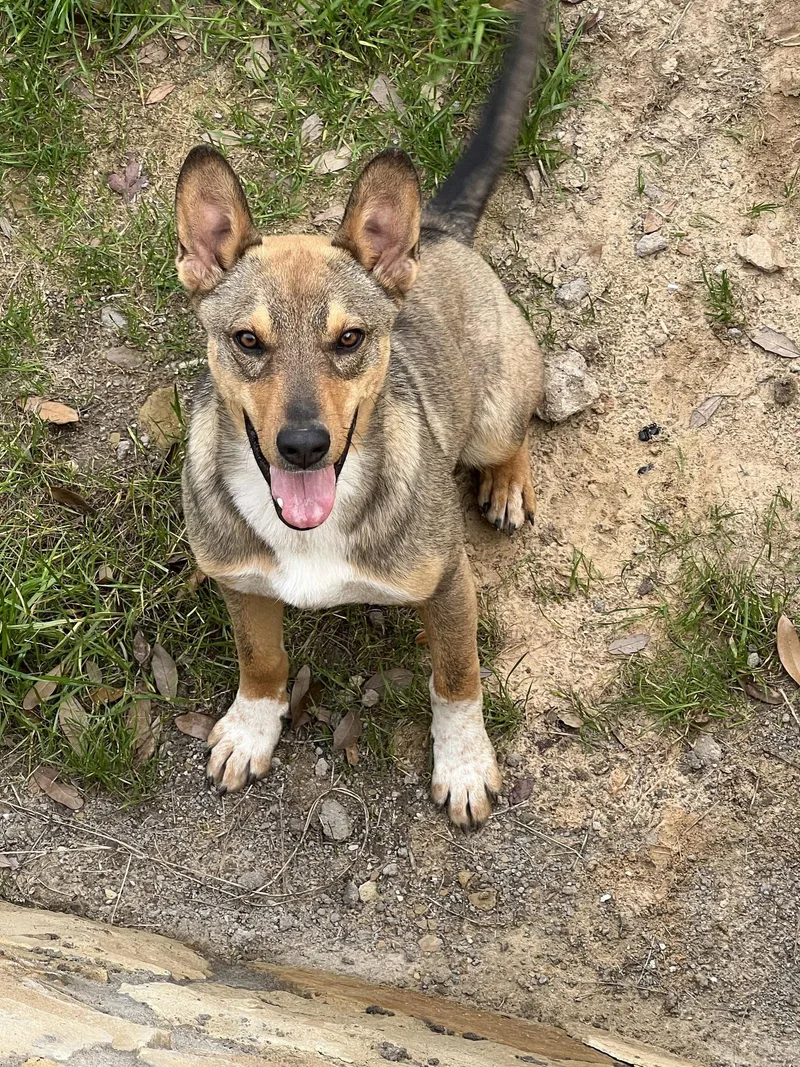


Lancashire Heeler Dogs for Adoption in Virginia Beach, VA

Your guide to finding and caring for a Lancashire Heeler in Virginia Beach

A Lancashire Heeler fits Virginia Beach's townhouse neighborhoods well, with a few quirks. At 9 to 17 pounds, it's easy to fit into a Green Run townhome, and the green-belt land and canals there give it room to sniff and trot. Heelers are busy and talkative, though, so shared walls call for early barking manners. They're also rarely found in shelters, so adopters here should expect to be patient. Plan on daily walks and puzzle games.

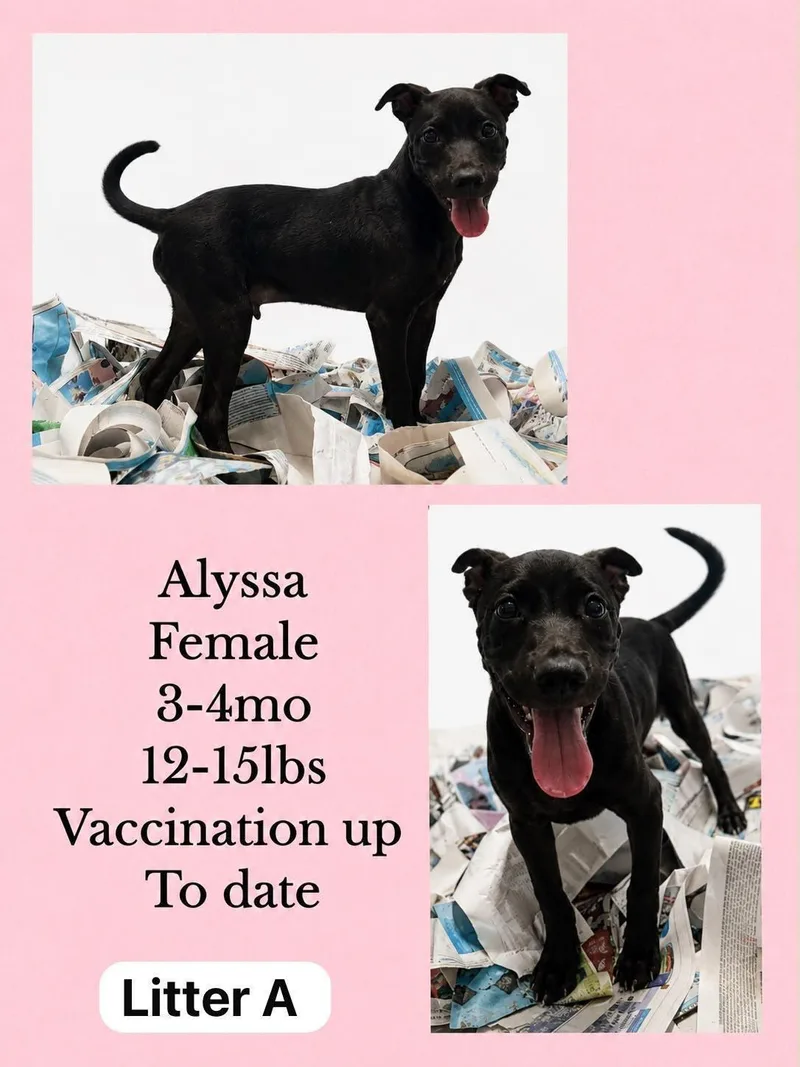
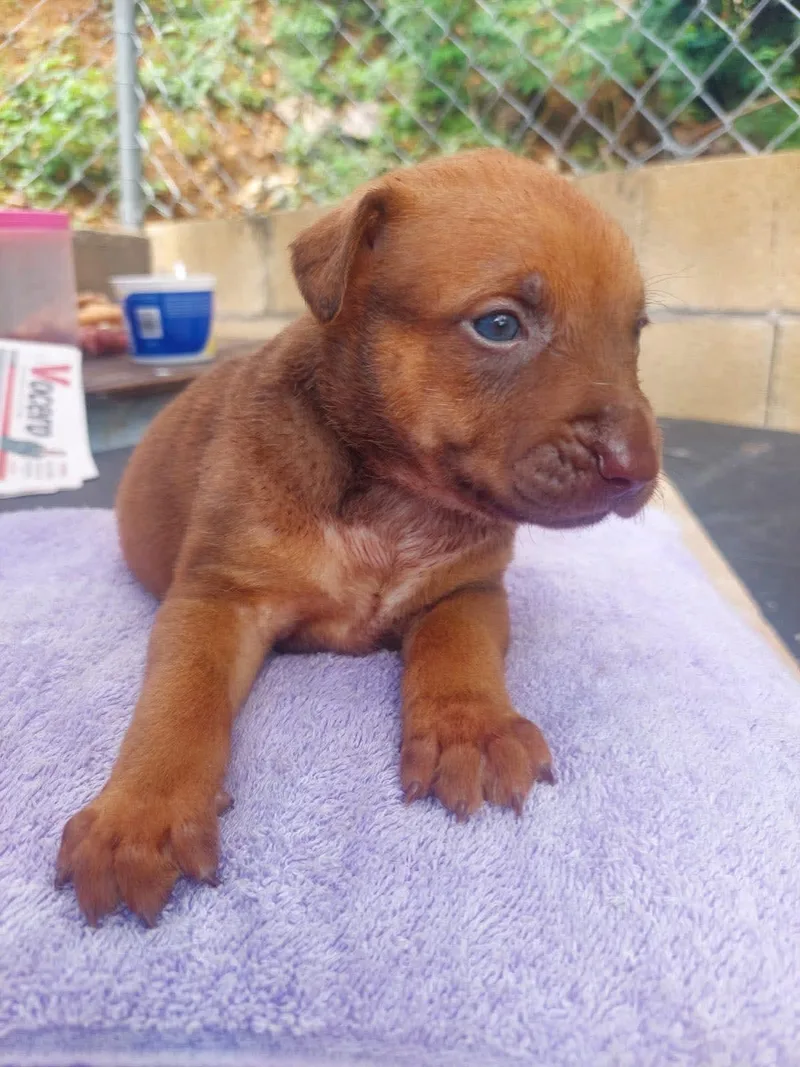
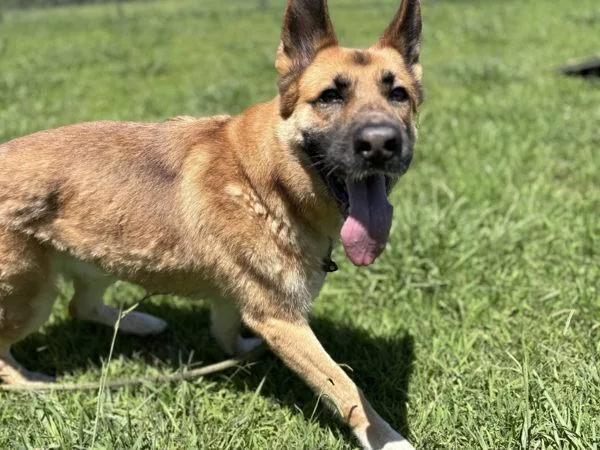
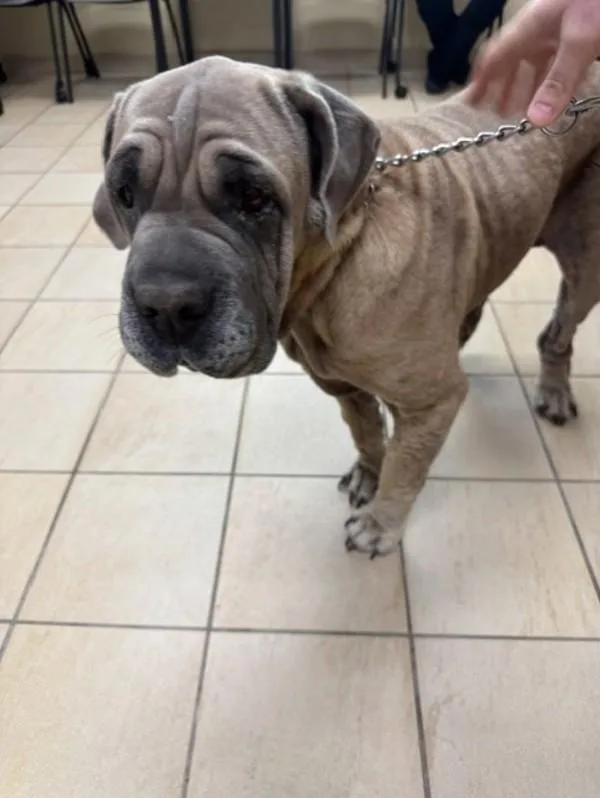
26 Lancashire Heelers available in Virginia Beach and nationwide

Find your forever Lancashire Heeler

While we don't have enough dogs near Virginia Beach, keep in mind that many rescues may offer transport.

Lancashire Heelers Available for Adoption Near Virginia Beach

About the Lancashire Heeler breed

The Lancashire Heeler is a small herding-group dog from northwest England, bred to drive cattle to market by nipping at their heels and to keep barns free of rats. It stands 10 to 12 inches tall, weighs roughly 9 to 17 pounds, and wears a short, weather-resistant black-and-tan or liver-and-tan coat with an undercoat that sheds seasonally. Many live 12 to 16 years.

Heelers are usually alert, affectionate and clever, with a herder's urge to chase and a ratter's prey drive. In Virginia Beach, that means leashes near the water and fenced spaces for off-leash play, since a squirrel or a gull can override recall. Dogs vary, so a Heeler's own energy and sociability matter more than any breed description.

Weight
9–17 lbs
Height
10–12 in
Lifespan
12–16 yrs
Temperament
Alert, Energetic, Affectionate, Intelligent
Group
Herding
Shedding
Low to Moderate

Owning a Lancashire Heeler in Virginia Beach

Having a Lancashire Heeler in Virginia Beach

Heelers pack a lot into a small frame: stamina, quick learning and strong chase instincts. In Virginia Beach, humid summers, thunderstorms and shared apartment walls matter as much as the breed's inherited eye conditions when planning daily life.

Temperament

Lancashire Heelers tend to be devoted and alert, often reserved with strangers and quick to announce visitors. That chattiness matters in Virginia Beach's townhouses and condos, where owners can be cited for nuisance barking. Herding and ratting instincts can mean heel-nipping or chasing, so early socialization and reward-based training help. Each dog's temperament varies.

Exercise Needs

Plan on daily walks plus active play like fetch, tug or scent games. Marshview Park's fenced areas near the Oceanfront and the Bayville Farms dog park give Heelers a safe place to run. Off-season sand allows off-leash dogs only with reliable recall, which a Heeler's prey drive can undermine, so keep a leash handy.

Health Considerations

Heelers often live long lives but can inherit eye conditions, including primary lens luxation, collie eye anomaly and persistent pupillary membranes. DNA and eye screening exist, and a veterinarian can check the eyes at the first visit. Keep up flea, tick and heartworm prevention, and stop dogs from swallowing salt water or eating sand and shells at the beach.

Living Space

A Heeler's compact size suits Virginia Beach apartments, from Town Center's mid- and high-rises to Green Run townhomes, as long as it gets daily exercise and enrichment. Shared walls make barking the main concern. A securely fenced yard helps in a house, because prey drive can override recall. Puzzle toys keep a busy mind occupied while you're out.

What it costs to own a Lancashire Heeler in Virginia Beach

ExpenseTypical costPer year
Food$20 to $45 per month$240 to $540
Pet insurance$35 to $70 per month$420 to $840
Routine vet care$200 to $400 per year$200 to $400
Other*$382 to $1,060 per year$382 to $1,060
Estimated yearly total (after year one)$1,242 to $2,840

Other costs are estimates and vary with size, age and health.

* The Virginia Beach dog license ($7 to $10 a year), flea, tick and heartworm prevention, a dental cleaning allowance, toys and bedding, and light grooming for a short coat.

Adopt a Lancashire Heeler in Virginia Beach.

Now that you know more, let’s find you a new best friend. These rescues and shelters below have dogs available in and near Virginia Beach.

Rescues and Shelters in or near Virginia Beach

Virginia Beach has both a city shelter and a nonprofit SPCA, and the pets listed here change often. Here are the rescues & shelters in the Virginia Beach area with dogs available for adoption, worth asking whether a Lancashire Heeler is coming in.

Frequently Asked Questions

Yes, for adopters who can give daily walks and mental work. A Lancashire Heeler's small size suits Virginia Beach townhomes and condos, and mild winters make year-round outings easy. Strong chase instincts call for a leash near the water, and because the breed is vocal, expect to work on barking manners from the start.

Sometimes, but only in a small cage. Hampton Roads Transit buses and the VB Wave trolley allow animals only in small cages that don't need a separate seat, so a 9-to-17-pound Heeler would need a compact carrier. The Tide light rail runs only in Norfolk and admits service animals only, so plan on driving for most outings.

Yes, with some planning. Virginia Beach has about 32 days a year at 90°F or higher, mostly in July and August, and humidity limits midday activity more than heat does. Walk early or late, bring water, avoid hot sand and pavement, and never leave a Heeler in a parked car.

Marshview Park near the Oceanfront has four fenced dog areas, and Bayville Farms Park has separate fenced areas for small and large dogs. First Landing State Park offers about 20 miles of trails for dogs on leashes of six feet or shorter. Dog parks require a current city license and rabies vaccination, and Back Bay National Wildlife Refuge doesn't allow pets.

Yes. No known Virginia Beach rule restricts Lancashire Heelers by breed, and Virginia law bars labeling a dog dangerous solely because of its breed. Dogs four months and older need a rabies vaccination and a city license, and households with more than four adult dogs need a kennel permit from Zoning.

Yes, if barking is managed and the lease allows it. A Heeler's small size suits apartments, but its alert, talkative nature can bother neighbors through shared walls. Daily walks, puzzle feeders and training help keep it from barking out of boredom. Before applying, confirm the lease has no breed or weight limits.

Sometimes, on open patios. Virginia rules let restaurants admit dogs to outdoor areas with a separate entrance and posted signs, but each restaurant chooses whether to allow them. Dogs must stay leashed or in a carrier and off chairs and tables. Pet dogs aren't allowed in indoor dining rooms, so a Heeler's quick-to-bark nature matters most at patio tables.

Very little. A Heeler's short, weather-resistant coat needs weekly brushing, with extra sessions during the seasonal undercoat shed. In Virginia Beach, rinse off salt and sand after beach days and protect sun-sensitive skin in summer. Most owners groom at home, so professional grooming is an occasional extra within the yearly Other costs.

A Lancashire Heeler is a small, sturdy herding dog from northwest England, about 10 to 12 inches tall and 9 to 17 pounds, originally used to drive cattle and catch rats on farms. It has a short black-and-tan or liver-and-tan coat, an alert, cheerful personality and plenty of energy. The AKC recognized the breed in 2024.

Expect roughly $1,240 to $2,840 a year in total for a Lancashire Heeler in Virginia Beach: food at $20 to $45 a month, insurance at $35 to $70 a month, routine vet care at $200 to $400 a year, and other costs at $382 to $1,060 a year. Dental work or an eye problem can raise the total.