Klee Kai Dogs for Adoption in Salt Lake City, UT

Your guide to finding and caring for a Klee Kai in SLC

A Klee Kai fits Salt Lake City well, as long as it gets a real workout every day. These small, husky-looking dogs are compact enough for a Central City apartment or a small brick house in Rose Park, but they're energetic and clever. A morning lap around Liberty Park or a run in Rosewood Park's off-leash area keeps them settled. Many are reserved with strangers and talkative at home, which matters with thin walls. Dry July heat means early starts.

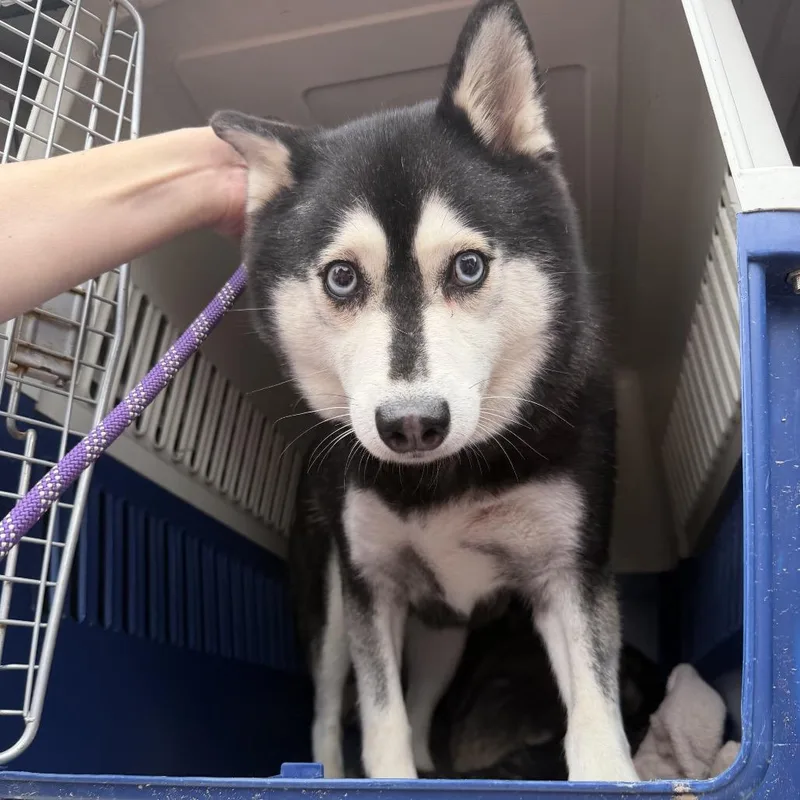
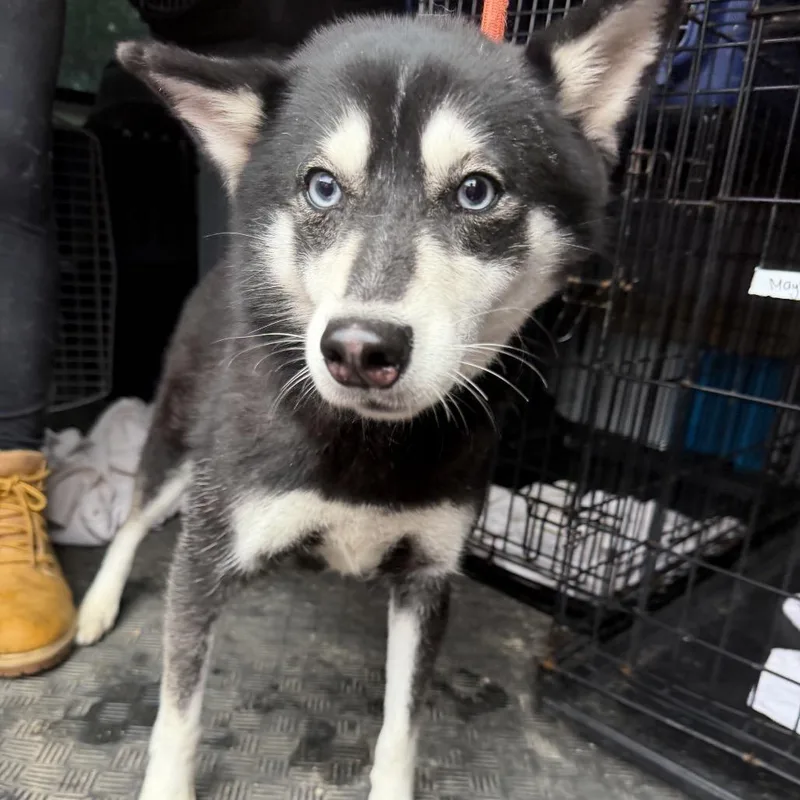
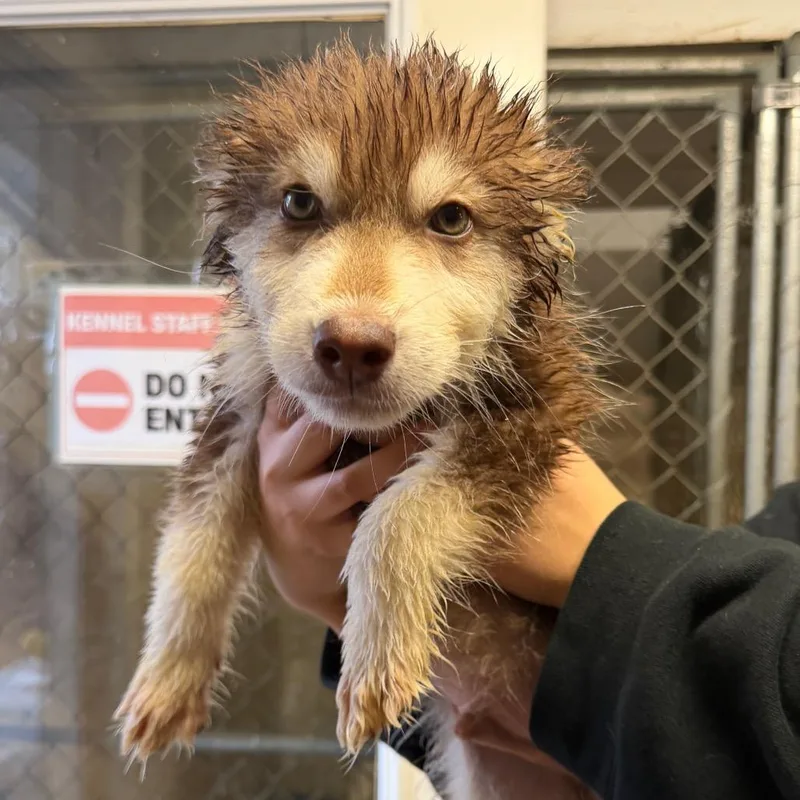
17 Klee Kais available in Salt Lake City and nationwide

Your Klee Kai is waiting

While we don't have enough dogs near Salt Lake City, keep in mind that many rescues may offer transport.

Klee Kais Available for Adoption Near Salt Lake City

About the Klee Kai breed

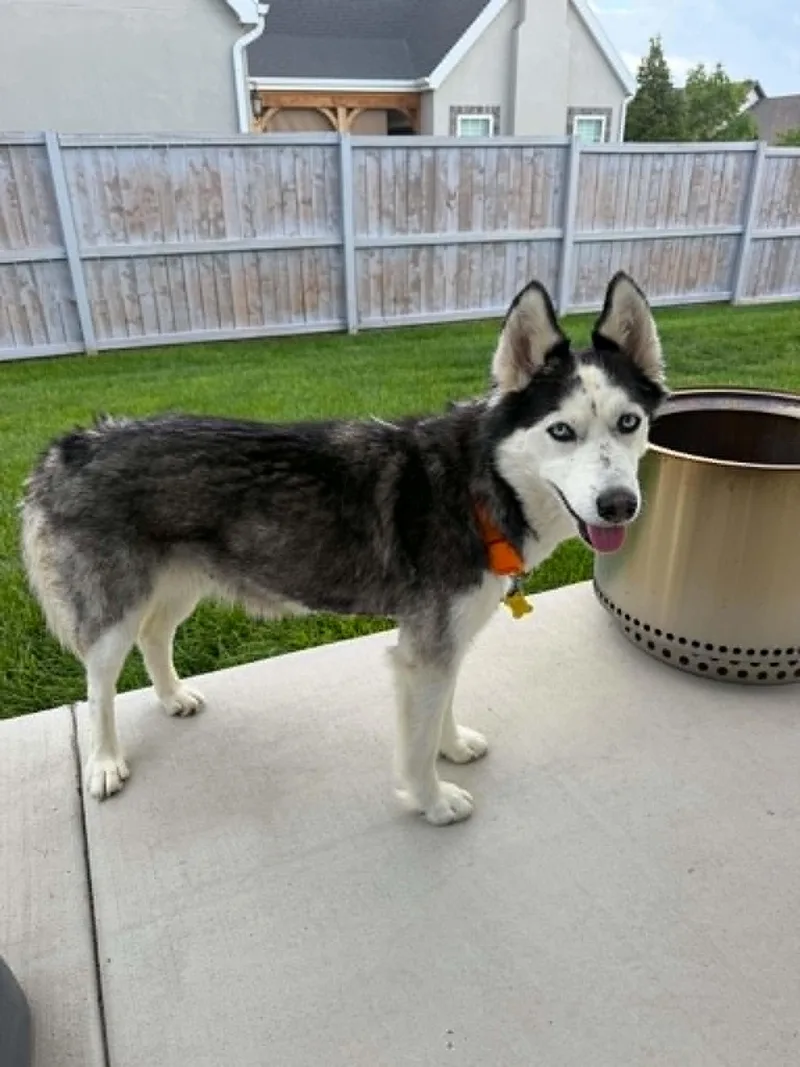
The Alaskan Klee Kai was developed in Alaska in the 1970s as a companion-sized take on the Alaskan Husky, with Siberian Husky, Schipperke and American Eskimo Dog added to bring the size down. It looks like a miniature husky, with a facial mask, erect ears, a curled tail and a double coat, and comes in toy, miniature and standard sizes, roughly 6 to 22 pounds.

Personality is where it parts ways with the Siberian. Many Klee Kai are reserved with strangers, devoted to their own people, clever, vocal and quick to chase small animals. In Salt Lake City, that means a sturdy leash on foothill trails and patient socialization on busy sidewalks. They shed moderately all year and blow coat about twice a year, so a brush becomes a regular tool.

Weight
6–22 lbs
Height
12–17 in
Lifespan
12–16 yrs
Temperament
Alert, Curious, Intelligent, Energetic
Group
Miscellaneous
Shedding
Moderate to High

Owning a Klee Kai in Salt Lake City

Having a Klee Kai in SLC

Klee Kai pair husky looks with a smaller frame, and daily life depends on activity, coat care and how well a dog copes with new situations. In Salt Lake City, the climate's swings and the city's off-leash rules add a few extra things to plan around.

Temperament

Klee Kai are often affectionate and playful at home but cautious with newcomers, and a dog that isn't socialized can turn fearful. Busy spots like Liberty Park or 9th and 9th offer gentle practice, a few minutes at a time with treats. Dogs vary, so watch how each one handles new people and other dogs.

Exercise Needs

Plan on vigorous daily activity plus puzzle toys or training. Salt Lake City's off-leash areas, including Fairmont Park in Sugar House and Warm Springs Park, suit running games, but a Klee Kai's chase instinct means recall should be solid first. The Foothills are leash-only, with coyotes and cougars, so keep the dog close there.

Health Considerations

Breed concerns include juvenile cataracts, liver disease, heart and thyroid problems, slipping kneecaps and factor VII deficiency, a clotting disorder with a DNA test. A veterinarian can check eyes, knees and heart at the first visit and discuss clotting tests before any surgery. On winter inversion days, keep outdoor time short.

Living Space

A Klee Kai can do well in apartments around Central City or Sugar House if daily exercise and mental work are covered. Howls and chatter carry through thin walls, so a quiet routine helps. In a house, plan on tall, dig-proof fencing, since these dogs jump and climb well.

What it costs to own a Klee Kai in Salt Lake City

ExpenseTypical costPer year
Food$20 to $45 per month$240 to $540
Pet insurance$35 to $70 per month$420 to $840
Routine vet care$200 to $400 per year$200 to $400
Other*$490 to $1,290 per year$490 to $1,290
Estimated yearly total (after year one)$1,350 to $3,070

Other costs are estimates and vary with size, age and health.

* The Salt Lake County dog license, a dental cleaning allowance, flea, tick and heartworm prevention, toys and bedding, and extra brushing or grooming when the double coat sheds out.

Adopt a Klee Kai in Salt Lake City.

Now that you know more, let’s find you a new best friend. These rescues and shelters below have dogs available in and near Salt Lake City.

Frequently Asked Questions

Yes, you can own a Klee Kai in Salt Lake City, and Utah law bars cities from adopting breed-specific rules. Dogs need a license by five months old or within 30 days of moving in, with proof of rabies vaccination, and the fee is lower for spayed or neutered dogs. Off-leash time is allowed only in signed off-leash areas.

Warm Springs Park, Herman Franks Park and Cottonwood Park have off-leash areas, and the Jordan River Parkway and Foothills Natural Area allow leashed dogs. A Klee Kai's prey drive and jumping make a leash the smart choice until recall is solid. Coyotes and cougars live in the Foothills, so stay on the trail.

Mostly yes, with summer care. A Klee Kai's double coat handles snowy winters, but July highs average about 94°F and can top 100°F, so exercise before breakfast or after sunset and keep the dog cool indoors. Winter inversion smog is another reason to shorten walks and play indoors on poor-air days.

Only on patios approved by the Salt Lake County Health Department, which post an Approved Dog Patio sticker. Dogs must stay leashed and wear a collar with current license and rabies tags. They can have water but no food or treats, and dining rooms are off-limits except for service dogs.

Yes, if the dog is in a carrier. UTA buses, TRAX light rail and FrontRunner allow pets only when securely contained in a cage, kennel, carrier or container, and staff can't carry it for you. Toy-size Klee Kai may fit a carrier, but larger ones can't ride unless they're service animals.

Mostly brushing at home: a weekly pass most of the year and daily brushing during the twice-yearly coat blows, which often land in spring and fall. Salt Lake's dry climate doesn't call for special coat care, and shaving a double coat isn't advised. Occasional professional grooming falls within the Other costs listed on this page.

Alaskan Klee Kai come in three sizes: toy dogs stand up to 13 inches at the shoulder, miniatures over 13 to 15 inches, and standards over 15 to 17 inches. Weights typically run from under 10 pounds for toys to about 16 to 22 pounds for standards. Even within a litter, puppies can grow into different size varieties.

An Alaskan Klee Kai is a small, husky-like companion dog developed in Alaska in the 1970s from Alaskan Husky, Siberian Husky, Schipperke and American Eskimo Dog lines. It has a facial mask, erect ears, a curled tail and a double coat, and comes in three sizes. Many are energetic, intelligent and vocal, and often reserved with strangers.

Yes, Alaskan Klee Kai shed. Their double coat sheds moderately year-round and then blows out heavily about twice a year, when the undercoat comes loose in clumps for a few weeks. Brushing once or twice a week, and daily during heavy shedding, keeps hair under control. Shaving is not recommended because the coat insulates and protects the skin.

Budget about $20–$45 a month for food, $35–$70 a month for insurance, $200–$400 a year for routine vet care, and $490–$1,290 a year for other costs such as the license, dental care, parasite prevention, supplies and coat care. Together that comes to roughly $1,350–$3,070 a year, before emergencies.