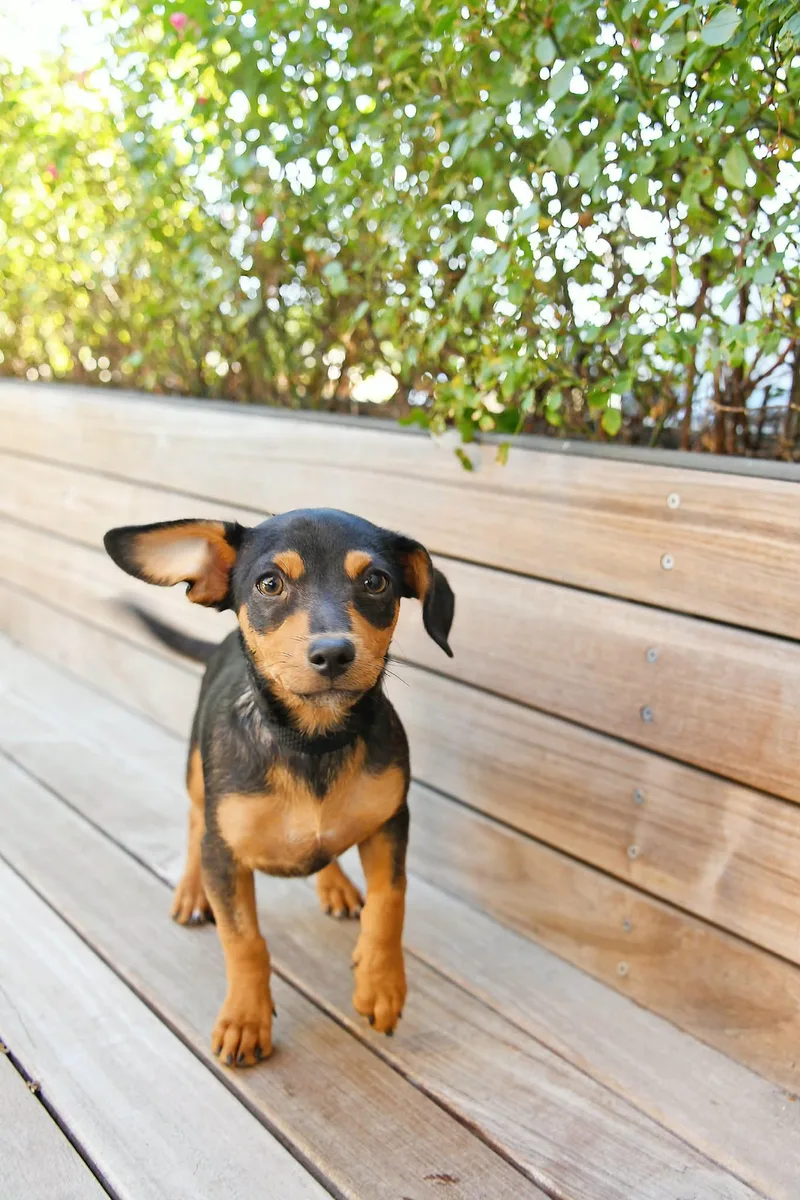
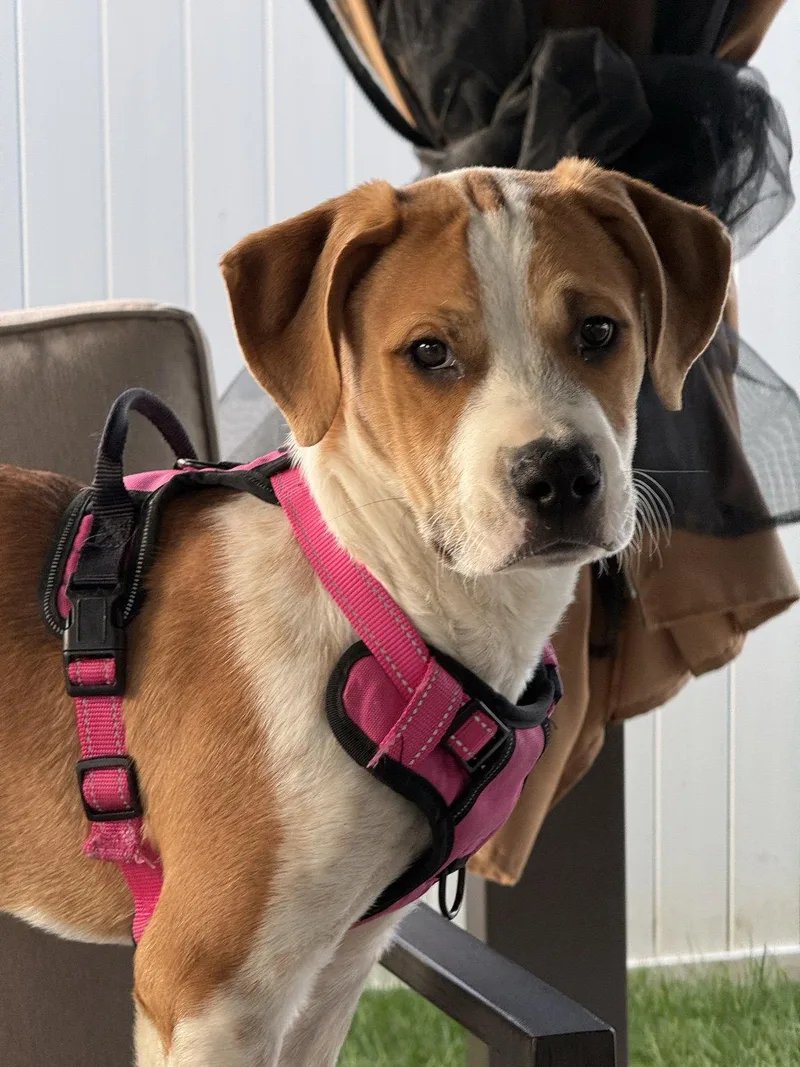
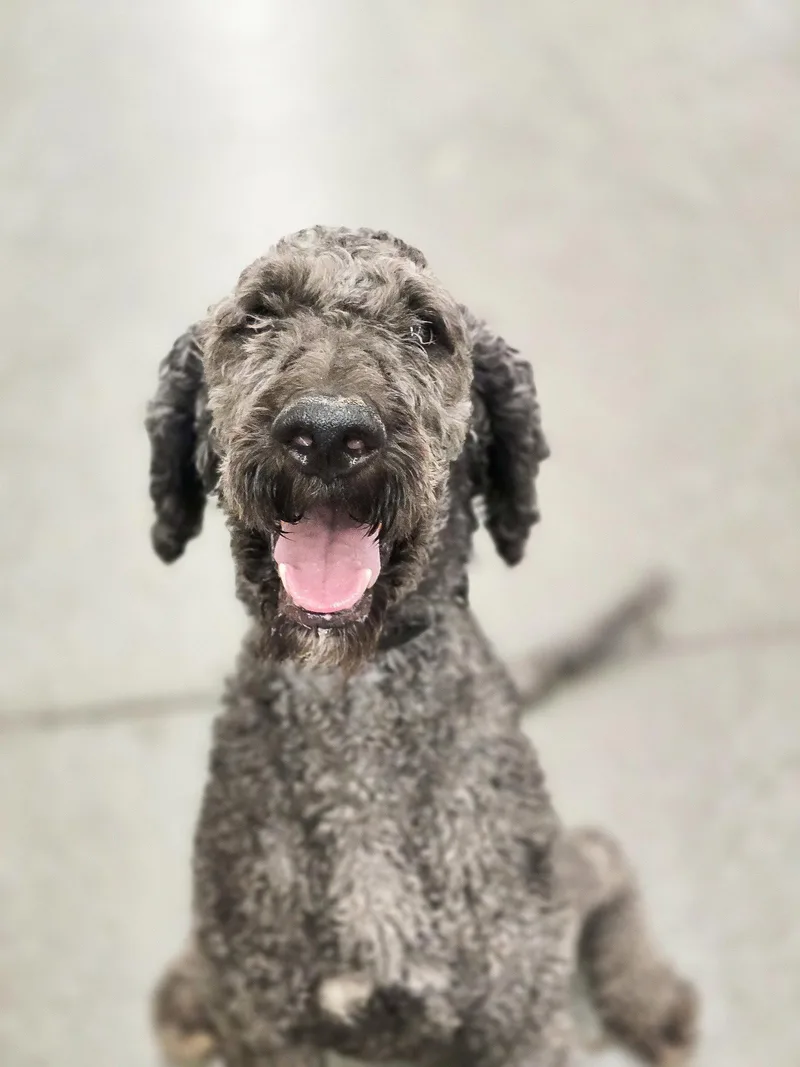
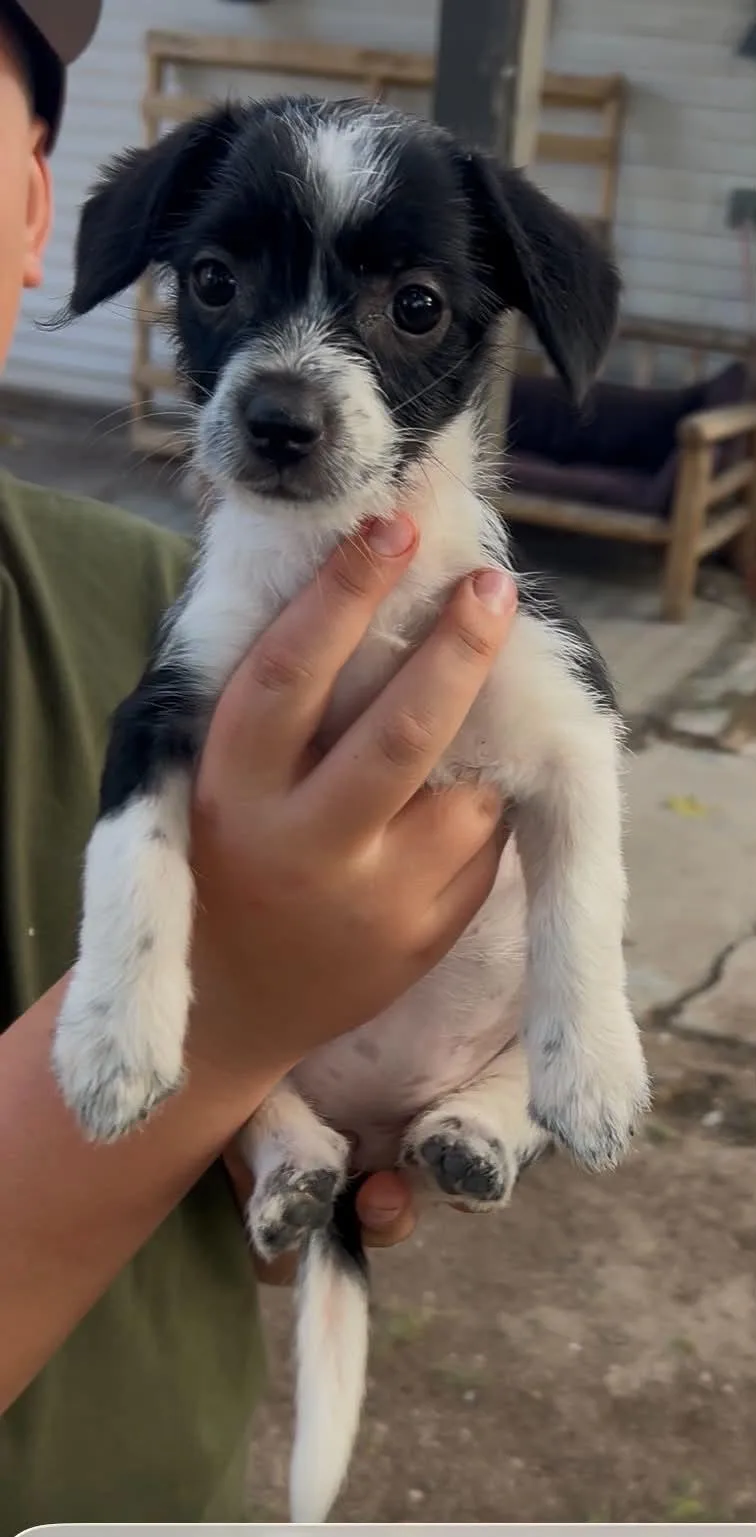
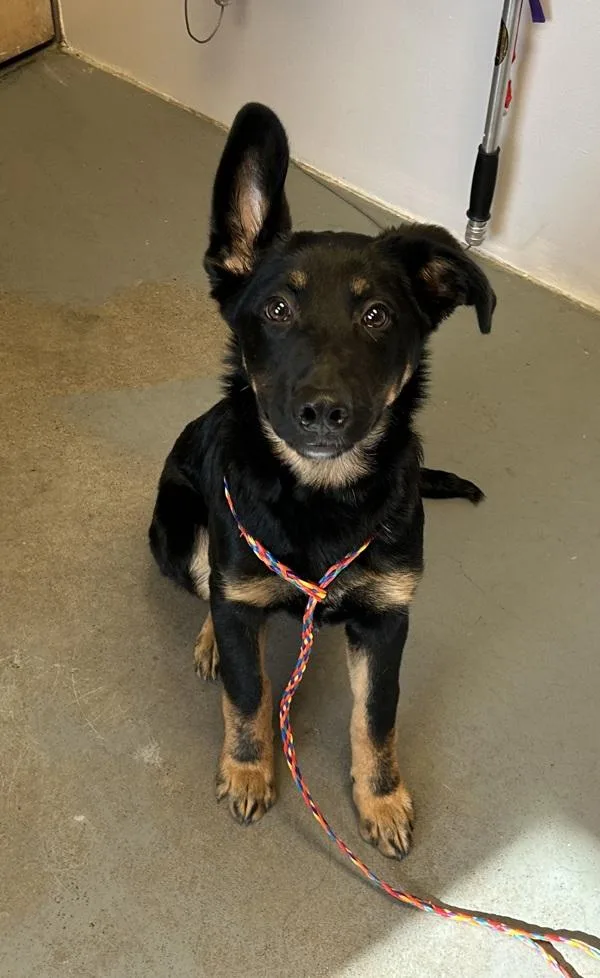
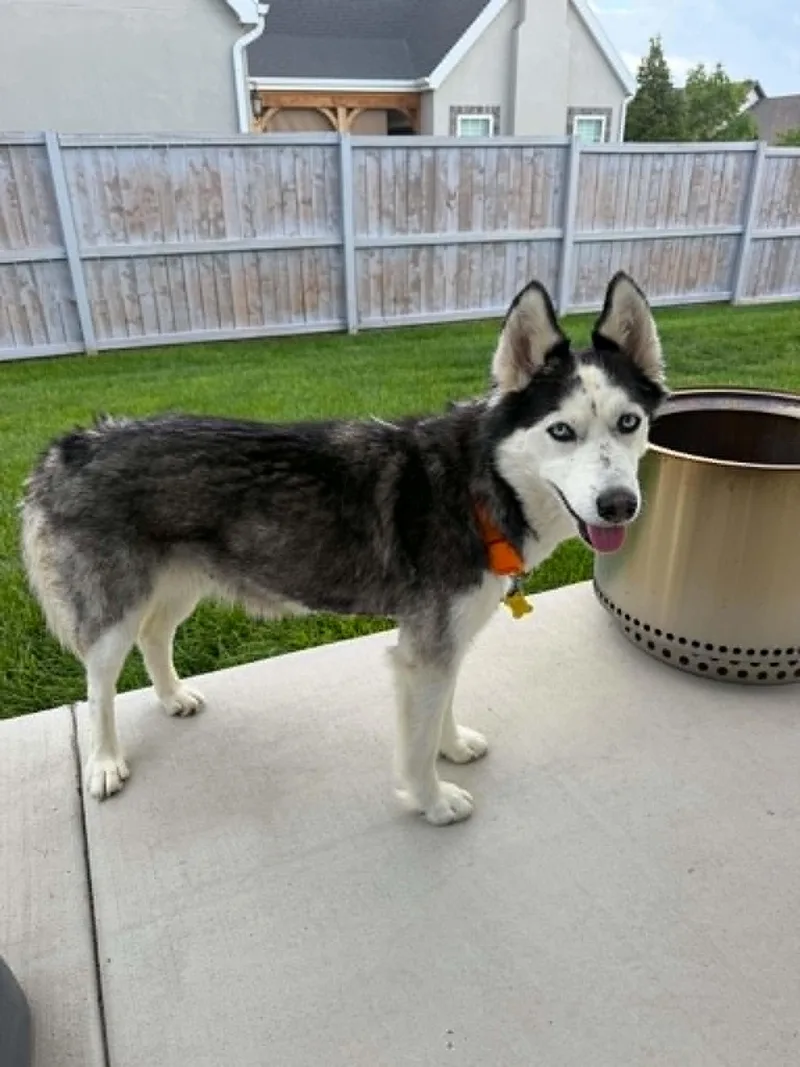
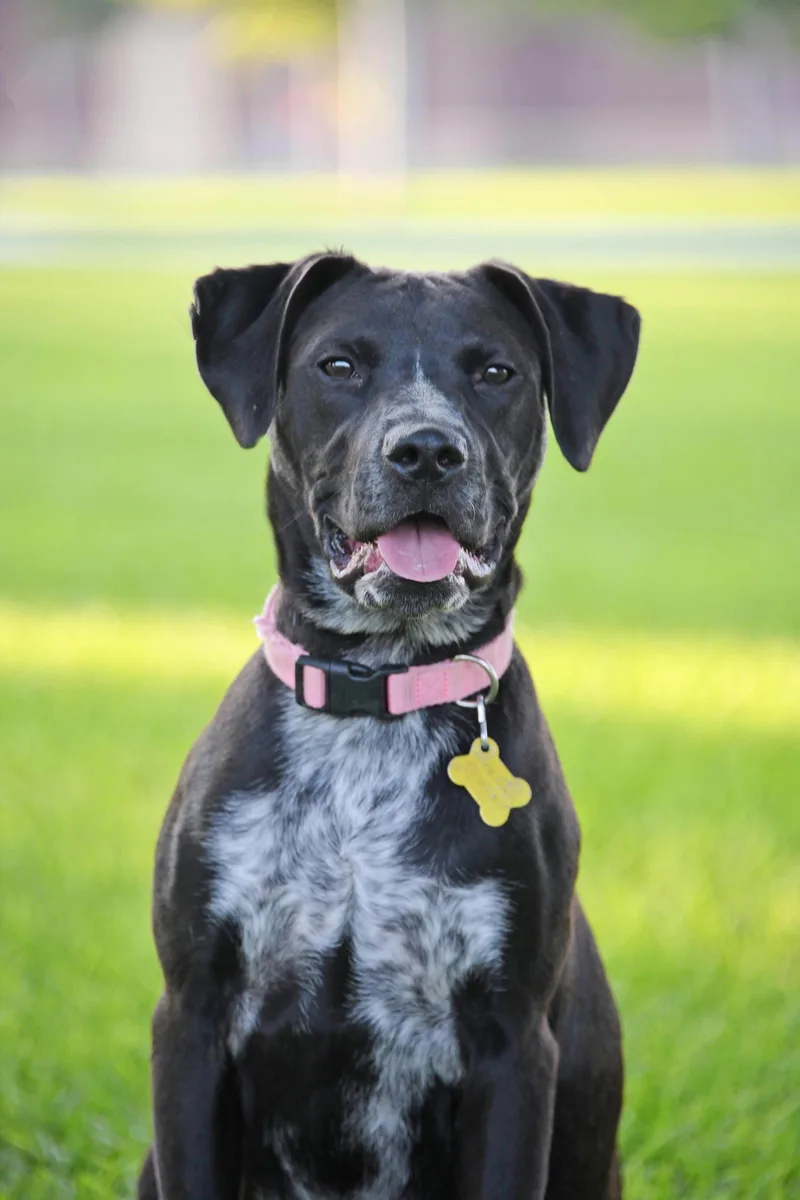
Afghan Hound dog

Afghan Hound Dogs for Adoption in Salt Lake City, UT

Your guide to finding and caring for an Afghan Hound in SLC

An Afghan Hound in Salt Lake City needs a leash on the sidewalk and a tall fence for sprinting. Liberty Park's three walking loops give a lean sighthound room to stride, and the Avenues' lettered streets make a good evening route for a dog that can handle hills. Indoors, Afghans are calm and quiet, so a Central City apartment can work when the daily run happens somewhere secure. They're devoted to their own people and will track every squirrel in the park.

13 Afghan Hounds available in Salt Lake City and nationwide

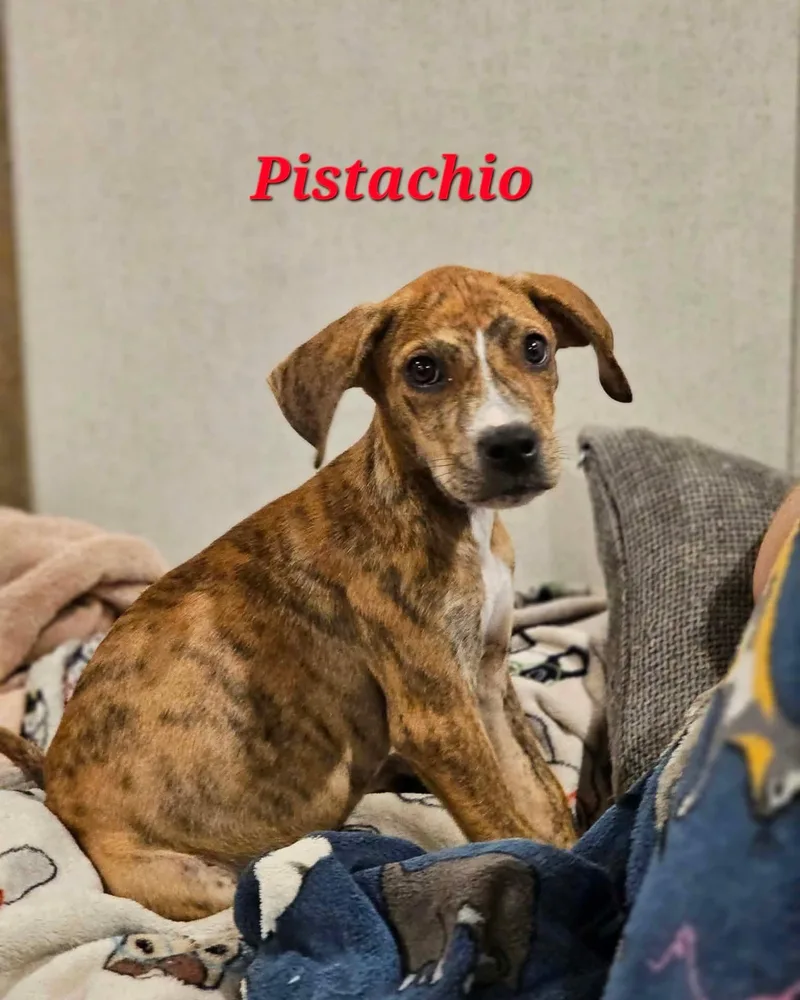
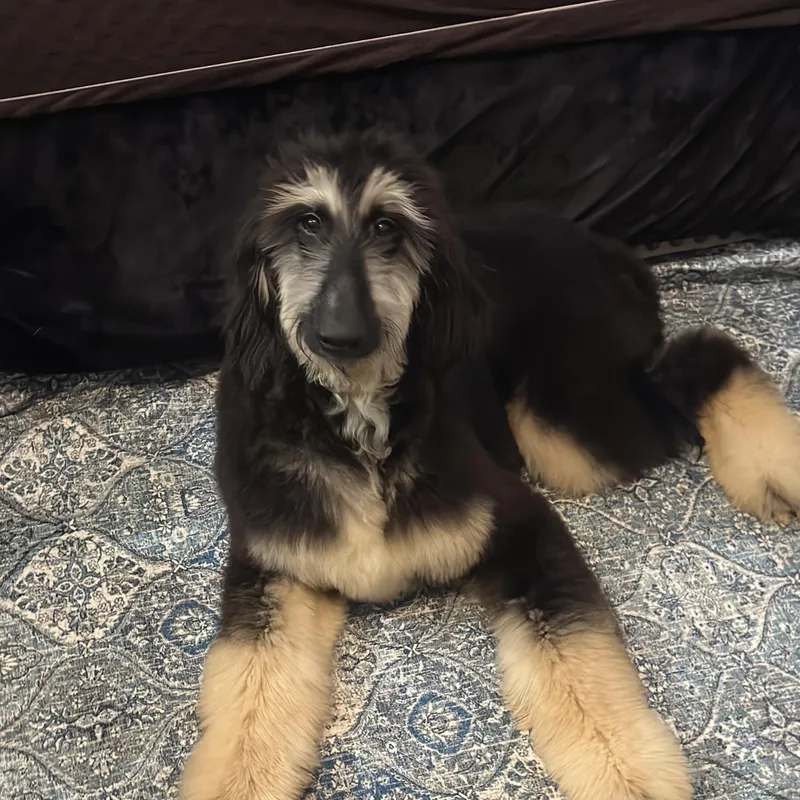
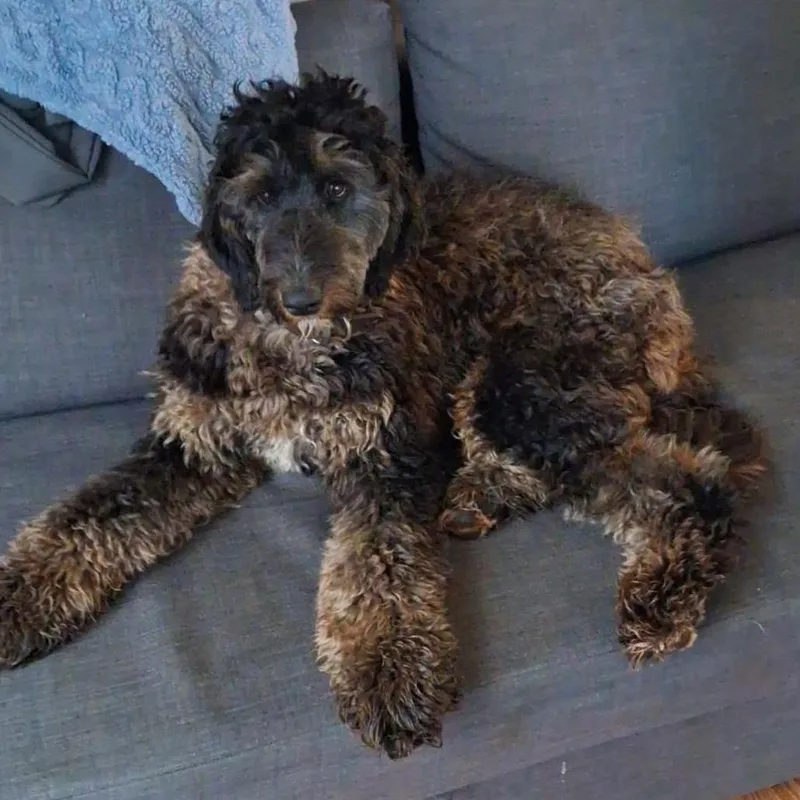
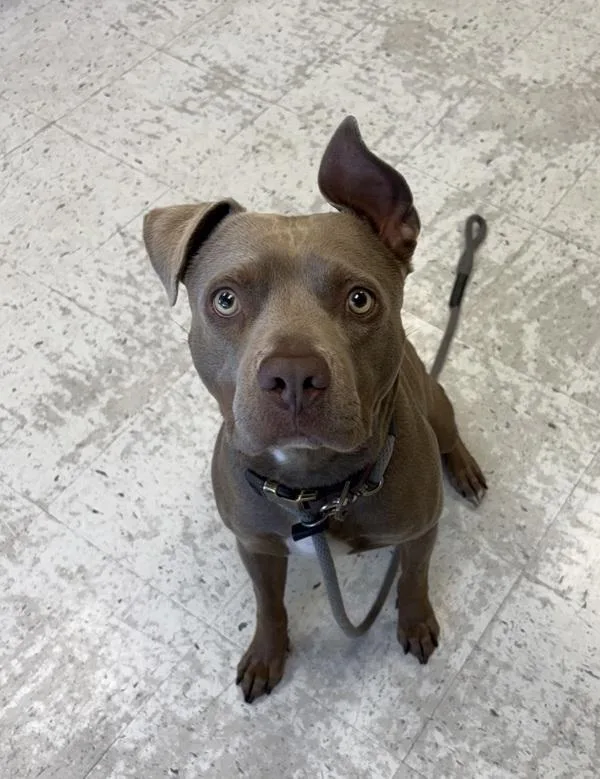
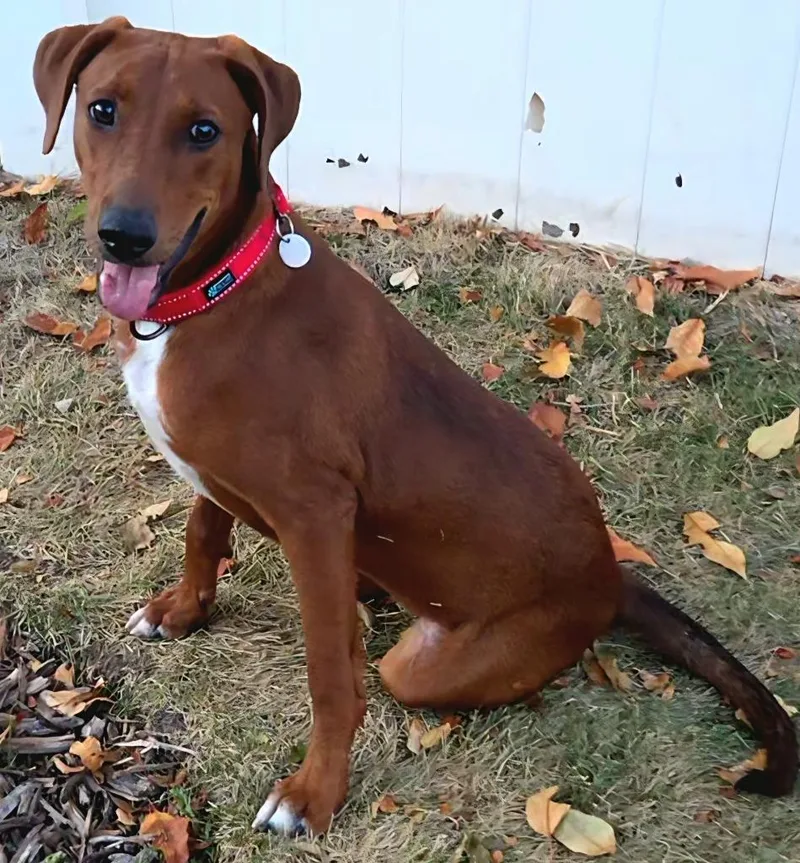
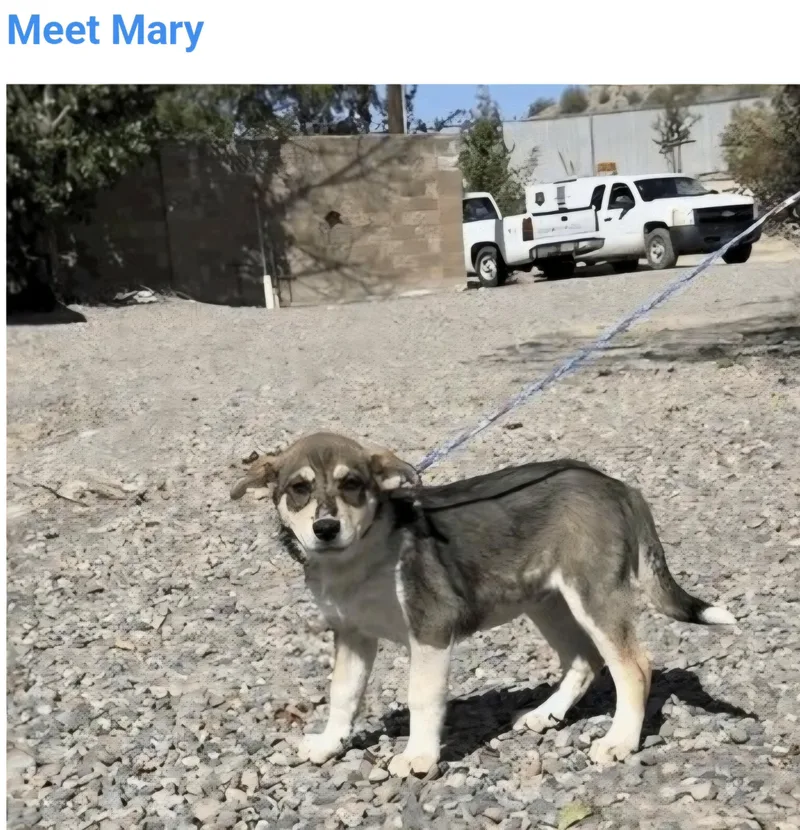
Meet an Afghan Hound who needs you

While we don't have enough dogs near Salt Lake City, keep in mind that many rescues may offer transport.

Afghan Hounds Available for Adoption Near Salt Lake City

About the Afghan Hound breed

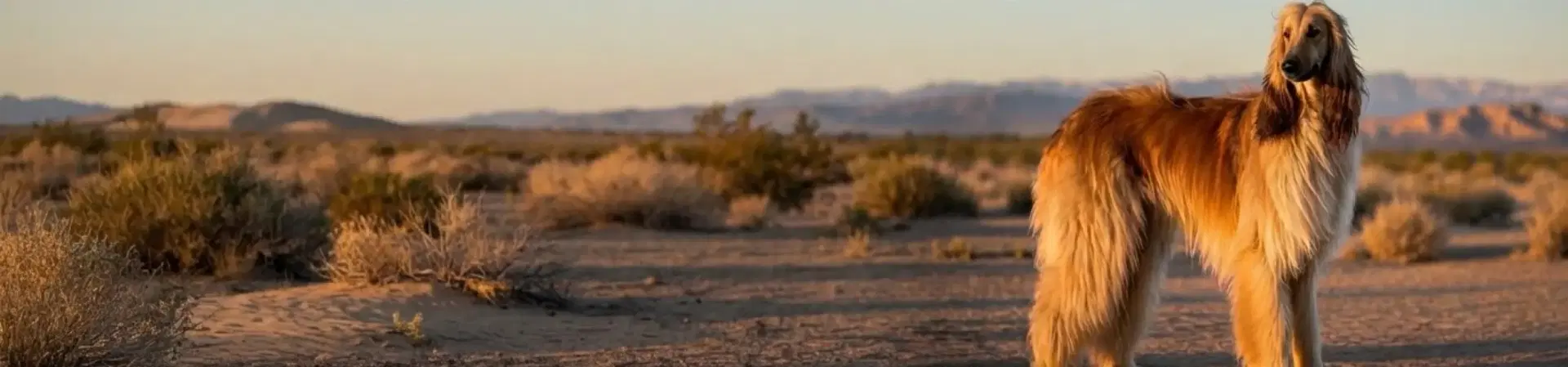
The Afghan Hound is among the oldest dog breeds, a sighthound from the mountains and deserts of Afghanistan that chased game by sight and speed over rough ground. Its long silky coat protected it in harsh cold, and its big padded feet cushioned rocky terrain, which suits a city with real winters and foothill trails. Adults stand about 24 to 28 inches and weigh 50 to 60 pounds, though they look larger under all that hair.

At home an Afghan is sensitive, independent and often a little silly with its family, while staying reserved with strangers. Strong prey drive and selective recall mean a secure fence matters more than any trail. The coat takes steady work: frequent brushing and bathing, or professional grooming, to prevent painful mats. Adopters who want a dignified, quiet companion often find the work worthwhile, though each dog's personality differs.

Weight
50–60 lbs
Height
24–28 in
Lifespan
11–14 yrs
Temperament
Dignified, Independent, Loyal, Playful
Group
Hound
Shedding
Low

Owning an Afghan Hound in Salt Lake City

Having an Afghan Hound in SLC

Afghan Hounds combine an aloof, dignified manner with a sighthound's speed and prey drive. In Salt Lake City, secure fencing, coat care and seasonal planning matter most when deciding whether this low-shedding, sensitive hound fits your household.

Temperament

Afghans are typically reserved with strangers and devoted to family, with a goofy streak at home. Many are sensitive to noise and harsh handling, which matters around July's fireworks. They decide whether to obey, so patient, gentle training works best. Personalities vary from dog to dog.

Exercise Needs

Plan on daily walks plus a chance to sprint in a securely fenced space. Salt Lake City has marked off-leash areas, but an Afghan's chase instinct and unreliable recall make an enclosed yard or fenced run the safer choice, with leashed loops at Liberty Park for everyday walking. Lure coursing is a good outlet.

Health Considerations

Afghans can face hip dysplasia, hypothyroidism, allergies, cataracts, some cancers and chylothorax. Their low body fat makes them sensitive to anesthesia, so choose a veterinarian who knows sighthounds. A veterinarian can check hips, thyroid and eyes after adoption and set up a preventive care plan.

Living Space

An Afghan Hound can live in an apartment or a house if daily exercise is secure. Salt Lake City has plenty of both, and a calm, quiet indoor dog suits shared walls. A tall fence helps at a house, since Afghans jump and chase. Leave room to brush, bathe and dry the coat.

What it costs to own an Afghan Hound in Salt Lake City

ExpenseTypical costPer year
Food$55 to $110 per month$660 to $1,320
Pet insurance$55 to $110 per month$660 to $1,320
Routine vet care$250 to $500 per year$250 to $500
Other*$950 to $2,375 per year$950 to $2,375
Estimated yearly total (after year one)$2,520 to $5,515

Other costs are estimates and vary with size, age and health.

* Flea, tick and heartworm prevention, a dental cleaning allowance, the $25 Salt Lake County license for a spayed or neutered dog, toys and bedding, and professional grooming for the long silky coat.

Adopt an Afghan Hound in Salt Lake City.

Now that you know more, let’s find you a new best friend. These rescues and shelters below have dogs available in and near Salt Lake City.

Frequently Asked Questions

Yes. Utah law bars cities from adopting breed-specific rules, so Afghan Hounds face no breed restrictions in Salt Lake City. You'll need a county license by the time the dog is five months old, with proof of rabies vaccination, and the city doesn't cap licensed dogs. Landlords can still set their own limits, so read your lease.

Liberty Park's leashed loops suit daily walks, and Fairmont Park in Sugar House has an off-leash area. Because Afghans chase and rarely recall reliably, keep the leash on unless a space is fully enclosed. In the Foothills, stay on trail, since coyotes and cougars live there. City Creek allows dogs only in its lower canyon.

Yes, if its exercise needs are met. Afghans are generally calm and quiet indoors, which suits shared walls. Plan on daily leashed walks, a secure place to sprint and room to brush and dry the coat. Confirm any weight limit in your lease, since Afghans typically weigh 50 to 60 pounds.

Yes, with planning. Salt Lake City summers are hot and dry, with July highs near 94°F, but nights cool off. Walk an Afghan Hound at dawn or after dark, keep water available and avoid hot pavement. Never leave a dog in a parked car. Keep the coat brushed and clean so air reaches the skin.

Only on approved patios. Salt Lake County bars dogs from food establishments except on patios the Health Department has permitted, marked with an Approved Dog Patio sticker. Dogs must be leashed and wear a current license and rabies tag, and they may have water but no food or treats. A calm Afghan usually settles under the table.

Generally no. UTA allows pets on buses, TRAX and FrontRunner only inside a cage, kennel, carrier or container, and staff can't help carry it. A 50 to 60 pound Afghan Hound won't fit in one, so plan on driving or walking. Service animals ride under their handler's control.

Afghan Hounds shed lightly compared with most breeds, losing hair in small amounts rather than heavy seasonal coats. Their long, fine hair tends to tangle into mats instead of falling out, which is why frequent brushing and bathing are essential. Puppies shedding their puppy coat as the adult coat grows in, often between about one and three years, can mat especially quickly.

No, Afghan Hounds are not truly hypoallergenic, because all dogs produce allergens in their skin, saliva and urine. Their low shedding means less hair around the house, which some allergy sufferers find easier to live with. Reactions vary widely between people and dogs, so spend time with an Afghan before adopting and talk with your doctor about managing allergies.

Yes, Afghan Hounds are intelligent, but their intelligence is independent rather than obedience-focused. They were bred to hunt by sight and make decisions far from their handlers, so they often ignore commands they see no reason to follow. That is why they rank low on obedience lists. Patient, reward-based training and motivating games work much better than repetition or force.

Expect roughly $2,500 to $5,500 a year for an Afghan Hound in SLC. Food runs $55 to $110 a month and insurance $55 to $110 a month. Routine vet care is $250 to $500 a year, and other costs, mostly grooming, add $950 to $2,375 a year.