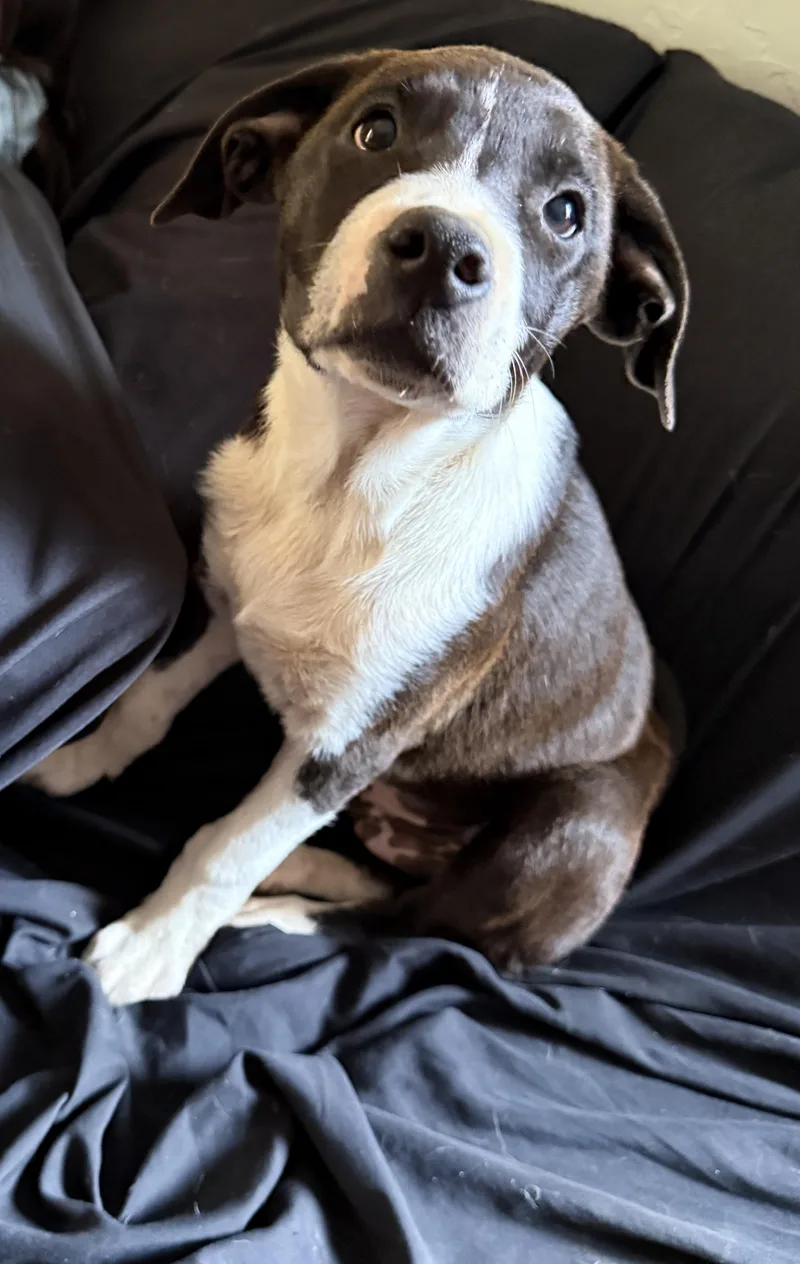
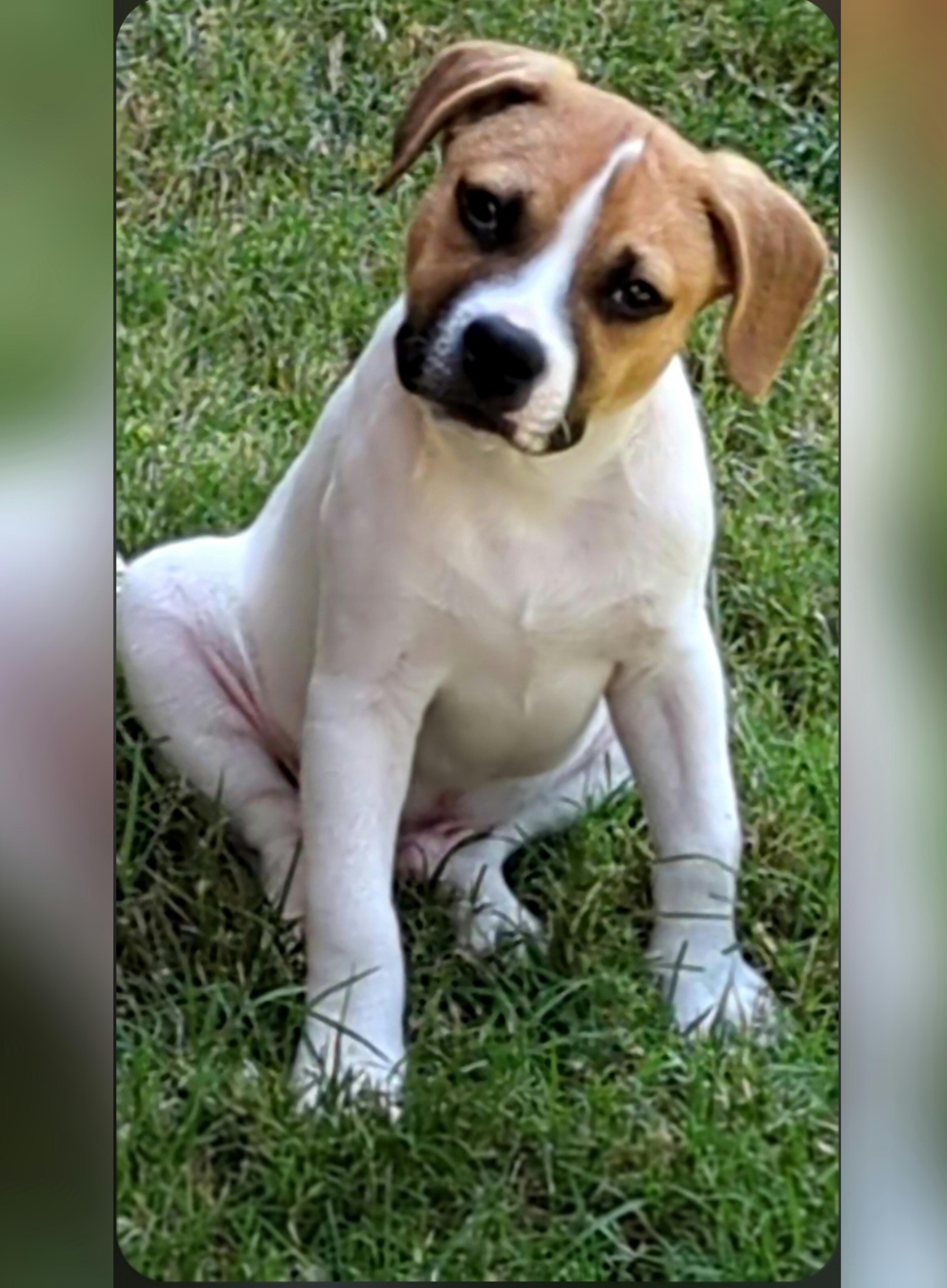
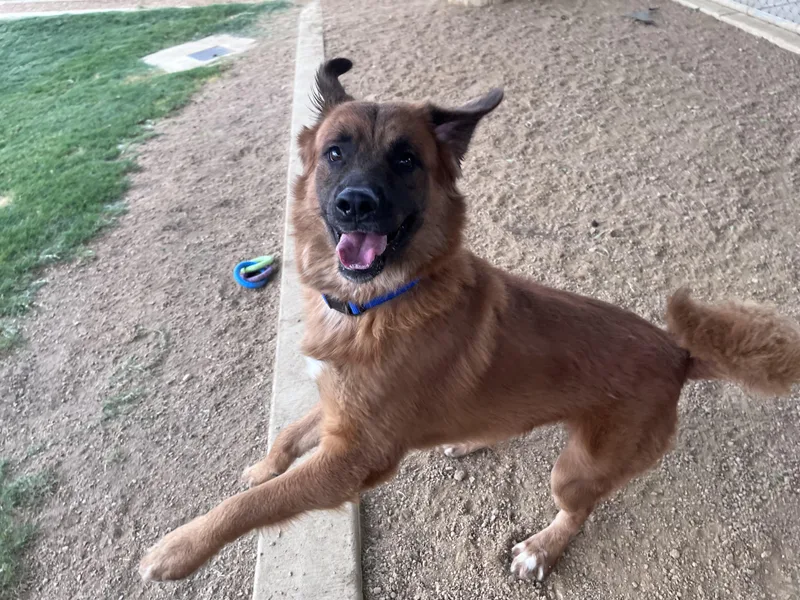
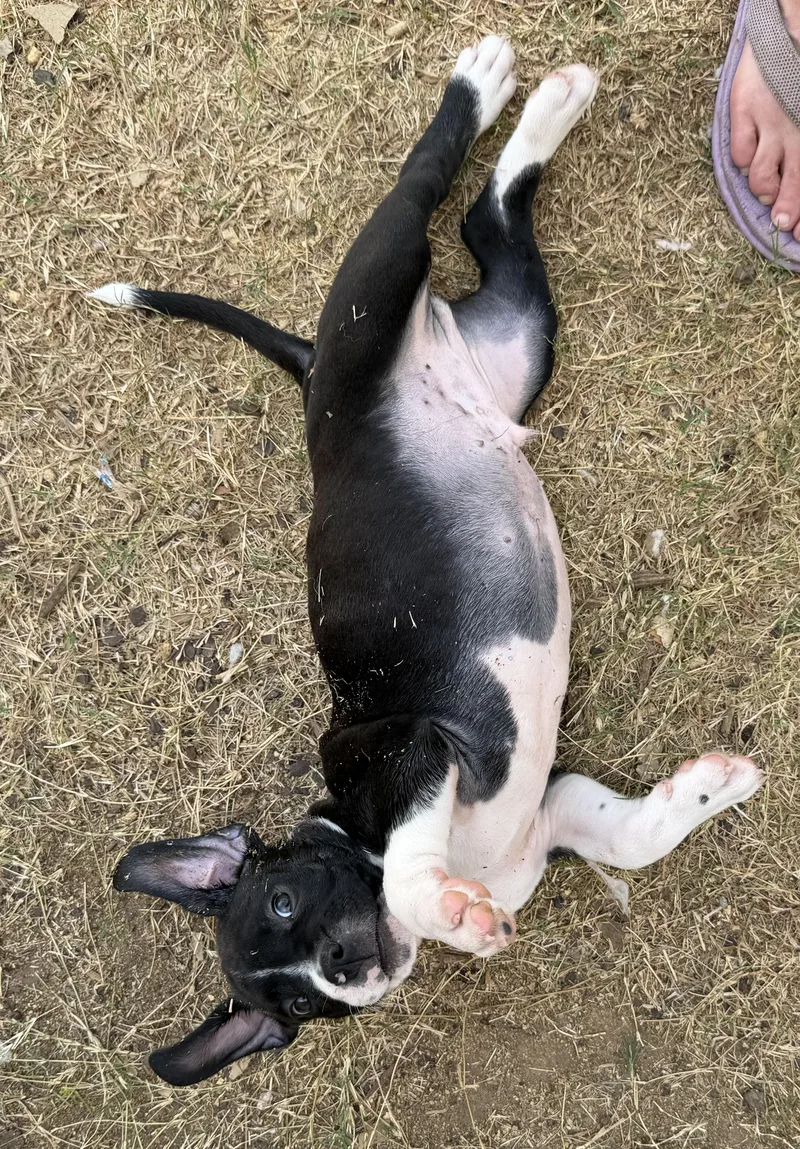
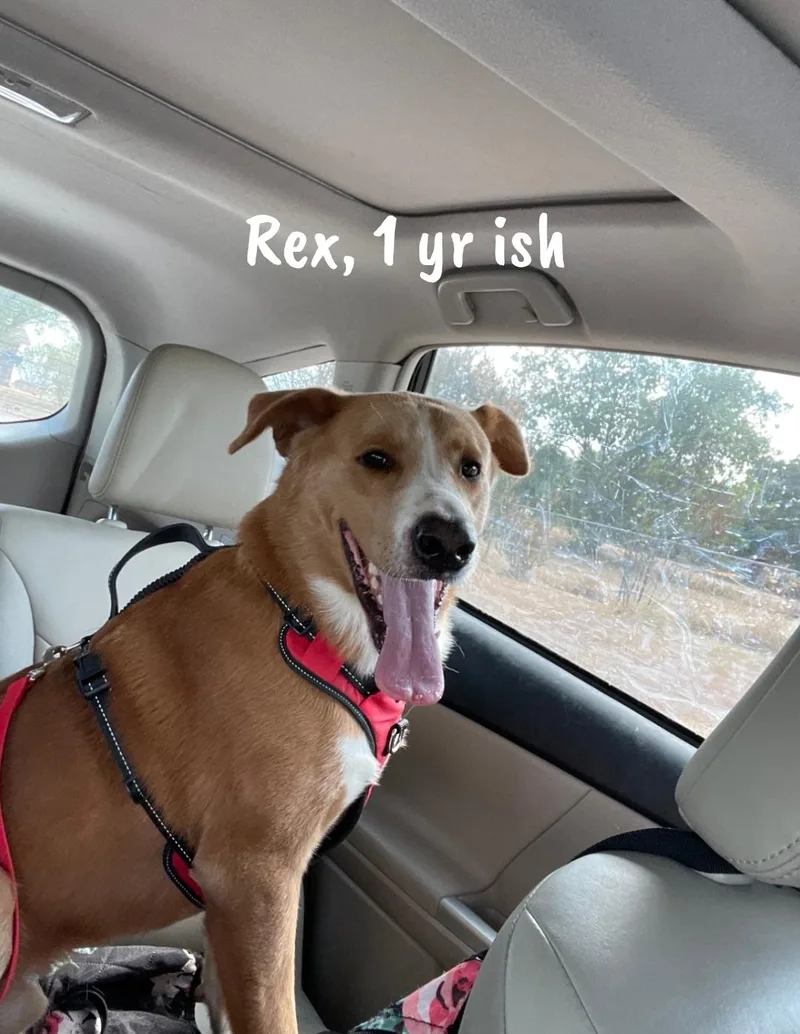
Nova Scotia Duck Tolling Retriever Dogs for Adoption in Plano, TX

Your guide to finding and caring for a Nova Scotia Duck Tolling Retriever in Plano

A Nova Scotia Duck Tolling Retriever suits Plano's east side, where Oak Point and Bob Woodruff parks sit side by side. Tollers need hard daily exercise, and the unpaved trails along Rowlett Creek and a seven-acre fenced dog park give a Toller room to run and chase a ball. Plenty of Plano neighborhoods are detached houses with yards, which helps with a dog whose excited scream carries. Expect red hair on the floor and a dog that wants a job.

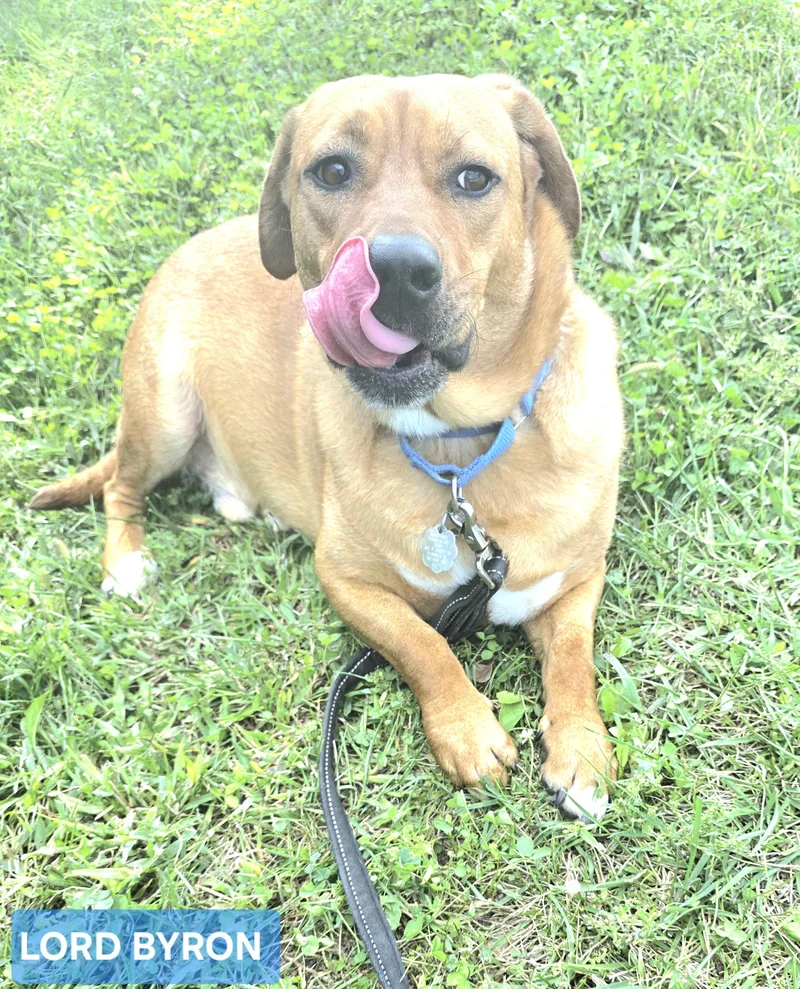
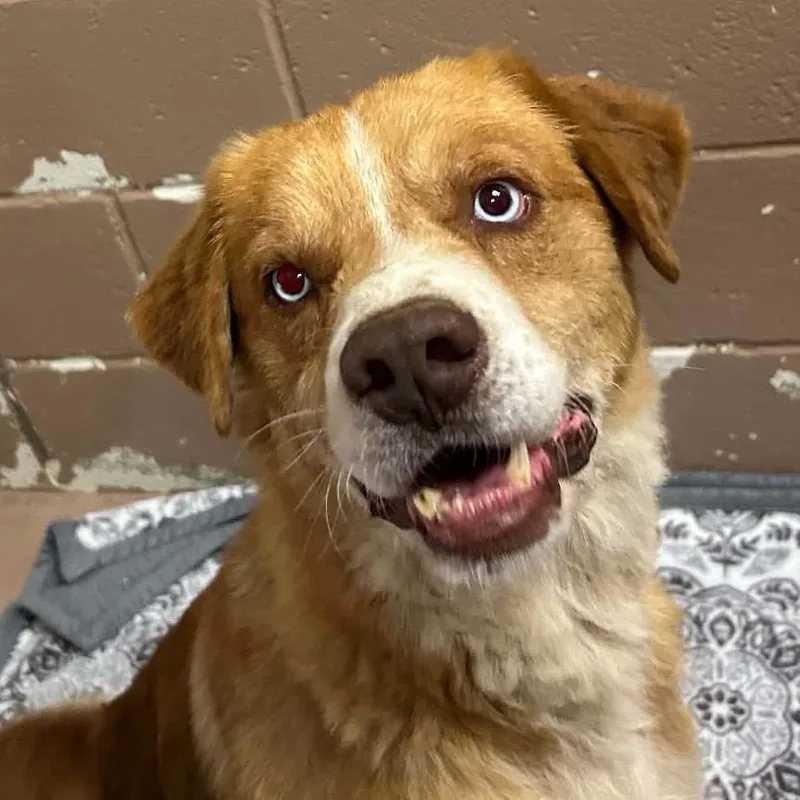
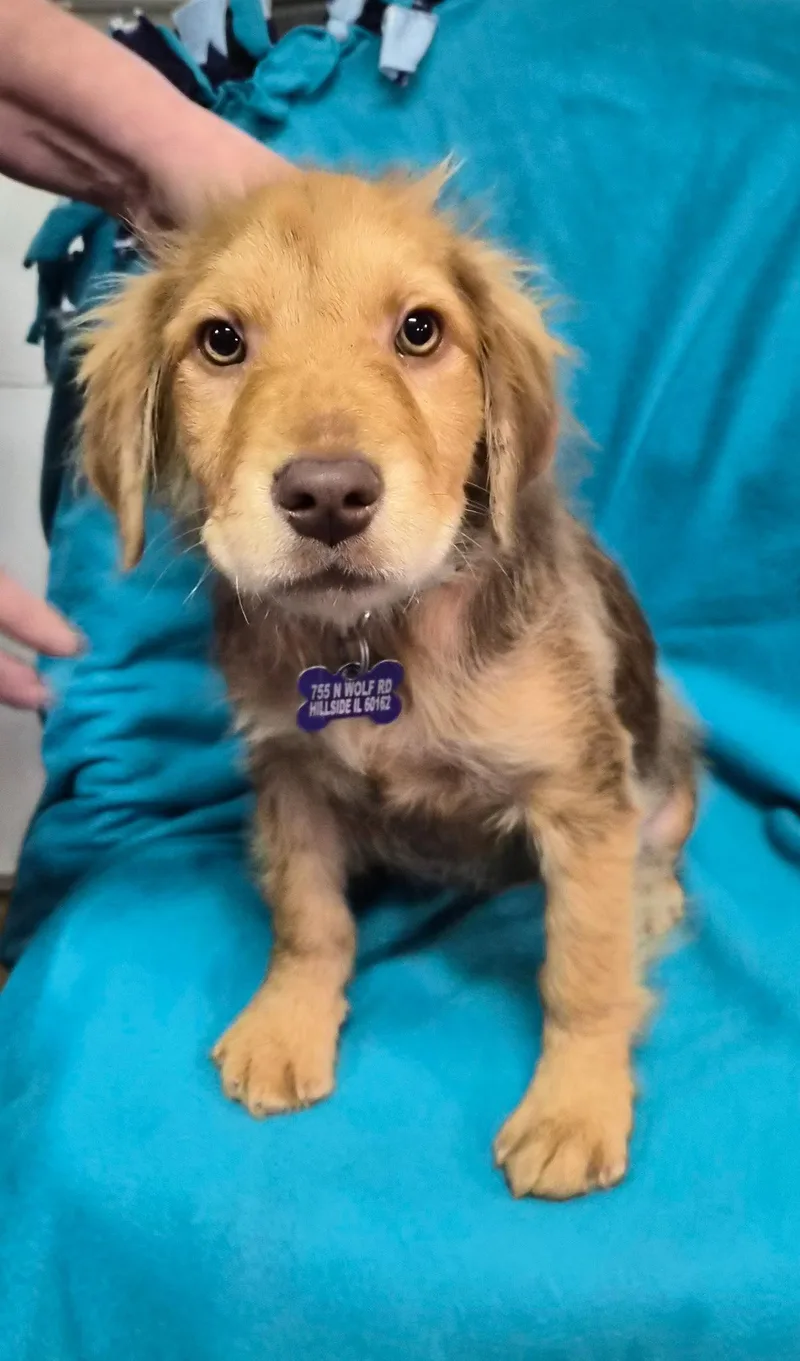
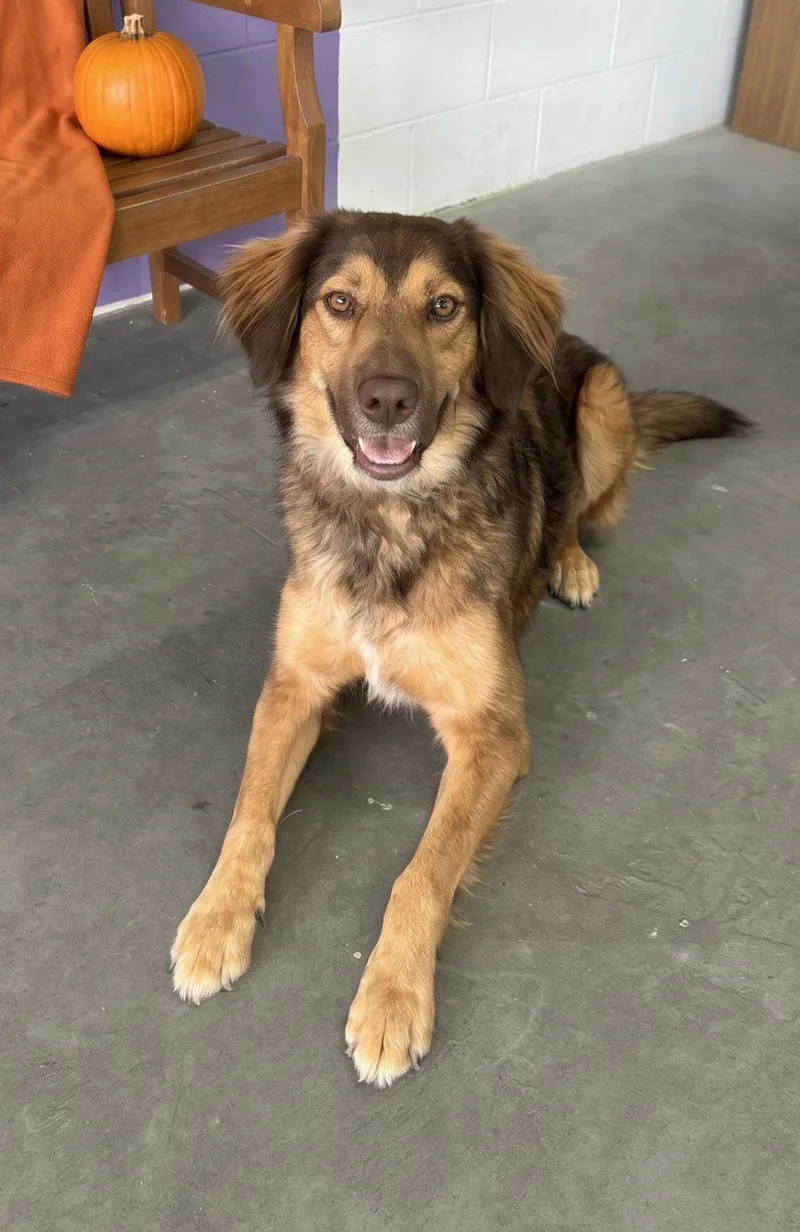
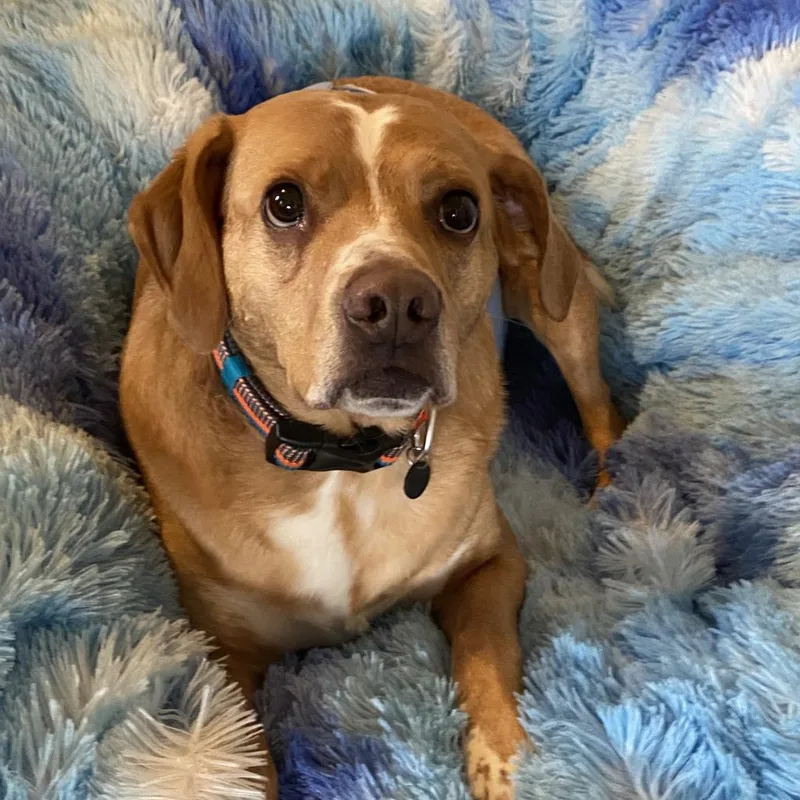
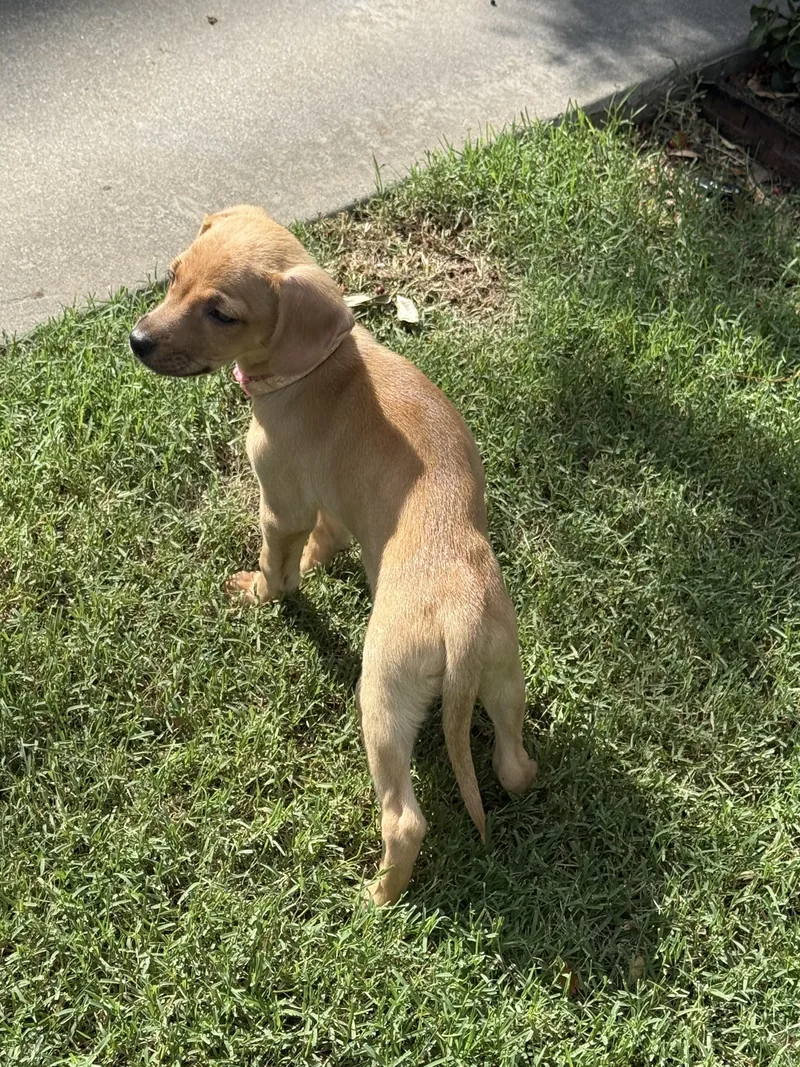
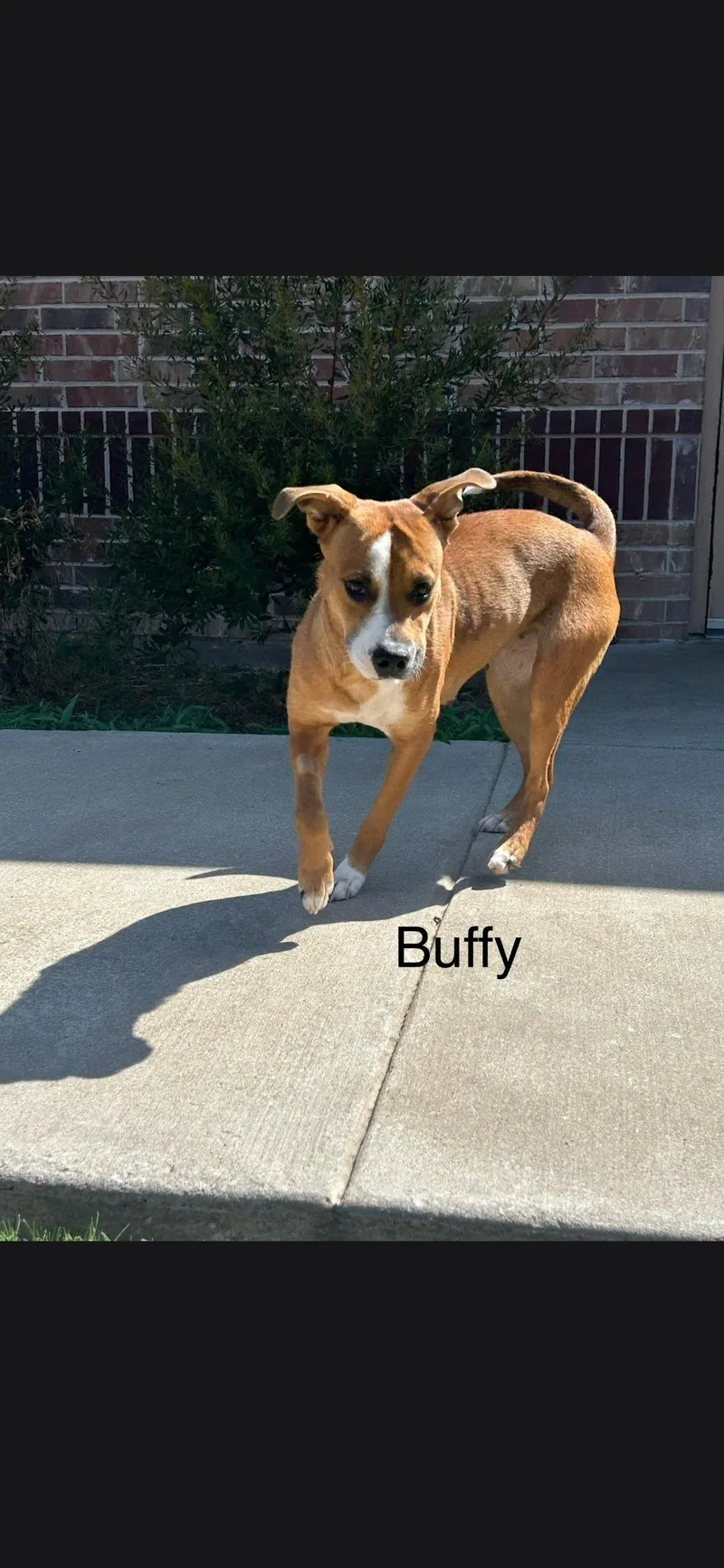
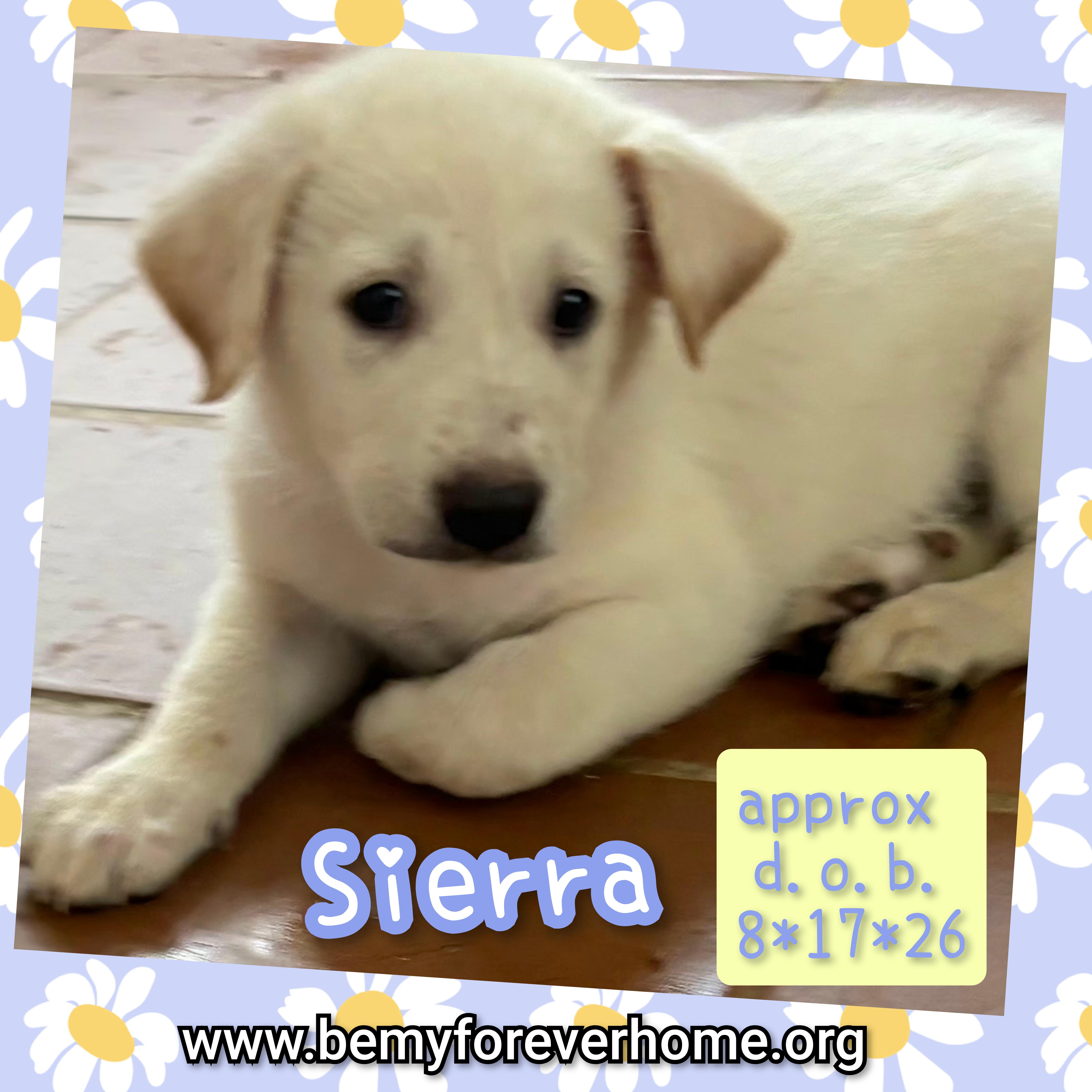
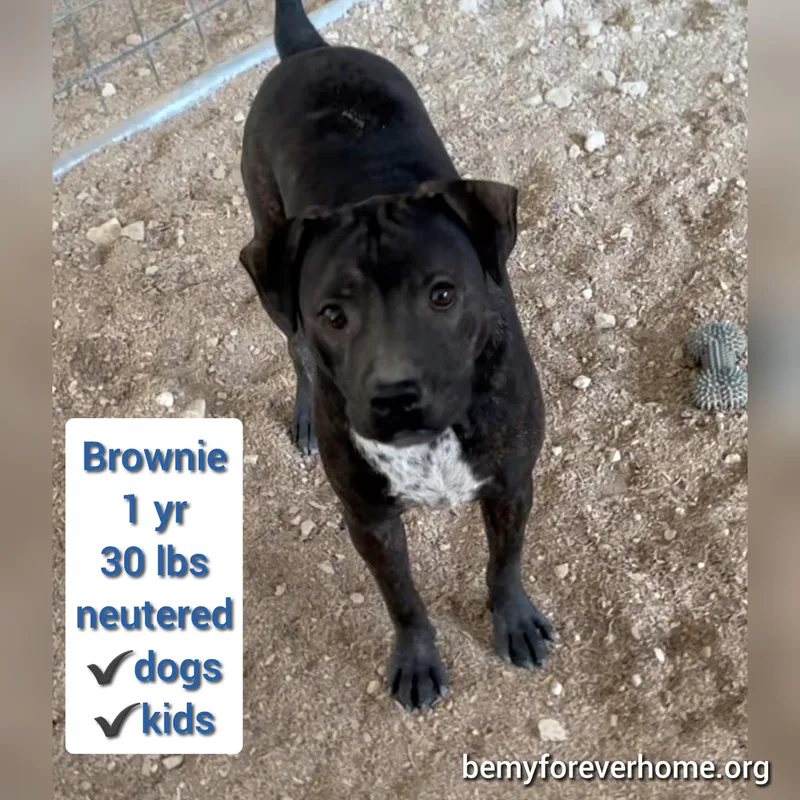
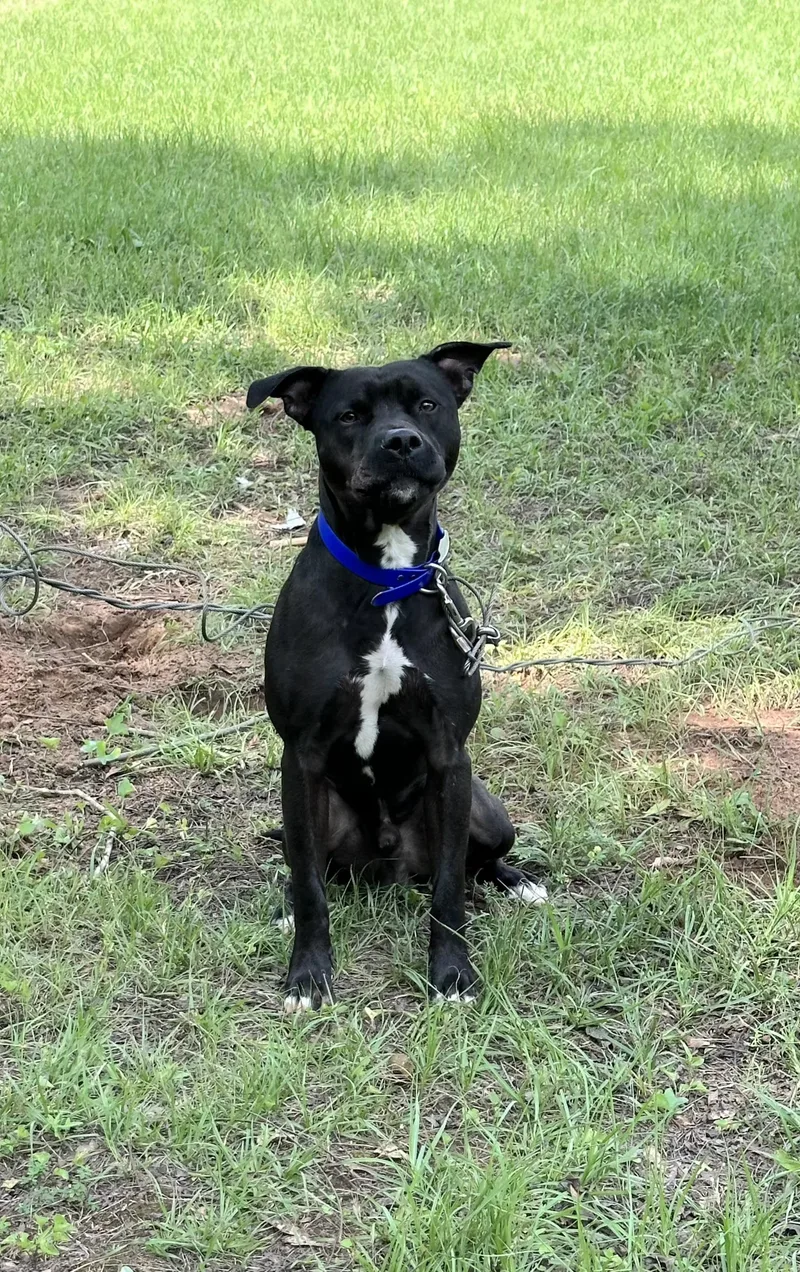
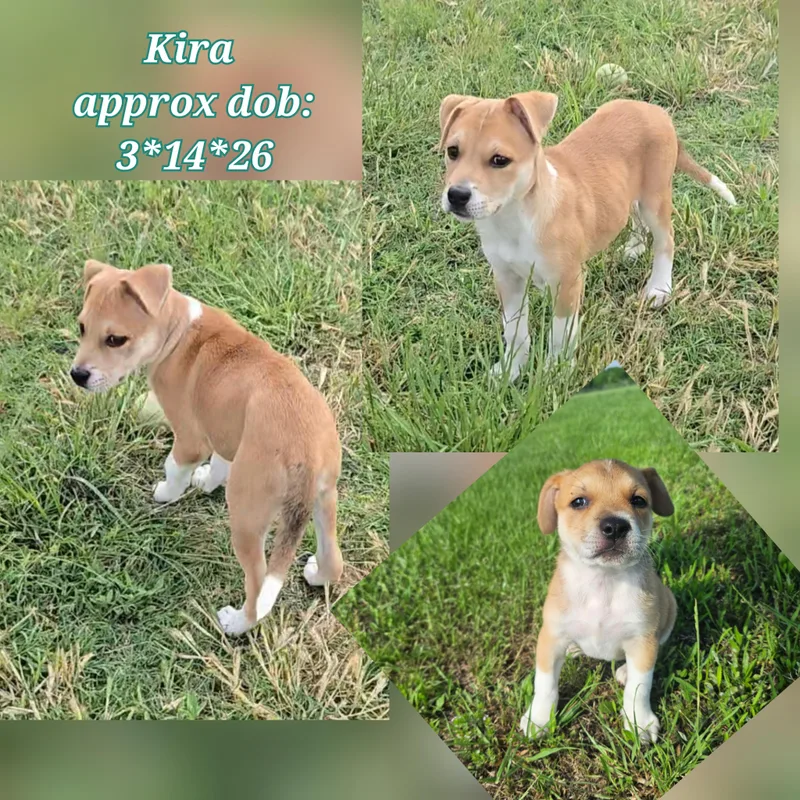
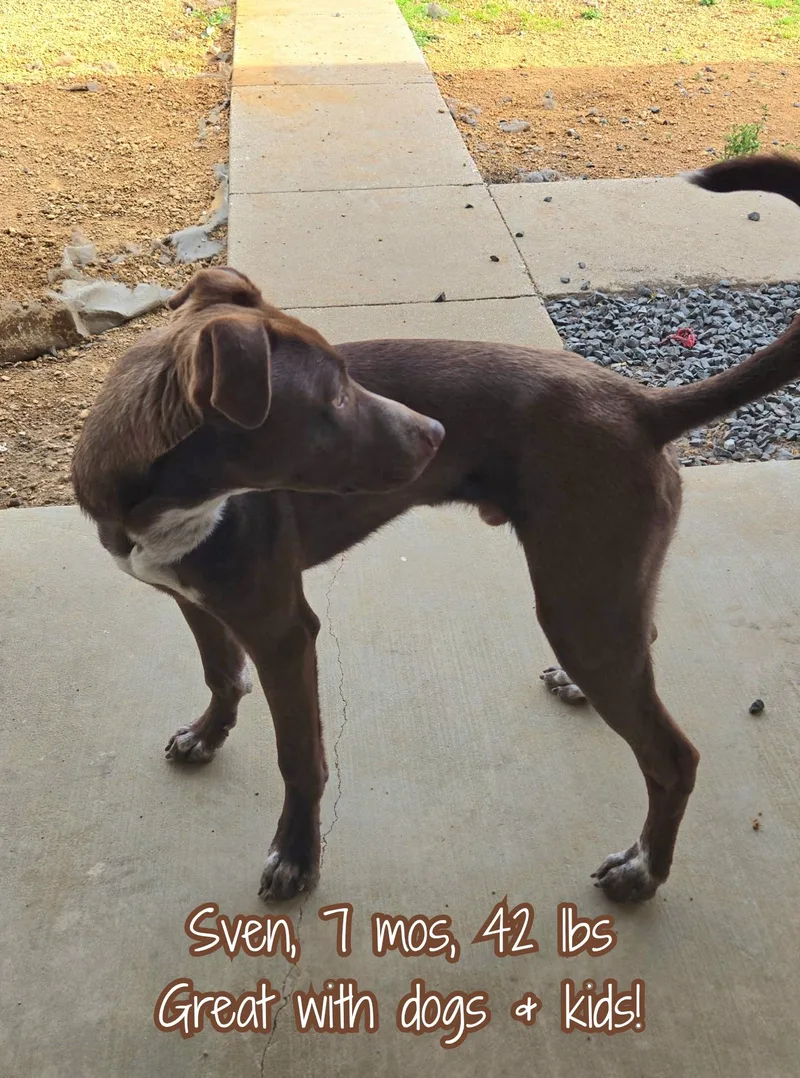
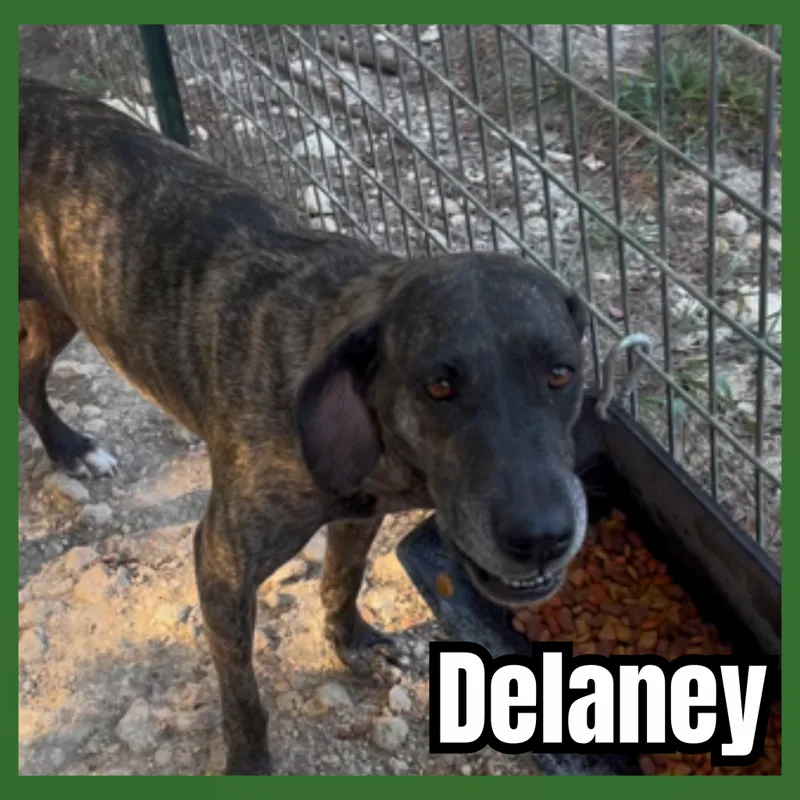
13 Nova Scotia Duck Tolling Retrievers available in Plano and nationwide

Your Toller is waiting

While we don't have enough dogs near Plano, keep in mind that many rescues may offer transport.

Nova Scotia Duck Tolling Retrievers Available for Adoption Near Plano

About the Nova Scotia Duck Tolling Retriever breed

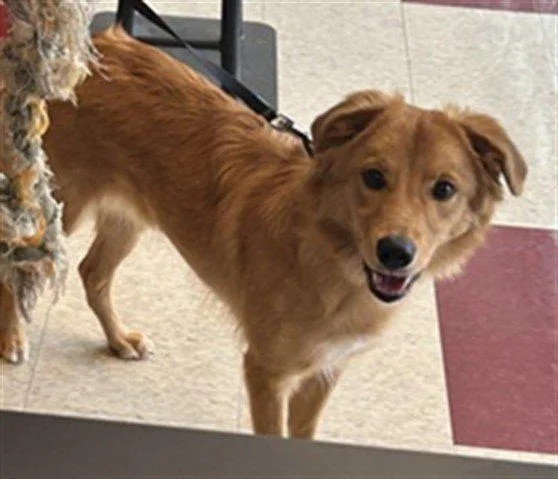
The Nova Scotia Duck Tolling Retriever is the smallest of the retrievers. It was developed in Yarmouth County, Nova Scotia, to lure ducks within range by romping along the shore and then retrieve them from cold water. Tollers are medium-sized, usually 35 to 50 pounds, with a water-repellent red double coat and white markings on the chest, feet or tail tip.

Many Tollers are playful, quick to learn and intensely focused on retrieving. They're affectionate at home but can be reserved with strangers, and they're known for a high-pitched scream of excitement. In Plano, that means a dog that does best with an adopter who enjoys daily fetch, training and outdoor time, and who is ready for seasonal shedding. Dogs vary, so each Toller's own energy and history matter more than the label.

Weight
35–50 lbs
Height
17–21 in
Lifespan
12–14 yrs
Temperament
Energetic, Intelligent, Playful, Alert
Group
Sporting
Shedding
Moderate to High

Owning a Nova Scotia Duck Tolling Retriever in Plano

Having a Nova Scotia Duck Tolling Retriever in Plano

A Toller brings a retriever's drive and a working dog's stamina in a medium frame. In Plano, exercise, noise, shedding and summer heat shape the fit more than square footage does, and a few inherited health conditions are worth knowing about.

Temperament

Tollers are typically lively, affectionate and eager to play, and many are reserved with strangers. Their alertness and excited scream can echo through apartment corridors, so early manners and calm greetings help. Many do well with respectful kids, though some chase birds and small animals. Each dog differs, so spend time with the one you're considering.

Exercise Needs

Plan on an hour or more of vigorous activity daily: fetch, running, hiking and training games. Plano's Chisholm and Bluebonnet trails welcome leashed dogs, and the city's fenced dog parks allow off-leash play. Add mental work too, since a bored Toller gets noisy and destructive. In summer, schedule outings for early morning or after dark.

Health Considerations

Tollers can be prone to autoimmune conditions such as hypothyroidism and Addison's disease, along with progressive retinal atrophy. Many live healthy lives. A veterinarian can check the hips, eyes and thyroid, and lethargy, appetite changes or joint pain deserve a prompt visit. Keep heartworm prevention on schedule through Texas's long warm season.

Living Space

A Toller fits best in a house with a fenced yard, and Plano has plenty of single-family homes. An apartment can work when long daily outings are dependable, but shared walls and a shrill voice can cause friction. Space matters less than exercise and training. Expect red hair on floors and furniture either way.

What it costs to own a Nova Scotia Duck Tolling Retriever in Plano

ExpenseTypical costPer year
Food$35 to $70 per month$420 to $840
Pet insurance$55 to $100 per month$660 to $1,200
Routine vet care$225 to $450 per year$225 to $450
Other*$540 to $1,390 per year$540 to $1,390
Estimated yearly total (after year one)$1,845 to $3,880

Other costs are estimates and vary with size, age and health.

* Plano dog registration, flea, tick and heartworm prevention, a dental cleaning allowance, toys and retrieving gear, and brushing supplies or occasional grooming for a double coat.

Adopt a Nova Scotia Duck Tolling Retriever in Plano.

Now that you know more, let’s find you a new best friend. These rescues and shelters below currently have Nova Scotia Duck Tolling Retrievers available.

Frequently Asked Questions

Yes, you can own a Nova Scotia Duck Tolling Retriever in Plano, because the city has no breed bans or breed-specific rules. Dogs older than four months need a current rabies vaccine and annual city registration, with the tags on the collar. Off your property, keep the dog on a leash or tether of six feet or less, and carry waste bags.

Yes, Tollers can handle a Plano summer with some planning. Their dense double coat is built for cold water, and summer highs near 93°F with warm nights call for care. Walk at dawn or after dark, test pavement with the back of your hand, provide water and shade, and never leave a dog in a parked car.

Bob Woodruff's seven fenced acres, open late with lighting, suit a Toller's evening fetch in summer. Windhaven Meadows has separate large- and small-dog areas, and Jack Carter sits where the Bluebonnet and Chisholm trails meet. Plano dogs need rabies and city registration tags at the dog parks, and the parks close after heavy rain.

It can work if daily exercise is dependable, but it's a harder fit than a house with a yard. The bigger issues are the Toller's high-pitched scream through shared walls and its red shedding. Apartment life calls for long daily outings, training for calm greetings, and a lease that allows a medium-sized dog.

Plan on weekly brushing most of the year, and more often during the heavy seasonal sheds, usually spring and fall. Plano's long hot season doesn't call for shaving, since the double coat helps insulate against heat; brush out loose undercoat instead. Bathe only when needed. Professional grooming is optional and falls under the Other line in the cost chart.

Generally not, unless the dog is a service animal. DART allows non-service animals only in a securely latched cage or container, and a 35 to 50 pound Toller is too big for most carriers. Service animals can ride with their handler as long as they stay under control and off the seats.

Sometimes, on patios. Texas law lets restaurants allow leashed dogs in outdoor dining areas that customers can enter directly from outside, and a posted sign shows a patio welcomes dogs. Dogs must stay off seats and tables. Because a Toller can be vocal and excitable, practice settling calmly under a table first.

A Toller is the common nickname for the Nova Scotia Duck Tolling Retriever, a medium-sized sporting dog from Nova Scotia, Canada. It is the smallest retriever, with a red, water-repellent double coat and usually some white markings. Tollers are energetic, smart and playful, bred both to lure ducks toward hunters and to retrieve them from water.

We have 1 rescue with Nova Scotia Duck Tolling Retrievers available: Plano Animal Shelter. You can see every rescue with Nova Scotia Duck Tolling Retrievers available in the list above these questions, or scroll to the top to see the Nova Scotia Duck Tolling Retrievers near Plano.

Expect roughly $1,850 to $3,900 a year for a Toller in Plano. That covers food at $35 to $70 a month, insurance at $55 to $100 a month, routine vet care at $225 to $450 a year, and other costs of $540 to $1,390 a year. Insurance runs toward the higher end given the breed's inherited conditions.