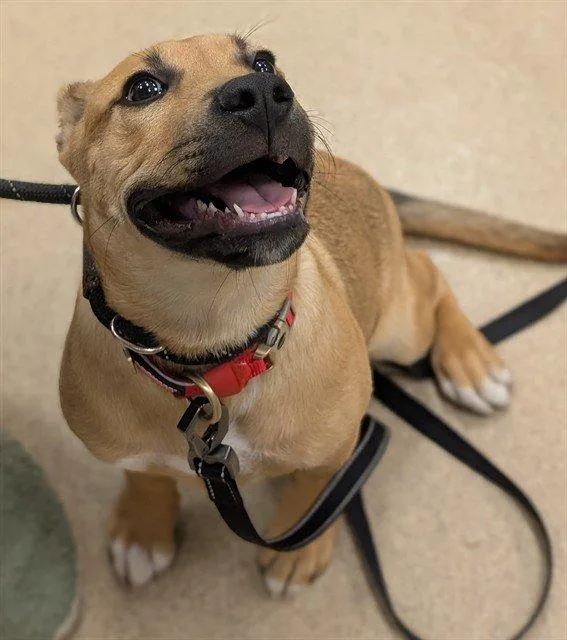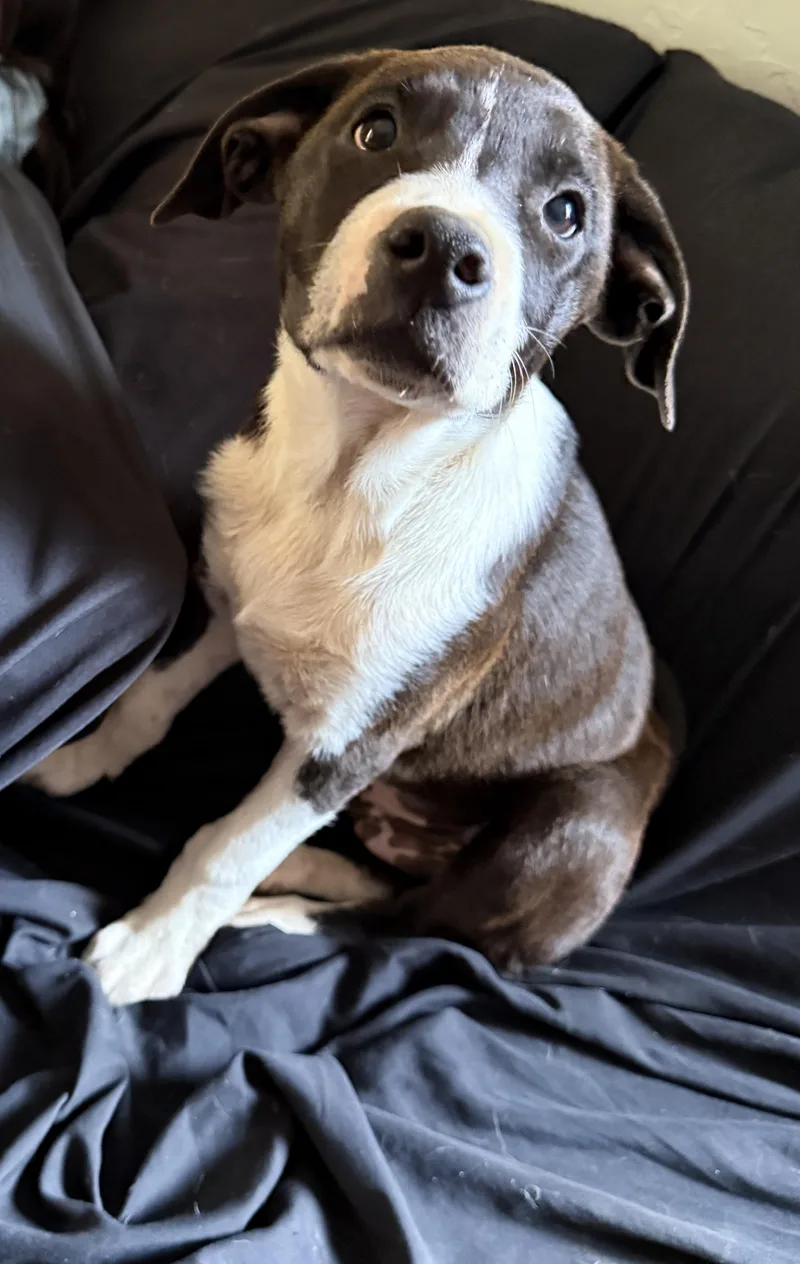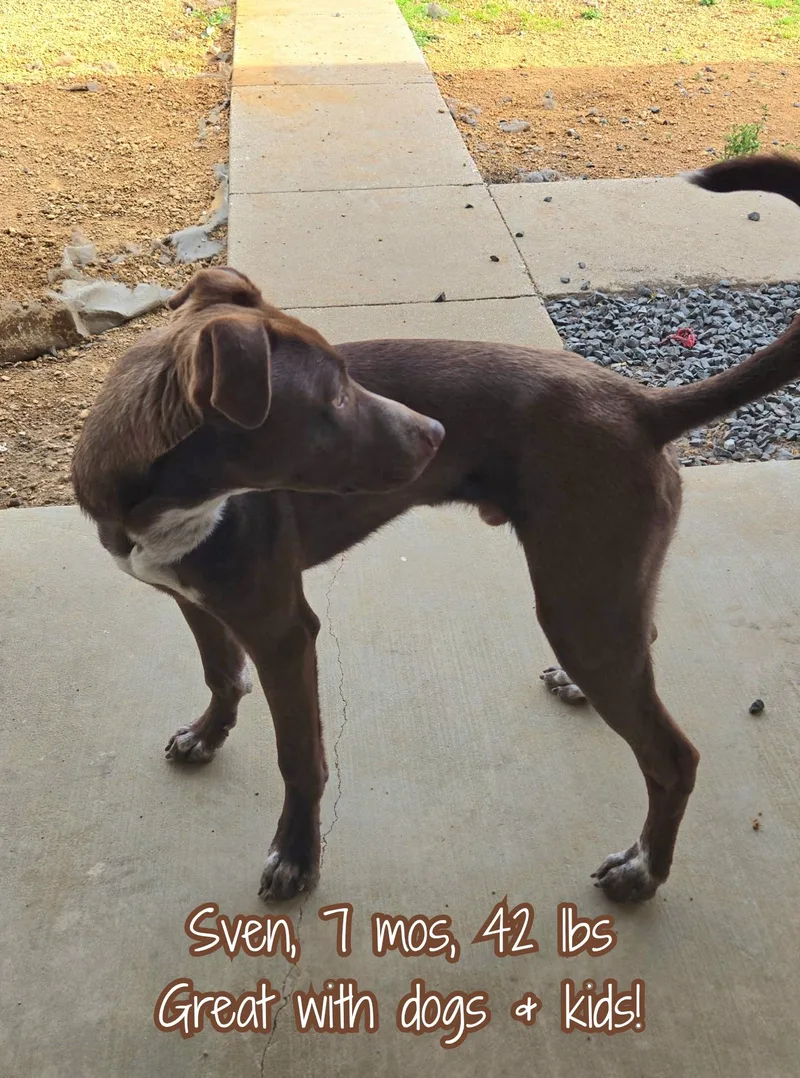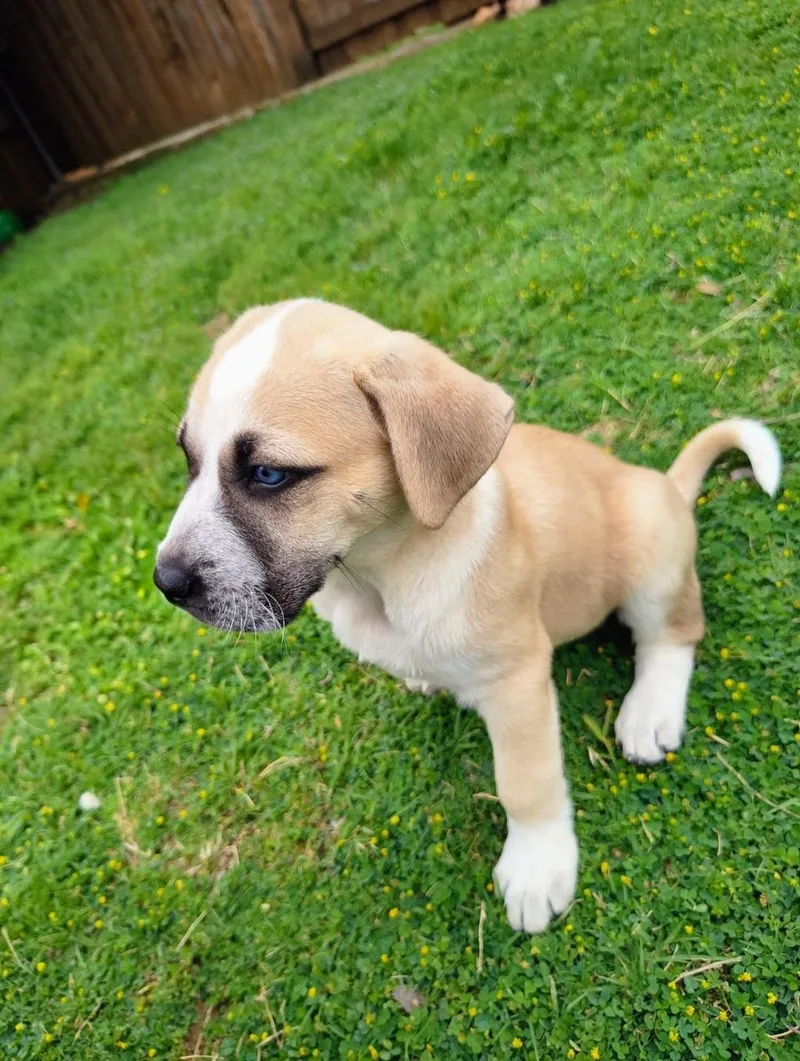

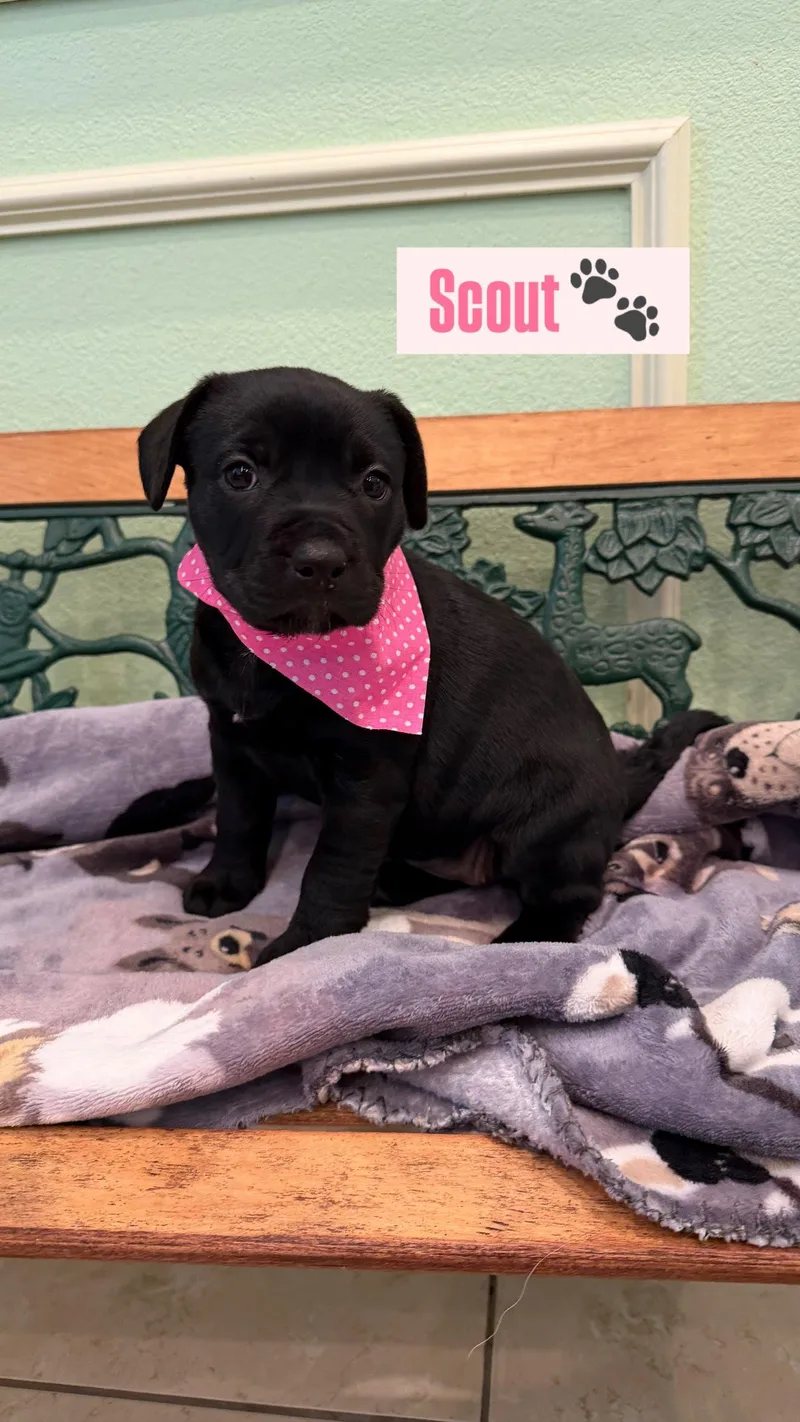
Black Labrador Retriever Dogs for Adoption in Plano, TX

Your guide to finding and caring for a Black Labrador Retriever in Plano

A black Lab suits east Plano's trail-heavy side well, especially around the Oak Point and Bob Woodruff corridor. The Rowlett Creek paths there give a Lab miles of leashed walking, and the fenced seven-acre dog park at Bob Woodruff Park handles the fetch. Much of Plano is detached houses, which suits a large dog, though a dark coat soaks up Texas sun. Labs want a daily routine and company, so they do best with people home often enough to keep them busy.

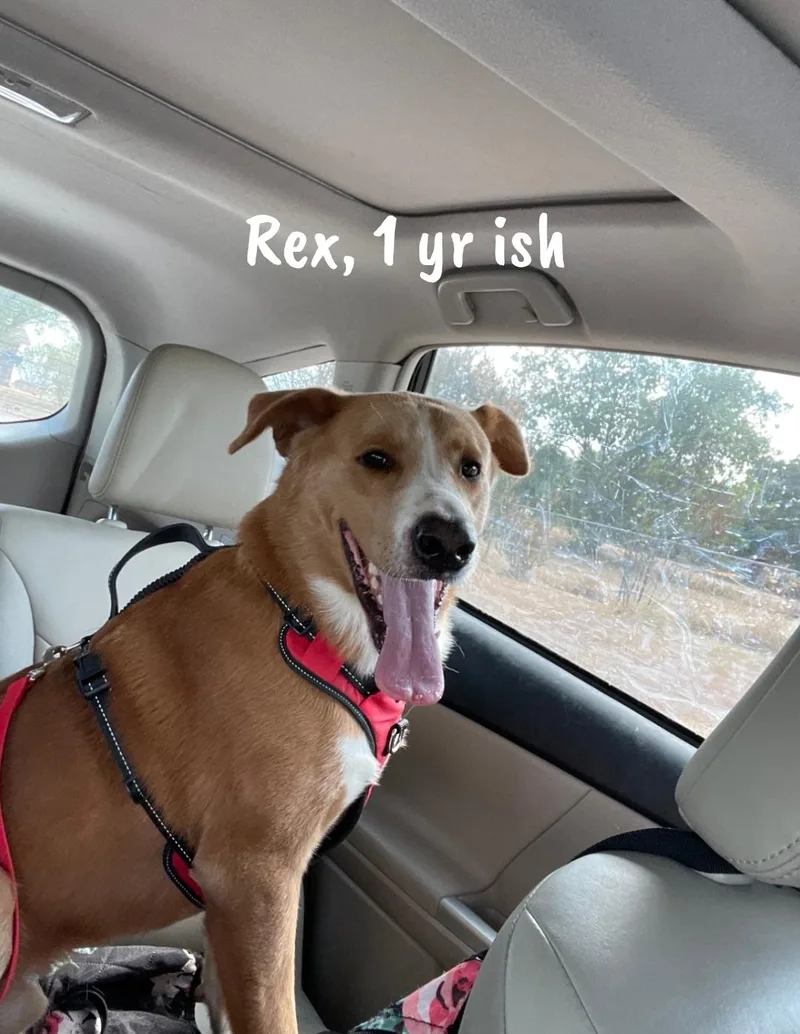
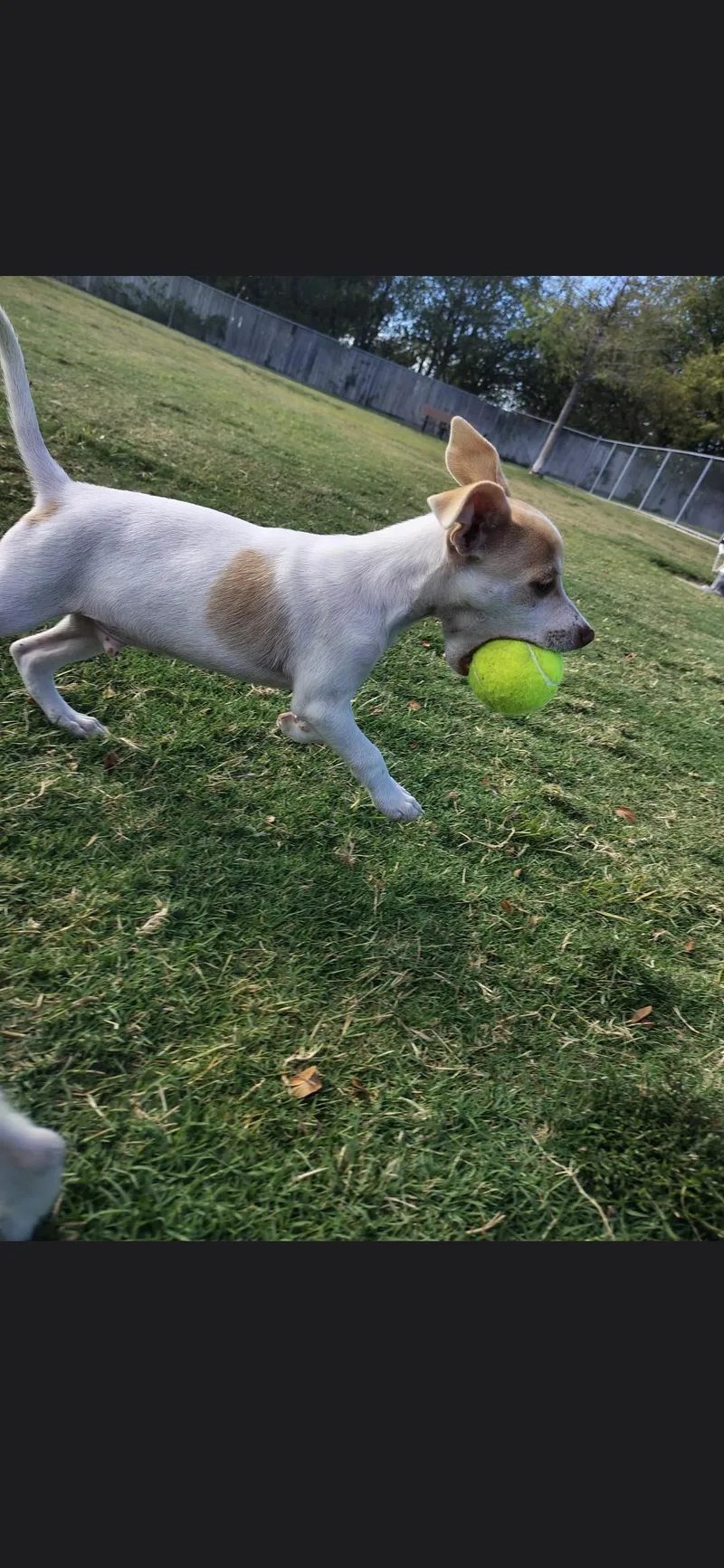
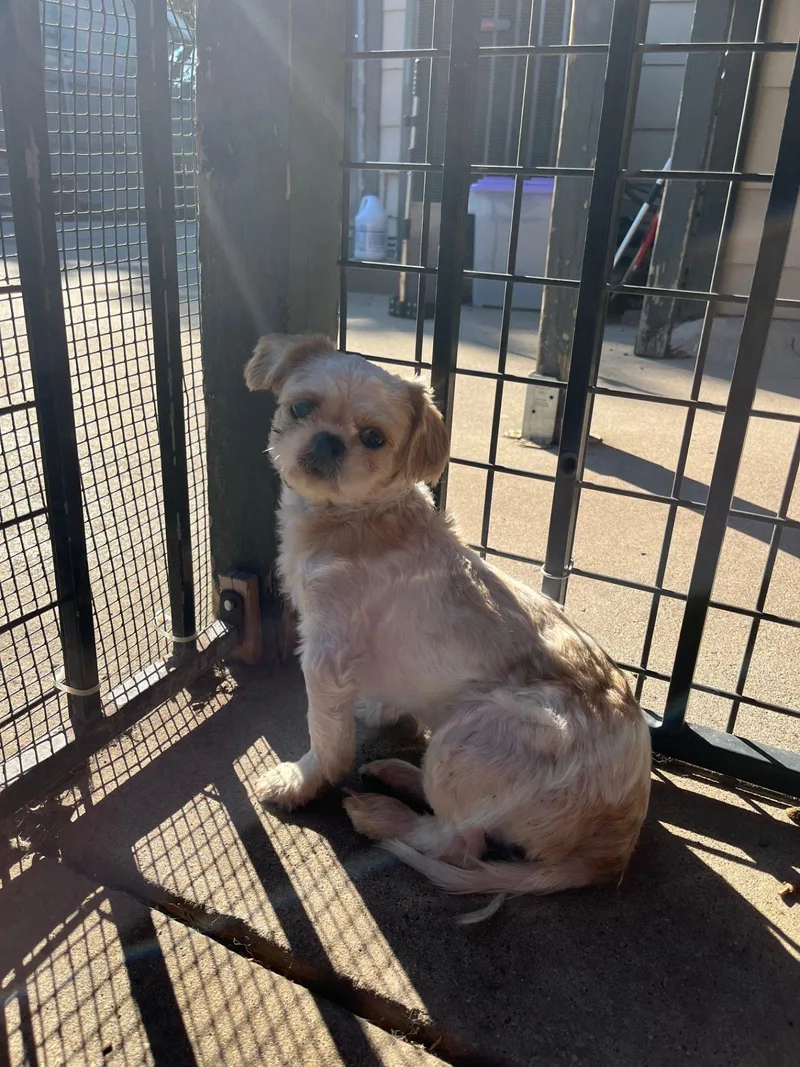
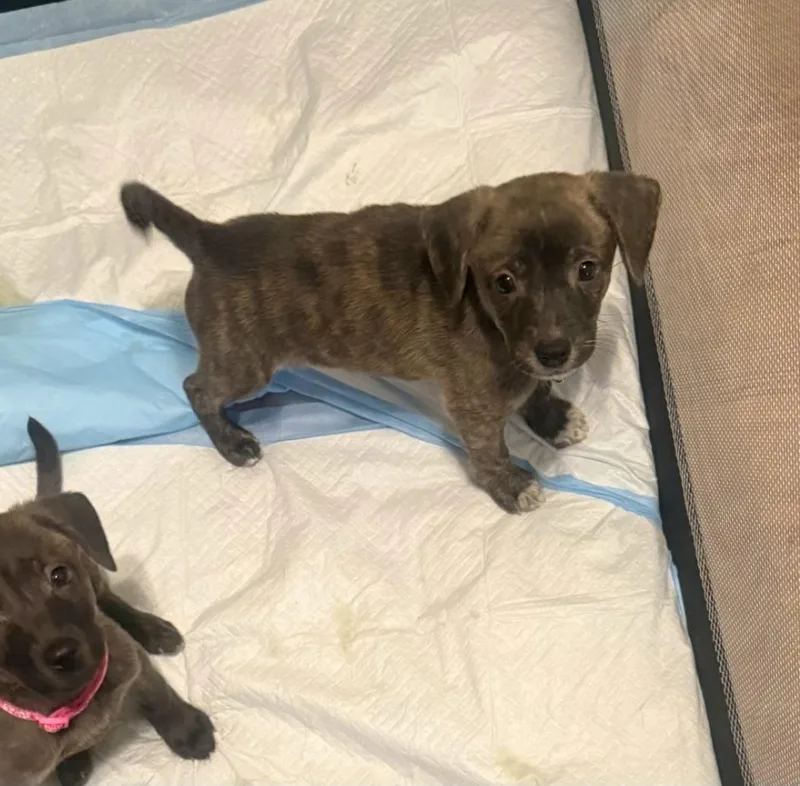
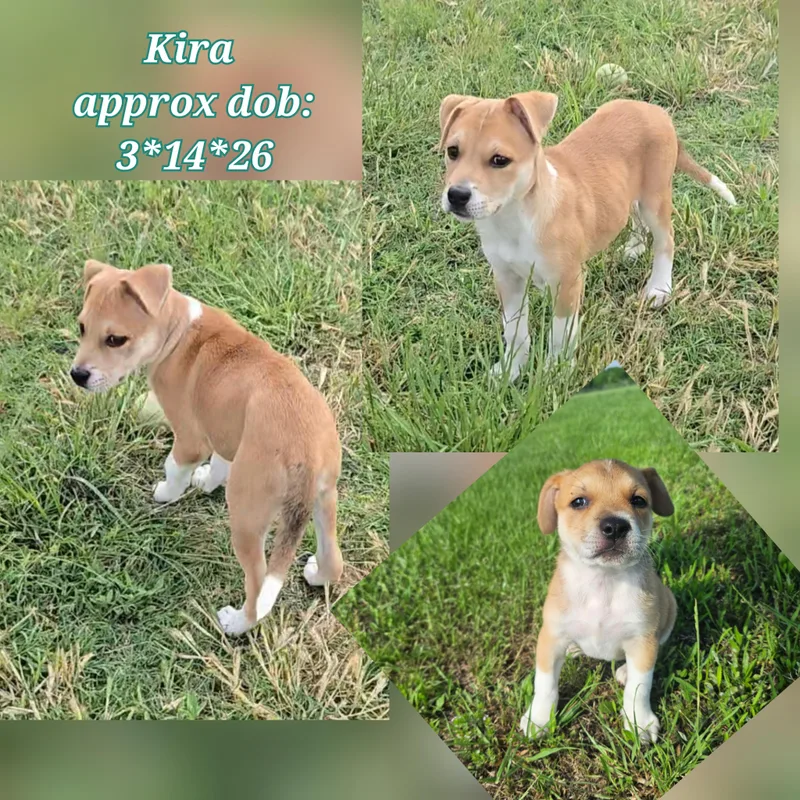
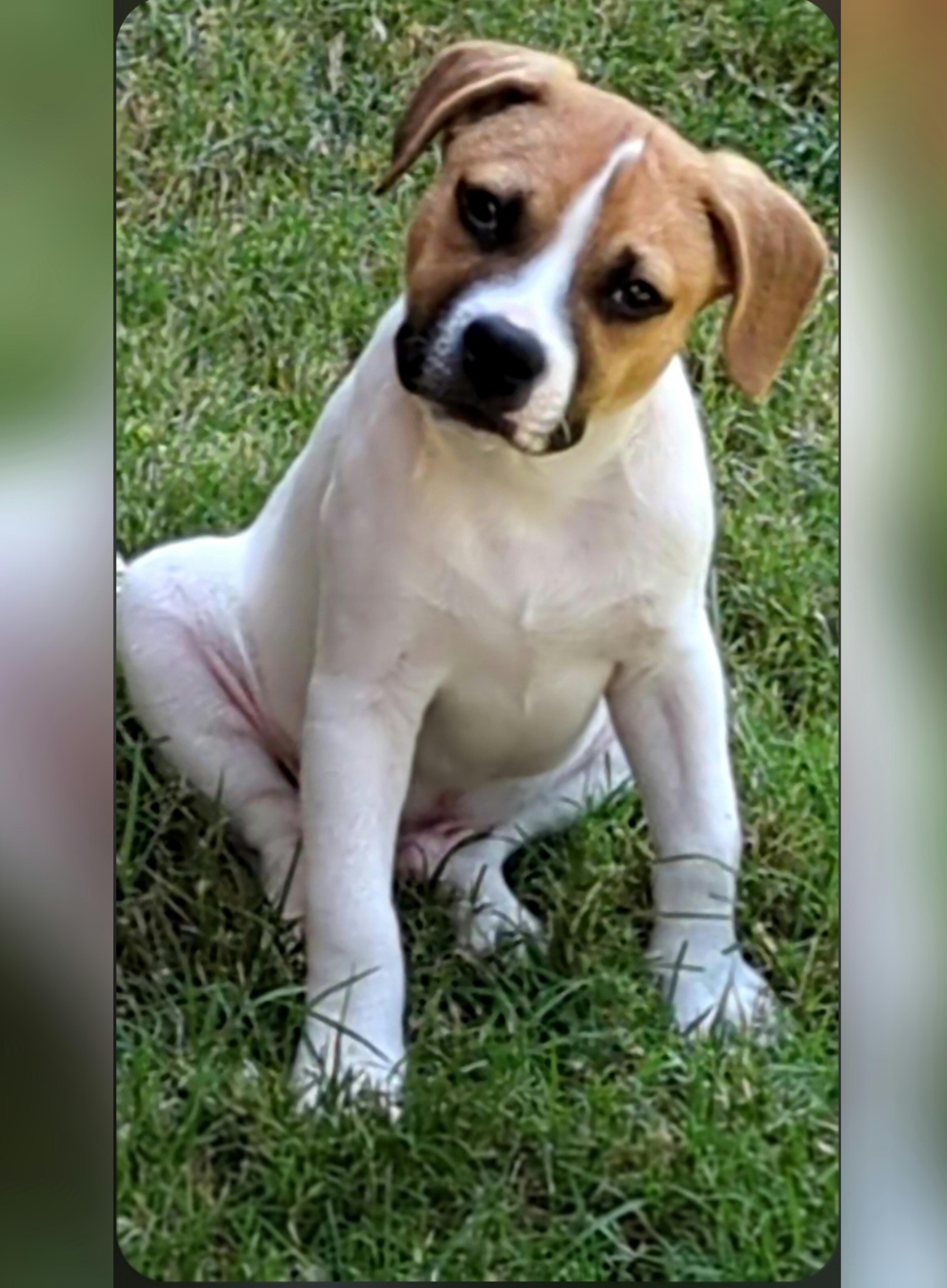
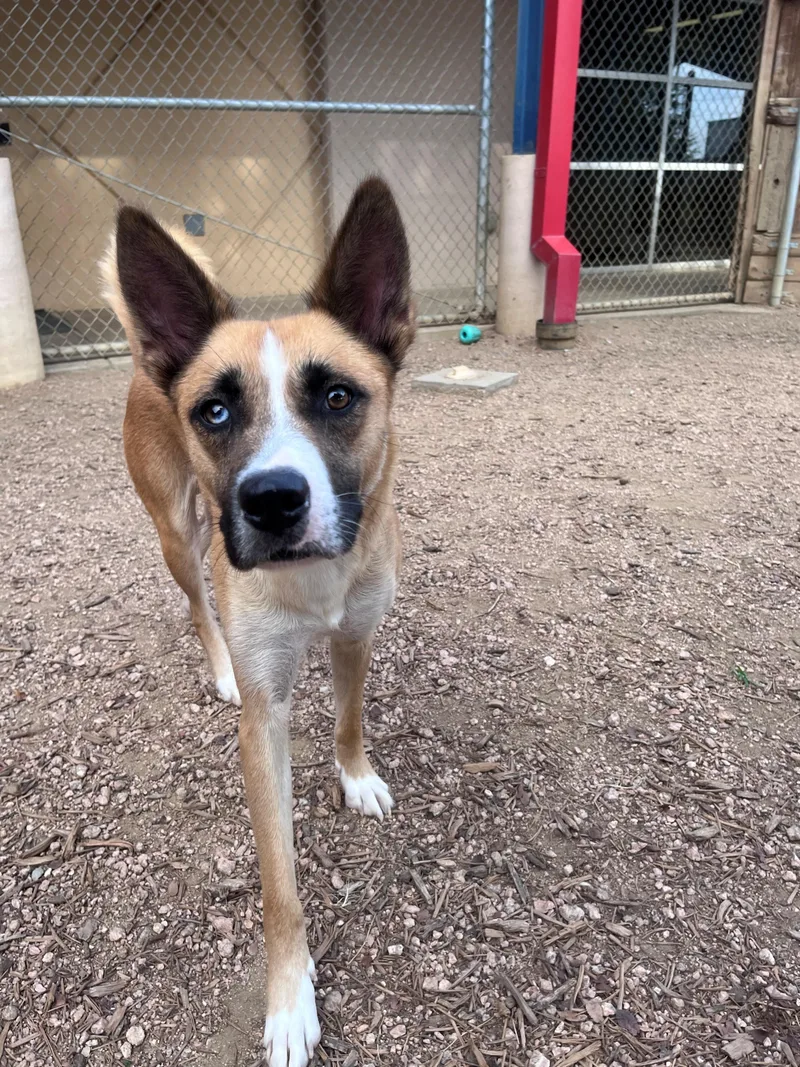
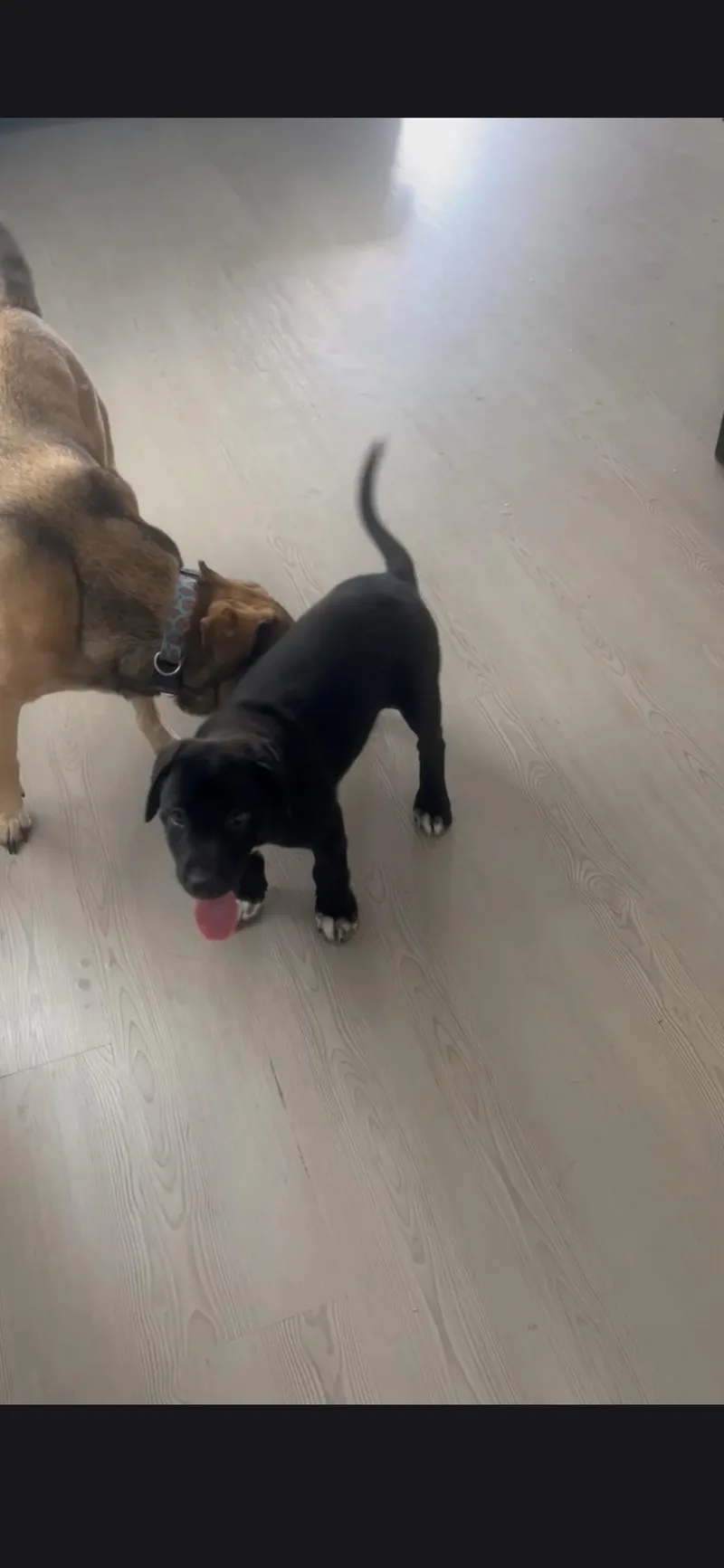
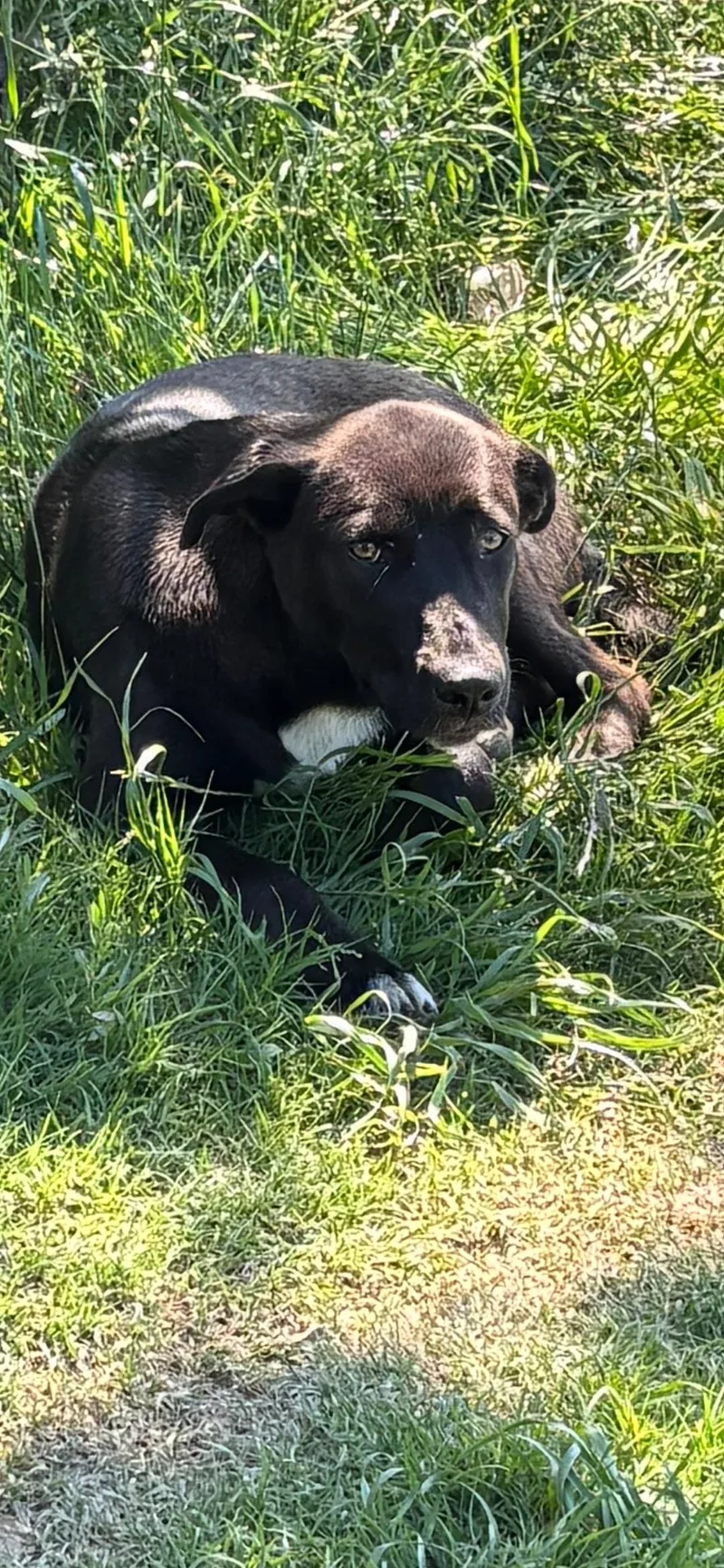
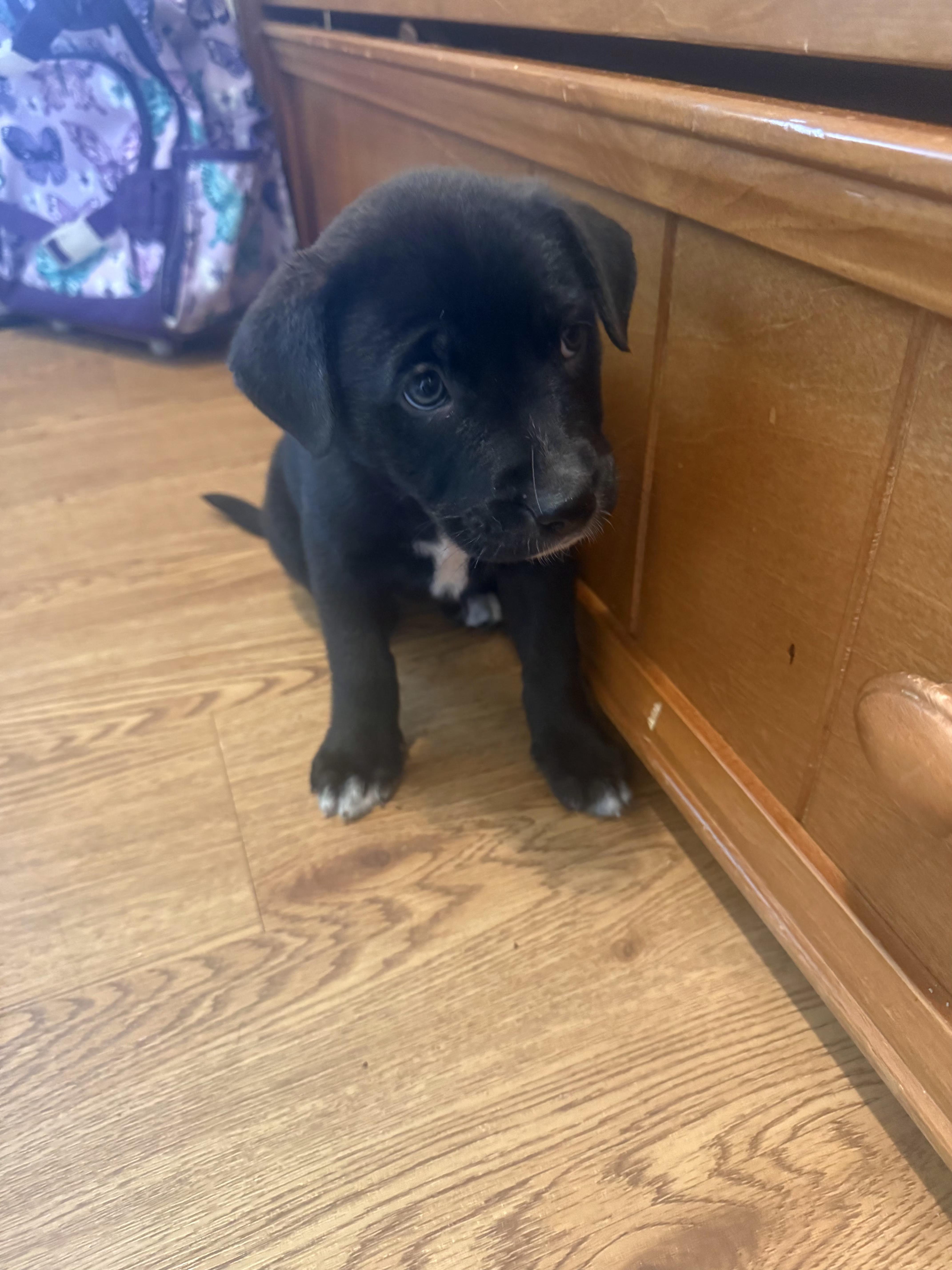
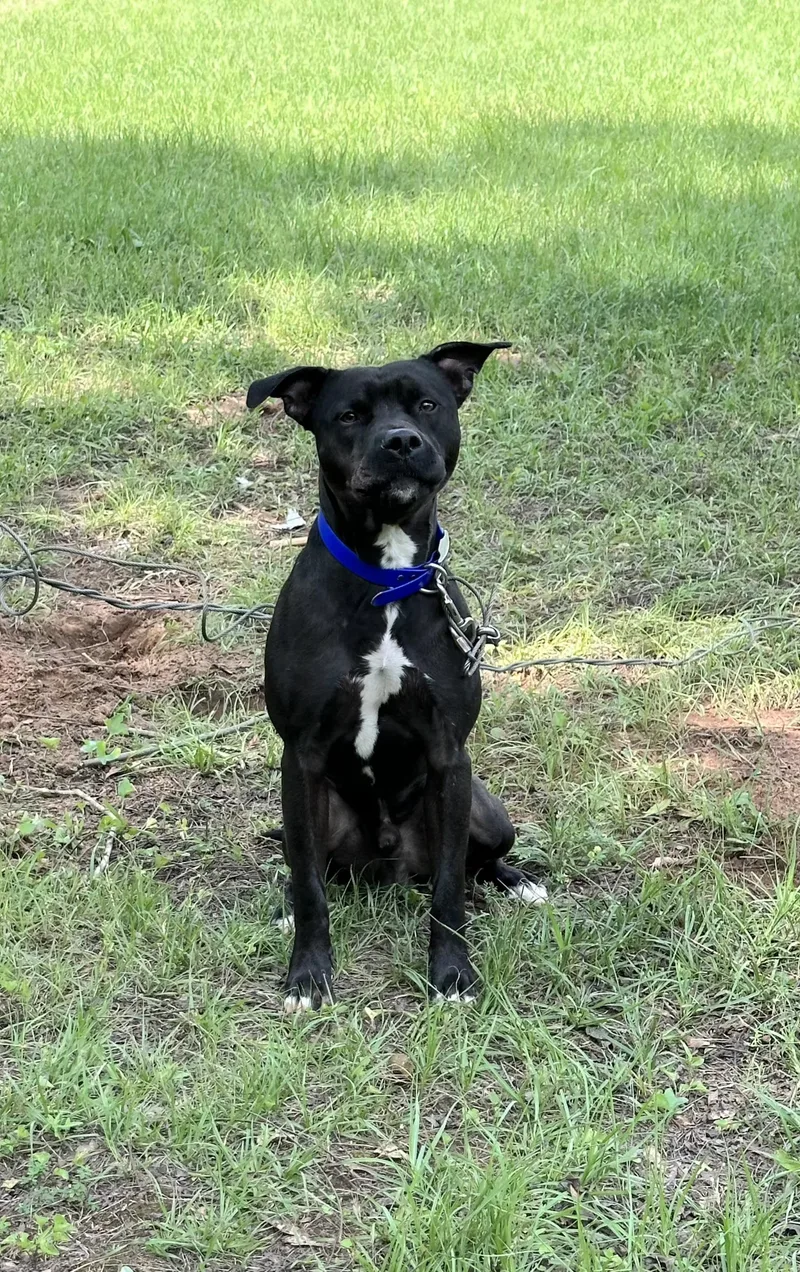
15 Black Labrador Retrievers available for adoption in Plano

Find your Black Labrador Retriever

Black Labrador Retrievers Available for Adoption in Plano

About the Black Labrador Retriever breed

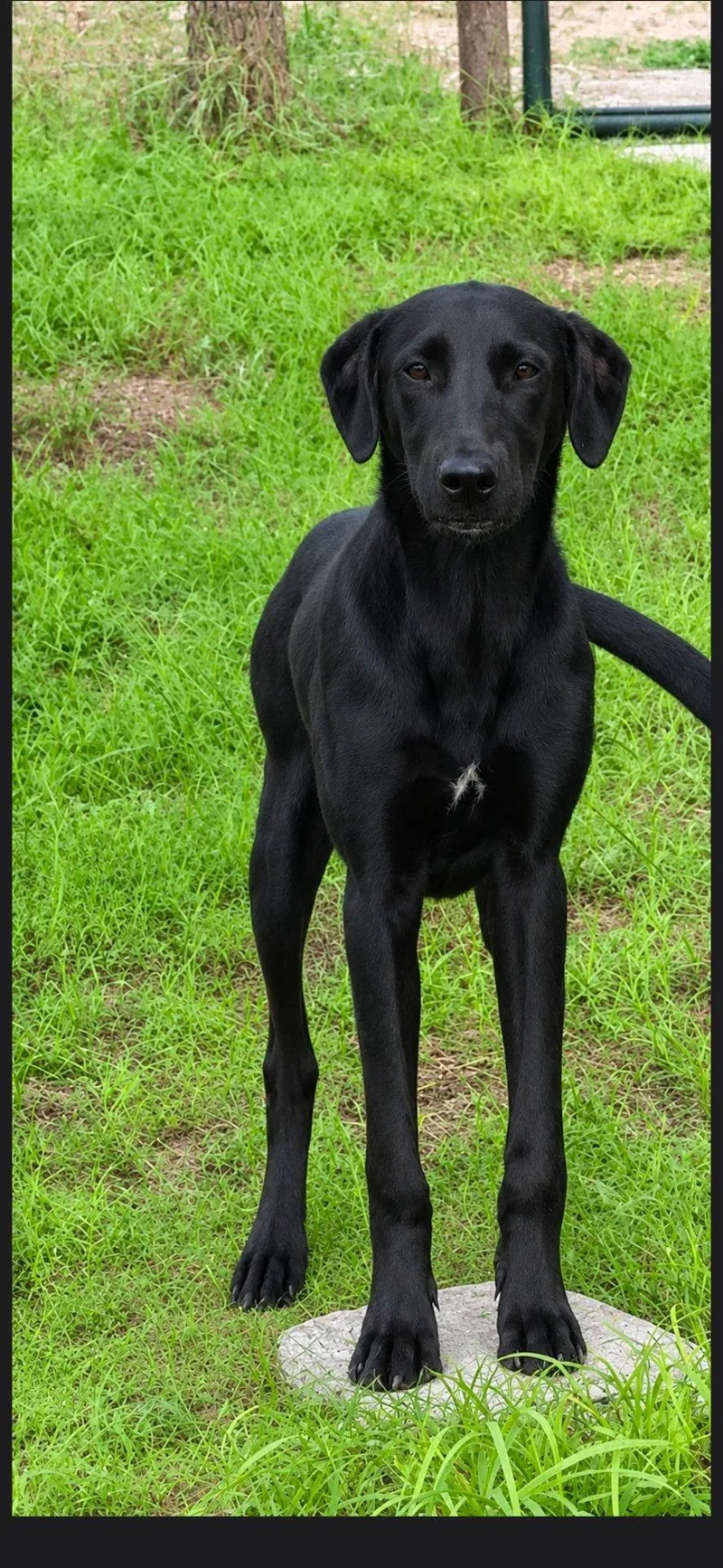
A black Labrador Retriever is a Lab in the breed's original and most familiar color, not a separate breed. Labs descend from the St. John's water dogs of Newfoundland and were refined in Britain as gun dogs. They're sturdy, usually 55 to 80 pounds, with a broad head, an otter tail and a dense, water-resistant double coat.

Color doesn't change personality. Black Labs are typically friendly, food-motivated and eager to please, though field-bred dogs run leaner and more driven than show-bred ones. Expect a dog that needs daily exercise, steady training, measured portions and regular brushing through heavy shedding seasons. Labs also mature slowly, so a bouncy adolescence can last a couple of years.

Weight
55–80 lbs
Height
21–25 in
Lifespan
10–14 yrs
Temperament
Friendly, Outgoing, Active
Group
Sporting
Shedding
Moderate to High

Owning a Black Labrador Retriever in Plano

Having a Black Labrador Retriever in Plano

Energy, appetite and shedding shape daily life with a black Lab far more than coat color does. In Plano, the bigger questions are how much exercise you can give, how you'll handle summer heat, and whether your home suits a large dog.

Temperament

Black Labs tend to be outgoing and affectionate with family, guests and other dogs, which helps on busy Plano sidewalks and trails. Young dogs can be mouthy and boisterous, and their love of food makes reward-based training work well. A dog's history and socialization matter more than breed reputation, so spend time with a Lab before deciding.


Exercise Needs

Most grown black Labs need vigorous daily exercise: brisk walks, fetch, swimming or runs. Plano's paved trail network handles leashed distance, and the city's fenced dog parks allow off-leash play. Shift outings to early morning or after dark in summer, and add scent games or short training sessions to keep a Lab's mind busy.

Health Considerations

Labs can develop hip and elbow dysplasia, cruciate ligament tears, exercise-induced collapse, retinal disease, and ear or skin problems. Obesity is common, so measure meals and keep the dog lean. In Plano's long hot season, watch for overheating during exercise. A veterinarian can check hips and elbows and set up flea, tick and heartworm prevention.

Living Space

A black Lab can do well in a Plano house or apartment when daily exercise is covered. A securely fenced yard makes play easier but doesn't replace walks. Expect shed hair, a sweeping tail that clears coffee tables, and a dog that wants to live indoors with the family rather than out in the yard.

What it costs to own a Black Labrador Retriever in Plano

ExpenseTypical costPer year
Adoption fee$200 to $300, one time$200 to $300 in year one
Food$55 to $110 per month$660 to $1,320
Pet insurance$65 to $130 per month$780 to $1,560
Routine vet care$250 to $500 per year$250 to $500
Other*$590 to $1,490 per year$590 to $1,490
Estimated yearly total (after year one)$2,280 to $4,870
First-year total (with adoption fee)$2,480 to $5,170

Adoption fee is the range of fees on Black Labrador Retriever listings in Plano on GetBuddy today. Other costs are estimates and vary with size, age and health.

* Flea, tick and heartworm prevention, a dental cleaning allowance, Plano's annual dog registration, toys and bedding, and brushing and baths for heavy seasonal shedding.

Adopt a Black Labrador Retriever in Plano.

Now that you know more, let’s find you a new best friend. These rescues and shelters below currently have Black Labrador Retrievers available.

Frequently Asked Questions

Yes, Plano has no breed bans or breed-specific rules, and dogs are judged by behavior rather than breed or looks. A single-family lot can have up to ten adult pets, no more than four of them unaltered, while apartments, duplexes and condos are limited to five, with one unaltered. Dogs also need a current rabies vaccination.

Yes, with precautions. Plano sees roughly 95 to 105 days a year at 90°F or higher, from May into September, and a black coat soaks up heat. Exercise at dawn or after dark, keep shade and fresh water available, and stay indoors in the afternoon. Heavy panting, drooling or stumbling means stop and cool the dog.

Yes, if the dog gets daily exercise outside the unit. Landlords set their own pet rules, so look at size limits, deposits and monthly pet rent before applying. A bored Lab chews, so plan puzzle feeders, a crate routine and a midday walk or sitter for workdays, and expect fur in the hallway.

For off-leash fetch, the seven-acre dog park at Bob Woodruff Park has lighting at night, handy in summer. For leashed distance, try the 5.5-mile paved Chisholm Trail or the unpaved creekside paths in Oak Point Park & Nature Preserve. Arbor Hills Nature Preserve adds natural-surface trails in west Plano. Keep the Lab leashed outside fenced areas.

Usually not, unless the dog is a service animal. DART allows non-service animals on its buses and trains only in a securely latched cage or container, and a Lab weighing 55 to 80 pounds won't fit in a carrier. Service animals ride under the rider's control. Plan on driving to trails and vet visits.

Sometimes, but only on patios. Texas law lets restaurants allow leashed dogs in outdoor dining areas that can be entered directly from outside, but each restaurant decides and should post a sign saying dogs are welcome. The dog must stay off seats and tables. Practice a calm down-stay at home, since an excited Lab can cause trouble near plates.

Not much: a weekly brush, and several times a week during heavy sheds, plus occasional baths. Plano's long warm season keeps Labs shedding much of the year, so a rubber brush or deshedding tool helps. Trim nails and check ears for dirt. Most owners handle this at home, and professional baths fit within the yearly Other costs on this page.

Often yes, for people who can give daily exercise and company. Plano's trails and fenced dog parks suit an active Lab, and much of the year is comfortable outdoors. The trade-offs are long hot summers and a dog that doesn't like long days alone, so a schedule with all-day absences makes it harder.

We have 4 rescues with Black Labrador Retrievers available, including Furever Home Pet Rescue, Texas Little Cuties (TLC) Rescue and Abandoned Pet Project Rescue. You can see every rescue with Black Labrador Retrievers available in the list above these questions, or scroll to the top to see the Black Labrador Retrievers in Plano.

Expect a black Lab to cost roughly $2,280 to $4,870 a year in Plano, or about $190 to $405 a month. Food runs $55 to $110 monthly, insurance $65 to $130, routine vet care $250 to $500 a year, and other costs $590 to $1,490 a year. Emergencies and illness are extra.