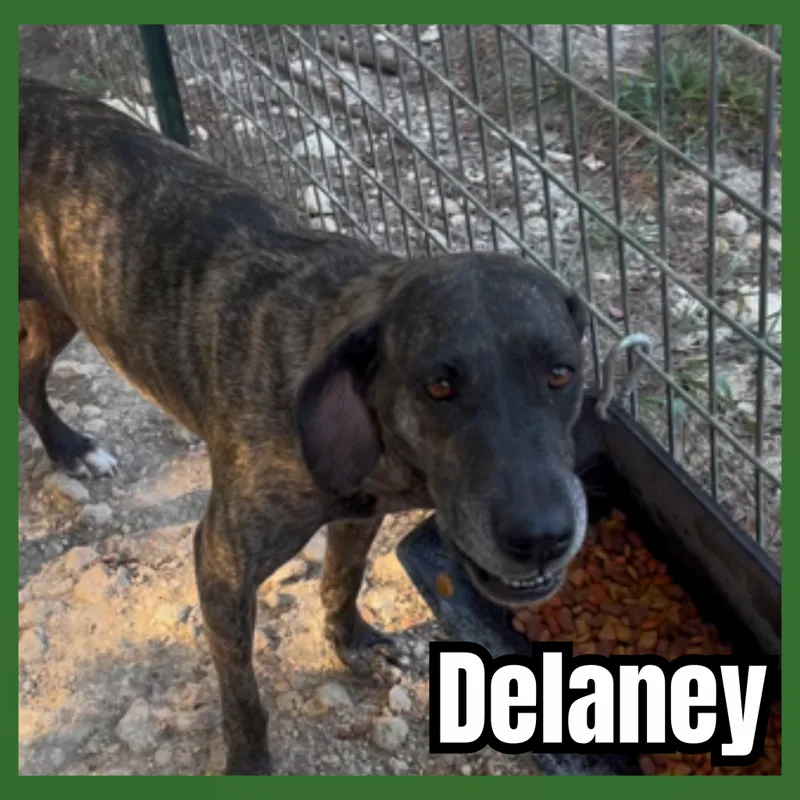
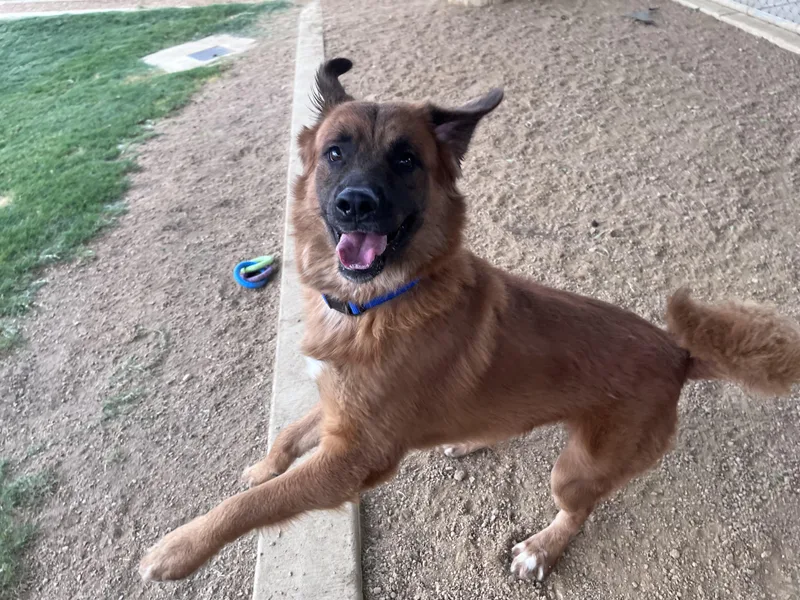
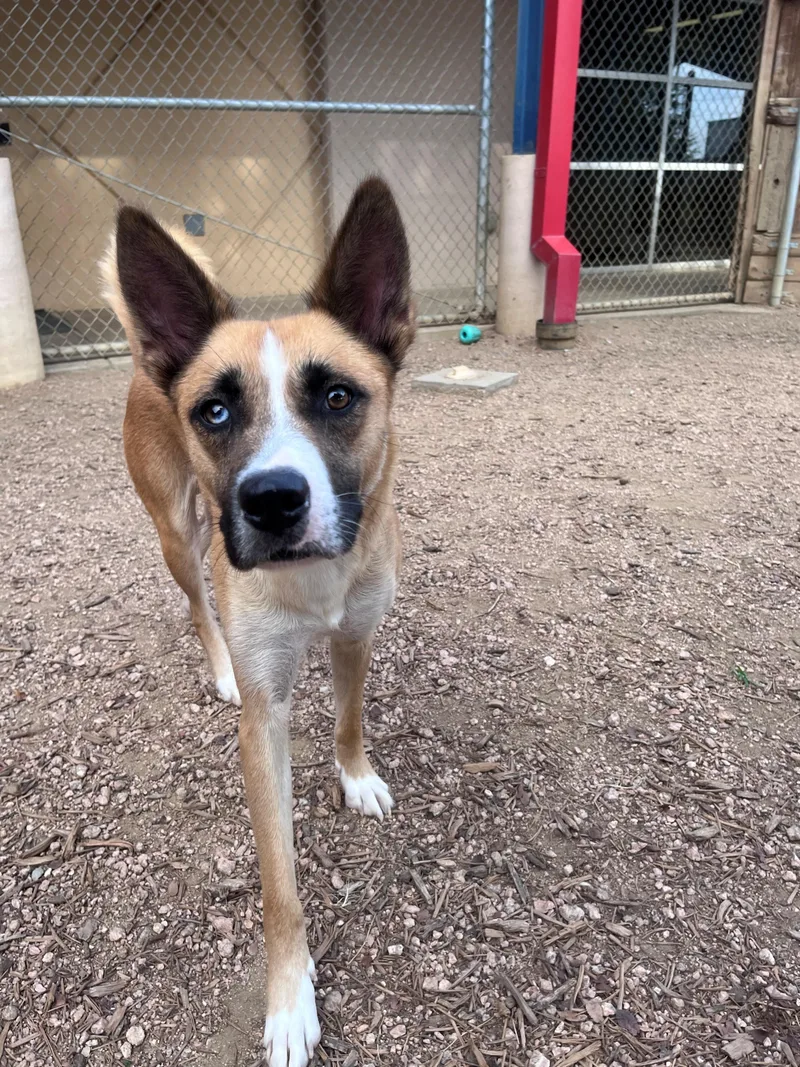
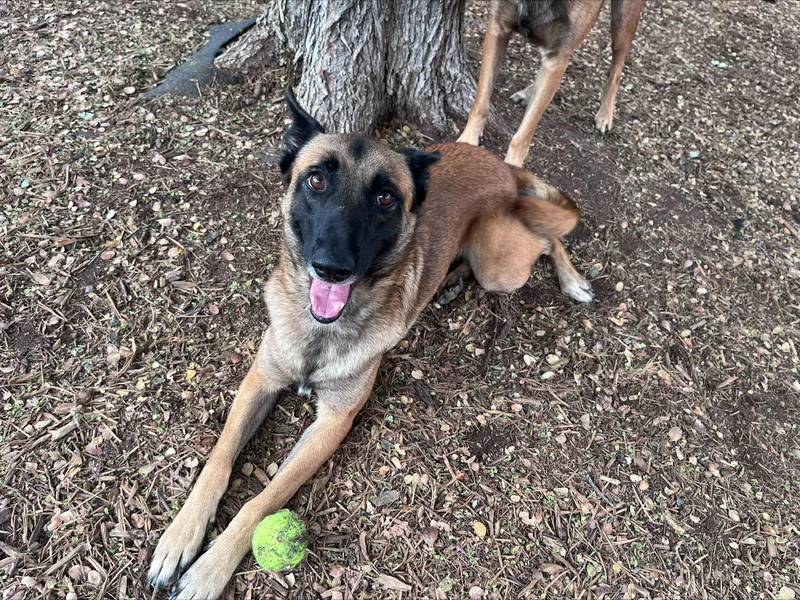
Blue Lacy Dogs for Adoption in Plano, TX

Your guide to finding and caring for a Blue Lacy in Plano

A Blue Lacy suits Plano best when its person actually uses the trail network. The Legacy Trail along the White Rock Creek lakes and the paved and natural paths at Arbor Hills give a Lacy room to run on leash, and the Chisholm Trail adds miles on days it needs more. These lean Texas working dogs want a job and a long daily outing, so they fit runners and hikers in West Plano's detached houses better than anyone with long, empty workdays.

52 Blue Lacies available in Plano and nationwide

Find your Blue Lacy

While we don't have enough dogs near Plano, keep in mind that many rescues may offer transport.

Blue Lacies Available for Adoption Near Plano

About the Blue Lacy breed

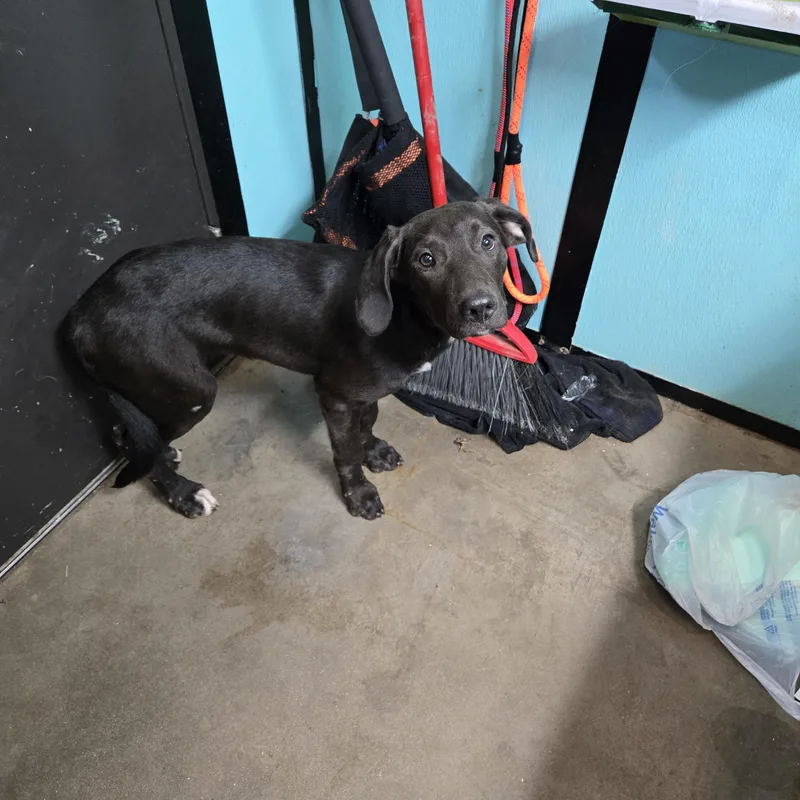
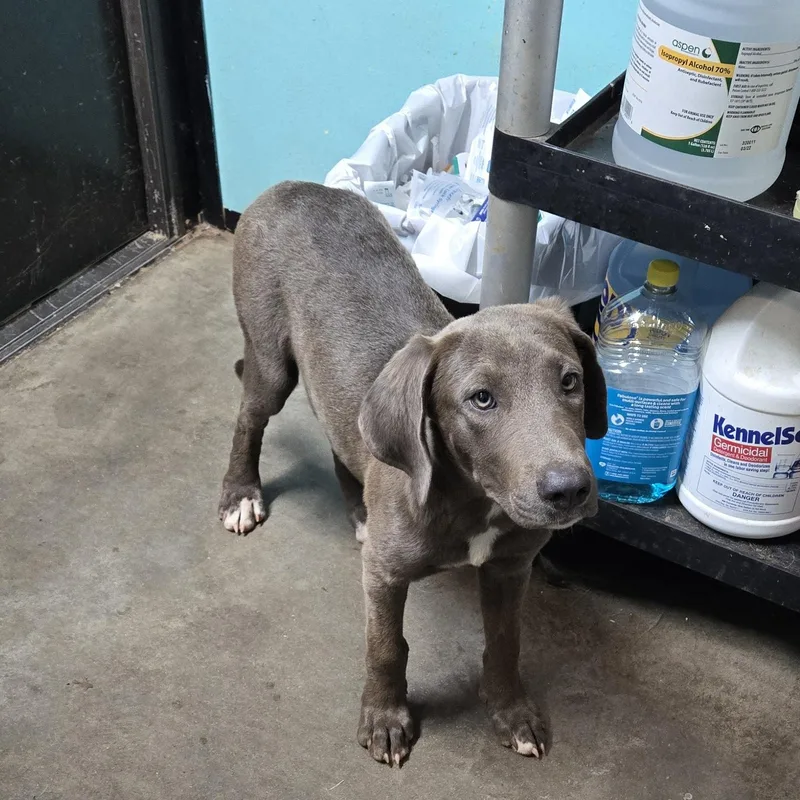
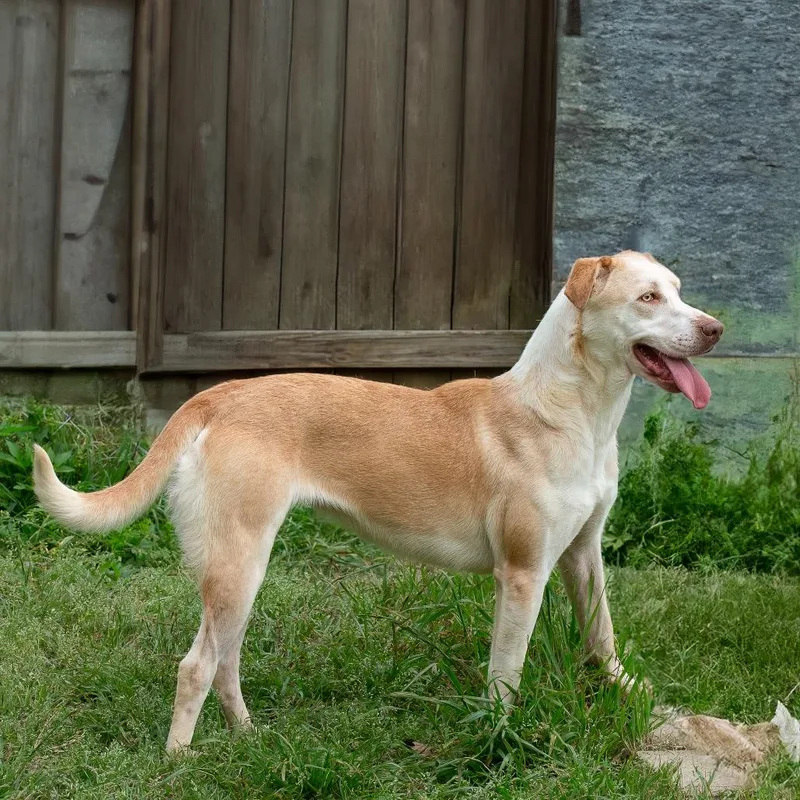
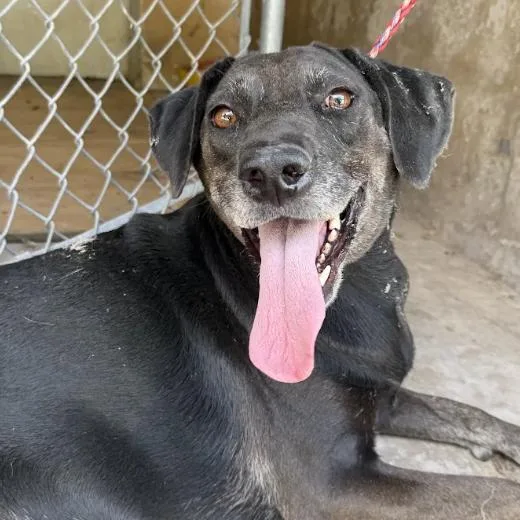
Texas ranch work produced the Blue Lacy. The Lacy brothers, who moved from Kentucky to Burnet County in 1858, are credited with developing a quick, versatile dog that could drive livestock, trail wounded game and bay feral hogs, reportedly blending greyhound and scenthound ancestry. Lacys are lean, athletic and medium-sized, with a short, tight coat in blue gray, red or tricolor and striking amber or yellow eyes.

These dogs are intense, alert and quick to learn, and many bond closely with their people. They were bred to work all day, so a Lacy without a job can turn restless, noisy or destructive. Adopters who enjoy running, hiking, scent games or dog sports, and who can manage a strong chase instinct around small animals, tend to get the best from this driven dog.

Weight
25–50 lbs
Height
18–21 in
Lifespan
12–16 yrs
Temperament
Energetic, Intelligent, Alert, Loyal
Group
Hound
Shedding
Low to Moderate

Owning a Blue Lacy in Plano

Having a Blue Lacy in Plano

Blue Lacys are lean, fast-thinking working dogs that bond closely with their people. In Plano, the main questions are whether you can provide vigorous exercise every day, manage a strong chase instinct on leash, and keep a short-coated dog comfortable through long summers.

Temperament

Lacys are typically devoted, alert and quick to learn, and many are reserved with strangers. Their intensity can overwhelm small children, and a strong prey drive means cats and small pets need careful introductions. Plano's squirrels, rabbits and backyard wildlife can trigger that chase instinct, so early positive socialization and calm leash manners matter.

Exercise Needs

Plan on an hour or two of vigorous activity daily. Plano's leashed trails suit that well: Arbor Hills has paved and natural paths, and Oak Point has miles of unpaved creekside trail. The city's fenced dog parks allow off-leash running, but a Lacy still needs training and scent games to tire its mind.

Health Considerations

Lacys are generally hardy, though formal health data are limited. Some blue dogs develop color dilution alopecia, a hair-thinning skin condition, and skin or food allergies are reported. With Plano's long warm season, steady flea, tick and heartworm prevention matters for an active outdoor dog. A veterinarian can check patchy hair, itching and joints at a first visit.

Living Space

A Lacy does best with a securely fenced yard, and most of Plano's housing is detached houses. An apartment can work for a dedicated runner or hiker who exercises the dog daily. The dog should live indoors with the family rather than spend long hours alone outside, especially in summer heat.

What it costs to own a Blue Lacy in Plano

ExpenseTypical costPer year
Food$35 to $70 per month$420 to $840
Pet insurance$45 to $85 per month$540 to $1,020
Routine vet care$225 to $450 per year$225 to $450
Other*$435 to $1,180 per year$435 to $1,180
Estimated yearly total (after year one)$1,620 to $3,490

Other costs are estimates and vary with size, age and health.

* The Plano dog registration, a dental cleaning allowance, flea, tick and heartworm prevention, durable toys and bedding, and minimal grooming for a short coat.

Adopt a Blue Lacy in Plano.

Now that you know more, let’s find you a new best friend. These rescues and shelters below currently have Blue Lacies available.

Frequently Asked Questions

A Blue Lacy is a good fit for Plano if you're active and can build daily trail time into your routine. The city's leashed paths and fenced dog parks give a Lacy room to run, and most homes have yards. It's a harder fit if you're away all day, since a bored Lacy can turn noisy or destructive.

Yes. Plano has no breed bans, and its code says a dog can't be declared dangerous based solely on breed, size or appearance. Rules focus on behavior instead. Houses can have up to ten adult animals and apartments five, with limits on unaltered pets. A Blue Lacy needs the same registration and rabies vaccination as any Plano dog.

Plano has three fenced city dog parks, at Bob Woodruff, Jack Carter and Windhaven Meadows parks, plus leashed trails including the Chisholm, Bluebonnet and Legacy trails and the Arbor Hills and Oak Point preserves. For a Lacy, pair a leashed trail run with dog park play. Plano dogs need both rabies and city tags to enter the dog parks.

Yes, with care. A Blue Lacy's short coat handles heat better than cold, but Plano has roughly 95 to 105 days a year at or above 90°F, and nights stay warm. Exercise at sunrise or after dark, bring water, and rest indoors in the afternoon. Never leave a dog in a parked car; Plano's code treats it as an offense.

Very little. A Blue Lacy's short, tight coat needs a weekly brush at most and an occasional bath, and shedding is low to moderate. In Plano, the more important routine is checking for burrs and ticks after trail time and keeping nails trimmed. Grooming costs sit at the low end of the yearly Other costs, from nothing to about $100.

Only in a securely latched carrier or container. DART allows non-service animals on its buses and trains only when caged, and a 25- to 50-pound Lacy is too big for most carriers. Service animals are exempt from that rule. For most outings, plan to drive, or leave the dog at home.

Sometimes, on patios. Texas law lets restaurants choose to allow leashed dogs in outdoor dining areas that customers can enter directly from outside, and a posted sign shows a patio welcomes them. Dogs can't go inside or sit on seats and tables. A Lacy needs a settled down-stay first, since patios are busy and tempting.

Yes, the Blue Lacy is the official state dog breed of Texas. The Texas Legislature designated it in 2005 through House Concurrent Resolution 108, honoring a breed developed by the Lacy brothers in Burnet County in the 1800s. The recognition celebrates its role as a versatile ranch dog used for herding, trailing and hunting hogs.

We have 1 rescue with Blue Lacies available: Furever Home Pet Rescue. You can see every rescue with Blue Lacies available in the list above these questions, or scroll to the top to see the Blue Lacies near Plano.

A Blue Lacy typically costs about $1,600 to $3,500 a year in Plano, covering food, insurance, routine vet care and other costs. Food runs $35 to $70 a month and insurance $45 to $85. Routine vet care is $225 to $450 a year, and other costs range from $435 to $1,180, depending on preventives and dental care.