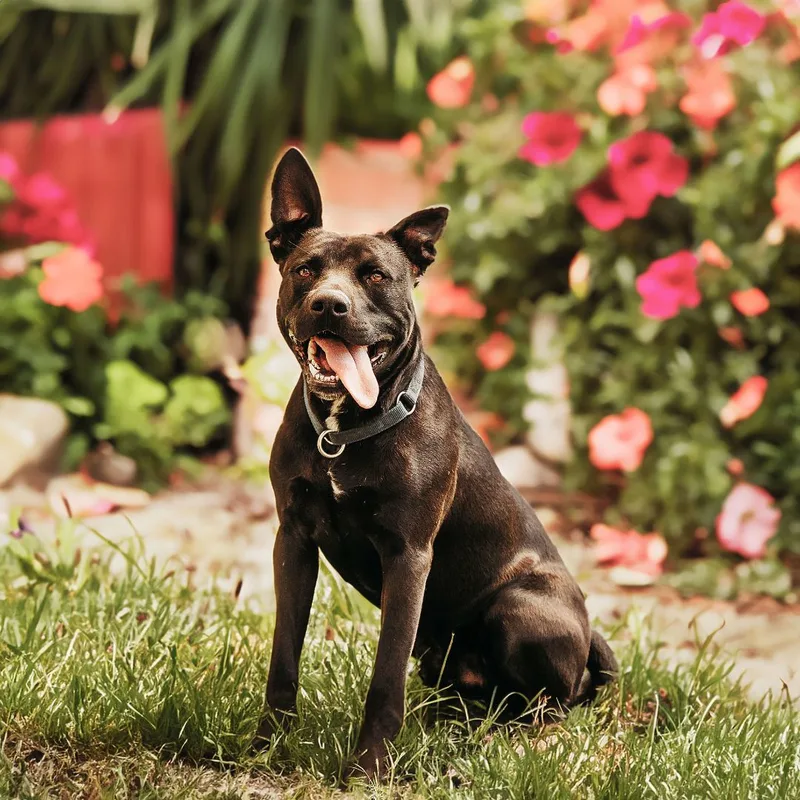
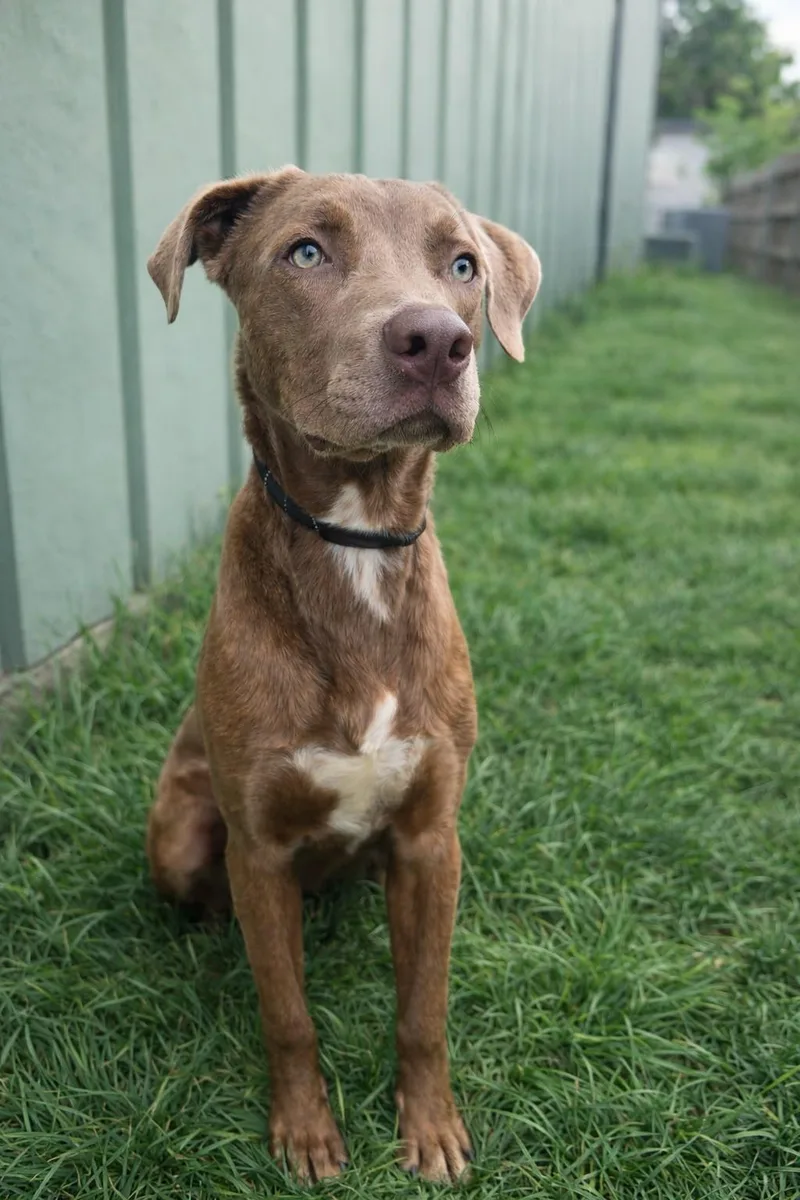
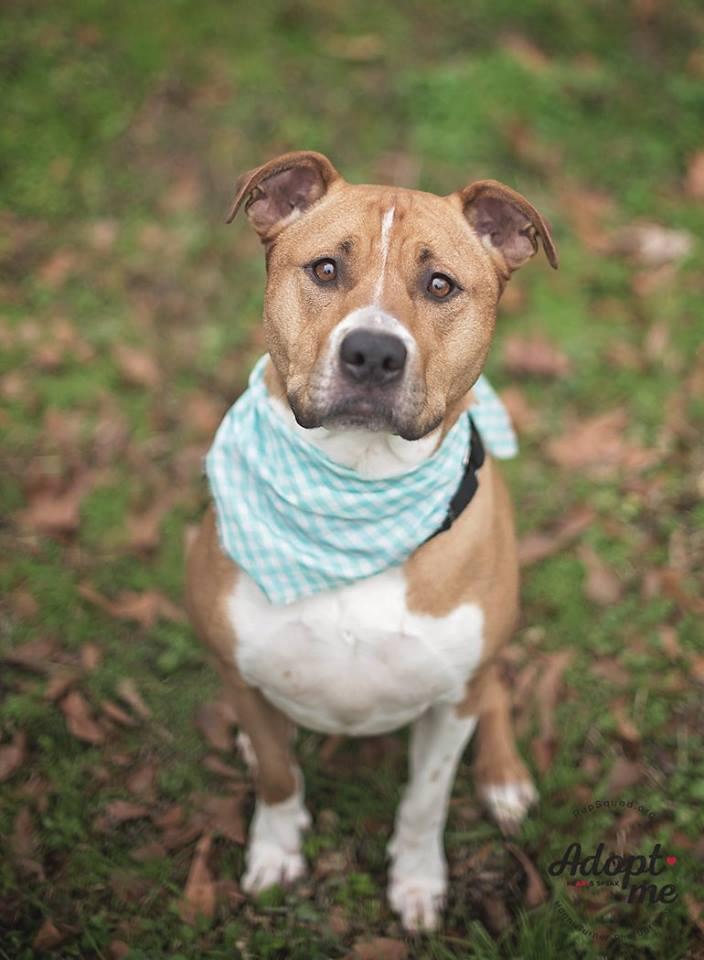
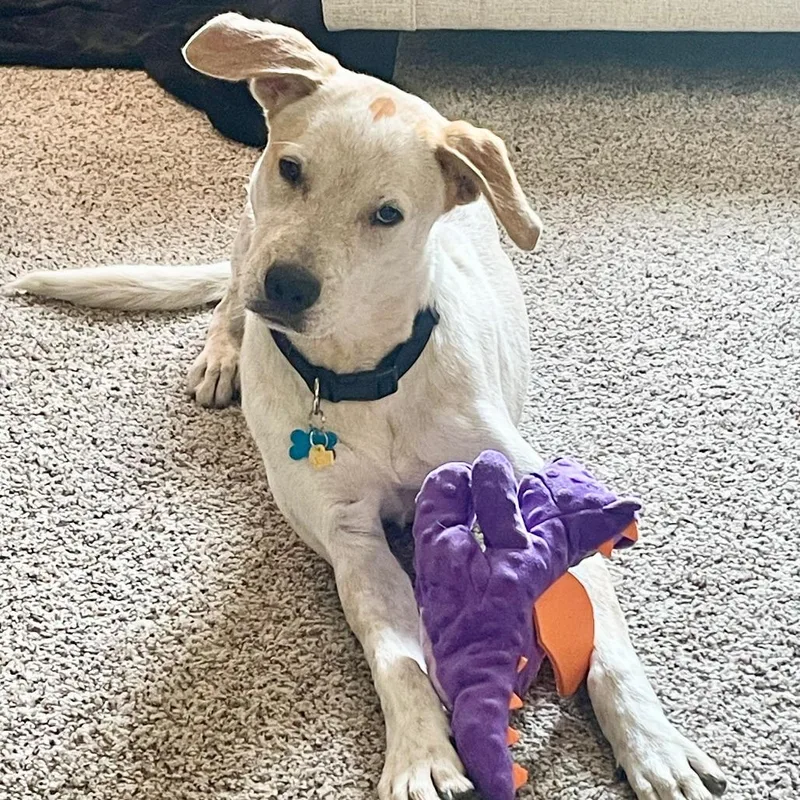
Black Labrador Retriever Dogs for Adoption in Houston, TX

Your guide to finding and caring for a Black Labrador Retriever in Houston

A black Lab fits comfortably in Houston's older bungalow neighborhoods, especially ones near a big dog run. In Oak Forest, T.C. Jester Dog Park has a 31,000-square-foot run for large dogs, plenty of room for a young Lab to burn off fetch energy, and Heights bungalow lots often have yards too. The dark coat soaks up Houston sun, so plan walks for early morning or after sundown. Most Labs want company and a daily job, so they're happiest with people who are home a fair amount.

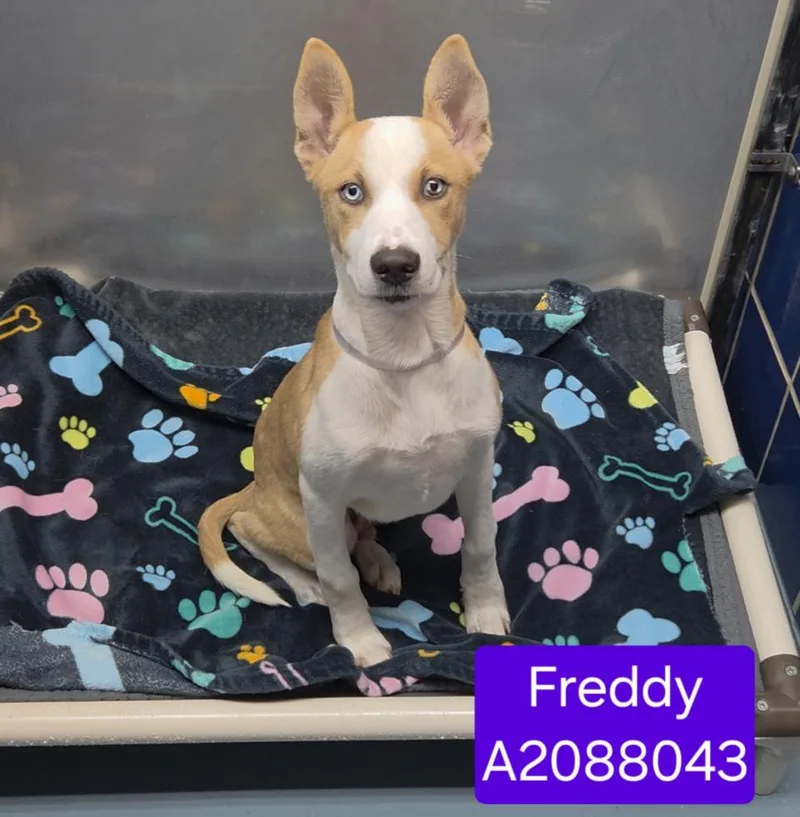
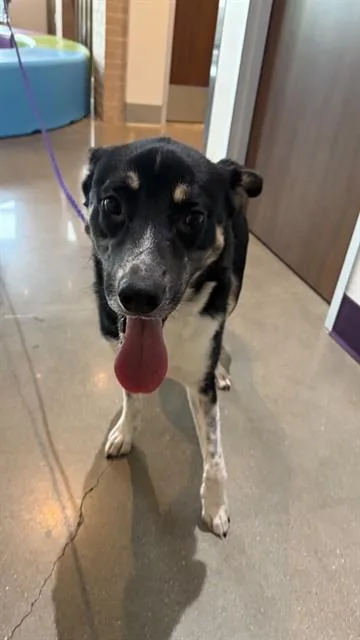
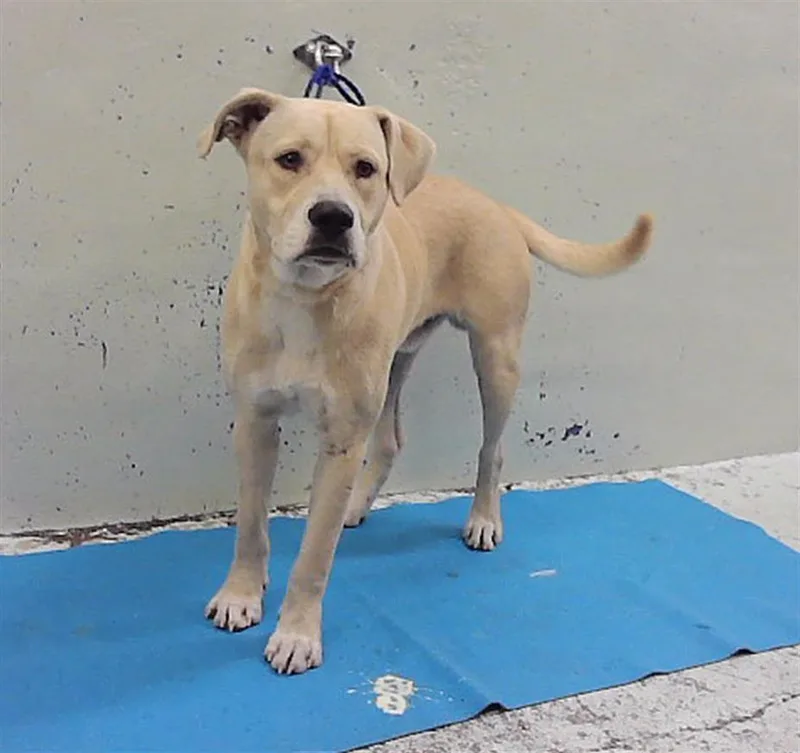
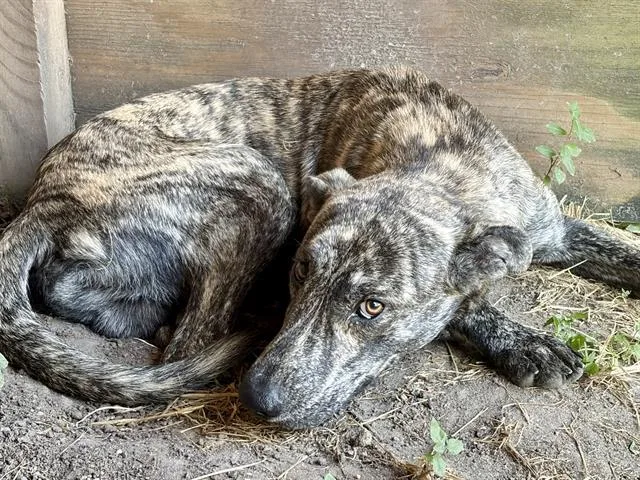
35 Black Labrador Retrievers available for adoption in Houston

Find your Black Labrador Retriever

Black Labrador Retrievers Available for Adoption in Houston

About the Black Labrador Retriever breed

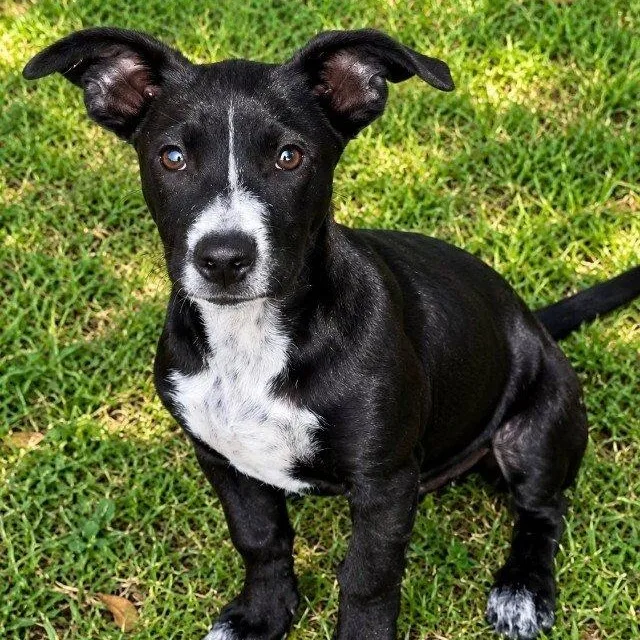
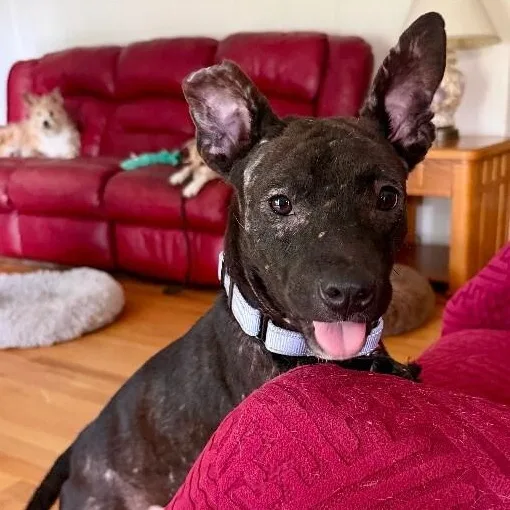
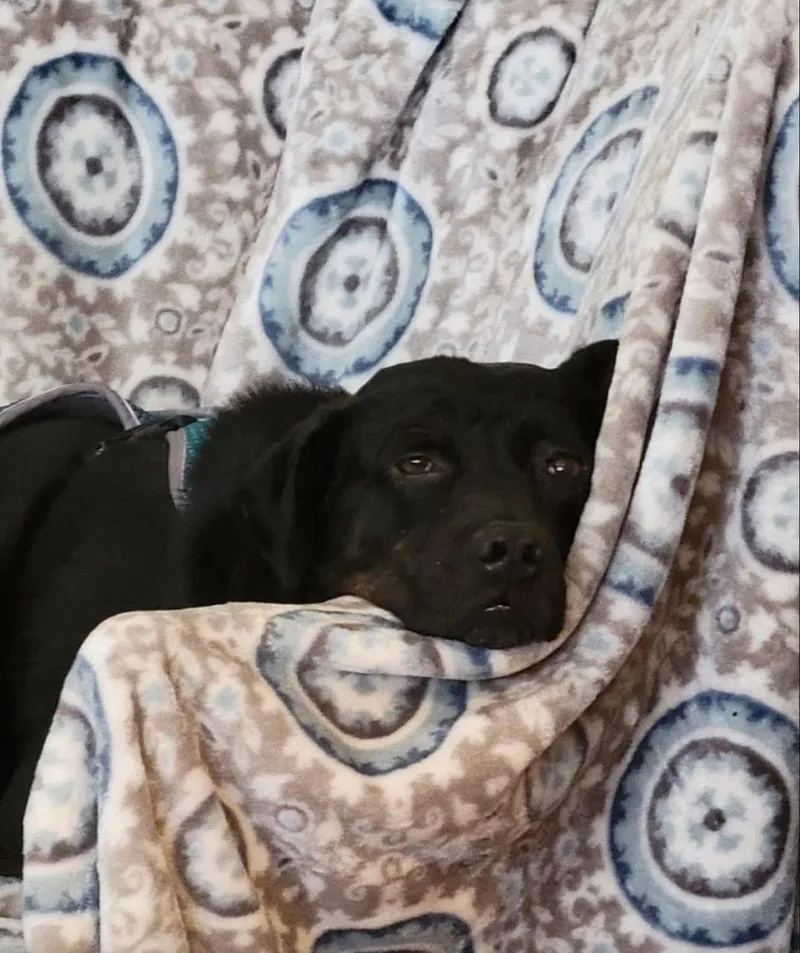
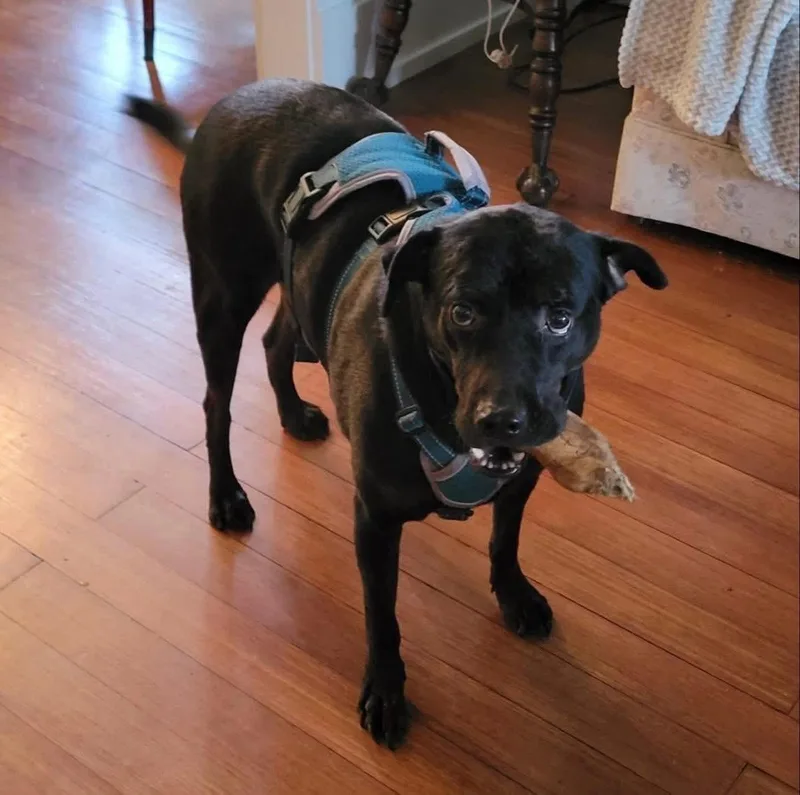
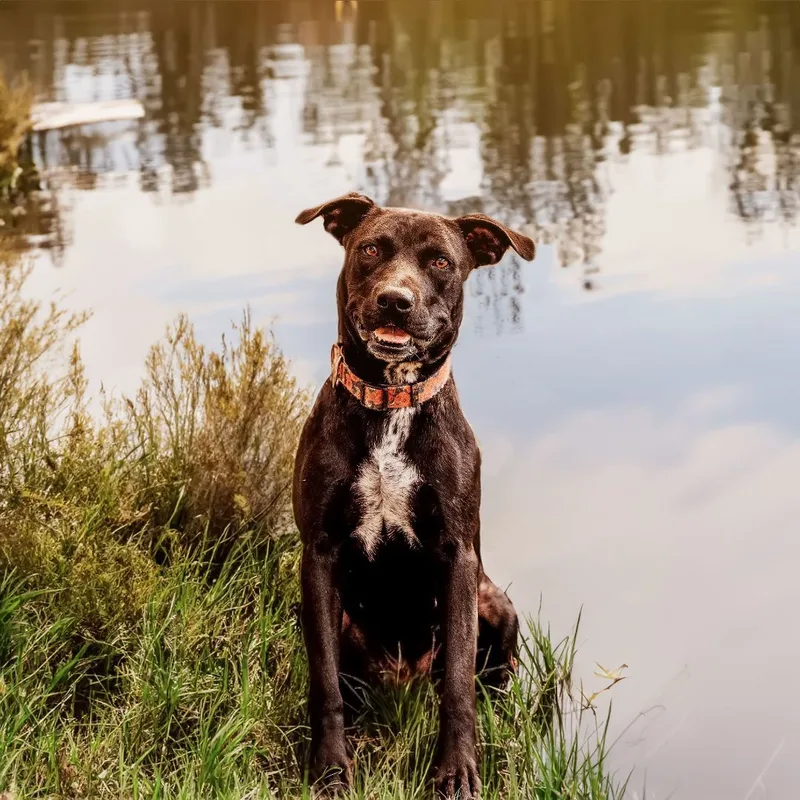
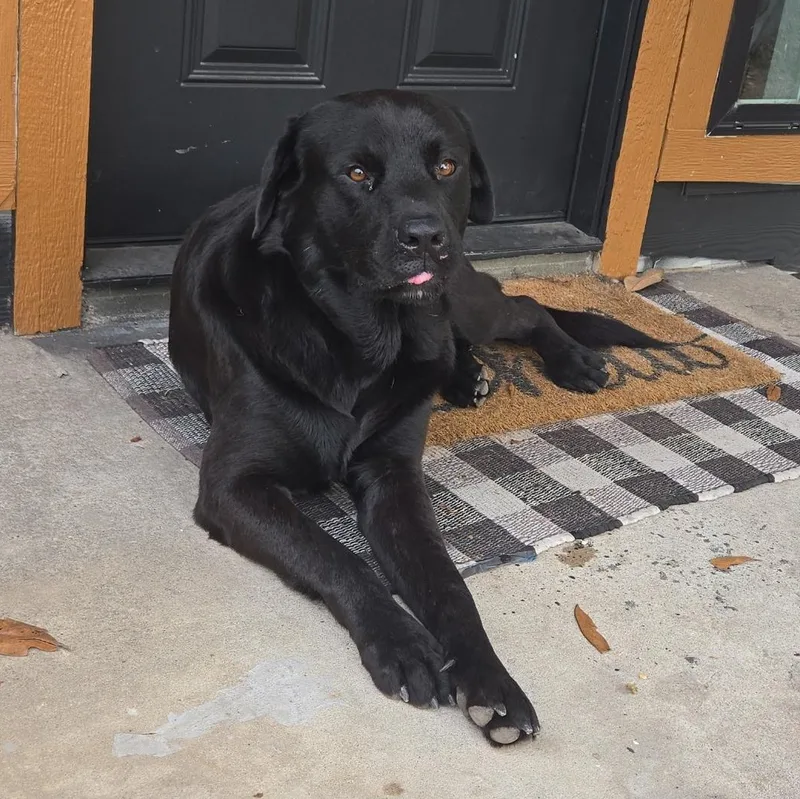
The black Lab is the Labrador Retriever in its original and most familiar color, not a separate breed. Labs descend from the St. John's water dogs of Newfoundland and were refined in Britain as gun dogs, which explains the otter tail, broad head and dense, water-resistant double coat. Some have a small white chest spot, and the muzzle grays with age.

In Houston, that thick coat and heavy build mean a black Lab sheds steadily and feels the heat quickly, so brushing and shade matter. Personality comes from the dog, not the color: most are friendly and food-motivated, while field-bred dogs tend to be leaner and more driven than show-bred ones. Expect a slow-maturing, bouncy adolescence, consistent training and careful portions.

Weight
55–80 lbs
Height
21–25 in
Lifespan
10–14 yrs
Temperament
Friendly, Outgoing, Active
Group
Sporting
Shedding
Moderate to High

Owning a Black Labrador Retriever in Houston

Having a Black Labrador Retriever in Houston

Black Labs pair a sociable outlook with real stamina, so Houston owners should plan around daily exercise, a hearty appetite and shedding. Age and drive vary from dog to dog, and long, hot afternoons call for indoor time.

Temperament

Black Labs tend to be outgoing and affectionate, which suits Houston's busy sidewalks, patios and dog-park crowds. Young dogs can be mouthy and boisterous, and their love of food makes reward-based training work well. A dog's history and socialization matter more than coat color, so notice how a Lab handles new people and noise.

Exercise Needs

Most grown Labs need vigorous daily exercise. In Houston that means early or late leashed walks, plus off-leash time at a City dog park such as Fonde Park, which has agility equipment, or Lawndale, which connects to the Brays Bayou trail. Near bayous and lakes, keep a short leash and stay away from the water's edge, since alligators can live there.

Health Considerations

Labs can develop hip and elbow dysplasia, cruciate tears, exercise-induced collapse, ear infections and skin allergies, and many gain weight easily. In Houston, mosquitoes make year-round heartworm prevention a standard part of care, and warm, humid weather can aggravate ear trouble. A veterinarian can check hips, elbows and weight at regular visits.

Living Space

A black Lab can do well in a Houston house or apartment when exercise needs are met. A fenced yard helps but doesn't replace walks. Dark coats absorb heat, so a Lab needs shade, water and air-conditioned indoor time, and shouldn't be left outside through a Houston afternoon. Expect shed hair and a sweeping tail.

What it costs to own a Black Labrador Retriever in Houston

ExpenseTypical costPer year
Adoption fee$100 to $650, one time$100 to $650 in year one
Food$55 to $110 per month$660 to $1,320
Pet insurance$65 to $130 per month$780 to $1,560
Routine vet care$250 to $500 per year$250 to $500
Other*$595 to $1,470 per year$595 to $1,470
Estimated yearly total (after year one)$2,285 to $4,850
First-year total (with adoption fee)$2,385 to $5,500

Adoption fee is the range of fees on Black Labrador Retriever listings in Houston on GetBuddy today. Other costs are estimates and vary with size, age and health.

* The $20 Houston registration for a spayed or neutered dog, flea, tick and heartworm prevention, a dental cleaning allowance, toys and bedding, and brushing and baths for shedding.

Adopt a Black Labrador Retriever in Houston.

Now that you know more, let’s find you a new best friend. These rescues and shelters below currently have Black Labrador Retrievers available.

Rescues in Houston with Black Labrador Retrievers Available

Houston's city shelter, county shelter and many nonprofit rescue partners all work to place dogs in new homes. Here are the rescues & shelters in the Houston area where you can find Black Labrador Retrievers and other dogs available for adoption.

Frequently Asked Questions

Yes, you can own a Black Labrador Retriever in Houston, since the city has no breed bans and Texas law bars breed-specific dangerous-dog rules. Register your dog with the City once it's four months old, with a current rabies certificate, proof of spay/neuter and a microchip. Registration for an altered dog is $20 a year.

Yes, a Black Lab can handle a Houston summer with planning. The dark, dense coat soaks up heat, so walk at dawn or after dark, keep water and shade available, and give the dog air-conditioned indoor time. Heavy panting, glazed eyes or stumbling mean it's time to cool the dog down and get to a veterinarian.

Yes, a Black Lab can live in a Houston apartment if daily exercise is covered. Expect lease limits on size or breed, since Texas landlords set their own pet rules and fees. Plan for several outings a day, and use food puzzles and fetch indoors on hot afternoons when sidewalks are too warm for a long walk.

Buffalo Bayou Park's 160 acres suit long leashed walks, though swimming isn't allowed there, and Memorial Park's roughly 1,500 acres also require a leash. Fonde Park in the East End has agility equipment and a large off-leash area. Buffalo Bayou's Johnny Steele Dog Park is temporarily closed after storm damage.

A black Lab needs brushing about once a week, and daily during heavy shedding, plus a bath every month or two. In a warm climate like Houston's, dogs can shed steadily rather than in two big seasons, so keep a brush handy. Grooming sits within the roughly $595 to $1,470 yearly Other costs, alongside parasite prevention and dental care.

Only in a carrier, which rules out most adult Black Labs. METRO buses and METRORail allow pets only when they're restrained in an animal carrier at all times, while service animals ride under their handler's control. METRO sets no size limit, but a 55-to-80-pound Lab won't fit, so plan on car travel.

Only to patios that choose to allow dogs. Texas law lets restaurants admit leashed dogs to outdoor dining areas if a sign is posted, the dog reaches the patio directly from outside, and stays off seats and tables. Pet dogs can't go indoors. A Lab that settles under the table makes patio visits easier.

A Black Lab fits Houston if you can manage the heat and give daily exercise. The city's dog parks, bayou trails and yards suit an active dog, while the long hot season and hurricane months call for planning. Keep an ID collar, carrier and vaccination records ready, and bring the dog inside well before a storm.

We have 17 rescues with Black Labrador Retrievers available, including Waiting Under the Willow Foundation / WUWF Rescue, Santo's Sanctuary and Rescue, Inc. and Sunnyside Street Dogs. You can see every rescue with Black Labrador Retrievers available in the list above these questions, or scroll to the top to see the Black Labrador Retrievers in Houston.

A black Lab in Houston typically costs about $2,300 to $4,900 a year. That covers food at $55 to $110 a month, insurance at $65 to $130 a month, routine vet care at $250 to $500 a year, and other costs of roughly $595 to $1,470 a year. A Lab's appetite makes portion control worthwhile.