
Japanese Chin Dogs for Adoption in Dallas, TX

Your guide to finding and caring for a Japanese Chin in Dallas

A Japanese Chin fits a Lakewood duplex or a Lower Greenville apartment comfortably. They're small, quiet and happy with a couple of short walks, so a few blocks near White Rock Lake is plenty. What they can't handle is a Dallas summer, since that flat face makes panting a poor cooling system. Think air conditioning first and square footage second. They're best with adults or calm households who are home often.

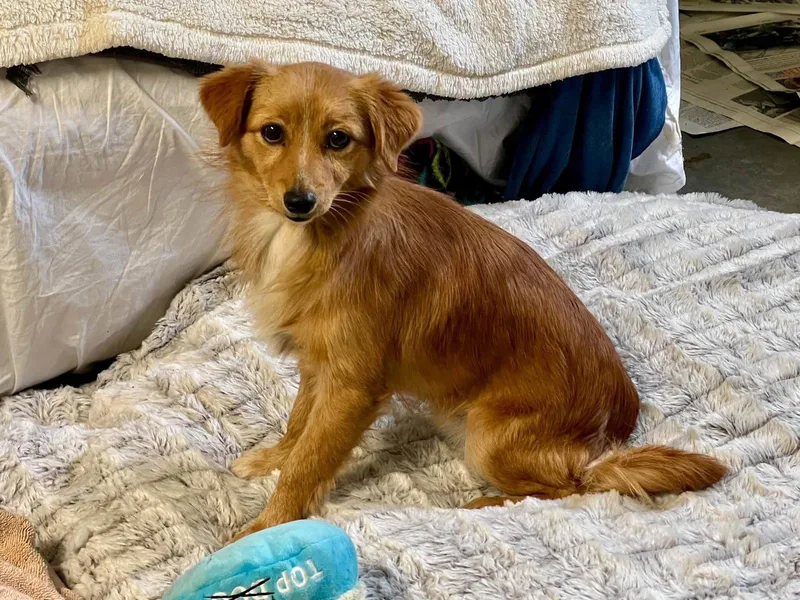
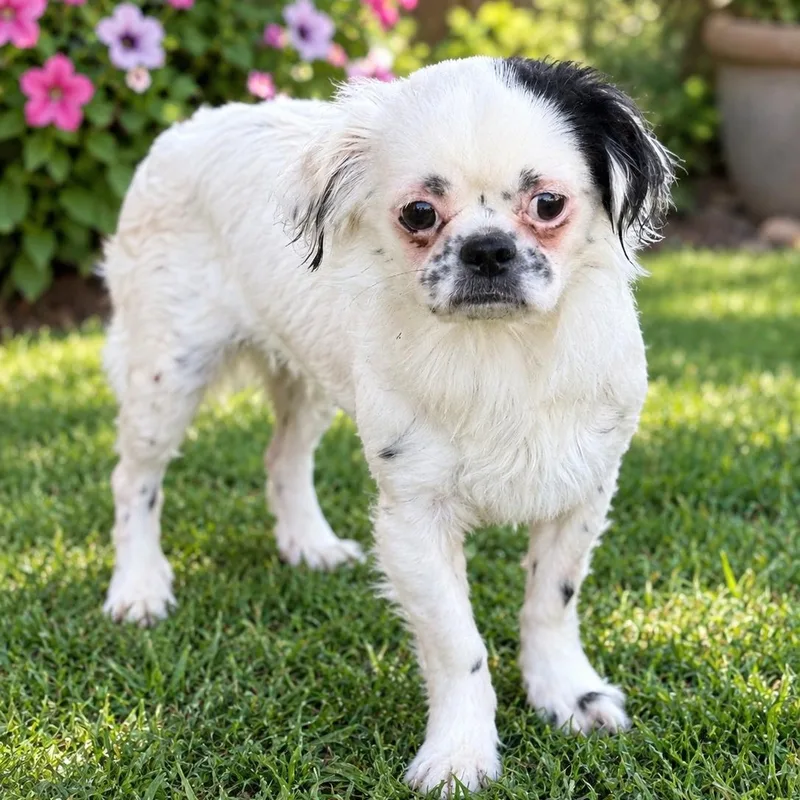
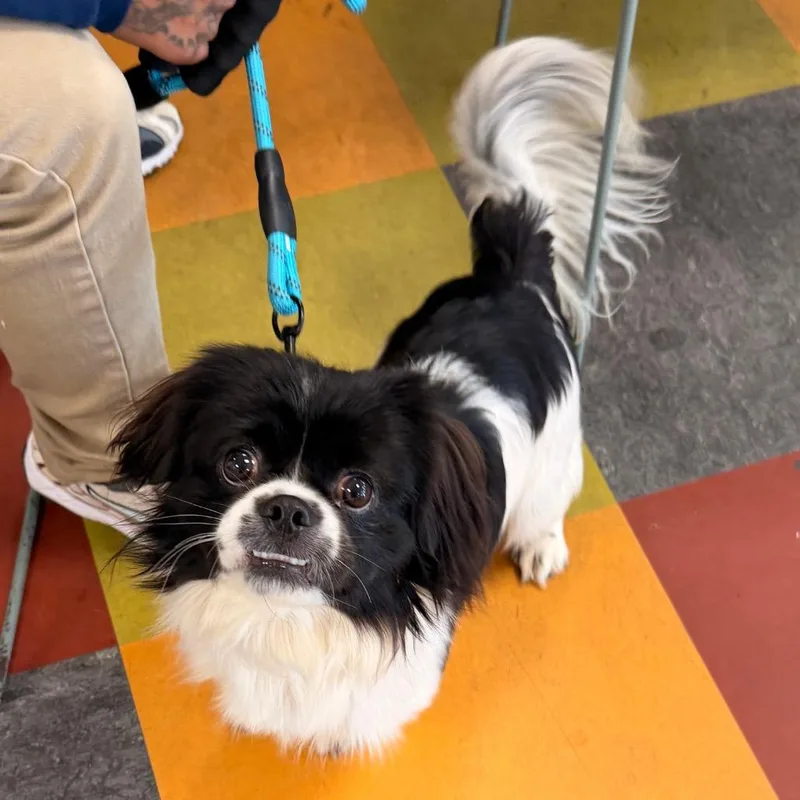
12 Japanese Chins available in Dallas and nationwide

Fall for a Japanese Chin

While we don't have enough dogs near Dallas, keep in mind that many rescues may offer transport.

Japanese Chins Available for Adoption Near Dallas

About the Japanese Chin breed

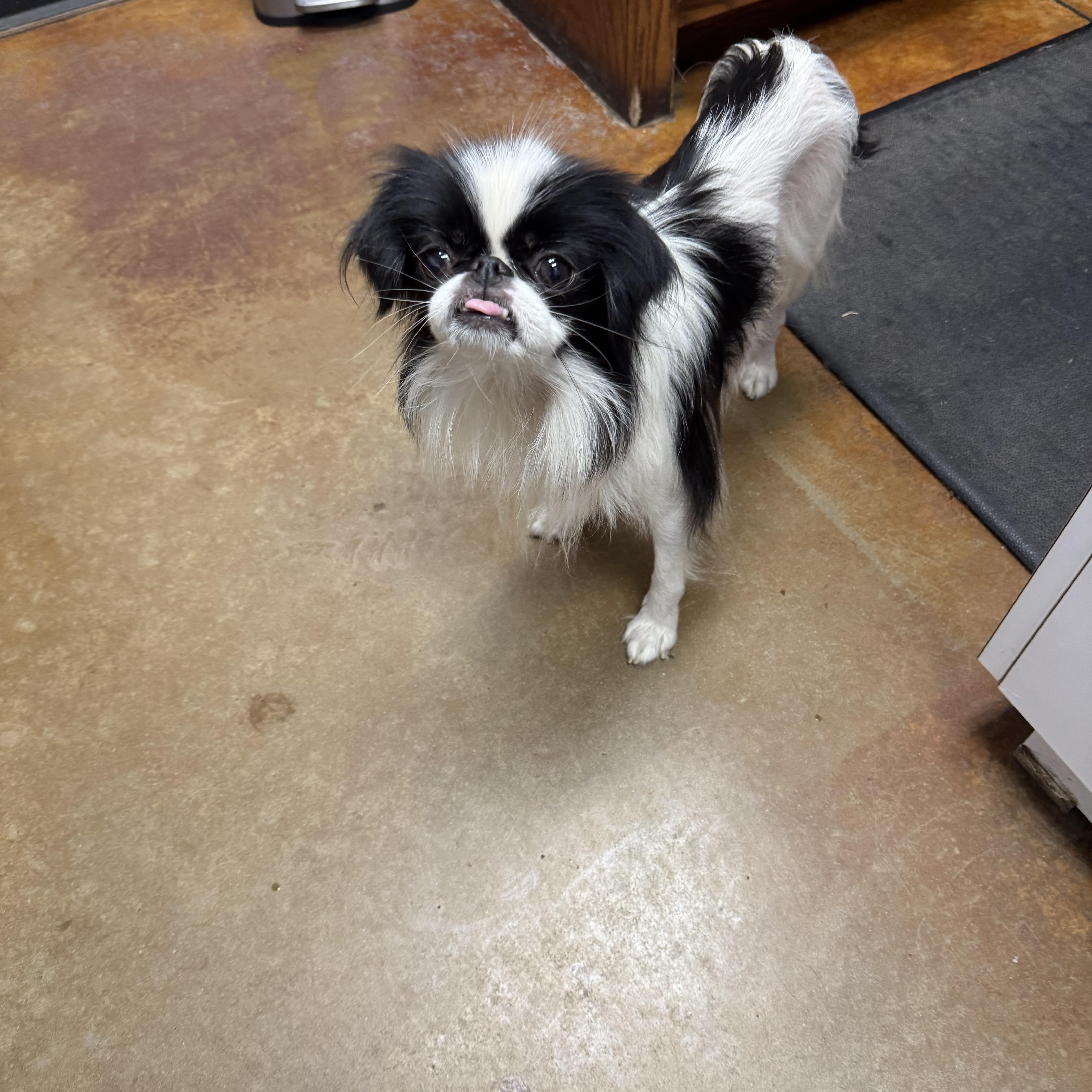
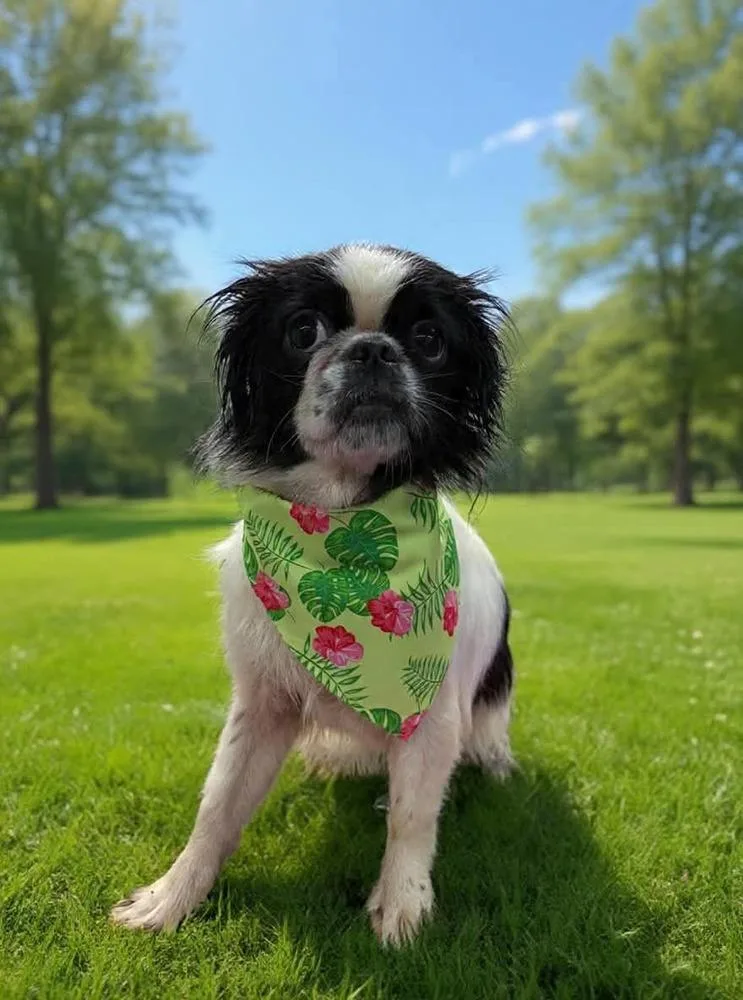
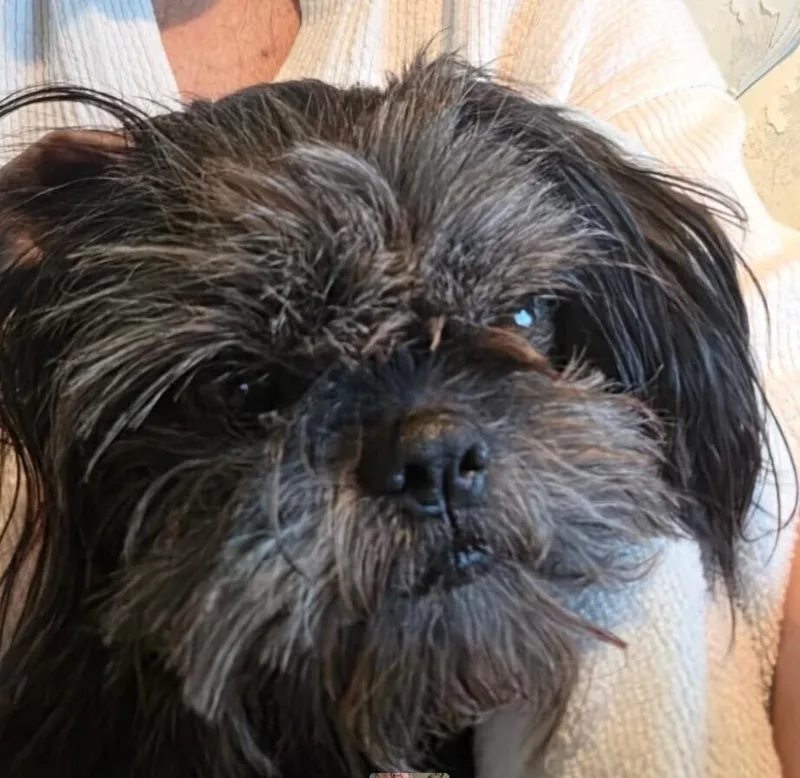
The Japanese Chin is a toy breed with a long history as a pure companion. Its ancestors most likely came from China and were kept for centuries by Japan's nobility before reaching Europe and America. Adults weigh about 7 to 11 pounds, with a large round head, wide-set dark eyes, a very short muzzle and a silky single coat in black and white, red and white, or tricolor.

Many Chins are described as cat-like: tidy, graceful, fond of high perches and inclined to watch before joining in. They tend to be affectionate and fairly quiet, though some are reserved with strangers, and each dog varies. In Dallas, that suits a calm home with a favorite windowsill, as long as the air conditioning is reliable and walks are gentle.

Weight
7–11 lbs
Height
8–11 in
Lifespan
10–14 yrs
Temperament
Charming, Affectionate, Quiet
Group
Toy
Shedding
Moderate

Owning a Japanese Chin in Dallas

Having a Japanese Chin in Dallas

Chins are small, light-boned and low on space needs, but the short face and delicate frame shape daily care. In Dallas, that mostly means managing heat, protecting knees and teeth, and choosing a calm home where gentle handling comes naturally.

Temperament

Chins tend to be affectionate, attentive to their people and playful in short bursts, though many stay polite but reserved with strangers. They usually prefer calm homes and dislike rough handling. Some are stubborn or anxious when left alone, which is worth planning for in a shared-wall Dallas building. Each Chin's personality differs from breed reputation.

Exercise Needs

Most Chins need only short daily walks and some indoor play. In Dallas, keep walks brief and shift them to early morning or evening for much of the year, since heat and humidity strain a flat-faced dog. Puzzle toys and gentle training sessions add mental exercise indoors. Keep a Chin on leash outside fenced areas.

Health Considerations

Chins can develop luxating kneecaps, cataracts, early heart murmurs, dental disease and breathing trouble tied to the short muzzle. Heat stroke is the biggest Dallas concern, and heartworm prevention matters in Texas. Have a veterinarian check an adopted Chin's heart, teeth and knees, then keep up regular checkups.

Living Space

A Chin fits a Dallas apartment, duplex or house equally well, because it needs little room. Dependable air conditioning matters more than square footage. Ramps or steps protect knees around furniture, and homes with toddlers or large, boisterous dogs need careful supervision, since a Chin is easily hurt.

What it costs to own a Japanese Chin in Dallas

ExpenseTypical costPer year
Food$15 to $35 per month$180 to $420
Pet insurance$35 to $70 per month$420 to $840
Routine vet care$200 to $400 per year$200 to $400
Other*$475 to $1,200 per year$475 to $1,200
Estimated yearly total (after year one)$1,275 to $2,860

Other costs are estimates and vary with size, age and health.

* Flea, tick and heartworm prevention, a dental cleaning allowance for a toy breed prone to dental disease, toys and bedding, and at-home brushing; Dallas requires a microchip rather than a dog license.

Adopt a Japanese Chin in Dallas.

Now that you know more, let’s find you a new best friend. These rescues and shelters below currently have Japanese Chins available.

Rescues in Dallas with Japanese Chins Available

Dallas has a city shelter and several nonprofit rescues, and their listings change often. Here are the rescues & shelters in the Dallas area where you can find Japanese Chins and other dogs available for adoption.

Frequently Asked Questions

A Chin can live through Dallas summers as an indoor dog with air conditioning, but it can't spend long outside. Short-faced dogs cool poorly by panting, and humidity makes that worse. Keep outings to brief early or late walks, offer water and shade, and get to a vet right away for heavy panting, lethargy or a deep red tongue.

Yes, a Japanese Chin suits apartment living in Dallas well. It's small, usually quiet and content with short walks and indoor play. Check your lease for pet rules and deposits before applying, make sure the unit's air conditioning is dependable, and plan potty breaks around the heat. Ramps or steps to the couch protect delicate knees.

Yes, Dallas has no breed-specific rules, so a Chin's size and breed are no barrier. Beyond the microchip and rabies vaccine, dogs over six months must be spayed or neutered unless a veterinarian certifies an exemption. Texas law also bars chaining dogs outdoors, which suits a house-dog breed like the Chin anyway.

Try the small-dog paddock at Crockett Dog Park in Old East Dallas or the fenced dog park at Lakeland Hills Park. For leashed walks, the paved 3.3-mile loop at Bachman Lake and the White Rock Lake trails work well in cooler hours. Chins shouldn't go off leash outside fenced areas, and dog parks require rabies tags.

Yes, in a carrier. DART allows non-service animals on its buses and trains when they're in a securely latched cage or container, and a Chin's small size makes that practical. Service animals ride without one. Check current fares with DART, and confirm pet rules separately for the M-Line trolley and Dallas Streetcar before boarding.

Yes, Japanese Chins shed, though usually less than double-coated breeds. Their silky single coat drops hair steadily, with heavier shedding seasonally and after hormonal changes, especially in unspayed females. Brushing once or twice a week keeps loose hair from matting behind the ears and on the feathering. A dull or thinning coat is worth mentioning to your veterinarian.

A Japanese Chin is a small toy companion dog with a large round head, wide-set dark eyes, a short muzzle and a silky, feathered coat. The breed was kept for centuries by Japanese nobility as a lap dog. Many Chins are affectionate, quiet and cat-like in their habits, and they suit calm homes that can protect them from heat.

Japanese Chins typically live about 10 to 14 years, and the breed club notes that some reach 15 or older. A 2024 UK study estimated their life expectancy at around 12.5 years. Good dental care, lean body weight, protection from heat and early attention to heart murmurs all help a Chin stay healthy longer.

We have 1 rescue with Japanese Chins available: Cody's Friends Rescue. You can see every rescue with Japanese Chins available in the list above these questions, or scroll to the top to see the Japanese Chins near Dallas.

Expect roughly $1,275 to $2,860 a year for a Chin in Dallas. That covers food at $15 to $35 a month, insurance at $35 to $70 a month, routine vet care at $200 to $400 a year, and other costs at $475 to $1,200 a year, mostly dental care and parasite prevention.