Black Russian Terrier Dogs for Adoption in Nashville, TN

Your guide to finding and caring for a Black Russian Terrier in Nashville

A Black Russian Terrier suits Nashville best in a house with a fenced yard, and Donelson's brick ranch homes are the kind of setting where one can thrive. These are big, watchful dogs that bond closely with their family, so they do well with owners who are home often and enjoy training. Two Rivers Dog Park on McGavock Pike is the city's largest, which helps a dog this size. Nashville's humid summers are hard on that thick black coat, so plan on air conditioning.

2696 dogs similar to Black Russian Terrier available in Nashville and nationwide

Find your Black Russian Terrier

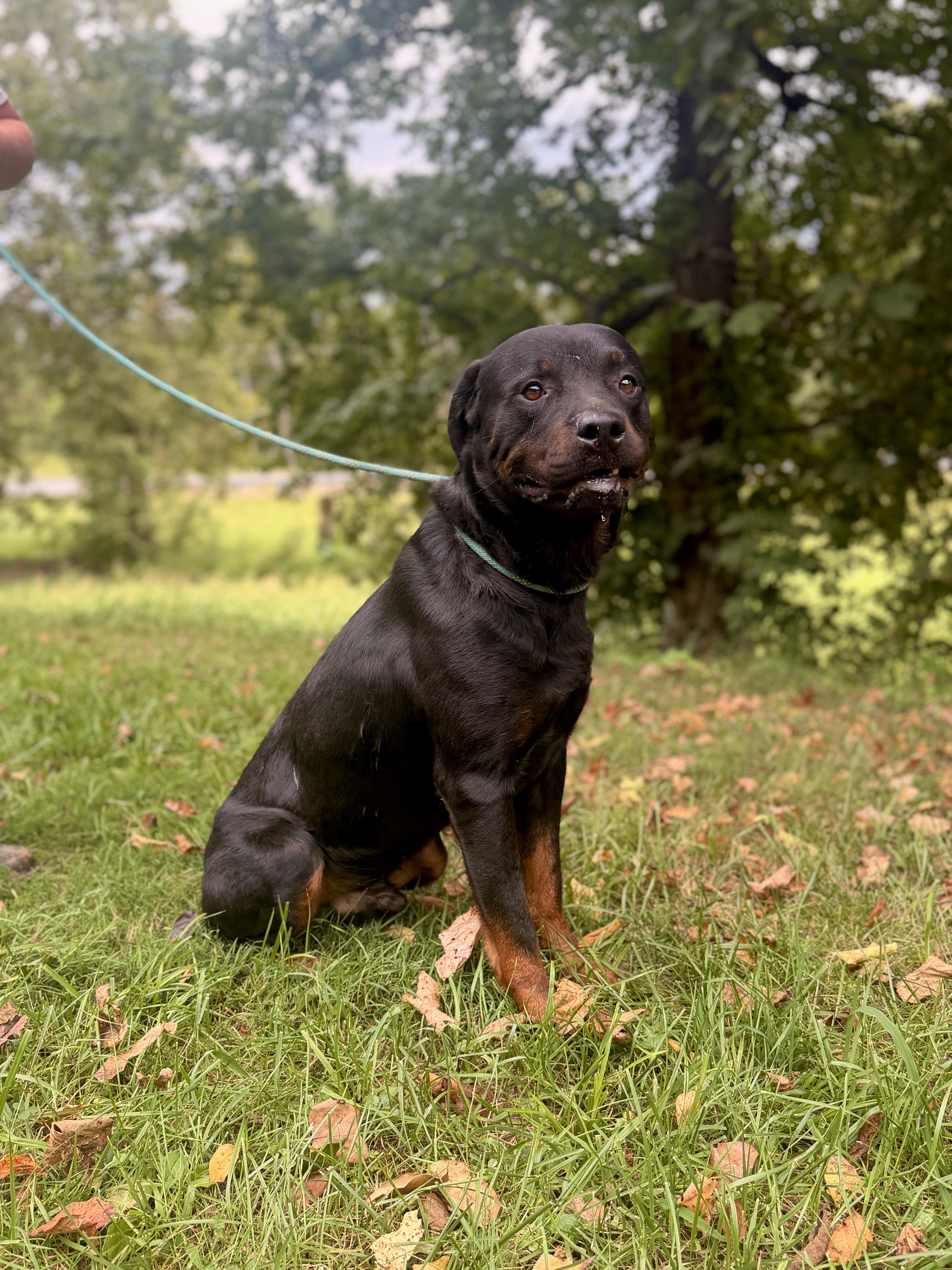
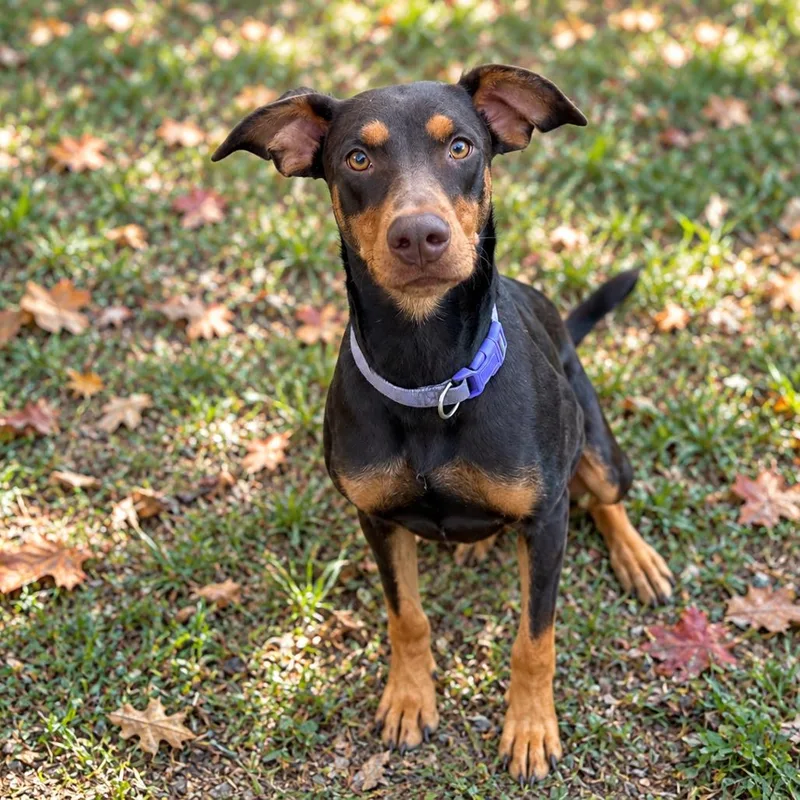
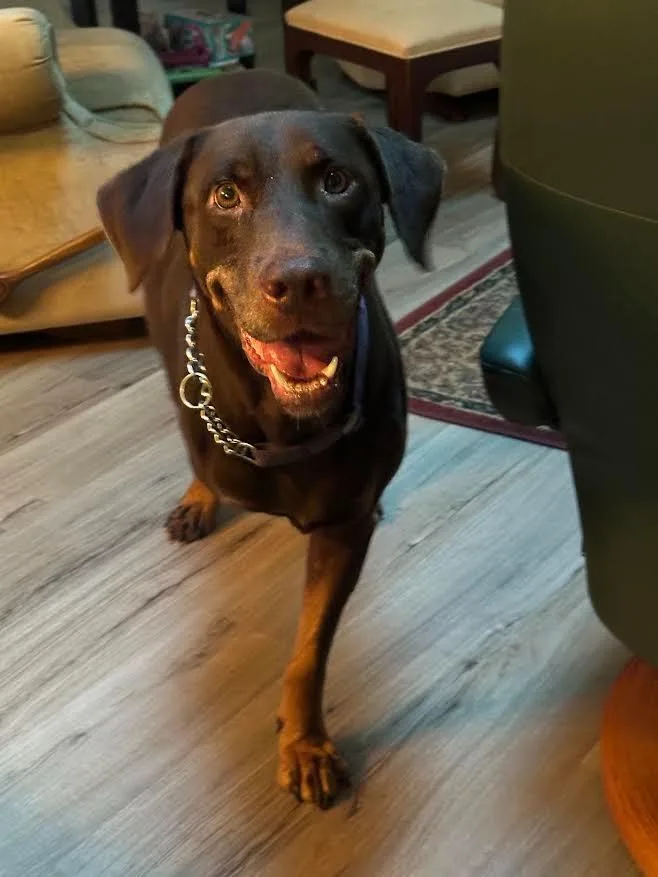
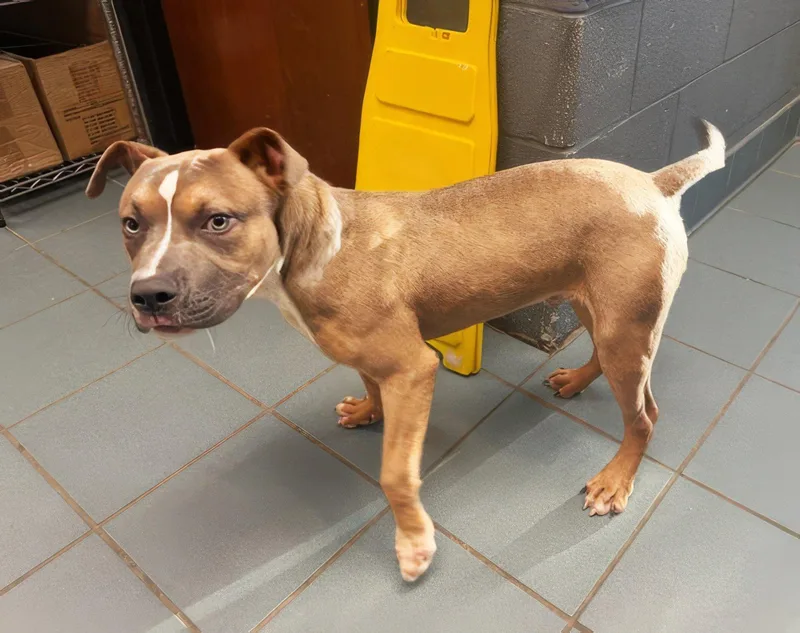
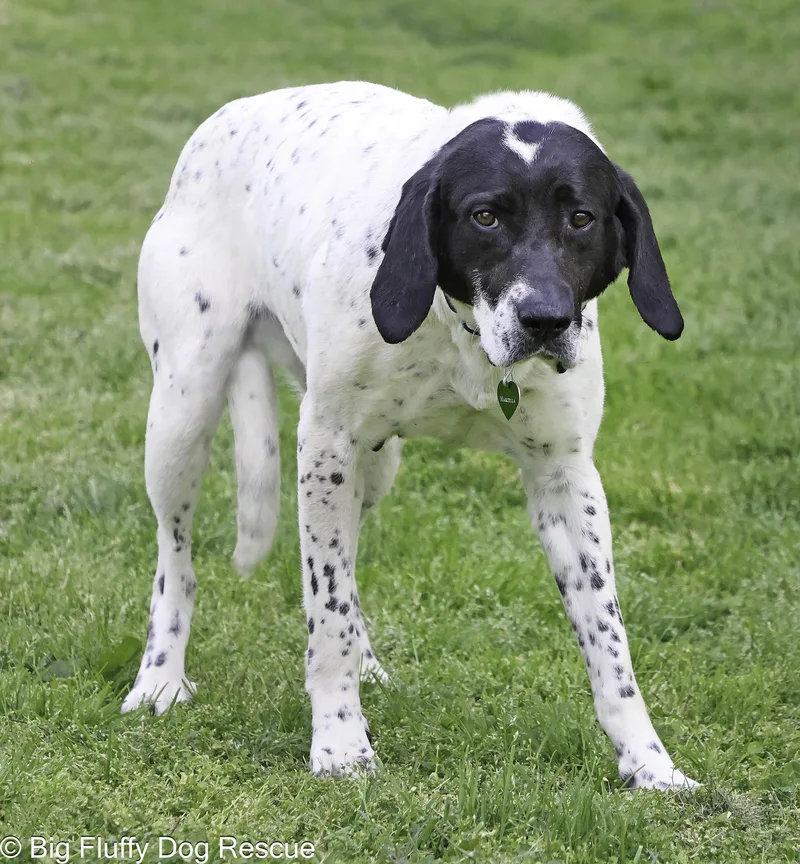
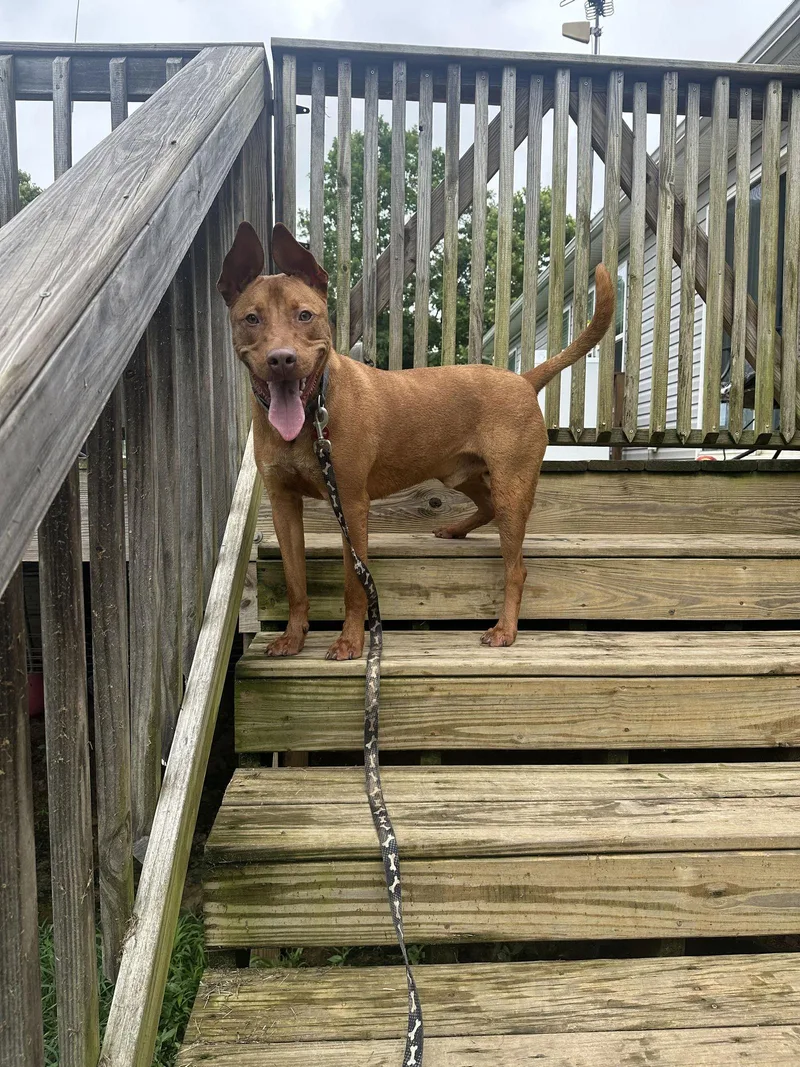
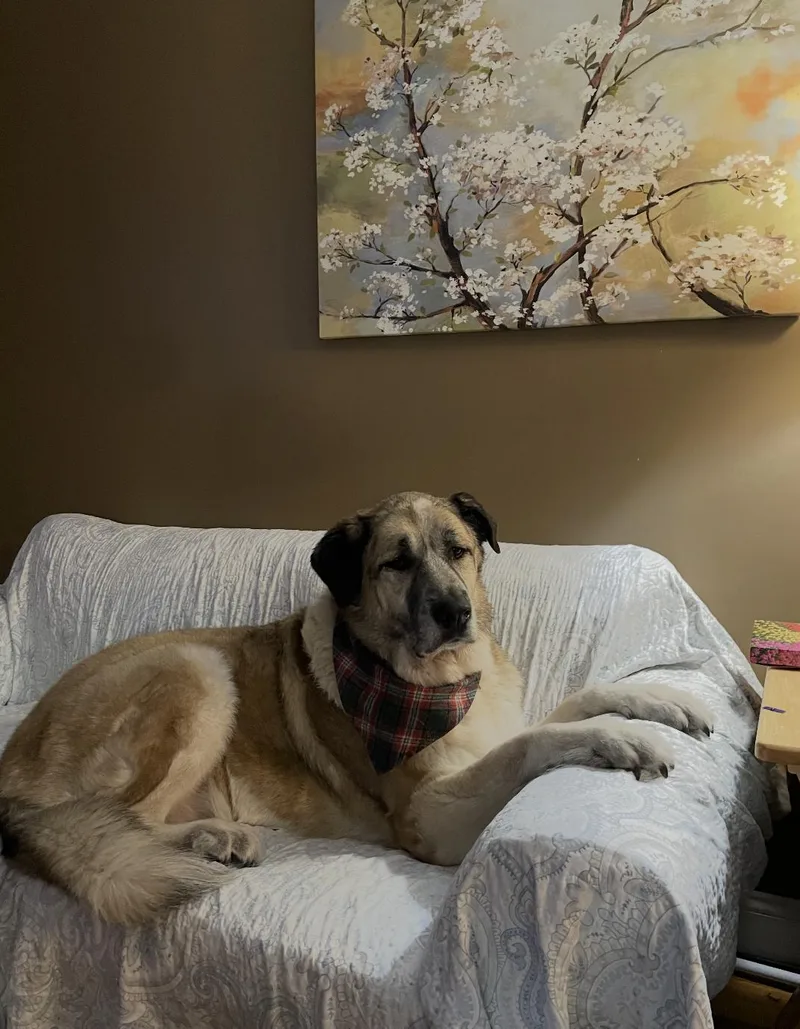
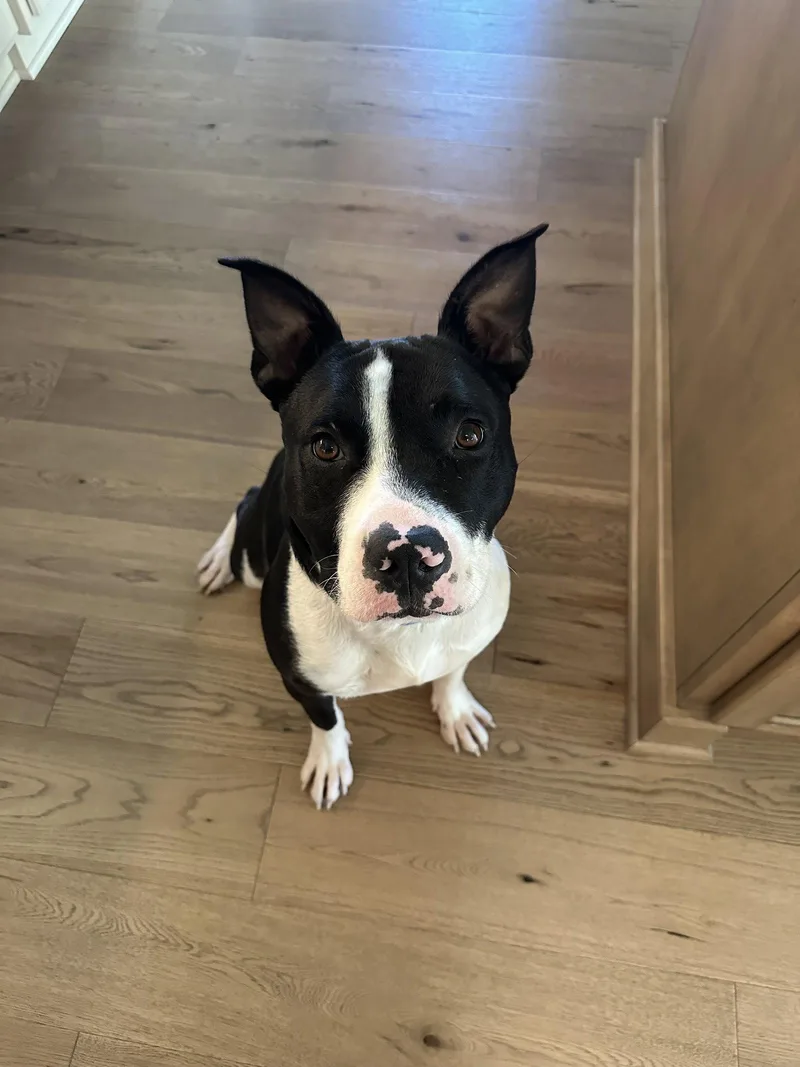
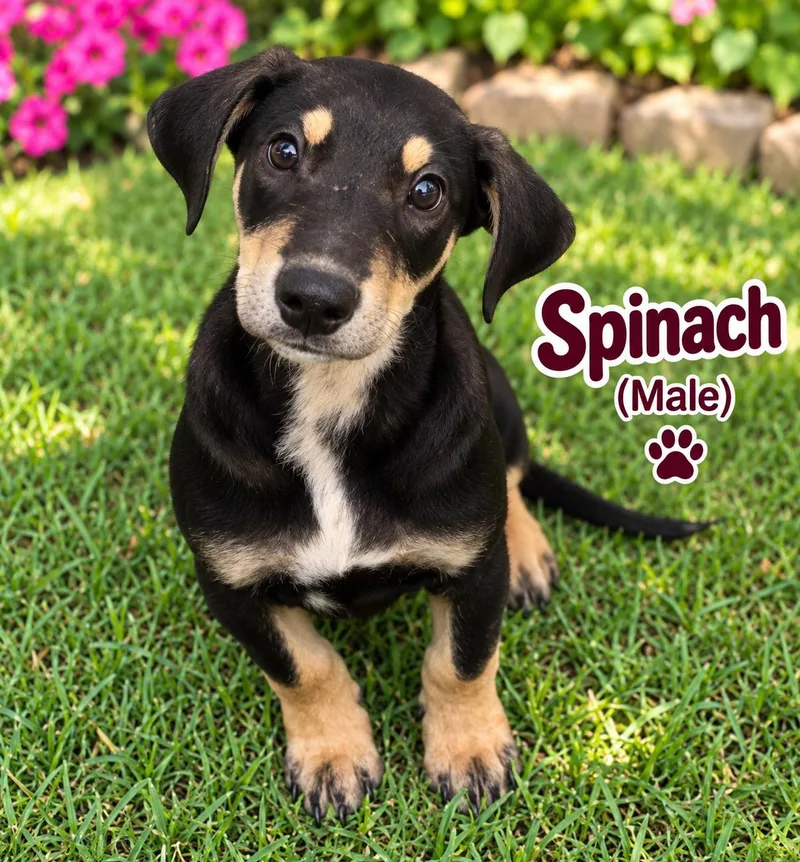
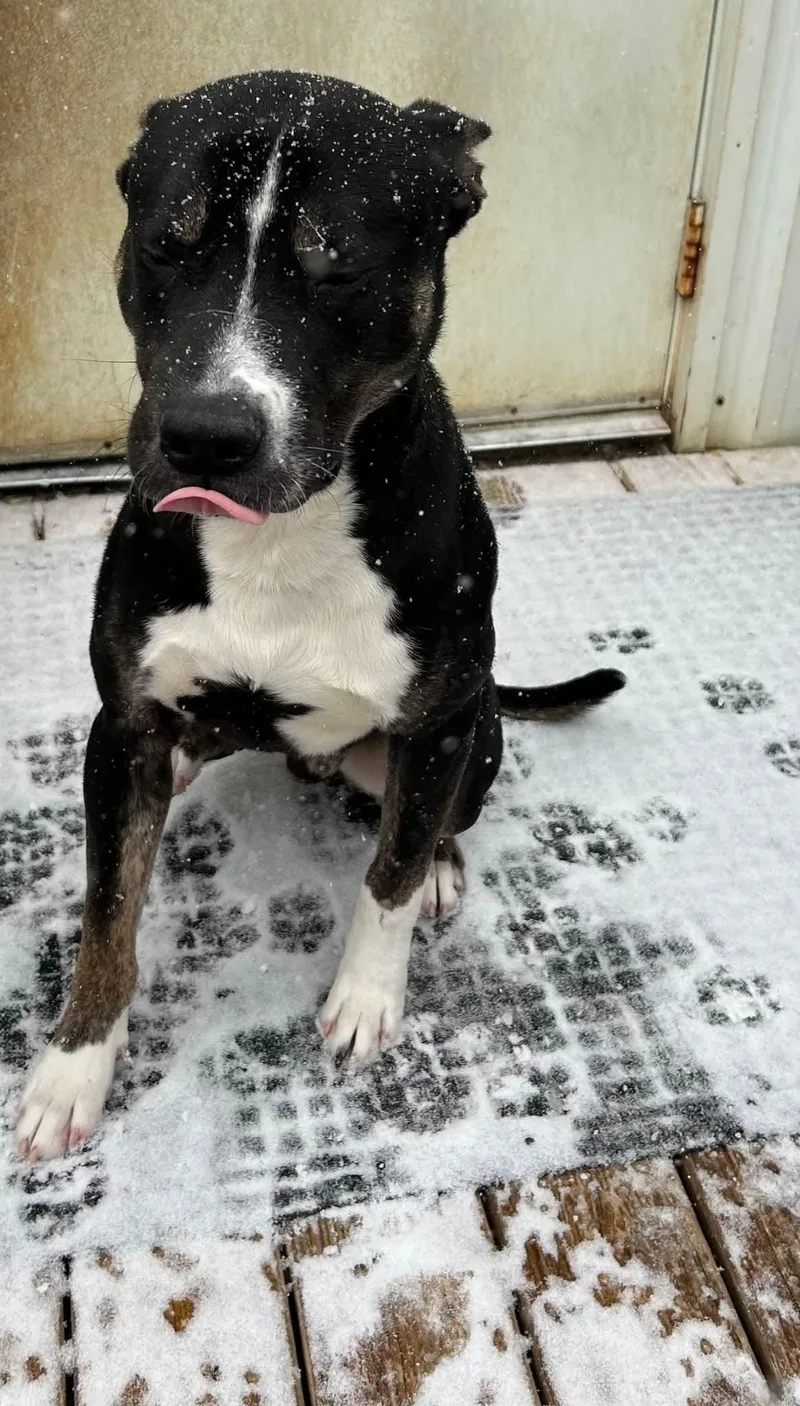
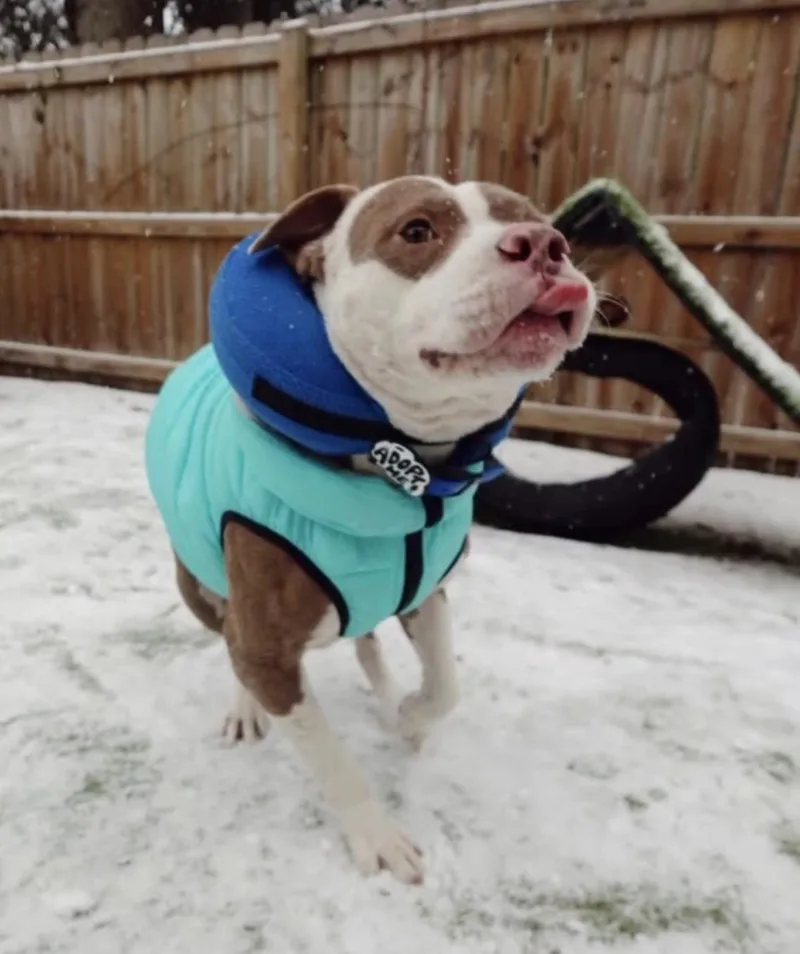
Black Russian Terriers and Similar Breeds Available for Adoption Near Nashville

About the Black Russian Terrier breed

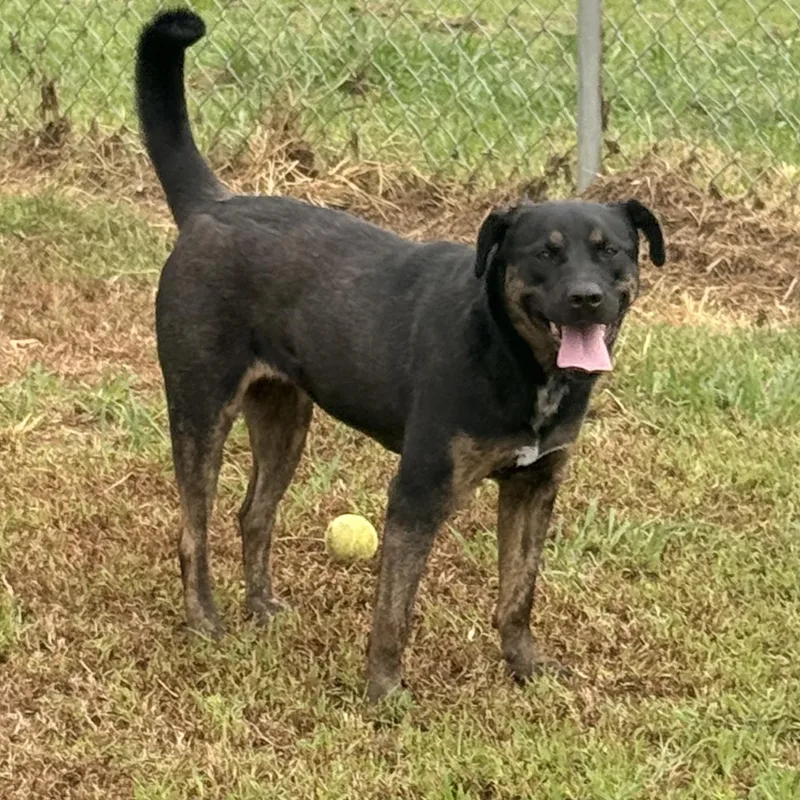
Despite the name, the Black Russian Terrier isn't a true terrier. It was developed in the late 1940s and 1950s at the Soviet Army's Red Star Kennel as a large, hardy working dog, drawing on about 17 breeds including the Giant Schnauzer, Airedale, Rottweiler and Newfoundland. The AKC added it to the Working Group in 2004. Adults typically weigh 80 to 130 pounds and have a heavy-boned frame, a wavy black double coat and a bearded face.

Many are calm, confident and devoted to their families, yet reserved with strangers, a trait that reflects their guarding roots. They're intelligent and usually take well to training, but their size and protective streak suit an experienced, consistent handler. The low-shedding coat still needs brushing several times a week and professional trims, and the beard holds water and food. Dogs vary, so each one's own behavior matters more than the breed's reputation.

Weight
80–130 lbs
Height
26–30 in
Lifespan
10–12 yrs
Temperament
Confident, Protective, Loyal
Group
Working
Shedding
Low

Owning a Black Russian Terrier in Nashville

Having a Black Russian Terrier in Nashville

Black Russian Terriers pair a guardian's watchfulness with a family-centered nature. In Nashville, size, training needs, grooming and heat tolerance shape daily life, so weigh your experience, time and home setup as carefully as the amount of space.

Temperament

Many Black Russians are calm, self-assured and devoted to their own people, but reserved with visitors and quick to notice anything unusual. In Nashville's busy neighborhoods, early socialization and reward-based training help a dog stay relaxed around neighbors, delivery drivers and passing dogs. Temperament varies, so watch how the dog reacts to new people and places.

Exercise Needs

Plan on two good walks a day plus play, swimming or training games. Metro's dog parks are fenced, but dogs must be leashed entering and leaving, and aggressive behavior gets a dog removed, so see how the dog handles other dogs first. Skip hard exercise around mealtimes because of bloat risk.

Health Considerations

Hip and elbow dysplasia, progressive retinal atrophy, bladder stones from hyperuricosuria, juvenile laryngeal paralysis and bloat all occur in the breed. Have a veterinarian check the joints and breathing early, keep the dog lean, and feed measured meals. Nashville's warm months bring ticks, fleas and mosquitoes, so keep parasite prevention current.

Living Space

A house with a securely fenced yard suits a Black Russian best, but a calm adult can manage a larger apartment or townhome with reliable daily exercise. Expect a dog of 80 to 130 pounds to take up real floor and sofa space, and plan on indoor, air-conditioned living with the family during hot months.

What it costs to own a Black Russian Terrier in Nashville

ExpenseTypical costPer year
Food$80 to $160 per month$960 to $1,920
Pet insurance$85 to $170 per month$1,020 to $2,040
Routine vet care$250 to $500 per year$250 to $500
Other*$1,033 to $2,758 per year$1,033 to $2,758
Estimated yearly total (after year one)$3,263 to $7,218

Other costs are estimates and vary with size, age and health.

* The $8 Davidson County rabies license tag, flea, tick and heartworm prevention, a dental cleaning allowance, toys and bedding, professional trims every 6–8 weeks, and joint supplements.

Adopt a Black Russian Terrier in Nashville.

Now that you know more, let’s find you a new best friend. These rescues and shelters below have dogs available in and near Nashville.

Frequently Asked Questions

Yes. Nashville's code has no breed-specific restrictions, and Tennessee has no statewide breed ban. Dogs six months and older need a rabies vaccine and a Davidson County rabies tag, which costs $8 for one year. Off your property, keep the dog on a leash no longer than eight feet, since the at-large fine is $50 per violation.

They can with precautions. Nashville summers reach about 90°F with humid nights near 70°F, and a thick black coat soaks up heat. Walk at dawn or late evening, offer shade and fresh water, and keep the dog in air conditioning on the hottest days. Tethering is banned at a heat index of 95°F or above.

Centennial Large Dog Park in Midtown (2.5 acres) and Stones River Dog Park at Percy Priest Dam are roomy fenced options. Dogs need rabies and ID tags, puppies under four months aren't allowed, and handlers can bring no more than two dogs. Greenways can flood, so leave during heavy rain.

In practice, no. WeGo buses and the WeGo Star train allow non-service animals only in an approved transfer cage, and a Black Russian weighing 80 to 130 pounds won't fit in a carrier. Service animals are the exception. Nashville has no subway, so plan on driving with a roomy back seat or cargo area.

A calm adult can, though it's not the easiest fit. A dog of 80 to 130 pounds needs room to turn, ground-floor or elevator access if joints are sore, and two daily walks plus training to avoid boredom. Nashville's code treats frequent, loud noise that disturbs neighbors as a nuisance, so a bored dog left alone can cause trouble.

It can be for the right household. Fenced dog parks and long greenways give a working-type dog places to burn energy. The match depends more on you: an experienced, consistent handler, time to train and socialize, money for grooming, and a cool home in July matter more than the address.

Only on patios, and only at restaurants holding a Metro permit. Leashed dogs are allowed there if they wear their rabies license tag and stay on a non-retractable leash no longer than six feet. They can't go indoors or onto furniture. A large, protective dog should be calm around strangers before you try it.

Plan on brushing a few times a week and professional trims about every 6 to 8 weeks. Humidity and rain leave the beard and wavy coat damp and prone to tangles, so towel dry after wet walks. Grooming is a large share of the $1,033 to $2,758 yearly Other estimate, alongside parasite prevention and other items.

Black Russian Terriers can be good family dogs for experienced owners. Many are affectionate, calm and protective with their own families and gentle with children they are raised with. Their size and guarding instincts mean they need training, socialization and supervision around visiting kids. An adult rescue with a known history in a family home can be a strong match.

Expect roughly $3,300 to $7,200 a year for a Black Russian in Nashville. That includes food at $80 to $160 a month, insurance at $85 to $170 a month, routine vet care at $250 to $500 a year, and other costs such as grooming and prevention at $1,033 to $2,758 a year.