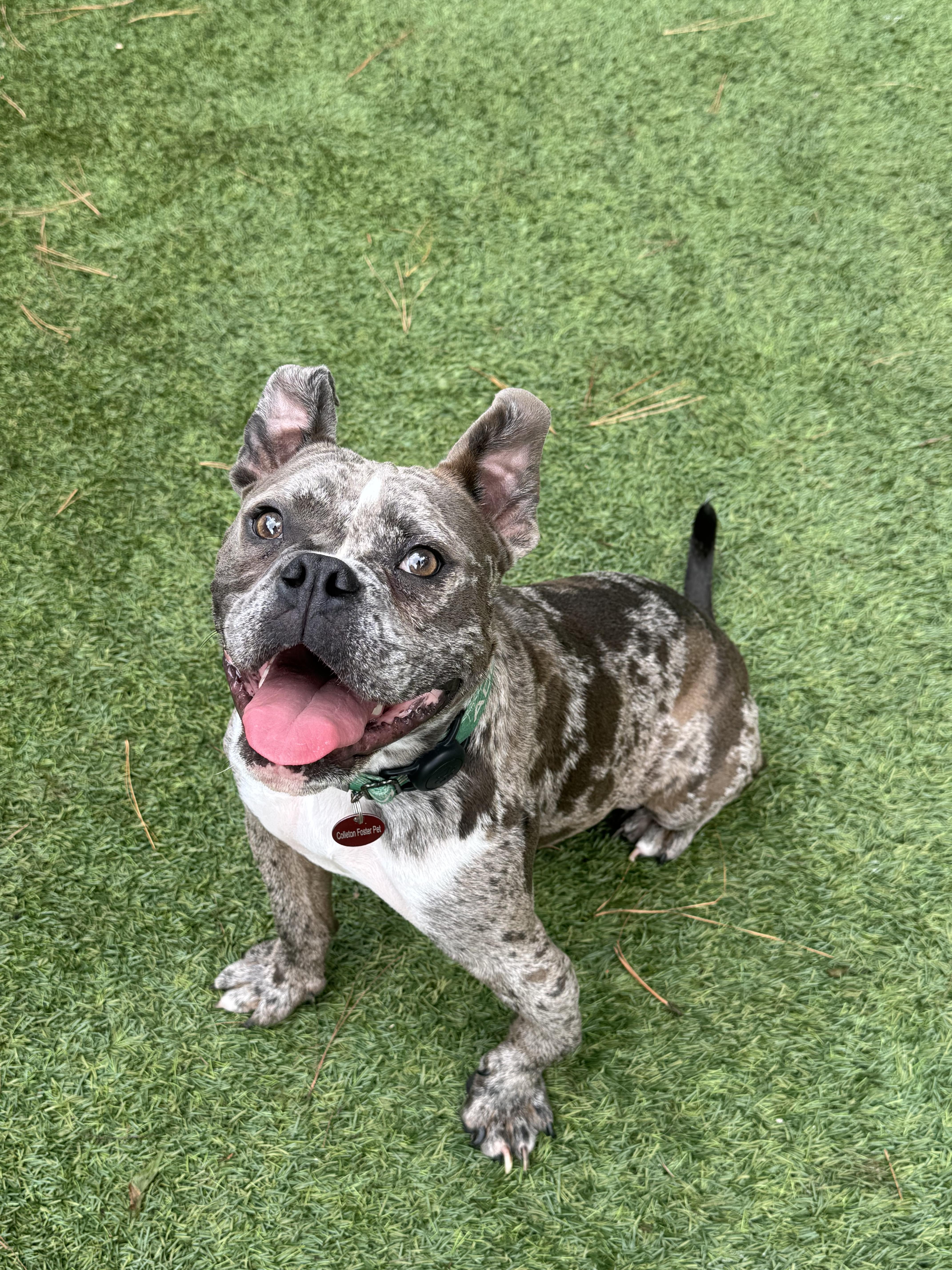
Saluki Dogs for Adoption in Charleston, SC

Your guide to finding and caring for a Saluki in Charleston

A Saluki fits Charleston best when there's a fenced place nearby to run. Governor's Park on Daniel Island and Ackerman Park in West Ashley both have fenced dog parks, which matter for a sighthound that can't be trusted off leash in the open. Between sprints, Salukis are quiet, soft-footed housemates that settle on a couch in a peninsula rental or a West Ashley house. Expect long leashed walks along the West Ashley Greenway most days.

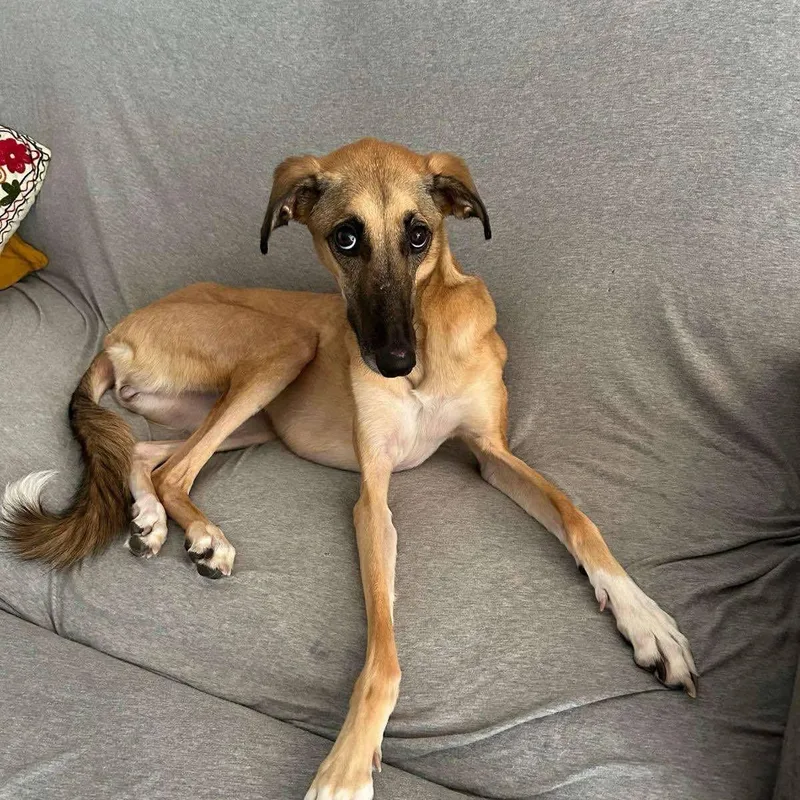
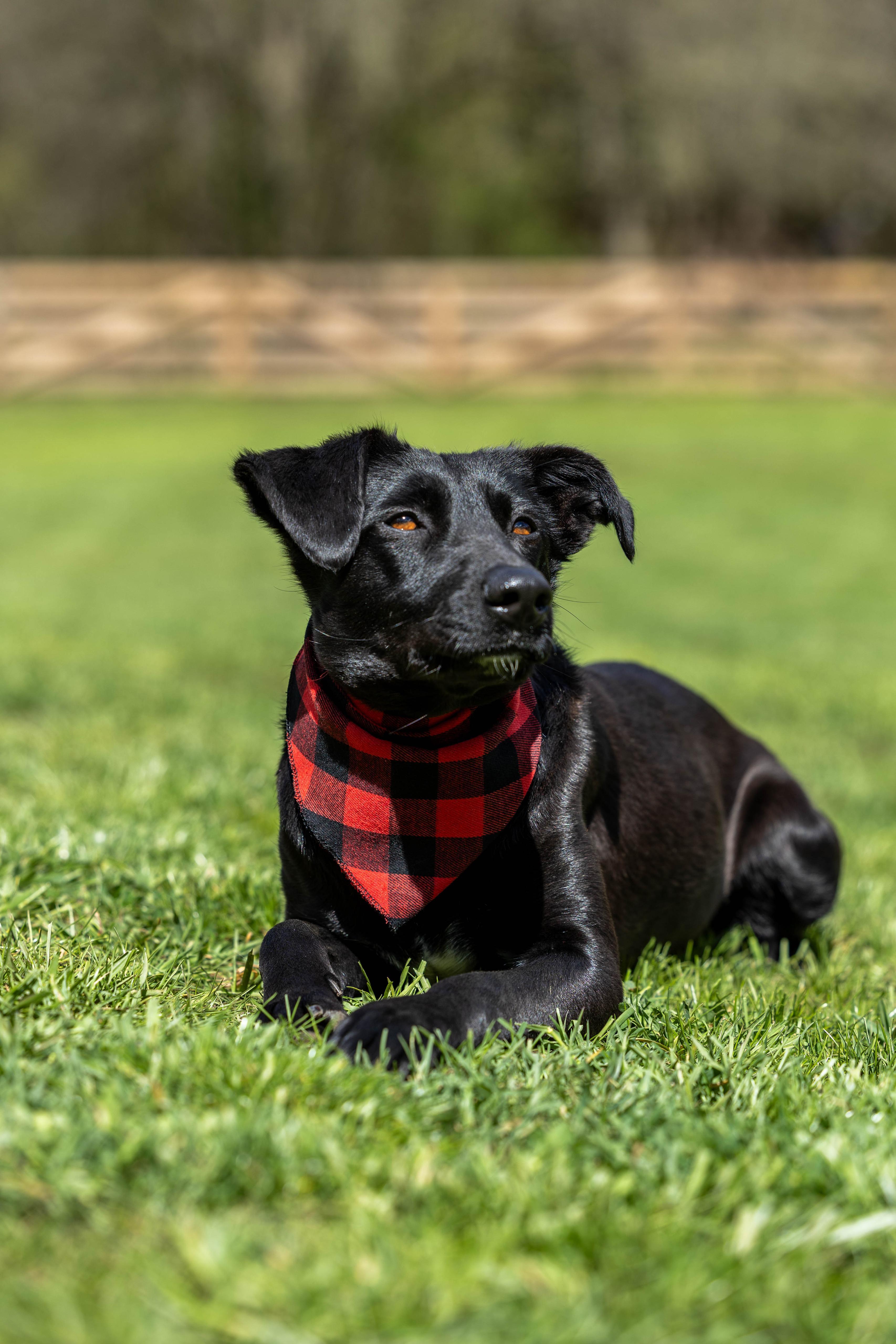
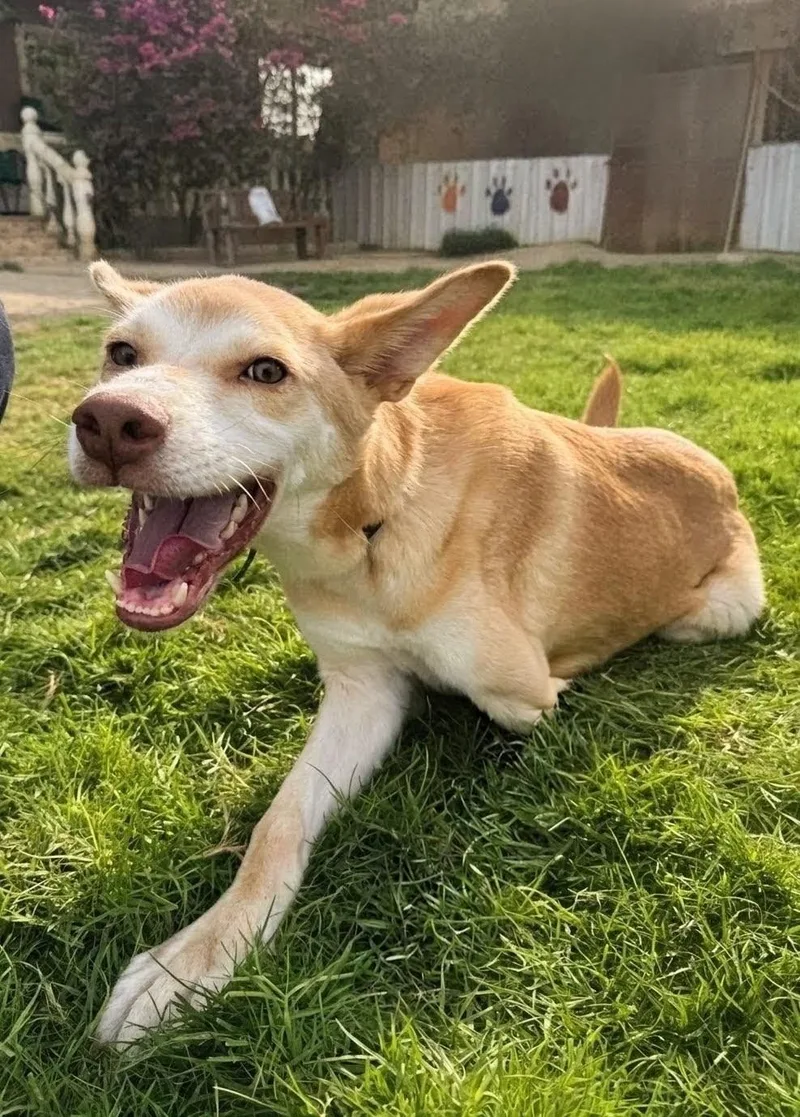
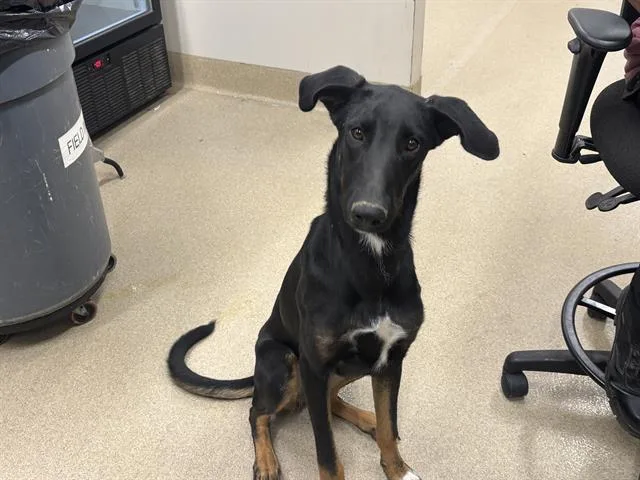
16 Salukis available in Charleston and nationwide

Give a Saluki a home

While we don't have enough dogs near Charleston, keep in mind that many rescues may offer transport.

Salukis Available for Adoption Near Charleston

About the Saluki breed

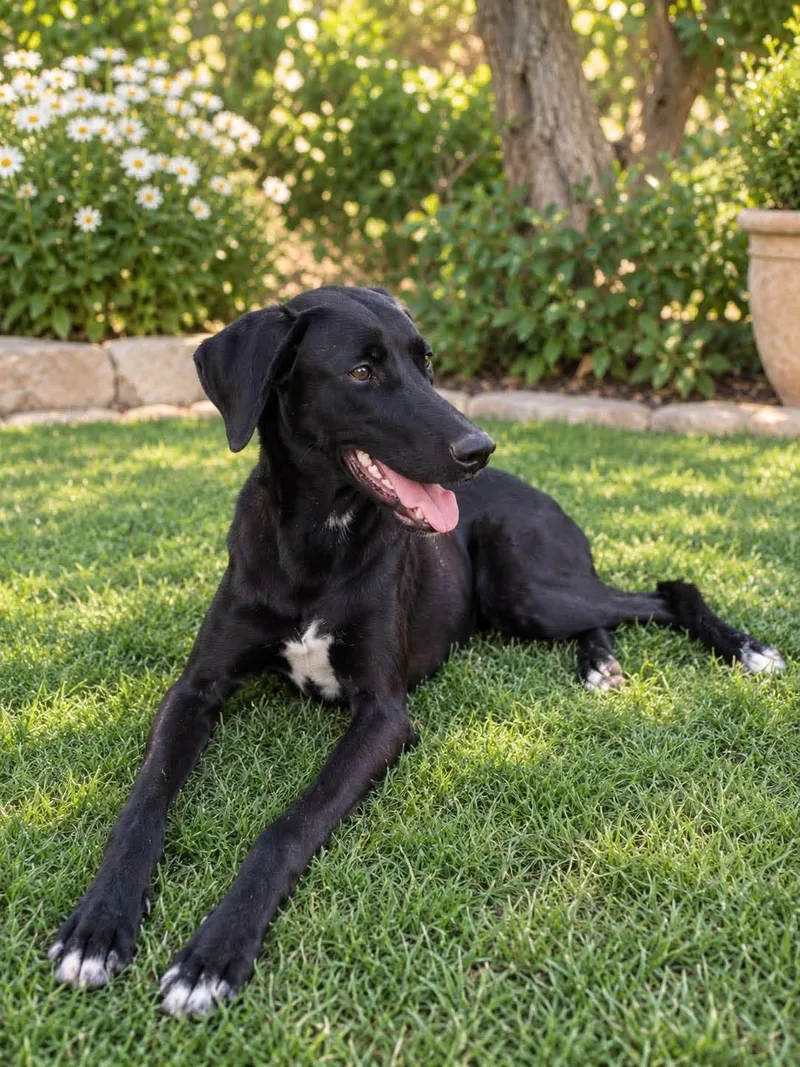
The Saluki is a sighthound from the Middle East and the Fertile Crescent, where nomadic peoples used it to course gazelle and hare across open desert. Dogs resembling it appear in ancient Mesopotamian and Egyptian art. It comes in a feathered coat, with silky fringes on the ears and tail, or a smooth coat, in colors from cream and red to black and tan.

In Charleston, the main care questions are safety and comfort. Many Salukis are gentle and quiet at home, affectionate with their own people and reserved with strangers, but their prey drive is intense. Squirrels, cats and other small animals can trigger a chase, so leashes and secure fencing matter, and thin-skinned dogs need soft bedding. Grooming is minimal, though coats and temperaments vary from dog to dog.

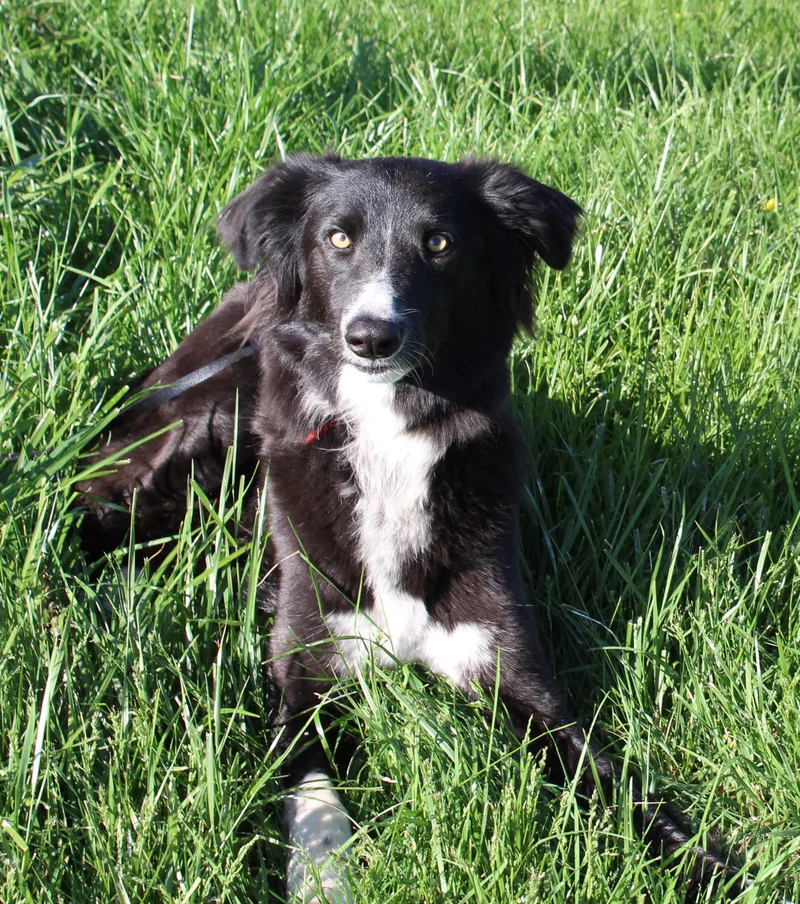
Weight
35–65 lbs
Height
23–28 in
Lifespan
12–15 yrs
Temperament
Gentle, Independent, Dignified, Athletic
Group
Hound
Shedding
Low

Owning a Saluki in Charleston

Having a Saluki in Charleston

Sight, speed and a lean body shape daily life with a Saluki. Its chase instinct, independent streak and thin, low-fat frame matter most when you're deciding whether one fits, especially in a city with water, wildlife and busy roads.

Temperament

Many Salukis are gentle, dignified and a bit aloof, bonding closely with one or two people. They're usually quiet and calm indoors and dislike rough or noisy households. Shyness is common without gentle socialization, and prey drive varies, so small pets may not be safe. Each Saluki differs, so watch how a dog reacts to sights and sounds.

Exercise Needs

Plan on a long daily walk plus regular chances to sprint in a securely fenced space. Charleston has fenced dog parks on Daniel Island, in West Ashley and on James Island. Keep a Saluki leashed everywhere else, since recall often fails once it spots prey. Sniffing walks and lure coursing add useful enrichment.

Health Considerations

The breed club highlights heart disease, cancers such as hemangiosarcoma, and hypothyroidism, though healthy Salukis often have lower thyroid values. Low body fat makes anesthesia a concern, and thin skin tears easily. Choose a veterinarian familiar with sighthounds, have the heart and thyroid checked after adoption, and learn the signs of bloat.

Living Space

A Saluki can do well in a quiet apartment or a house as long as exercise is reliable, so a fenced dog park nearby helps. At home it needs padded bedding for bony joints and a calm routine. If you have a yard, a tall, secure fence is valuable, since many Salukis jump or squeeze through gaps.

What it costs to own a Saluki in Charleston

ExpenseTypical costPer year
Food$55 to $110 per month$660 to $1,320
Pet insurance$55 to $110 per month$660 to $1,320
Routine vet care$250 to $500 per year$250 to $500
Other*$540 to $1,590 per year$540 to $1,590
Estimated yearly total (after year one)$2,110 to $4,730

Other costs are estimates and vary with size, age and health.

* Flea, tick and heartworm prevention, a dental cleaning allowance, the Charleston dog license, toys and supplies, minimal home grooming, and a winter coat and padded bedding for a thin-skinned sighthound.

Adopt a Saluki in Charleston.

Now that you know more, let’s find you a new best friend. These rescues and shelters below have dogs available in and near Charleston.

Rescues and Shelters in or near Charleston

Shelters and rescues across the Charleston area, from North Charleston to James Island, list adoptable dogs on this page. Here are the rescues & shelters in the Charleston area with dogs available for adoption, worth asking whether a Saluki is coming in.

Frequently Asked Questions

Yes, you can own a Saluki in Charleston. No breed-specific rule is known, and South Carolina law says breed alone doesn't make a dog dangerous. You'll need a rabies tag, a city pet license, and a microchip or ID collar for dogs over four months old. Outside off-leash areas, keep a Saluki on a leash of 16 feet or less.

Many Salukis manage Charleston summers with care. Downtown highs reach 90°F on about 25 days a year, inland areas more, and nights stay near 76°F, so evenings aren't reliably cool. Walk at dawn or after dark, bring water, test pavement with your hand, and keep midday outings short. Watch for heavy panting or drooling.

Fenced dog parks are the safest choice: Governor's Park on Daniel Island, Ackerman Park and Medway Park in West Ashley, and the James Island Rec Center. James Island County Park has a separate fenced area for large dogs. For leashed miles, try the West Ashley Greenway. Dogs in fenced runs must be licensed and vaccinated.

It can be, for adopters with a fenced running spot nearby and a calm routine. Mild winters suit a Saluki in a coat, while long, humid summers call for early or late walks. Leashes matter near water, wildlife and roads, since alligators, coyotes and a fast chase don't mix. Expect a quiet housemate that needs daily exercise.

Charleston has CARTA buses, including the free DASH downtown shuttle, but no subway. CARTA welcomes service animals, and its rules for other pets aren't published, so check current pet rules before bringing a Saluki aboard. A tall, strong dog is hard to manage on a crowded bus, so a car may be easier for vet visits.

Possibly, on patios. South Carolina lets restaurants allow dogs in outdoor table-service areas, and each restaurant decides, so look for posted signs. Dogs must stay restrained, off tables and seats, and out of the building. A calm Saluki often settles under a table well, but crowds and passing squirrels can test its patience.

Very little. Salukis shed lightly, so a weekly brushing and a bath only when needed usually do it, though feathered ears and tail tangle more. In Charleston's humidity, dry the coat thoroughly and rinse legs and paws after wading through floodwater. Grooming costs are small and fall within the Other line of the cost table.

A Saluki is a tall, slender sighthound from the Middle East, bred to chase gazelle and hare by sight across open country. It has long legs, a narrow head, a deep chest and either silky feathering or a smooth coat. Many are gentle, quiet and independent at home, with an intense chase instinct outdoors.

A Saluki can run roughly 40 miles per hour at full speed, and the 1996 Guinness Book of Records listed one at about 42.8 mph. Greyhounds may be quicker over a short sprint, but Salukis are known for holding high speed over longer distances. That speed is why secure fencing and leashes matter so much for this breed.

Expect roughly $2,100 to $4,700 a year for a Saluki: food about $55 to $110 a month, insurance $55 to $110 a month, routine vet care $250 to $500 a year, and other costs of $540 to $1,590 a year. Emergencies, boarding and cardiac or cancer care are extra.