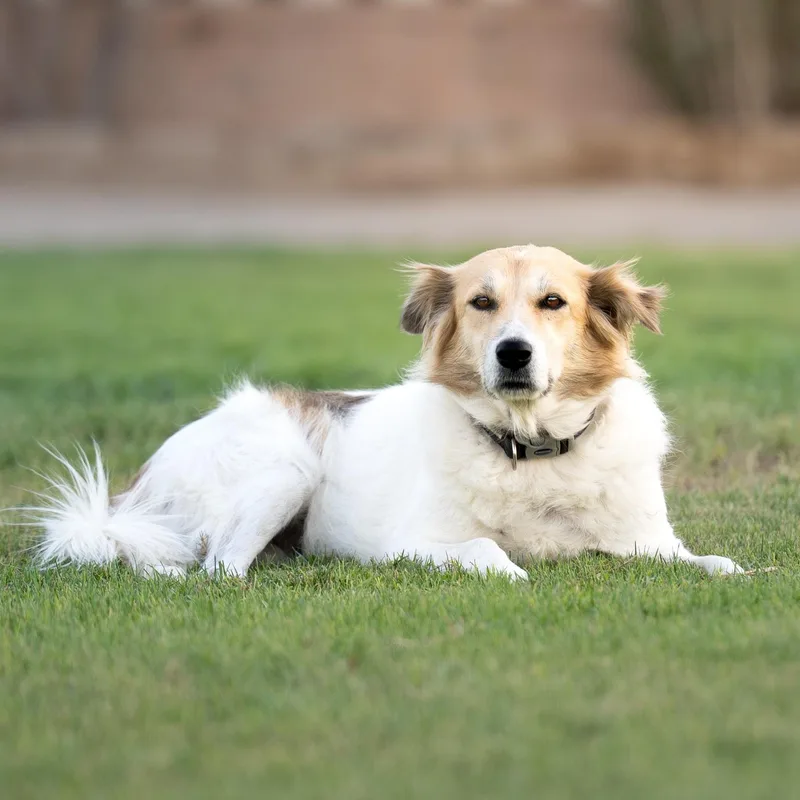
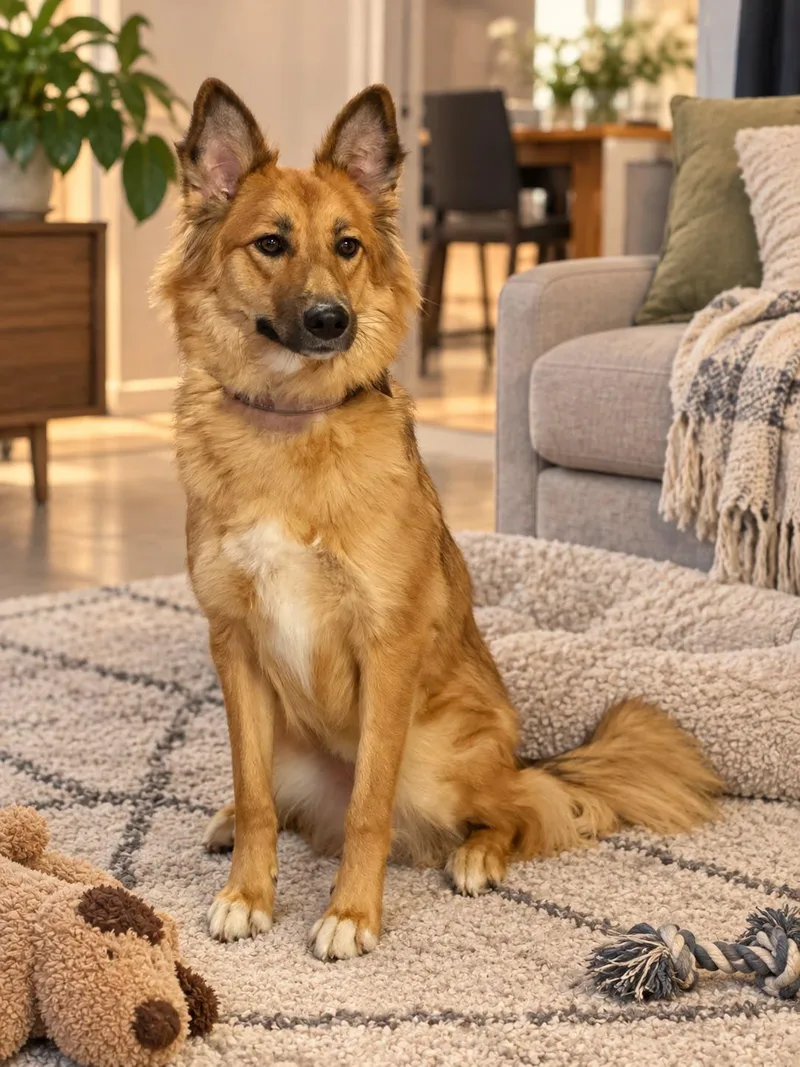
Saluki Dogs for Adoption in Tulsa, OK

Your guide to finding and caring for a Saluki in Tulsa

Salukis suit Tulsa best when there's a fenced yard, like the ranch-house lots in Patrick Henry. They're quiet and gentle indoors, then sprint flat out when something moves. Tulsa requires dogs to be leashed or under physical control off their own property, so full-speed runs belong behind a tall, secure fence. If you're adopting a Saluki in Tulsa and don't have a yard, a long daily walk and a soft couch in a Swan Lake duplex can still work.

17 Salukis available in Tulsa and nationwide

Give a Saluki a home

While we don't have enough dogs near Tulsa, keep in mind that many rescues may offer transport.

Salukis Available for Adoption Near Tulsa

About the Saluki breed

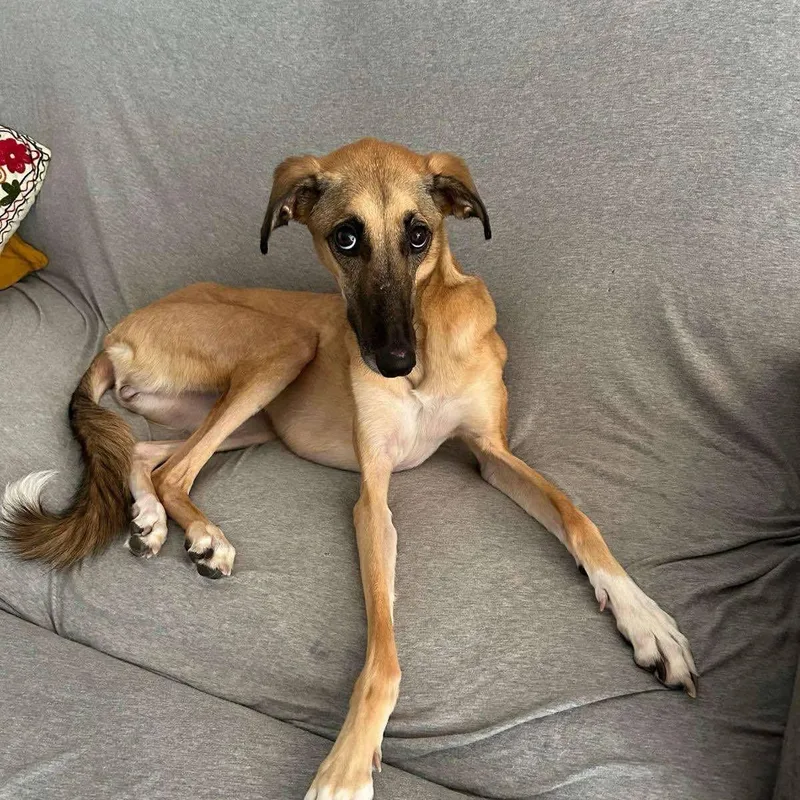
The Saluki is a sighthound from the Middle East, where nomadic peoples used it to course gazelle and hare across open desert. Artwork resembling the breed appears in ancient Mesopotamian and Egyptian sites. Salukis come in a feathered coat with silky fringes on the ears and tail, or a smooth coat, in colors from cream and red to black and tan. They're lean and long-legged, usually 35 to 65 pounds.

Many are gentle, dignified and reserved with strangers, yet affectionate with their own people. Prey drive is strong, so small pets and wildlife can trigger a chase. In Tulsa, where coyotes live throughout the city, that matters for yard time and dusk walks. Salukis do best with patient adopters who offer daily exercise, soft bedding and kind, low-pressure training.


Weight
35–65 lbs
Height
23–28 in
Lifespan
12–15 yrs
Temperament
Gentle, Independent, Dignified, Athletic
Group
Hound
Shedding
Low

Owning a Saluki in Tulsa

Having a Saluki in Tulsa

In Tulsa, a Saluki's life revolves around safe space to run, a warm bed and a patient routine. Its chase instinct, thin skin and low body fat shape everything from yard fencing to winter gear and the choice of veterinarian.

Temperament

Many Salukis are quiet, sensitive and loyal, bonding closely with a few people and staying aloof with visitors. They often prefer calm homes over noisy ones, which suits quieter Tulsa streets. Dogs vary, and some are shy without gentle socialization. Because chasing is instinct, small animals may not be safe around a Saluki.

Exercise Needs

Plan on a long daily walk plus regular sprints in a securely fenced area, since recall usually fails once a Saluki spots movement. Dogs in Tulsa city parks must be leashed, and the River Parks paths and Turkey Mountain trails are leash-only, so keep full-speed running for a private fenced space.

Health Considerations

Heart disease, cancers such as hemangiosarcoma, and hypothyroidism are the breed's main concerns, and healthy Salukis often have low thyroid values. Low body fat means anesthesia needs care, and thin skin tears easily. Choose a Tulsa veterinarian familiar with sighthounds, and ask about baseline heart checks and thyroid interpretation.

Living Space

A Saluki can live in a Tulsa house or a quiet apartment if daily exercise is covered. In a house, a high, secure fence is very valuable, since many can jump or squeeze through gaps when chasing. Padded bedding protects bony joints, and the dog needs a warm spot indoors on cold nights.

What it costs to own a Saluki in Tulsa

ExpenseTypical costPer year
Food$55 to $110 per month$660 to $1,320
Pet insurance$55 to $110 per month$660 to $1,320
Routine vet care$250 to $500 per year$250 to $500
Other*$530 to $1,555 per year$530 to $1,555
Estimated yearly total (after year one)$2,100 to $4,695

Other costs are estimates and vary with size, age and health.

* The $5 Tulsa dog license, flea, tick and heartworm prevention, a dental cleaning allowance, supplies, minimal grooming, and a winter coat and padded bedding.

Adopt a Saluki in Tulsa.

Now that you know more, let’s find you a new best friend. These rescues and shelters below currently have Salukis available.

Frequently Asked Questions

Yes, Tulsa has no breed-specific rules, and Oklahoma law forbids local breed restrictions. You'll need a city license for dogs over six months, which requires rabies and spay/neuter proof, and dogs must be leashed or under physical control off your property. Households may have up to five dogs and cats combined, and overnight tethering is banned.

Yes, with planning. Tulsa averages about 74 days at 90°F or higher and roughly 11 at 100°F. Salukis are lean and short-coated, but they still overheat during hard runs. Walk at dawn or dusk, use grass when pavement is hot, offer water, and keep the dog indoors on peak afternoons. Never leave a Saluki in a parked car.

Leashed walks on the River Parks trails along the Arkansas River and at Turkey Mountain's dirt trails suit a Saluki's stamina. Carry water and stay on marked trails, because copperheads live at Turkey Mountain. The Gathering Place allows leashed dogs on Wednesdays, Saturdays and Sundays, and daily on the trails beside it.

Usually not. MetroLink Tulsa buses, including the Aero line, allow pets only in a carrier, with an exception for service animals. A Saluki weighs roughly 35 to 65 pounds and stands 23 to 28 inches tall, so it won't fit a typical bus carrier. Plan on walking or driving for outings.

It can be, especially with a fenced yard or a quiet home near leashed trails like River Parks. The challenges are coyotes, which live throughout the city and may chase or threaten dogs, summer heat, and cold snaps that are hard on a thin-skinned dog. Active, patient adopters who plan for those fit best.

Sometimes, on patios. Oklahoma's health code lets restaurants welcome dogs in outdoor dining areas that meet state conditions, but it doesn't require it, so each restaurant decides. Dogs aren't allowed inside. A calm Saluki on a short leash with a bed to settle on makes patio visits easier, but watch for squirrels and cats.

Not often. Salukis have a single, silky coat and shed lightly, so weekly brushing is usually enough, with a bit more attention to feathered ears and tail, plus nail trims and ear checks. Tulsa's heat doesn't call for trimming. Grooming is a small part of the roughly $530 to $1,555 yearly Other costs.

A Saluki is a tall, slender sighthound from the Middle East, bred to chase gazelle and hare by sight across open country. It has long legs, a narrow head, a deep chest and either silky feathering or a smooth coat. Many are gentle, quiet and independent at home, with an intense chase instinct outdoors.

We have 1 rescue with Salukis available: Tulsa Animal Welfare. You can see every rescue with Salukis available in the list above these questions, or scroll to the top to see the Salukis near Tulsa.

Expect about $55 to $110 a month for food and $55 to $110 for insurance, plus $250 to $500 a year for routine vet care. Other yearly costs, such as parasite prevention, dental cleaning, the $5 Tulsa license, supplies, and a winter coat and padded bedding, run roughly $530 to $1,555. Costs vary by dog.