Dogue de Bordeaux Dogs for Adoption in Oklahoma City, OK

Your guide to finding and caring for a Dogue de Bordeaux in OKC

A Dogue de Bordeaux can do well in OKC if the house has a cool indoor spot and room to sprawl. The ranch houses of Edwards Heights and the older two-story homes around Lincoln Terrace suit a 110-pound dog that mostly wants to lie near its people. Dogues are moderate-energy, not distance runners, so a leashed stroll on the 3.2-mile Overholser Trail covers a day's exercise. Plan on drool on the floor and the air conditioner running hard from July on.

27 Dogue de Bordeaux available in Oklahoma City and nationwide

Find your forever Dogue de Bordeaux

While we don't have enough dogs near Oklahoma City, keep in mind that many rescues may offer transport.

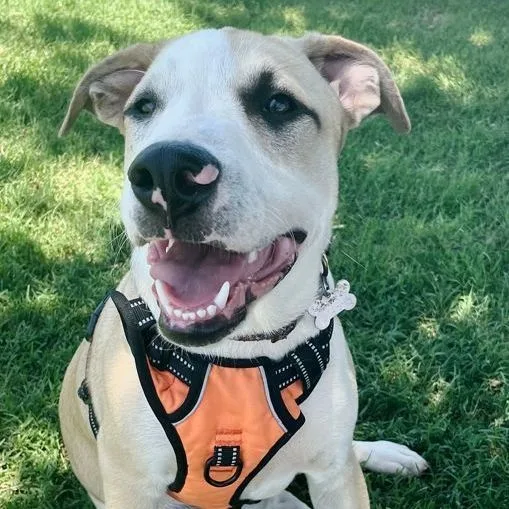
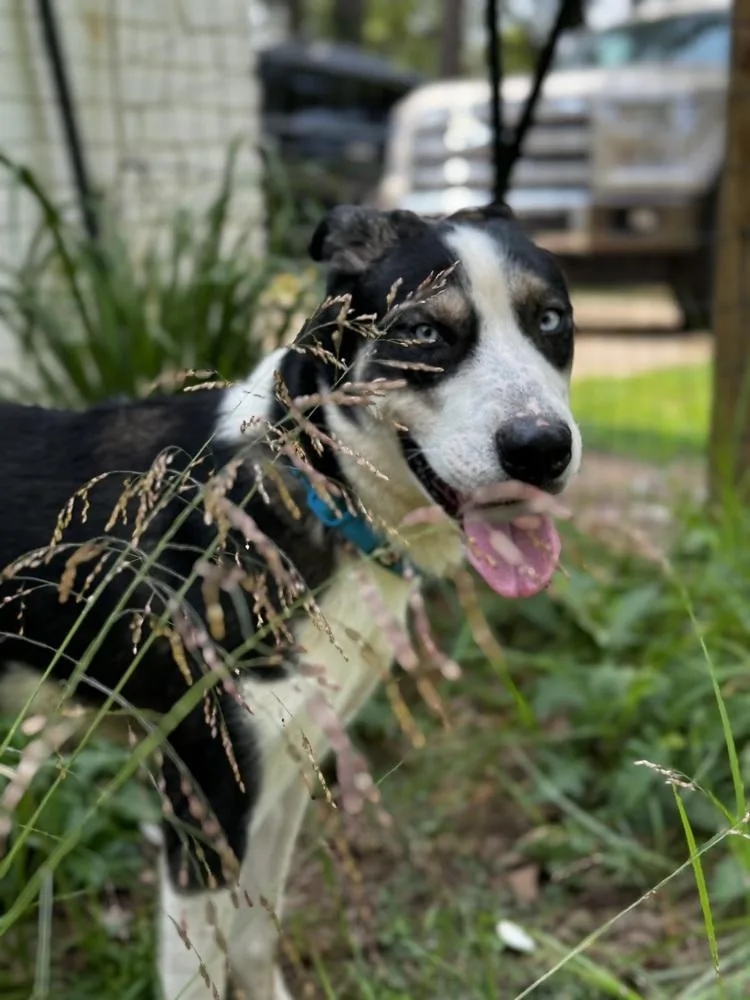
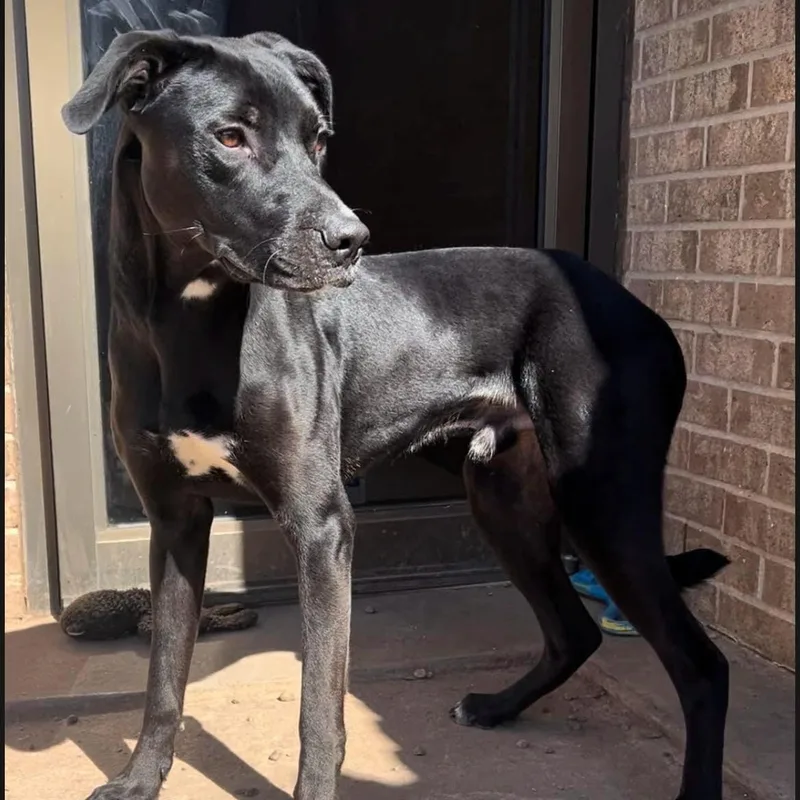
Dogue de Bordeaux Available for Adoption Near Oklahoma City

About the Dogue de Bordeaux breed

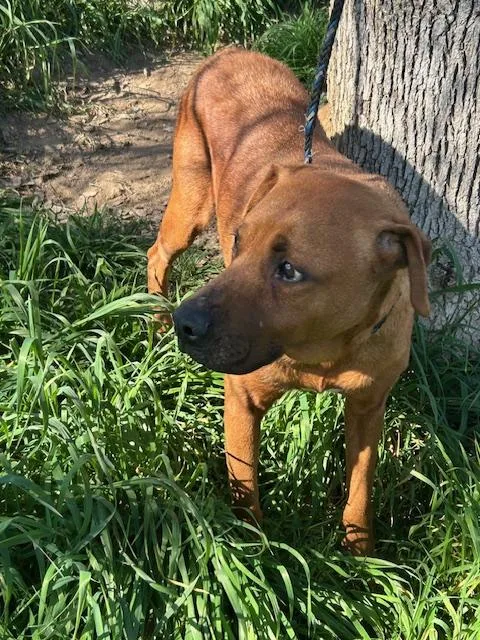
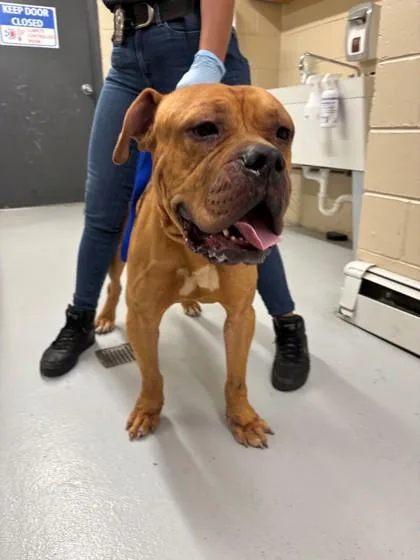
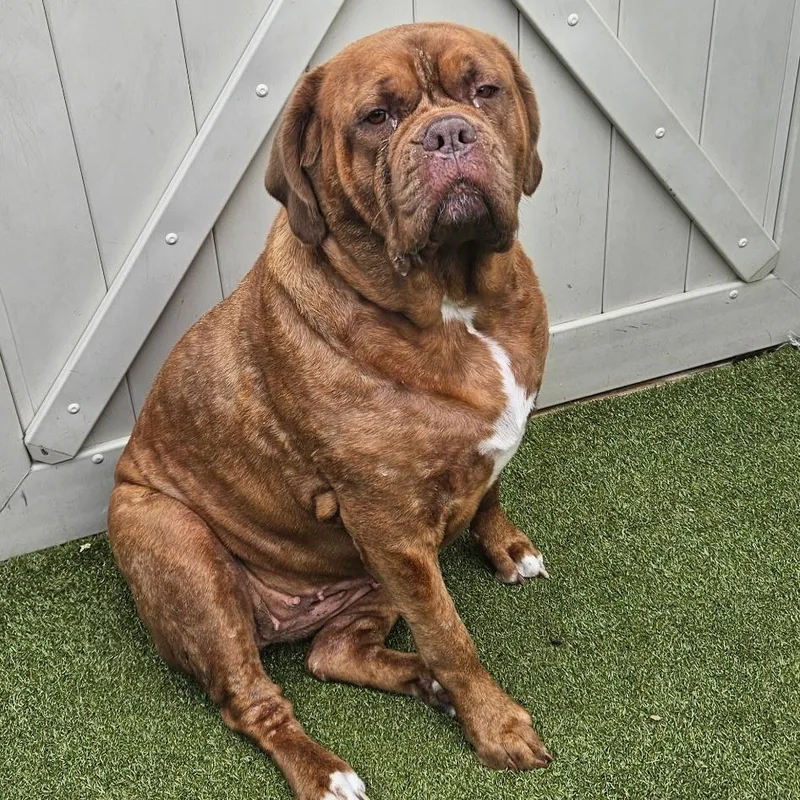
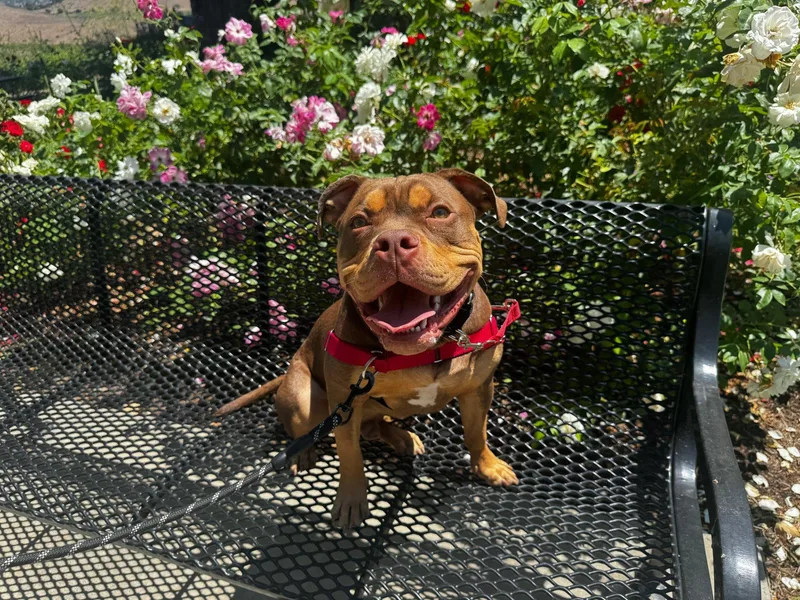
The Dogue de Bordeaux, or French Mastiff, is one of France's oldest breeds, long used around Bordeaux as an estate guardian and drover. Its numbers fell to a few hundred worldwide by the early 1980s, and many Americans first met one in the film Turner & Hooch. Adults weigh roughly 99 to 145 pounds, with a short fawn to mahogany coat, loose skin, deep wrinkles and a famously massive head.

At home, many Dogues are calm, sensitive and deeply attached to their families, yet watchful with strangers. They need early, consistent, gentle training, and harsh handling tends to backfire. Day to day, expect heavy drooling, year-round shedding, skin-fold cleaning and giant-dog expenses. Lifespans are often under ten years, so adopters should go in understanding both the joys and the heartbreak of a short time together.

Weight
99–145 lbs
Height
23–27 in
Lifespan
5–9 yrs
Temperament
Protective, Loyal, Calm, Devoted
Group
Working
Shedding
Moderate to High

Owning a Dogue de Bordeaux in Oklahoma City

Having a Dogue de Bordeaux in OKC

Dogues pair a gentle home personality with a guardian's vigilance and a lot of muscle. In Oklahoma City, heat management, storm-season readiness and a space with room to stretch out matter more than exercise volume, which is only moderate.

Temperament

Many Dogues are loyal, calm and affectionate with their families, often leaning in for attention. They're also watchful and can be wary of strangers or unfamiliar dogs. Busy OKC sidewalks and dog parks call for early socialization and steady, reward-based training. Each dog differs, so spend time with the dog before deciding.

Exercise Needs

Adults usually do well with a daily walk or two, short play sessions and some training games. The Bert Cooper loop at Lake Hefner is far more than most Dogues need, so a short section is plenty. Walk at cooler hours, and keep puppies to low-impact activity until about 18 months.

Health Considerations

The breed is prone to heart disease such as aortic stenosis, cancer, bloat, hip and elbow dysplasia, and breathing trouble tied to its short face. Skin folds can get infected if they stay damp. A veterinarian can check the heart, joints and airway early, and bloat is an emergency at any hour.

Living Space

A Dogue can live in a house or an apartment if it has floor space, air conditioning and few stairs to climb. OKC's sprawling layout means many homes have fenced yards, which helps, but this dog still belongs indoors with its family. Hard floors, washable bedding and drool towels make daily life easier.

What it costs to own a Dogue de Bordeaux in Oklahoma City

ExpenseTypical costPer year
Food$80 to $160 per month$960 to $1,920
Pet insurance$85 to $170 per month$1,020 to $2,040
Routine vet care$250 to $500 per year$250 to $500
Other*$575 to $1,650 per year$575 to $1,650
Estimated yearly total (after year one)$2,805 to $6,110

Other costs are estimates and vary with size, age and health.

* Giant-size flea, tick and heartworm prevention, a yearly dental cleaning, sturdy toys and bedding, basic coat care, and skin-fold care and joint supplements; Oklahoma City has no pet license fee.

Adopt a Dogue de Bordeaux in Oklahoma City.

Now that you know more, let’s find you a new best friend. These rescues and shelters below have dogs available in and near Oklahoma City.

Frequently Asked Questions

A Dogue can manage OKC summers only with careful management. About 73 days a year reach 90°F, and 12 to 13 reach 100°F, mostly in July and August. This short-faced giant overheats fast, so walk at dawn, keep air conditioning on, provide water and shade, and skip midday pavement. Nights in the upper 60s help.

PAW Park near Lake Hefner suits a large dog with its separate large-dog area, shade trees and pond, though it requires membership. Scissortail Park and Myriad Botanical Gardens have fenced dog parks downtown. City trails like the Bert Cooper loop require leashes, so pick a short stretch and go early in summer.

Yes. Oklahoma law bars cities from passing breed-specific dangerous-dog rules, so OKC doesn't ban Dogues. You'll need a current rabies vaccination with the tag worn, a leash or secure confinement, waste pickup, and no more than four dogs and four cats per household. Dangerous-animal rulings are based on a dog's behavior.

It can, if the unit has room, air conditioning and easy access. About 43% of OKC households rent, but a 100-pound-plus dog may run into landlord weight limits, so check the lease first. Oklahoma doesn't cap pet deposits. A ground-floor unit saves a heavy dog from stairs, and drool-friendly flooring helps.

It can be for adopters with a cool home, a steady routine and patience for storm season. OKC's many houses with yards give a Dogue space, and winter lows near freezing are manageable indoors. It's a harder fit if you're away long hours, lack air conditioning or want a running partner on hot days.

Sometimes, on patios. Oklahoma health rules let restaurants admit dogs to qualifying outdoor dining areas, but it's each restaurant's choice, and dogs must be leashed and controlled. Indoor dining rooms are off limits except for service animals. A giant dog needs shade and floor space, so skip July and August afternoons.

Less than most breeds, but it's regular. Clean face wrinkles weekly or daily, brush with a rubber curry, and bathe about every four weeks. Dogues shed year-round, and OKC's heat can leave skin folds damp, so dry them well. Most owners handle this at home, which fits within the coat care in the cost chart.

A Dogue de Bordeaux is not inherently dangerous, but it is a powerful guardian breed whose size and protective instincts demand responsible handling. Most are gentle and affectionate with their families. Poor socialization, rough training or weak containment raise the risk of problems with strangers or other dogs. Early training and an experienced owner make a big difference.

The Dogue de Bordeaux is not banned nationally in the United States, but some cities, landlords, homeowners associations and insurers restrict mastiff-type or large guardian breeds. A few jurisdictions abroad also place it on restricted-dog lists. Before adopting, check local ordinances, your lease and your homeowner's or renter's insurance policy to avoid surprises.

A Dogue de Bordeaux in OKC typically runs $80 to $160 a month for food and $85 to $170 a month for insurance. Routine vet care is about $250 to $500 a year, and other yearly costs add roughly $575 to $1,650. Giant-dog size drives most of it, and unexpected health care can add more.