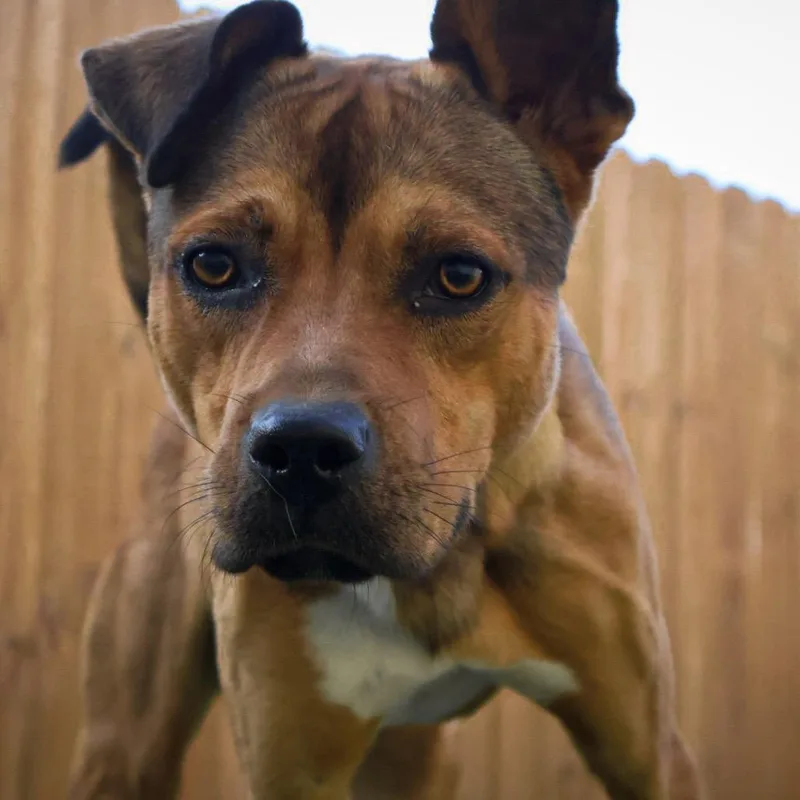
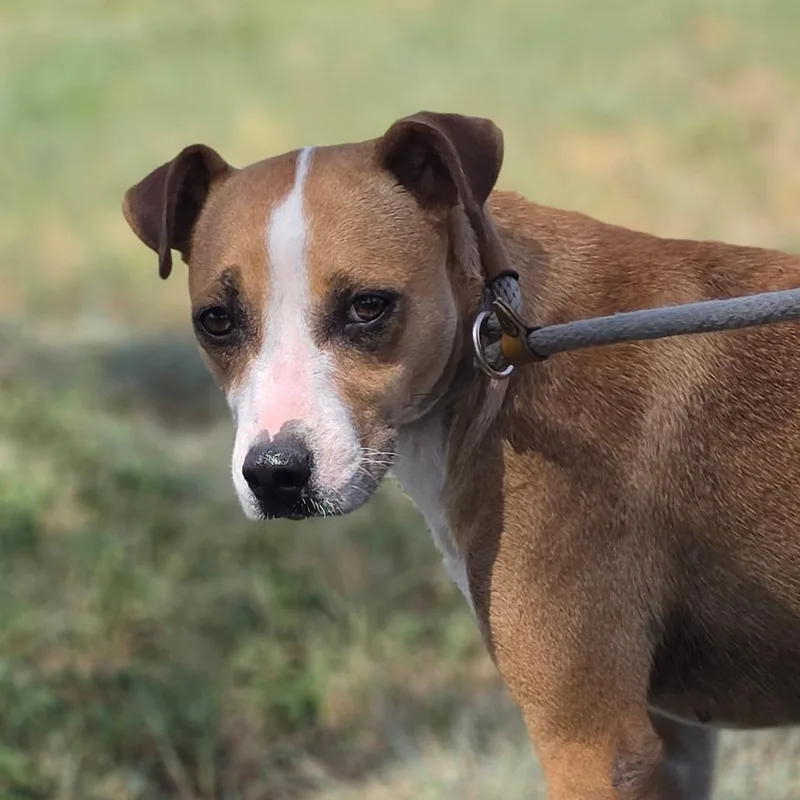
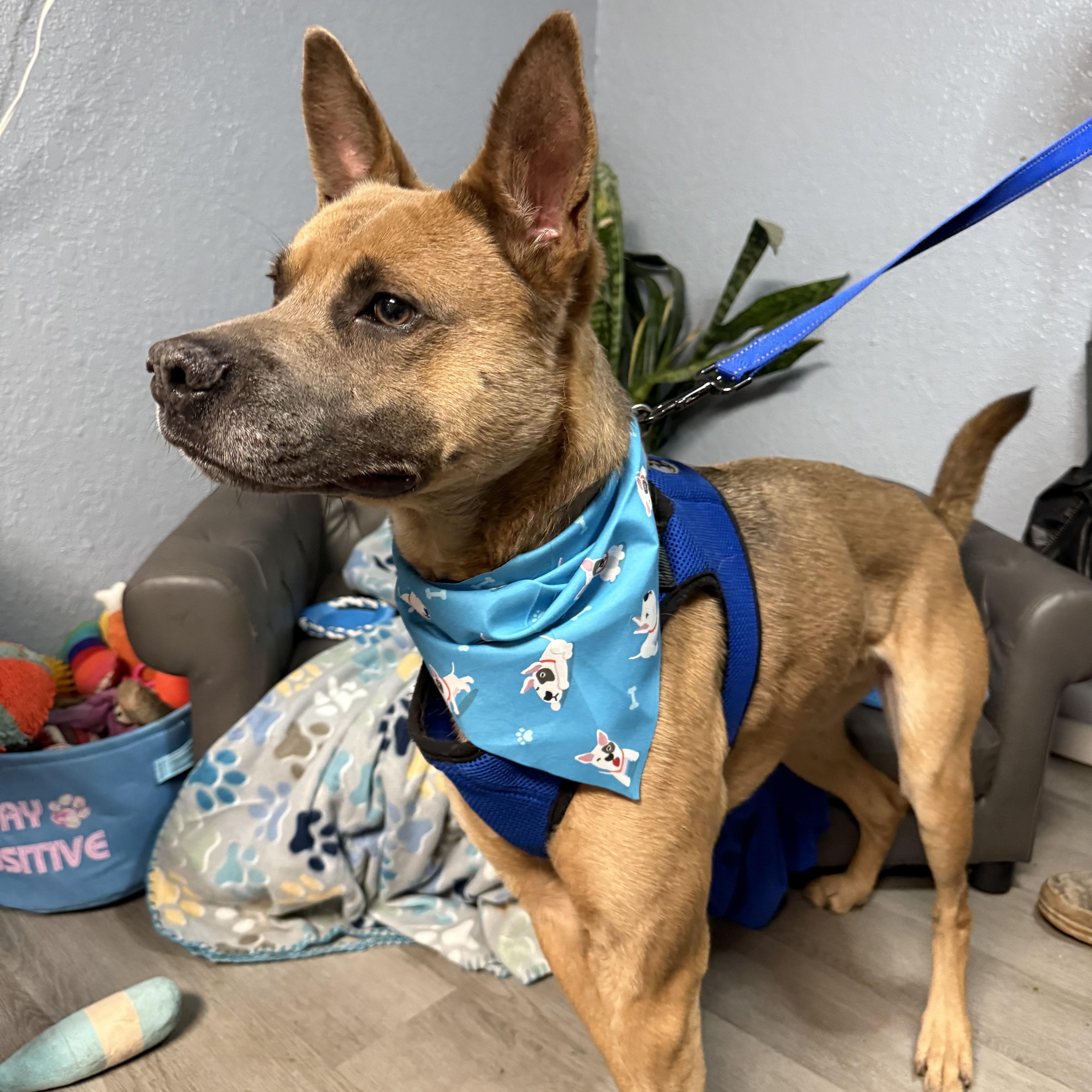
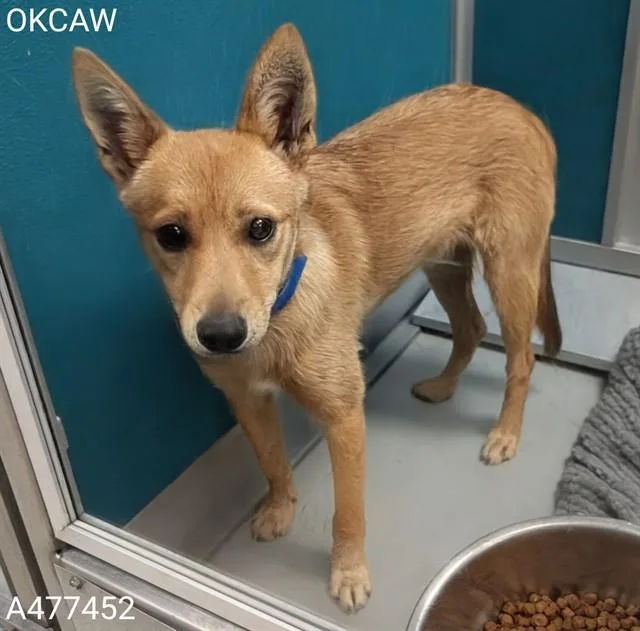
Basenji Dogs for Adoption in Oklahoma City, OK

Your guide to finding and caring for a Basenji in OKC

A Basenji can fit Oklahoma City well, mostly because it doesn't bark. In a Deep Deuce apartment or a Mesta Park Craftsman house, a dog that yodels instead rarely bothers the neighbors. What it needs is a brisk daily walk, like a loop of the Bert Cooper Trail around Lake Hefner, always on a leash, since a Basenji that spots a squirrel will bolt. At home, the fence has to be tight, because Basenjis climb and squeeze through gaps.

155 Basenjis available in Oklahoma City and nationwide

Fall for a Basenji

While we don't have enough dogs near Oklahoma City, keep in mind that many rescues may offer transport.

Basenjis Available for Adoption Near Oklahoma City

About the Basenji breed

The Basenji is a small hunting dog from Central Africa, especially the Congo basin, where village hunters used it to find small game and drive it into nets. Genetic studies place it among the oldest dog lineages. Instead of barking, it yodels, howls and makes a sound called a baroo, thanks to an unusually shaped larynx.

Basenjis weigh about 20 to 26 pounds and have a wrinkled forehead, upright ears, a tightly curled tail and a short coat they keep clean much like a cat. Many are affectionate with their people but independent and reserved with strangers. On OKC's wide, suburban-style streets and in its big yards, a secure fence matters most, because the chase drive and escape skills are real. Dogs vary, so expect a range.

Weight
20–26 lbs
Height
15–18 in
Lifespan
12–15 yrs
Temperament
Independent, Intelligent, Alert, Affectionate
Group
Hound
Shedding
Low

Owning a Basenji in Oklahoma City

Having a Basenji in OKC

Basenjis pair a small, tidy frame with a hunter's energy and a catlike streak. In OKC, the big questions are secure fencing, daily leashed exercise and keeping a short-coated dog comfortable through icy winters, hot summers and stormy springs.

Temperament

Basenjis are affectionate with their families but independent and often reserved with strangers, so don't expect every neighbor on a busy Midtown sidewalk to get a warm greeting. Strong prey drive makes cats and other small pets a risk. Some Basenjis enjoy other dogs, while others prefer to be the only dog. Expect a clever dog that negotiates.

Exercise Needs

Plan on a brisk daily walk plus a real run or play session. Oklahoma City requires leashes on its trails and around the lakes, so use a securely fenced yard or fenced dog park for sprints. Puzzle toys, scent games and short training sessions help prevent chewing and escape attempts, especially in young dogs.

Health Considerations

Basenjis often live 12 to 15 years but can inherit Fanconi syndrome, progressive retinal atrophy, pyruvate kinase deficiency and hypothyroidism. A veterinarian can discuss DNA tests, periodic urine screening and regular checkups. In OKC, year-round heartworm and tick prevention matters, and warm-weather walks call for watching out for snakes such as copperheads.

Living Space

A Basenji's quiet habits suit downtown lofts and Midtown apartments, and it also does well in a house if the yard is truly secure, since it climbs fences and slips through gaps. Many dislike cold and rain, so give it a warm indoor spot and a window to watch from.

What it costs to own a Basenji in Oklahoma City

ExpenseTypical costPer year
Food$20 to $45 per month$240 to $540
Pet insurance$40 to $85 per month$480 to $1,020
Routine vet care$200 to $400 per year$200 to $400
Other*$375 to $1,050 per year$375 to $1,050
Estimated yearly total (after year one)$1,295 to $3,010

Other costs are estimates and vary with size, age and health.

* Flea, tick and heartworm prevention, a dental cleaning allowance, durable chew toys and bedding, and minimal grooming supplies for a short, self-cleaning coat.

Adopt a Basenji in Oklahoma City.

Now that you know more, let’s find you a new best friend. These rescues and shelters below have dogs available in and near Oklahoma City.

Frequently Asked Questions

Yes, Oklahoma City has no breed ban, and state law keeps cities from banning breeds. Expect the usual rules: rabies vaccination with the tag worn, a leash or secure confinement, and waste pickup. The city also prohibits letting a dog continuously bark or howl, so a Basenji's yodeling is fine, but nonstop howling could draw a complaint.

Basenjis can handle OKC winters as indoor dogs, not outdoor ones. Their short coats and dislike of cold mean a sweater and brief potty trips. The city hit −14°F in February 2021, so have a warm bed, an indoor exercise plan, such as puzzle toys and short training games, and a power-outage backup.

For leashed runs, try the 13 miles of Oklahoma River Trails, the Lake Stanley Draper loop at 13.5 miles, or Bluff Creek Park's single-track. Dogs must be leashed on all city trails, and pets can't swim or wade in the city lakes. For off-leash sprints, stick to fenced dog parks, and use a secure harness.

A Basenji suits active OKC adopters who have a secure yard or a daily outing routine and can handle weather extremes. It's a poor match if you want off-leash trail time or a dog that stays calm alone all day. Fireworks are banned in the city, but nearby cities allow some, so expect noise around July 4.

Trained service animals can ride EMBARK buses, the OKC Streetcar and the seasonal river ferry. The rules for pets aren't clear, so check EMBARK's current policy before planning a ride with a Basenji. Many errands are easier by car, where a Basenji should be secured in a crate or harness, since it can slip out of doors.

Only to patios, and only where the restaurant chooses to allow dogs. Oklahoma health rules let restaurants admit dogs on outdoor dining areas that meet certain conditions, but pet dogs can't enter dining rooms. Keep your Basenji leashed, and choose quieter times, since a reserved, alert dog may find a crowded patio stressful.

Very little. A Basenji's short coat is low-shedding and self-cleaning, so a weekly brush, regular nail trims and tooth care are usually enough. In OKC, wipe paws after wet or icy walks and watch for dry winter skin. Professional grooming is rarely needed, so it adds little to the yearly Other costs.

A Basenji is a small, ancient hunting dog from Central Africa, famous for not barking. It belongs to the AKC Hound Group and was recognized in 1943. Basenjis are lean and elegant, with a wrinkled forehead, upright ears and a tightly curled tail. They tend to be clever, independent, clean and energetic, with a strong instinct to chase.

A Basenji looks like a small, athletic dog with a short, fine coat, upright pointed ears, a wrinkled forehead and a tail curled tightly over its back. Common colors are chestnut red, black, tricolor and brindle, always with white feet, chest and tail tip. It moves with a quick, springy trot often compared to a trotting racehorse.

Expect roughly $1,300 to $3,000 a year for a Basenji in OKC. Food runs $20 to $45 a month, pet insurance $40 to $85 a month, and routine vet care $200 to $400 a year, with another $375 to $1,050 yearly for the items under Other. Insurance sits higher because of the breed's inherited conditions. Emergencies cost extra.

Find Basenjis in Nearby Cities

Expand your search to find Basenjis available for adoption near Oklahoma City.