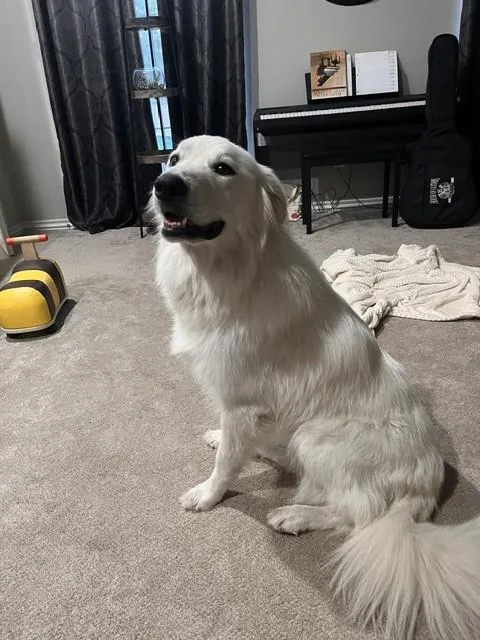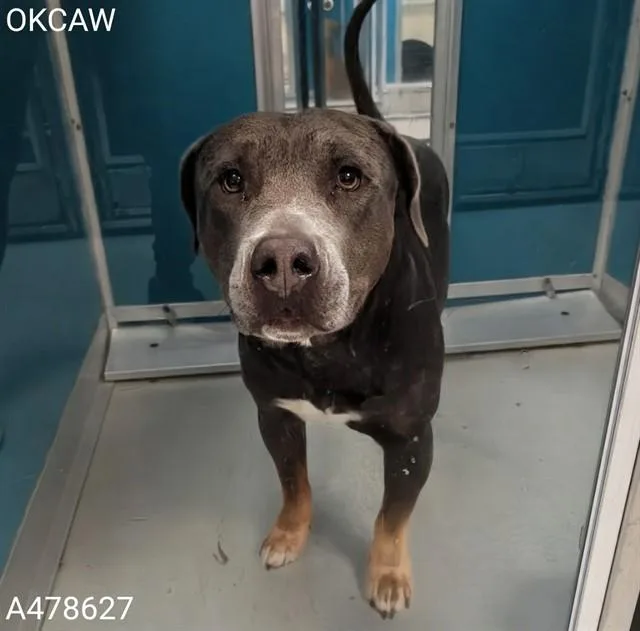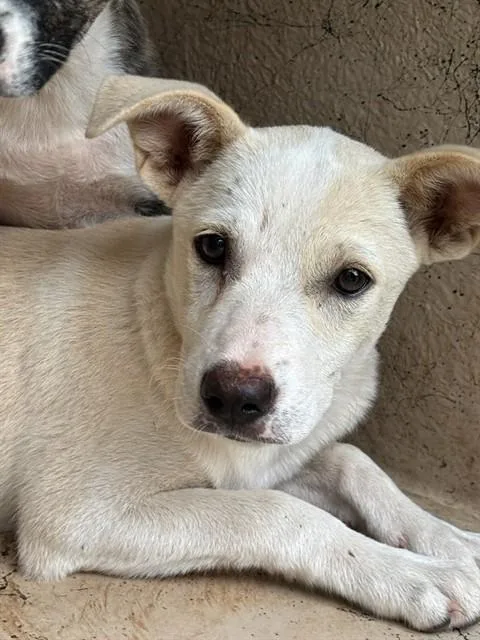
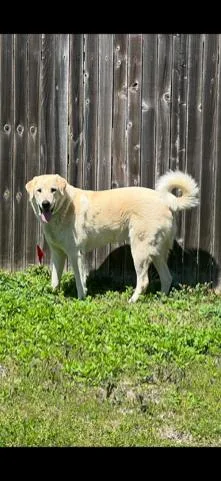
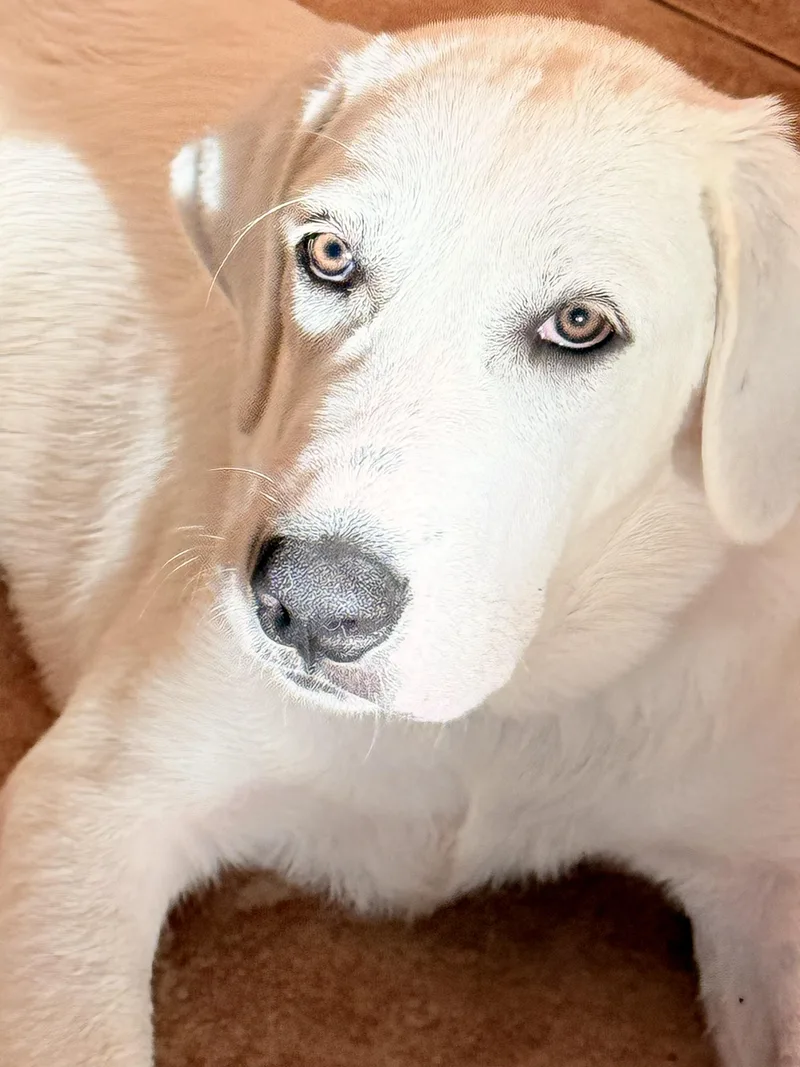
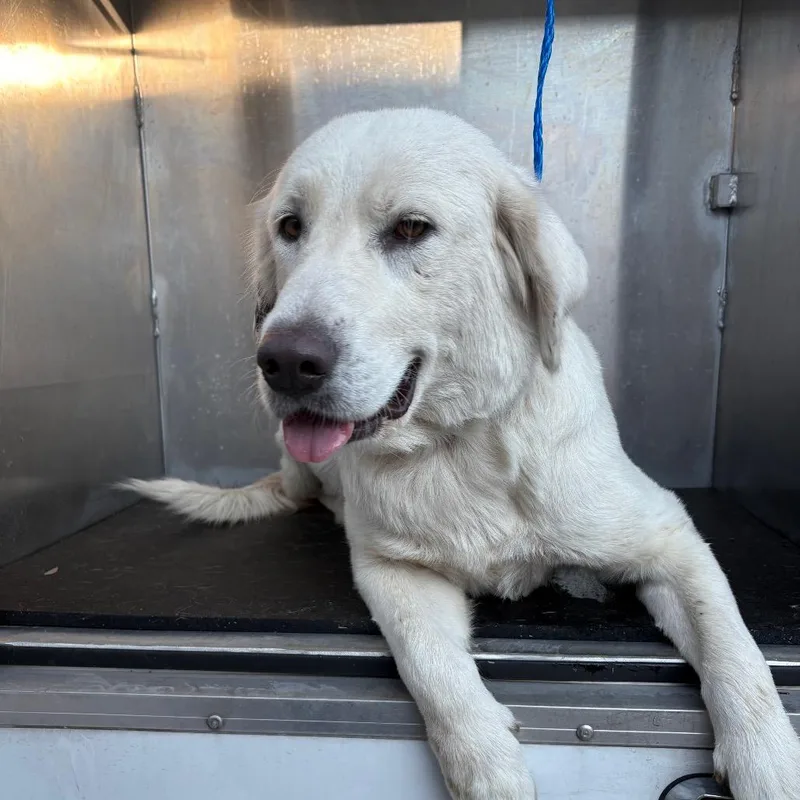
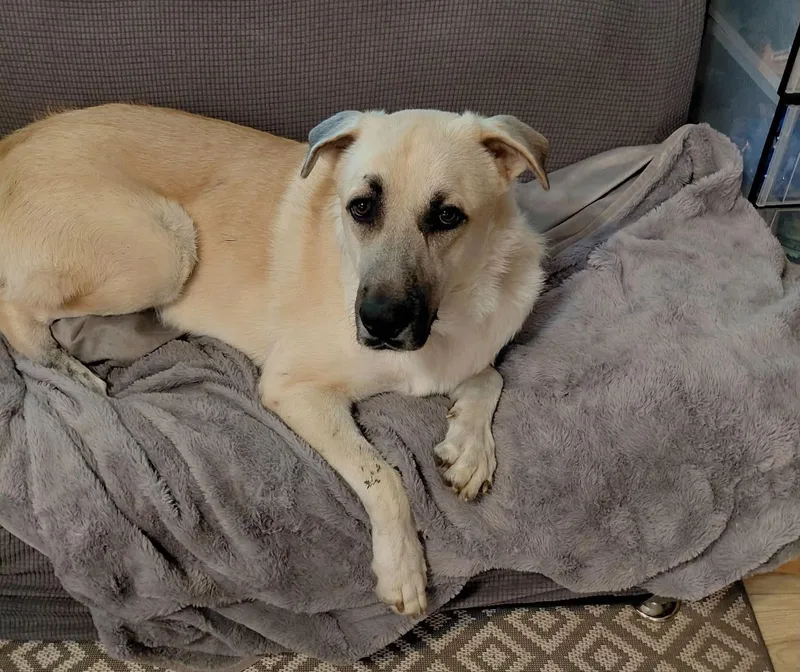
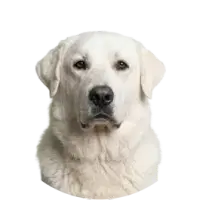
Akbash dog

Akbash Dogs for Adoption in Oklahoma City, OK

Your guide to finding and caring for an Akbash in OKC

An Akbash fits Oklahoma City best on a big fenced lot toward the edge of town. The city covers about 606 square miles, and much of it is still suburban or rural, so a long-legged livestock guardian can patrol a yard instead of pacing a Deep Deuce apartment. The paved loop around Lake Stanley Draper gives the dog a leashed outing with room to stretch. Expect a calm, watchful dog that barks at night, so think about your neighbors.

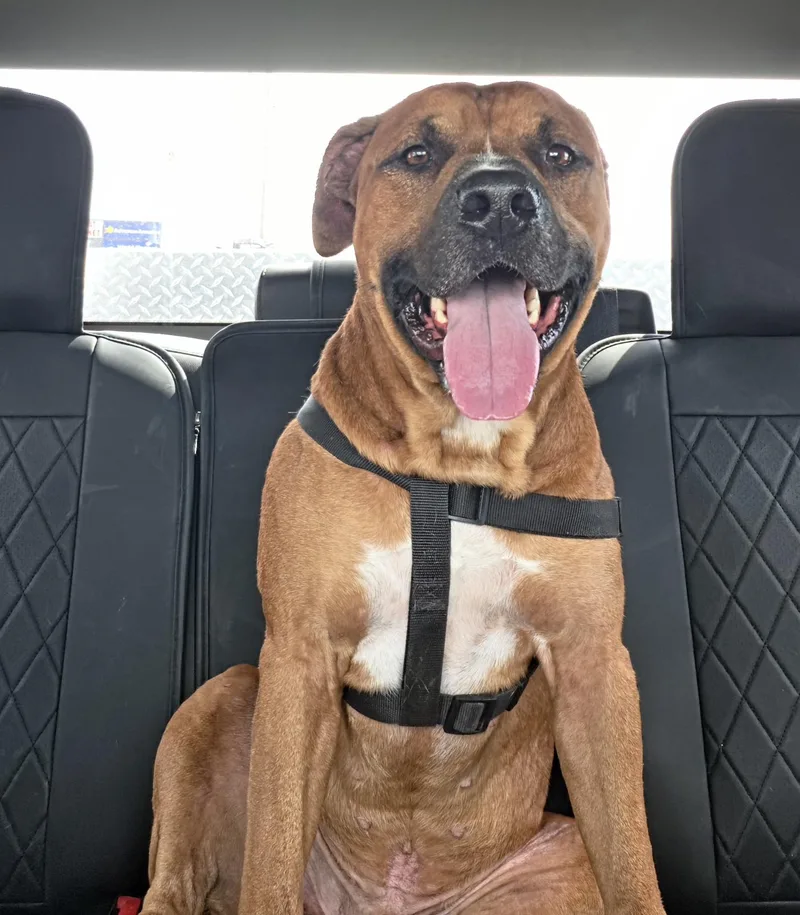
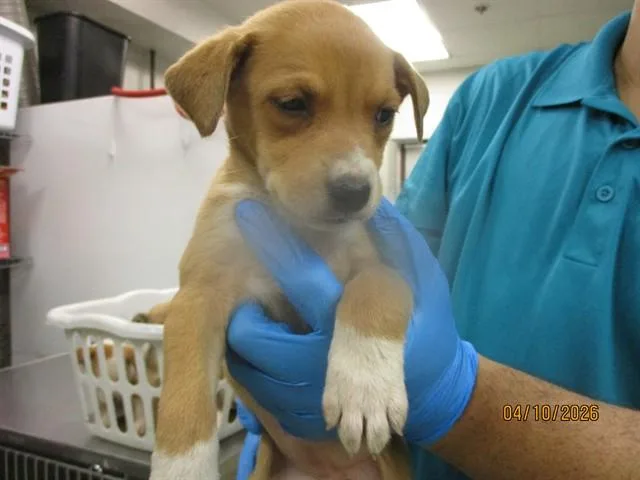
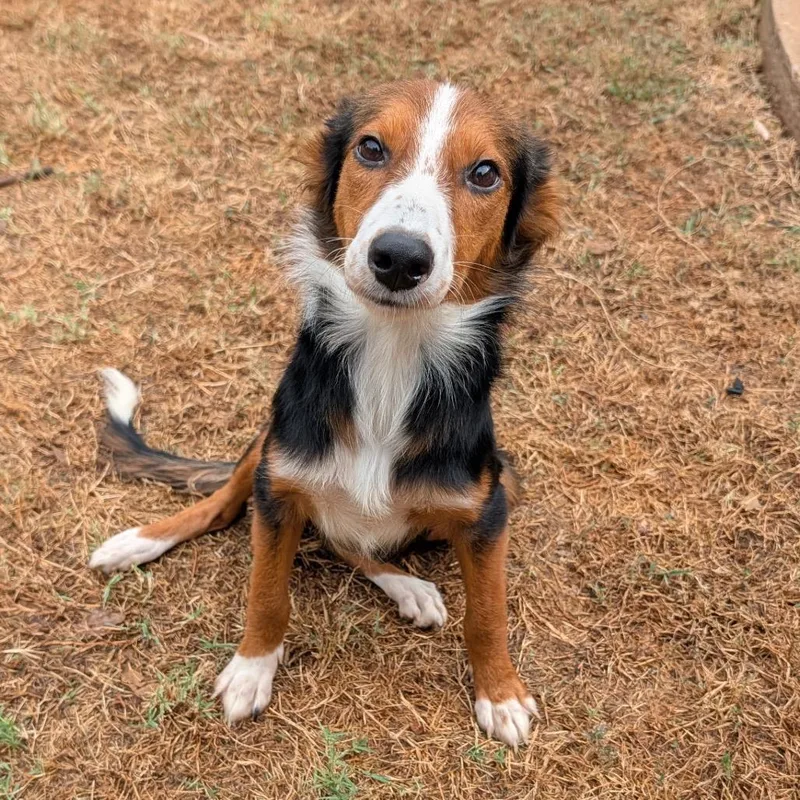
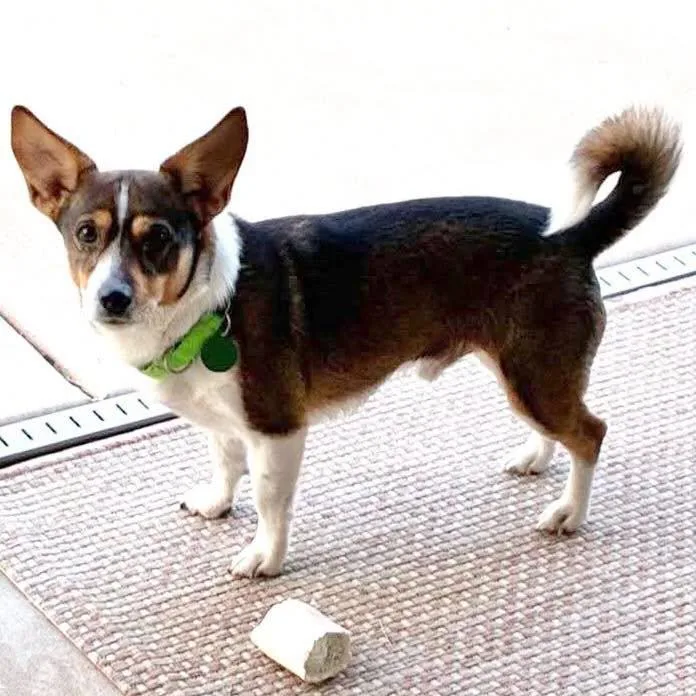
62 Akbashes available in Oklahoma City and nationwide

Meet your next Akbash

While we don't have enough dogs near Oklahoma City, keep in mind that many rescues may offer transport.

Akbashes Available for Adoption Near Oklahoma City

About the Akbash breed

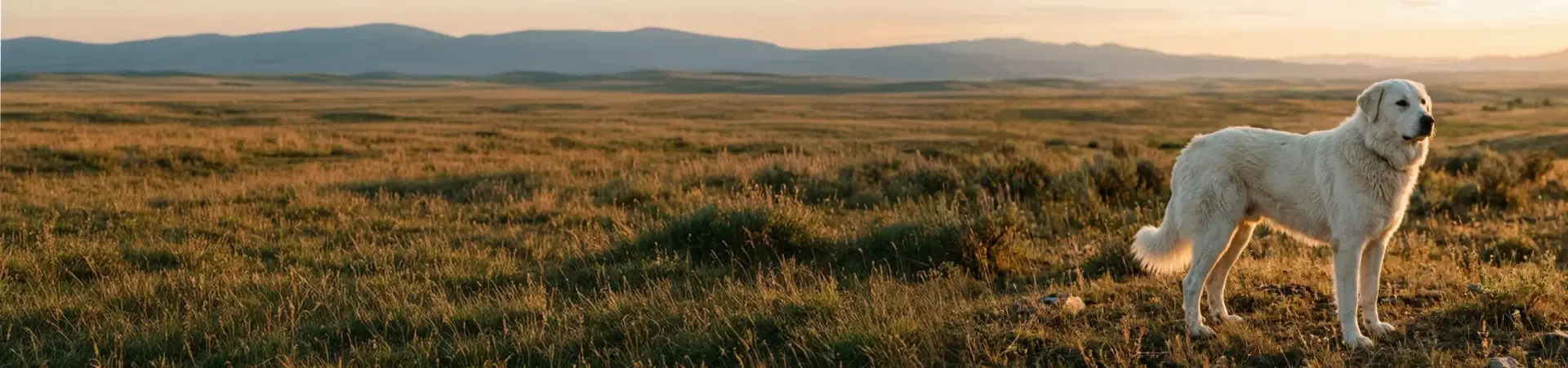
The Akbash is a white livestock guardian from western Turkey, where shepherds relied on it to live with their flocks and drive off wolves. The name means "white head." It is tall, lean and long-legged, with mastiff power, sighthound speed and a double coat that sheds heavily once a year.

Most Akbash dogs are calm, quiet and gentle with their own family, but aloof with strangers and watchful of unfamiliar dogs. They think for themselves and take two to three years to mature. For an Akbash in OKC, that means tall, secure fencing, early socialization and an owner who understands guardian breeds. Each dog's personality varies.

Weight
75–140 lbs
Height
27–34 in
Lifespan
10–12 yrs
Temperament
Protective, Calm, Independent, Loyal
Group
Working
Shedding
Moderate to High

Owning an Akbash in Oklahoma City

Having an Akbash in OKC

An Akbash is a working guardian first, so its independence, watchfulness and night barking shape daily life more than its gentle side at home. In OKC, a secure yard and an understanding of the breed matter most.

Temperament

Many Akbash dogs are steady and quietly affectionate with their family, but naturally suspicious of visitors and unfamiliar dogs. That alertness can be a challenge in a crowded neighborhood. They respond to patient, consistent training but rarely obey blindly, so early and ongoing socialization is important for any dog.
Exercise Needs

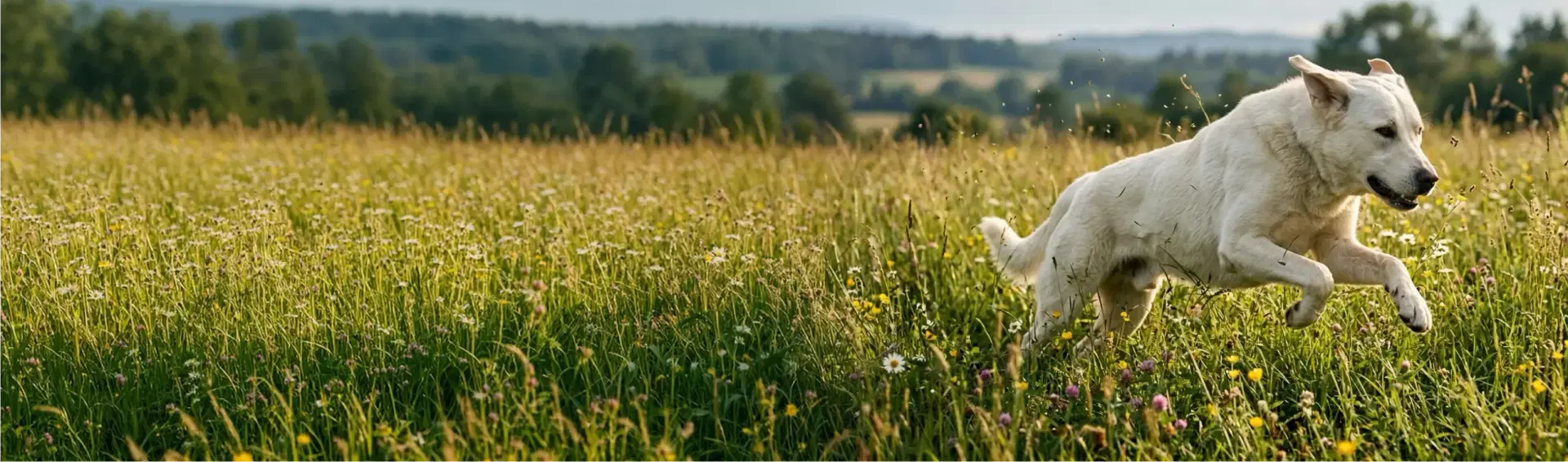
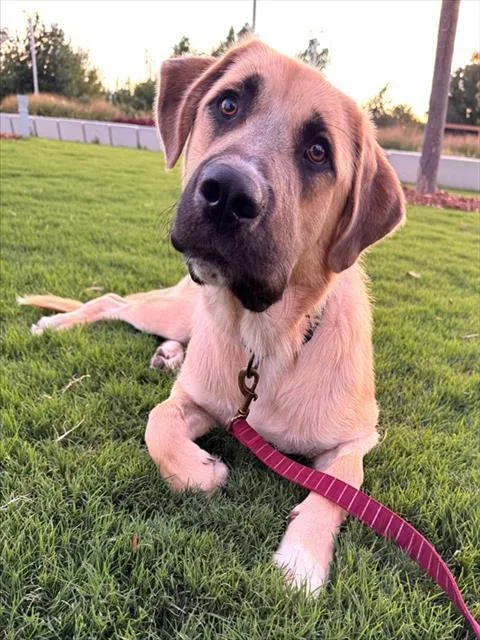
Akbash dogs need moderate daily exercise, not intense workouts. In OKC, that can mean patrolling a fenced yard plus long leashed walks on paved routes like the Bert Cooper loop at Lake Hefner. They are fast and may roam, so keep off-leash time to secure areas only.

Health Considerations

The breed is generally hardy, but giant dogs can develop hip dysplasia, bloat and hypothyroidism. Some guardian breeds react strongly to anesthesia, so tell your veterinarian the breed before any procedure. Oklahoma's ticks and mosquitoes make year-round parasite prevention worthwhile, and a vet can check the hips after adoption.

Living Space

An Akbash is poorly suited to apartments and does best with a large yard and tall, secure fencing. OKC's sprawling layout makes that easier to find on the outer edges than downtown. Night barking can strain relations with close neighbors, though family dogs should still spend time indoors with their people.

What it costs to own an Akbash in Oklahoma City

ExpenseTypical costPer year
Food$80 to $160 per month$960 to $1,920
Pet insurance$85 to $170 per month$1,020 to $2,040
Routine vet care$250 to $500 per year$250 to $500
Other*$675 to $1,850 per year$675 to $1,850
Estimated yearly total (after year one)$2,905 to $6,310

Other costs are estimates and vary with size, age and health.

* Flea, tick and heartworm prevention, a dental cleaning allowance, durable toys and bedding, brushing for a heavy annual undercoat shed, and joint supplements for a giant breed.

Akbash dog

Adopt an Akbash in Oklahoma City.

Now that you know more, let’s find you a new best friend. These rescues and shelters below have dogs available in and near Oklahoma City.

Frequently Asked Questions

Yes. Oklahoma law prohibits cities from banning breeds, and Oklahoma City has no breed-specific rules. Your dog needs a rabies vaccination by four months of age with the tag worn at all times, and must be leashed or confined. Households can keep no more than four dogs over six months old, and continuous barking is not allowed.

It's possible but rarely ideal. An Akbash is a giant guardian breed that barks at night and wants space to patrol, which can strain apartment living. Downtown lofts in Deep Deuce or Midtown are especially tight. A rental house with a tall, secure fence and an understanding landlord is a far better fit.

Generally yes, thanks to a thick double coat. Still, about 72 nights a year dip to freezing, and OKC law bars leaving a dog outdoors alone for more than 30 minutes below 32°F. An unheated doghouse doesn't count as shelter. Give the dog an indoor spot, and watch for ice on paws.

It can be, for the right household. OKC's large footprint means yards are easy to find on the outer edges, and the dog needs one. Summer heat, spring storms and night barking all take planning. An Akbash suits owners who are home often, understand guardian breeds and have secure fencing.

Leashed trails work best. The Bert Cooper loop at Lake Hefner is 9.8 miles, and the Lake Stanley Draper loop is 13.5 miles. Dogs must stay leashed and can't swim in city lakes. Scissortail Park has a fenced dog park, but an Akbash that's wary of other dogs may prefer quiet paths.

Plan on brushing a couple of times a week, and daily during the heavy undercoat shed, usually in spring and early summer. Don't shave the coat, even in OKC's heat, because it helps insulate against sun. Heavy brushing and bathing at home are usually enough, and these costs fall within the Other line in the cost table.

Only on some patios. State health rules let restaurants allow leashed dogs outdoors if they meet certain conditions, but each restaurant decides, and dogs aren't allowed in dining rooms. A giant guardian that's wary of strangers may find a busy patio stressful, so practice calm settling in quieter places first.

Only service animals have a confirmed place on EMBARK buses and the OKC Streetcar. Check EMBARK's current rules for pets before planning a trip. A giant dog that's wary of strangers can also be hard to manage in tight, crowded vehicles, so a car is usually the more practical way to travel.

Akbash dogs are not typically aggressive toward their own family, but they are protective guardians that may act aggressively toward threats. The breed is described as gentle and quietly affectionate at home, aloof and suspicious with strangers, and watchful of unfamiliar dogs on its territory. Thorough socialization, secure fencing and careful introductions help prevent protective behavior from becoming a problem.

Expect roughly $80 to $160 a month for food and $85 to $170 for pet insurance. Routine vet care runs about $250 to $500 a year, and other yearly costs add about $675 to $1,850. Fencing, a large crate and a sturdy bed are one-time costs worth budgeting for a giant dog.