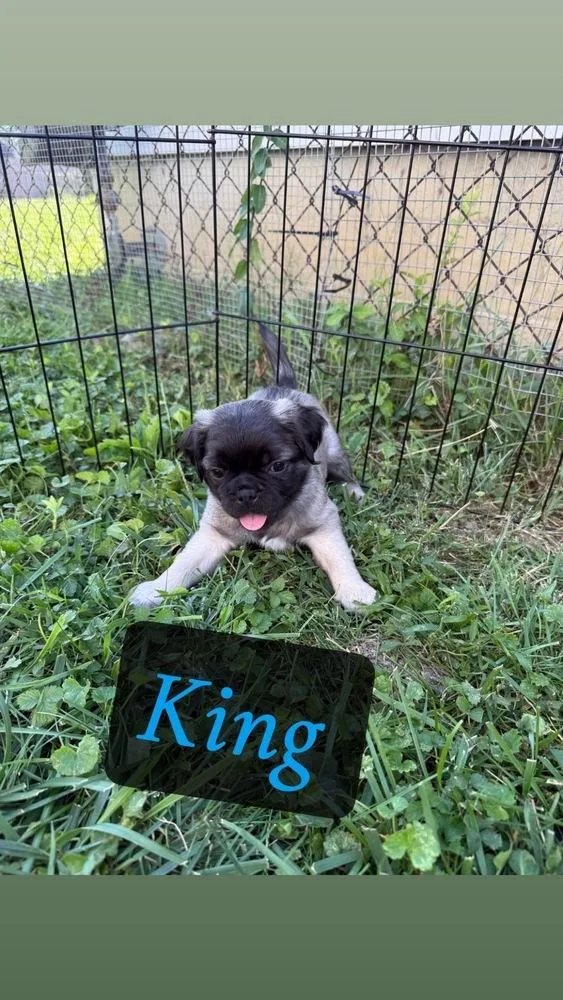
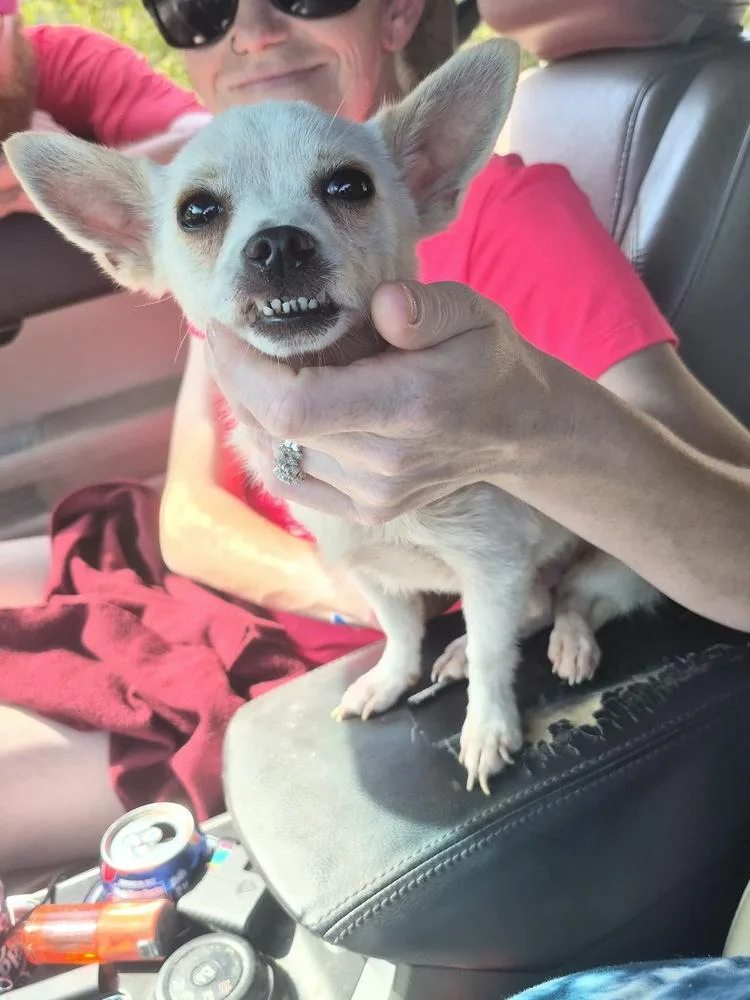
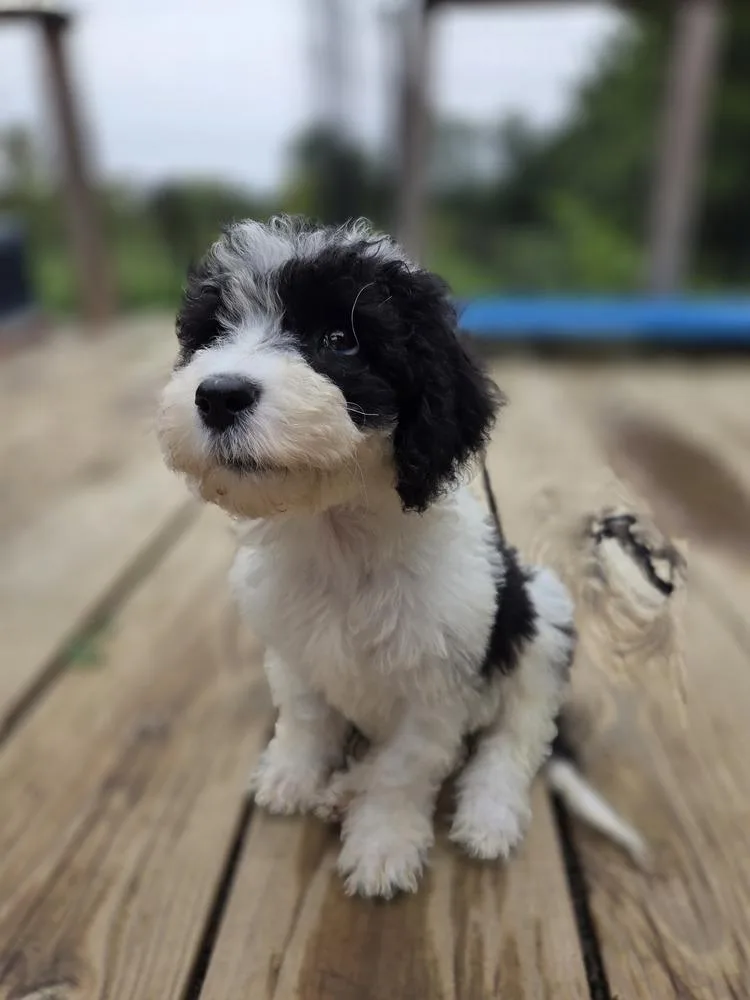
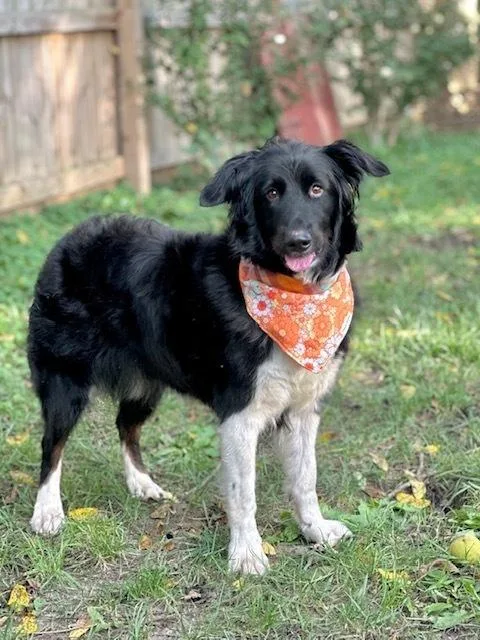
Akbash dog

Akbash Dogs for Adoption in Columbus, OH

Your guide to finding and caring for an Akbash in Columbus

An Akbash does best in Columbus where it has a yard to patrol. Hilltop's quarter-acre lots, mostly 1920s Cape Cods and bungalows, give a dog this size room to move, though the fence needs to be tall and secure. Much of the city is rental housing, and a giant guardian that barks at night is a tough fit for a shared wall. At home, Akbash dogs are calm and quietly devoted, so a house with a real yard is worth looking for.

62 Akbashes available in Columbus and nationwide

Meet your next Akbash

While we don't have enough dogs near Columbus, keep in mind that many rescues may offer transport.

Akbashes Available for Adoption Near Columbus

About the Akbash breed

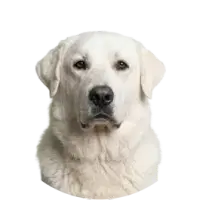
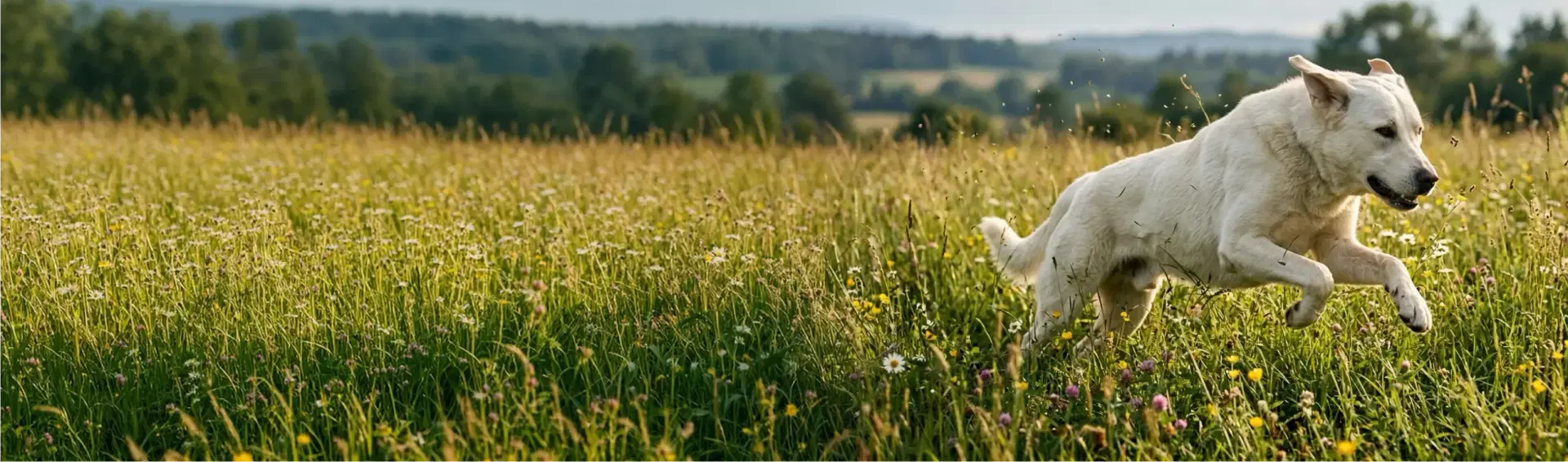
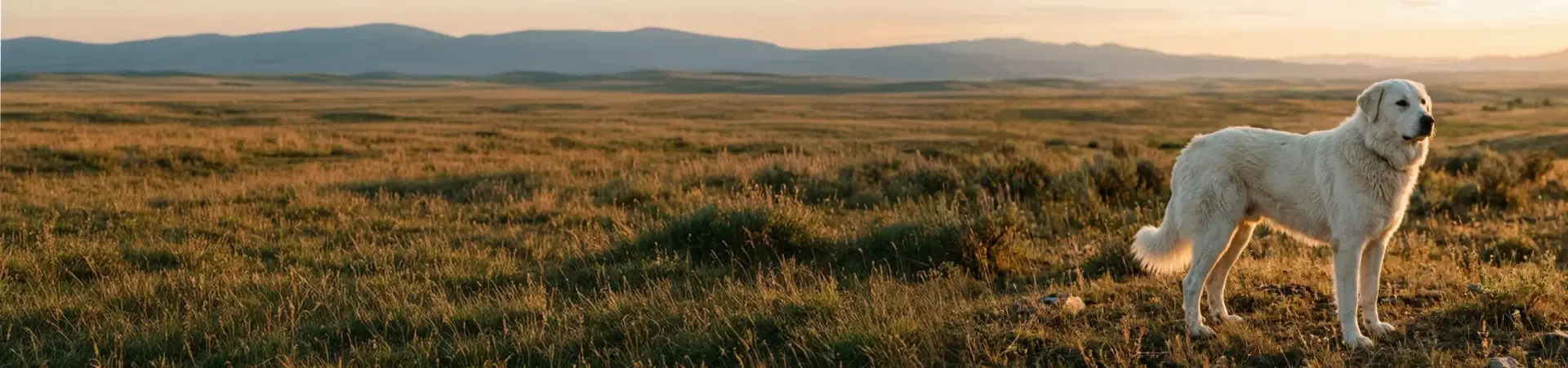
The Akbash is a white livestock guardian from western Turkey, where shepherds have long relied on it to live with their flocks and drive off wolves. Its name, akbaş, means white head, and the pale coat helps a shepherd tell the dog from a predator in poor light. Americans began importing Akbash dogs in the 1970s, and the breed later proved itself in a US Department of Agriculture predator control program. It is tall, lean and long-legged, blending mastiff power with sighthound speed.

Many Akbash dogs are calm, quiet and gentle with their own family, yet aloof and protective toward strangers and unfamiliar dogs. They think for themselves, mature slowly and like to patrol their territory. In Columbus, where coyotes turn up even in city neighborhoods, that watchfulness comes naturally, so secure fencing and early socialization matter. Dogs vary, and breed alone doesn't decide temperament.

Weight
75–140 lbs
Height
27–34 in
Lifespan
10–12 yrs
Temperament
Protective, Calm, Independent, Loyal
Group
Working
Shedding
Moderate to High

Owning an Akbash in Columbus

Having an Akbash in Columbus

Akbash dogs are working guardians, bred to make their own decisions. In Columbus, the practical questions are space, a tall fence, night barking near neighbors and how a giant dog handles Ohio winters. Each dog varies, so look at the dog in front of you.

Temperament

Akbash dogs tend to be calm, steady and quietly affectionate with family, but aloof with strangers and watchful around unfamiliar dogs. On busy Columbus sidewalks, that means controlled introductions and early, ongoing socialization. They're independent thinkers, so training takes patience and consistency. Temperament differs from dog to dog, and breed alone doesn't decide it.

Exercise Needs

Akbash dogs need moderate daily exercise: patrol time in a secure yard plus a long leashed walk. Columbus's Metro Parks pet trails and greenways fit that well. They're fast and may roam, so off-leash time belongs only in secure areas. Puppies mature slowly and should avoid heavy, repetitive exercise.

Health Considerations

Akbash dogs are generally hardy, but giant breeds can develop hip dysplasia, bloat, osteochondritis dissecans and hypothyroidism. Some guardian breeds are sensitive to anesthesia, so mention the breed before any procedure. Keep the dog lean, learn the signs of bloat, and have a Columbus veterinarian check the hips soon after adoption.

Living Space

An Akbash is poorly suited to apartments and does best in a house with tall, secure fencing. Single-family parts of Columbus offer the room it needs. Night barking is part of the breed, so close neighbors matter. A family Akbash should still spend time indoors with its people.

What it costs to own an Akbash in Columbus

ExpenseTypical costPer year
Food$80 to $160 per month$960 to $1,920
Pet insurance$85 to $170 per month$1,020 to $2,040
Routine vet care$250 to $500 per year$250 to $500
Other*$690 to $1,890 per year$690 to $1,890
Estimated yearly total (after year one)$2,920 to $6,350

Other costs are estimates and vary with size, age and health.

* The Franklin County dog license, flea, tick and heartworm prevention, a dental cleaning allowance, durable toys and bedding, brushing and grooming for a heavy annual undercoat shed, and joint supplements for a giant breed.

Akbash dog

Adopt an Akbash in Columbus.

Now that you know more, let’s find you a new best friend. These rescues and shelters below have dogs available in and near Columbus.

Frequently Asked Questions

Yes, you can. Columbus has no breed ban, and Ohio law no longer treats any breed as vicious; a dog is labeled nuisance, dangerous or vicious only for its behavior. Ohio's Avery's Law raised penalties for owners of designated dogs in 2026, so for a protective breed like the Akbash, a tall secure fence and early socialization are the best protection.

It's possible but rarely a good match. Akbash dogs are giant guardians that bark at night, and Columbus code prohibits barking that is unreasonably loud or disturbing to the neighborhood, which is hard to avoid through shared walls. A house with a tall fenced yard is the realistic fit. If you rent a house, get pet approval in writing.

It can be, with a house, a tall fence and time for patient socialization. Coyotes live in Columbus neighborhoods, which a watchful Akbash will notice, so expect barking after dark. Fireworks around July 4 are another test, since more pets get lost then: keep the dog indoors and make sure ID tags and microchip details are current.

Yes, with sensible limits. A thick double coat copes with most Columbus winters, but the December 2022 cold snap, which dropped to −7°F with wind chills near −34°F, is a reminder to bring the dog indoors in extremes. Even a hardy guardian needs a warm, dry place to rest, and snow and ice can make walks slippery.

Metro Parks pet trails work well, and pets must be on a leash of six feet or less. Just outside the city, Battelle Darby Creek has the paved Camp Chase Trail and grass pet trails like Wagtail, and Highbanks lists all its trails as pet-friendly. Quieter trails usually suit a dog wary of other dogs better than busy dog parks.

Plan on a thorough brush about once a week, and more often during the heavy annual undercoat shed. The double coat insulates against Ohio cold and humid summer heat alike, so don't shave it. Brushing at home does most of the work, and any professional grooming is counted in the yearly Other costs shown on this page.

No, not in practice. COTA runs buses only, with no rail, and pets can ride only inside a cage or case that fits on your lap. A giant Akbash can't meet that rule, though trained service animals are welcome on a leash. Plan on car travel for vet visits and trail outings.

Only to some outdoor patios. Ohio law lets each restaurant decide whether to allow dogs outdoors, provided patrons keep them under control and the dog is properly vaccinated; pet dogs aren't allowed inside. An Akbash is giant and wary of strangers, so a crowded patio can be stressful, and a quiet time of day works better.

Akbash dogs are not typically aggressive toward their own family, but they are protective guardians that may act aggressively toward threats. The breed is described as gentle and quietly affectionate at home, aloof and suspicious with strangers, and watchful of unfamiliar dogs on its territory. Thorough socialization, secure fencing and careful introductions help prevent protective behavior from becoming a problem.

Expect roughly $80 to $160 a month for food and $85 to $170 for pet insurance, plus $250 to $500 a year for routine vet care and $690 to $1,890 for everything else. That adds up to about $2,900 to $6,350 a year. Giant-breed food and prevention drive the bills, and emergencies like bloat surgery are extra.