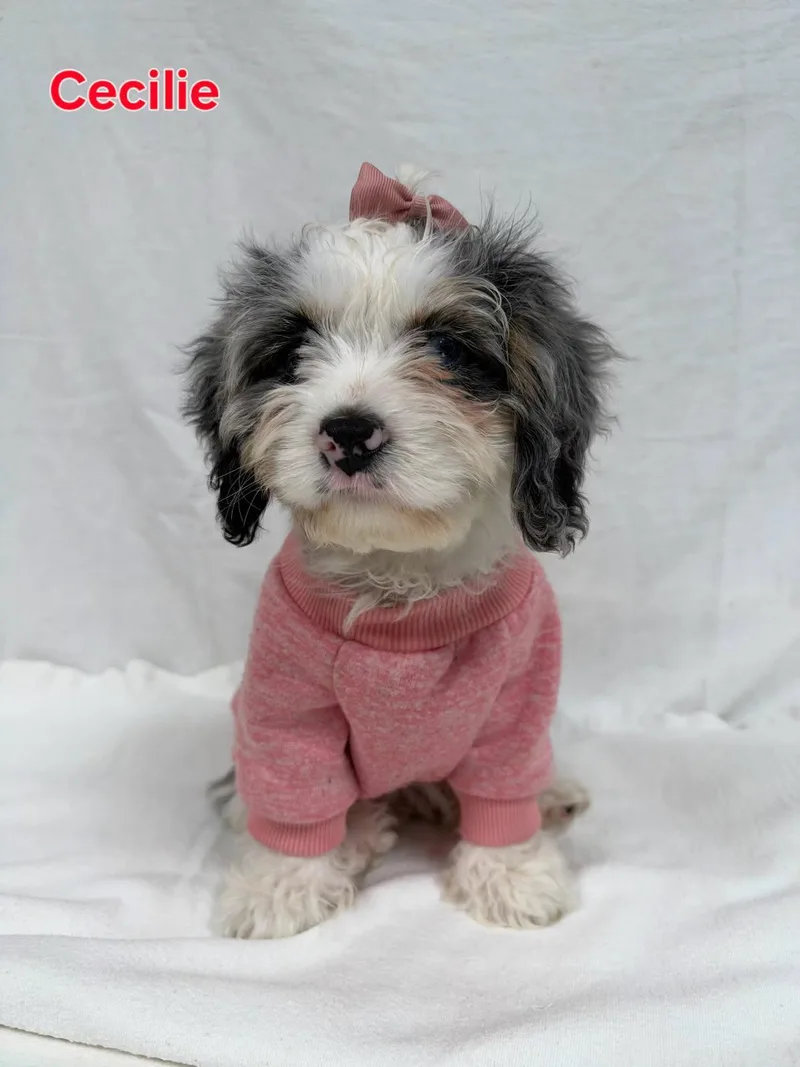
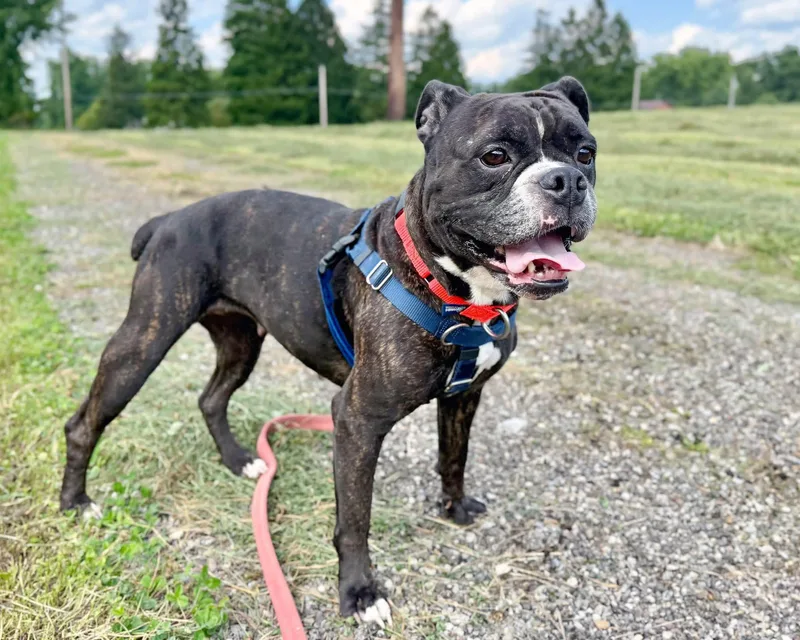
Dogue de Bordeaux Dogs for Adoption in Ashland, OH

Your guide to finding and caring for a Dogue de Bordeaux in Ashland

25 Dogue de Bordeaux available in Ashland and nationwide

Find your forever Dogue de Bordeaux

While we don't have enough dogs near Ashland, keep in mind that many rescues may offer transport.

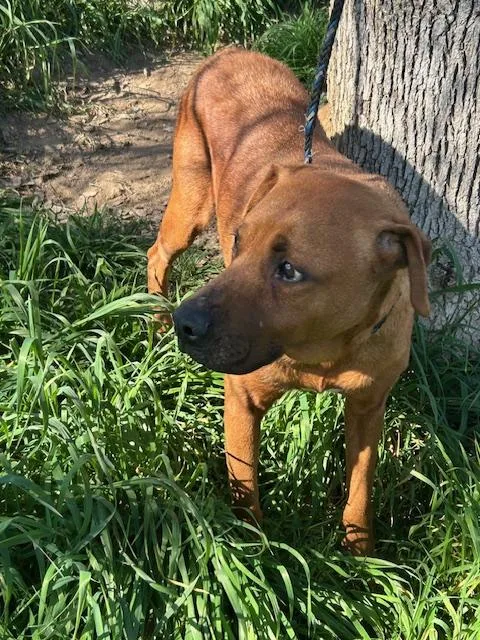
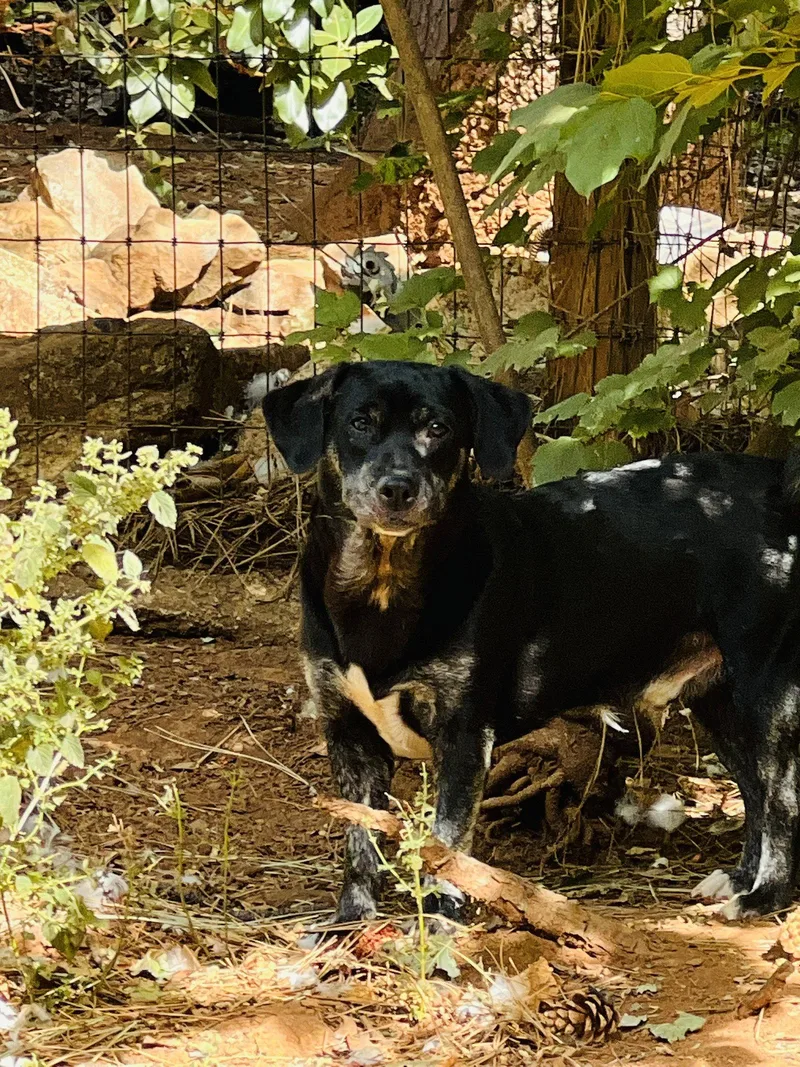
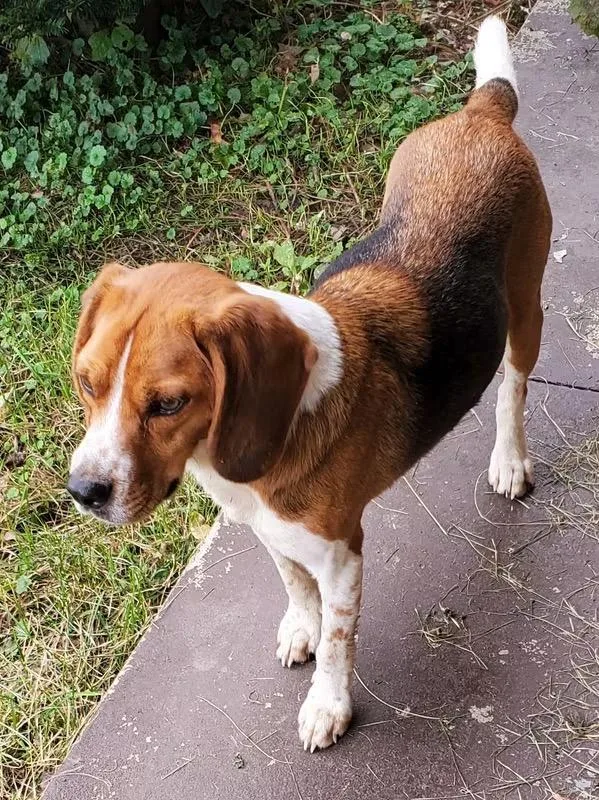
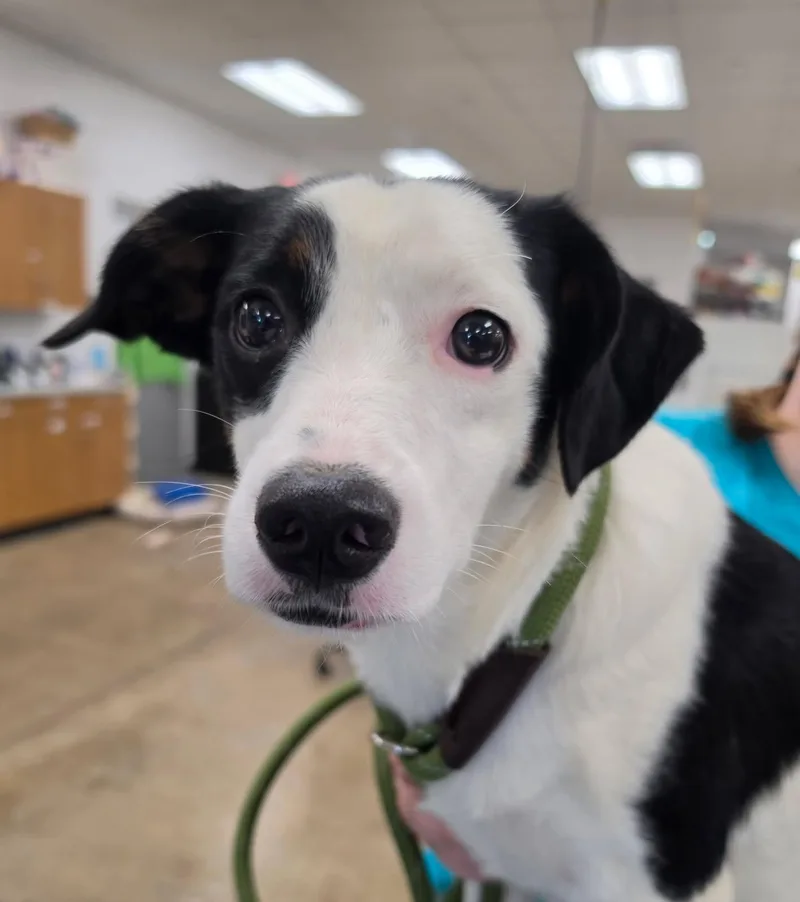
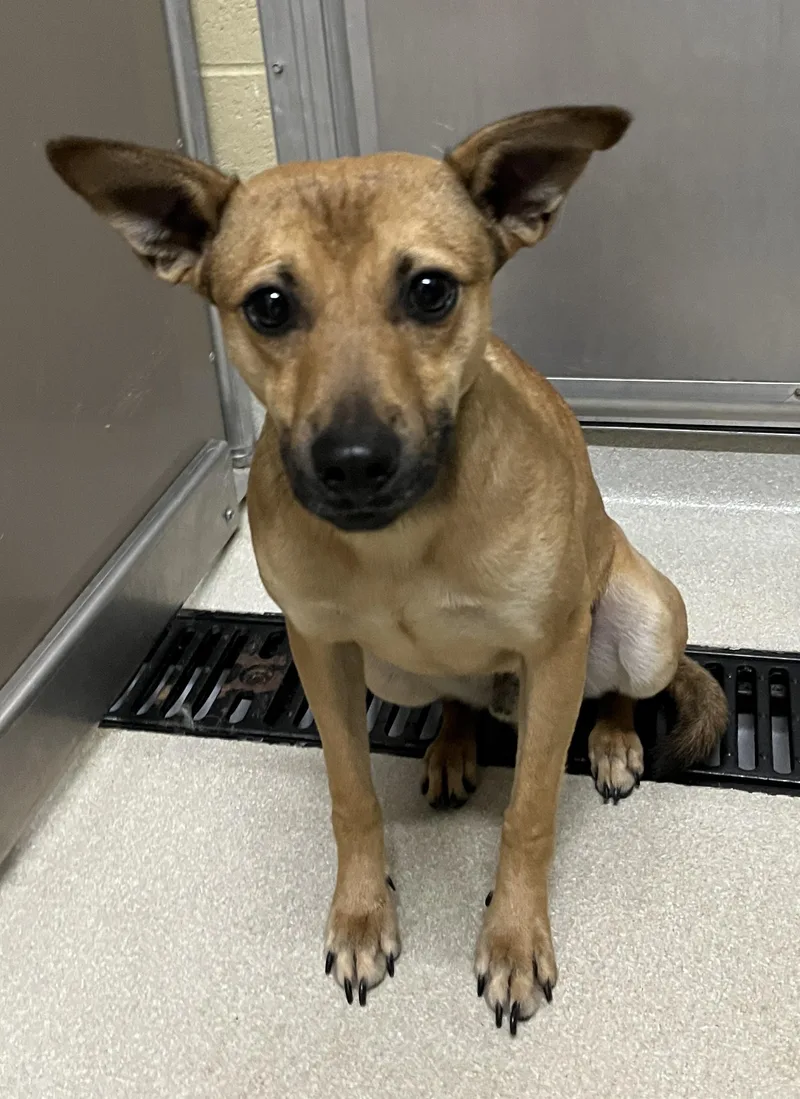
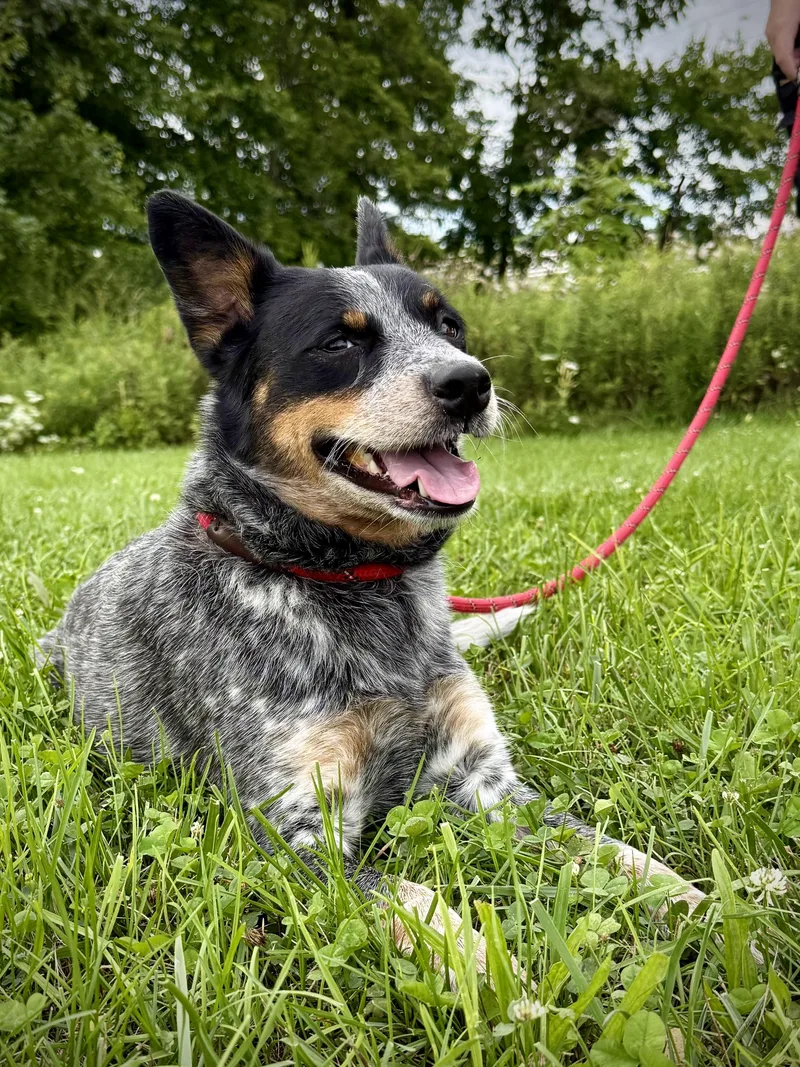
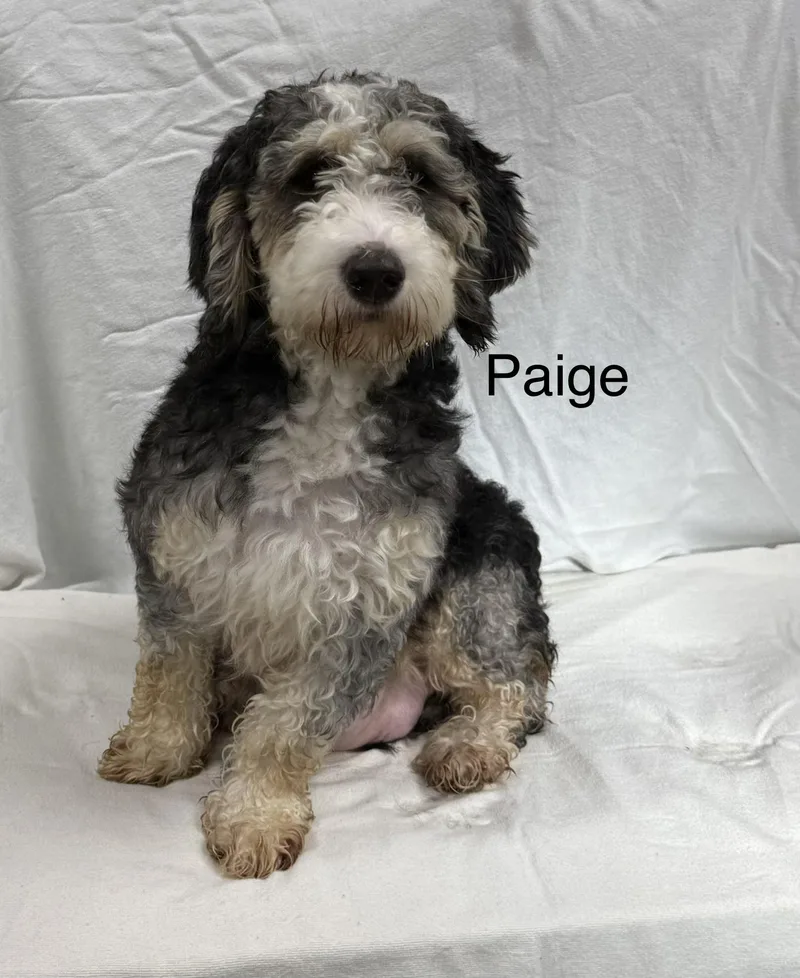
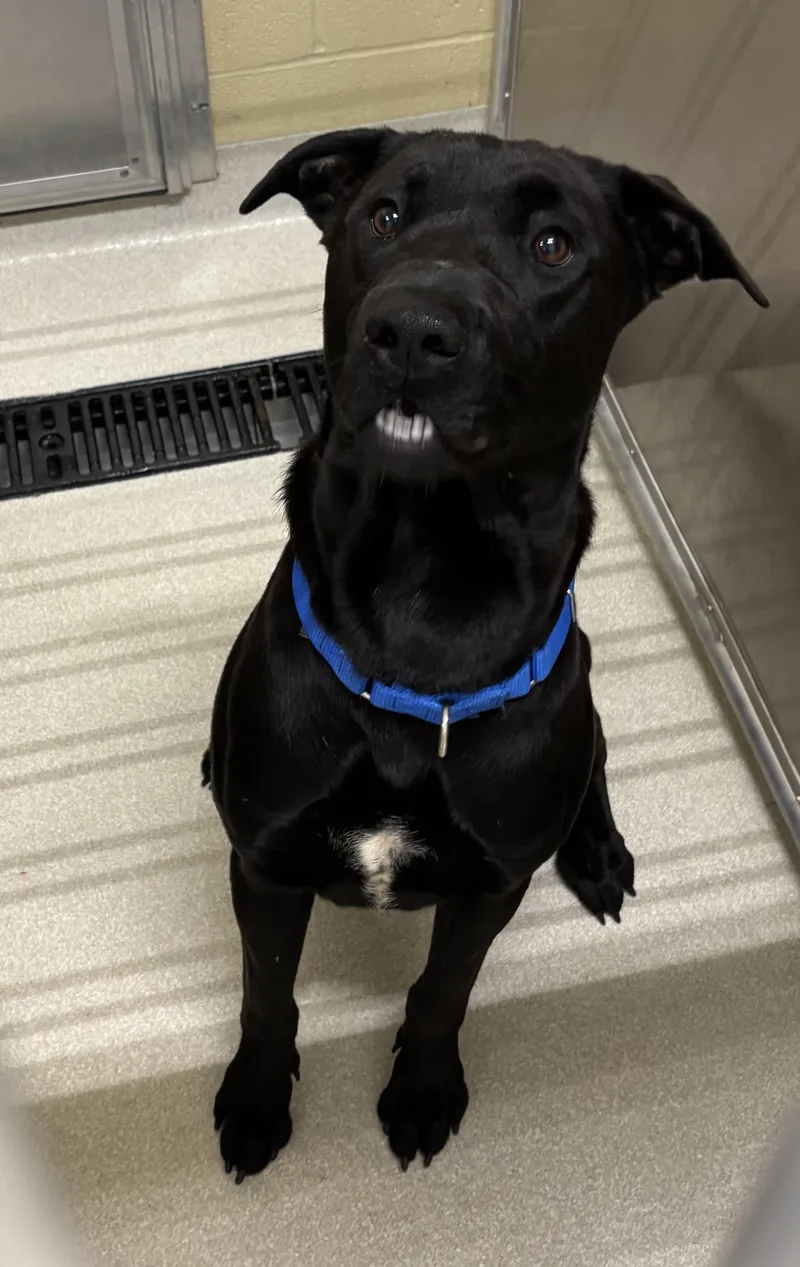
Dogue de Bordeaux Available for Adoption Near Ashland

About the Dogue de Bordeaux breed

Often called the French Mastiff, the Dogue de Bordeaux is one of France's oldest breeds, known in the Bordeaux region for centuries as a guardian, drover and estate dog. Its numbers dwindled to a few hundred worldwide by the early 1980s, and many Americans first saw one in the 1989 film Turner & Hooch. The breed has a short fawn to mahogany coat, a wrinkled brow and what is often described as the largest head, proportionally, of any dog.

Many Dogues are calm, sensitive and deeply attached to their families, yet watchful with strangers and strong enough to demand early, consistent, gentle training. Adopters should plan for heavy drooling, heat sensitivity, giant-dog expenses and a sadly short lifespan, often under ten years, shaped by heart disease, cancer, bloat and joint problems.

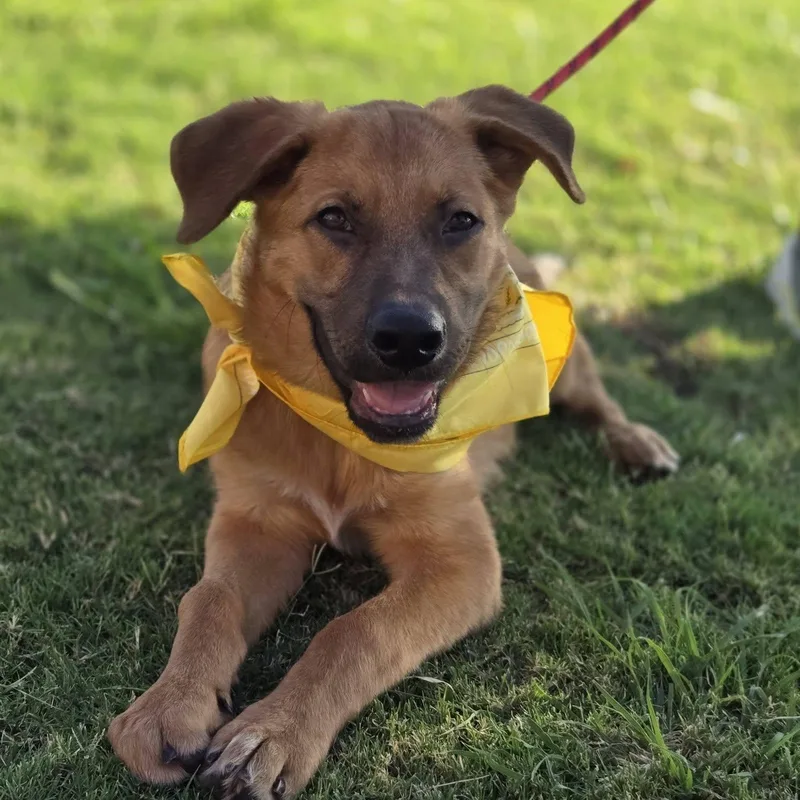
Weight
99–145 lbs
Height
23–27 in
Lifespan
5–9 yrs
Temperament
Protective, Loyal, Calm, Devoted
Group
Working
Shedding
Moderate to High

Owning a Dogue de Bordeaux in Ashland

Having a Dogue de Bordeaux in Ashland

The Dogue de Bordeaux pairs a gentle, affectionate home personality with a guardian's vigilance and enormous strength. Its drool, heat sensitivity, health risks and need for early, careful training shape everyday life more than its moderate exercise needs do.

Temperament

Dogues tend to be affectionate, calm and devoted with their people, often leaning into family members for attention. They are naturally watchful and can be wary of strangers or unfamiliar dogs, especially same-sex dogs. Their sensitivity means harsh training backfires. Early socialization and consistent, reward-based guidance help a Dogue stay confident rather than overprotective.

Exercise Needs

Adult Dogues usually need moderate exercise: daily walks, short play sessions and some training or puzzle work. Puppies should stick to low-impact activity until about 18 months to protect growing joints, avoiding stairs and jumping. Swimming is good exercise. Exercise during cool hours, since this short-faced breed overheats quickly.

Health Considerations

The breed faces serious risks: aortic stenosis and other heart disease, cancer, bloat, hip and elbow dysplasia, and breathing problems linked to its short face. Skin folds can become infected without cleaning. Lifespan is often under ten years. Ask for any heart or joint screening records and build a relationship with a veterinarian early.

Living Space

A Dogue can live in an apartment or house if it has room to stretch out, air conditioning in warm weather and easy access without many stairs. It is fairly calm indoors but large and heavy, with a drool radius to match. A fenced yard is helpful, and the dog should live indoors with its family.

What it costs to own a Dogue de Bordeaux

ExpenseTypical costPer year
Food$80 to $160 per month$960 to $1,920
Pet insurance$85 to $170 per month$1,020 to $2,040
Routine vet care$250 to $500 per year$250 to $500
Other*$590 to $1,690 per year$590 to $1,690
Estimated yearly total (after year one)$2,820 to $6,150

Other costs are national averages for Dogue de Bordeaux; we don't have costs specific to Ashland yet.

* Giant-size flea, tick and heartworm prevention, a dental cleaning allowance, a dog license, sturdy toys and bedding, basic coat care, and skin-fold care and joint supplements; license fees vary by city.

Adopt a Dogue de Bordeaux in Ashland.

Now that you know more, let’s find you a new best friend. These rescues and shelters below currently have Dogue de Bordeaux available.

Rescues in Ashland with Dogue de Bordeaux Available

Here are the rescues & shelters in the Ashland area where you can find Dogue de Bordeaux and other dogs available for adoption.

Frequently Asked Questions

A Dogue de Bordeaux is not inherently dangerous, but it is a powerful guardian breed whose size and protective instincts demand responsible handling. Most are gentle and affectionate with their families. Poor socialization, rough training or weak containment raise the risk of problems with strangers or other dogs. Early training and an experienced owner make a big difference.

The Dogue de Bordeaux is not banned nationally in the United States, but some cities, landlords, homeowners associations and insurers restrict mastiff-type or large guardian breeds. A few jurisdictions abroad also place it on restricted-dog lists. Before adopting, check local ordinances, your lease and your homeowner's or renter's insurance policy to avoid surprises.

Dogue de Bordeaux is pronounced roughly dohg duh bor-DOH. Dogue rhymes with "rogue," de is a soft duh, and Bordeaux is said like the French wine region. Many owners simply call the breed a DDB or a French Mastiff, and rescues and veterinarians will recognize either name.

A Dogue de Bordeaux typically lives about 5 to 9 years, and large veterinary record studies put the median age at death under eight years. That is short even among giant breeds. Heart disease, cancer, bloat and orthopedic problems are major factors. Lean weight, careful exercise and regular veterinary checkups can help a Dogue live its best possible life.

A Dogue de Bordeaux usually stands about 23 to 27 inches at the shoulder. The breed standard sets minimum weights of 110 pounds for males and 99 pounds for females, and many adults weigh 110 to 145 pounds. Its massive head, broad chest and low, stocky frame make it look even larger than its height suggests.

The Dogue de Bordeaux was bred as a versatile working mastiff in southern France. Over the centuries it guarded estates and property, drove cattle for butchers, pulled carts and was used to hunt large game. Unfortunately, it was also used in dog fighting in earlier eras. Today's Dogues are mainly companions and guardians.

The Dogue de Bordeaux can be a good family dog for an experienced household ready for its size, drool and health needs. Many are gentle and affectionate with children they know, though their weight can knock over toddlers. Supervision, early socialization and calm, consistent training are essential, and an adult with a known history suits many families.

Most Dogues de Bordeaux reach their adult height by around 12 to 18 months, but they keep filling out with muscle and chest until about two or three years old. The AKC recommends limiting young Dogues to low-impact exercise until at least 18 months because their joints are still developing during that time.

Yes, the Dogue de Bordeaux drools heavily. Its loose lips and jowls let saliva build up, especially after drinking, eating, exercise or excitement, or in hot weather. Owners often keep towels around the house and wipe the face and wrinkles daily. Anyone bothered by slobber on clothes, furniture or walls should consider another breed.

We have 1 rescue with Dogue de Bordeaux available: Ashland County Dog Shelter. You can see every rescue with Dogue de Bordeaux available in the list above these questions, or scroll to the top to see the Dogue de Bordeaux near Ashland.