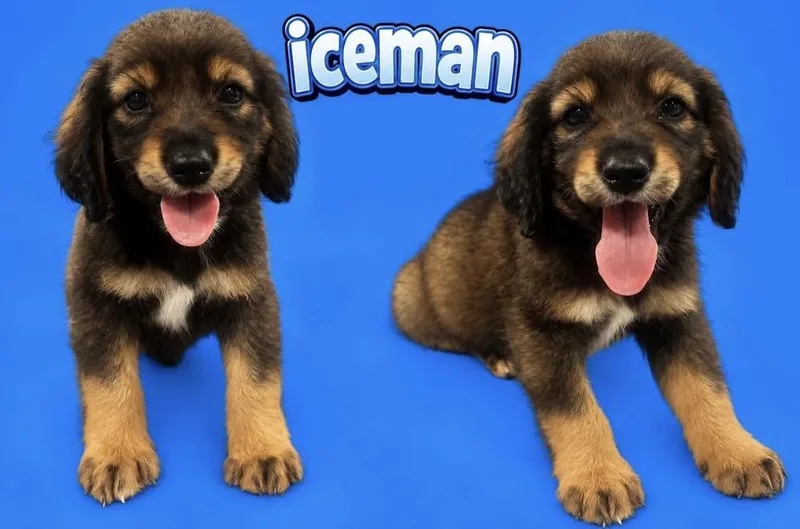
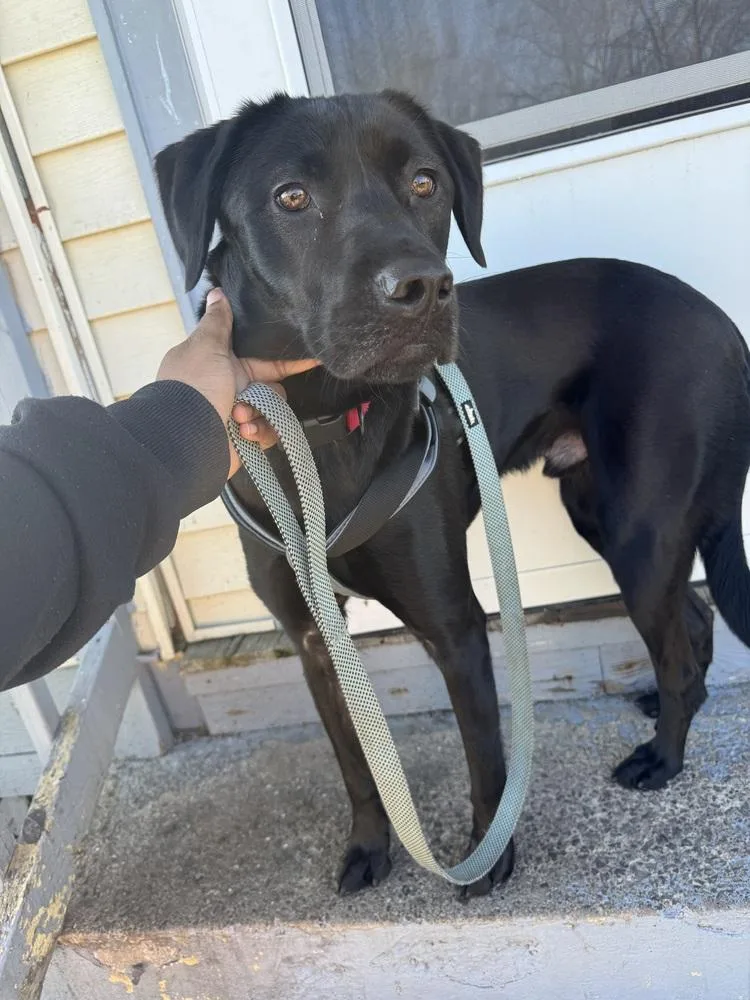
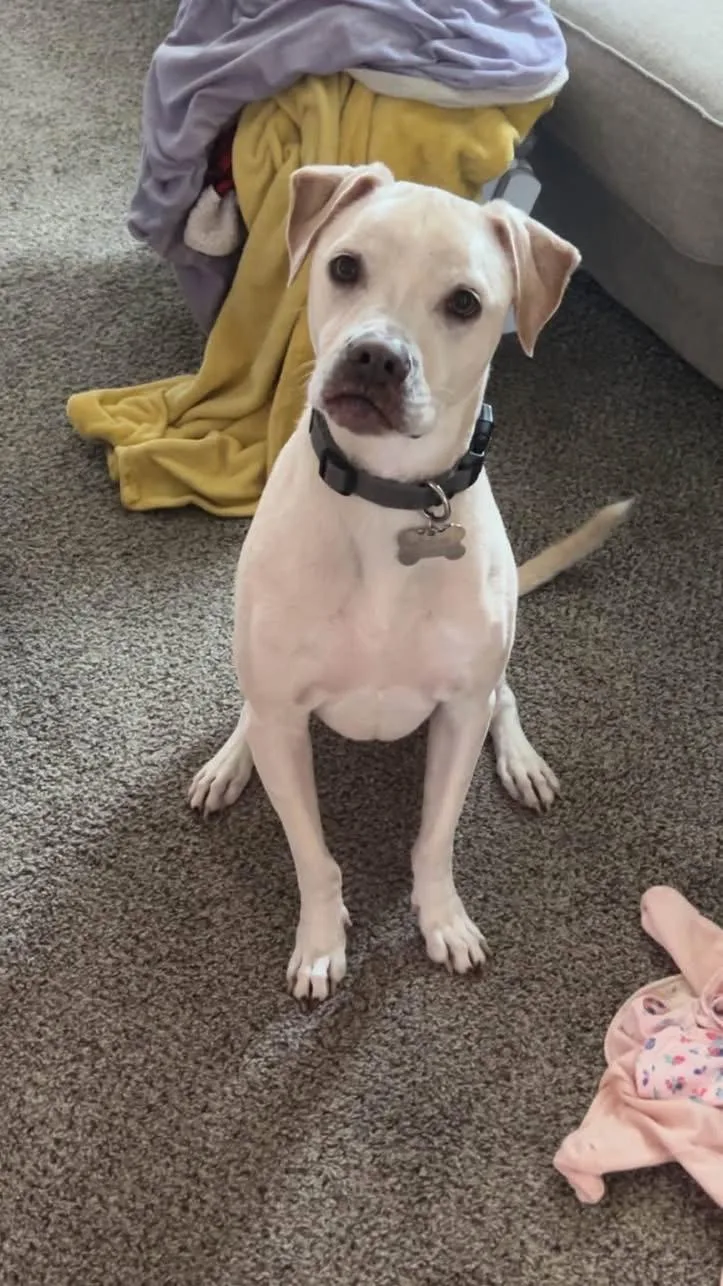
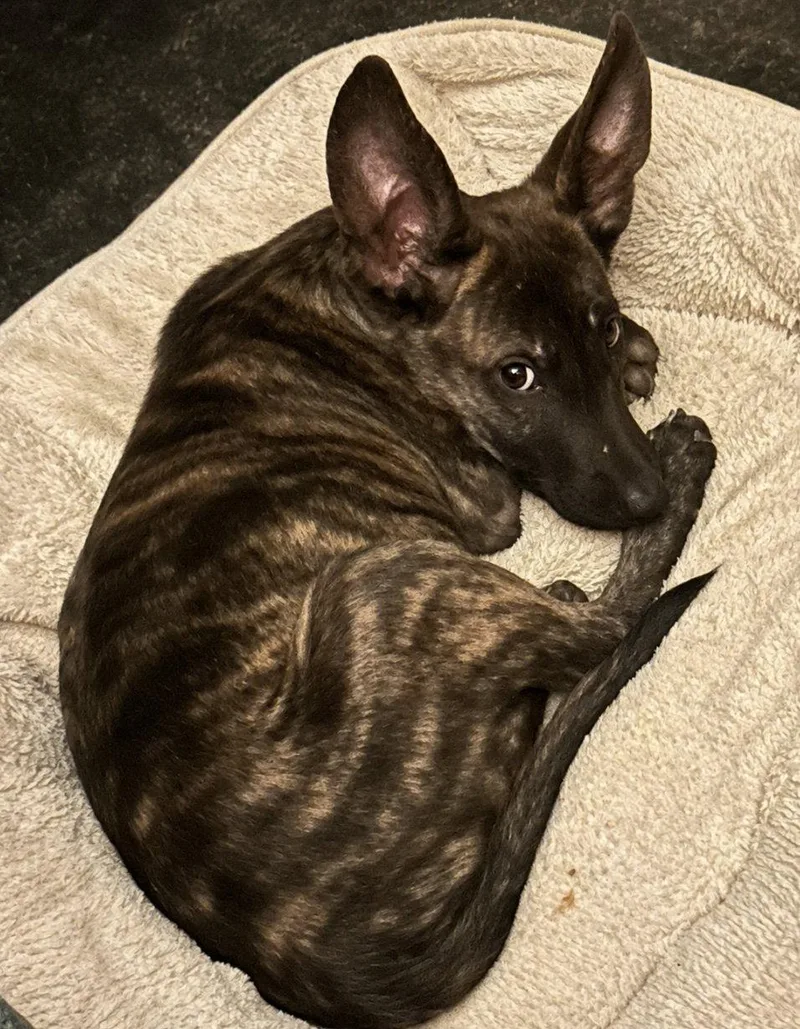
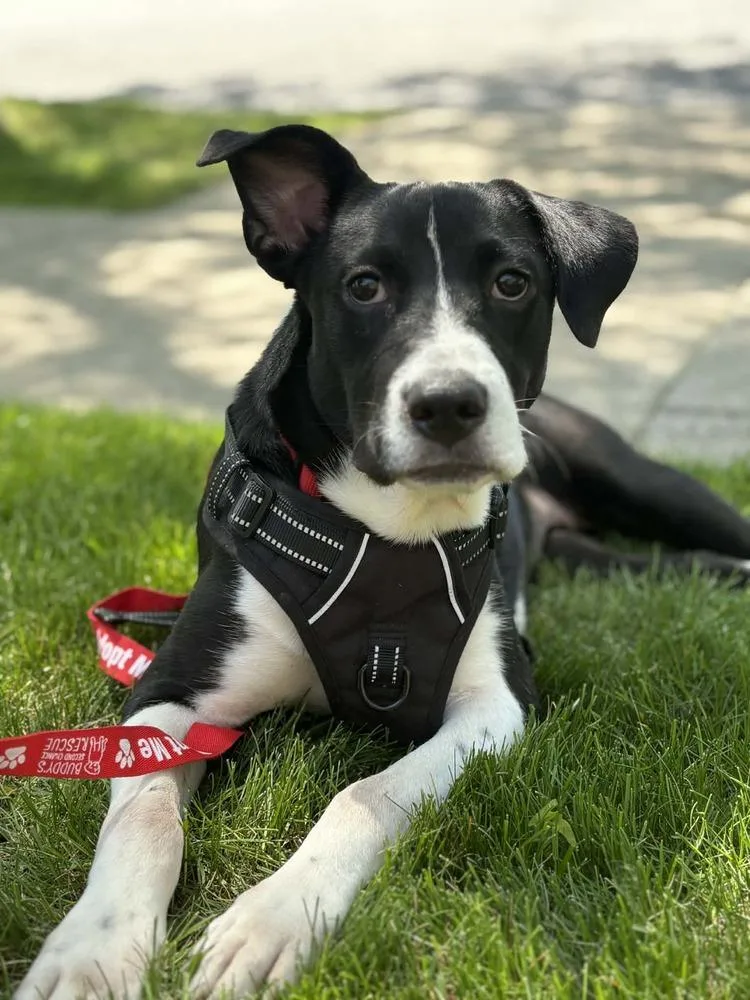
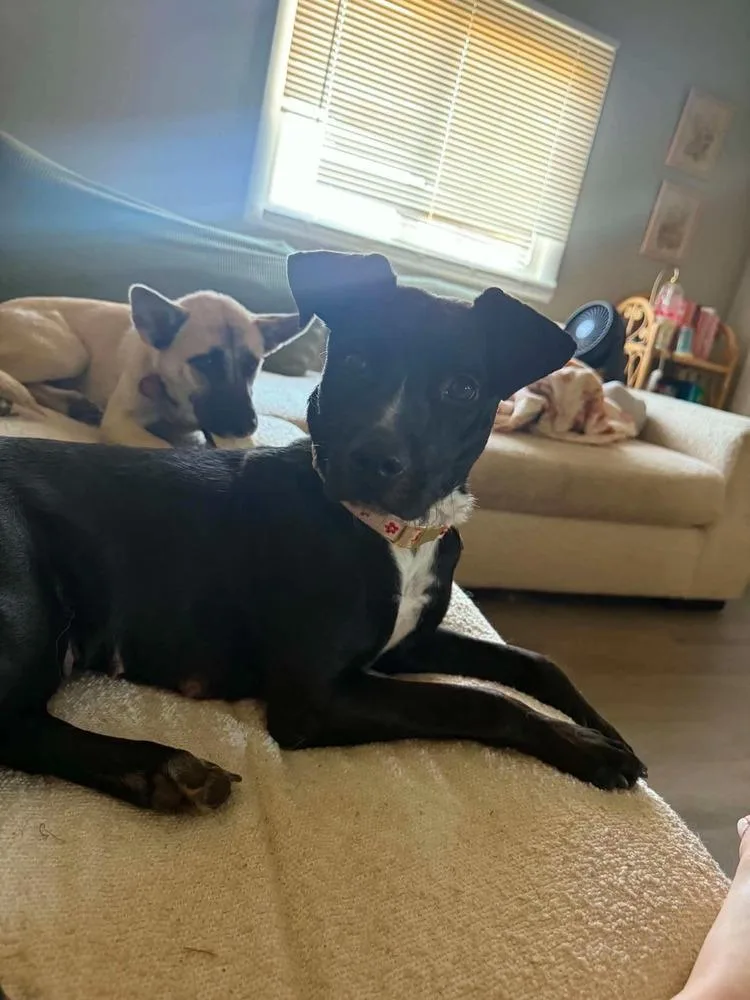
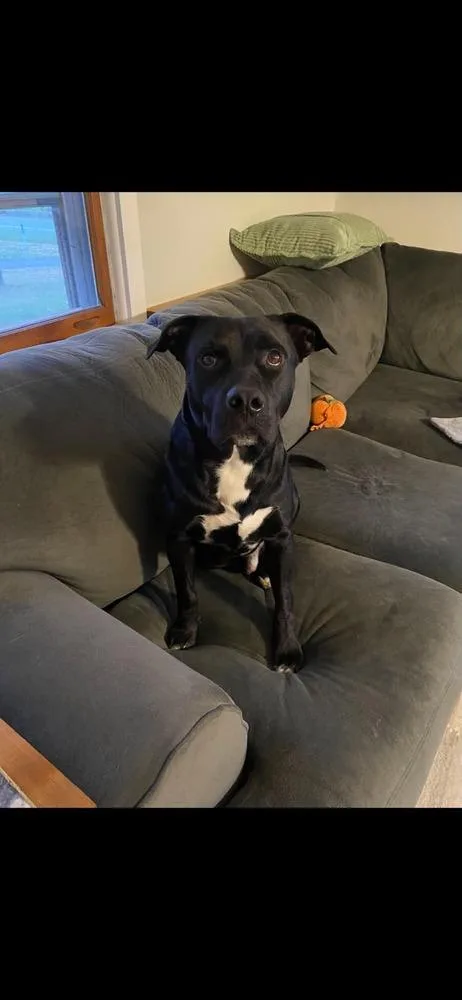
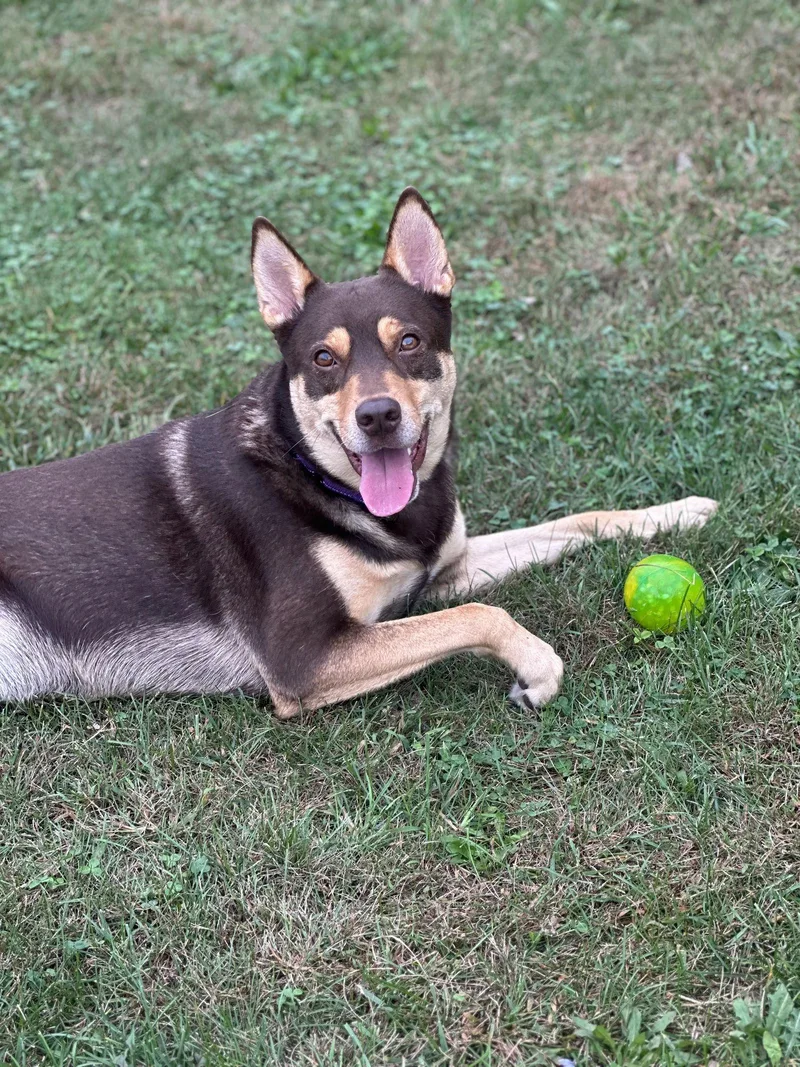
Labrador Retriever Dogs for Adoption in Buffalo, NY

Your guide to finding and caring for a Labrador Retriever in Buffalo

Labrador Retrievers fit well in Buffalo's flat, walkable neighborhoods, especially where a big dog has room to move. North Buffalo's level streets of 1920s houses and two-flats are easy on long daily walks, and Riverside's larger lots and Riverwalk give a Lab space to stretch out. Labs want a job, so a morning walk by the Niagara and an evening game of fetch suit them. Snow rarely bothers that thick double coat.

13486 Labrador Retrievers available in Buffalo and nationwide

Fall for a Labrador Retriever

Labrador Retrievers Available for Adoption Near Buffalo

About the Labrador Retriever breed

Labrador Retrievers trace back to the St. John's water dogs of Newfoundland, which British sportsmen refined into gun dogs that retrieve from land and water. The thick otter tail, dense water-resistant double coat and webbed toes all reflect that job. Labs come in black, yellow and chocolate, and field-bred dogs tend to be leaner and higher-drive than show-bred ones.

In Buffalo, that coat is an asset through lake-effect winters, though it also means plenty of shed hair indoors. Labs are usually sociable and eager to please, but they need daily exercise, consistent training and careful portion control. Adolescence can last until two or three years old, so an adult or senior Lab can suit a household that wants a calmer start. Every Lab is different.

Weight
55–80 lbs
Height
21–25 in
Lifespan
10–14 yrs
Temperament
Friendly, Outgoing, Active
Group
Sporting
Shedding
Moderate to High

Owning a Labrador Retriever in Buffalo

Having a Labrador Retriever in Buffalo

Labs combine a friendly, people-loving outlook with a body built for fetch, long walks and cold water. In Buffalo, the practical questions are how you'll keep a big, active dog moving through snowy months and where all that shed hair will land.

Temperament

Labs are usually friendly with family, visitors and other dogs, and many are gentle with respectful children. Young dogs can be bouncy and mouthy, so expect chewing and some jumping on busy sidewalks. Reward-based training tends to work well because most Labs are strongly food motivated. A dog's history and personality matter more than breed reputation.

Exercise Needs

Most Labs need vigorous daily activity, such as brisk walks, fetch or a steady run once fully grown. In Buffalo, the flat Shoreline Trail and Riverwalk offer long leashed miles, while snowy stretches call for indoor retrieving games and scent puzzles. Field-bred dogs often need more, and seniors do better with shorter, regular outings.

Health Considerations

Labs can face hip and elbow dysplasia, cruciate ligament injuries, exercise-induced collapse, ear infections and skin allergies. Many gain weight easily, which strains the joints, and icy sidewalks add slip risks for stiff or older dogs. A veterinarian can check hips, ears and weight and set up preventive care.

Living Space

A Lab can live in a house or an apartment if daily exercise is reliable. Buffalo's two-flats and single-family homes with yards suit them well, while larger apartment buildings may limit how many dogs a household can have. Expect a sweeping tail, plenty of shed hair and a dog that wants to live indoors with its people.

What it costs to own a Labrador Retriever in Buffalo

ExpenseTypical costPer year
Food$55 to $110 per month$660 to $1,320
Pet insurance$65 to $130 per month$780 to $1,560
Routine vet care$250 to $500 per year$250 to $500
Other*$589 to $1,471 per year$589 to $1,471
Estimated yearly total (after year one)$2,279 to $4,851

Other costs are estimates and vary with size, age and health.

* The Buffalo dog license ($13.50 spayed or neutered, $20.50 unaltered), flea, tick and heartworm prevention, a dental cleaning allowance, toys and bedding, and brushing and baths for heavy seasonal shedding.

Adopt a Labrador Retriever in Buffalo.

Now that you know more, let’s find you a new best friend. These rescues and shelters below have dogs available in and near Buffalo.

Rescues and Shelters in or near Buffalo

Buffalo's shelters and rescues care for dogs of every age and size, and adopting through them supports that work. Here are the rescues & shelters in the Buffalo area with dogs available for adoption, worth asking whether a Labrador Retriever is coming in.

Frequently Asked Questions

Yes. New York bars breed-specific local rules, so Buffalo has no Labrador Retriever restriction. You'll need a city dog license once the dog is four months old, with proof of rabies vaccination, and the tag must stay on the collar. Dogs must be leashed off your property, and the city caps how many dogs a property can have.

Yes, most Labs handle Buffalo winters well thanks to their dense, water-resistant double coat. The bigger issues are ice, road salt and deep snow: wipe paws after walks, keep your Lab leashed so snow doesn't disorient it, and plan indoor play for blizzard days. Senior or stiff dogs may need extra care on icy sidewalks.

For off-leash play, try the Barkyard's temporary 4th Street site at Ralph Wilson Park or the Bark Park at Black Rock Canal Park, which has a separate large-dog area. For leashed walks, the Shoreline Trail and Riverwalk, the Outer Harbor pathways and Delaware Park all work. Tifft Nature Preserve doesn't allow dogs.

It can, if daily exercise is reliable. More than half of Buffalo households rent, and the city allows fewer dogs per household in larger apartment buildings, so confirm a building's dog policy first. Look for ground-floor units or buildings near the Riverwalk or Delaware Park, and plan for shed hair and snowy-day indoor play.

No. NFTA Metro allows only service animals on its buses and on Metro Rail, and it has no carrier exception for pet dogs. A Lab is too large to carry anyway, so plan on walking, driving or using a pet-friendly ride option, and check current fares and rules with Metro for any service dog.

Labs need weekly brushing, and several times a week during the heavy shedding in spring and fall. In winter, brush rather than clip the coat, and wipe off salt and ice after walks. Don't shave a Lab to the skin in summer. Occasional baths and brushing are part of the Other costs in the cost table.

Sometimes, on patios only. New York law lets restaurants admit leashed dogs to outdoor dining areas, but each owner decides, and dogs can't go inside or sit on chairs. Patio season in Buffalo runs roughly May through September, so pick a quiet time and bring a mat to settle a bouncy Lab.

Most Labrador Retrievers live about 10 to 14 years. A large UK veterinary study found a median lifespan of 12 years, with chocolate Labs living about a year and a half less on average than black or yellow ones. Healthy weight, regular veterinary care and good dental and joint care all help, but no lifespan is guaranteed.

A Labrador Retriever is a large sporting dog originally developed to retrieve game birds for hunters, especially from water. Labs have a short, dense double coat, a thick otter-like tail and a broad head, and they come in black, yellow and chocolate. Many are friendly, food-motivated and eager to work, which makes them popular family, guide and service dogs.

Expect roughly $2,300 to $4,850 a year for a Lab in Buffalo, covering food ($55 to $110 a month), insurance ($65 to $130 a month), routine vet care ($250 to $500 a year) and other costs ($589 to $1,471 a year). The city license is a small part of that. Your total depends on the dog's age, health and coat care.