Pharaoh Hound Dogs for Adoption in Las Vegas, NV

Your guide to finding and caring for a Pharaoh Hound in Vegas

Pharaoh Hounds suit Las Vegas best when a tall-fenced backyard comes with the house. In Centennial Hills or around Lone Mountain, that fence gives a Pharaoh the space to sprint that it needs, and the 2.2-mile Lone Mountain loop makes a good leashed walk. Indoors it's a lean, affectionate clown that happily flops on the couch once it's been run. Outside, keep it leashed, because a cottontail or a lizard can set one off. Summer is the hard part, since that thin coat offers little protection.

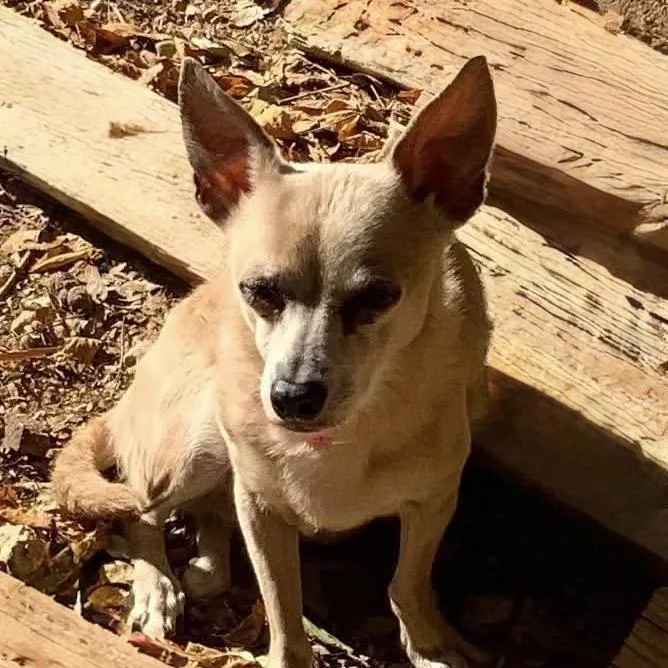
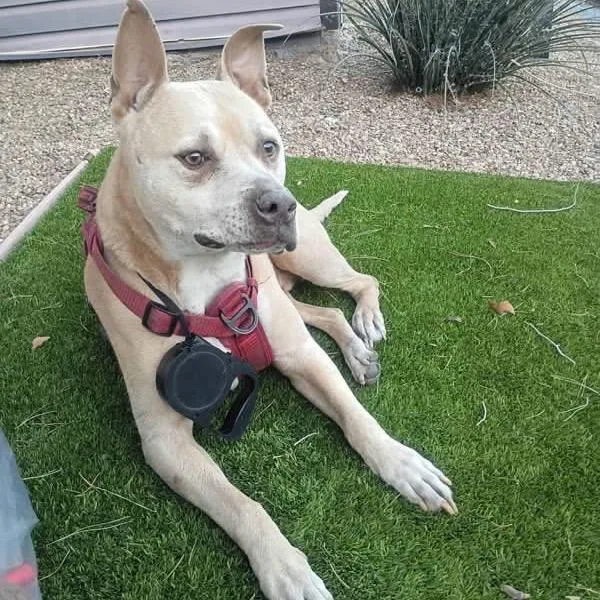
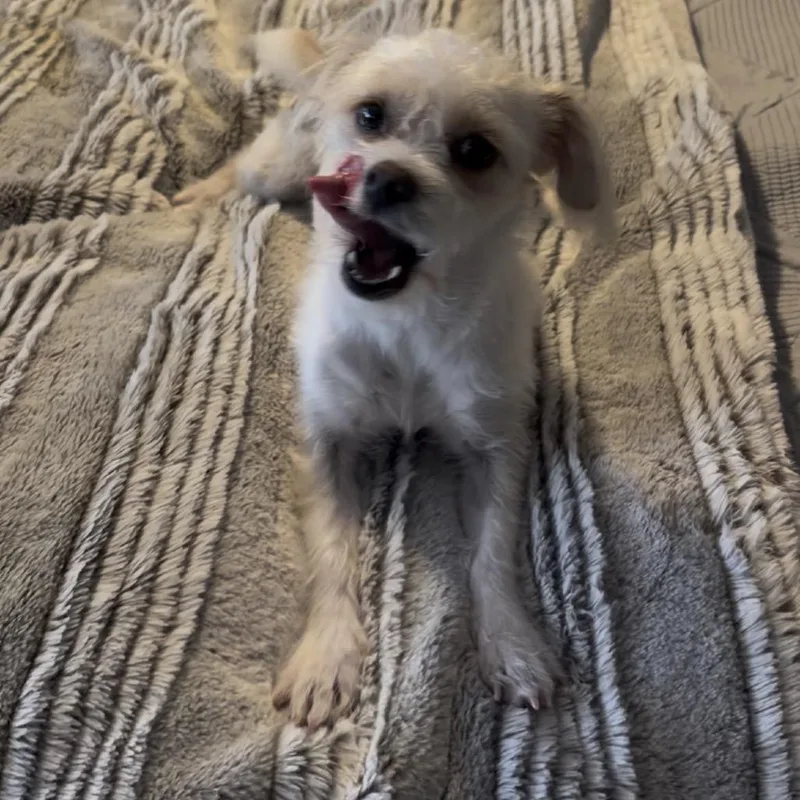
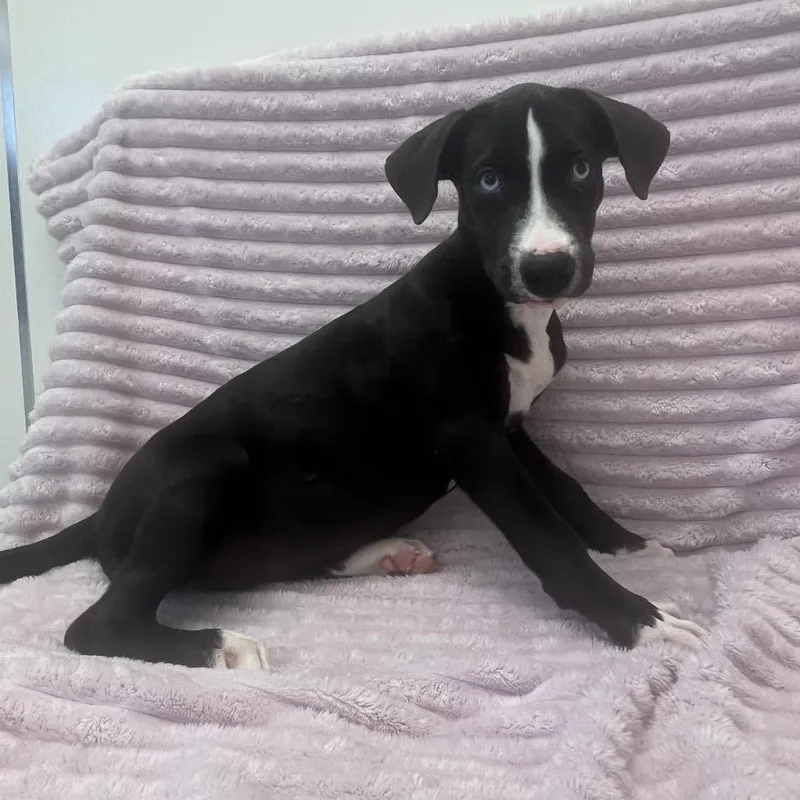
22 Pharaoh Hounds available in Las Vegas and nationwide

Find your Pharaoh Hound

While we don't have enough dogs near Las Vegas, keep in mind that many rescues may offer transport.

Pharaoh Hounds Available for Adoption Near Las Vegas

About the Pharaoh Hound breed

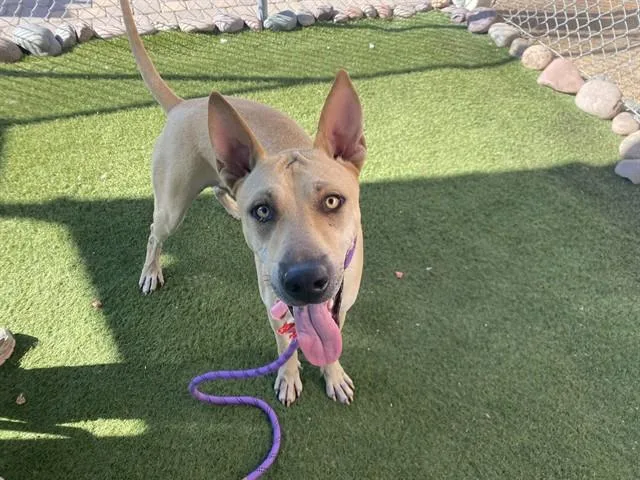
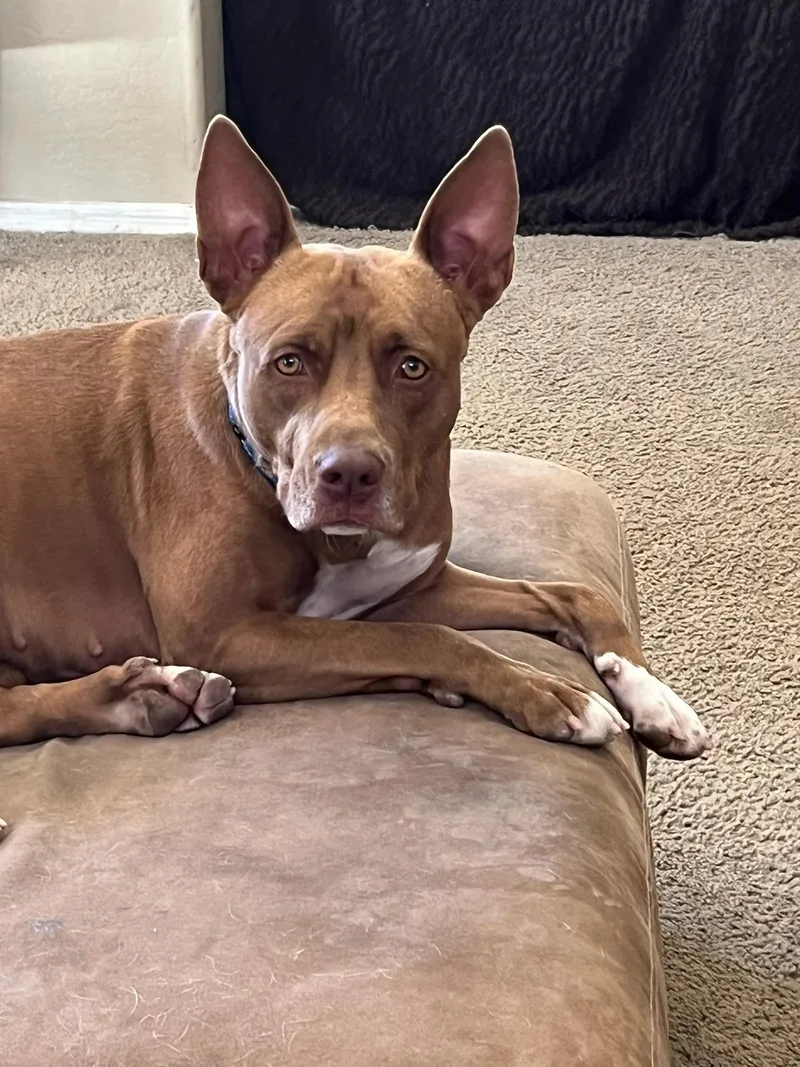
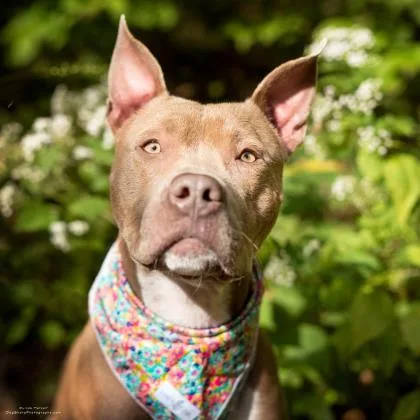
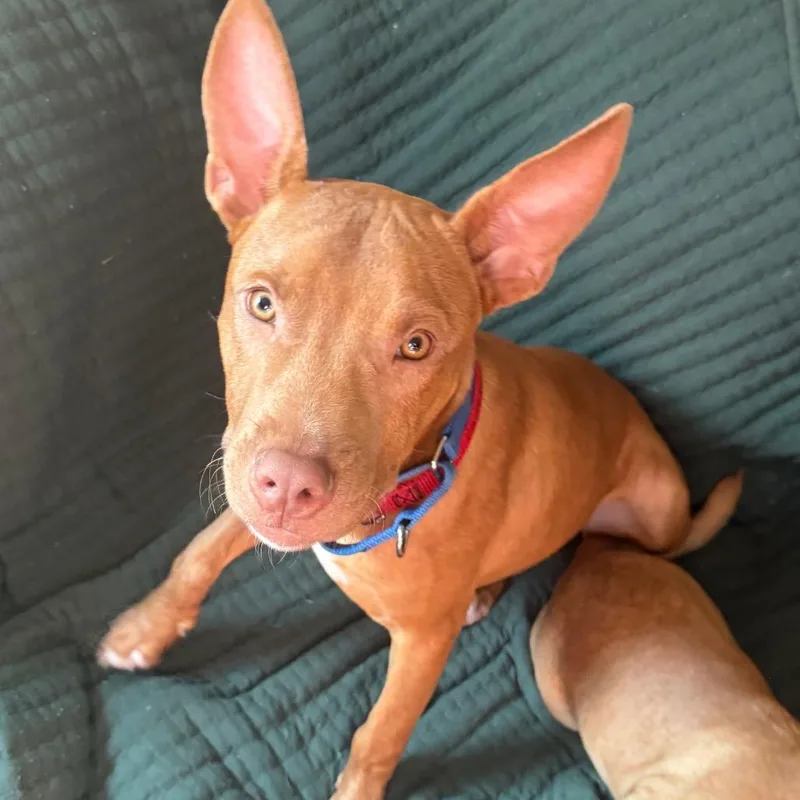
Known in Malta as Kelb tal-Fenek, the rabbit dog, the Pharaoh Hound was shaped to chase quarry across rocky island terrain, often at night, by sight and scent. Its name and its resemblance to dogs in Egyptian art suggest an ancient Nile origin, but genetic studies point to a more recent development on Malta. It's a tall, lean dog in tan to chestnut, with amber eyes, large upright ears, and a nose and ears that flush pink when excited.

At home, many Pharaoh Hounds are affectionate, playful and fairly calm once exercised, with a clownish streak and a tendency to vocalize. Outdoors, the hunting instinct can trigger a sprint that no recall will stop, so secure fencing and leashed walks are the norm. Dogs vary, and each Pharaoh's own personality counts for more than the breed description.

Weight
45–55 lbs
Height
21–25 in
Lifespan
11–14 yrs
Temperament
Affectionate, Playful, Alert
Group
Hound
Shedding
Low

Owning a Pharaoh Hound in Las Vegas

Having a Pharaoh Hound in Vegas

Prey drive, a need to sprint, a thin coat and easy-care grooming define life with a Pharaoh Hound. In Vegas, secure fencing and heat management matter most, along with leashed walks wherever desert critters might tempt a chase.

Temperament

Pharaoh Hounds are often affectionate, playful and sensitive, and some are reserved with strangers at first. Harsh handling backfires, while patient, upbeat training works better. They tend to be vocal, which neighbors may notice. Strong prey drive means cats and small pets need careful introductions, and each dog's own behavior matters more than breed reputation.

Exercise Needs

Most Pharaoh Hounds need a daily walk plus regular chances to sprint in a securely fenced area, since they rarely stay reliable off leash. In Vegas, the city's fenced dog runs, such as those at Kellogg Zaher Sports Complex, work well for sprints. In summer, move all of it to dawn or after dark.

Health Considerations

The breed is generally healthy, though hip dysplasia and eye conditions occasionally appear. Pharaohs can be sensitive to anesthesia and some insecticides, so make sure every veterinarian knows the breed. A thin coat and low body fat mean chills and minor skin scrapes, and in Vegas, hot pavement can burn paw pads.

Living Space

A Pharaoh Hound can live in a house or apartment if it gets daily exercise and a safe place to run. A tall, secure fence matters more than yard size, since many can scramble over low barriers. In Vegas, a tall fence also helps keep coyotes out. Indoors, a Pharaoh wants cool floors in summer and soft bedding in winter.

What it costs to own a Pharaoh Hound in Las Vegas

ExpenseTypical costPer year
Food$35 to $70 per month$420 to $840
Pet insurance$45 to $85 per month$540 to $1,020
Routine vet care$225 to $450 per year$225 to $450
Other*$485 to $1,460 per year$485 to $1,460
Estimated yearly total (after year one)$1,670 to $3,770

Other costs are estimates and vary with size, age and health.

* The $10 Las Vegas dog license for a spayed or neutered dog, flea, tick and heartworm prevention, a dental cleaning allowance, toys and bedding, minimal grooming, and coats or sweaters for cooler nights.

Adopt a Pharaoh Hound in Las Vegas.

Now that you know more, let’s find you a new best friend. These rescues and shelters below have dogs available in and near Las Vegas.

Rescues and Shelters in or near Las Vegas

Vegas adoptions run through a large municipal shelter and nonprofit rescues, and the ones listed below show their current pets. Here are the rescues & shelters in the Vegas area with dogs available for adoption, worth asking whether a Pharaoh Hound is coming in.

Frequently Asked Questions

Yes, with careful management, but a Pharaoh Hound shouldn't be left outdoors in summer. About 78 days a year reach 100°F, from late May into September, so walk at dawn or after dark, test pavement with your palm for five seconds, and keep the air conditioning on. Leaving a dog in a parked car is a misdemeanor in Nevada.

Probably not. RTC buses let service animals ride free on the floor or lap, but other pets must travel in a covered, secured cage when there's open space, and a seat means full adult fare. A 45 to 55 pound Pharaoh Hound won't realistically fit a carrier. There's no subway or light rail, so plan on driving.

Start with the city's fenced off-leash dog parks, since Pharaoh Hounds need a safe place to sprint. Barkin' Basin has three separate dog areas, Kellogg Zaher Sports Complex has three runs, and Centennial Hills Park has a dog park too. For leashed walks, try the 2.2-mile Lone Mountain loop or Red Rock Canyon, which allows dogs on 6-foot leashes.

Yes. Nevada law prohibits breed-based dangerous-dog rules, so nothing in Las Vegas targets Pharaoh Hounds. Households can keep up to six dogs without a permit. If your dog is ever kept outside, state law limits tethering to 14 hours in 24, on a tether at least 12 feet long, and bans prong or choke collars as restraints.

Yes, if the building allows dogs and your Pharaoh Hound gets daily sprints elsewhere, such as a fenced dog run. Their vocal streak is the main apartment risk. Las Vegas handles barking complaints through a letter, an officer visit and mediation before any citation, but a quieter, ground-floor unit and a well-exercised dog help avoid all of that.

Often on patios, not indoors. Southern Nevada Health District rules let restaurants allow dogs in outdoor dining areas under a signed agreement, and the patio must be reachable without walking through the restaurant. Each restaurant decides, so look for patio signs. Keep your Pharaoh Hound leashed and settled on the floor, since a pigeon can trigger its prey drive.

Very little. A weekly rub with a rubber mitt, regular nail trims and occasional ear checks cover most of it. In Vegas, wipe dust and desert grit off paws and belly after walks, and bathe only when needed to avoid drying the skin. Grooming costs fit comfortably inside the $485 to $1,460 yearly Other budget.

Pharaoh Hounds are not typically aggressive toward people. Most are friendly and affectionate with their families, and some are aloof with strangers until they warm up. Their strongest instinct is to chase, so small animals like cats, rabbits and squirrels can trigger intense pursuit. Early socialization and calm, reward-based training help a Pharaoh Hound stay relaxed in new situations.

Pharaoh Hounds can be good family dogs for active households that can meet their exercise needs. Many are playful and gentle with respectful children and enjoy being part of family life. They do best with adults who supervise interactions, keep doors and gates closed against escapes, and provide daily running. Homes with small pets need extra caution because of prey drive.

A Pharaoh Hound in Las Vegas typically costs about $35 to $70 a month for food, $45 to $85 a month for insurance, $225 to $450 a year for routine vet care, and $485 to $1,460 a year for other costs. That adds up to roughly $1,670 to $3,770 a year.