Briard Dogs for Adoption in Henderson, NV

Your guide to finding and caring for a Briard in Henderson

70 dogs similar to Briard available in Henderson and nationwide

Find your forever Briard

While we don't have enough dogs near Henderson, keep in mind that many rescues may offer transport.

Briards and Similar Breeds Available for Adoption Near Henderson

About the Briard breed

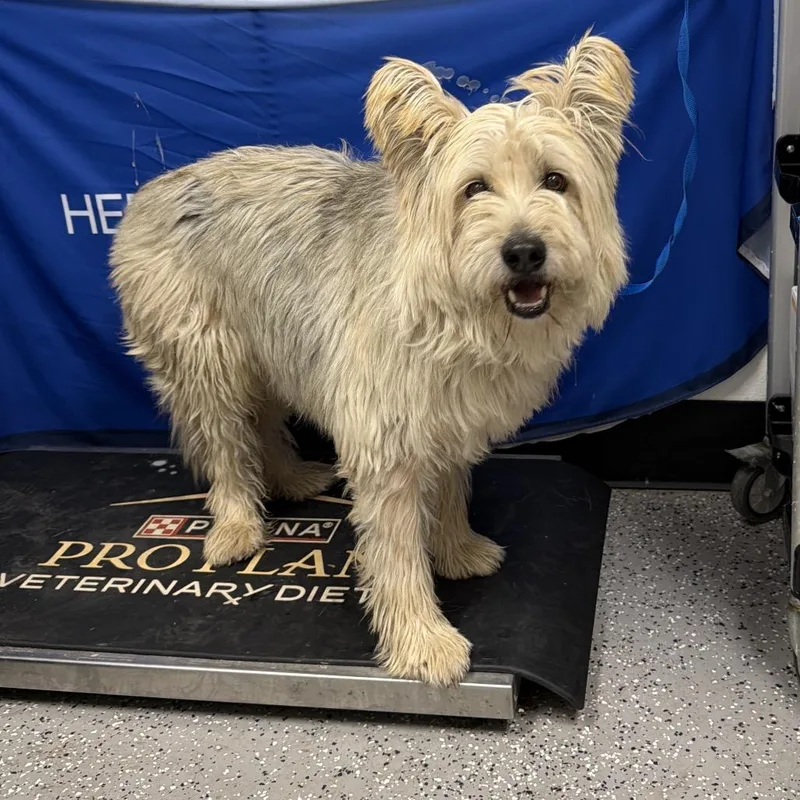
France's Briard spent centuries both herding flocks and guarding them from wolves and thieves in the farmland around Brie. It is a large, agile dog hidden under a long, coarse, slightly wavy coat in black, gray or tawny, with arched eyebrows that veil the eyes, a crooked J-shaped tail and two dewclaws on each hind leg. French soldiers used Briards as sentries and messengers in World War I, and the AKC recognized the breed in 1928.

Briards are often described as a heart wrapped in fur: devoted, gentle and protective with family, reserved with strangers, and quick to learn. They can also be independent and may try to herd children or other pets. The coat needs serious weekly brushing, and young dogs need plenty of exercise, training and socialization. Adopters ready for a large, sensitive, thinking companion are the best fit.

Weight
55–100 lbs
Height
22–27 in
Lifespan
10–13 yrs
Temperament
Loyal, Protective, Intelligent, Confident
Group
Herding
Shedding
Low to Moderate

Owning a Briard in Henderson

Having a Briard in Henderson

A Briard blends the instincts of a herding dog with those of a flock guardian, all wrapped in a coat that demands attention. Its devotion, wariness of strangers, energy and grooming needs shape day-to-day life, so understanding them helps adopters choose wisely.

Temperament

Briards tend to be loving and loyal with family and reserved, even suspicious, with strangers. Many are protective of home and people, and some try to herd children or pets by circling or nudging. They are sensitive to harsh handling and do best with calm, consistent leadership. Socialization and a dog's individual history matter greatly.

Exercise Needs

Briards usually need substantial daily exercise, such as long walks, jogging once mature or vigorous play in a secure area. Herding, agility, obedience and tracking give them meaningful work. Mental challenges matter as much as physical ones. Under-exercised Briards may become pushy, noisy or destructive, while seniors benefit from gentler routines.

Health Considerations

Briards can be affected by hip dysplasia, bloat, hypothyroidism and inherited eye conditions, including congenital stationary night blindness, for which a DNA test exists. Their deep chest makes knowing bloat symptoms important. Not every Briard develops these problems, but adopters should keep regular veterinary exams.

Living Space

A Briard can live in a house or, with daily commitment, an apartment, but its size, energy and coat make room to move helpful. A securely fenced yard is valuable. Expect debris carried in on the coat, protective barking at the door and a dog that wants to be indoors near its family.

What it costs to own a Briard

ExpenseTypical costPer year
Food$55 to $110 per month$660 to $1,320
Pet insurance$65 to $130 per month$780 to $1,560
Routine vet care$250 to $500 per year$250 to $500
Other*$590 to $1,490 per year$590 to $1,490
Estimated yearly total (after year one)$2,280 to $4,870

Other costs are national averages for Briards; we don't have costs specific to Henderson yet.

* Flea, tick and heartworm prevention, a dental cleaning allowance, a dog license, toys and bedding, and brushing tools and regular baths for the long coat.

Adopt a Briard in Henderson.

Now that you know more, let’s find you a new best friend. These rescues and shelters below currently have Briards available.

Frequently Asked Questions

A Briard is a large French herding dog, developed in the Brie region to move and guard sheep. It has a long, coarse, slightly wavy coat, arched eyebrows that veil the eyes, a J-shaped tail and double dewclaws on the hind legs. Briards are typically loyal, protective and intelligent, devoted to family and reserved with strangers.

Briards shed less than you might expect for such a long coat. Their harsh outer coat tends to trap loose hair rather than drop it, so the Briard Club of America says a well-groomed Briard sheds very little. Skipping brushing, however, lets dead hair build into mats and shed more around the house, especially during seasonal undercoat changes.

No, Briards are not hypoallergenic. Although well-groomed Briards shed relatively little, they still produce dander and saliva, the main sources of dog allergens, and their long coat can collect pollen and dust. Some people with mild allergies manage, but anyone allergic should spend time with the specific dog before adopting.

Groom a Briard by brushing the whole coat down to the skin at least once a week, working in sections with a pin brush and comb to prevent mats behind the ears, under the legs and on the chest. The breed club suggests about two hours a week. Also trim nails and the hair between pads, clean ears and bathe as needed.

A Briard can be a good family dog for active households willing to train and groom it. Many are gentle and protective with their children and loyal to every family member. Their herding instincts may lead them to nudge or circle kids, and their size can overwhelm toddlers. Supervision, training and an adult dog's known history help.

A Briard is a large, muscular dog with a long, coarse, slightly wavy coat that falls in locks, often six inches or longer on the shoulders. Its head looks rectangular, with a beard, mustache and arched eyebrows. Colors include black, gray and tawny. The tail is long with a J-shaped crook, and the hind legs carry double dewclaws.

Briards typically live about 10 to 13 years. A 2024 UK study found a median longevity of about 12.6 years, close to the average for all dogs. Healthy weight, regular exercise and early attention to hip, eye and thyroid problems can support a longer life, and knowing the signs of bloat is especially important.

Briards are not typically aggressive, but they are protective and reserved with strangers, a legacy of guarding flocks. The breed club describes them as watchdogs more likely to block an intruder than bite. Without socialization, that wariness can become reactivity. Early, positive exposure to people and dogs helps a Briard stay confident rather than defensive.

Yes, Briards are very smart. The breed standard describes them as intelligent, easily trained and blessed with an excellent memory. They learn quickly and often anticipate routines. That intelligence also means they get bored with repetition and may make their own decisions, so varied, reward-based training and meaningful work keep them engaged.

We have 1 rescue with Briards available: City of Henderson Animal Care and Control. You can see every rescue with Briards available in the list above these questions.