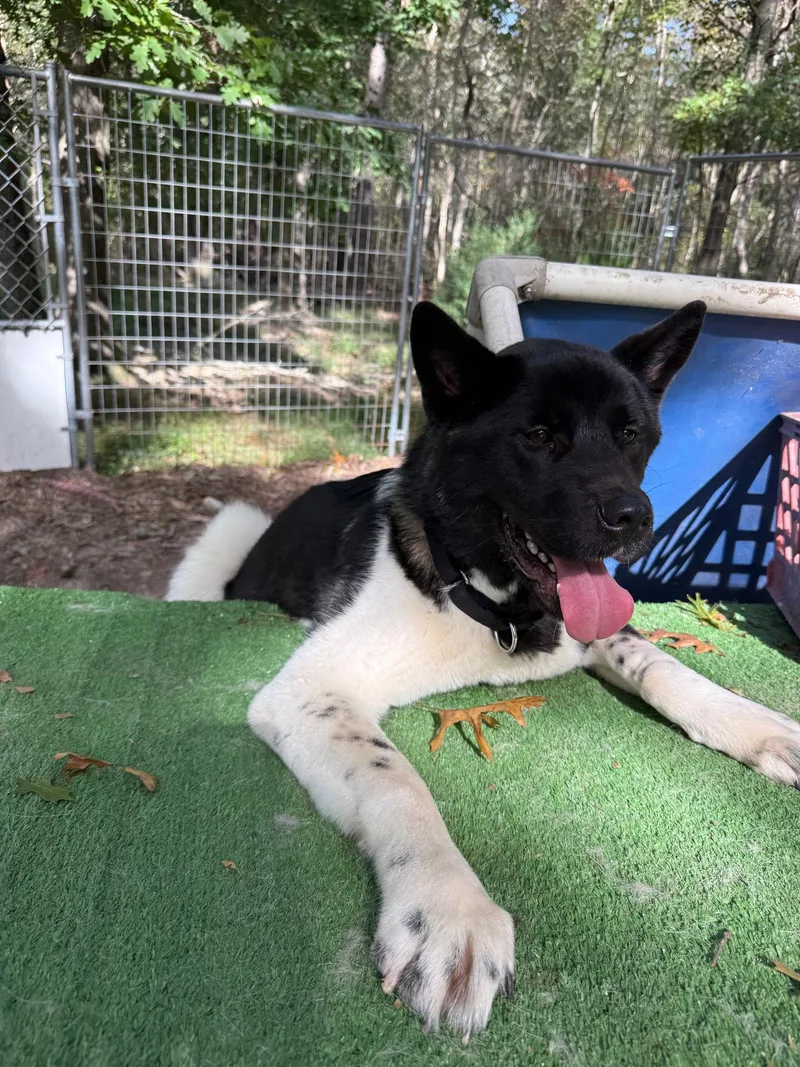
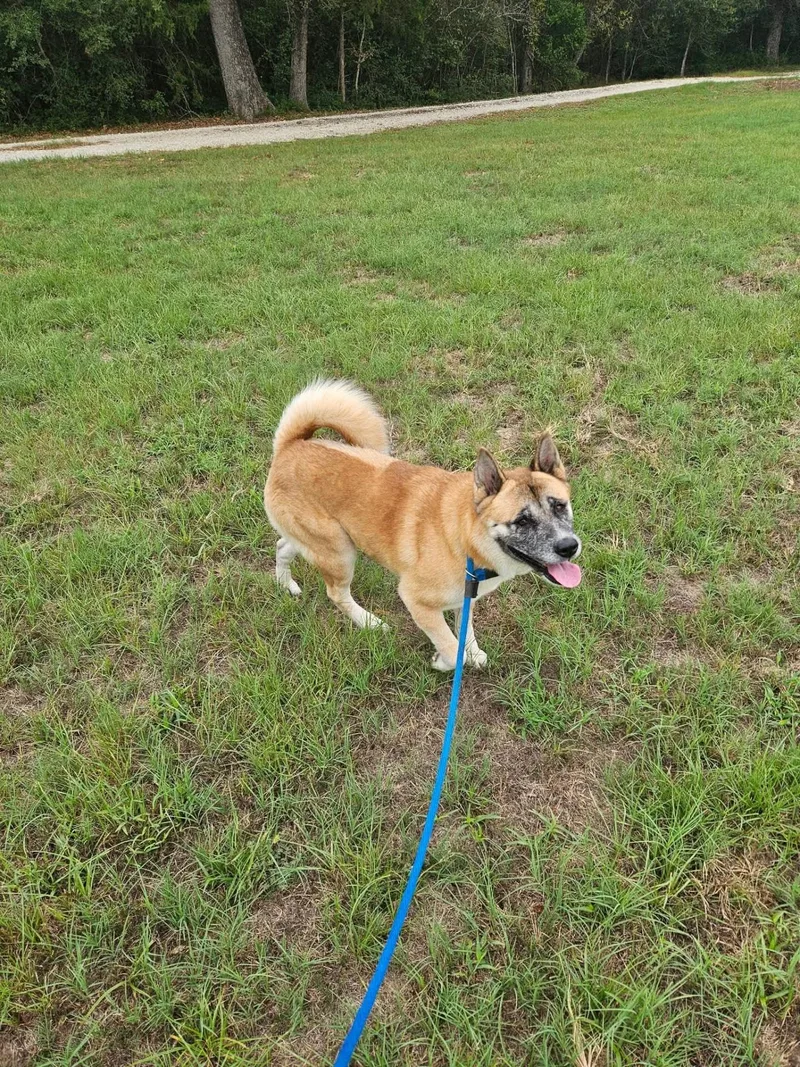
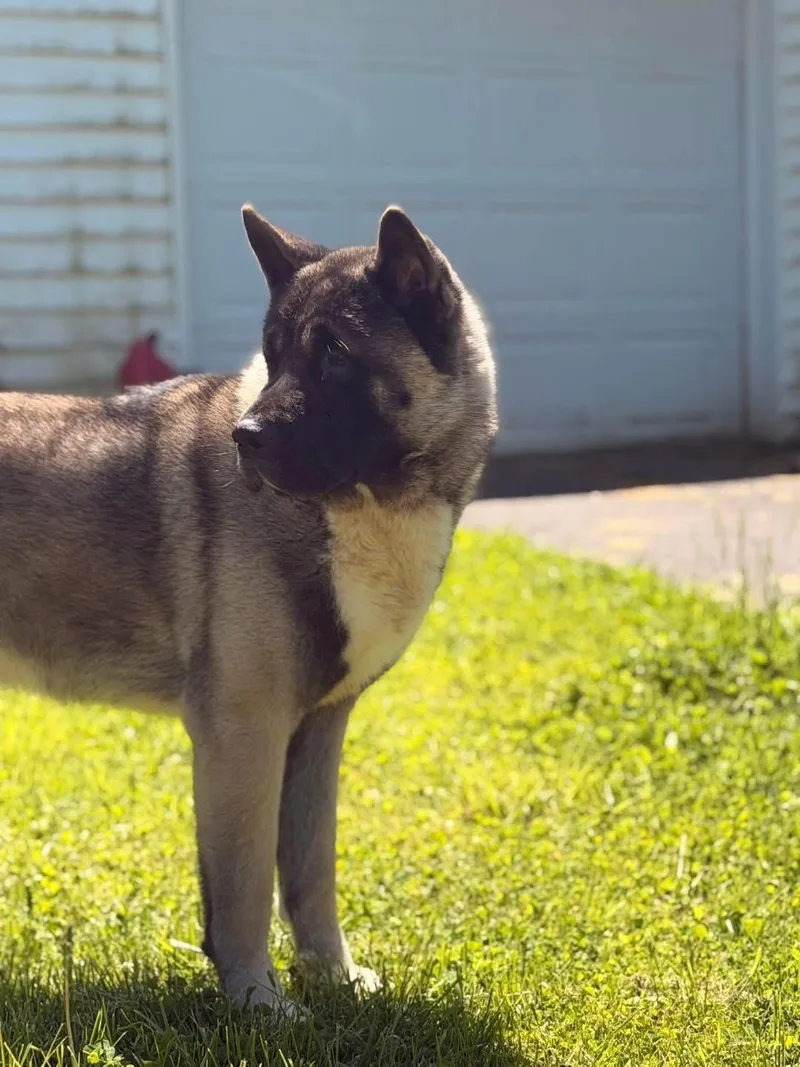
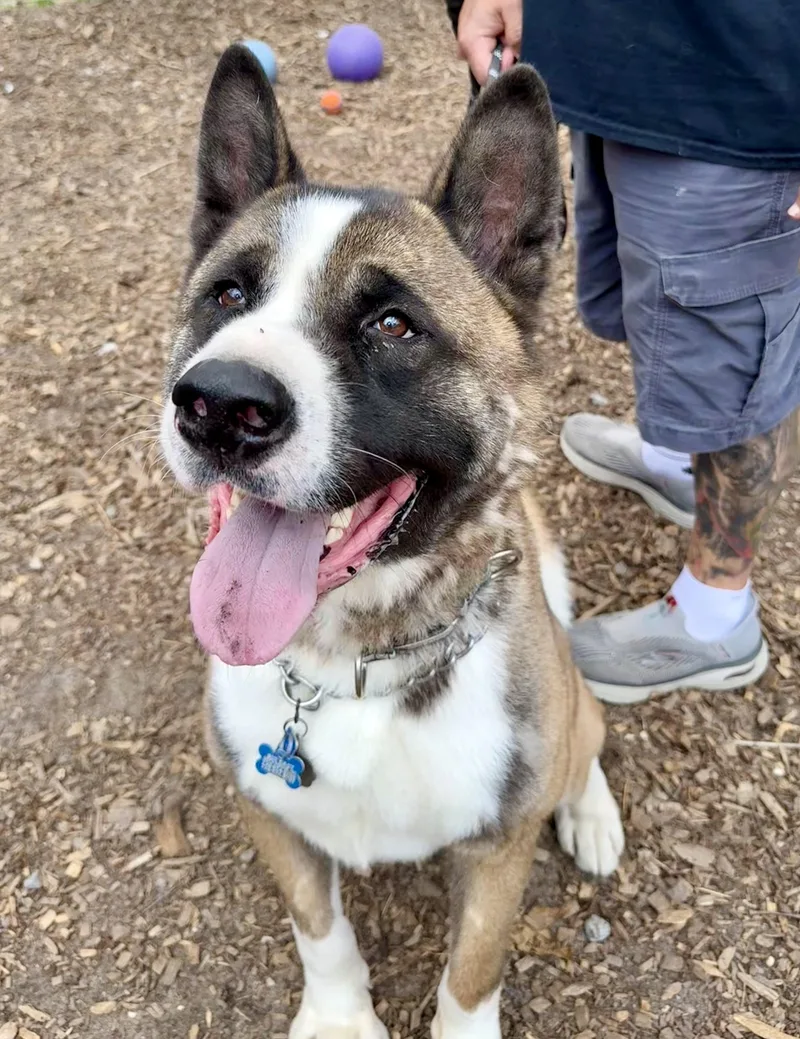
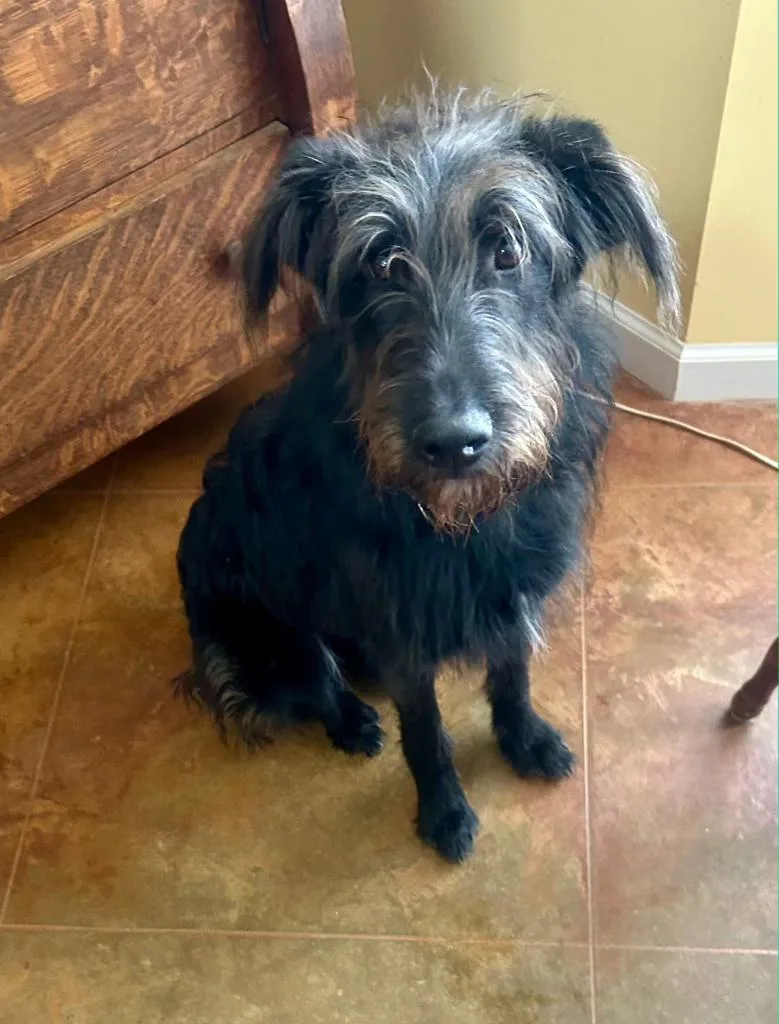
Akita dog

Akita Dogs for Adoption in Toms River, NJ

Your guide to finding and caring for an Akita in Toms River

Akitas suit Toms River's quiet residential streets better than its busy spots. A fenced yard in Pleasant Plains or Cedar Grove gives a protective dog room to patrol, and a leashed loop at Cattus Island County Park covers the daily walk. Akitas are devoted to their own people but wary of strangers and other dogs, so calm routines beat crowded errands along Hooper Avenue. The cold winter nights here suit that thick double coat just fine.

13 Akitas available for adoption in Toms River

Your Akita is waiting

Akitas Available for Adoption in Toms River

About the Akita breed

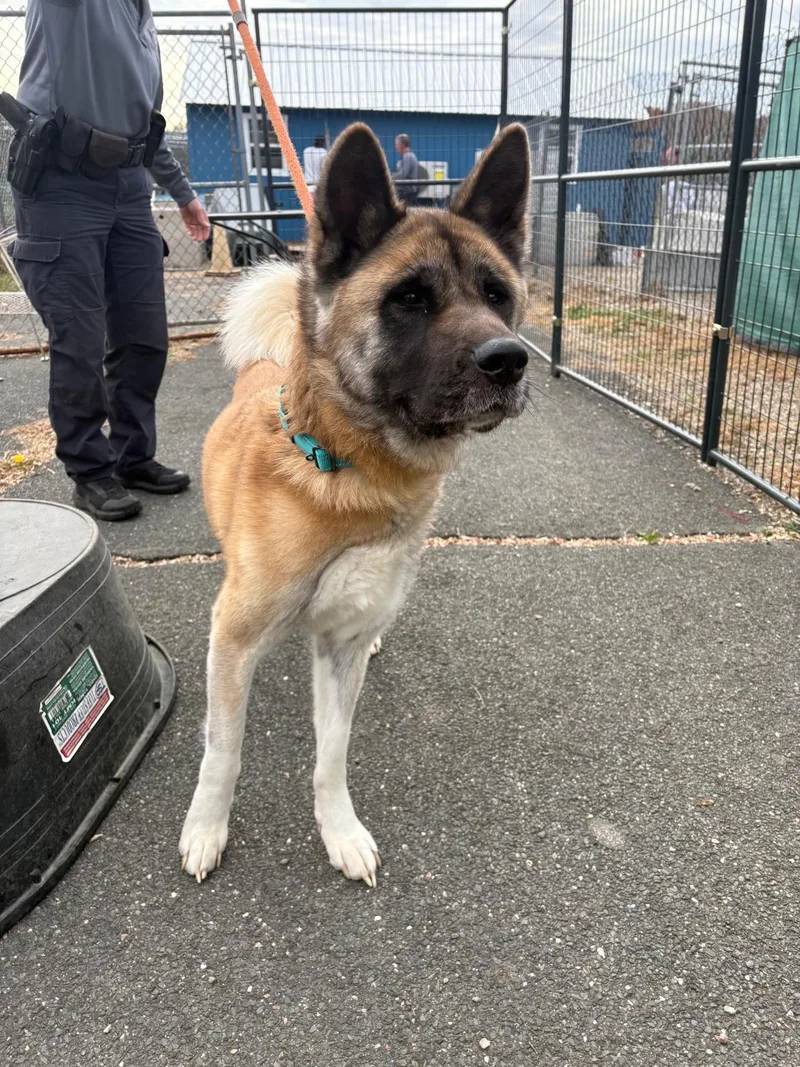
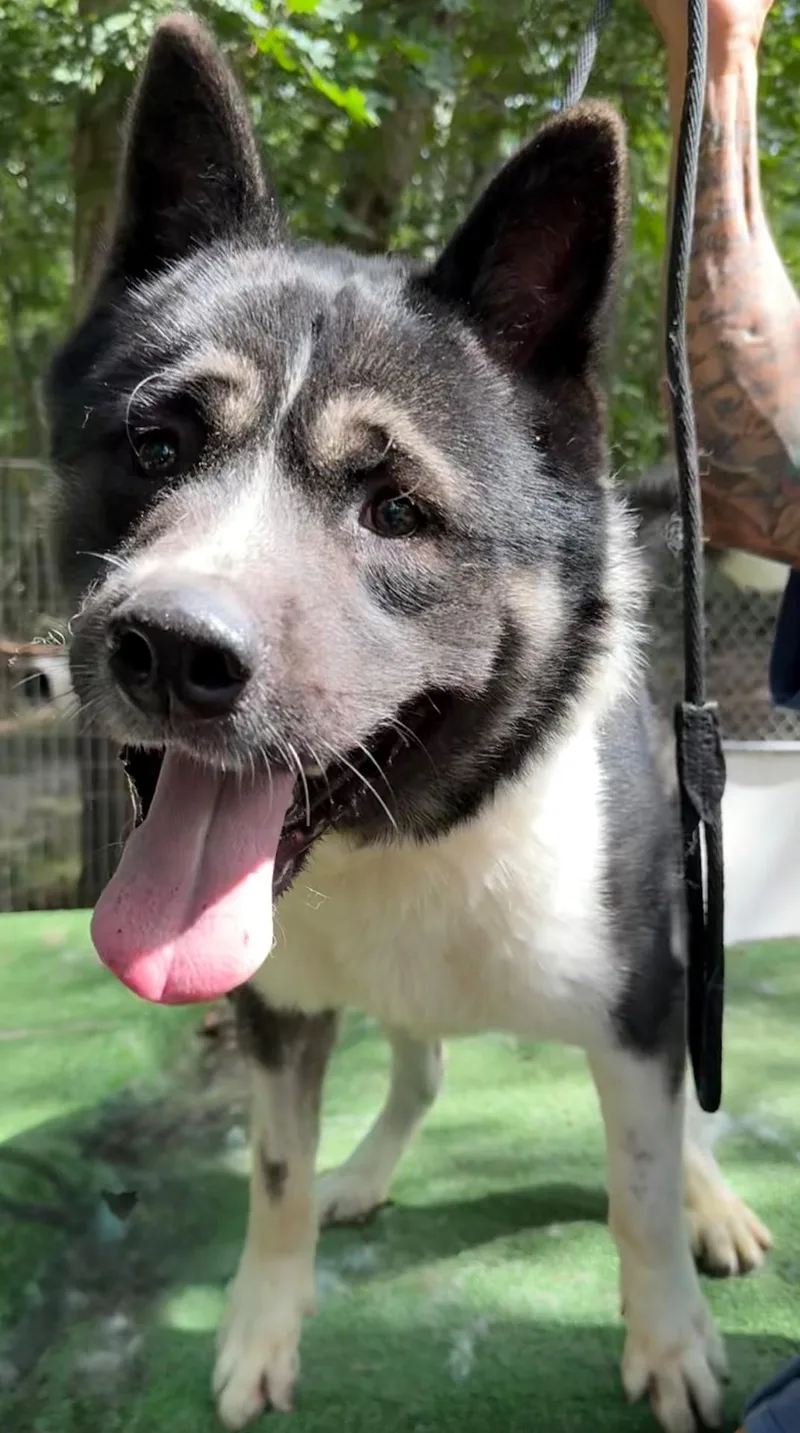
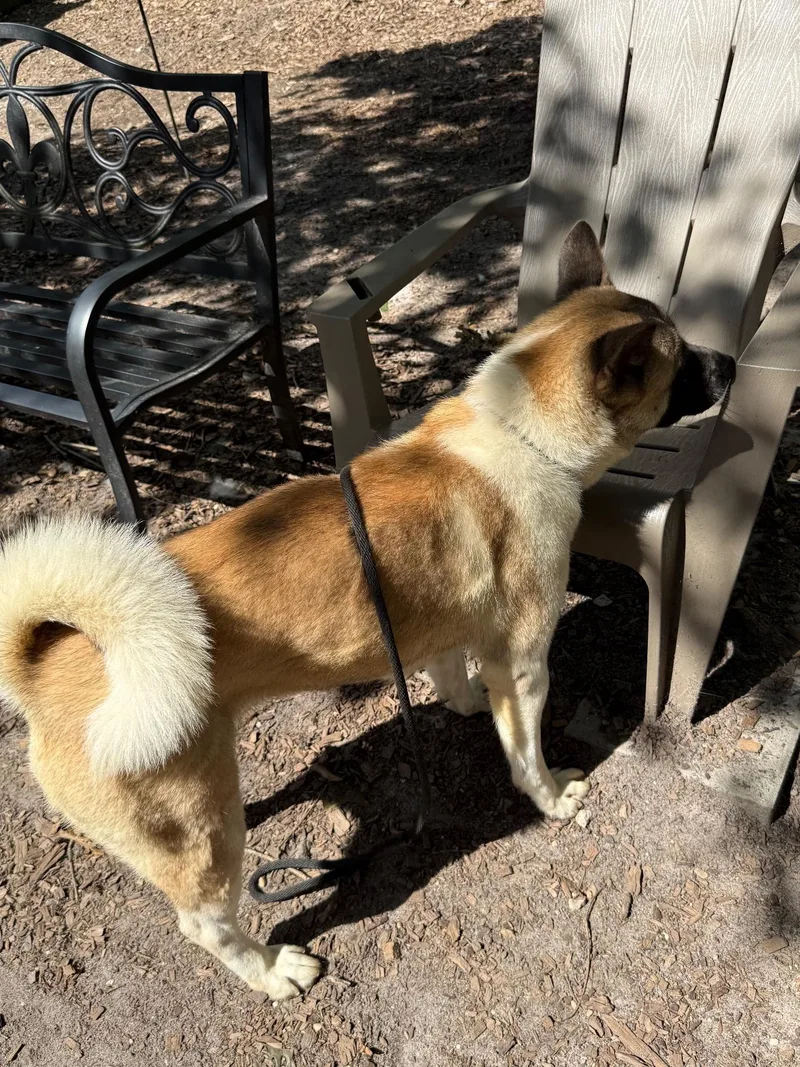
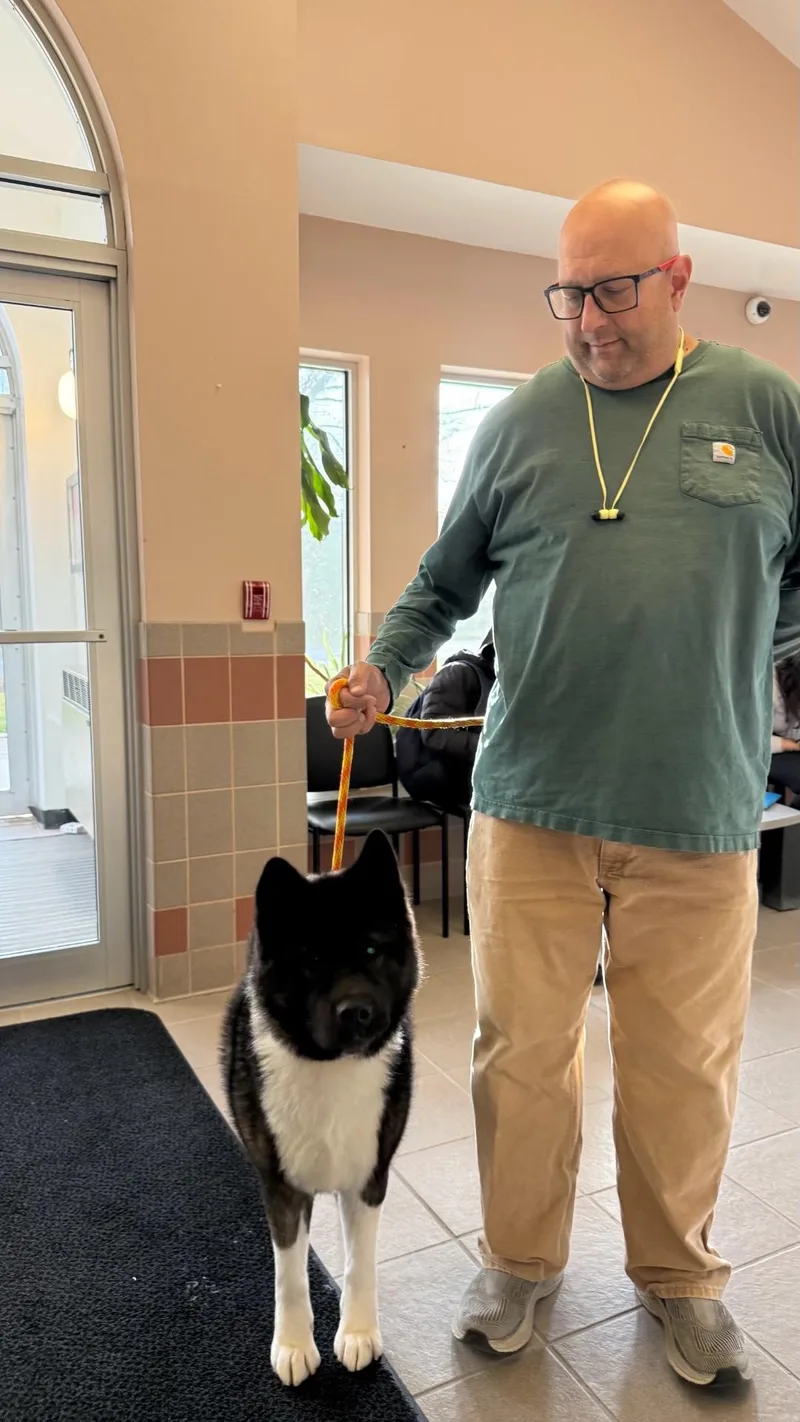
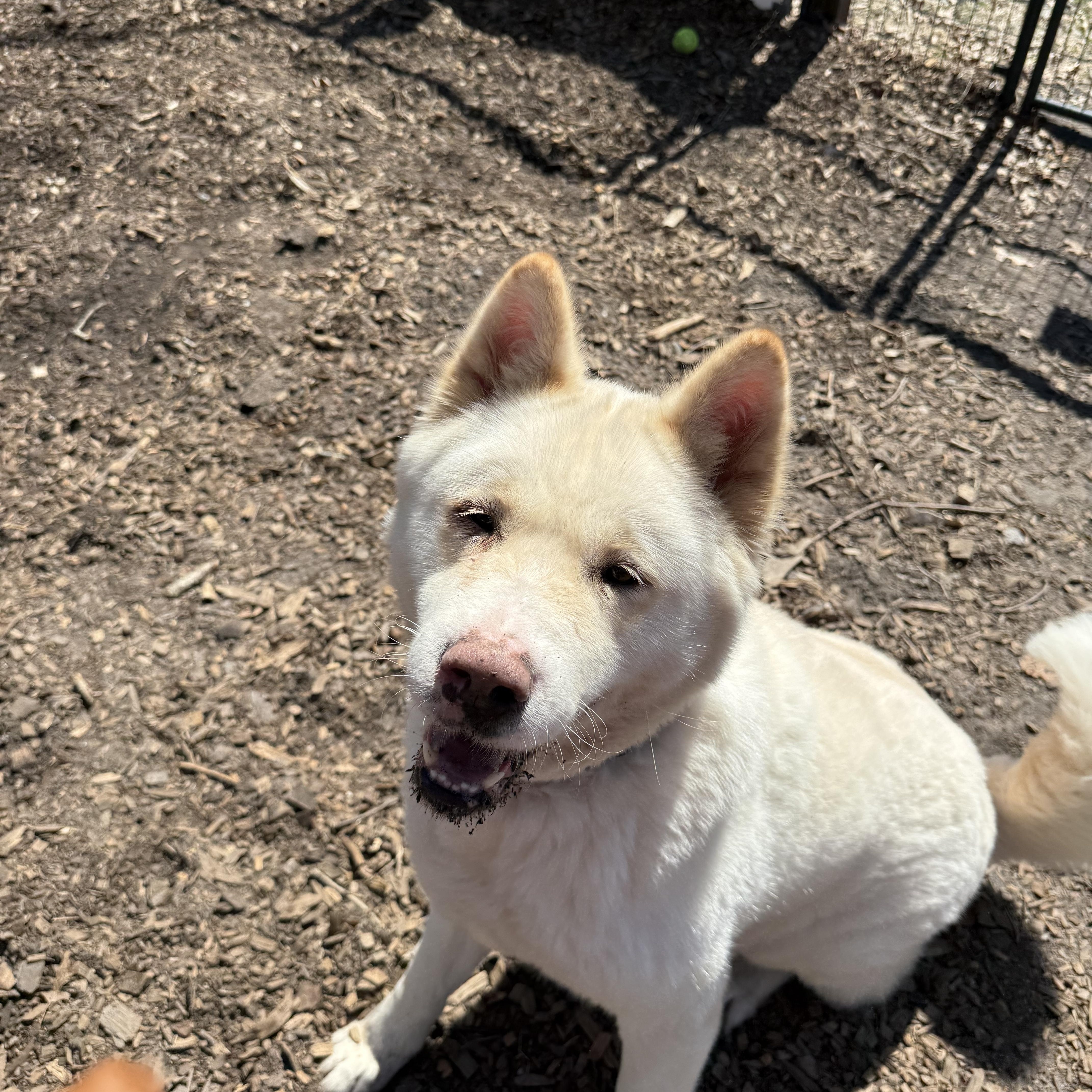
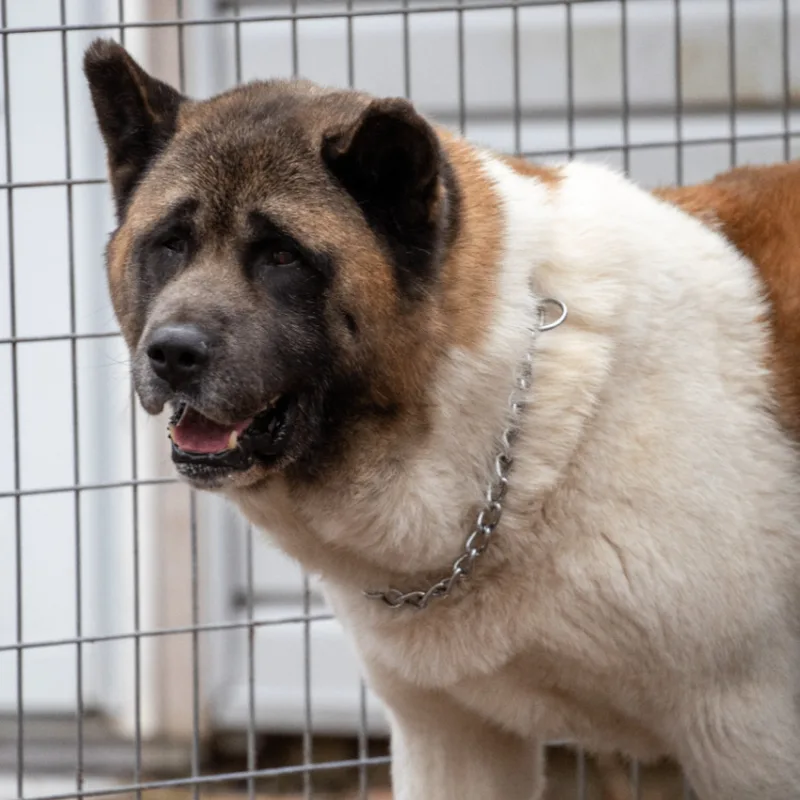
Akitas come from the mountains of northern Japan, where spitz-type dogs hunted bear and boar before guarding estates. The American-type Akita is the heavier, bear-headed version, with a broad head, small upright ears, a plush double coat and a big tail curled over the back. Males often reach 100 to 130 pounds, and females 70 to 100.

Many Akitas are quiet, dignified and deeply devoted to family but aloof with strangers. Guarding instincts are common, and some don't tolerate other dogs, especially of the same sex. In a township of close-set neighborhoods like Toms River, adopters do best with patient, reward-based training, careful introductions and a plan for twice-yearly coat blowouts. Dogs vary, so judge each Akita on its own behavior.


Weight
70–130 lbs
Height
24–28 in
Lifespan
10–14 yrs
Temperament
Loyal, Dignified, Protective, Independent
Group
Working
Shedding
High

Owning an Akita in Toms River

Having an Akita in Toms River

Quiet loyalty in a large, powerful body defines the Akita. Independence, guarding instinct and a heavy coat shape daily life more than looks do, so a calm, experienced household with a fenced yard tends to fit best in Toms River.

Temperament

Akitas are usually calm and affectionate with their own family but reserved, even suspicious, with strangers. Many don't get along with other dogs, especially of the same sex, so busy sidewalks and friendly neighborhood dog crowds call for distance and a firm hold on the leash. Early socialization helps without guaranteeing anything.

Exercise Needs

Plan on moderate daily exercise: a brisk leashed walk or two, sniffing time and short training sessions. Leashed trails like Cattus Island County Park offer room to roam, and a fenced yard helps. Most Akitas aren't dog-park dogs. Limit hard, repetitive exercise for puppies, and save summer outings for early morning or evening.

Health Considerations

Akitas can develop hip dysplasia, hypothyroidism, bloat and immune-related conditions, plus eye problems such as glaucoma. Their red blood cells hold more potassium than most dogs', which can skew lab results, so mention it to any new veterinarian. Tick prevention matters after wooded trail walks here, and regular checkups help catch problems early.

Living Space

Most Toms River homes are detached houses, which suits an Akita well, especially with a securely fenced yard. It should live indoors with its family and have a cool spot on warm days. Apartments can work with daily exercise, though shared hallways and elevators are harder for a wary dog. Expect plenty of vacuuming.

What it costs to own an Akita in Toms River

ExpenseTypical costPer year
Food$55 to $110 per month$660 to $1,320
Pet insurance$65 to $130 per month$780 to $1,560
Routine vet care$250 to $500 per year$250 to $500
Other*$590 to $1,490 per year$590 to $1,490
Estimated yearly total (after year one)$2,280 to $4,870

Other costs are estimates and vary with size, age and health.

* Flea, tick and heartworm prevention, a dental cleaning allowance, a Toms River dog license, toys and bedding, and brushing and baths for heavy seasonal coat blowouts.

Adopt an Akita in Toms River.

Now that you know more, let’s find you a new best friend. These rescues and shelters below currently have Akitas available.

Rescues in Toms River with Akitas Available

Ocean County's animal facilities and local rescue groups care for the area's strays and surrendered dogs. Here are the rescues & shelters in the Toms River area where you can find Akitas and other dogs available for adoption.

Frequently Asked Questions

An Akita can fit Toms River well in a calm home with a fenced yard, which many of the township's detached houses offer. Leashed trail walks cover exercise, and cold winters suit the coat. It's a tougher match for busy households, frequent visitors or homes with other dogs, since many Akitas are wary of strangers and unfamiliar dogs.

Yes, Akitas handle Toms River winters well. Their double coat is made for cold, even with about 116 freezing nights a year. Wipe road salt off paws after walks and keep the dog indoors overnight, since township and state rules also limit tethering in cold weather. Summer heat, with about 24 days at 90°F or higher, is the bigger worry.

It can, if the Akita gets daily walks and calm handling, but apartments are less common here than houses, and many buildings limit large dogs, so read the lease closely. Shared hallways and elevators can stress a wary Akita, so a quiet unit with a nearby outside entrance and easy access to green space works best.

Cattus Island County Park's blazed trails and Winding River Park's wooded loops suit leashed Akita walks. Silverton Park has a fenced dog park with a large-dog side for licensed, registered dogs, but many Akitas don't enjoy off-leash play with unfamiliar dogs. Skip the ocean beaches, which aren't dog beaches, and check for ticks after wooded walks.

Generally no. NJ Transit buses, including routes 67, 137, 319 and 559, allow only service animals and small pets in carry-on travel cages, so an adult Akita can't ride unless it's a service animal. Most Toms River residents drive, so plan on a car with a crate or seat cover for vet visits.

Brush an Akita weekly most of the year and daily during the two heavy coat blowouts, usually in spring and fall. Humid summers and muddy shore-area walks mean occasional baths, plus a tick check after wooded trails. Professional baths during blowouts are part of the Other costs shown on this page.

Generally no. New Jersey's food code keeps pet dogs out of food establishments, patios included, with exceptions only for service animals. An Akita's wariness of strangers makes crowded dining a poor fit anyway, so plan outings around Cattus Island, Winding River Park or the Silverton dog park instead.

An Akita is a large, powerful spitz-type dog from northern Japan, known for its plush double coat, upright ears and tail curled over the back. In the United States, the Akita is the heavier American type, while the lighter Japanese Akita Inu is now registered separately. Many Akitas are devoted to their family, reserved with strangers and selective about other dogs.

We have 1 rescue with Akitas available: Big East Akita Rescue. You can see every rescue with Akitas available in the list above these questions, or scroll to the top to see the Akitas in Toms River.

Plan on roughly $2,300 to $4,900 a year for an Akita in Toms River. Food runs $55 to $110 a month and insurance $65 to $130 a month, while routine vet care adds $250 to $500 a year. Other costs such as prevention, dental care, license and coat care add about $590 to $1,490 a year.

Explore Other Breeds in Toms River

Looking for a different breed? Browse other dogs available for adoption in Toms River.