Black Russian Terrier Dogs for Adoption in Omaha, NE

Your guide to finding and caring for a Black Russian Terrier in Omaha

A Black Russian Terrier fits Omaha best in a house with a fenced yard, in a part of town like Millard or Elkhorn. These are big, watchful dogs, so the paved loops around Zorinsky Lake make a good daily walk, and the yard gives a dog this size room between outings. The thick black coat doesn't love humid July afternoons, so early mornings work best. It suits a patient, experienced handler who's home a good part of the day.

2696 dogs similar to Black Russian Terrier available in Omaha and nationwide

Find your Black Russian Terrier

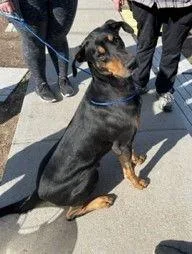
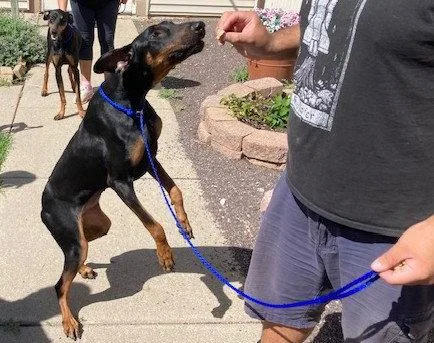
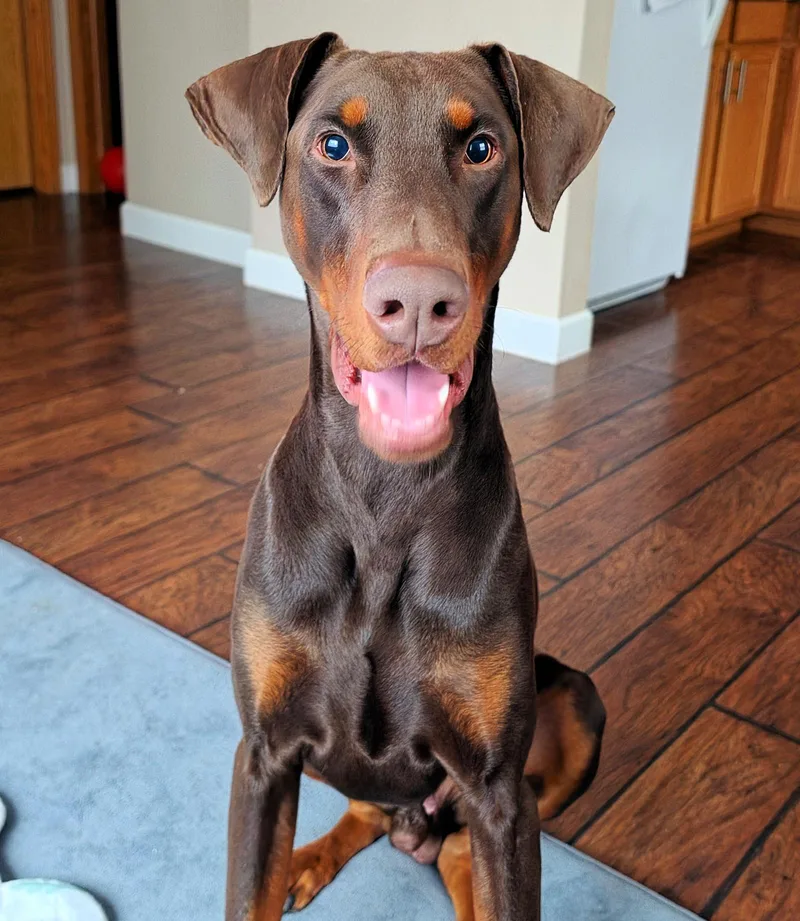
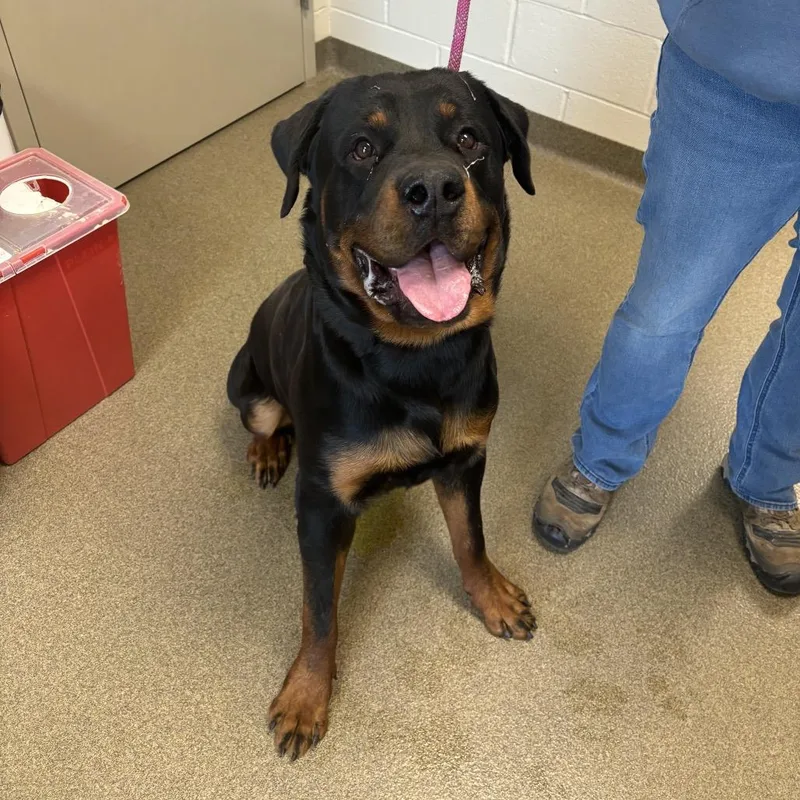
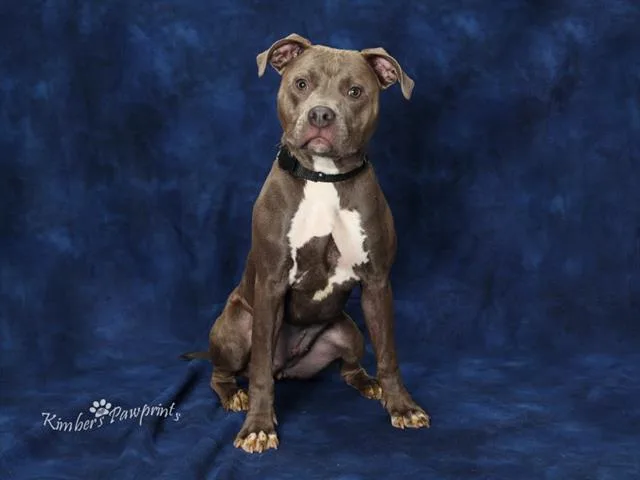
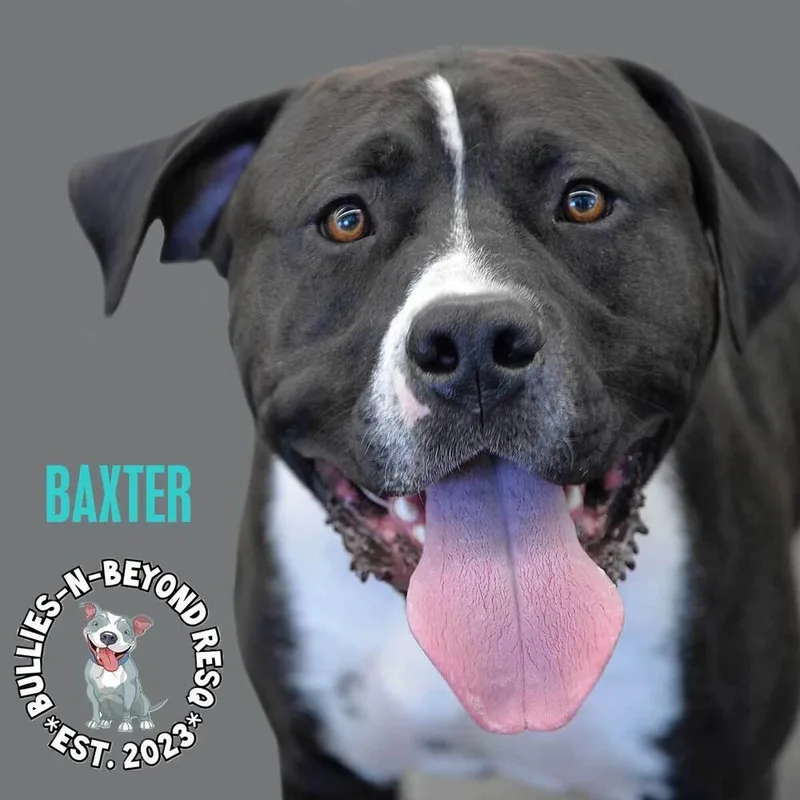
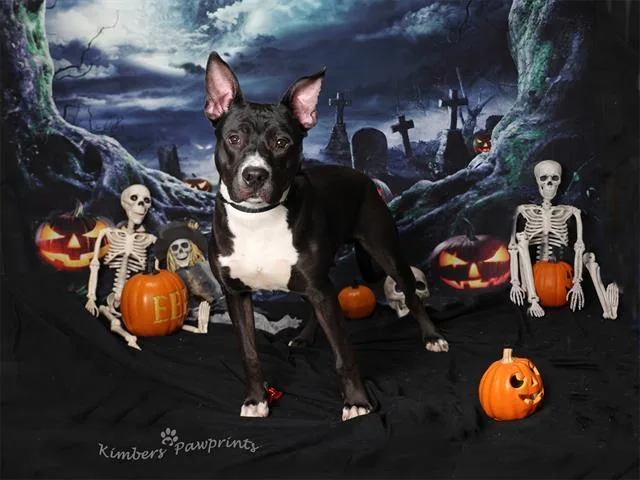
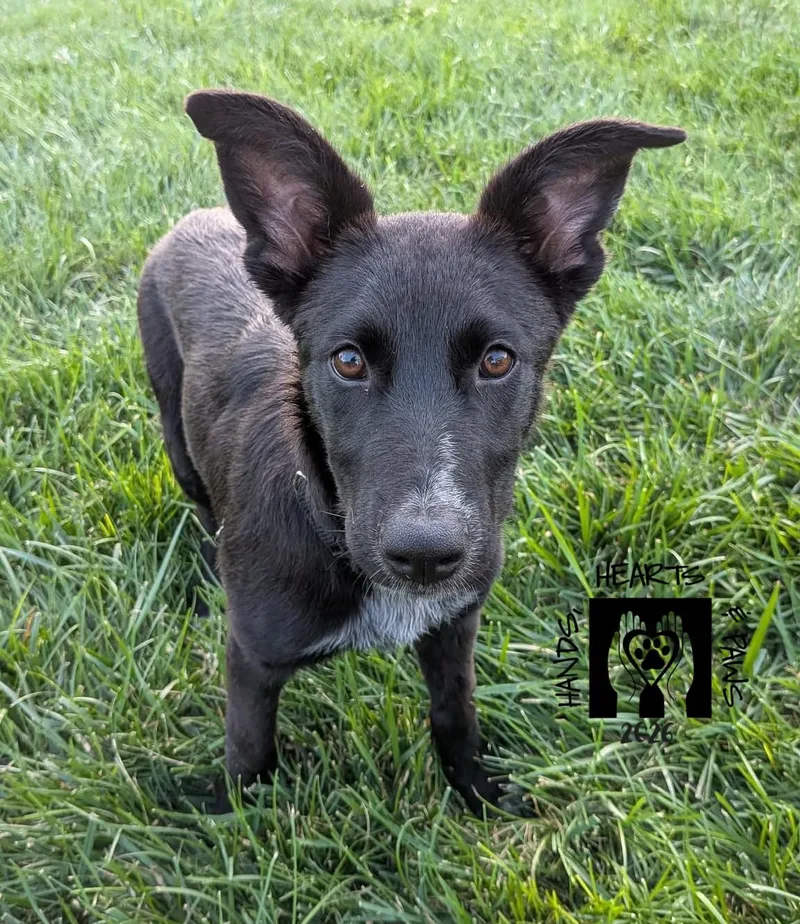
Black Russian Terriers and Similar Breeds Available for Adoption Near Omaha

About the Black Russian Terrier breed

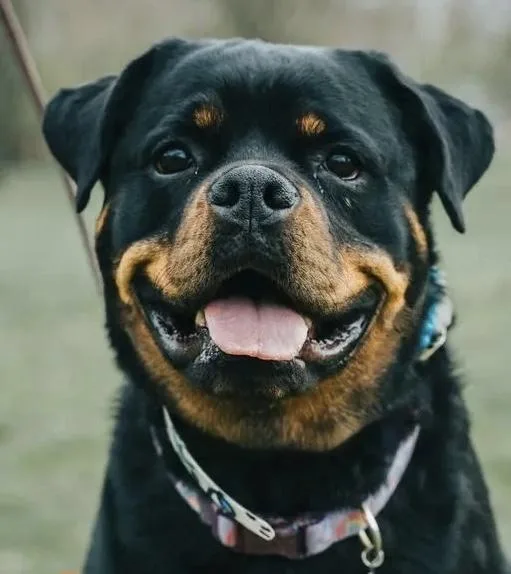
Despite the name, the Black Russian Terrier isn't a true terrier. It was developed in the Soviet Union in the late 1940s and 1950s as a hardy working and guard dog, drawing on about 17 breeds, including the Giant Schnauzer, Airedale, Rottweiler and Newfoundland. The result is a heavy-boned dog, usually 80 to 130 pounds, with a wavy black coat, a beard and eyebrows that fall over the eyes.

Many are calm, confident and devoted to their families, and reserved with strangers. They're smart and trainable, but they do best with consistent handling and early socialization. In Omaha, that means practicing calm manners on leashed walks and around neighbors. The low-shedding coat still needs brushing a few times a week and regular professional trims.


Weight
80–130 lbs
Height
26–30 in
Lifespan
10–12 yrs
Temperament
Confident, Protective, Loyal
Group
Working
Shedding
Low

Owning a Black Russian Terrier in Omaha

Having a Black Russian Terrier in Omaha

A Black Russian Terrier is a large working dog with a thick, high-maintenance coat. In Omaha, the biggest factors are a secure yard, a handler comfortable with a protective breed, and a plan for muggy summers and the occasional sub-zero winter night.

Temperament

Black Russians are often calm, self-assured and closely bonded to their family, with a watchful streak around strangers. On busy Omaha sidewalks and at dog parks, steady socialization and reward-based training matter. Dogs vary, so watch how the dog you meet handles new people, noises and other dogs.

Exercise Needs

Plan on at least two good walks a day plus play, swimming or a training session. Omaha's paved trail network, including the loop around Zorinsky Lake, gives a big dog room to walk, and Hanscom and Hefflinger dog parks have large-dog areas. Skip hard exercise right around meals because of bloat risk.

Health Considerations

Hip and elbow dysplasia, progressive retinal atrophy, bladder stones from hyperuricosuria and juvenile laryngeal paralysis with polyneuropathy can affect the breed, and deep-chested giants face bloat risk. A veterinarian can check joints and breathing early, and keeping the dog lean protects the joints. Omaha's humid summers add heat strain for a dog with this coat.

Living Space

A house with a securely fenced yard suits this breed best. A calm adult can manage an apartment with dependable daily exercise, but a dog of 80 to 130 pounds needs floor space, sturdy stairs or an elevator, and room to stretch out. Time indoors with the family matters more than time alone in the yard.

What it costs to own a Black Russian Terrier in Omaha

ExpenseTypical costPer year
Food$80 to $160 per month$960 to $1,920
Pet insurance$85 to $170 per month$1,020 to $2,040
Routine vet care$250 to $500 per year$250 to $500
Other*$1,040 to $2,790 per year$1,040 to $2,790
Estimated yearly total (after year one)$3,270 to $7,250

Other costs are estimates and vary with size, age and health.

* The Omaha dog license, flea, tick and heartworm prevention, a dental cleaning allowance, toys and bedding, professional trims every 6–8 weeks, and joint supplements.

Adopt a Black Russian Terrier in Omaha.

Now that you know more, let’s find you a new best friend. These rescues and shelters below have dogs available in and near Omaha.

Frequently Asked Questions

Yes, you can own a Black Russian Terrier in Omaha. The city's breed-specific rules apply to pit bull-type dogs and a short list of other breeds, and Black Russians aren't on it. Standard rules still apply: license the dog by 4 months, keep it leashed or in a fenced yard, and stay within three dogs per household without a permit.

A calm adult can live in an Omaha apartment, but it's a tight fit for a dog weighing 80 to 130 pounds. Ground-floor units or buildings with elevators work better, and the dog still needs two real walks daily. Buildings near Midtown Crossing sit close to Dewey Dog Park, which helps. Confirm size limits in the lease before applying.

Yes, with care, but summer is the hardest season for this breed. Humid heat and a dark double coat raise the risk of overheating, so exercise at dawn or after dark and keep the dog in air conditioning. Heavy panting, drooling or weakness calls for cooling and a vet visit. A pet left in a hot car can be treated as neglect.

Wide, quiet routes suit a large, protective dog best. Zorinsky Lake's paved loops add up to about 7.4 miles, Standing Bear Lake has a boardwalk trail, and the Keystone Trail runs roughly 17 miles through the city. Dogs must be leashed everywhere except city-recognized dog parks such as Hanscom and Hefflinger, which have large-dog areas.

Brush a few times a week and book a professional trim every 6 to 8 weeks. In Omaha, spring mud and winter ice and salt tangle the beard and leg furnishings, so wipe and comb after walks. A shorter summer trim helps with heat, but shaving isn't advised. Trims are the biggest part of the yearly Other costs.

Not practically. Omaha has no subway, and Metro buses, including ORBT, require pets to ride in a carrier unless they're service animals. A Black Russian Terrier at 80 to 130 pounds won't fit in one. Plan on traveling by car with a crate or seat harness. The streetcar under construction has no pet policy yet.

Only to certain patios. Dogs are allowed at Omaha restaurants only on outdoor patios with health-department approval, they must stay leashed, and indoor dining rooms are off-limits. A giant, protective Black Russian may find a crowded patio stressful, so practice calm settling first and bring a mat and water.

Black Russian Terriers can be good family dogs for experienced owners. Many are affectionate, calm and protective with their own families and gentle with children they are raised with. Their size and guarding instincts mean they need training, socialization and supervision around visiting kids. An adult rescue with a known history in a family home can be a strong match.

No, Black Russian Terriers are not truly hypoallergenic, since no dog is free of allergens. Their coat sheds little, so they drop less hair around the house than many breeds, which helps some people with mild allergies. Dander and saliva still cause reactions, so spend time with the specific dog before adopting if anyone has allergies.

Plan on roughly $80 to $160 a month for food, $85 to $170 for insurance, $250 to $500 a year for routine vet care, and $1,040 to $2,790 a year for everything else, mostly professional grooming. That comes to about $3,270 to $7,250 a year, before emergencies and boarding.