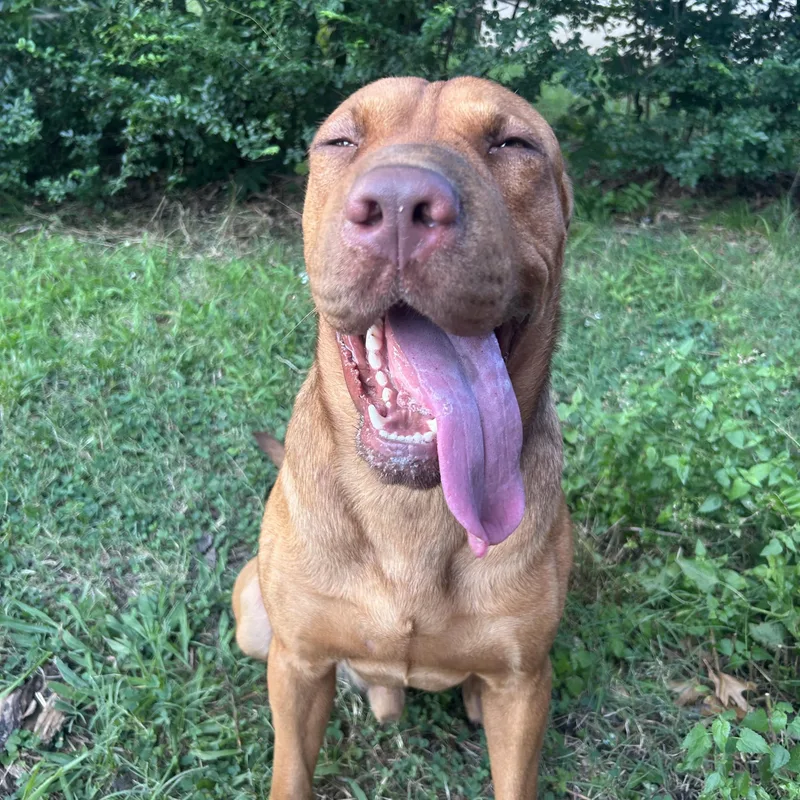
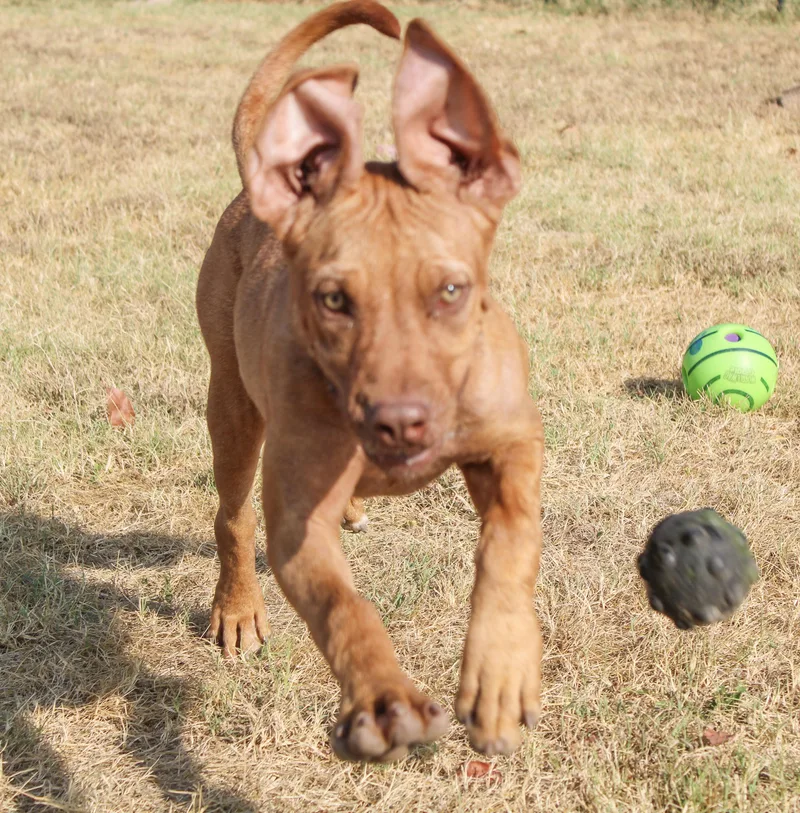
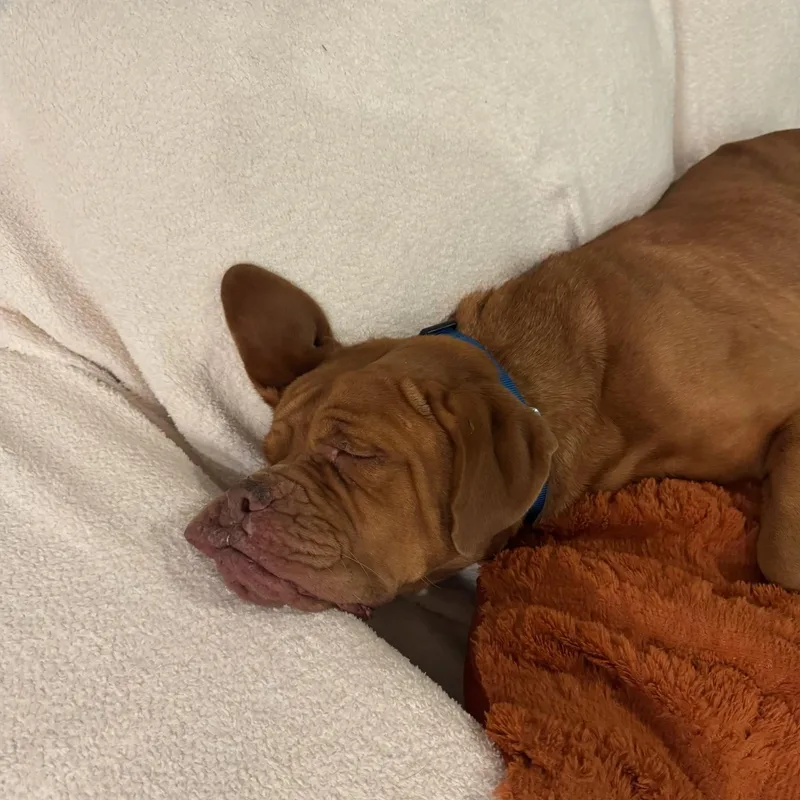
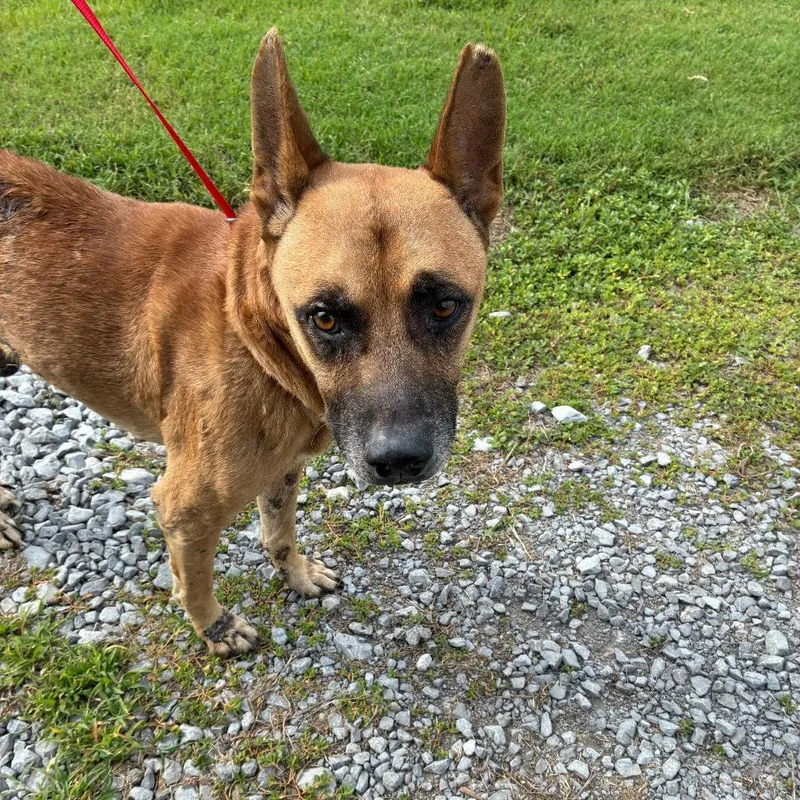
Dogue de Bordeaux Dogs for Adoption in St. Louis, MO

Your guide to finding and caring for a Dogue de Bordeaux in St. Louis

A Dogue de Bordeaux can do well in St. Louis if its home stays cool and has room to stretch out. In south city neighborhoods like Lindenwood Park, where most homes are single-family brick houses, a Dogue can sprawl on a cool floor and often has a yard to wander. Expect slow, steady strolls rather than long runs, and plenty of drool on the floors. Dogues are gentle with their families but watchful with strangers, so start training early.

36 Dogue de Bordeaux available in St. Louis and nationwide

Find your forever Dogue de Bordeaux

While we don't have enough dogs near St. Louis, keep in mind that many rescues may offer transport.

Dogue de Bordeaux Available for Adoption Near St. Louis

About the Dogue de Bordeaux breed

Often called the French Mastiff, the Dogue de Bordeaux is one of France's oldest breeds, once a guardian, drover and estate dog around Bordeaux. Numbers fell to a few hundred worldwide by the early 1980s, and many Americans first saw the breed in the 1989 film Turner & Hooch. Adults have a short fawn to mahogany coat, a wrinkled brow and one of the largest heads, proportionally, of any dog.

Many Dogues are calm, sensitive and deeply attached to their families, though they can be watchful with strangers and need early, gentle, consistent training. In St. Louis, that means planning for humid summer heat and easy access to the yard. Dogs vary, so judge each one by its own personality. Heavy drooling, steady shedding and a lifespan often under ten years come with the breed.


Weight
99–145 lbs
Height
23–27 in
Lifespan
5–9 yrs
Temperament
Protective, Loyal, Calm, Devoted
Group
Working
Shedding
Moderate to High

Owning a Dogue de Bordeaux in St. Louis

Having a Dogue de Bordeaux in St. Louis

A gentle, affectionate home companion with a guardian's vigilance and great strength. In St. Louis, drool, heat sensitivity, health risks and careful early training shape daily life more than the moderate exercise needs do.

Temperament

Dogues tend to be calm and devoted with their people, but many are wary of strangers and unfamiliar dogs, especially same-sex dogs. They're sensitive, so harsh training backfires. On shared city sidewalks and in busy parks, early socialization and steady, reward-based guidance help a Dogue stay confident rather than overprotective.

Exercise Needs

Adults usually need moderate exercise: a couple of unhurried walks, short play sessions and some training games. Puppies should stay low-impact until about 18 months. Forest Park and Tower Grove Park offer leashed walking, and the six-foot leash rule applies. Plan outings for early morning or evening, since this short-faced breed overheats fast.

Health Considerations

Serious risks include heart disease such as aortic stenosis, cancer, bloat, hip and elbow dysplasia, and breathing trouble tied to the short face. Skin folds need regular cleaning. Because lifespan is often under ten years, build a relationship with a veterinarian early and keep up heartworm prevention through St. Louis's humid summers.

Living Space

A Dogue needs room to stretch out, air conditioning and easy access without many stairs. St. Louis has plenty of brick flats and single-family houses, and either can work if the dog lives indoors with the family. A ground-floor unit or a house with few steps is easiest, and drool on the floors is part of the deal.

What it costs to own a Dogue de Bordeaux in St. Louis

ExpenseTypical costPer year
Adoption fee$300, one time$300 in year one
Food$80 to $160 per month$960 to $1,920
Pet insurance$85 to $170 per month$1,020 to $2,040
Routine vet care$250 to $500 per year$250 to $500
Other*$579 to $1,654 per year$579 to $1,654
Estimated yearly total (after year one)$2,809 to $6,114
First-year total (with adoption fee)$3,109 to $6,414

Adoption fee is the fee on Dogue de Bordeaux listings in St. Louis on GetBuddy today. Other costs are estimates and vary with size, age and health.

* The $4 St. Louis license for a spayed or neutered dog, giant-size flea, tick and heartworm prevention, a dental cleaning allowance, sturdy toys and bedding, basic coat care, and skin-fold care and joint supplements.

Adopt a Dogue de Bordeaux in St. Louis.

Now that you know more, let’s find you a new best friend. These rescues and shelters below currently have Dogue de Bordeaux available.

Frequently Asked Questions

Yes. Along with the rabies vaccine and city registration, St. Louis expects the tag to stay on the dog's collar or harness, shelter from heat, cold and rain, and no tethering beyond 10 continuous hours. Missouri owners are also liable for unprovoked bites, so a giant, watchful breed benefits from early socialization and a sturdy leash.

Yes, if the space is cool, has few stairs and the landlord accepts giant dogs. St. Louis has many brick flats and, downtown, loft conversions, but weight limits and pet deposits vary by building. Missouri doesn't cap pet deposits, so get fees in writing. A ground-floor unit with easy walking routes helps most.

They can with careful management. Humid summer heat, with 90°F days common from June through August, is hard on a short-faced giant breed. Walk before sunrise or after dark, keep the dog in air conditioning, avoid hot asphalt and never leave it in a parked car. Know the signs of heatstroke, such as heavy panting and weakness.

Forest Park, Tower Grove Park and Carondelet Park offer wide, leashed walking, and the River des Peres Greenway is paved and mostly flat. Go early to avoid heat and crowds, and keep the leash at six feet or less. Membership dog parks like Shaw can suit a calm Dogue, especially during quieter hours.

No. Metro allows only service animals on MetroBus, MetroLink and Call-A-Ride, and pets can't ride even in carriers. For a giant Dogue, that means planning vet visits and outings around a car, a walkable route or a rideshare. Make sure a rideshare driver will accept a big dog before you book.

Sometimes, on patios. A city ordinance lets restaurants seat dogs in outdoor dining areas in most wards, but each restaurant decides and must post a sign saying whether dogs are welcome. Don't expect to bring a dog inside. A Dogue needs shade, room under the table and a calm temperament, so skip busy hours.

Less than most breeds, but regularly. The short coat needs a weekly rubber-curry brushing, more during heavy shedding, and a bath about every four weeks. Clean and dry the face wrinkles weekly or daily, especially in humid summers and after wet spring walks. Basic coat care is part of the yearly Other costs, so professional grooming is usually optional.

A Dogue de Bordeaux is not inherently dangerous, but it is a powerful guardian breed whose size and protective instincts demand responsible handling. Most are gentle and affectionate with their families. Poor socialization, rough training or weak containment raise the risk of problems with strangers or other dogs. Early training and an experienced owner make a big difference.

We have 1 rescue with Dogue de Bordeaux available: Animal Protective Association of Missouri. You can see every rescue with Dogue de Bordeaux available in the list above these questions, or scroll to the top to see the Dogue de Bordeaux near St. Louis.

Plan on roughly $2,800 to $6,100 a year for a Dogue de Bordeaux in St. Louis. Food runs $80 to $160 a month and insurance $85 to $170 a month, routine vet care $250 to $500 a year, and other costs $579 to $1,654 a year. Emergency care could push totals higher.