Klee Kai Dogs for Adoption in Kansas City, MO

Your guide to finding and caring for a Klee Kai in Kansas City

A Klee Kai fits well in Waldo, where the Trolley Track Trail gives a small, busy dog miles of leashed walking. Many Klee Kai are compact enough for a Hyde Park apartment or a Brookside home, but they're clever, talkative and need real exercise every day. A fenced yard in south Kansas City helps if the fence is tall, because these dogs climb and jump. Summer humidity is the one thing to plan around, so early walks work best.

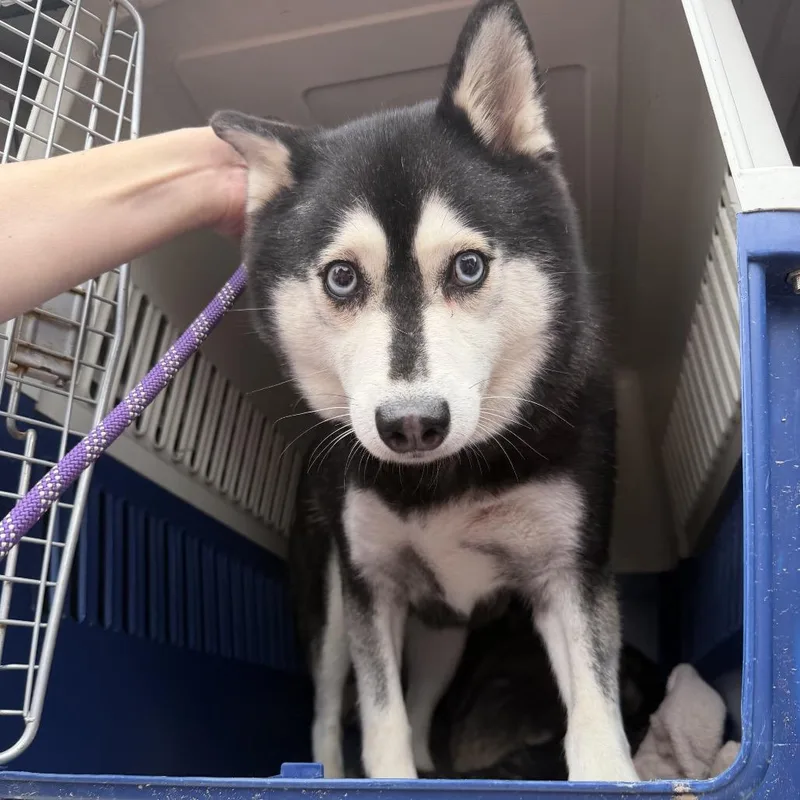
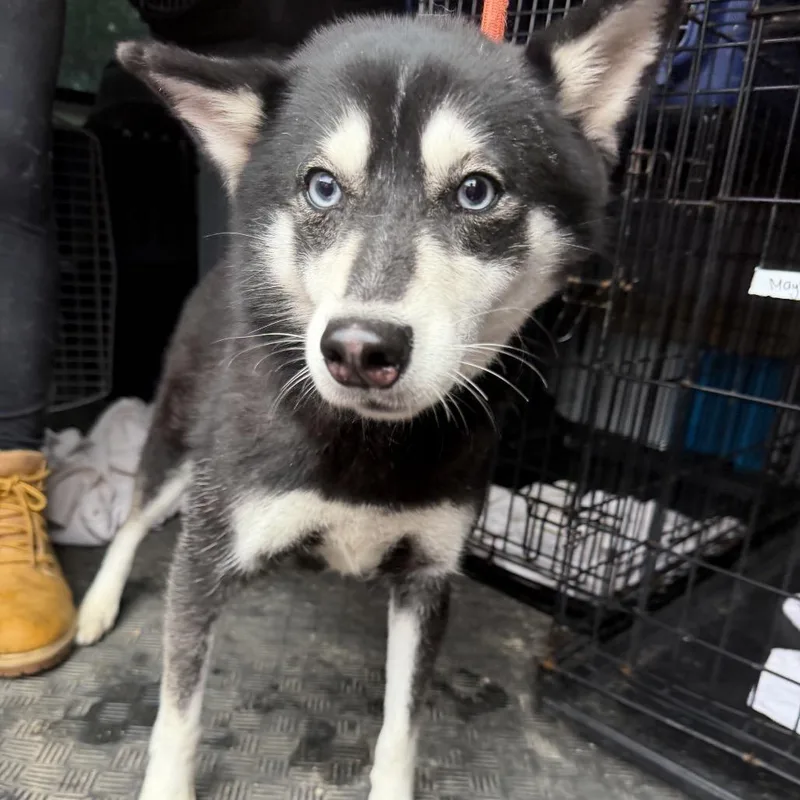
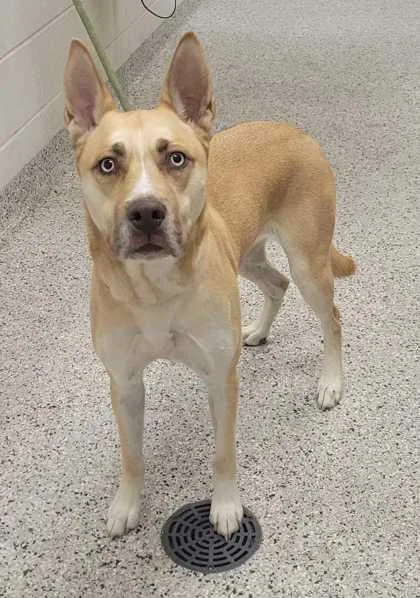
17 Klee Kais available in Kansas City and nationwide

Your Klee Kai is waiting

While we don't have enough dogs near Kansas City, keep in mind that many rescues may offer transport.

Klee Kais Available for Adoption Near Kansas City

About the Klee Kai breed

The Alaskan Klee Kai was developed in Alaska in the 1970s as a companion-sized dog with a husky's look. It has the facial mask, erect ears, curled tail and thick double coat of a Siberian Husky, in toy, miniature and standard sizes that run from about 6 to 22 pounds. It sheds moderately year-round and blows its coat about twice a year.

In personality it isn't a small Siberian. Many Klee Kai are reserved with strangers, devoted to their own people, and quick to chase squirrels or other small animals. They're smart and independent, so training works best with patience and rewards. In Kansas City, that means a secure leash on busy sidewalks and trails, and gentle introductions to new people, since each dog's temperament varies.

Weight
6–22 lbs
Height
12–17 in
Lifespan
12–16 yrs
Temperament
Alert, Curious, Intelligent, Energetic
Group
Miscellaneous
Shedding
Moderate to High

Owning a Klee Kai in Kansas City

Having a Klee Kai in Kansas City

Klee Kai pack husky-style energy, intelligence and chattiness into a dog small enough for most homes. Daily exercise, a secure yard or leash, patient socialization and coat care shape life with one more than its striking looks do.

Temperament

Klee Kai are often affectionate and playful at home but reserved with strangers, so slow, positive introductions matter on busy Kansas City sidewalks. Many are vocal, with howls and chatter rather than constant barking. Small animals can set off chasing, and some dogs are choosy about other dogs. Early socialization helps.

Exercise Needs

Plan on brisk walks, running games or agility every day, plus puzzle toys and trick training. In Kansas City, leashed paths like the Trolley Track Trail and fenced off-leash parks give room to burn energy. These dogs jump and bolt after squirrels, so use a secure leash. Bored dogs often dig, chew or howl.

Health Considerations

Documented concerns include juvenile cataracts, liver disease, heart problems, thyroid issues and slipping kneecaps in smaller dogs. Factor VII deficiency, an inherited clotting disorder, has a DNA test, so mention it to your veterinarian before any surgery. Wellness exams, parasite prevention and dental care matter, and a vet can check eyes and kneecaps.

Living Space

A Klee Kai can do well in a Kansas City apartment or house if its days include real exercise. Howling can test thin walls. A yard needs tall, dig-proof fencing, since these dogs climb and jump well. Homes with cats, rabbits or other small pets need careful introductions and planning.

What it costs to own a Klee Kai in Kansas City

ExpenseTypical costPer year
Food$20 to $45 per month$240 to $540
Pet insurance$35 to $70 per month$420 to $840
Routine vet care$200 to $400 per year$200 to $400
Other*$485 to $1,262 per year$485 to $1,262
Estimated yearly total (after year one)$1,345 to $3,042

Other costs are estimates and vary with size, age and health.

* Flea, tick and heartworm prevention, a dental cleaning allowance, the $10 to $12 Kansas City one-year dog license, toys and bedding, and extra brushing when the double coat sheds out.

Adopt a Klee Kai in Kansas City.

Now that you know more, let’s find you a new best friend. These rescues and shelters below have dogs available in and near Kansas City.

Frequently Asked Questions

Yes, you can own a Klee Kai in Kansas City, and no known breed-specific rule targets them. Dogs over 120 days old need a city license and rabies vaccination, and a household is limited to four dogs and cats combined. Because the breed is uncommon, watch the listings on this page and save a search to hear about new dogs.

A Klee Kai can fit Kansas City well if you have time for daily outings, since the city offers leashed trails and fenced off-leash parks. It suits people who can handle humid July heat, icy winter sidewalks and spring storms that frighten some dogs. A dog that's wary of strangers may do better in a quieter neighborhood than a busy entertainment district.

Mostly yes, with summer as the caution. A Klee Kai's double coat handles Kansas City's cold, snowy winters well, but July brings humid 90°F-plus days when panting cools a dog poorly. Plan walks around dawn and dusk, keep shade, water and indoor cooling available, and expect heavy shedding in spring and fall. Dogs vary in heat tolerance.

Good options include the Penn Valley, Swope Park and Kemp off-leash parks, each with a separate small-dog area, plus leashed routes such as the Trolley Track Trail through Brookside and Waldo, the Line Creek Trail in the Northland and Cliff Drive in Kessler Park. Many Klee Kai are wary of strangers, so quieter trail walks can suit them better than crowded dog parks.

Only in a carrier, and only on buses. RideKC buses allow service animals and small pets in cages or carriers, so a toy-size Klee Kai could ride in a carrier it's comfortable in, but a 20-pound dog may be impractical. The KC Streetcar doesn't allow pets other than ADA service animals, so plan on driving or walking.

Only at restaurants with a Kansas City Health Department dog-friendly patio variance. Otherwise the city's food code keeps pet dogs out of areas where food is prepared or served, and indoor dining rooms are off-limits except for service animals. Look for posted signage before you sit down. A reserved Klee Kai may be calmer on a quiet patio than a busy one.

A Klee Kai needs regular brushing rather than haircuts. It sheds moderately year-round and blows its double coat about twice a year, usually in spring and fall, when daily brushing helps. Kansas City's humid summers are no reason to shave the coat, which also insulates against heat. Professional grooming is optional, and the cost table's Other line includes a modest grooming allowance.

Alaskan Klee Kai come in three sizes: toy dogs stand up to 13 inches at the shoulder, miniatures over 13 to 15 inches, and standards over 15 to 17 inches. Weights typically run from under 10 pounds for toys to about 16 to 22 pounds for standards. Even within a litter, puppies can grow into different size varieties.

An Alaskan Klee Kai is a small, husky-like companion dog developed in Alaska in the 1970s from Alaskan Husky, Siberian Husky, Schipperke and American Eskimo Dog lines. It has a facial mask, erect ears, a curled tail and a double coat, and comes in three sizes. Many are energetic, intelligent and vocal, and often reserved with strangers.

A Klee Kai typically costs about $20 to $45 a month for food and $35 to $70 a month for insurance. Routine vet care runs $200 to $400 a year, and other costs such as prevention, dental care, license and coat upkeep add $485 to $1,262. That's roughly $1,350 to $3,050 a year before emergencies.