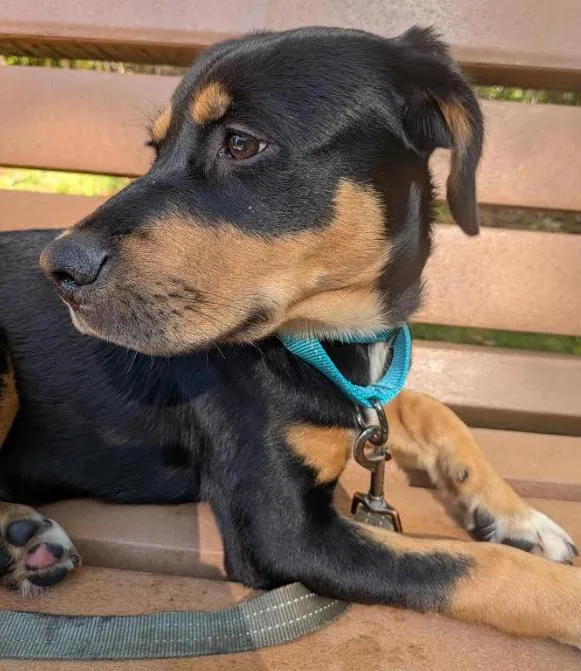
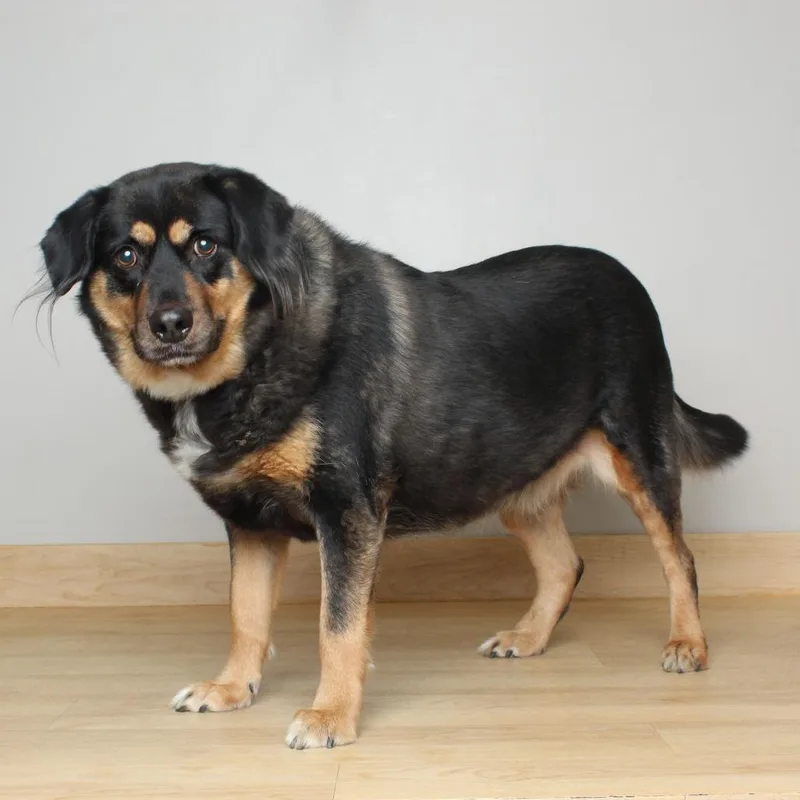
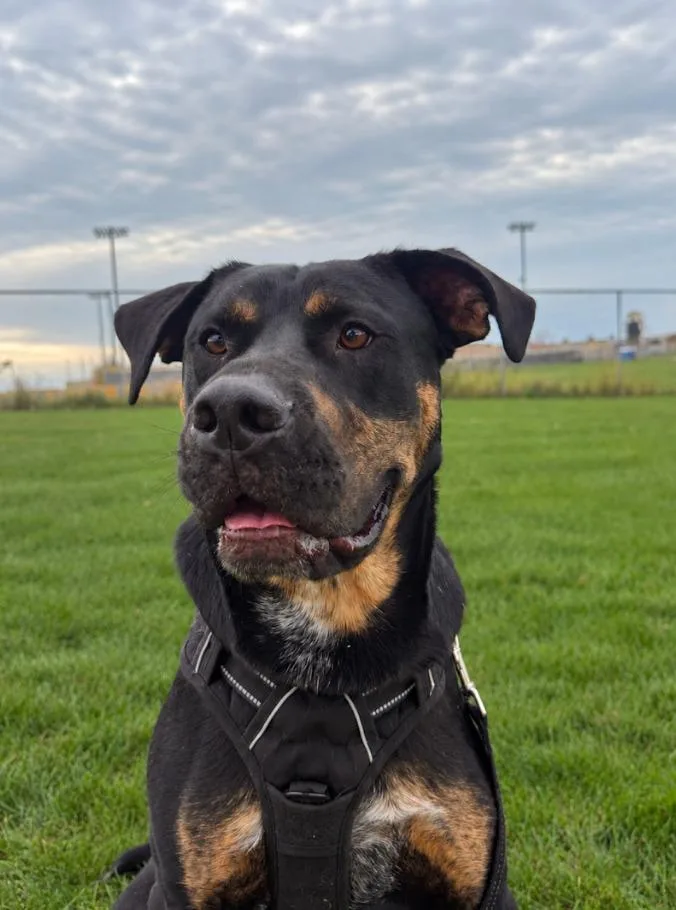
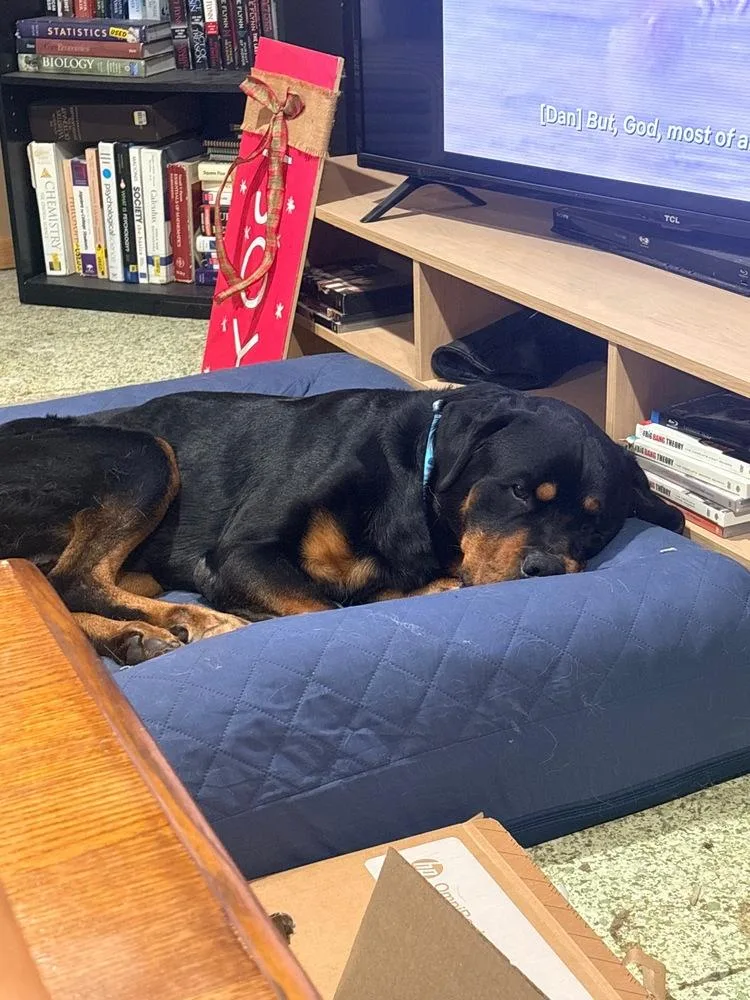
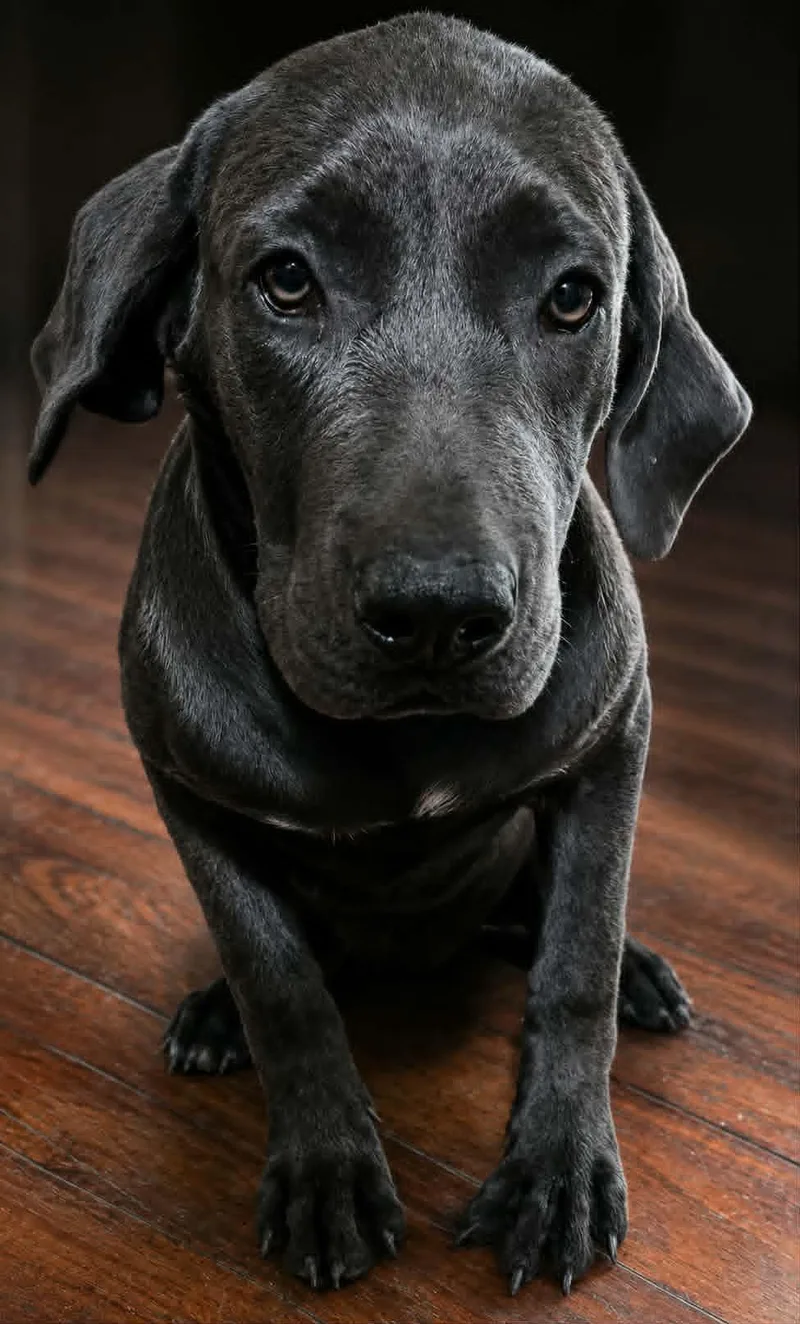
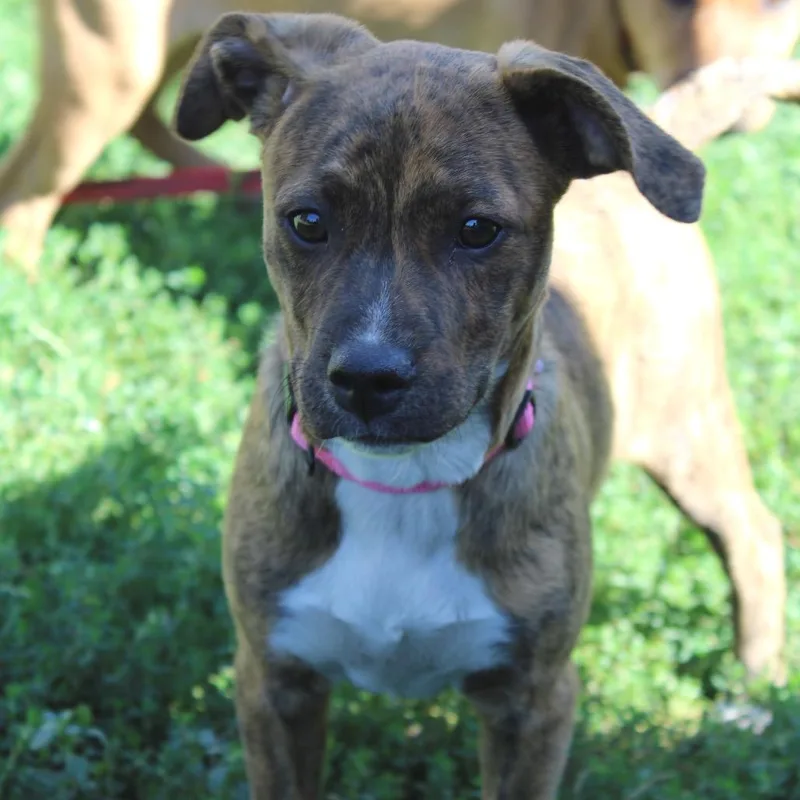
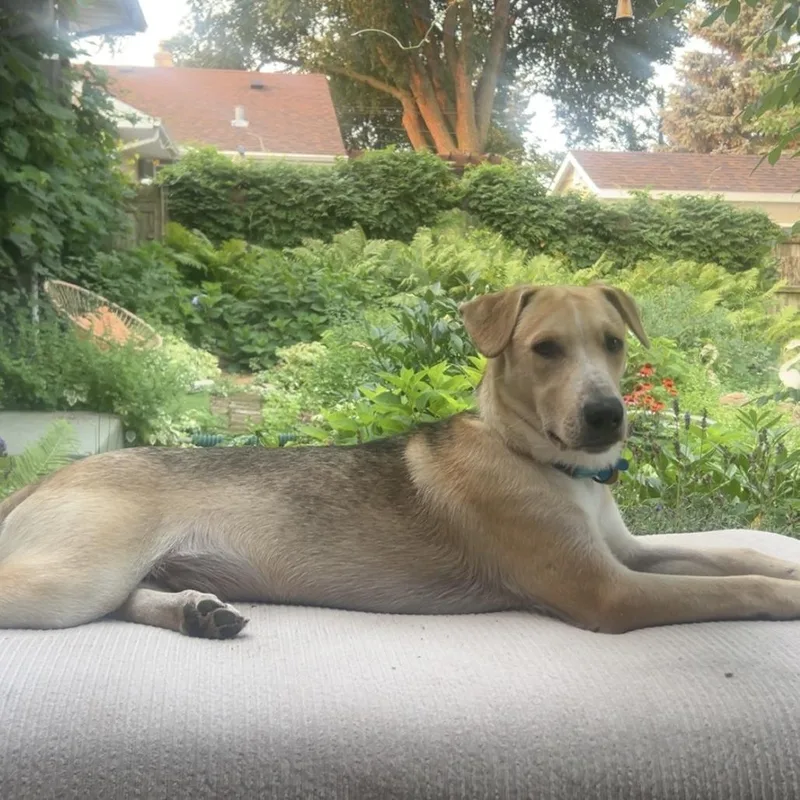
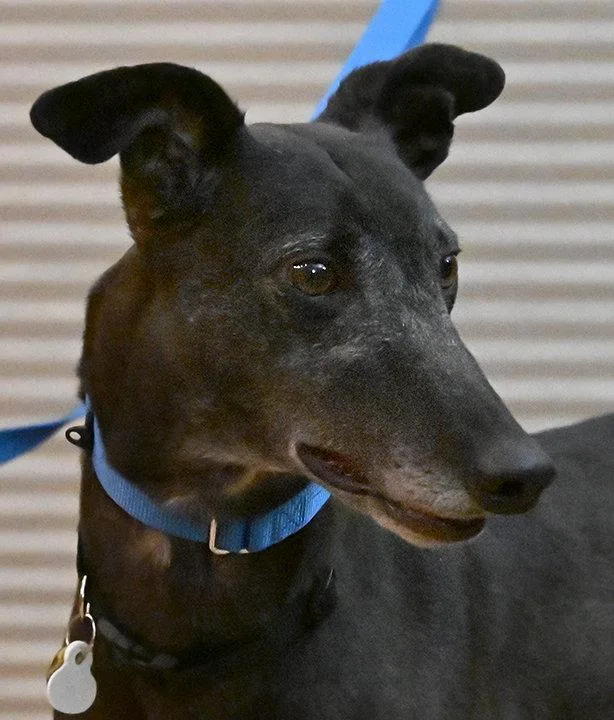
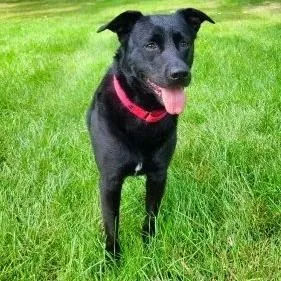
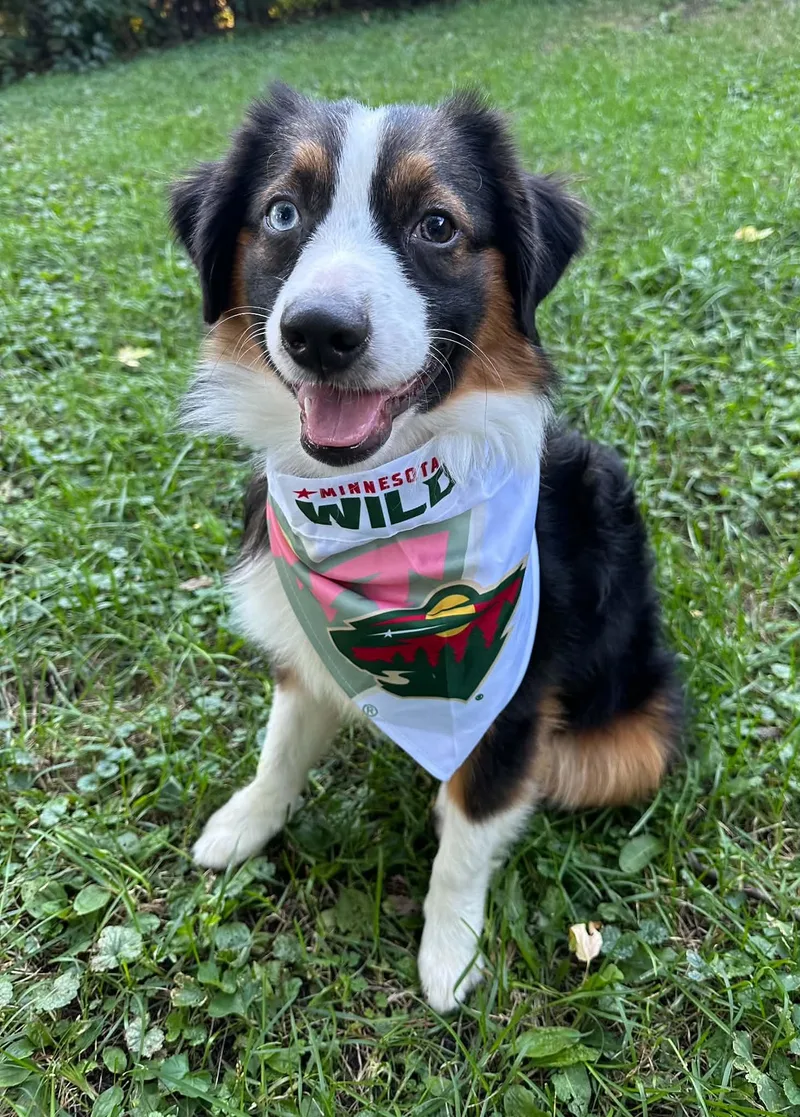
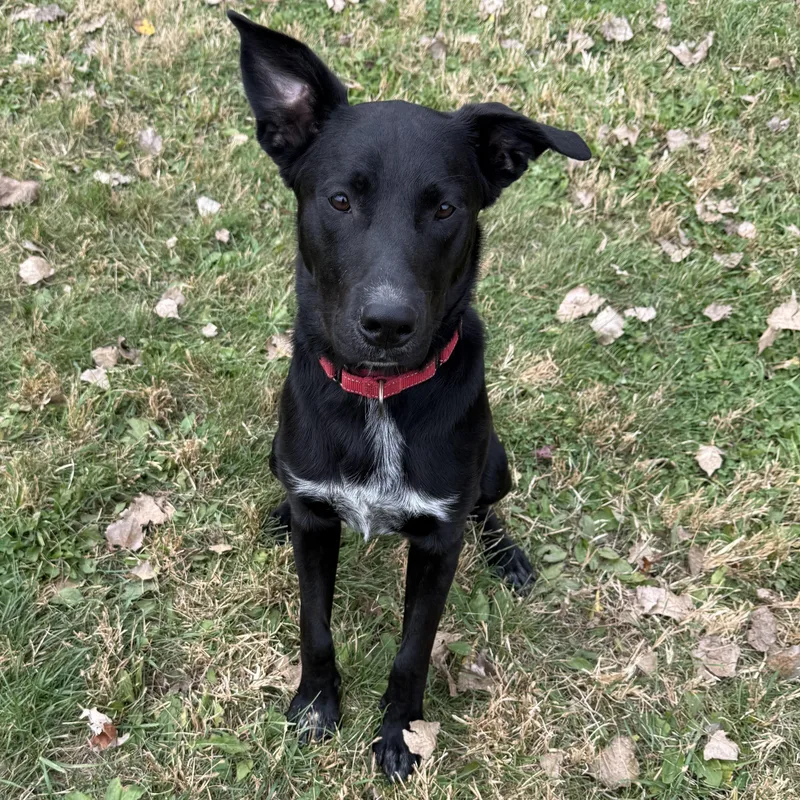
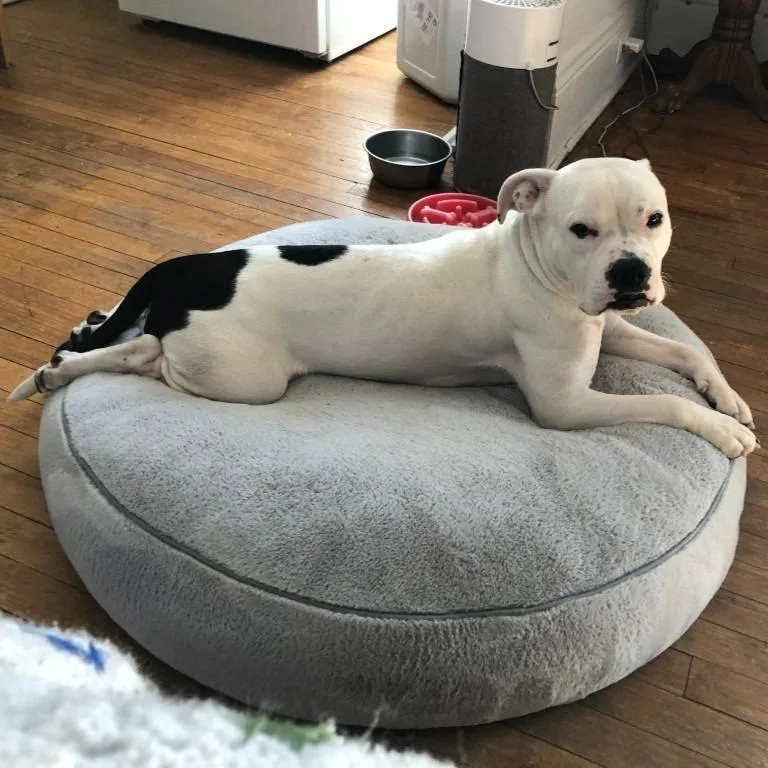
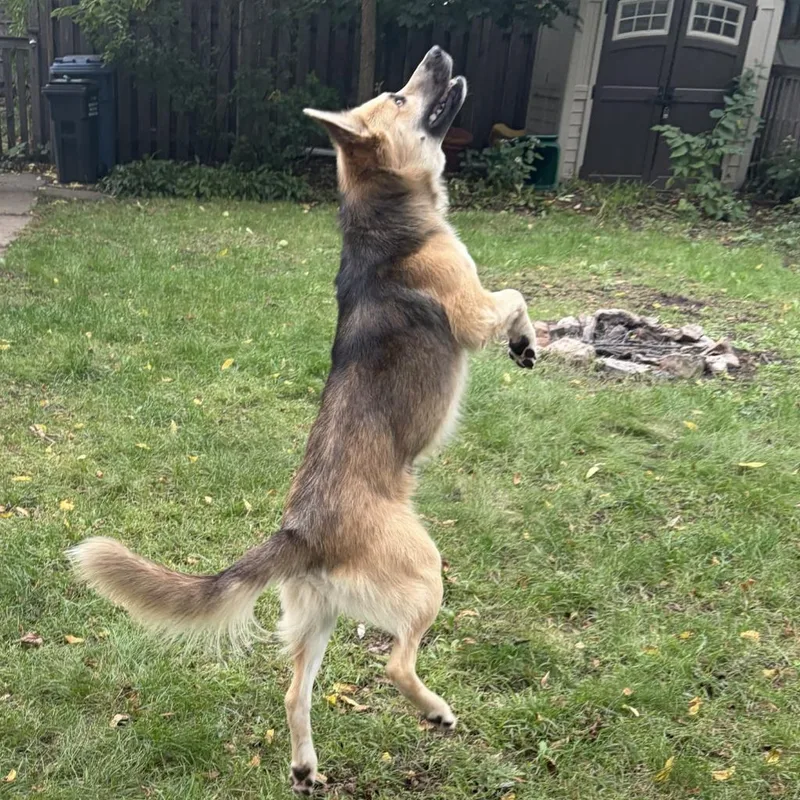
Rottweiler dog

Rottweiler Dogs for Adoption in Minneapolis, MN

Your guide to finding and caring for a Rottweiler in Minneapolis

Rottweilers suit Minneapolis best in neighborhoods with some room to move, like Longfellow, Camden and Northeast. Longfellow's 1920s bungalows and Northeast's older houses give a big dog space to stretch out, and Victory Prairie's 2.62 acres make it the largest fully fenced off-leash park in the city. Rotties handle cold better than heat, so a long January walk is usually easier than a July one. If you're thinking of adopting one here, plan on daily training, a sturdy leash and a steady routine.

1428 Rottweilers available in Minneapolis and nationwide

Give a Rottweiler a home

Rottweilers Available for Adoption Near Minneapolis

About the Rottweiler breed

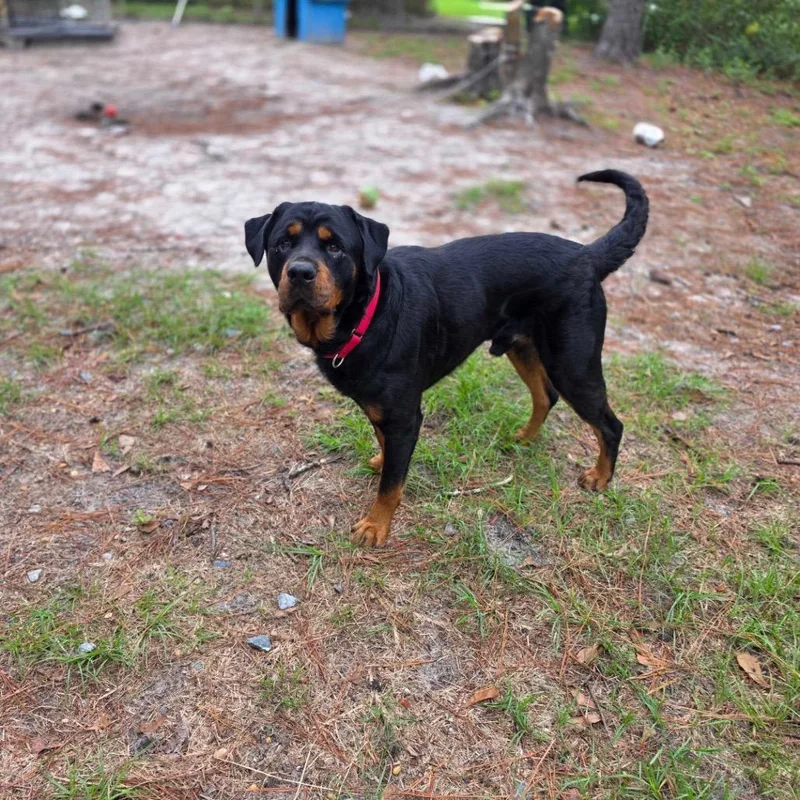
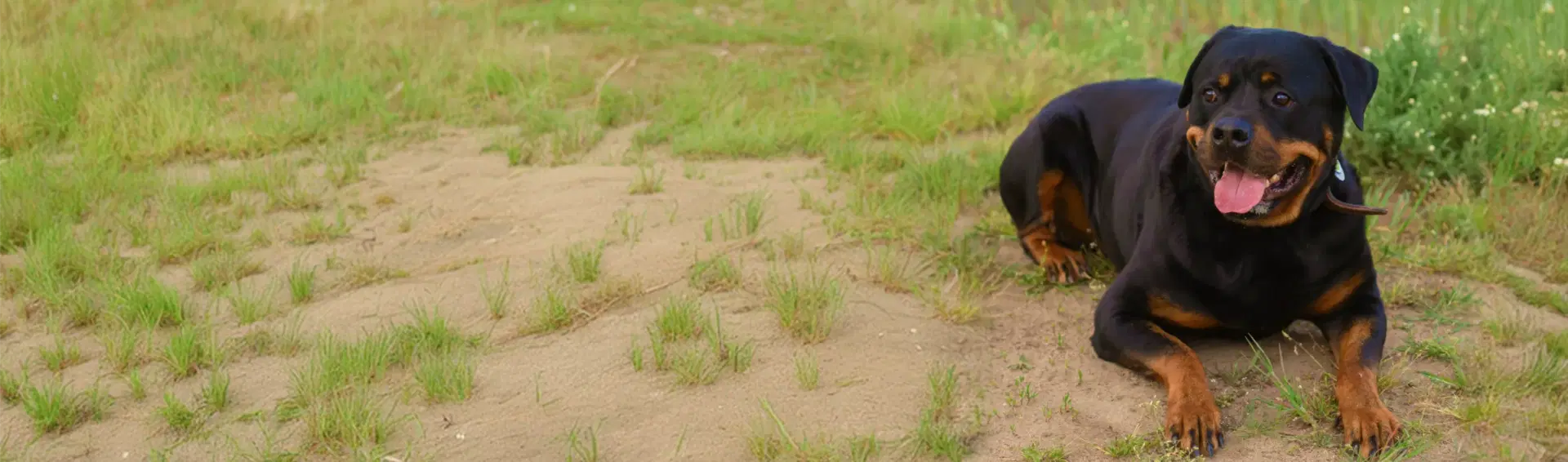
Rottweilers take their name from Rottweil, a German market town where drover dogs descended from Roman-era cattle dogs moved herds to market and pulled butchers' carts. When railways ended that work, the breed turned to police, guard and search duty. Today's Rottie is a powerful, compact dog with a short black coat, rust markings and a broad head.

Many Rottweilers are affectionate and playful at home, leaning against their people, yet reserved with strangers. That mix of strength and a protective streak is why early socialization and consistent, reward-based training matter. In Minneapolis, where dogs must be leashed outdoors except in off-leash parks, those manners show up on every walk. Rotties vary, and adult dogs often have known temperaments that make matching easier.


Weight
75–135 lbs
Height
22–27 in
Lifespan
8–11 yrs
Temperament
Confident, Loyal, Protective, Calm
Group
Working
Shedding
Moderate

Owning a Rottweiler in Minneapolis

Having a Rottweiler in Minneapolis

Steady confidence, real strength and a working dog's need for a job define the Rottweiler. In Minneapolis, size, training, joint health and heat tolerance matter most, and each dog differs, so match the dog in front of you to your household rather than the breed's reputation.

Temperament

Rottweilers are usually calm and self-assured, with a wait-and-see attitude toward new people. Many are affectionate goofballs at home who follow their owners from room to room. Their protective streak needs early socialization and steady training, which pays off on busy Minneapolis sidewalks and trails. A dog's own history shapes its behavior more than breed reputation does.

Exercise Needs

Plan on daily walks plus training or play, since Rottweilers like having a job. In Minneapolis, the 2.7-mile loop around Lake Nokomis or the 2.75-mile loop at Lake Harriet works for leashed walks, and a permit opens the off-leash parks. Scent games and obedience add mental exercise. Black coats heat up fast, so summer outings belong in the morning.

Health Considerations

Rottweilers are prone to hip and elbow dysplasia, cruciate ligament tears and several cancers, which contributes to a shorter lifespan. Heart conditions such as subaortic stenosis also appear. A veterinarian can check hips, elbows and heart. Keep your Rottie lean to protect the joints, and ask your veterinarian about tick screening, since Minnesota ticks are active from snowmelt.

Living Space

In Minneapolis, a house with a fenced yard is a plus, but a roomy apartment near a park works if exercise happens every day. Size and strength matter in tight hallways and elevators and around small children or frail adults. Rottweilers should live indoors with the family, and a yard never replaces time together.

What it costs to own a Rottweiler in Minneapolis

ExpenseTypical costPer year
Adoption fee$550, one time$550 in year one
Food$55 to $110 per month$660 to $1,320
Pet insurance$65 to $130 per month$780 to $1,560
Routine vet care$250 to $500 per year$250 to $500
Other*$490 to $1,290 per year$490 to $1,290
Estimated yearly total (after year one)$2,180 to $4,670
First-year total (with adoption fee)$2,730 to $5,220

Adoption fee is the fee on Rottweiler listings in Minneapolis on GetBuddy today. Other costs are estimates and vary with size, age and health.

* The $30 Minneapolis license for a spayed or neutered dog, flea, tick and heartworm prevention, a dental cleaning allowance, toys and bedding, and basic brushing for a short coat.

Rottweiler dog

Adopt a Rottweiler in Minneapolis.

Now that you know more, let’s find you a new best friend. These rescues and shelters below currently have Rottweilers available.

Frequently Asked Questions

Yes, you can own a Rottweiler in Minneapolis. The city has no breed-specific rules, and Minnesota law bars ordinances that regulate dangerous dogs based solely on breed. Dogs are judged by behavior instead: a dog that bites or acts aggressively can be declared potentially dangerous or dangerous, which brings muzzle-and-leash rules and, for dangerous dogs, $300,000 in liability insurance.

Yes, most Rottweilers handle Minneapolis winters better than summers, since the breed tolerates cold well. Wind chills can still turn dangerous, so keep outings brief on the coldest days and watch for frostbite on feet, ears and face. A dog coat can help older or leaner dogs, and a Rottie should sleep indoors with the family.

Rottweilers do well on long leashed routes like the 3.1-mile Bde Maka Ska loop or the off-road trails at Theodore Wirth Regional Park. For off-leash time, an annual Park Board permit (about $38 for residents) requires a rabies vaccine and city license. Visit Victory Prairie at a quiet hour, and leash up at any sign of tension.

No, a Rottweiler can't ride Metro Transit buses or light rail unless it's a service animal. Metro Transit allows pets only in a carrier, and leashed pet dogs aren't allowed to board, which rules out a dog this size. Plan walks from home, and never leave your dog unattended in a parked car if you drive.

Yes, if the building allows it and the dog gets daily exercise and training. Confirm size limits and fees in writing, and look for a ground-floor unit or a short walk to a park. Barking matters in shared buildings, since a verified complaint can bring a $200 citation, and exercise plus a steady routine usually helps.

Only to outdoor patios, and only where the restaurant has opted in. Minneapolis has let restaurants allow dogs in designated outdoor areas since 2008. Dogs must stay leashed, on the ground and off the furniture, and staff can't handle them. Indoor dining is off limits except for service animals, so practice a settled down-stay first.

Very little: a weekly brushing handles most shedding, with extra sessions in spring and fall when the undercoat sheds. Baths are occasional, and nails and ears need routine care. In winter, wipe salt off paws and check the pads for cracks. Most owners groom at home, so grooming stays a small part of the yearly Other costs.

Rottweilers typically live about 8 to 11 years, which is shorter than average for dogs. Recent UK veterinary studies put the breed's typical life expectancy between roughly 8 and 10.6 years, and cancer is the leading cause of death reported by breed clubs. Keeping a Rottie lean, active and up to date on veterinary checkups gives it the best chance at a full life.

We have 1 rescue with Rottweilers available: Pet Haven Inc. of Minnesota. You can see every rescue with Rottweilers available in the list above these questions, or scroll to the top to see the Rottweilers near Minneapolis.

Expect roughly $2,200 to $4,700 a year for a Rottweiler, combining food ($55 to $110 a month), insurance ($65 to $130 a month), routine vet care ($250 to $500 a year) and other costs ($490 to $1,290 a year). Insurance runs higher than for many breeds because of joint and cancer risk. Emergency care is extra.

Find Rottweilers in Nearby Cities

Expand your search to find Rottweilers available for adoption near Minneapolis.