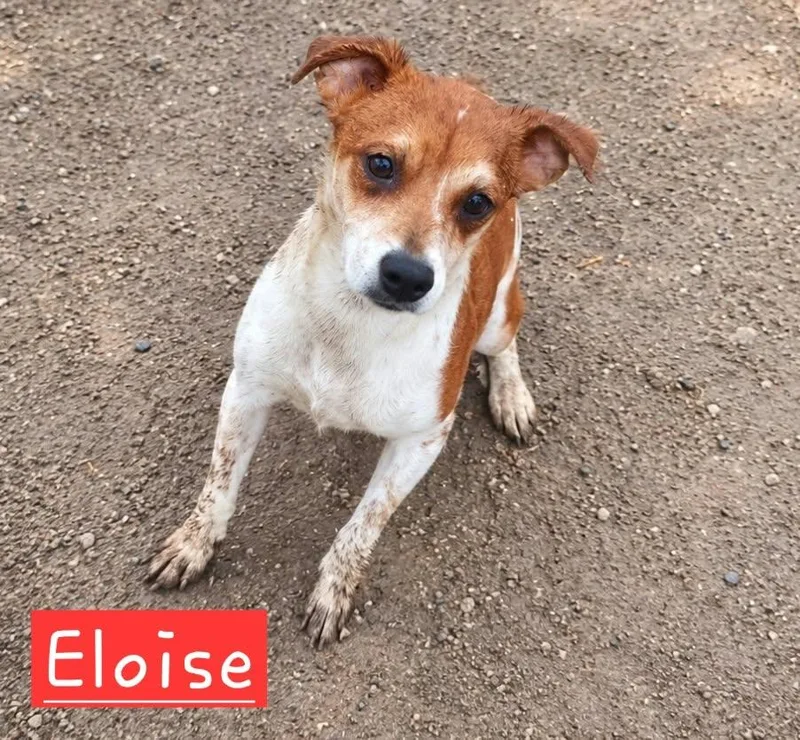
Klee Kai Dogs for Adoption in Minneapolis, MN

Your guide to finding and caring for a Klee Kai in Minneapolis

Klee Kai are small enough for a Powderhorn apartment but need more activity than their size suggests. These miniature-husky look-alikes are quick, clever and wary of strangers, so a lap around Powderhorn Park or the 2.7-mile loop at Lake Nokomis suits them better than a quick trip outside. The thick double coat handles Minneapolis winters well. Expect some howling through thin walls, and keep a secure leash on, since squirrels are hard to ignore. A Klee Kai does best with an active adult who's home often.

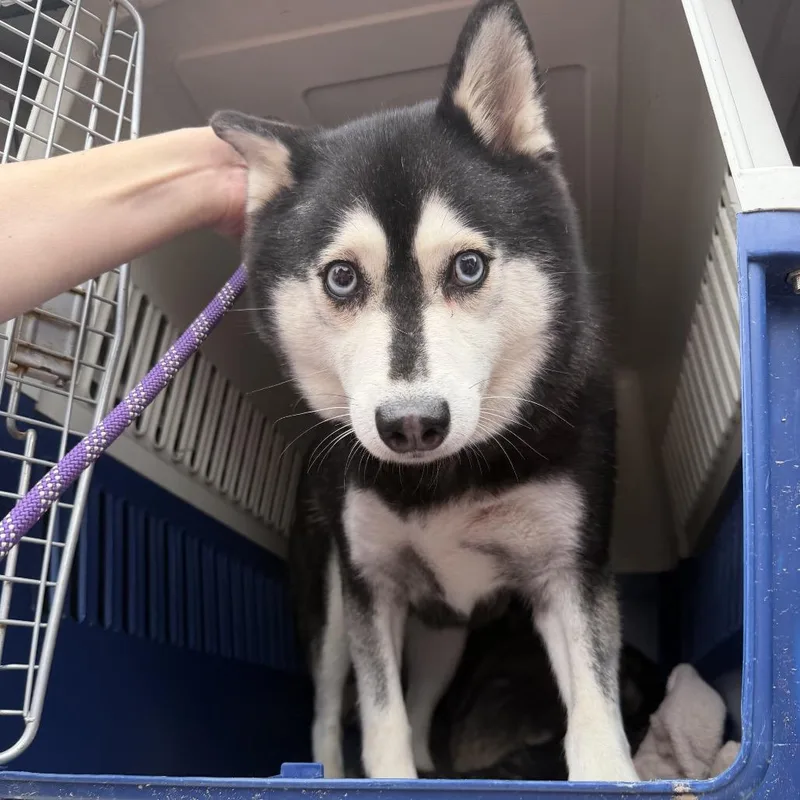
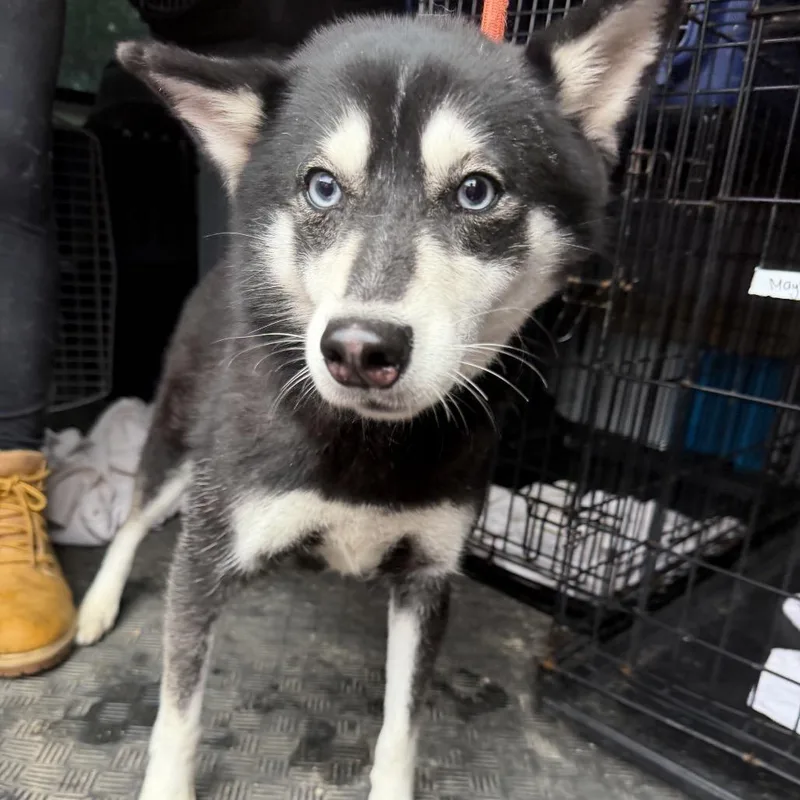
17 Klee Kais available in Minneapolis and nationwide

Your Klee Kai is waiting

While we don't have enough dogs near Minneapolis, keep in mind that many rescues may offer transport.

Klee Kais Available for Adoption Near Minneapolis

About the Klee Kai breed

The Alaskan Klee Kai was developed in Alaska in the 1970s as a companion-sized, husky-style dog. Siberian Husky, Schipperke and American Eskimo Dog were added to bring the size down, and the result has a facial mask, erect ears, a curled tail and a double coat. Toy, miniature and standard sizes run from roughly 6 to 22 pounds.

Many Klee Kai are reserved with strangers but playful and devoted with their own people. They tend to be clever, vocal and quick to chase small animals, though dogs vary. The coat is a plus in a Minneapolis January, but it sheds moderately year-round and blows out about twice a year, so a good brush and vacuum come with the dog. Most do best with adults or older children.

Weight
6–22 lbs
Height
12–17 in
Lifespan
12–16 yrs
Temperament
Alert, Curious, Intelligent, Energetic
Group
Miscellaneous
Shedding
Moderate to High

Owning a Klee Kai in Minneapolis

Having a Klee Kai in Minneapolis

Klee Kai pack husky-style energy and intelligence into a compact body. In Minneapolis, the double coat and small size are easy to live with, while the vocal streak, prey drive and need for daily activity take planning. Dogs differ, so treat these as tendencies.

Temperament

Klee Kai are often affectionate with family and cautious with strangers, so a busy Minneapolis sidewalk or apartment hallway can feel like a lot at first. Slow, positive introductions help. Many are talkative, with howls and chatter, and some chase squirrels or are picky about other dogs. Temperament varies from dog to dog.

Exercise Needs

Plan on brisk daily walks plus play, such as fetch, puzzle toys or trick training. Minneapolis has about 102 miles of Grand Rounds trails, with lake loops of roughly 1.7 to 3.1 miles, and dogs stay leashed outside the off-leash parks. Klee Kai jump well and bolt after squirrels, so a secure leash matters as much as distance.

Health Considerations

Klee Kai are generally sturdy, but breed concerns include juvenile cataracts, liver disease, heart and thyroid problems, slipping kneecaps and factor VII deficiency, an inherited clotting disorder with a DNA test. Share any clotting results with your veterinarian before surgery. Minnesota's tick season also makes parasite prevention and annual vector-borne screening worth discussing.

Living Space

A Klee Kai can do well in a Minneapolis apartment or a bungalow with a yard, as long as exercise happens daily. Howling carries through shared walls, so thin-walled buildings can be a test. Any yard needs tall, dig-proof fencing, since these dogs climb and jump. Homes with cats or other small pets need careful planning.

What it costs to own a Klee Kai in Minneapolis

ExpenseTypical costPer year
Food$20 to $45 per month$240 to $540
Pet insurance$35 to $70 per month$420 to $840
Routine vet care$200 to $400 per year$200 to $400
Other*$505 to $1,280 per year$505 to $1,280
Estimated yearly total (after year one)$1,365 to $3,060

Other costs are estimates and vary with size, age and health.

* The $30 Minneapolis license for a spayed or neutered dog, flea, tick and heartworm prevention, a dental cleaning allowance, toys and bedding, and extra brushing or occasional deshedding baths when the double coat sheds out.

Adopt a Klee Kai in Minneapolis.

Now that you know more, let’s find you a new best friend. These rescues and shelters below have dogs available in and near Minneapolis.

Frequently Asked Questions

Yes, you can own a Klee Kai in Minneapolis, since there are no breed bans and state law bars cities from regulating dangerous dogs based solely on breed. Rules focus on behavior: a dog that bites can be declared potentially dangerous or dangerous, with muzzle, leash and insurance requirements. A multiple-animal permit applies once a home has four or more dogs.

Yes, most Klee Kai handle Minneapolis winters well thanks to the double coat, but they still need limits. Temperatures hit −28°F in the January 2019 cold snap, and city officials warned that dogs are prone to frostbite on feet, ears and face. Keep outings brief in extreme cold, and never leave a dog in a parked car.

Yes, a Klee Kai can live in a Minneapolis apartment if its daily exercise is covered. The bigger challenge is sound, since howls and chatter carry through shared walls, so solid walls beat thin ones. Get the landlord's pet approval in writing, and plan indoor games and puzzle toys for days when winter walks run short.

Theodore Wirth Regional Park has more than five miles of off-road trails, and Minnehaha Regional Park's trails stay open in winter. For off-leash play, Victory Prairie (2.62 acres) and St. Anthony Parkway (2.17 acres) are the largest fully fenced parks. Dogs must be leashed elsewhere, and wooded trails call for a tick check afterward.

Yes, but only in a carrier. Metro Transit lets pets ride buses and light rail when they're enclosed in a carrier, and leashed pet dogs aren't allowed to board. Service animals are the exception. Toy and miniature Klee Kai may fit a carrier, while a standard-size dog likely won't, so plan on walks or car rides.

Only to patios that choose to allow dogs. Minneapolis has let restaurants opt in to dog-friendly outdoor areas since 2008, with dogs leashed, on the ground and off furniture. Indoor dining is off-limits except for service animals. Because many Klee Kai are wary of strangers and vocal, a quiet corner and a short visit work best.

Expect weekly brushing most of the year and daily brushing during the heavy sheds that come about twice a year. The double coat shouldn't be shaved, since it insulates against Minneapolis winters and summer sun. Bathe only when needed. Most owners brush at home and add an occasional professional deshedding bath, a modest part of the yearly Other costs.

Alaskan Klee Kai come in three sizes: toy dogs stand up to 13 inches at the shoulder, miniatures over 13 to 15 inches, and standards over 15 to 17 inches. Weights typically run from under 10 pounds for toys to about 16 to 22 pounds for standards. Even within a litter, puppies can grow into different size varieties.

An Alaskan Klee Kai is a small, husky-like companion dog developed in Alaska in the 1970s from Alaskan Husky, Siberian Husky, Schipperke and American Eskimo Dog lines. It has a facial mask, erect ears, a curled tail and a double coat, and comes in three sizes. Many are energetic, intelligent and vocal, and often reserved with strangers.

Most Klee Kai owners can expect roughly $1,400 to $3,100 a year, depending on food, insurance choices and how much grooming and dental care a dog needs. That range covers food, insurance, routine vet visits and other yearly costs such as the license and parasite prevention. Emergencies and illness aren't included, so a savings cushion helps.