German Pinscher Dogs for Adoption in Minneapolis, MN

Your guide to finding and caring for a German Pinscher in Minneapolis

A German Pinscher fits Longfellow's bungalow blocks well, as long as someone walks it hard every day. It's a medium dog with a lot of energy, so the leashed Winchell Trail along the river bluff gives it room to sniff and stretch out. The short coat means winter walks are brief, and a sweater helps once the temperature drops toward zero. Most do best with people who are home a good part of the day, since a bored Pinscher gets restless and noisy.

68 German Pinschers available in Minneapolis and nationwide

Give a German Pinscher a home

While we don't have enough dogs near Minneapolis, keep in mind that many rescues may offer transport.

German Pinschers Available for Adoption Near Minneapolis

About the German Pinscher breed

The German Pinscher is a sleek, medium-sized farm dog from Germany, originally kept to catch rats in stables and guard carriages. It's the smooth-coated cousin of the Standard Schnauzer and an ancestor of the Doberman and Miniature Pinscher. The breed nearly disappeared after World War II and is still uncommon, with a short, glossy coat in red or black and rust over a square, muscular frame of roughly 25 to 45 pounds.

Pinschers are alert, quick-witted and loyal to their people, and they're often watchful with strangers. Many have a strong prey drive and a talent for testing rules. In Minneapolis, that means a leash around squirrels and rabbits on park paths, plenty of mental work through the long indoor winters, and calm, consistent training. Dogs vary, so a Pinscher's own energy and manners are worth getting to know before you commit.

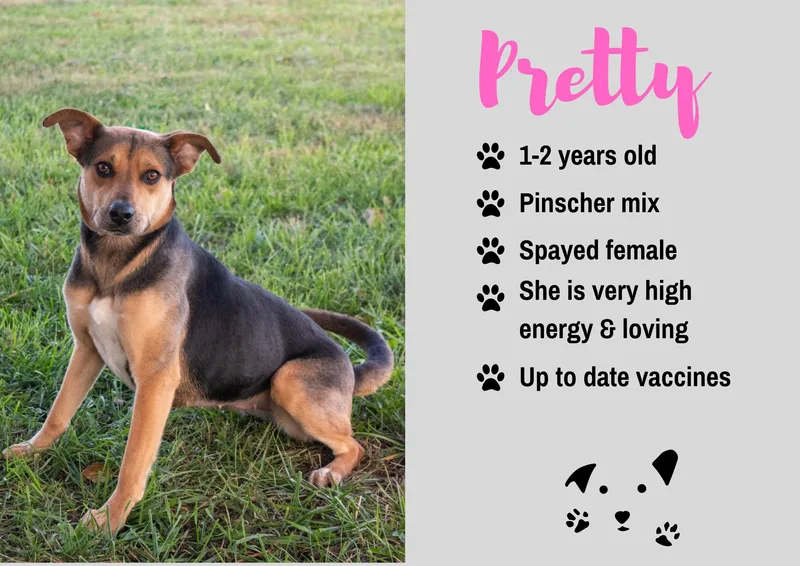
Weight
25–45 lbs
Height
17–20 in
Lifespan
12–14 yrs
Temperament
Alert, Energetic, Intelligent, Protective
Group
Working
Shedding
Low to Moderate

Owning a German Pinscher in Minneapolis

Having a German Pinscher in Minneapolis

German Pinschers pair a watchdog's vigilance with a ratter's quick reactions and an easy short coat. In Minneapolis, daily exercise through a long winter, secure leashing and steady training matter most for keeping one happy and well mannered.

Temperament

Many German Pinschers are confident, curious and devoted to their families, but wary of strangers until introduced. On busy Minneapolis sidewalks, that watchfulness can show up as constant scanning, so early socialization helps. Some push other dogs around, and most chase small animals. Calm, consistent training suits a smart, determined dog better than harsh correction.

Exercise Needs

Plan on a brisk daily walk plus time to run and think: fetch, flirt-pole games, scent work or short training sessions. Fenced off-leash parks like Victory Prairie or St. Anthony Parkway give a Pinscher space to sprint, though a permit is required. Keep it leashed elsewhere, since prey drive can override recall when a squirrel bolts.

Health Considerations

Hip dysplasia, cataracts and von Willebrand's disease, an inherited bleeding disorder, are documented in the breed. A veterinarian can check hips and eyes and screen for clotting problems, which matters before any surgery. Ticks are active in Minnesota from snowmelt, so ask a veterinarian about tick and heartworm prevention and keep regular checkups.

Living Space

A German Pinscher can do well in a Minneapolis apartment or a house with a yard, as long as it gets daily exercise and company. This agile breed can jump or climb low fences, so a tall, secure fence is wise. Its short coat offers little warmth, so it belongs indoors with the family.

What it costs to own a German Pinscher in Minneapolis

ExpenseTypical costPer year
Food$35 to $70 per month$420 to $840
Pet insurance$45 to $85 per month$540 to $1,020
Routine vet care$225 to $450 per year$225 to $450
Other*$440 to $1,190 per year$440 to $1,190
Estimated yearly total (after year one)$1,625 to $3,500

Other costs are estimates and vary with size, age and health.

* The $30 Minneapolis license for a spayed or neutered dog, flea, tick and heartworm prevention, a dental cleaning allowance, a winter coat or sweater, toys and bedding, and occasional baths.

Adopt a German Pinscher in Minneapolis.

Now that you know more, let’s find you a new best friend. These rescues and shelters below have dogs available in and near Minneapolis.

Frequently Asked Questions

Yes. Minneapolis has no breed-specific rules, and Minnesota law bars cities from regulating dogs based solely on breed. You'll need a City license once a dog is over four months old, which requires current rabies vaccination, and dogs must be leashed outdoors. Households can keep up to three dogs without a multiple-animal permit. Dangerous-dog rules depend on behavior, not breed.

Yes, with some help, because their short coat gives little insulation. Winter averages 12 to 25°F, and about 72 days a year never top freezing. Use a coat or sweater, keep outings brief, wipe salt off paws, and watch feet and ears for frostbite. Indoor games like flirt-pole or scent work burn energy on the coldest days.

Yes, if it gets daily exercise and mental work. Many Minneapolis apartments suit a medium dog like a German Pinscher, though its alertness can lead to barking at hallway noise, so practice quiet cues and give it a job. Get the landlord's pet terms in writing, and plan long walks near neighborhood parks such as Fair Oaks in Whittier.

Fenced off-leash parks like Victory Prairie, St. Anthony Parkway and Franklin Terrace suit a Pinscher's need to run; a permit, rabies vaccination and City license are required. For leashed walks, try the Grand Rounds trails, including lake loops and Minnehaha Regional Park, whose paved trails stay open in winter. Dogs aren't allowed on city beaches.

A German Pinscher fits Minneapolis best with an active owner who enjoys year-round walking and training. The city's trails and fenced dog parks give it room to run, while winter calls for a coat and indoor games. It's a weaker match for homes empty most of the day, since bored Pinschers get destructive. Dogs vary, so match the dog's energy to your routine.

Usually not. Metro Transit buses and light rail allow pets only in a carrier, and leashed pet dogs aren't allowed to board. A German Pinscher typically weighs 25 to 45 pounds, which is too big for most carriers. Service animals are the exception. For most outings, plan on walking or driving, and never leave a dog in a parked car.

Only on some patios. Minneapolis lets restaurants choose to allow dogs in designated outdoor areas, and each decides for itself. Dogs must stay leashed, on the ground and off furniture, and staff won't handle them. Indoors, only service animals are allowed. Bring water and a mat, and practice settling, since a watchful Pinscher may react to passersby.

Very little. The short, smooth coat needs weekly brushing and an occasional bath, and shedding is light to moderate. In Minneapolis, winter means wiping paws and checking pads for salt and ice after walks. Most owners groom at home, so costs stay within the roughly $440 to $1,190 yearly Other budget, which also covers prevention and dental care.

Yes, German Pinschers shed, but only lightly to moderately. Their short, smooth coat drops small hairs year-round, with slightly more during seasonal changes. Weekly brushing with a rubber curry or grooming mitt removes most loose hair and keeps the coat shiny. Compared with double-coated breeds, cleanup is easy, though short hairs can still cling to fabric.

Expect roughly $1,600 to $3,500 a year for a German Pinscher in Minneapolis, covering food, insurance, routine vet care and other items. Food runs $35 to $70 a month, insurance $45 to $85, routine vet care $225 to $450 a year, and other costs $440 to $1,190, including the city license and winter gear.