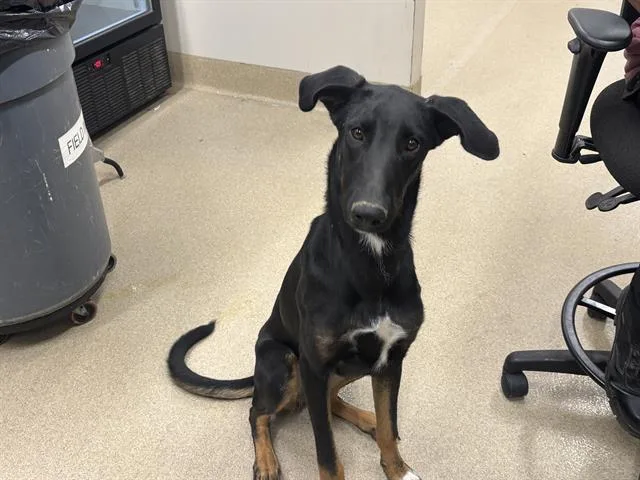
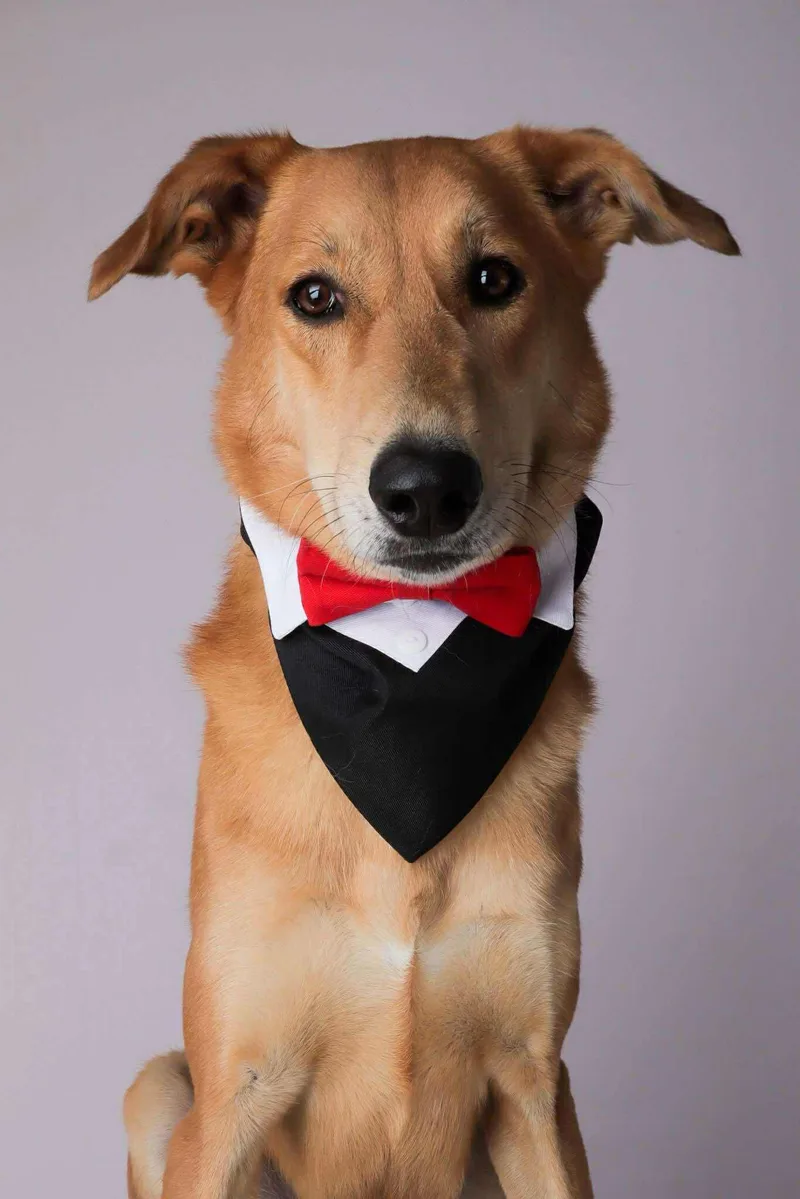
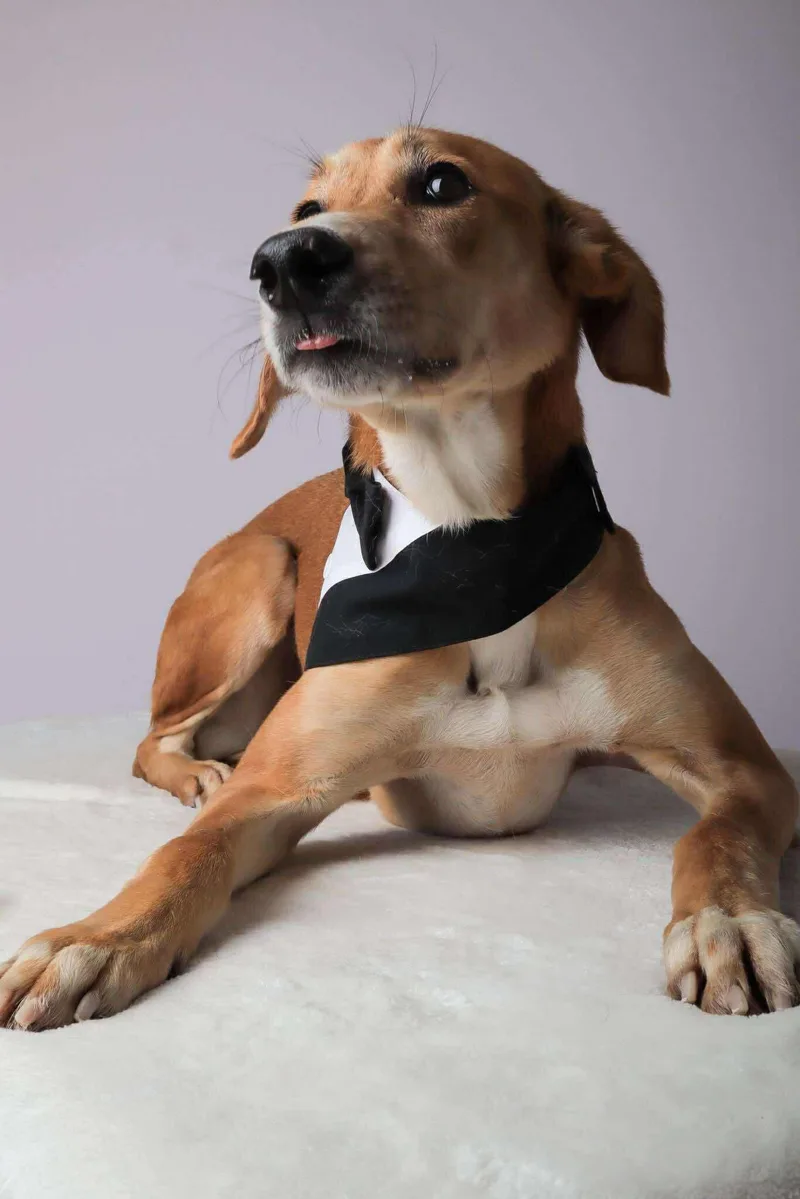
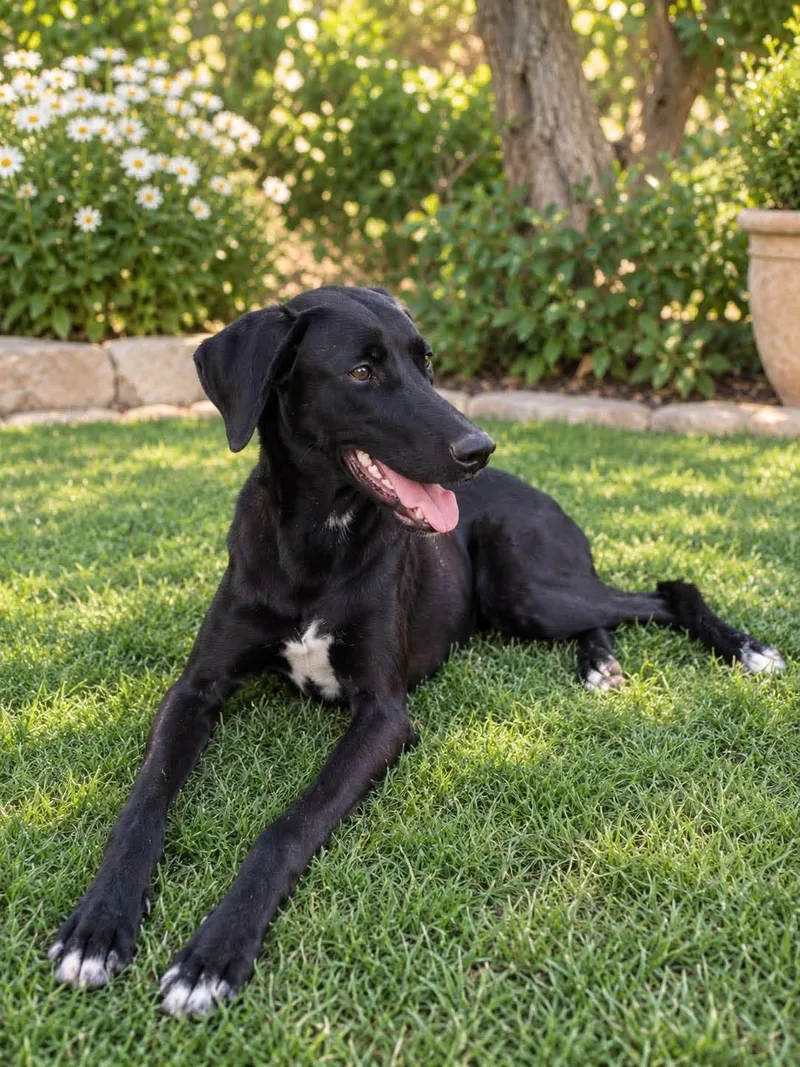
Saluki Dogs for Adoption in Baltimore, MD

Your guide to finding and caring for a Saluki in Baltimore

A Saluki in Baltimore does well near the Lake Montebello loop in Ednor Gardens-Lakeside. Lauraville's blocks border Herring Run Park, so a long daily walk is easy to find. Salukis are quiet, gentle and a bit aloof, and a rowhouse suits them once they've stretched their legs. The catch is that city parks require a leash, and a Saluki that spots a squirrel won't come back, so plan on a fenced spot for real sprints.

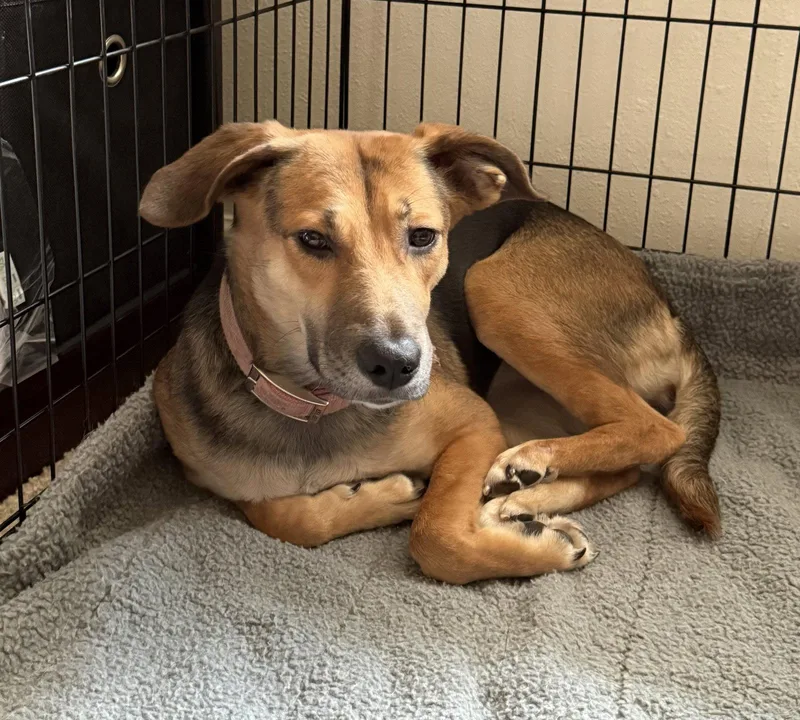
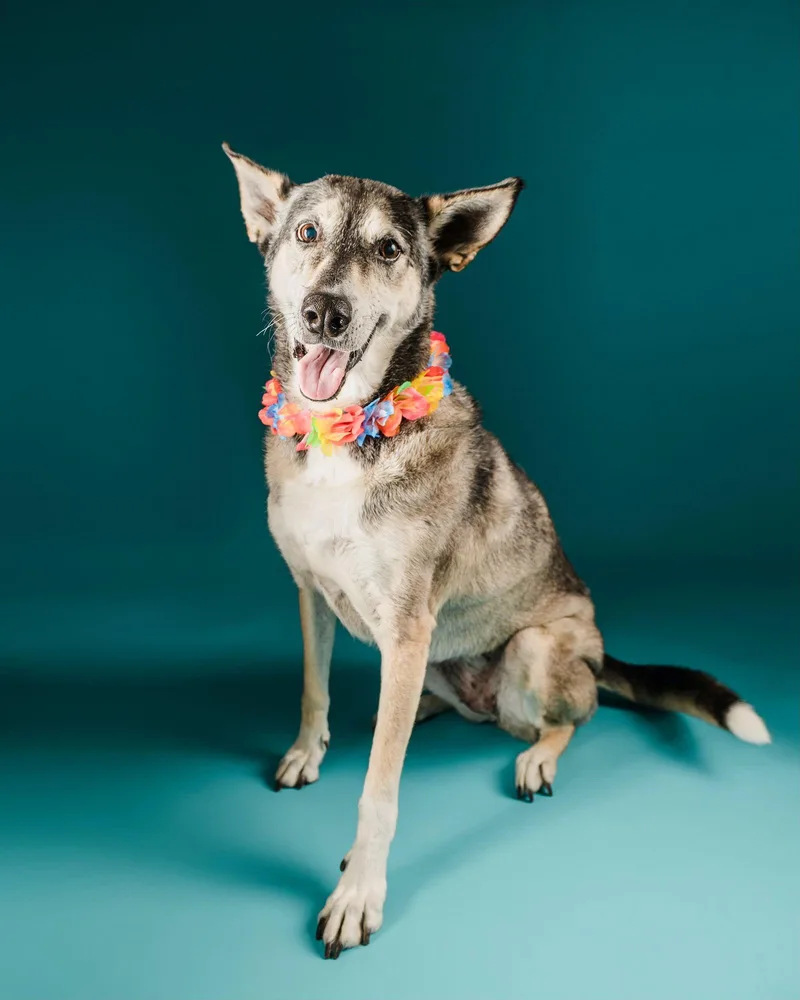
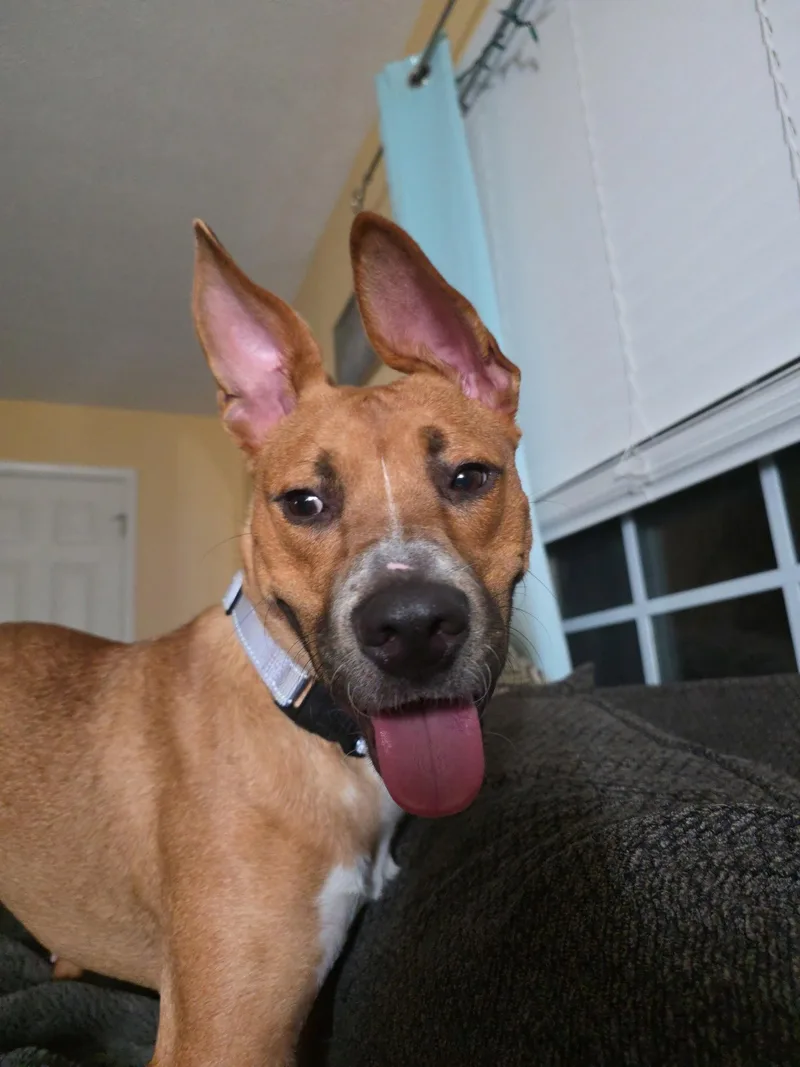
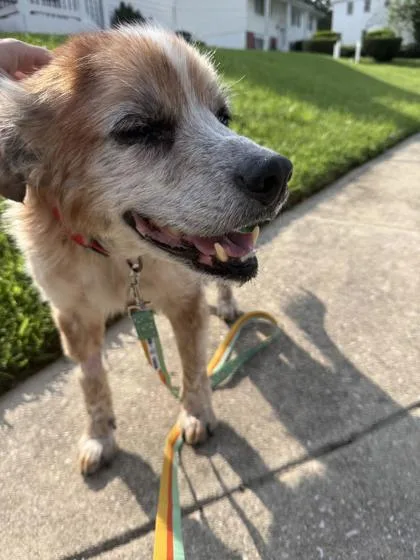
16 Salukis available in Baltimore and nationwide

Give a Saluki a home

While we don't have enough dogs near Baltimore, keep in mind that many rescues may offer transport.

Salukis Available for Adoption Near Baltimore

About the Saluki breed

The Saluki is a sighthound from the Middle East, kept by nomadic peoples to course gazelle and hare across open desert. It is lean and long-legged, with a deep chest and a narrow head, and comes in a feathered coat with silky fringes on the ears and tail or a smooth coat. Shedding is low, and grooming mostly means a weekly brush and the occasional bath.

At home, many Salukis are quiet, gentle and dignified, close to their own people and reserved with strangers. They tend to be sensitive, so kind, reward-based training works better than pressure. Prey drive is strong, which matters on Baltimore walks past squirrels, rabbits and the foxes and raccoons that live in the stream parks. Dogs vary, and a rescued Saluki may need time to settle.

Weight
35–65 lbs
Height
23–28 in
Lifespan
12–15 yrs
Temperament
Gentle, Independent, Dignified, Athletic
Group
Hound
Shedding
Low

Owning a Saluki in Baltimore

Having a Saluki in Baltimore

Salukis are built for speed and distance, with little body fat and thin skin. In Baltimore, that means planning for leashed walks, a securely fenced place to sprint, warmth in winter and cool rest through humid summers. Each dog's needs vary.

Temperament

Many Salukis are calm, quiet and loyal, often closest to one or two people and polite but aloof with visitors. They tend to dislike rough play and noisy chaos, which suits a peaceful rowhouse. Strong prey drive means small pets may not be safe. Some are shy at first, so patient, low-pressure introductions help.

Exercise Needs

Plan on a long daily walk plus regular sprints in a securely fenced space, since recall usually fails once a Saluki spots prey. City parks require a leash of 6 feet or less, so loops like Lake Montebello's 1.3 miles or Druid Lake's 1.5 miles suit walks. Neighborhood fenced dog parks may offer sprint room, depending on the dog.

Health Considerations

Salukis are generally sturdy, but heart disease, cancers such as hemangiosarcoma, and hypothyroidism are breed concerns, and healthy Salukis often have lower thyroid values. Low body fat means anesthesia needs care, and thin skin tears easily. Keep rabies vaccination current, since Baltimore requires it and the city has reported rabid foxes and raccoons. Choose a vet who knows sighthounds.

Living Space

A Saluki can live in a rowhouse or apartment if it gets daily exercise and safe running time. Many Baltimore rowhouses have small yards, so make sure any fence is high and gap-free, since Salukis can jump or squeeze through when chasing. Padded bedding for bony joints and a calm routine matter more than square footage.

What it costs to own a Saluki in Baltimore

ExpenseTypical costPer year
Food$55 to $110 per month$660 to $1,320
Pet insurance$55 to $110 per month$660 to $1,320
Routine vet care$250 to $500 per year$250 to $500
Other*$535 to $1,580 per year$535 to $1,580
Estimated yearly total (after year one)$2,105 to $4,720

Other costs are estimates and vary with size, age and health.

* The $10 Baltimore license for a spayed or neutered dog ($30 unaltered), flea, tick and heartworm prevention, a dental cleaning allowance, toys and supplies, minimal grooming, and a winter coat and padded bedding.

Adopt a Saluki in Baltimore.

Now that you know more, let’s find you a new best friend. These rescues and shelters below have dogs available in and near Baltimore.

Rescues and Shelters in or near Baltimore

Baltimore has an open-admission city shelter and nonprofit rescues, and the animals they list change often. Here are the rescues & shelters in the Baltimore area with dogs available for adoption, worth asking whether a Saluki is coming in.

Frequently Asked Questions

Yes. Baltimore has no breed ban, and its dangerous-dog rules turn on a dog's behavior, not its breed. The city sets no fixed limit on pets per household, though leases often do. Tethering with chains isn't allowed, and state law requires shelter or shade for a dog left outside unattended over 30 minutes in freezing or very hot weather, which matters for a thin-skinned Saluki.

Druid Hill Park's 1.5-mile Druid Lake path, Herring Run Park's 5.7-mile loop and the Gwynns Falls Trail all suit long leashed walks. Cylburn Arboretum welcomes leashed dogs, though its trails are for walking only. Keep the leash at 6 feet or less, since a Saluki that spots a squirrel can bolt, and avoid stream-valley trails during flash flooding.

Most likely not, unless the dog fits a closed carrier. MTA's published pet rule covers only Commuter Bus, where small pets must ride in closed containers carried by the owner. No rule is published for Metro SubwayLink, Light RailLink or MARC, so check MTA's current rules before riding. A Saluki, typically 35 to 65 pounds, won't fit a carrier.

Only on a patio, and only where the restaurant allows it. Maryland lets restaurants with outdoor dining choose to admit dogs, each sets and posts its own policy, and the dog must stay leashed at your table and can't pass through indoor space. A calm Saluki often settles under a table, but strong prey drive means keeping it close.

Yes, with some prep. Baltimore winters are cold rather than extreme, but a thin-coated, low-fat Saluki needs a fitted coat outdoors and a padded bed indoors. Snow averages about 19 inches a year at BWI, and rare big storms, like the 29.2-inch blizzard of January 2016, can shut the city for days, so keep food, a coat and a leash ready.

Very little. Salukis have a single, silky coat that sheds lightly, so a weekly brush is usually enough, with extra attention to the feathering on ears, legs and tail on feathered dogs. Baths are occasional; Baltimore's humid summers and muddy park walks may call for a rinse or wipe-down. Grooming sits in the Other cost range, up to about $100 a year if you use a groomer.

A Saluki is a tall, slender sighthound from the Middle East, bred to chase gazelle and hare by sight across open country. It has long legs, a narrow head, a deep chest and either silky feathering or a smooth coat. Many are gentle, quiet and independent at home, with an intense chase instinct outdoors.

A Saluki can run roughly 40 miles per hour at full speed, and the 1996 Guinness Book of Records listed one at about 42.8 mph. Greyhounds may be quicker over a short sprint, but Salukis are known for holding high speed over longer distances. That speed is why secure fencing and leashes matter so much for this breed.

Salukis come from the Middle East and the Fertile Crescent, a region stretching from the eastern Mediterranean through Mesopotamia. Nomadic tribes across Arabia, Persia and North Africa kept them for hunting. The breed reached Britain in the nineteenth century and was recognized there in 1923 and by the American Kennel Club in 1929.

A Saluki typically costs about $2,100 to $4,700 a year, covering food, insurance, routine vet care and other expenses. Food and insurance each run $55 to $110 a month, routine vet care $250 to $500 a year, and other costs $535 to $1,580. Dental cleanings, prevention and a winter coat make up much of that last range.

Find Salukis in Nearby Cities

Expand your search to find Salukis available for adoption near Baltimore.