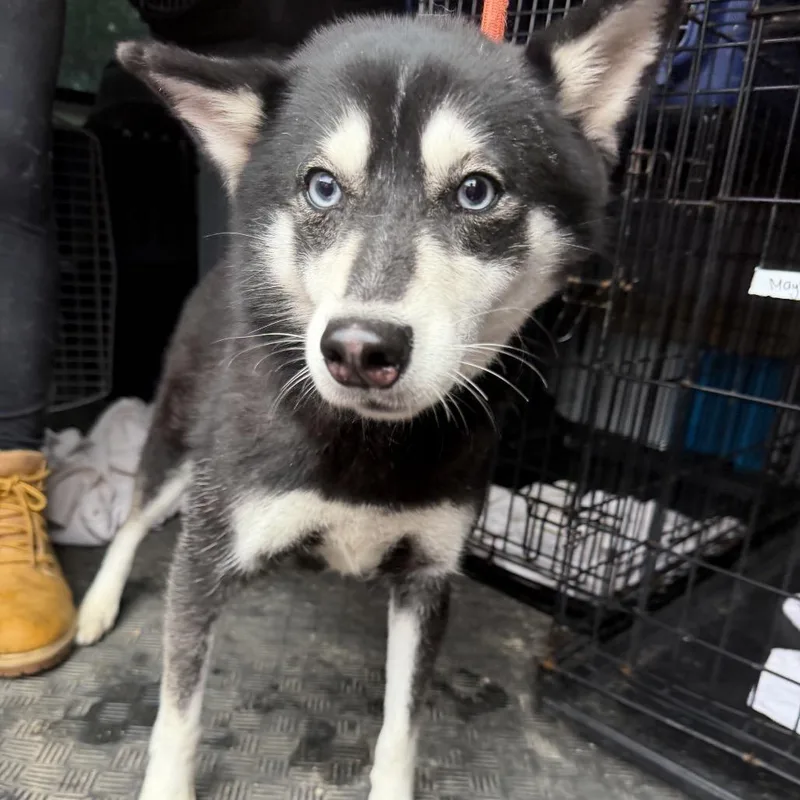
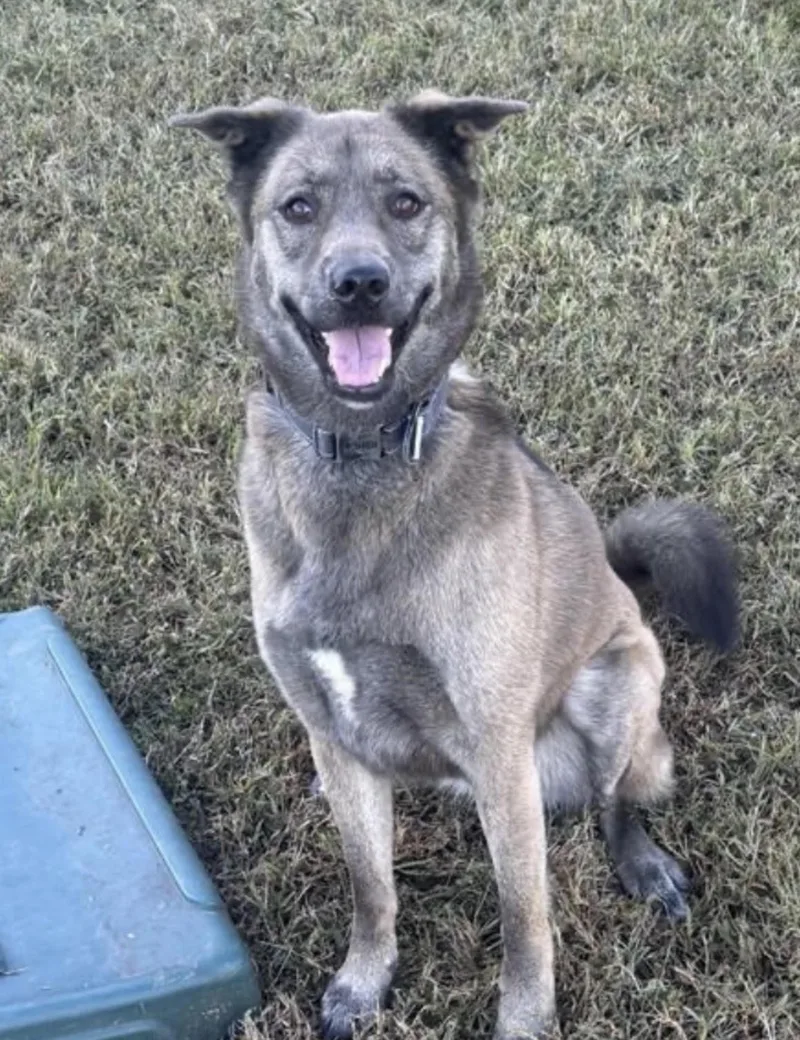
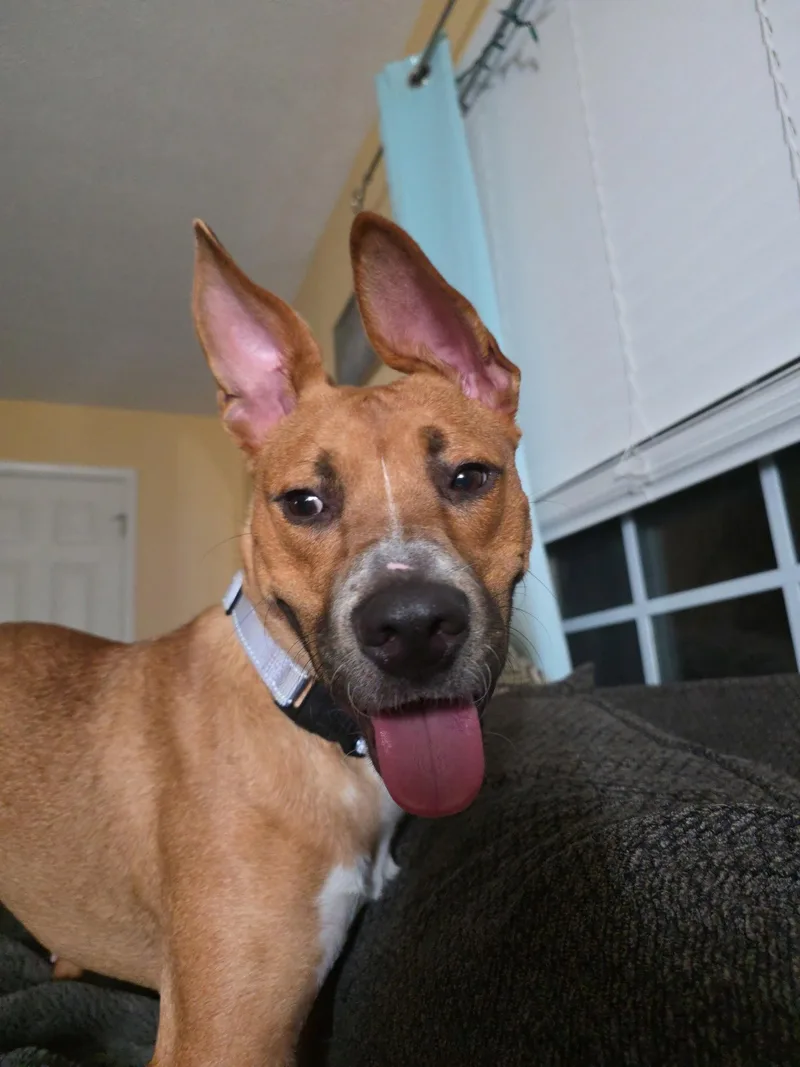
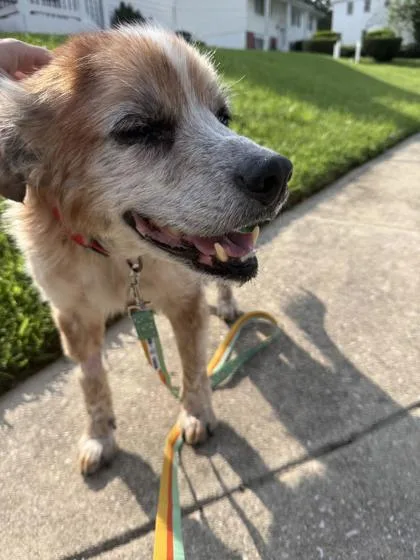
Klee Kai Dogs for Adoption in Baltimore, MD

Your guide to finding and caring for a Klee Kai in Baltimore

Klee Kai suit Baltimore rowhouse life better than their husky looks suggest. A dog that tops out around 22 pounds fits a Hampden two-story or a Woodberry rowhouse easily, and the trails of Herring Run Park near Lauraville give it the brisk, leashed miles it needs. They're watchful with strangers and fond of howling, which party walls will carry. Humid summers are the main adjustment, so plan walks for early morning.

17 Klee Kais available in Baltimore and nationwide

Your Klee Kai is waiting

While we don't have enough dogs near Baltimore, keep in mind that many rescues may offer transport.

Klee Kais Available for Adoption Near Baltimore

About the Klee Kai breed

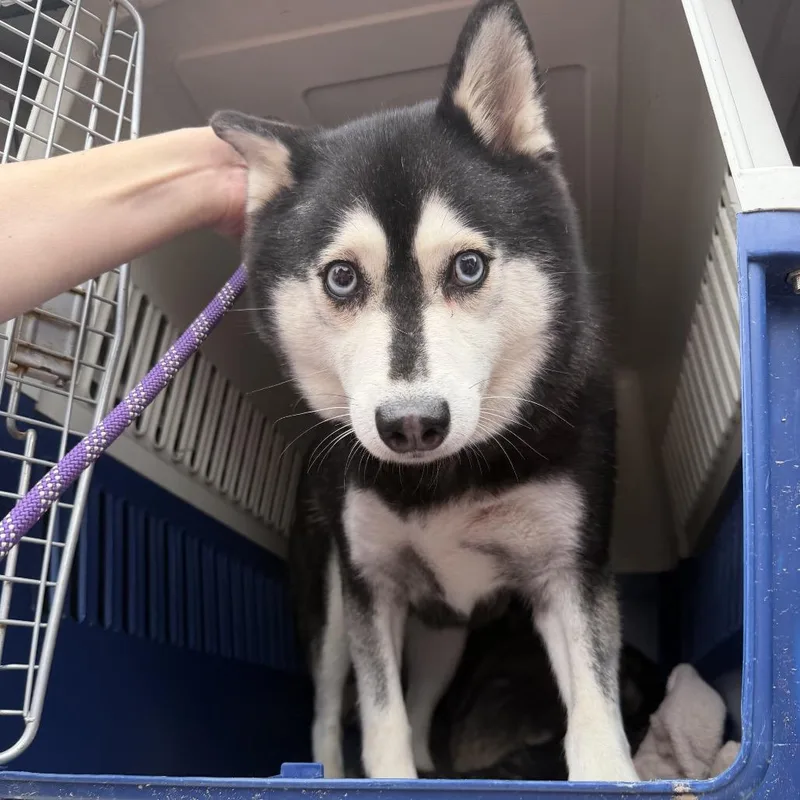
The Alaskan Klee Kai was developed in Alaska in the 1970s as a companion-sized take on the Alaskan Husky, with Siberian Husky, Schipperke and American Eskimo Dog added to shrink the package. The look is a miniature husky: a facial mask, erect ears, a curled tail and a thick double coat, in toy, miniature and standard sizes from roughly 6 to 22 pounds.

In Baltimore, that coat and a busy mind are the main things to plan around. Many Klee Kai are reserved with strangers, loyal to their own people and talkative, so a calm routine and steady socialization on neighborhood sidewalks help a lot. Expect moderate to heavy shedding, a bigger blowout twice a year, and a dog that will chase a squirrel given the chance. Dogs vary, so the dog in front of you matters more than the breed label.

Weight
6–22 lbs
Height
12–17 in
Lifespan
12–16 yrs
Temperament
Alert, Curious, Intelligent, Energetic
Group
Miscellaneous
Shedding
Moderate to High

Owning a Klee Kai in Baltimore

Having a Klee Kai in Baltimore

Think of a husky's brains and energy in a compact body. For Baltimore, the useful questions are how much daily exercise you can give, how a thick coat copes with humid summers, and whether your walls can handle a vocal dog.

Temperament

Klee Kai are usually playful and attached to family but reserved with strangers, which can show up on busy Baltimore sidewalks. Many howl and chatter rather than bark constantly. Squirrels, rabbits and other small animals can trigger chasing. Early, gentle socialization helps, though each dog's confidence varies.

Exercise Needs

Plan on a brisk walk or two every day plus play or training. Baltimore's leashed park loops and trails work well. Because Klee Kai jump well and chase wildlife, keep them leashed outside fenced areas. Without enough activity, many turn to digging, chewing or loud vocalizing.

Health Considerations

Klee Kai are generally sturdy, but documented concerns include juvenile cataracts, liver disease, heart problems, thyroid issues, slipping kneecaps in smaller dogs and factor VII deficiency, an inherited clotting disorder with a DNA test. A veterinarian can check eyes, kneecaps and heart, and should know about any bleeding concerns before surgery.

Living Space

A Klee Kai fits Baltimore rowhouses and apartments if it gets daily exercise, and its small size suits narrow floor plans. Its howls can carry through shared walls, though. A yard needs tall, dig-proof fencing, since these dogs climb and jump well. Homes with cats or other small pets need careful planning.

What it costs to own a Klee Kai in Baltimore

ExpenseTypical costPer year
Food$20 to $45 per month$240 to $540
Pet insurance$35 to $70 per month$420 to $840
Routine vet care$200 to $400 per year$200 to $400
Other*$485 to $1,280 per year$485 to $1,280
Estimated yearly total (after year one)$1,345 to $3,060

Other costs are estimates and vary with size, age and health.

* The $10 Baltimore dog license for a spayed or neutered dog ($30 unaltered), a dental cleaning allowance, flea, tick and heartworm prevention, toys and bedding, and occasional grooming and brushing tools for the double coat.

Adopt a Klee Kai in Baltimore.

Now that you know more, let’s find you a new best friend. These rescues and shelters below have dogs available in and near Baltimore.

Rescues and Shelters in or near Baltimore

Baltimore has an open-admission city shelter and nonprofit rescues, and the groups below list their adoptable dogs on this page. Here are the rescues & shelters in the Baltimore area with dogs available for adoption, worth asking whether a Klee Kai is coming in.

Frequently Asked Questions

Yes. Baltimore has no breed-specific rules, so a Klee Kai is treated like any other dog. Every dog over 4 months needs a city license and a current rabies vaccination, and dogs must be leashed in public. Maryland's dog-bite law also applies without regard to breed. If you rent, check the lease's pet policy first.

Good options include Cylburn Arboretum, where leashed dogs are welcome, the Herring Run trails and the Gwynns Falls Trail. Canton Dog Park and the Patterson Park dog park offer fenced off-leash space with small-dog sections. City parks require a leash of 6 feet or less, and a Klee Kai that chases squirrels should stay leashed on wooded paths.

Most can with some care. Baltimore summers are humid, with warm nights, so schedule walks for early morning or evening, stay on grass when pavement is hot, and provide shade and water. The double coat needs brushing, not shaving. During the city's Code Red heat alerts, keep outings short, and never leave a dog in a parked car.

Baltimore has a Metro SubwayLink, but MTA publishes a pet rule only for Commuter Bus: small pets in a closed container carried by the owner. For the subway, light rail or MARC, check MTA's current rules before riding. A carrier-size dog is the realistic case, and larger dogs shouldn't be assumed to qualify.

Brush two or three times a week most of the year, and daily during the spring and fall coat blowouts that Baltimore's seasons bring. Klee Kai don't need haircuts, and shaving can interfere with how the double coat handles heat. Professional grooming is optional and falls within the Other cost range of about $485 to $1,280 a year.

Only to some patios. Maryland lets restaurants choose whether to allow dogs in outdoor dining areas, and each posts its own policy. Your Klee Kai must stay leashed at your table, can't walk through indoor space and can't be left alone. A wary or vocal dog may do better at quieter times.

Alaskan Klee Kai come in three sizes: toy dogs stand up to 13 inches at the shoulder, miniatures over 13 to 15 inches, and standards over 15 to 17 inches. Weights typically run from under 10 pounds for toys to about 16 to 22 pounds for standards. Even within a litter, puppies can grow into different size varieties.

An Alaskan Klee Kai is a small, husky-like companion dog developed in Alaska in the 1970s from Alaskan Husky, Siberian Husky, Schipperke and American Eskimo Dog lines. It has a facial mask, erect ears, a curled tail and a double coat, and comes in three sizes. Many are energetic, intelligent and vocal, and often reserved with strangers.

Yes, Alaskan Klee Kai shed. Their double coat sheds moderately year-round and then blows out heavily about twice a year, when the undercoat comes loose in clumps for a few weeks. Brushing once or twice a week, and daily during heavy shedding, keeps hair under control. Shaving is not recommended because the coat insulates and protects the skin.

Plan on roughly $1,345 to $3,060 a year for a Klee Kai in Baltimore. That covers food ($20 to $45 a month), pet insurance ($35 to $70 a month), routine vet care ($200 to $400 a year) and other costs ($485 to $1,280 a year) such as the license, dental care and parasite prevention. Emergency care is extra.