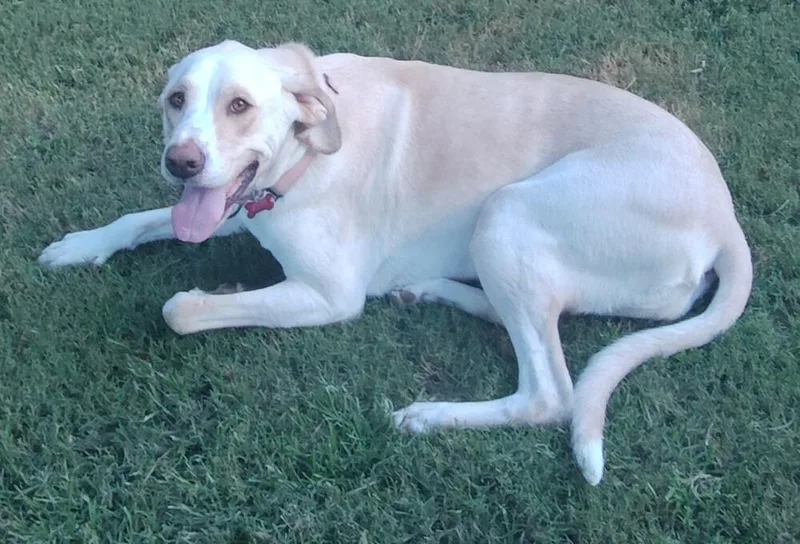
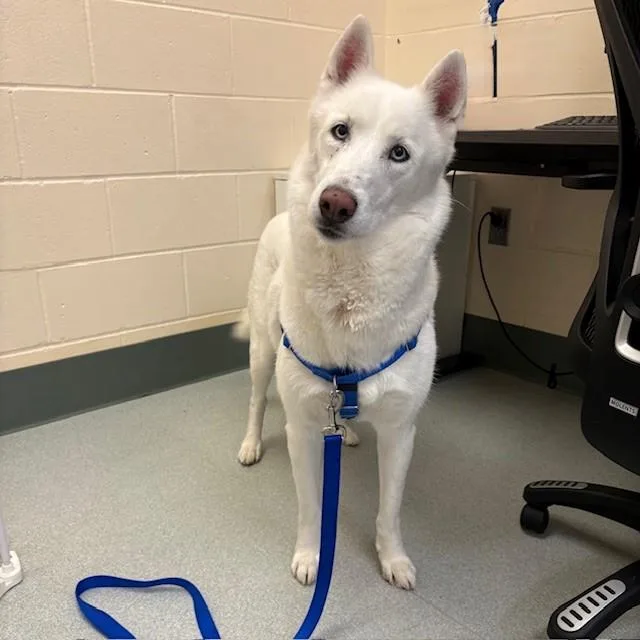
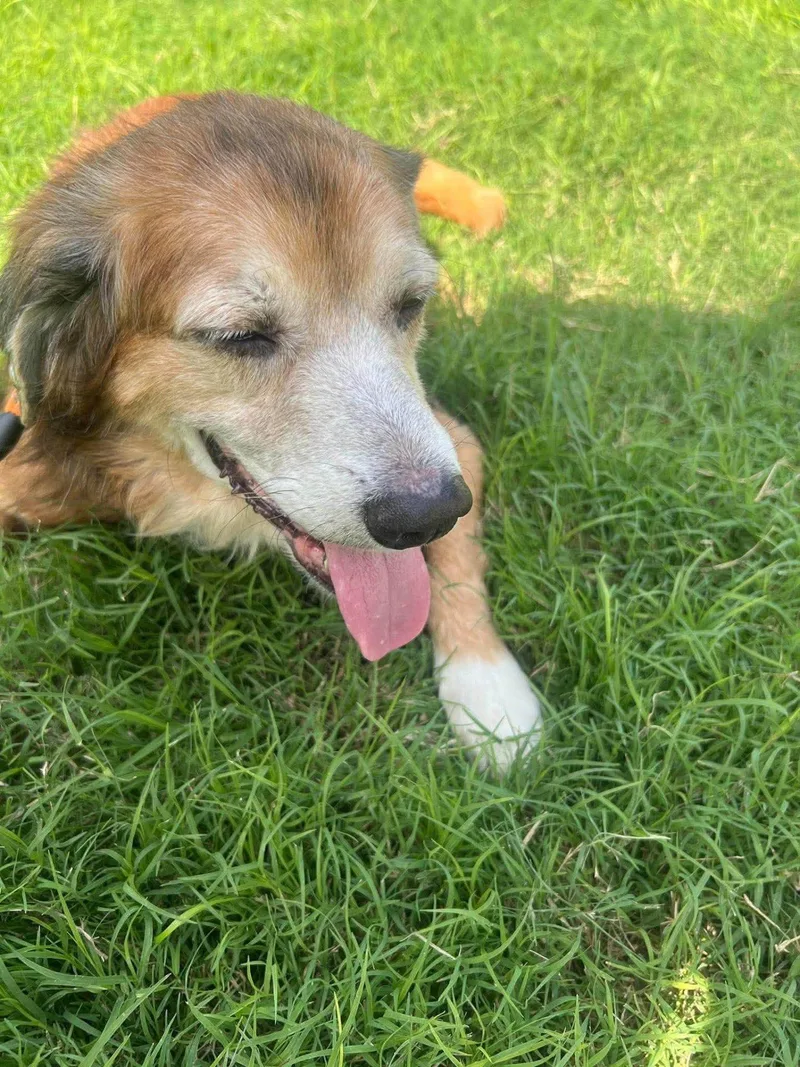
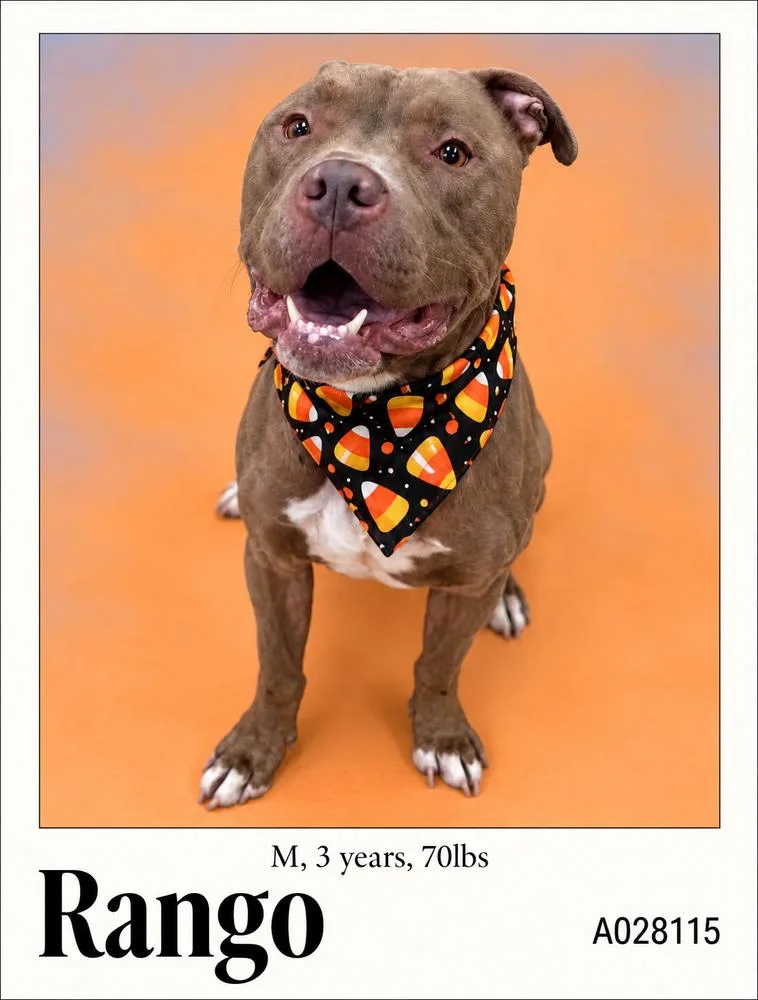
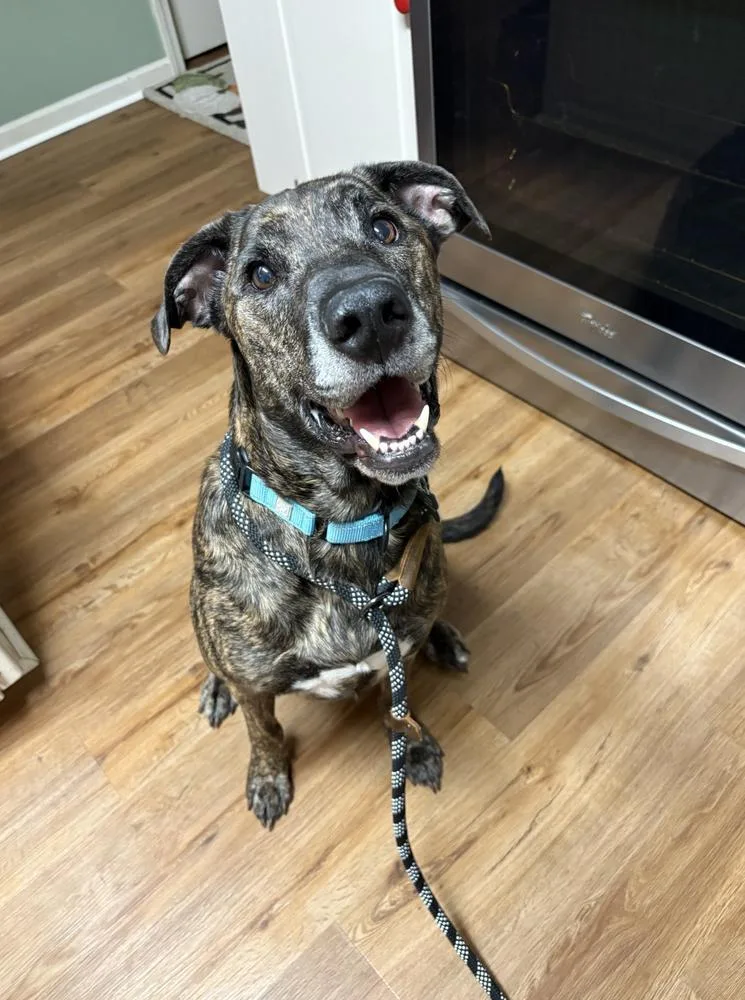
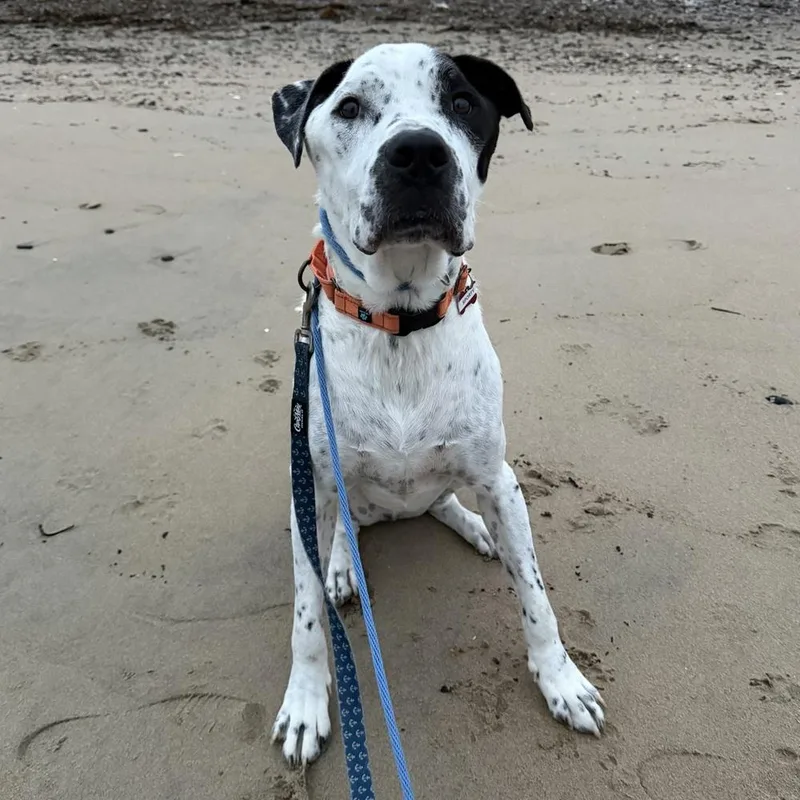
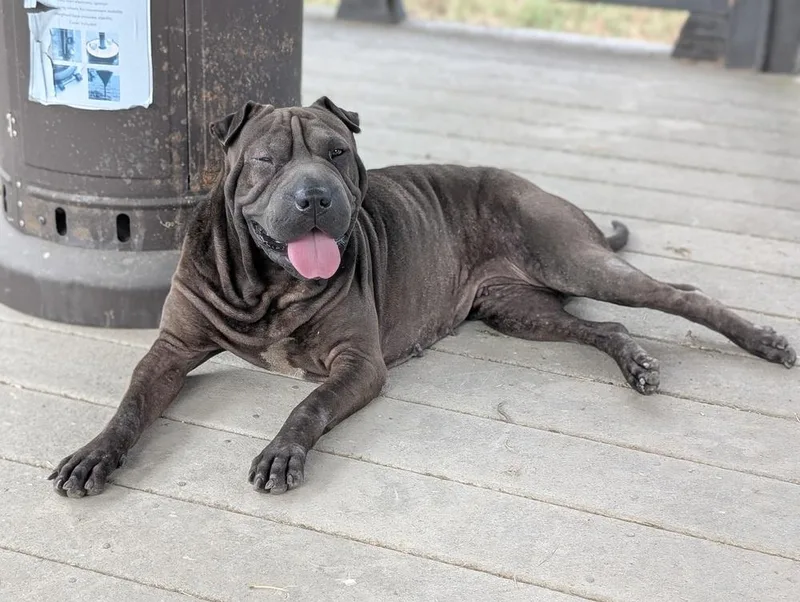
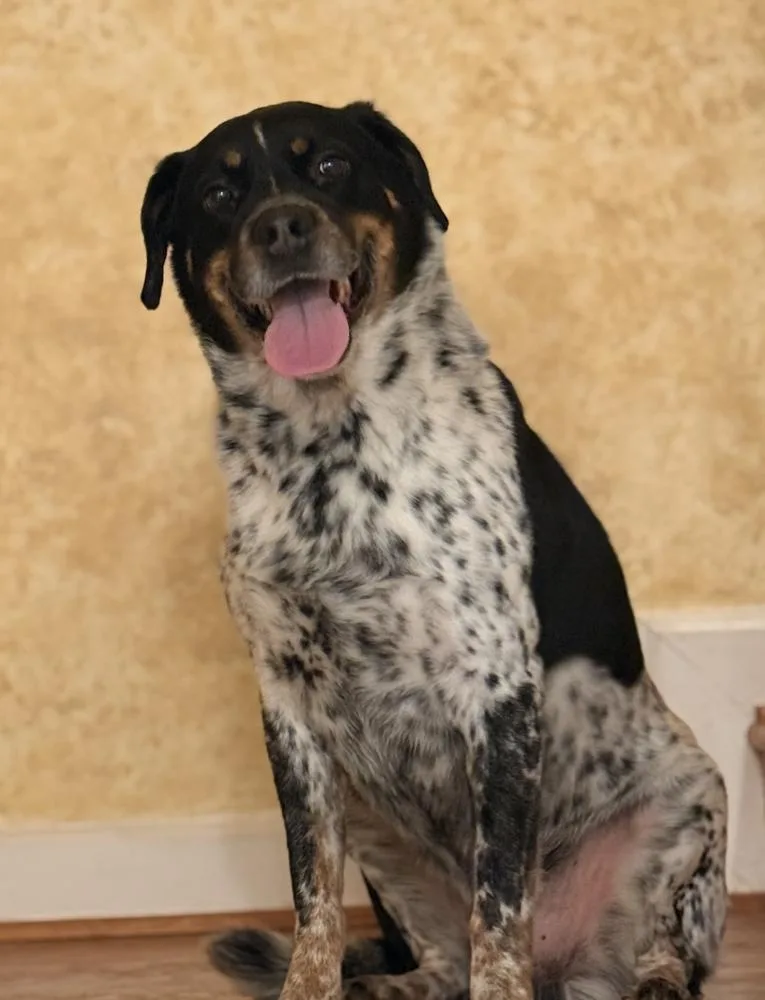
Dogue de Bordeaux Dogs for Adoption in Boston, MA

Your guide to finding and caring for a Dogue de Bordeaux in Boston

A Dogue de Bordeaux can do well in Boston if the home has few stairs and a cool spot to flop. Third-floor triple-deckers in Dorchester are a hard fit for a giant dog, but a ground-floor unit or a house with a yard in Roslindale or West Roxbury works far better. Dogues are calm indoors, so an unhurried daily stroll on the wide paths of Stony Brook Reservation in Hyde Park is often enough. Expect drool on the floors and big-dog bills.

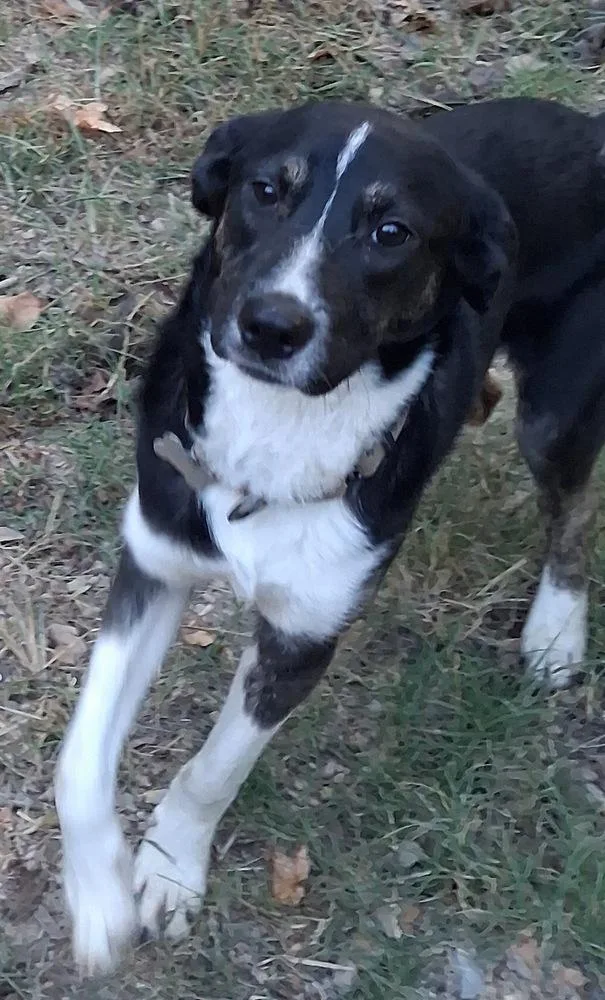
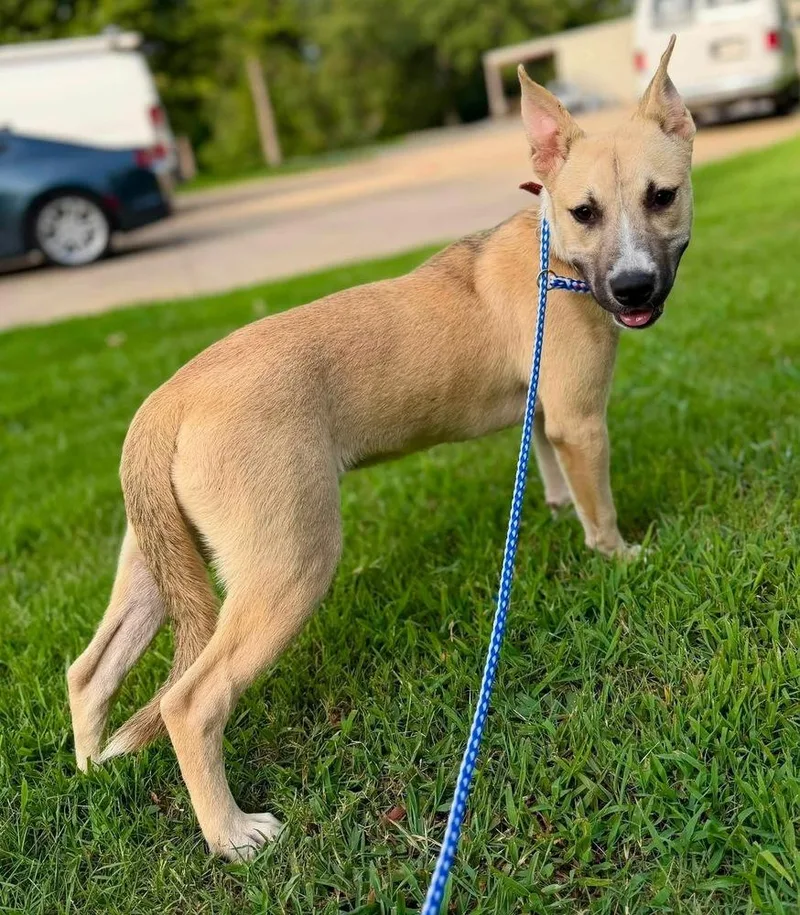
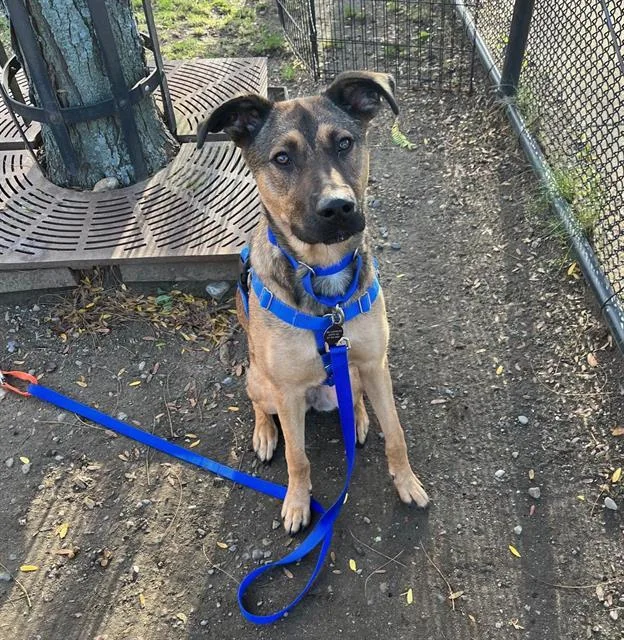
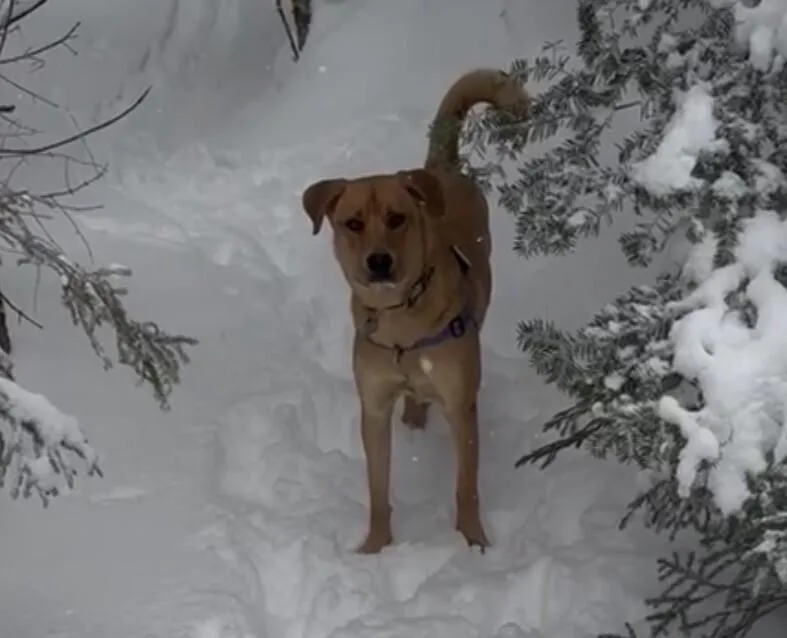
27 Dogue de Bordeaux available in Boston and nationwide

Find your forever Dogue de Bordeaux

While we don't have enough dogs near Boston, keep in mind that many rescues may offer transport.

Dogue de Bordeaux Available for Adoption Near Boston

About the Dogue de Bordeaux breed

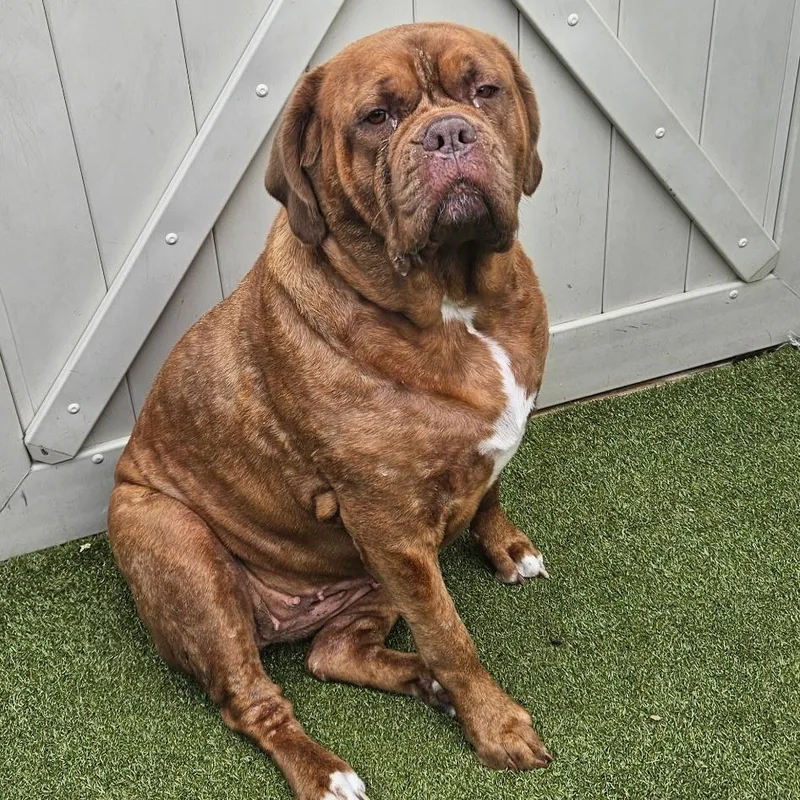
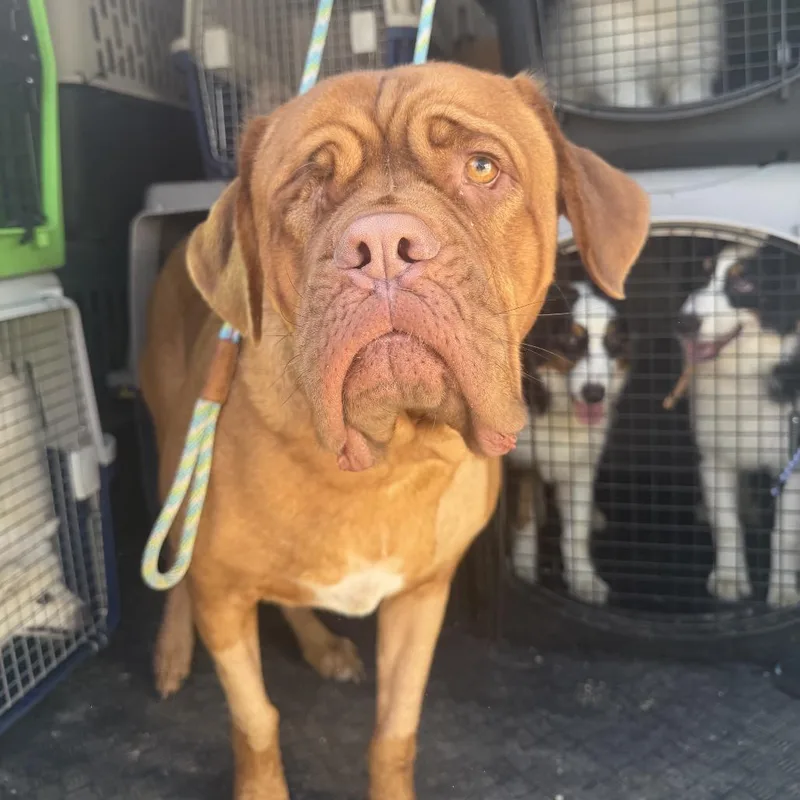
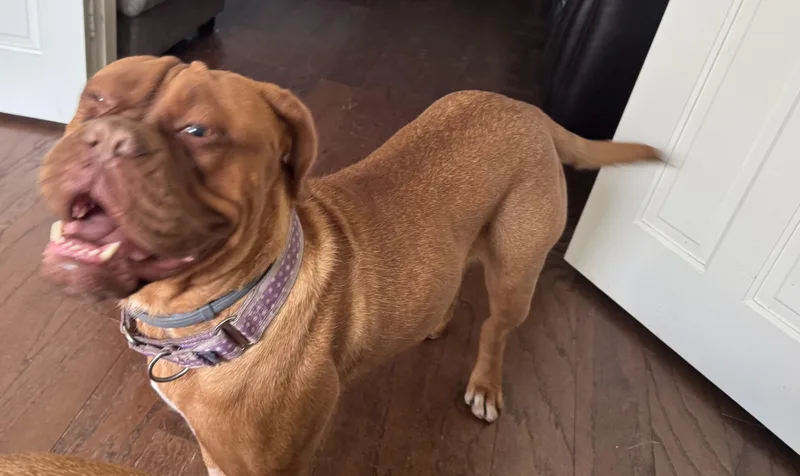
Often called the French Mastiff, the Dogue de Bordeaux is one of France's oldest breeds, long used around Bordeaux as a guardian, drover and estate dog. Its numbers fell to a few hundred worldwide by the early 1980s, and many Americans first met one in the film Turner & Hooch. The short fawn to mahogany coat, wrinkled brow and enormous head make the breed easy to spot on any Boston sidewalk.

Many Dogues are calm, sensitive and devoted to their families, yet watchful with strangers and strong enough to need early, gentle, consistent training. Dogs vary, so judge the dog in front of you rather than the breed label. Plan for heavy drooling, heat sensitivity, giant-dog expenses and a lifespan that is often under ten years.

Weight
99–145 lbs
Height
23–27 in
Lifespan
5–9 yrs
Temperament
Protective, Loyal, Calm, Devoted
Group
Working
Shedding
Moderate to High

Owning a Dogue de Bordeaux in Boston

Having a Dogue de Bordeaux in Boston

The Dogue pairs a gentle home personality with a guardian's strength. In Boston, drool, heat sensitivity, health risks and stairs shape daily life more than exercise does, and salted winter sidewalks and tight triple-decker stairwells add their own challenges.

Temperament

Dogues tend to be affectionate and devoted at home but watchful with strangers and unfamiliar dogs. On busy Boston sidewalks, that makes early socialization and calm, reward-based training important, since harsh methods backfire with this sensitive breed. Each dog differs, so notice how a Dogue handles crowds, traffic and other dogs.

Exercise Needs

Adults need moderate exercise: a couple of unhurried daily walks, short play sessions and some puzzle work or training. Puppies should stick to low-impact activity until about 18 months to protect growing joints, with no stairs or jumping. Swimming is good exercise, but walk early or late on warm days, since this short-faced breed overheats quickly.

Health Considerations

Main risks include heart disease such as aortic stenosis, cancer, bloat, hip and elbow dysplasia, and breathing trouble from the short face. Skin folds need regular cleaning to prevent infection. A veterinarian can check the heart and joints soon after adoption, and tick checks after walks in Boston's wooded parks are worthwhile.

Living Space

Boston's triple-deckers and brownstone walk-ups are a tough match for a giant dog prone to joint problems, so look for a ground-floor unit, an elevator building or a house with few steps. A Dogue is fairly calm indoors but heavy and drooly, needs room to stretch out, and should live inside with its family.

What it costs to own a Dogue de Bordeaux in Boston

ExpenseTypical costPer year
Food$80 to $160 per month$960 to $1,920
Pet insurance$85 to $170 per month$1,020 to $2,040
Routine vet care$250 to $500 per year$250 to $500
Other*$590 to $1,690 per year$590 to $1,690
Estimated yearly total (after year one)$2,820 to $6,150

Other costs are estimates and vary with size, age and health.

* The Boston dog license, giant-size flea, tick and heartworm prevention, a dental cleaning allowance, sturdy toys and bedding, basic coat care, and skin-fold care and joint supplements.

Adopt a Dogue de Bordeaux in Boston.

Now that you know more, let’s find you a new best friend. These rescues and shelters below have dogs available in and near Boston.

Rescues and Shelters in or near Boston

Boston has a mix of city and nonprofit shelters and rescues, and the ones listed here share their adoptable dogs. Here are the rescues & shelters in the Boston area with dogs available for adoption, worth asking whether a Dogue de Bordeaux is coming in.

Frequently Asked Questions

Yes. Massachusetts law bars cities from regulating dogs by breed, so Boston has no Dogue de Bordeaux ban. Owners must license a dog over six months every year, keep it leashed off their property and keep rabies vaccination current. Landlords and insurers set their own rules for large dogs, so review lease and policy terms before you commit.

It can, if the building suits a giant dog. Dogues are fairly calm indoors, but a heavy dog with joint risks struggles with the long walk-up stairs common in Boston triple-deckers and brownstones. Look for a ground-floor unit or an elevator, air conditioning for humid summers, and a lease that allows a dog over 100 pounds.

With care, yes. Boston summers are warm rather than extreme, but about two weeks a year reach 90°F and humid heat waves happen. This short-faced breed overheats fast, so walk at dawn or late evening, keep air conditioning on and water available, and avoid hot pavement, which the City calls unsafe for pets during heat.

Sometimes. The MBTA allows dogs too large for a carrier only off-peak and on a leash, so not weekdays 7–9 a.m. or 4–7 p.m. Pets can't ride on seats, and staff may refuse an animal during crowding or large events. A giant dog fits poorly in a packed car, so plan quiet, off-peak rides.

Franklin Park's 527 acres and Stony Brook Reservation's roughly 10 miles of paths give a Dogue room for steady leashed walks. A leash of 8 feet or less covers both City and state land, and dogs stay out of tot lots and ball fields. For off-leash time, Boston Common works best at quieter hours.

Only to patios that have approved it. Boston restaurants can get a City variance to allow dogs in outdoor dining areas, so look for dog-friendly signs. Dogs must be leashed, licensed, vaccinated against rabies and kept off tables and chairs, and they can't enter the interior. A giant dog needs aisle space, so pick quiet times.

Coat care is light, but skin needs attention. Brush weekly with a rubber curry to manage year-round shedding, clean and dry facial wrinkles weekly or even daily, especially in humid summers, and bathe about monthly. In winter, wipe paws and belly after walks to remove road salt. Basic grooming is covered in the yearly Other costs.

It can be, for the right household. A Dogue wants moderate walks, calm company and cool indoor air, which suits adopters who are home often and have stair-free housing. Crowded sidewalks, T rides, humid summers and high giant-dog costs are harder. Weigh those first, since each dog's temperament and needs vary.

A Dogue de Bordeaux is not inherently dangerous, but it is a powerful guardian breed whose size and protective instincts demand responsible handling. Most are gentle and affectionate with their families. Poor socialization, rough training or weak containment raise the risk of problems with strangers or other dogs. Early training and an experienced owner make a big difference.

Expect roughly $2,820 to $6,150 a year for a Dogue in Boston. That covers food at $80–$160 a month, insurance at $85–$170 a month, routine vet care at $250–$500 a year, and $590–$1,690 a year in other costs. Emergencies and treatment for heart or joint problems are extra.

Find Dogue de Bordeaux in Nearby Cities

Expand your search to find Dogue de Bordeaux available for adoption near Boston.