Saluki Dogs for Adoption in New Orleans, LA

Your guide to finding and caring for a Saluki in NOLA

A Saluki can do well in New Orleans if the fence is tall and the walks are long. Quiet and tidy indoors, this lean sighthound is happy on the couch in a Mid-City shotgun double. Then it wants a real stretch along the Lafitte Greenway or the Bayou St. John levee, always on a leash, because it will chase anything that moves. A fenced yard makes daily life much easier, though plenty of Salukis manage with good walking routines.

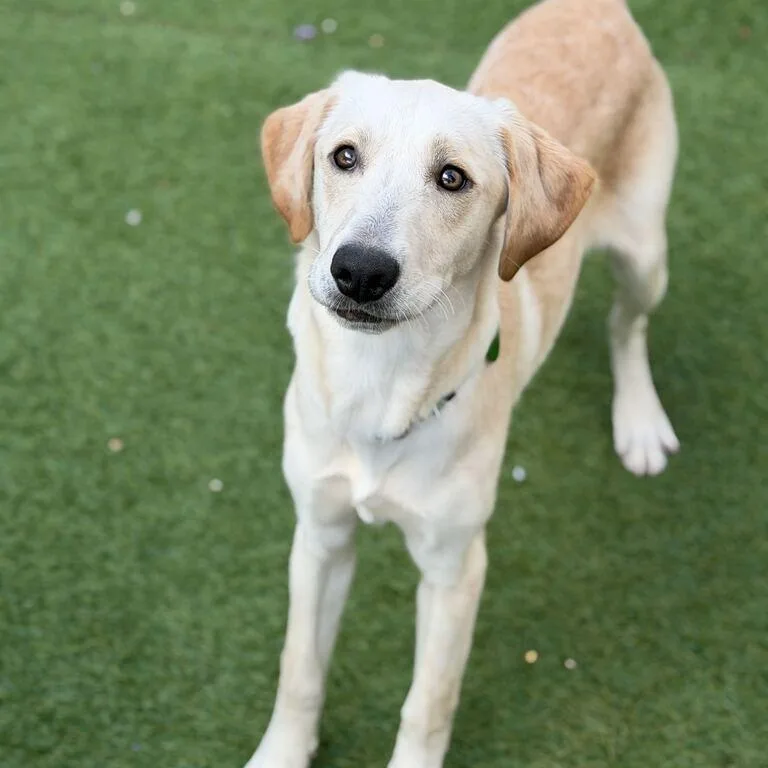
16 Salukis available in New Orleans and nationwide

Give a Saluki a home

While we don't have enough dogs near New Orleans, keep in mind that many rescues may offer transport.

Salukis Available for Adoption Near New Orleans

About the Saluki breed

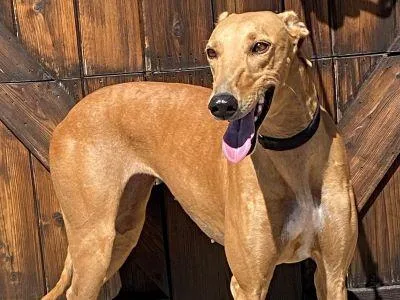
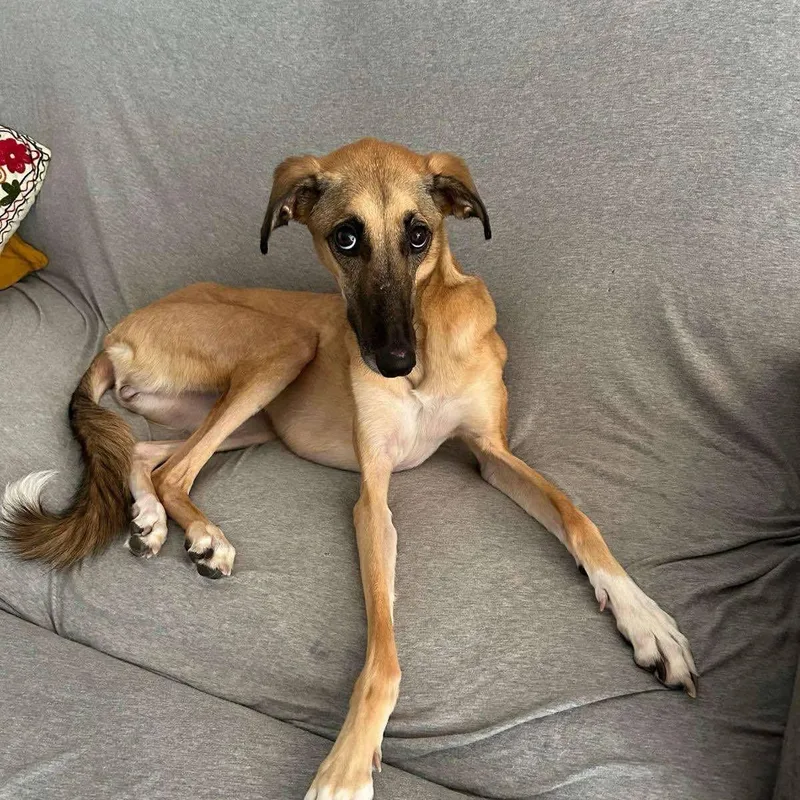
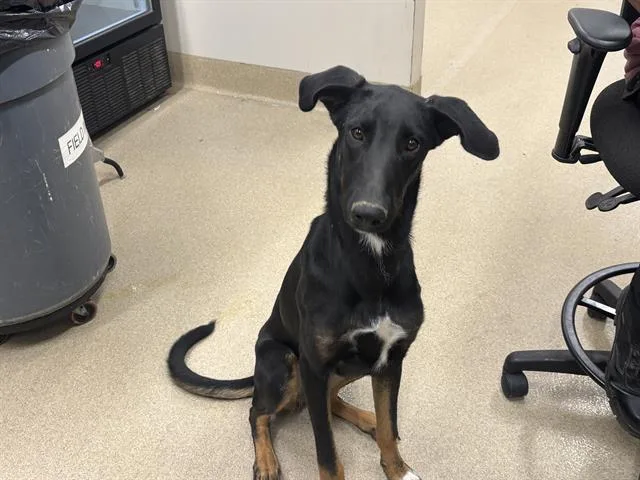
The Saluki is an ancient sighthound from the Middle East, bred to run down gazelle and hare across open ground. That history shows in the build: a deep chest, long legs, a narrow head and a coat that is either smooth or feathered on the ears, legs and tail. Adults usually weigh 35 to 65 pounds and stand 23 to 28 inches tall.

At home, many Salukis are calm, gentle and a little reserved, bonding closely with their own people. Outdoors, the chase instinct takes over, so fenced sprints and leashed walks matter. Coats need only light brushing, but the thin skin and low body fat mean soft bedding and some care around rough surfaces. Each Saluki varies, especially a shy one that is still settling in.

Weight
35–65 lbs
Height
23–28 in
Lifespan
12–15 yrs
Temperament
Gentle, Independent, Dignified, Athletic
Group
Hound
Shedding
Low

Owning a Saluki in New Orleans

Having a Saluki in NOLA

A Saluki is built around sight and speed. It notices movement from far away and wants to follow it. Its chase instinct, independent streak and lean, thin-skinned body are the main things to weigh against New Orleans streets, yards and weather.

Temperament

Salukis tend to be quiet, sensitive and loyal, often attached to one or two people and polite but aloof with visitors. Many relax for hours indoors and dislike noisy roughhousing. Strong prey drive can make cats and small pets risky, and some Salukis are shy until they've had gentle, patient introductions to new places.

Exercise Needs

Plan on a long daily walk plus chances to sprint in a securely fenced space. In New Orleans, that often means leashed laps around Audubon Park or City Park, with a fenced run for speed. Recall usually fails once a Saluki spots something moving, so open, unfenced ground isn't a safe place to let go.

Health Considerations

Breed health concerns include heart disease, cancers such as hemangiosarcoma, and hypothyroidism, though healthy Salukis often have naturally low thyroid values. Low body fat means anesthesia needs a vet who knows sighthounds. Thin skin tears easily. In NOLA, year-round heartworm prevention is worth budgeting for, and a vet can check the heart after adoption.

Living Space

A Saluki can live in a house or a quiet apartment with daily exercise. Many New Orleans homes are shotguns and doubles with small or shared yards, so check fence height, since many Salukis can clear or squeeze through gaps. Padded bedding for bony hips, and a calm routine, matter more than square footage.

What it costs to own a Saluki in New Orleans

ExpenseTypical costPer year
Food$55 to $110 per month$660 to $1,320
Pet insurance$55 to $110 per month$660 to $1,320
Routine vet care$250 to $500 per year$250 to $500
Other*$535 to $1,560 per year$535 to $1,560
Estimated yearly total (after year one)$2,105 to $4,700

Other costs are estimates and vary with size, age and health.

* The $10 New Orleans dog license for a spayed or neutered dog, flea, tick and year-round heartworm prevention, a dental cleaning allowance, supplies, minimal grooming, and a winter coat and padded bedding.

Adopt a Saluki in New Orleans.

Now that you know more, let’s find you a new best friend. These rescues and shelters below have dogs available in and near New Orleans.

Frequently Asked Questions

Yes. New Orleans has no breed-specific rules, so a Saluki is treated like any other dog. You'll need a yearly city license tag through a vet, rabies vaccination, and a leash of six feet or less in public. Intact dogs over six months need a permit. Nearby Louisiana towns can have their own rules, so check before moving.

Yes, with care. A Saluki's short coat helps, but summers here run about 78 to 90 degrees with heavy humidity, and 90-degree days start in May. Walk at dawn or after dark, carry water, and use grass if the pavement is too hot to touch. Heavy panting or drooling means cool the dog and call a vet.

Leashed Salukis can use City Park's 24 miles of trails, Audubon Park's 1.8-mile loop, and the 2.6-mile Lafitte Greenway. For off-leash sprints, NOLA City Bark needs a paid permit, while Wisner Playground and Crescent Park have free fenced runs. Check fence height first, and keep the dog away from lagoon edges where alligators live.

It can be, for adopters who offer daily walks and a safe place to sprint. The mild winters and lots of walkable green space help, but the long, humid summers mean dawn and evening routines. A fenced yard is ideal, though a quiet shotgun double works if you walk consistently, and hurricane plans must include the dog.

Mostly no. RTA allows pets on buses and streetcars only in a carrier that fits on your lap, and an adult Saluki is far too large for that. Service animals are the exception. New Orleans has streetcars rather than a subway, so plan on walking or driving for outings with your Saluki.

Don't count on it. Louisiana has no state law allowing dogs on restaurant patios, so access is up to each venue, and indoor dining rooms generally don't admit pet dogs. If a patio does allow dogs, a Saluki's calm, quiet manner helps, but keep the leash short and the dog out of the walkway.

Very little. Smooth Salukis need an occasional brush, and feathered ones need a bit more care on the ears, legs and tail, especially after muggy, muddy walks. Don't shave the coat in summer. Grooming mostly fits within the yearly Other costs, and nail trims and thin-skin checks matter more than haircuts.

A Saluki is a tall, slender sighthound from the Middle East, bred to chase gazelle and hare by sight across open country. It has long legs, a narrow head, a deep chest and either silky feathering or a smooth coat. Many are gentle, quiet and independent at home, with an intense chase instinct outdoors.

A Saluki can run roughly 40 miles per hour at full speed, and the 1996 Guinness Book of Records listed one at about 42.8 mph. Greyhounds may be quicker over a short sprint, but Salukis are known for holding high speed over longer distances. That speed is why secure fencing and leashes matter so much for this breed.

Expect a Saluki to cost roughly $2,100 to $4,700 a year. That covers food at $55 to $110 a month, insurance at $55 to $110 a month, routine vet care at $250 to $500 a year, and other costs at $535 to $1,560 a year.