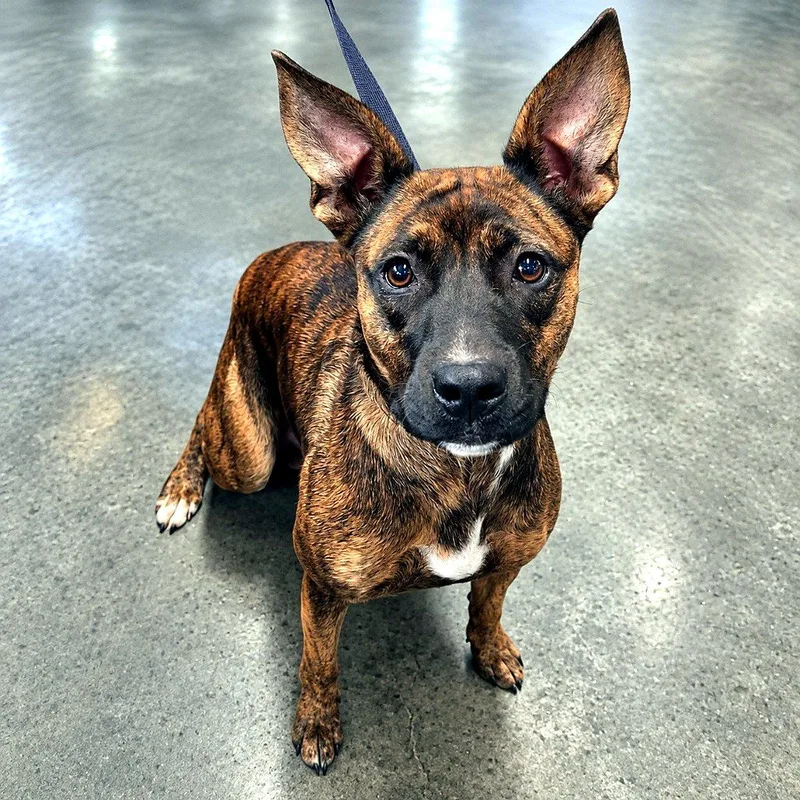
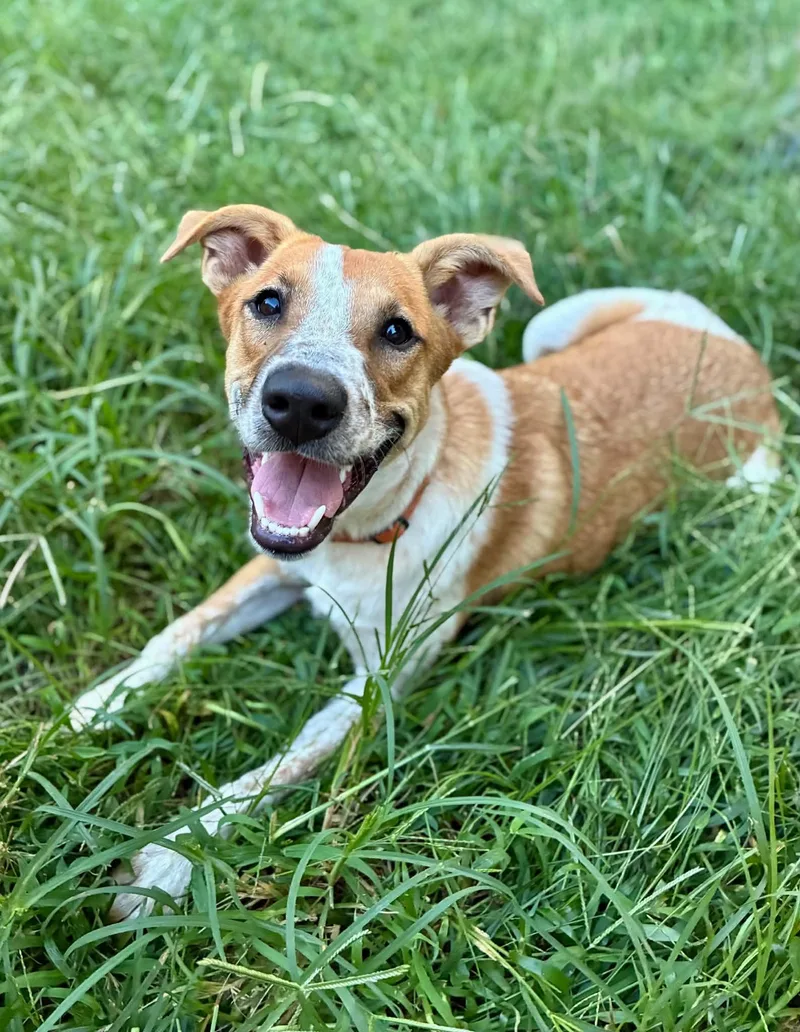
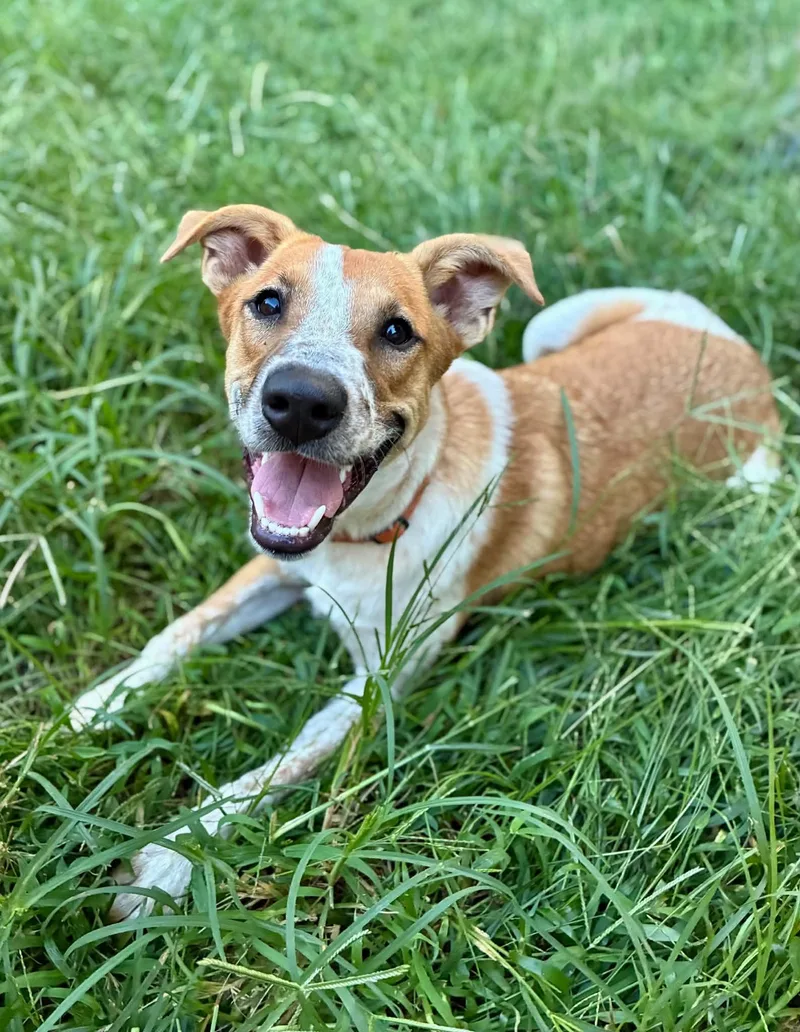
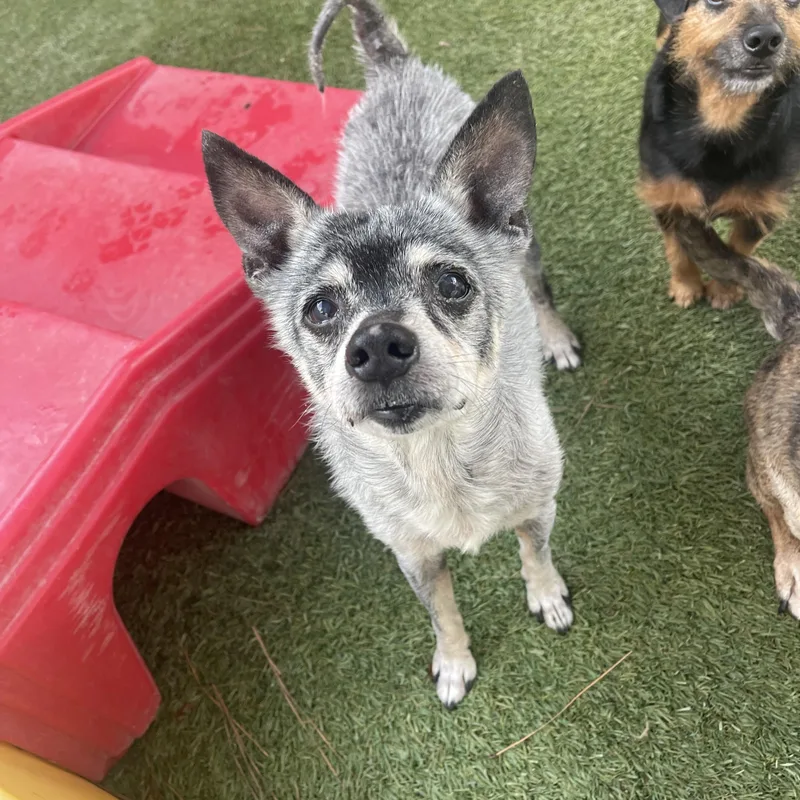
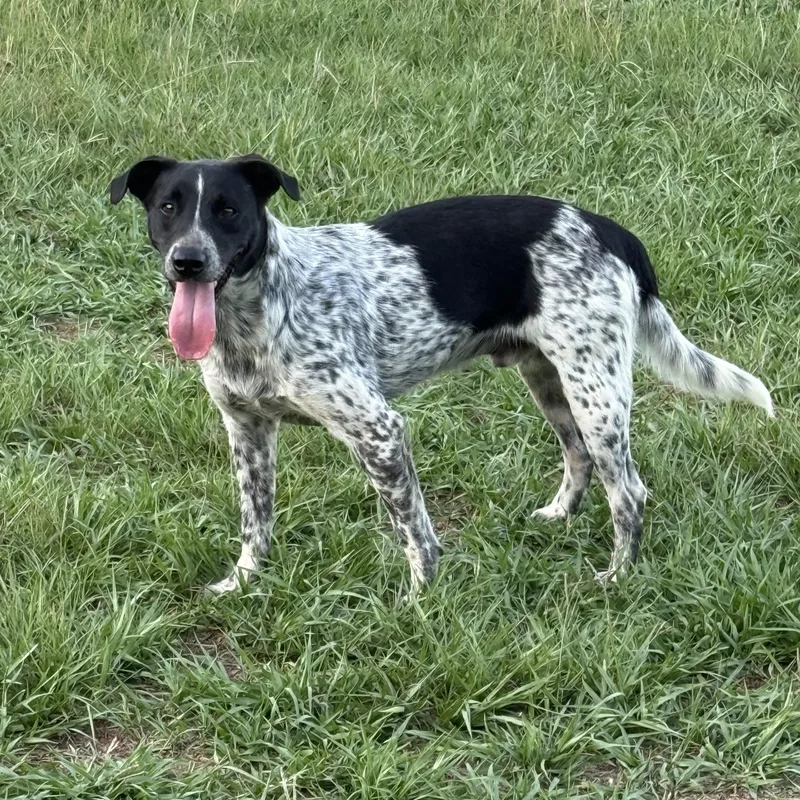
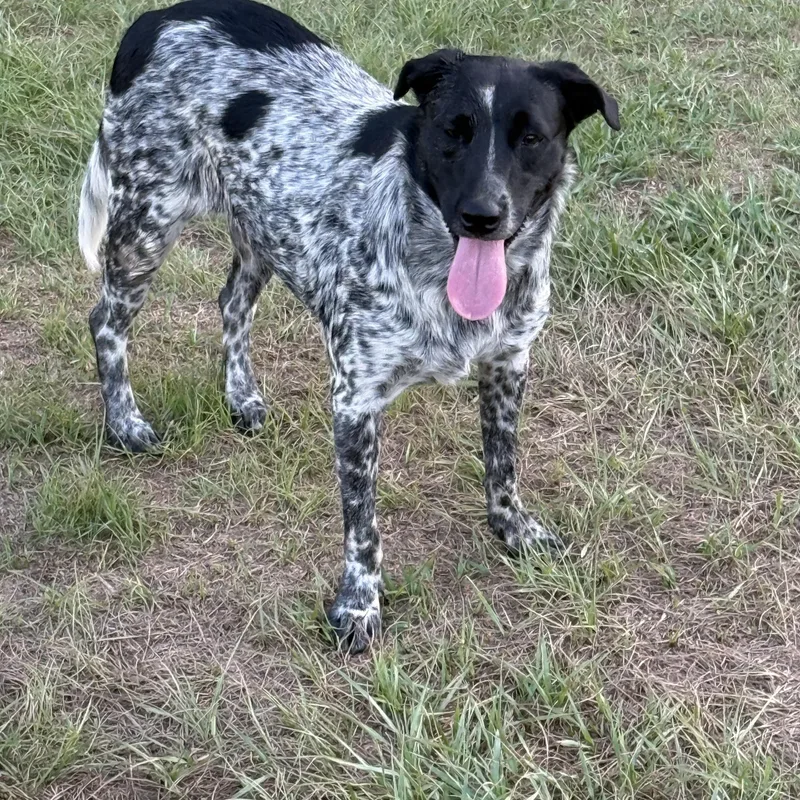
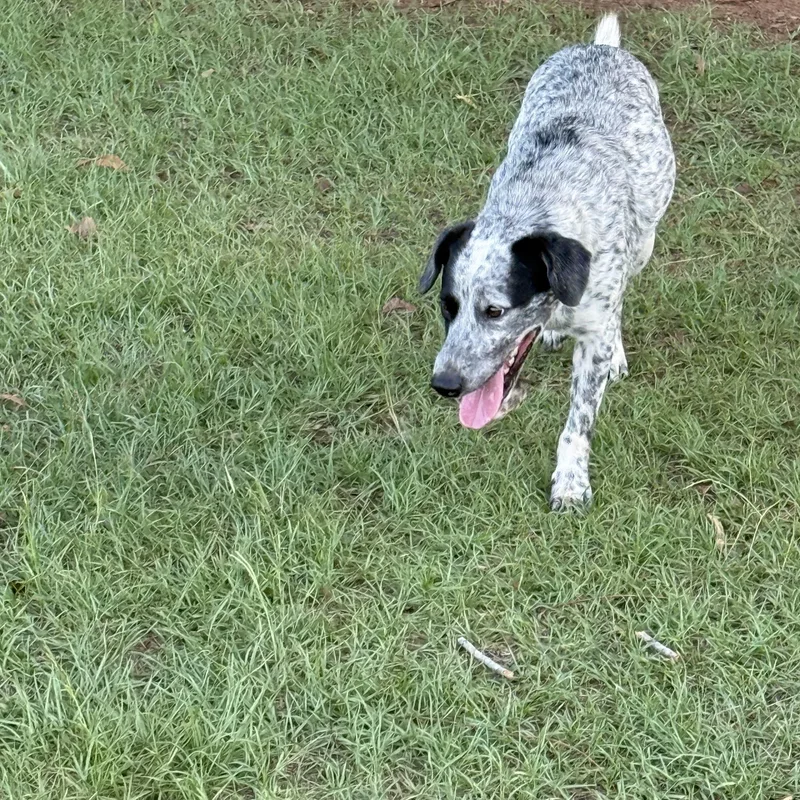
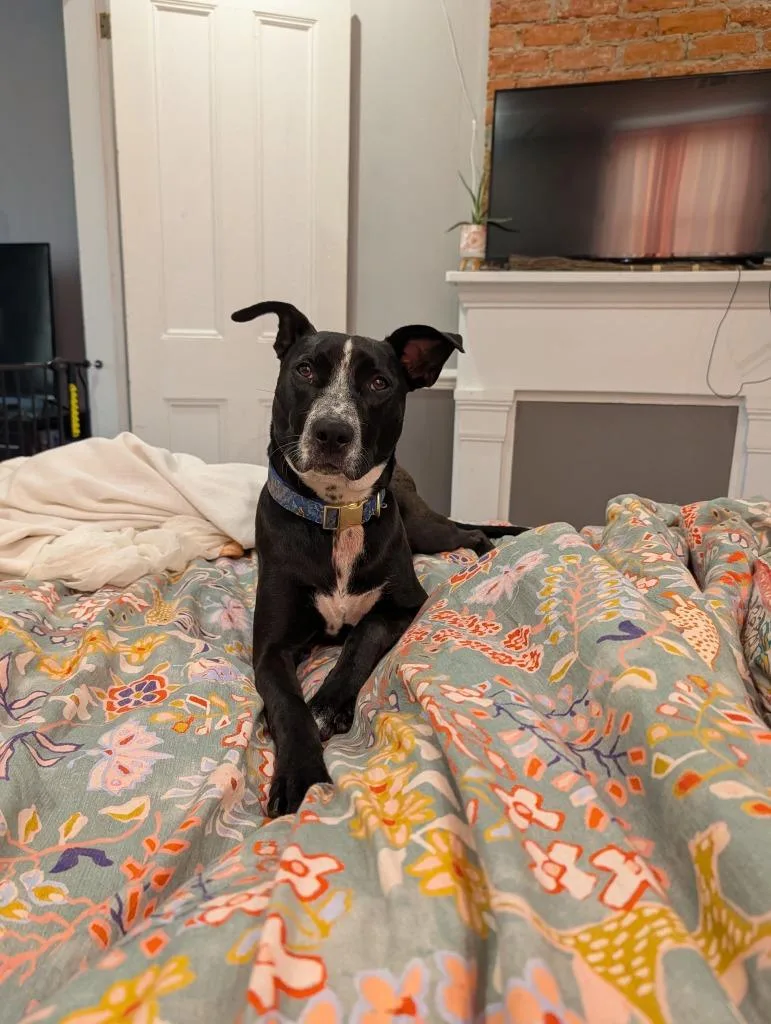
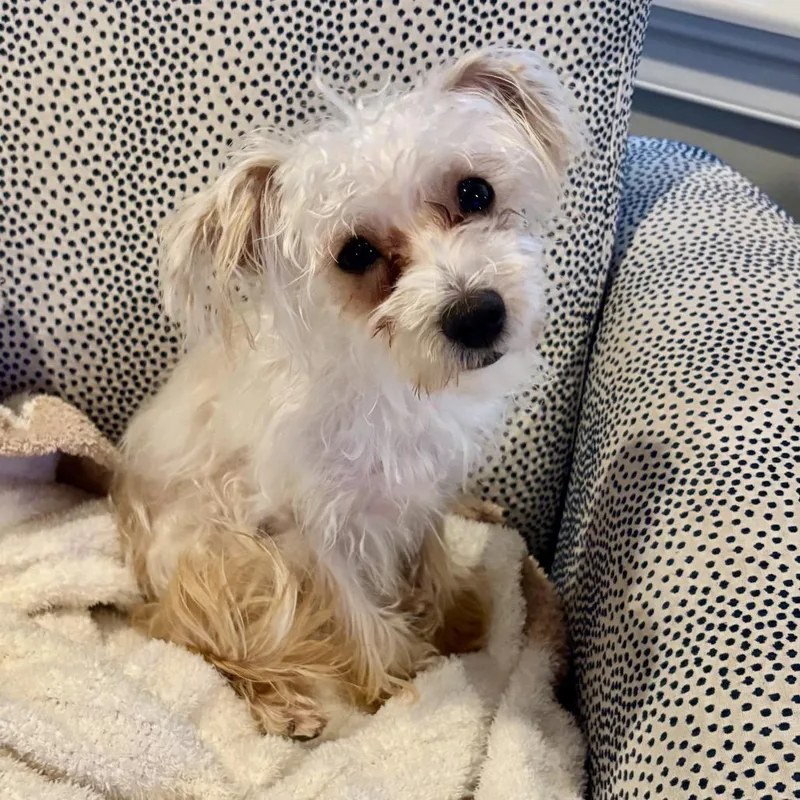
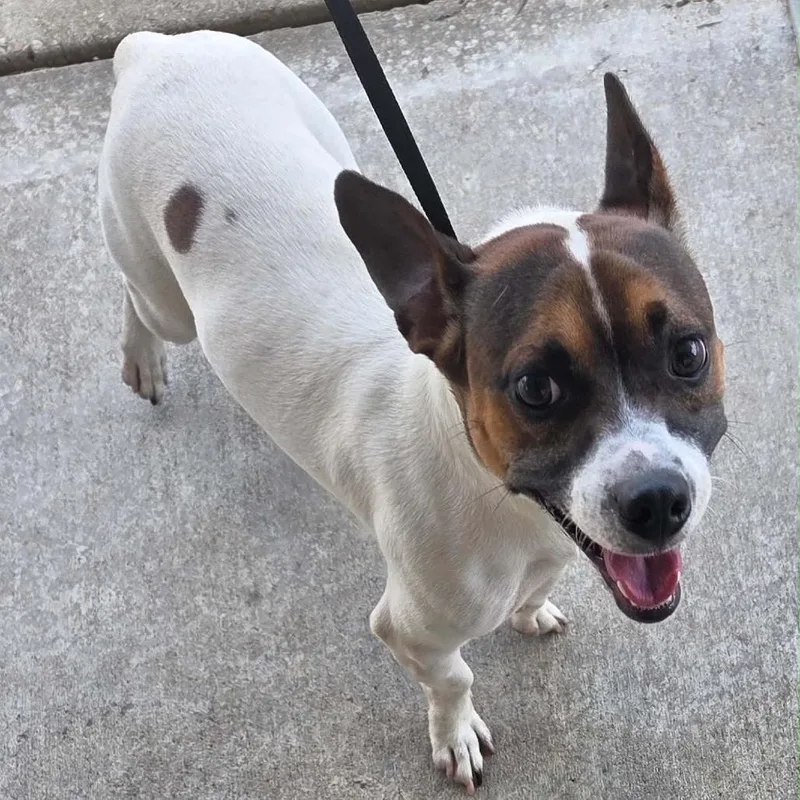
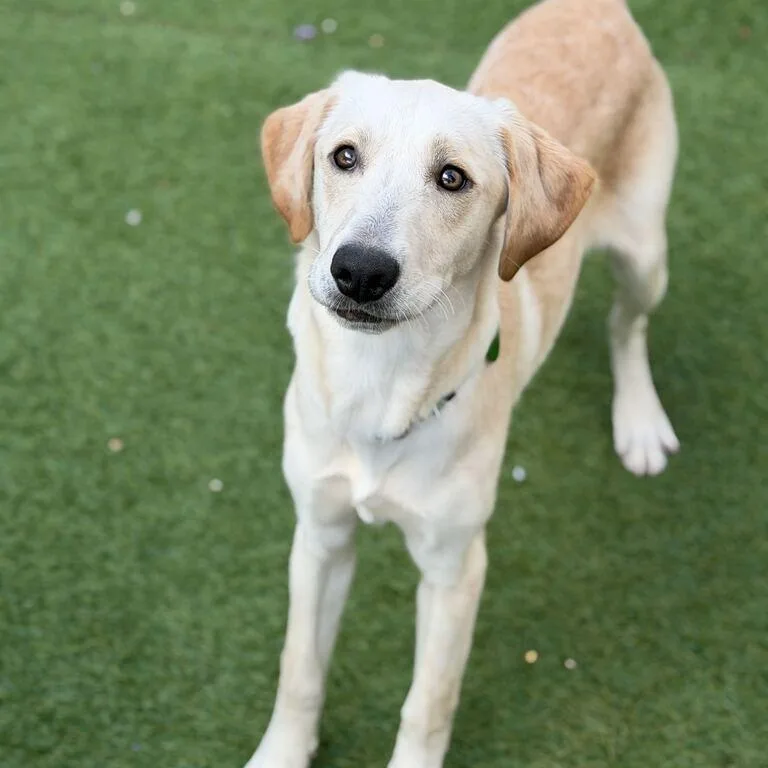
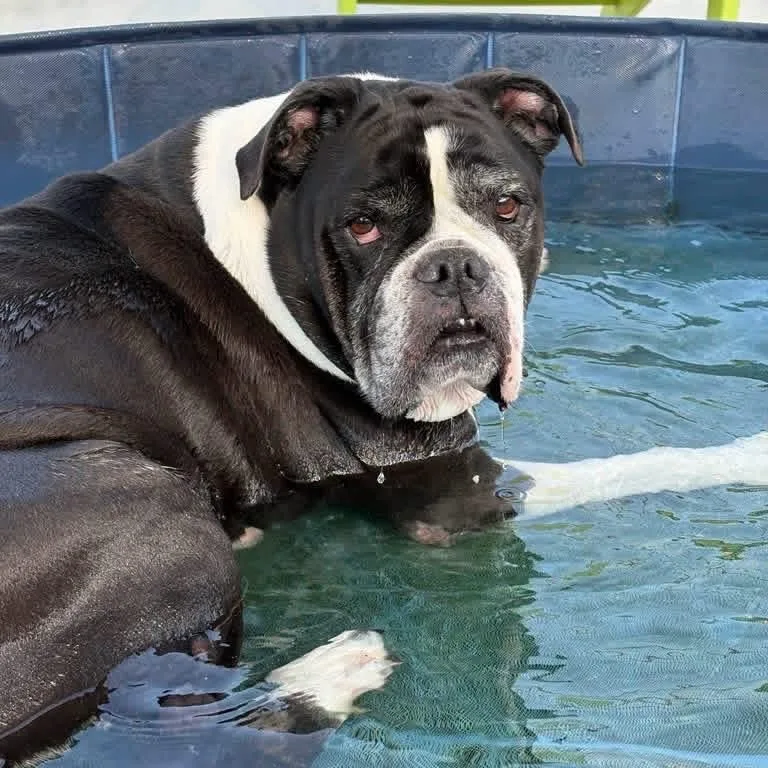
Australian Cattle Dog / Blue Heelers for Adoption in New Orleans, LA

Your guide to finding and caring for an Australian Cattle Dog / Blue Heeler in NOLA

A Blue Heeler suits New Orleans best when its person likes to be outside and moving. The Lafitte Greenway and City Park's 24 miles of trails give a Heeler room to log real miles from a Mid-City shotgun double, and the levee banks along Bayou St. John make a good leashed evening walk. Heelers are quick, loyal dogs that want a job, so plan on training sessions as well as walks. Summer humidity pushes most of that activity to early morning or after dark.

4334 Australian Cattle Dog / Blue Heelers available in New Orleans and nationwide

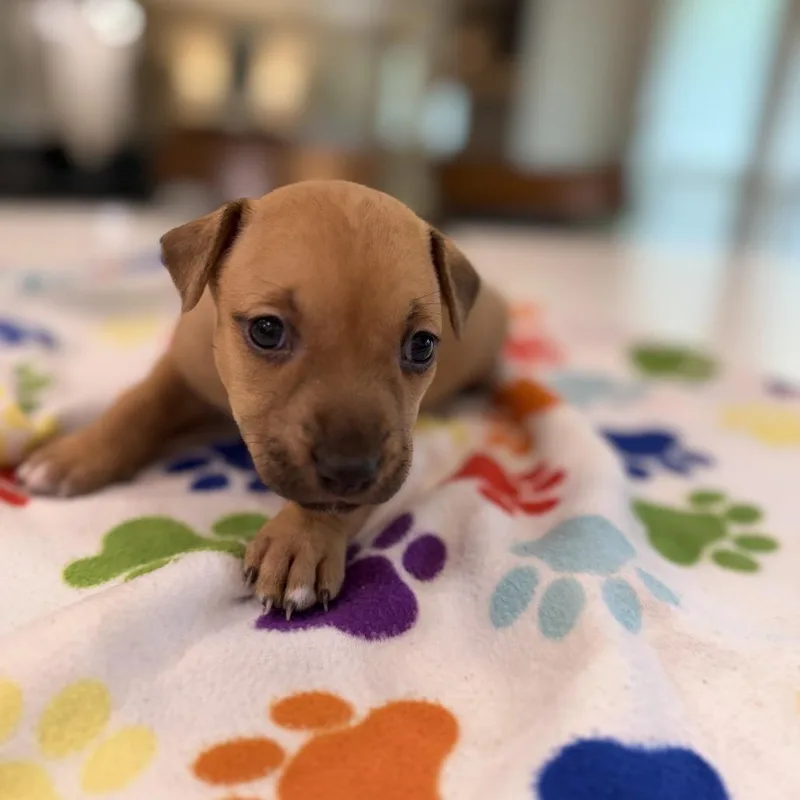
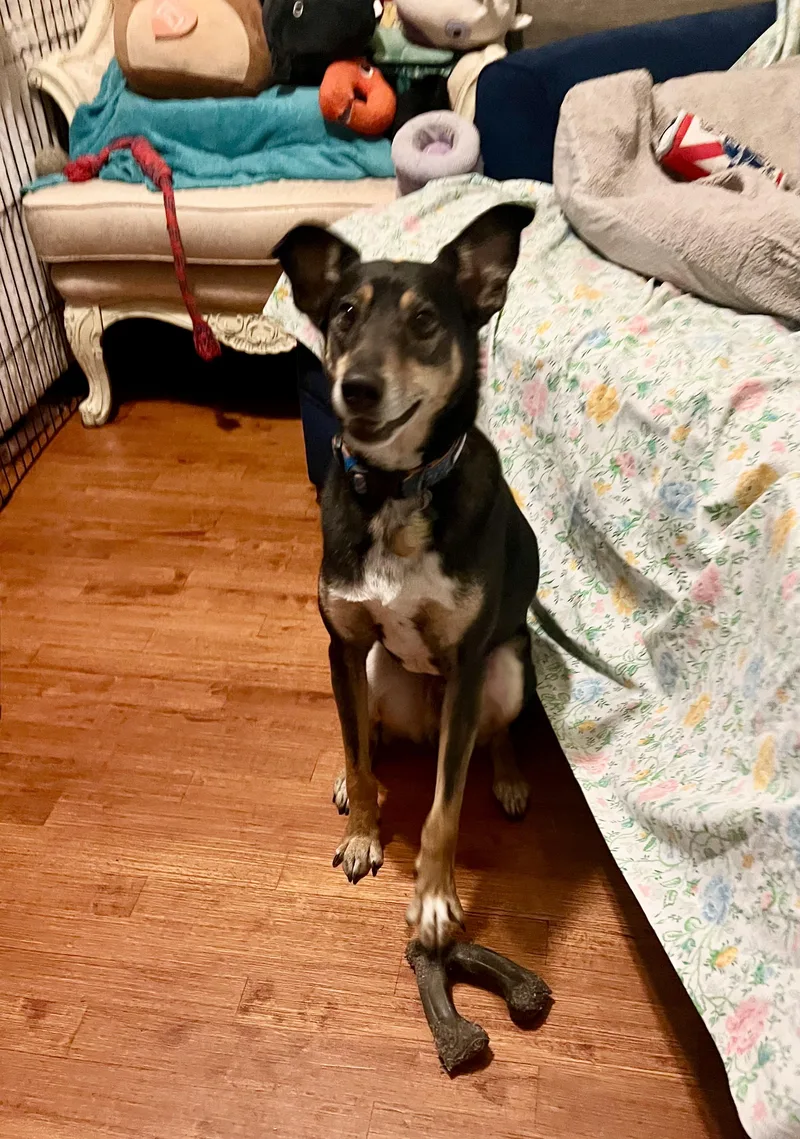
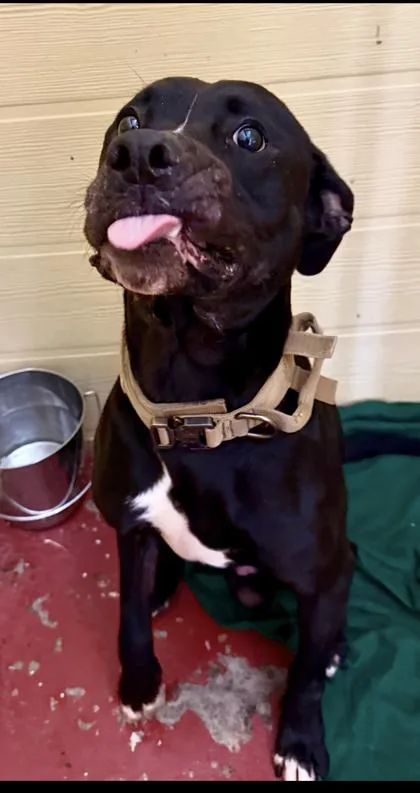
Say hello to your Blue Heeler

Australian Cattle Dog / Blue Heelers Available for Adoption Near New Orleans

About the Australian Cattle Dog / Blue Heeler breed

Australian Cattle Dogs, widely called Blue Heelers, were developed in nineteenth-century Australia to drive half-wild cattle across long distances. Settlers crossed collie-type herding dogs with dingoes to create a tough, quiet worker that nips at heels to move stock. The result is a compact, muscular dog of about 35 to 50 pounds with a short, weatherproof double coat in blue or red speckle.

Heelers tend to be loyal, alert and clever, often bonding closely with one person and staying reserved with strangers. Their stamina and urge to chase and herd can show up as nipping at children, bikes or other pets, though drive varies from dog to dog. With training and a real outlet for their energy, many make devoted companions that live 12 to 16 years.

Weight
35–50 lbs
Height
17–20 in
Lifespan
12–16 yrs
Temperament
Energetic, Intelligent, Loyal, Alert
Group
Herding
Shedding
Moderate

Owning an Australian Cattle Dog / Blue Heeler in New Orleans

Having an Australian Cattle Dog / Blue Heeler in NOLA

Stamina, a sharp mind and herding instincts matter more than size when deciding whether a Blue Heeler suits New Orleans. Heat, humidity and a limited number of fenced dog parks shape how and when a Heeler gets its exercise here.

Temperament

Heelers are loyal, alert and confident, often bonding closely with one person while staying reserved with strangers. In NOLA, streetcar bells, brass bands and parade noise can set off a watchful dog, so early socialization and calm exposure to city sounds help. Nipping and chasing habits vary from dog to dog.

Exercise Needs

Most Heelers need an hour or more of vigorous activity plus mental work. Leashed runs and hikes on City Park's trails, Audubon Park's 1.8-mile loop or the Lafitte Greenway can fill part of that, with fetch and training games for the rest. In warm months, schedule hard exercise at dawn or after dark.

Health Considerations

Documented breed concerns include congenital deafness, progressive retinal atrophy, primary lens luxation and hip and elbow dysplasia. In New Orleans, mosquitoes make year-round heartworm prevention important, and hard play in the heat can be risky. A veterinarian can test hearing, check eyes and joints, and suggest screening.

Living Space

Many New Orleans homes, from shotgun doubles to raised bungalows, have small or shared yards. A Heeler can manage in a double or apartment when daily exercise is reliable. Expect alert barking at passersby and footsteps, and secure any fence, since clever Heelers test gates and low spots.

What it costs to own an Australian Cattle Dog / Blue Heeler in New Orleans

ExpenseTypical costPer year
Adoption fee$250 to $550, one time$250 to $550 in year one
Food$35 to $70 per month$420 to $840
Pet insurance$55 to $100 per month$660 to $1,200
Routine vet care$225 to $450 per year$225 to $450
Other*$435 to $1,164 per year$435 to $1,164
Estimated yearly total (after year one)$1,740 to $3,654
First-year total (with adoption fee)$1,990 to $4,204

Adoption fee is the range of fees on Australian Cattle Dog / Blue Heeler listings in New Orleans on GetBuddy today. Other costs are estimates and vary with size, age and health.

* The City dog license tag, year-round flea, tick and heartworm prevention, a dental cleaning allowance, durable toys and bedding, and light home grooming for a short coat.

Adopt an Australian Cattle Dog / Blue Heeler in New Orleans.

Now that you know more, let’s find you a new best friend. These rescues and shelters below currently have Australian Cattle Dog / Blue Heelers available.

Frequently Asked Questions

Yes, with care. A Blue Heeler's short double coat copes with heat better than a thick long coat, but New Orleans summers bring highs near 90, warm nights and heavy humidity. Exercise at dawn or after dark, offer shade, water and a kiddie pool, and test pavement with your hand. Never leave a Heeler in a parked car.

Yes. New Orleans has no known breed-specific rules for Blue Heelers. You'll need a rabies vaccination, a yearly City license tag through a veterinarian, and either spaying or neutering after six months or an intact dog permit. Keep the dog on a leash of six feet or less off your property. Nearby towns may have different rules.

Mostly no. RTA buses and streetcars allow pets only in a carrier that fits on your lap, and a 35-to-50-pound Heeler is too big for that. Service animals are allowed. New Orleans has streetcars rather than a subway, so plan on walking or driving when your Heeler comes along.

City Park's 24 miles of trails, Audubon Park's 1.8-mile loop and the 2.6-mile Lafitte Greenway suit a leashed Heeler. NOLA City Bark offers off-leash play with a paid permit, and Wisner Playground and Crescent Park have free fenced runs. Watch for alligators near lagoons and Bayou St. John.

Yes, if exercise is reliable. Many New Orleans rentals are shotgun doubles or apartments with small shared yards, and a Heeler needs a long daily outing plus training or puzzle games to stay settled. Expect alert barking at street noise. Get pet and weight terms in writing, since a 35-to-50-pound dog may meet a size cap.

It can be, for people who are outside early and late. Trails, the Greenway and mild winters suit a Heeler, while humid summers, parade noise and hurricane-season planning take effort. A Heeler that bonds tightly with one person may struggle with long days alone, so consider your work schedule before adopting.

Not much. Weekly brushing handles most shedding, with more frequent brushing during the once- or twice-yearly coat blow. Don't shave the coat in the heat, since it helps insulate. Check ears after humid, rainy days. Most owners groom at home, which keeps grooming costs low within the Other line of the cost table.

Blue Heelers typically live about 12 to 16 years, and a recent UK study put the breed's average life expectancy at about 14 years, longer than many purebreds. A famous Australian Cattle Dog named Bluey reportedly lived over 29 years, though such records are hard to verify. Staying lean and active and getting regular checkups support a long life.

We have 3 rescues with Australian Cattle Dog / Blue Heelers available: Take Paws Rescue, Mid-City Mutt Mamas and ARNO (Animal Rescue New Orleans). You can see every rescue with Australian Cattle Dog / Blue Heelers available in the list above these questions, or scroll to the top to see the Australian Cattle Dog / Blue Heelers near New Orleans.

Expect roughly $1,740 to $3,654 a year for a Blue Heeler in New Orleans across food, insurance, routine vet care and other costs. Food runs $35 to $70 a month and insurance $55 to $100. Routine vet care is $225 to $450 a year, and other costs add $435 to $1,164.