Bedlington Terrier Dogs for Adoption in Wichita, KS

Your guide to finding and caring for a Bedlington Terrier in Wichita

9616 dogs similar to Bedlington Terrier available in Wichita and nationwide

Find your Bedlington Terrier

While we don't have enough dogs near Wichita, keep in mind that many rescues may offer transport.

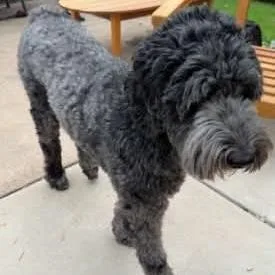
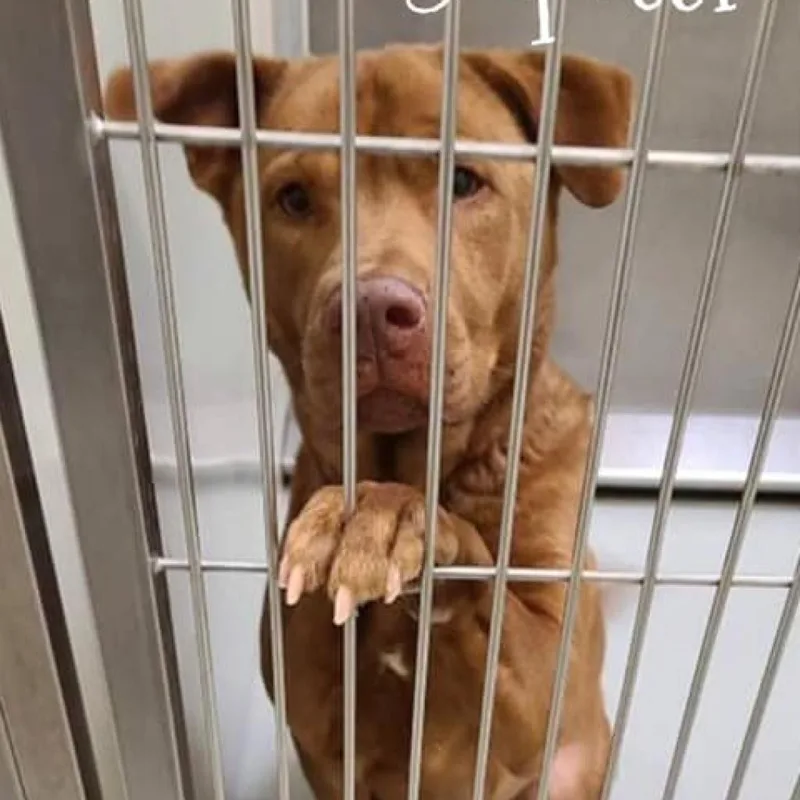
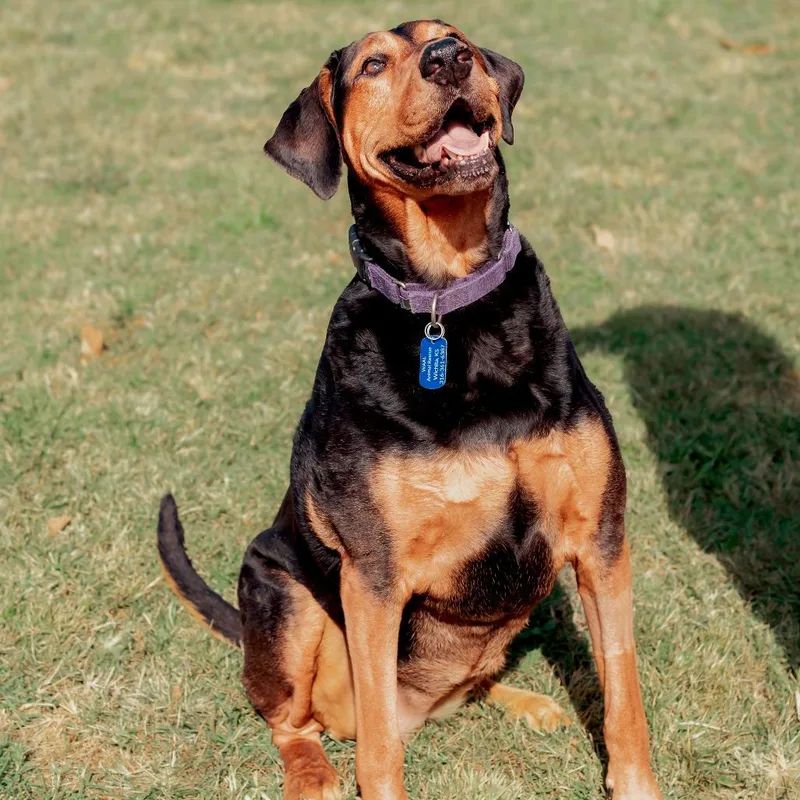
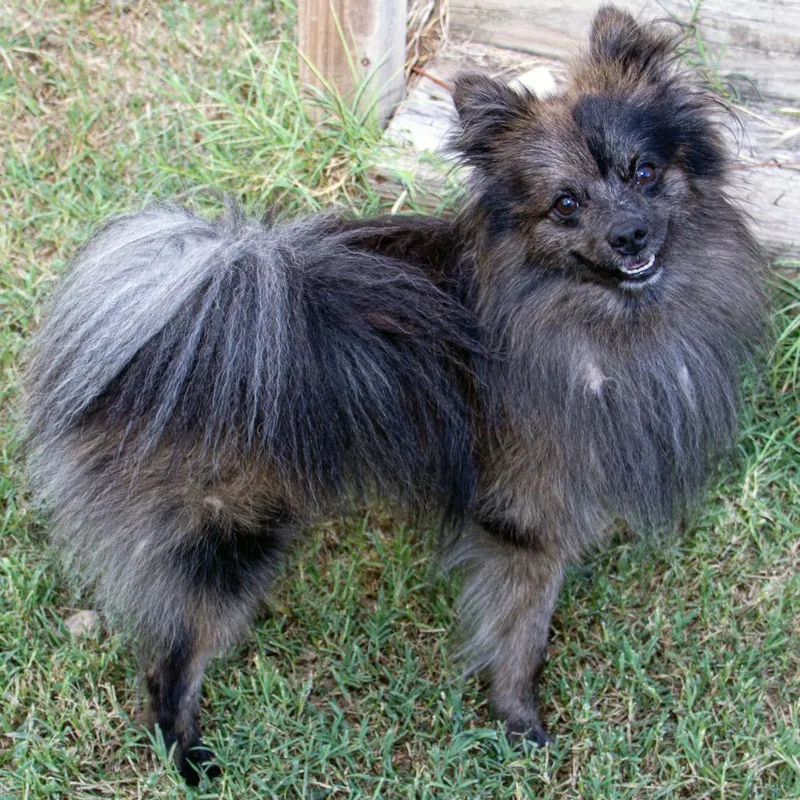
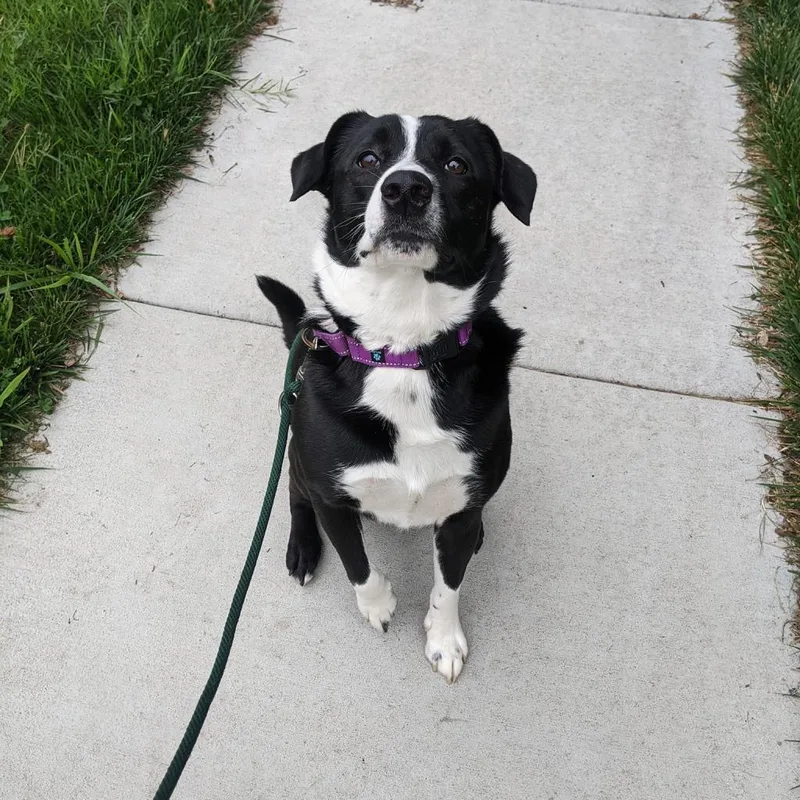
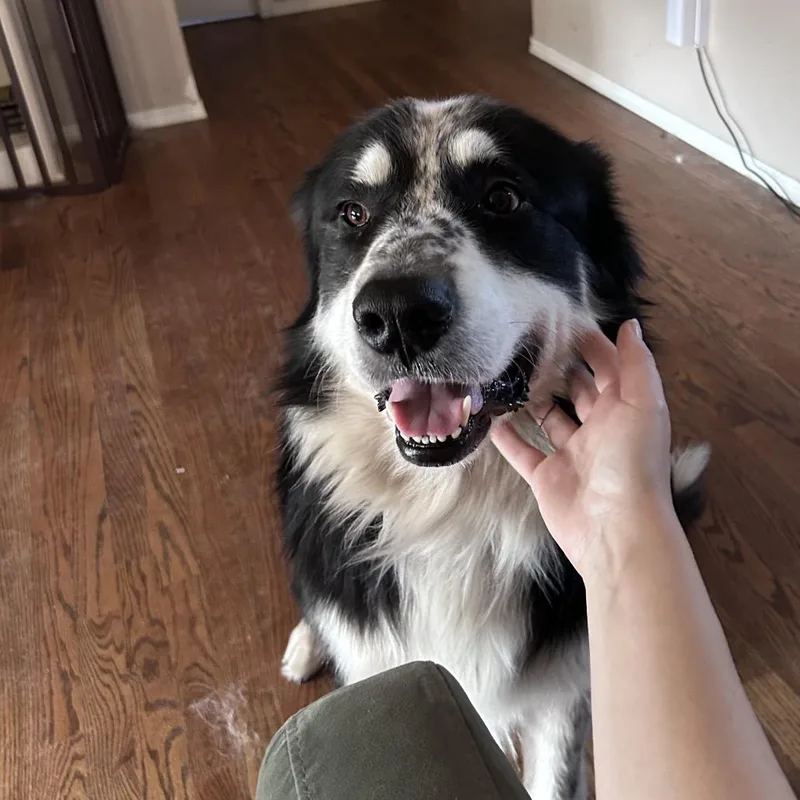
Bedlington Terriers and Similar Breeds Available for Adoption Near Wichita

About the Bedlington Terrier breed

With its pear-shaped head, woolly topknot and arched back, the Bedlington Terrier is often described as a lamb on the outside and a terrier at heart. The breed comes from the mining district around Bedlington in Northumberland, England, where it was known as the Rothbury terrier before taking its current name in 1825. Miners, Romani travelers and poachers valued it for killing vermin and running down rabbits, and Whippet ancestry likely explains its speed.

Today most Bedlingtons are gentle, affectionate housemates who are calm indoors yet spring into action at the sight of a squirrel. Their crisp, curly coat sheds very little but needs regular brushing and professional clipping. The breed carries an inherited liver disorder, copper toxicosis, so adopters should ask about testing or liver health and work with a veterinarian on diet.

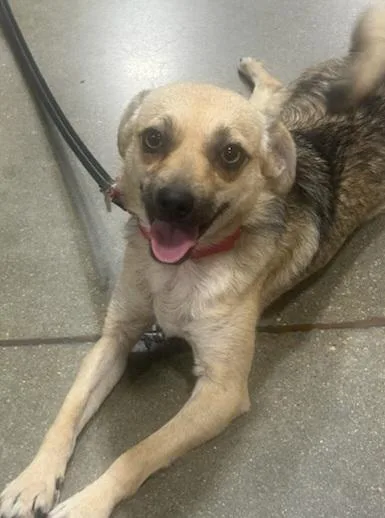
Weight
17–23 lbs
Height
15–18 in
Lifespan
11–16 yrs
Temperament
Gentle, Playful, Spirited
Group
Terrier
Shedding
Low

Owning a Bedlington Terrier in Wichita

Having a Bedlington Terrier in Wichita

Bedlington Terriers pair a soft, unusual look with a fast, athletic body and real terrier courage. How those sides come together in temperament, exercise, coat care and health shapes daily life, and helps adopters judge whether a Bedlington suits their home.

Temperament

Bedlingtons tend to be affectionate, playful and fairly mellow at home, often enjoying the center of attention. When aroused, they show terrier grit and may stand up to other dogs. Many have a strong chase instinct toward cats and small animals, though some live peacefully with cats they grew up with. Individual history and socialization matter most.

Exercise Needs

Most Bedlingtons need daily walks plus a chance to run hard in a safely fenced area, since their sighthound-like speed makes off-leash recall risky. They enjoy fetch, lure games, agility and swimming. Mental challenges such as trick training and puzzle feeders help keep them content. Energy levels vary, and many settle calmly after a good outing.

Health Considerations

The best-known concern is copper toxicosis, an inherited condition in which copper builds up in the liver; a DNA test and liver monitoring can help. Bedlingtons may also have eye problems such as cataracts and abnormal eyelashes, patellar luxation and kidney disease. Ask about testing history, and follow your veterinarian's advice on diet and checkups.

Living Space

A Bedlington can do well in an apartment or a house when it gets regular exercise, since it is quiet and tidy indoors. A secure, high fence matters more than yard size, because a fast terrier chasing a squirrel can be gone in seconds. Homes with small pets need careful thought and introductions.

What it costs to own a Bedlington Terrier

ExpenseTypical costPer year
Food$20 to $45 per month$240 to $540
Pet insurance$40 to $85 per month$480 to $1,020
Routine vet care$200 to $400 per year$200 to $400
Other*$840 to $2,190 per year$840 to $2,190
Estimated yearly total (after year one)$1,760 to $4,150

Other costs are national averages for Bedlington Terriers; we don't have costs specific to Wichita yet.

* Professional clipping every 6 to 8 weeks, a dental cleaning allowance, flea, tick and heartworm prevention, a dog license, and toys and bedding; license fees vary by city.

Adopt a Bedlington Terrier in Wichita.

Now that you know more, let’s find you a new best friend. These rescues and shelters below have dogs available in and near Wichita.

Frequently Asked Questions

Bedlington Terriers can be good family dogs, especially in homes with older children who play gently. Many are affectionate, playful and calm indoors, and they usually bond closely with their people. Their terrier spirit means they may not tolerate rough handling, and a strong chase drive can complicate life with small pets. Meeting the individual dog is the best test.

Bedlington Terriers are small to medium dogs, standing about 15 to 17.5 inches at the shoulder, with males a bit taller than females. Most weigh between 17 and 23 pounds. Their long legs, arched back and fluffy coat can make them look larger than they are. An adult rescue's current measurements give the clearest picture.

Bedlington Terriers were bred to hunt vermin such as rats, and they were also used to chase rabbits and other small game. Miners in northern England valued them as ratters and pit dogs, while Romani travelers and poachers prized their speed and silence on the hunt. Their keen chase instinct still shows in many Bedlingtons today.

Bedlington Terriers come from the mining town of Bedlington and the surrounding area of Northumberland in northeast England. They were first known as Rothbury or Rodbury terriers, after another local town, and took the Bedlington name around 1825. Some pedigrees reach back to the late 1700s, making it one of the older English terrier breeds.

Bedlington Terriers are not generally aggressive toward people, and many are gentle and mild-mannered at home. As terriers, though, some will stand their ground with other dogs, especially same-sex dogs, if challenged. Their strong prey drive toward small animals is instinct, not aggression. Early socialization and calm, reward-based training help bring out their friendly side.

Bedlington Terriers are often easier to train than many terriers. They tend to be intelligent, people-oriented and responsive to praise and treats. Sensitive by nature, they shut down with harsh corrections, so positive methods work best. Recall can be a challenge when prey is in sight, and some Bedlingtons show typical terrier stubbornness, so consistency matters.

No dog is completely hypoallergenic, but Bedlington Terriers are often a good choice for people with allergies. Their crisp, curly coat sheds very little, so less hair and dander spread around the house. They still produce allergens in skin and saliva, and reactions vary by person. Spending time with a specific Bedlington before adopting is the safest approach.

Yes, Bedlington Terriers are fairly rare in the United States, with relatively few registered each year compared with popular breeds. That means they are less common in shelters too, though breed-specific rescues and general shelters do take them in. Adopters may need patience and broader searches, including Bedlington mixes and terrier rescues, to find one.

Bedlington Terriers usually don't bark excessively compared with many terriers. Most will alert their family to visitors, unusual sounds or animals outside, and some get vocal when bored or excited. Daily exercise, mental activity and training a quiet cue keep barking in check. As with any dog, individual personality and environment play a big role.

There is no reliable timed top speed for Bedlington Terriers, but they are known as one of the fastest terriers. Their Whippet-influenced build, with longer hind legs and a flexible, arched back, lets them gallop at great speed, as the breed standard notes. For owners, the practical lesson is that a fleeing Bedlington is very hard to catch.