Saluki Dogs for Adoption in Indianapolis, IN

Your guide to finding and caring for a Saluki in Indy

Salukis fit Indy best in a quiet home with a tall fence and a routine of long, leashed walks. In Irvington, the Pleasant Run Greenway gives a Saluki miles of steady walking, and a fenced yard in suburban Franklin Township gives a sprinter room to stretch out. They're gentle and calm indoors, but that chase instinct means a leash outside every time. Winters here are cold for a lean, thin-skinned dog, so a good coat matters.

16 Salukis available in Indianapolis and nationwide

Give a Saluki a home

While we don't have enough dogs near Indianapolis, keep in mind that many rescues may offer transport.

Salukis Available for Adoption Near Indianapolis

About the Saluki breed

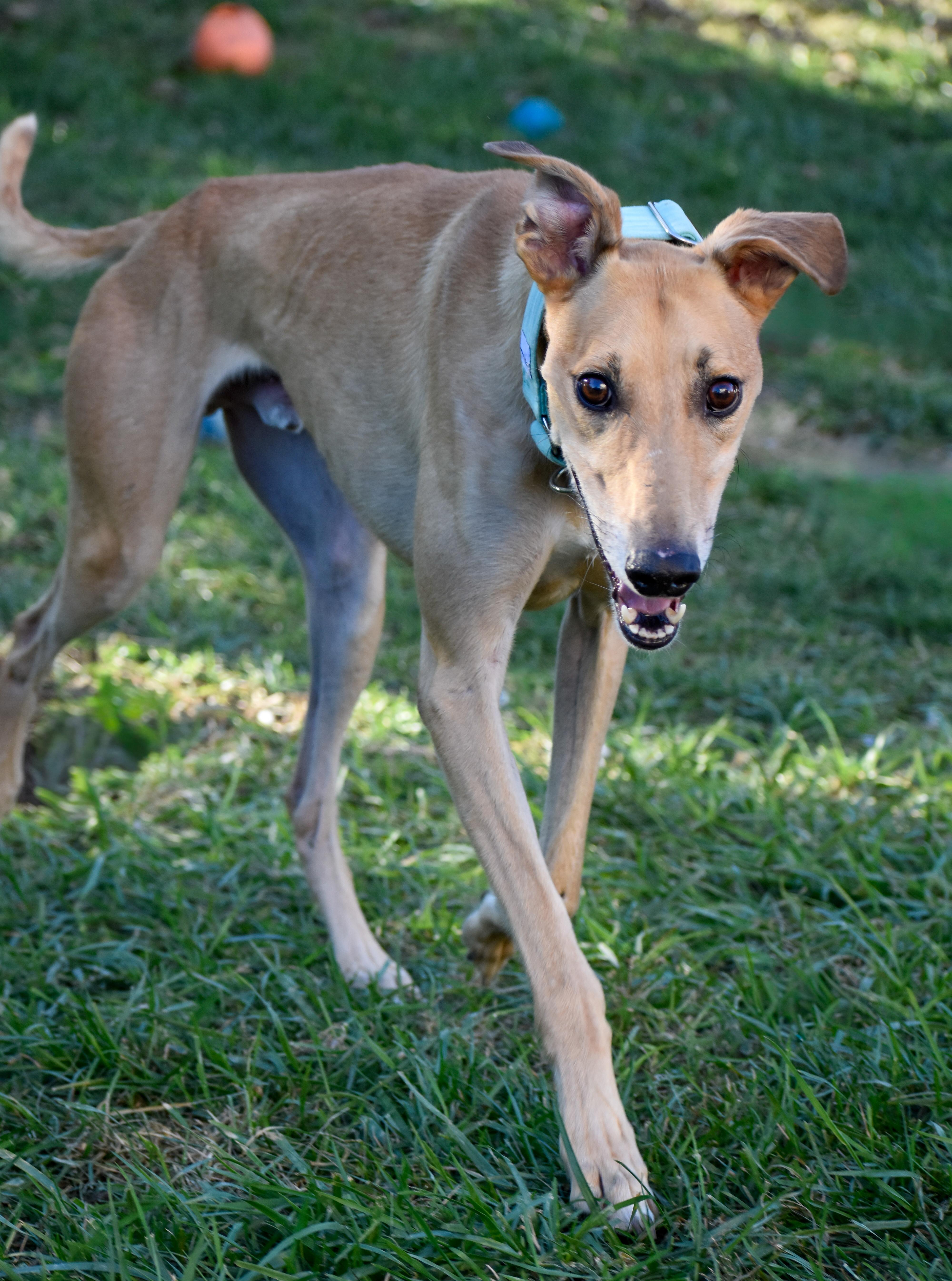
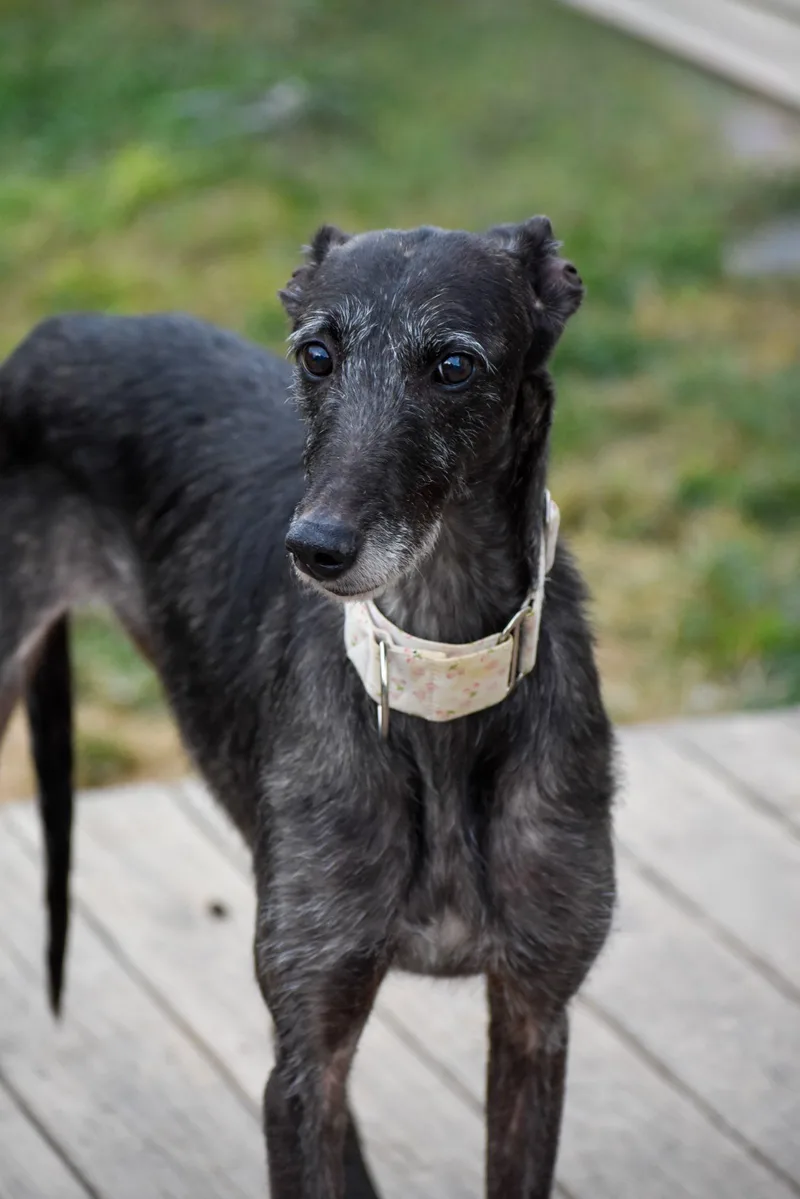
The Saluki is a sighthound from the Middle East, kept by nomadic peoples to course gazelle and hare across open ground, and its build says as much: deep chest, long legs, narrow head and a low-set curved tail. Coats come feathered, with silky fringes on the ears and tail, or smooth, in colors from cream and red to black and tan. Adults usually weigh 35 to 65 pounds and stand 23 to 28 inches tall.

Many Salukis are quiet, gentle and a little reserved with strangers, and most are loyal to their own people on their own terms. Daily life means a soft bed for bony joints and a plan for the harder parts: a strong prey drive and a body with very little padding. Dogs vary, and a rescued Saluki may need patience while it settles in.


Weight
35–65 lbs
Height
23–28 in
Lifespan
12–15 yrs
Temperament
Gentle, Independent, Dignified, Athletic
Group
Hound
Shedding
Low

Owning a Saluki in Indianapolis

Having a Saluki in Indy

Salukis are defined by speed, sensitivity and a strong chase instinct. In Indianapolis, the main questions are where a Saluki can run safely, how it handles cold winters, and whether your home offers the quiet routine most of these dogs prefer.

Temperament

Many Salukis are calm, quiet and dignified indoors, close with their family and reserved with visitors. They can be sensitive to loud, chaotic households, and some stay shy until they've had gentle socialization. Prey drive is strong, so cats and small pets may not be safe, though each dog differs. Busy Indy sidewalks call for a secure leash.

Exercise Needs

Plan on a long daily walk plus a chance to sprint in a securely fenced space. Indy's four bark parks are fenced and a good outlet, but a Saluki shouldn't run off leash anywhere else, because recall usually fails once it spots movement. Sniffing walks and gentle training add mental exercise.

Health Considerations

Breed clubs point to heart disease, cancers such as hemangiosarcoma, and hypothyroidism, and note that healthy Salukis often have lower thyroid values. Low body fat means anesthesia needs care, and thin skin tears easily. Choose a veterinarian familiar with sighthounds, and keep rabies vaccination current, as Indiana requires from three months of age.

Living Space

A Saluki can do well in an Indianapolis house or a calm apartment if it gets daily exercise and a safe place to run. A tall, gap-free fence matters, since many can clear or squeeze past barriers when chasing. Provide padded bedding for bony joints, a coat for cold days and a quiet routine.

What it costs to own a Saluki in Indianapolis

ExpenseTypical costPer year
Food$55 to $110 per month$660 to $1,320
Pet insurance$55 to $110 per month$660 to $1,320
Routine vet care$250 to $500 per year$250 to $500
Other*$525 to $1,550 per year$525 to $1,550
Estimated yearly total (after year one)$2,095 to $4,690

Other costs are estimates and vary with size, age and health.

* Flea, tick and heartworm prevention, a dental cleaning allowance, toys and supplies, minimal home grooming, and a winter coat and padded bedding; Indianapolis has no dog license fee.

Adopt a Saluki in Indianapolis.

Now that you know more, let’s find you a new best friend. These rescues and shelters below have dogs available in and near Indianapolis.

Frequently Asked Questions

Yes. Indianapolis has no breed restrictions, and its dangerous-dog rules look at behavior, not breed. A dog that gets loose is considered at large, with fines of at least $100 for repeat violations, so a tall fence and a secure leash matter for a breed that chases. Indiana also holds owners liable when an unprovoked dog bites someone doing a legal duty.

Start with a bark park for off-leash sprinting: Indy Parks runs four, at Broad Ripple, Eagle Creek, Paul Ruster and Smock. Entry takes a paid pass or $5 daily fee plus proof of rabies, distemper, parvo and bordetella vaccines. For leashed walks, the Monon Trail and Fall Creek Greenway offer long, steady miles.

Yes, with a coat and planning. Indy has about 105 freezing nights a year, January lows average near 21°F, and cold snaps like January 2014 dropped to −15°F. A lean Saluki loses heat quickly, so keep it indoors on those days with a fitted coat and short outings for bathroom breaks only.

Most can't. IndyGo allows service animals and other pets only in a carrying case, and a Saluki, typically 35 to 65 pounds and 23 to 28 inches tall, is too big for a lap carrier. IndyGo runs buses and the Red and Purple Line rapid transit, with no subway, so plan on car trips for vet visits.

Very little. A Saluki's silky, single coat sheds lightly, so weekly brushing is usually enough, and feathered dogs need a bit more comb work on the ears and tail. In Indy the extra work is seasonal: wiping off salt and ice in winter and rinsing mud in wet spring. Home care fits the minimal grooming budget in Other costs.

Don't count on it. Indiana's food code has long barred animals other than service animals from restaurant premises, and patio access depends on each restaurant's own policy, so don't assume a patio will welcome your Saluki. Many Salukis are reserved in crowds anyway, so a quiet leashed walk on a greenway often suits them better.

A Saluki is a tall, slender sighthound from the Middle East, bred to chase gazelle and hare by sight across open country. It has long legs, a narrow head, a deep chest and either silky feathering or a smooth coat. Many are gentle, quiet and independent at home, with an intense chase instinct outdoors.

A Saluki can run roughly 40 miles per hour at full speed, and the 1996 Guinness Book of Records listed one at about 42.8 mph. Greyhounds may be quicker over a short sprint, but Salukis are known for holding high speed over longer distances. That speed is why secure fencing and leashes matter so much for this breed.

Salukis come from the Middle East and the Fertile Crescent, a region stretching from the eastern Mediterranean through Mesopotamia. Nomadic tribes across Arabia, Persia and North Africa kept them for hunting. The breed reached Britain in the nineteenth century and was recognized there in 1923 and by the American Kennel Club in 1929.

Budget roughly $2,100 to $4,700 a year for a Saluki in Indy. That covers food at $55 to $110 a month, insurance at $55 to $110 a month, routine vet care at $250 to $500 a year, and other costs at $525 to $1,550 a year. Emergency care isn't included.