Basenji Dogs for Adoption in Indianapolis, IN

Your guide to finding and caring for a Basenji in Indy

A Basenji suits an Indy apartment better than most dogs, because it doesn't bark. A neighbor in a Mapleton-Fall Creek duplex is more likely to hear a yodel than a yap. What a Basenji does need is a brisk daily walk on a leash, since that chase instinct sends it after squirrels along the Fall Creek Greenway. Winter matters too, because most Basenjis dislike cold and wet and want a coat for January walks.

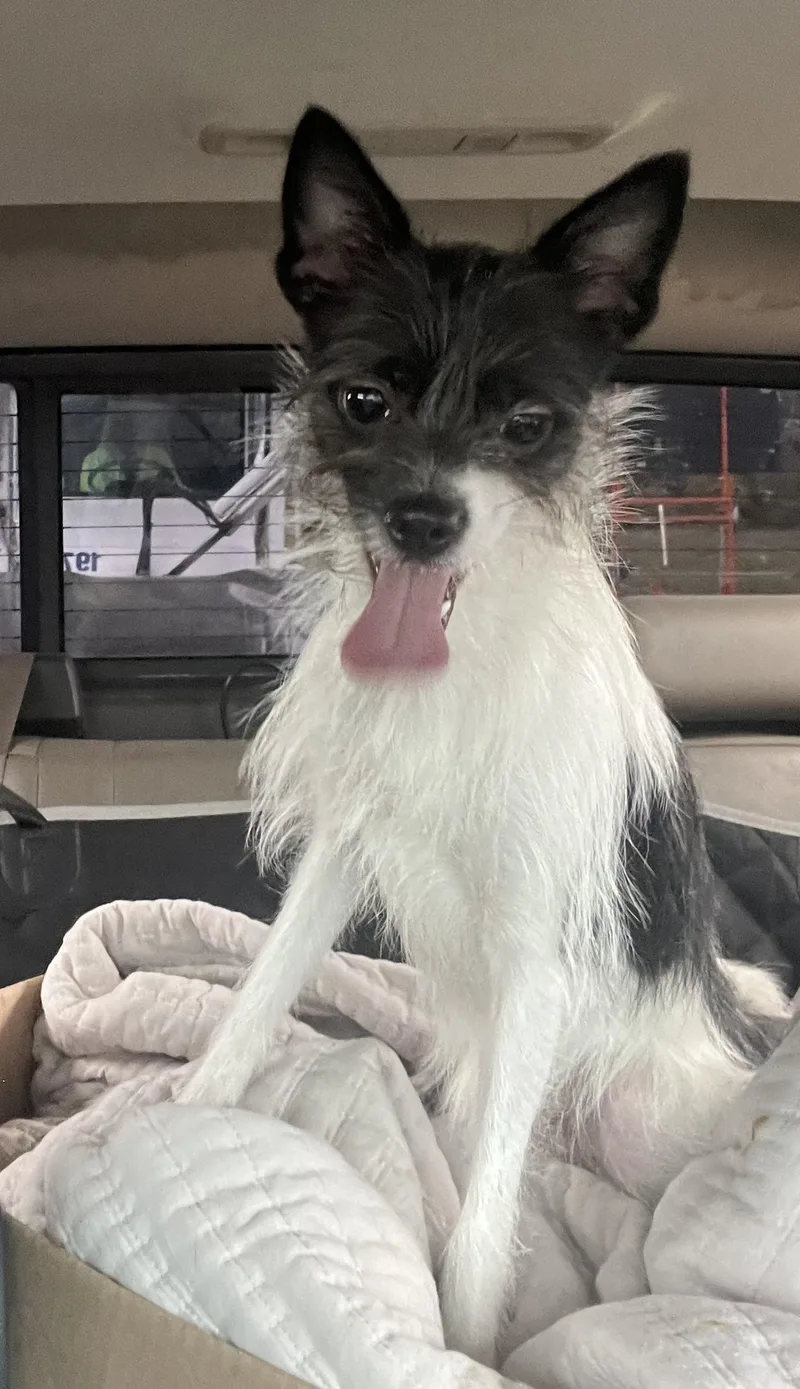
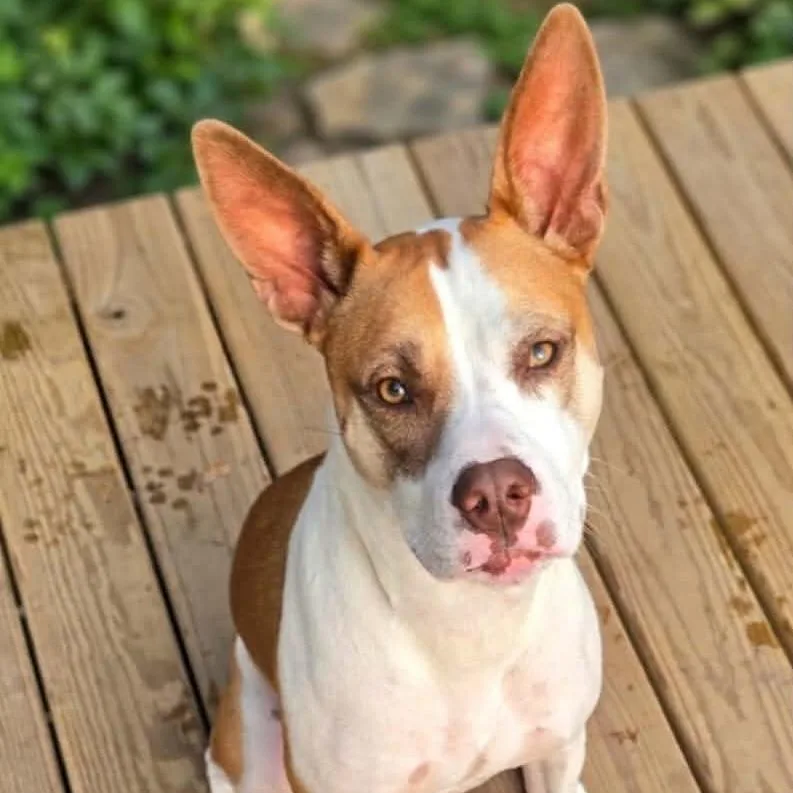
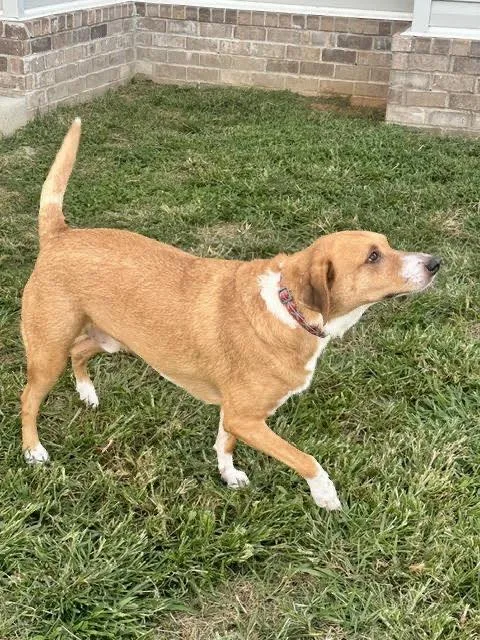
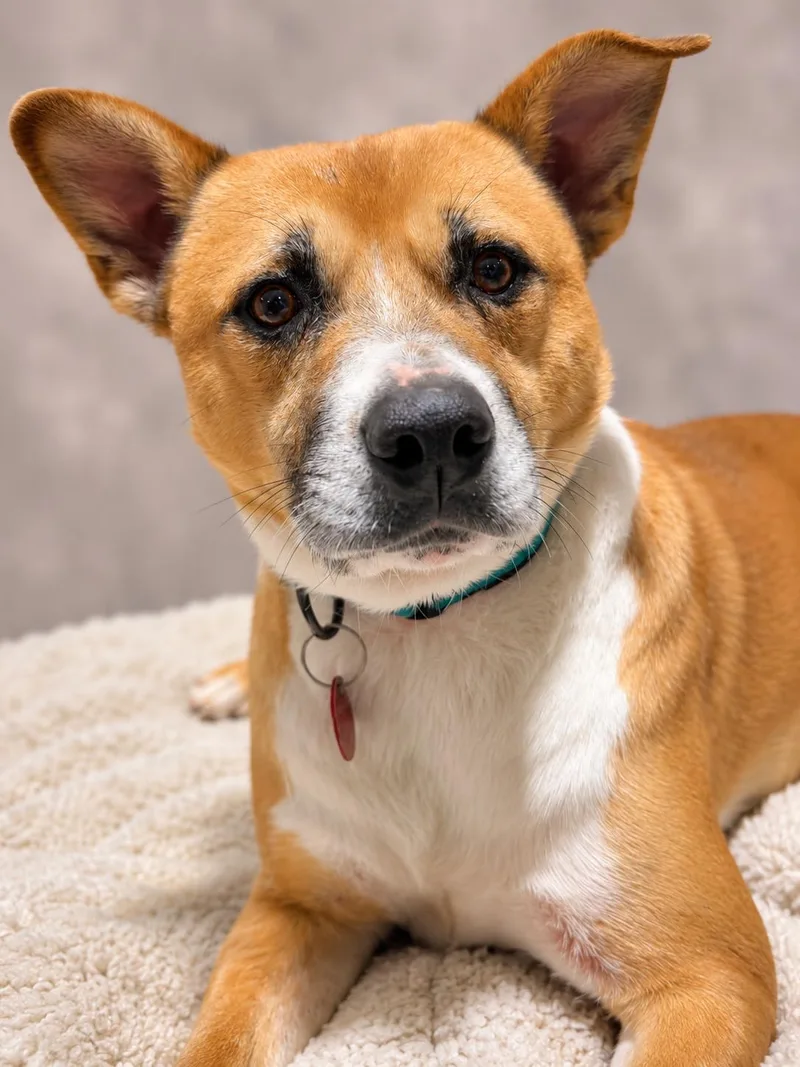
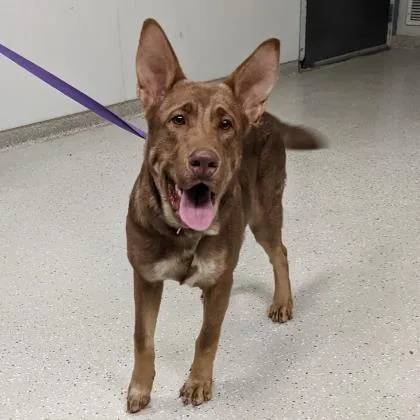
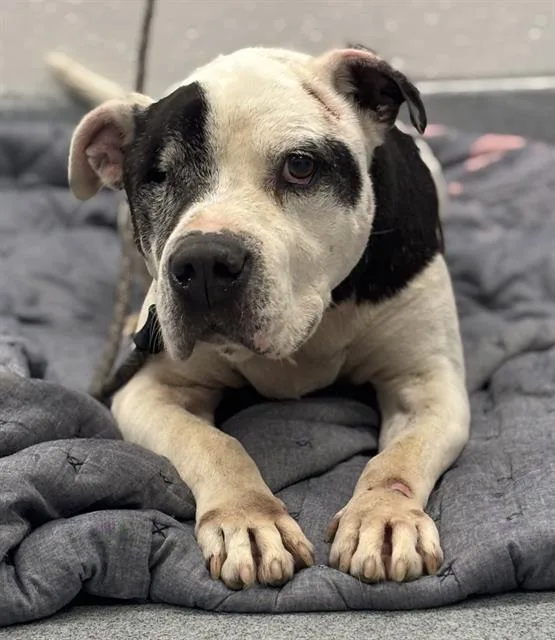
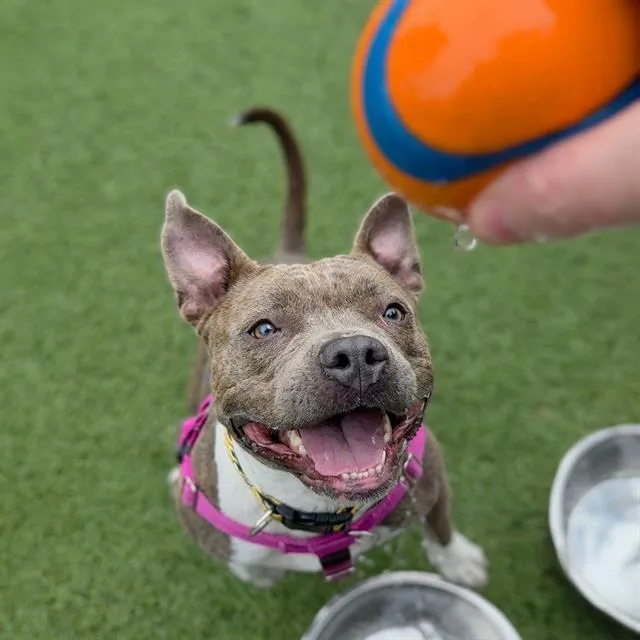
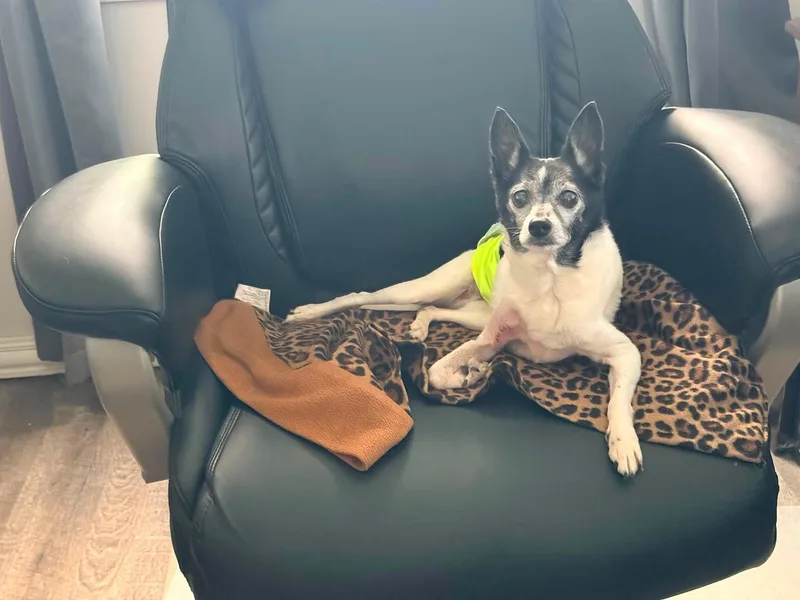
155 Basenjis available in Indianapolis and nationwide

Fall for a Basenji

While we don't have enough dogs near Indianapolis, keep in mind that many rescues may offer transport.

Basenjis Available for Adoption Near Indianapolis

About the Basenji breed

The Basenji is a small hunting hound from Central Africa, where village hunters used it to find small game and drive it into nets. It's lightly built, usually 20 to 26 pounds, with a short, fine coat, a wrinkled forehead and a tightly curled tail. Instead of barking, it yodels and makes a sound called a baroo. Basenjis groom themselves much like cats, shed little and have very little odor.

In personality, Basenjis are often affectionate with their families, reserved with strangers and independent enough to ignore a command that seems pointless. They're clever, they chew, and they're skilled escape artists, so adopters with a yard should check the fence for gaps and climbable spots. Dogs vary, so a Basenji's own habits matter as much as the breed description.

Weight
20–26 lbs
Height
15–18 in
Lifespan
12–15 yrs
Temperament
Independent, Intelligent, Alert, Affectionate
Group
Hound
Shedding
Low

Owning a Basenji in Indianapolis

Having a Basenji in Indy

Basenjis are quiet but not low-key. Their chase drive, escape skills and dislike of cold and rain shape everyday life in Indy more than their size does. Here's how temperament, exercise, health and living space play out for a small hound in a four-season city.

Temperament

Basenjis are usually affectionate with their families and aloof with strangers. They think for themselves, so training takes patience and good treats rather than repetition. Prey drive means small pets such as hamsters or rabbits can be at risk, and cats need careful introductions. On busy Indy sidewalks, a secure harness and a calm approach work best.

Exercise Needs

Plan on a vigorous daily outing, such as a brisk leashed walk along the Central Canal Towpath from Broad Ripple. A fenced bark park lets a Basenji sprint safely, while off-leash time anywhere else is risky because of the chase instinct. Puzzle toys, scent games and short training sessions fill rainy winter days.

Health Considerations

Basenjis can inherit Fanconi syndrome, progressive retinal atrophy, pyruvate kinase deficiency and hypothyroidism. Some of these are silent early on, so ask a veterinarian about DNA testing and periodic urine screening soon after adoption. Indiana requires rabies vaccination from three months of age, and Indianapolis requires permanent ID, so confirm a microchip at that first visit.

Living Space

A Basenji can do well in an Indy apartment or a house, since it rarely barks and stays tidy. Security matters more than square footage: secure doors, a tall fence with no gaps, and no climbable furniture or woodpiles near it. Many dislike cold and rain, so a warm indoor spot and a coat are worth planning for.

What it costs to own a Basenji in Indianapolis

ExpenseTypical costPer year
Food$20 to $45 per month$240 to $540
Pet insurance$40 to $85 per month$480 to $1,020
Routine vet care$200 to $400 per year$200 to $400
Other*$375 to $1,050 per year$375 to $1,050
Estimated yearly total (after year one)$1,295 to $3,010

Other costs are estimates and vary with size, age and health.

* Flea, tick and heartworm prevention, a dental cleaning allowance, durable chew toys and bedding, and minimal grooming for a short, self-cleaning coat.

Adopt a Basenji in Indianapolis.

Now that you know more, let’s find you a new best friend. These rescues and shelters below have dogs available in and near Indianapolis.

Frequently Asked Questions

Yes, you can get a Basenji in Indianapolis, which has no breed bans or breed-specific rules. Dangerous-dog rules there depend on a dog's behavior instead. You'll need rabies vaccination from three months of age under state rules and permanent ID such as a microchip. Dogs must be leashed or securely confined, which suits a Basenji's chase instinct, and tethering is restricted overnight.

With some help, yes. Indy has about 29 days a year when the temperature never climbs above freezing, mostly from December through February, and a Basenji's short, fine coat gives little protection. Plan on a coat, paw wipes after salted sidewalks, short bathroom trips on the coldest days and a warm indoor bed. Many Basenjis also dislike rain and wet snow, so expect some coaxing.

Leashed and fenced options work best. Eagle Creek Park has about 30 miles of trails, but dogs must be leashed outside its bark park, and there's a gate fee. The Monon Trail and Cultural Trail offer paved walks. Use a secure harness, since a Basenji can bolt after squirrels, and stay close because coyotes live in urban Indy and can threaten small dogs.

Only in a carrier, unless the dog is a service animal. IndyGo, which runs buses plus the Red and Purple Line rapid-transit routes, allows service animals and other pets in a carrying case. A Basenji weighs roughly 20 to 26 pounds, which is a lot for a lap carrier, so practice at home with a closed, well-ventilated one first. Check current fares before you ride.

Sometimes, but don't assume. Indiana's food code generally keeps animals other than service animals out of food establishments, so patio access depends on each restaurant's own policy. Look for a posted dog-friendly welcome before you go. A Basenji is often reserved with strangers, so a quiet corner, a short leash and a chew toy make the outing easier.

Very little. A Basenji's short, fine coat sheds lightly and the dog cleans itself much like a cat, so a weekly rubdown with a soft brush, regular nail trims and occasional baths are usually enough. In Indy, wipe paws after salted winter sidewalks and towel off after wet spring walks. Professional grooming is optional, so it adds little to the yearly Other costs.

It can be, if you're home often and ready for a secure routine. Indy's mix of apartment neighborhoods and fenced yards suits a quiet dog, and its greenways give a leashed outlet for exercise. But cold winters and a strong chase instinct call for a coat, a harness and patience. Basenjis may not suit homes with small pets or owners wanting an eager-to-please dog.

A Basenji is a small, ancient hunting dog from Central Africa, famous for not barking. It belongs to the AKC Hound Group and was recognized in 1943. Basenjis are lean and elegant, with a wrinkled forehead, upright ears and a tightly curled tail. They tend to be clever, independent, clean and energetic, with a strong instinct to chase.

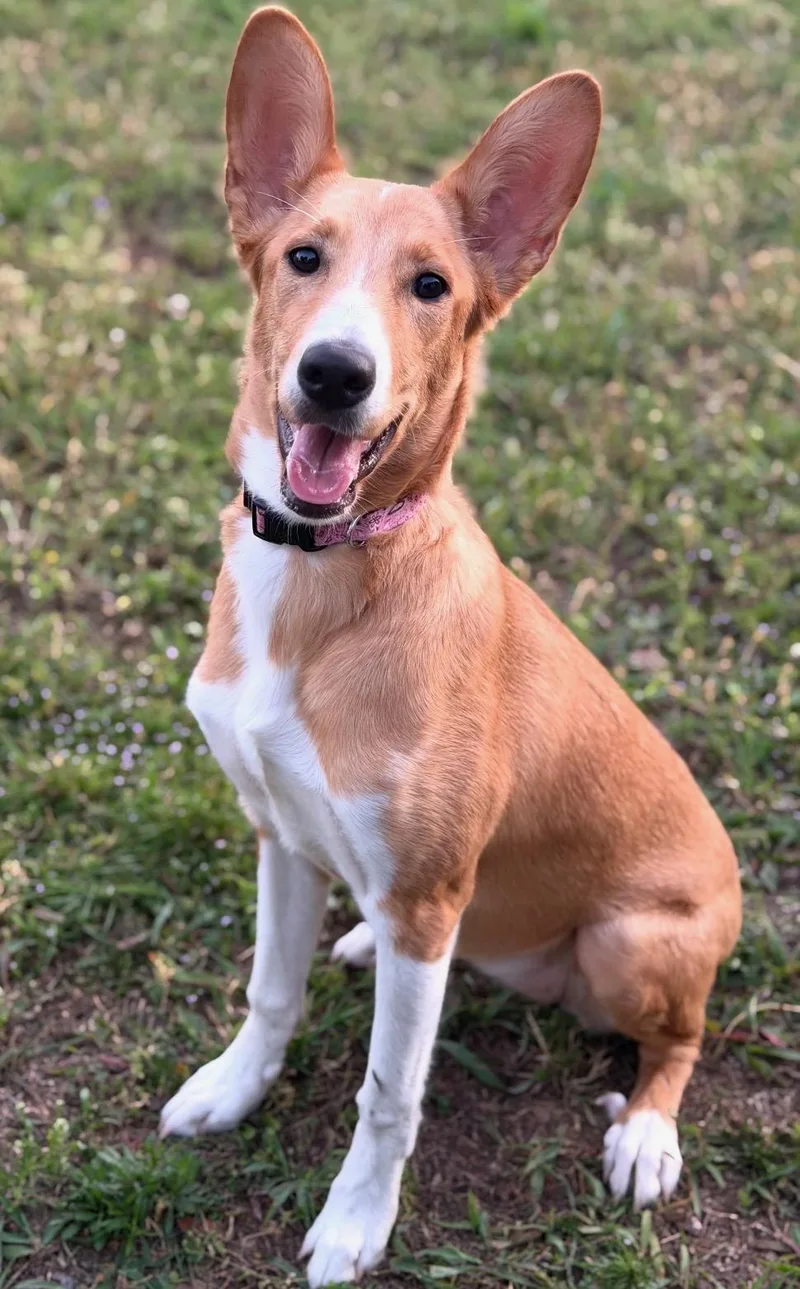
A Basenji looks like a small, athletic dog with a short, fine coat, upright pointed ears, a wrinkled forehead and a tail curled tightly over its back. Common colors are chestnut red, black, tricolor and brindle, always with white feet, chest and tail tip. It moves with a quick, springy trot often compared to a trotting racehorse.

Expect roughly $1,300 to $3,000 a year for a Basenji in Indy. Food runs $20 to $45 a month and insurance $40 to $85 a month, while routine vet care is $200 to $400 a year. Other yearly costs, such as parasite prevention and dental care, add $375 to $1,050. Indianapolis has no dog license fee.

Find Basenjis in Nearby Cities

Expand your search to find Basenjis available for adoption near Indianapolis.