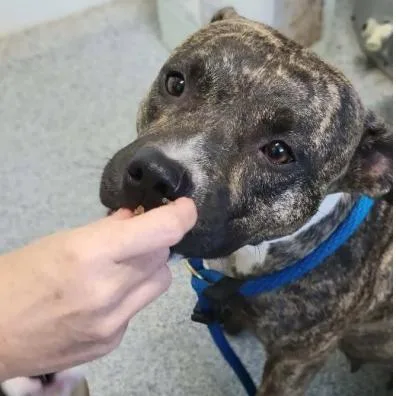
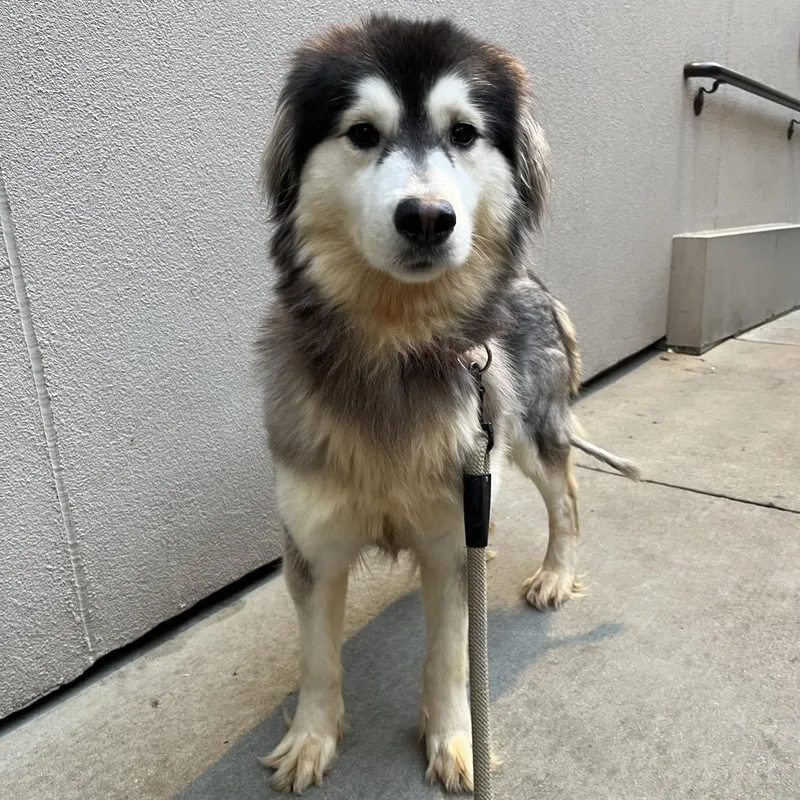
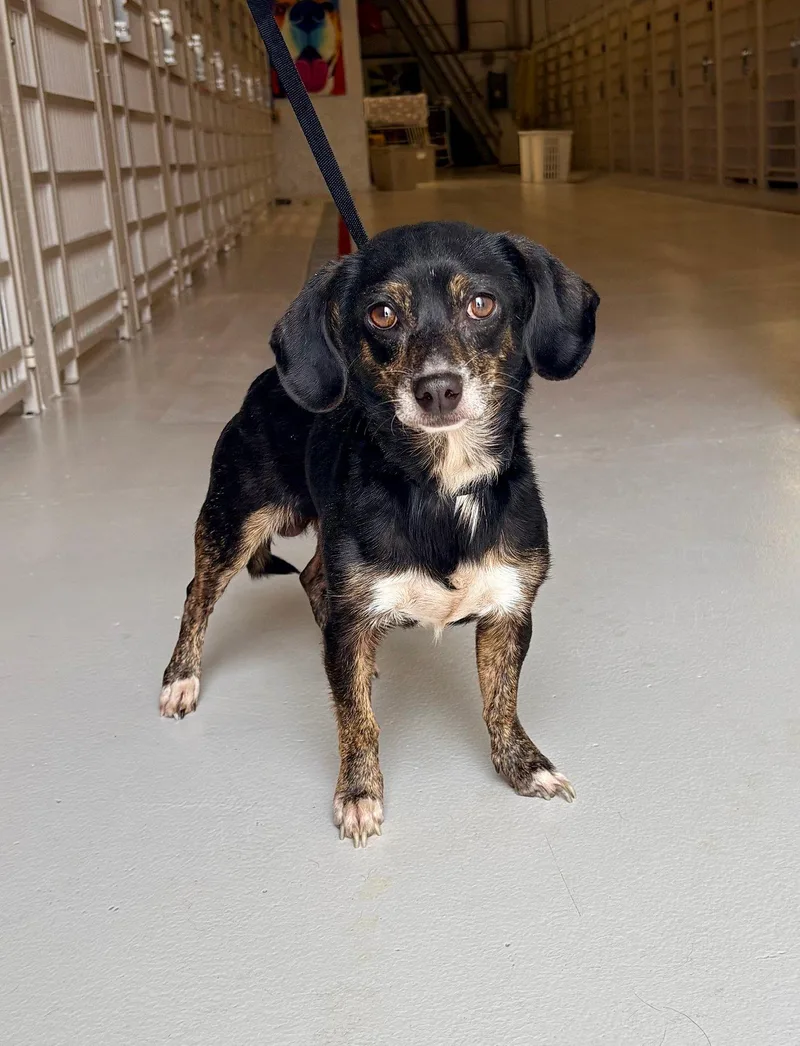
Saluki Dogs for Adoption in Chicago, IL

Your guide to finding and caring for a Saluki in Chicago

Salukis can do well in Chicago if they get a safe place to sprint. A quiet, lean Saluki is happy dozing in a Lincoln Square apartment, but it needs real running room, and most of the city requires a leash. The 3.83-acre Montrose Dog Beach in Uptown is fenced and roomy by city standards, which matters for a sighthound that will bolt after a squirrel across Welles Park and ignore every call. If you're thinking of adopting one here, plan your week around a few trips to fenced ground.

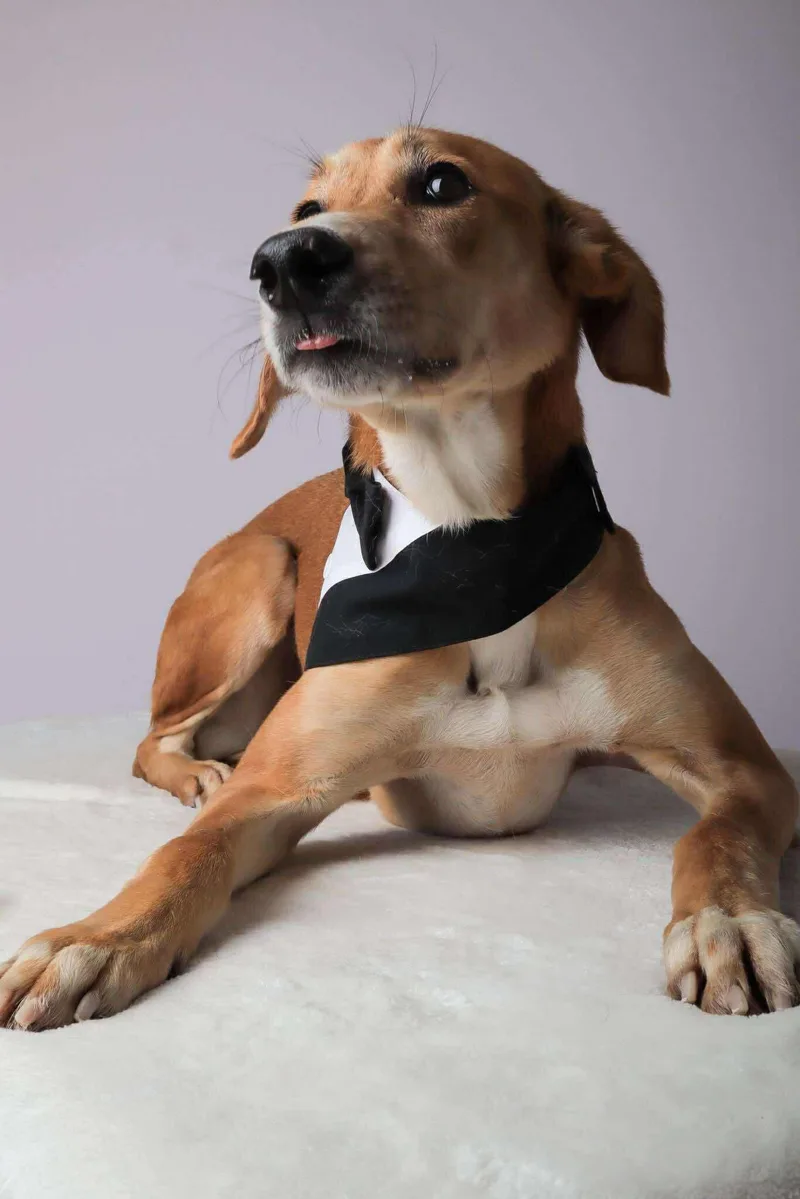
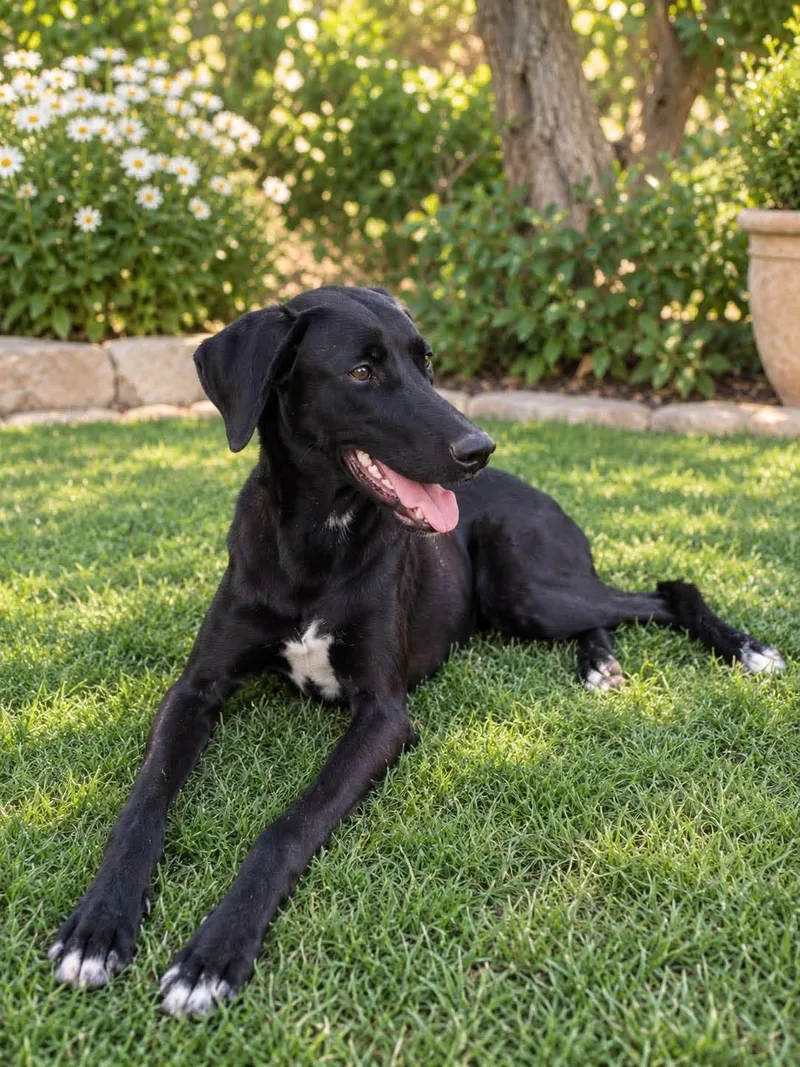
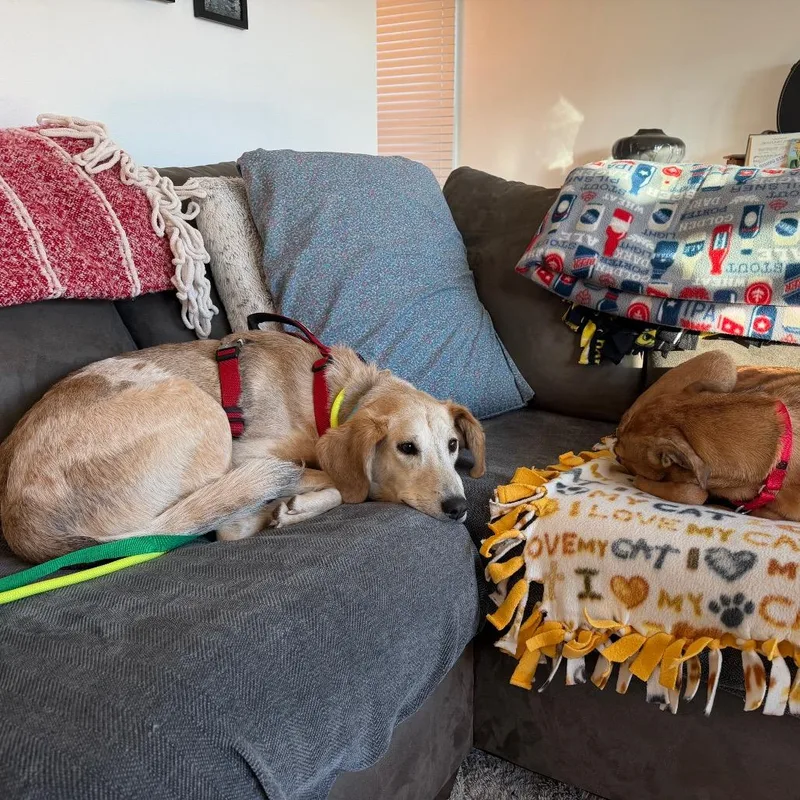
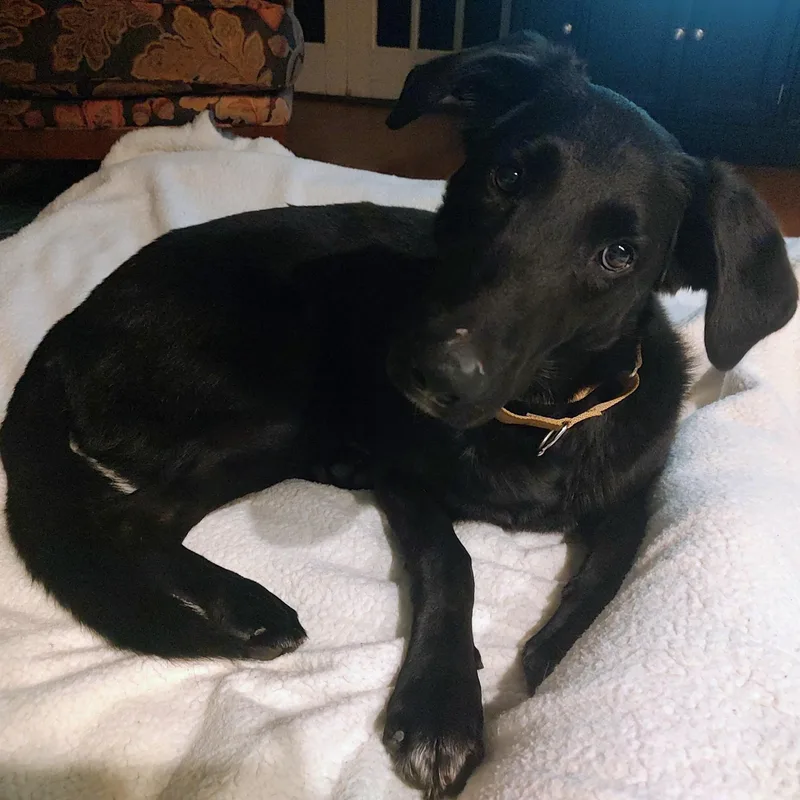
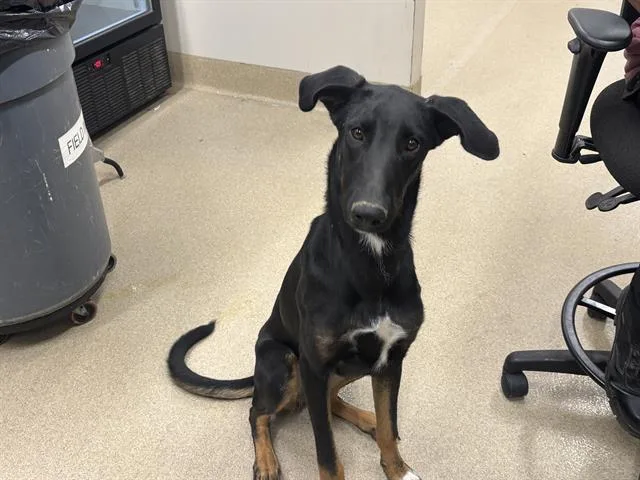
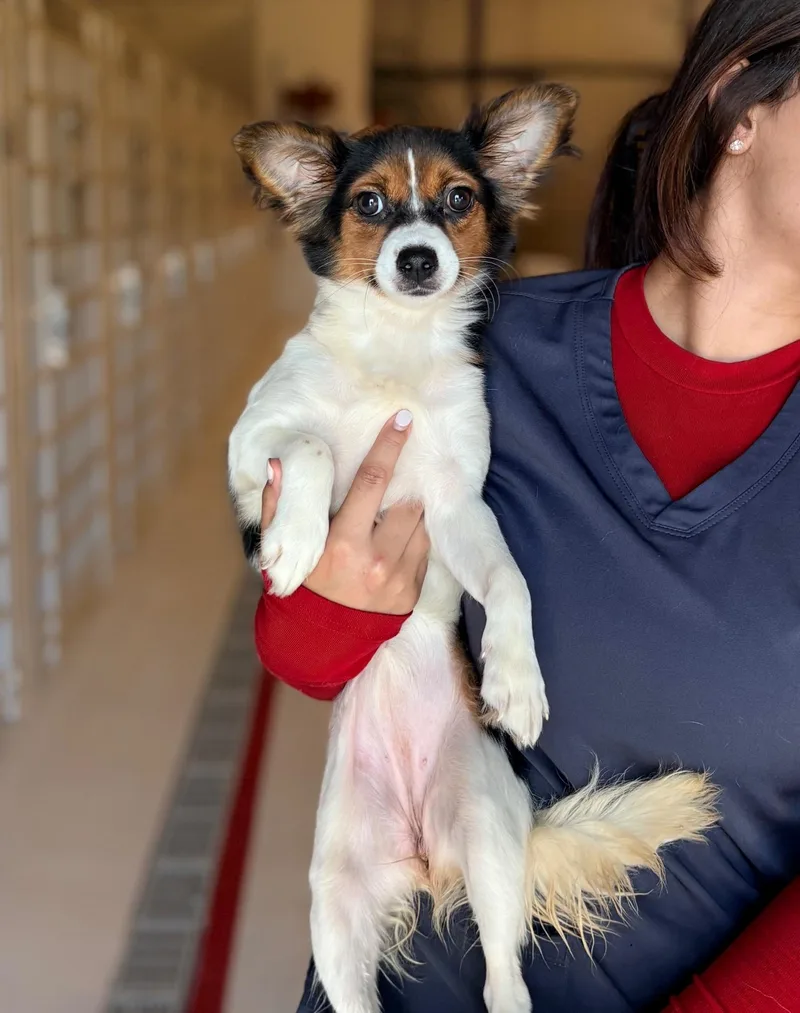
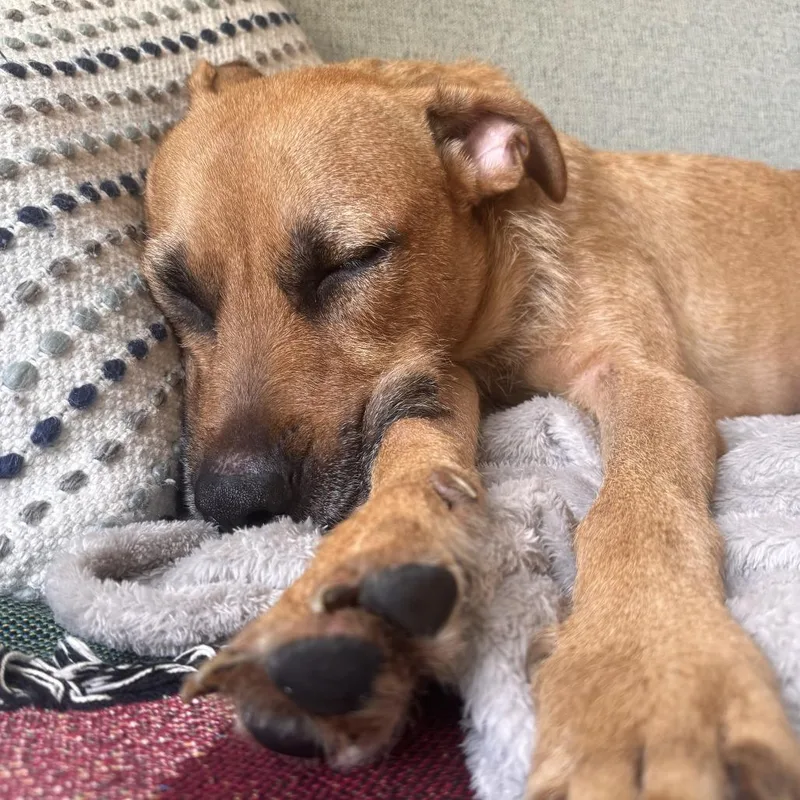
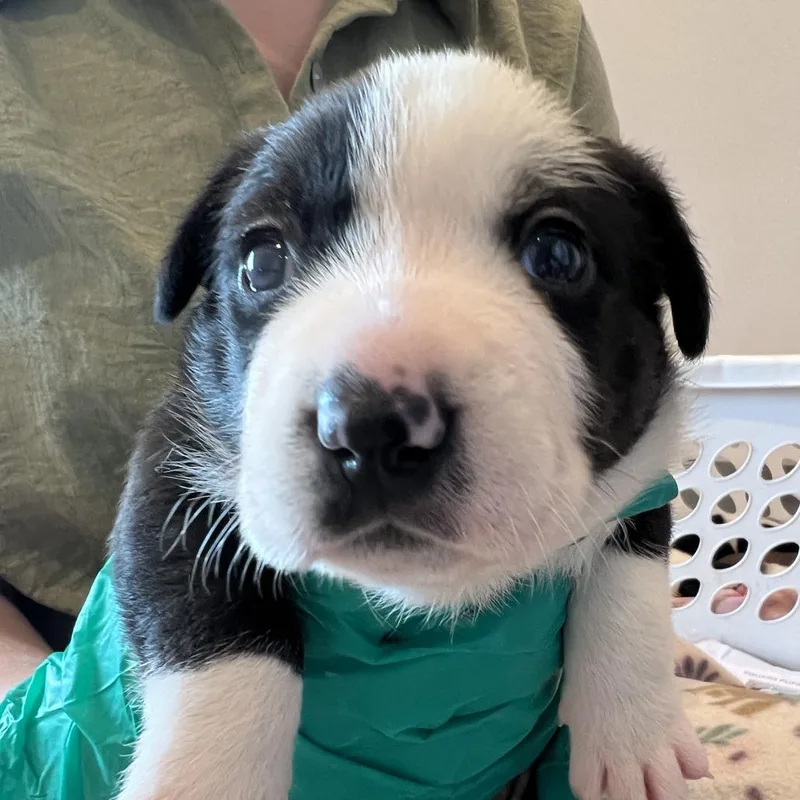
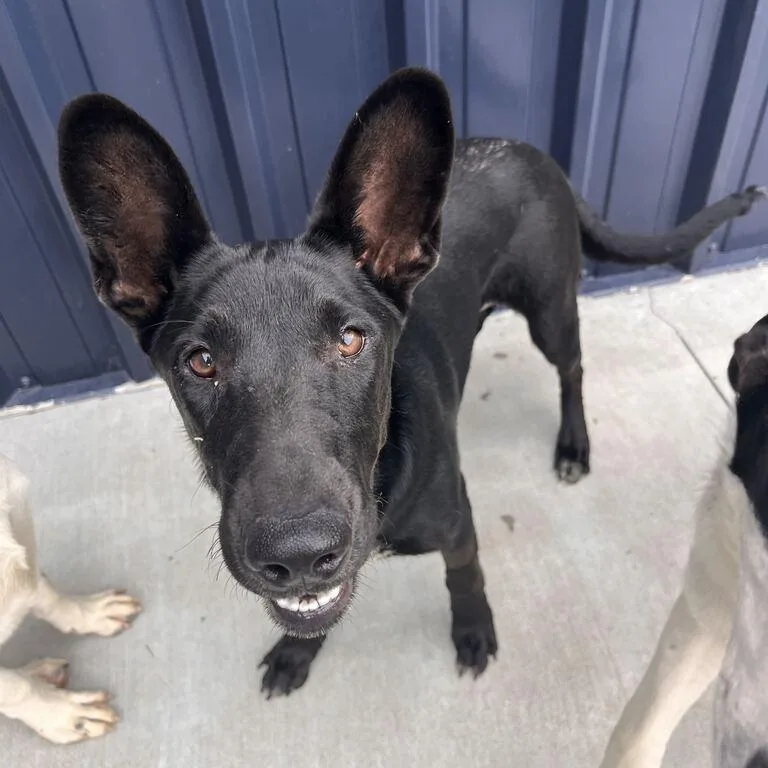
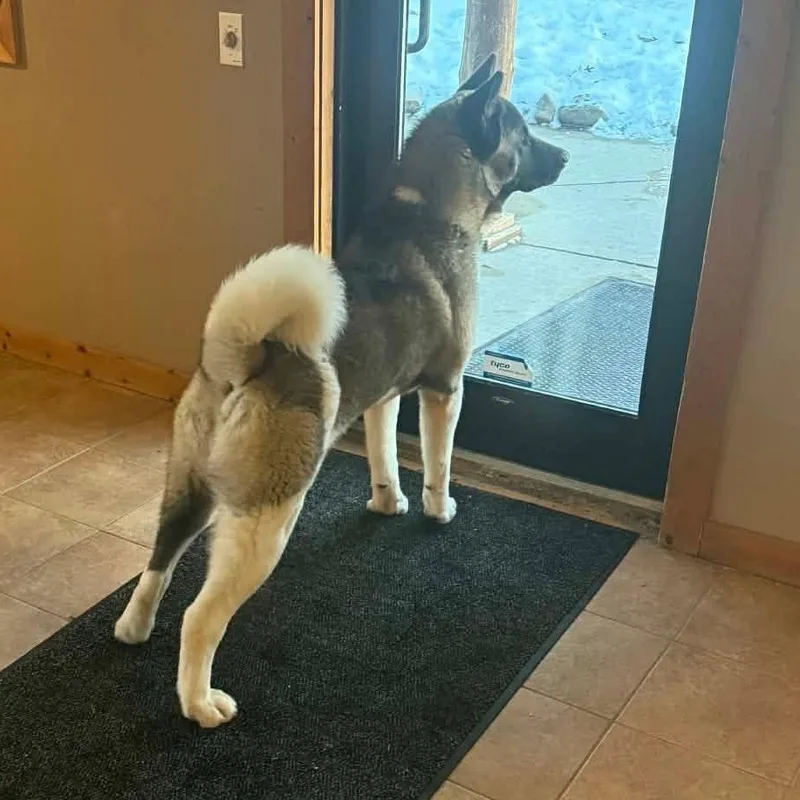
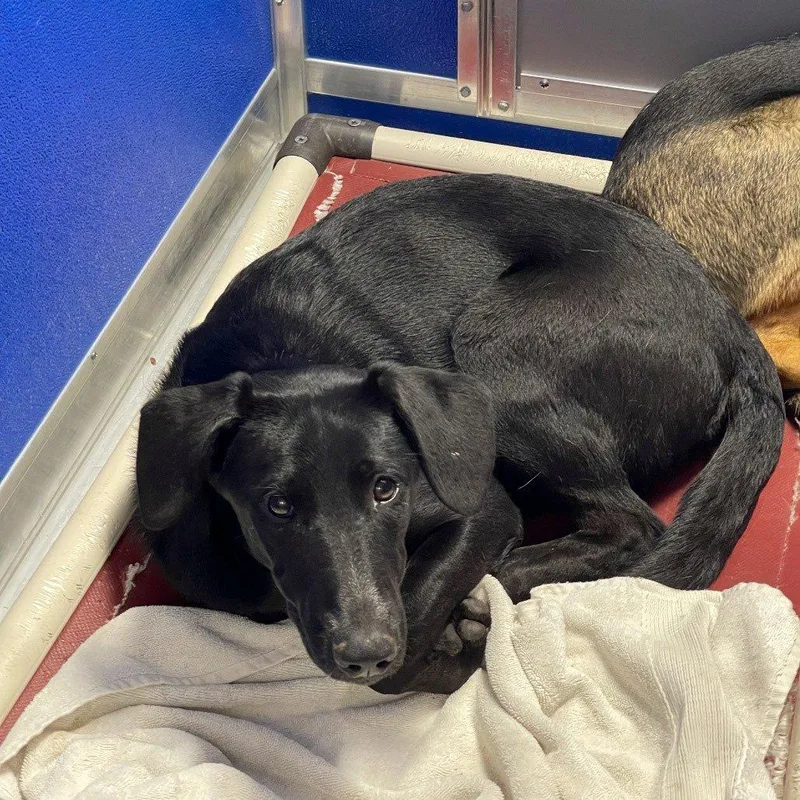
16 Salukis available in Chicago and nationwide

Give a Saluki a home

While we don't have enough dogs near Chicago, keep in mind that many rescues may offer transport.

Salukis Available for Adoption Near Chicago

About the Saluki breed

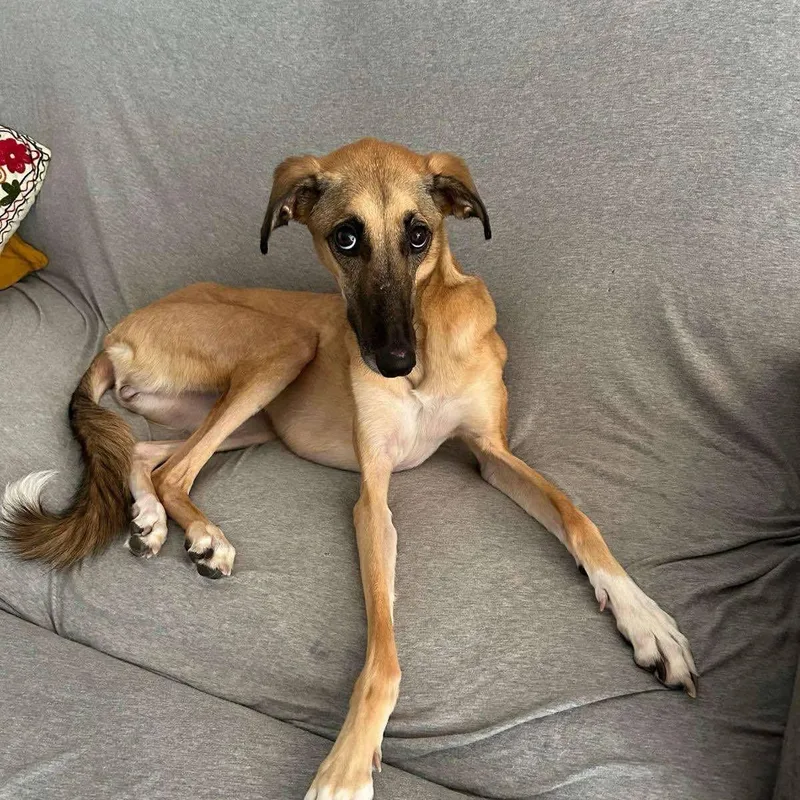
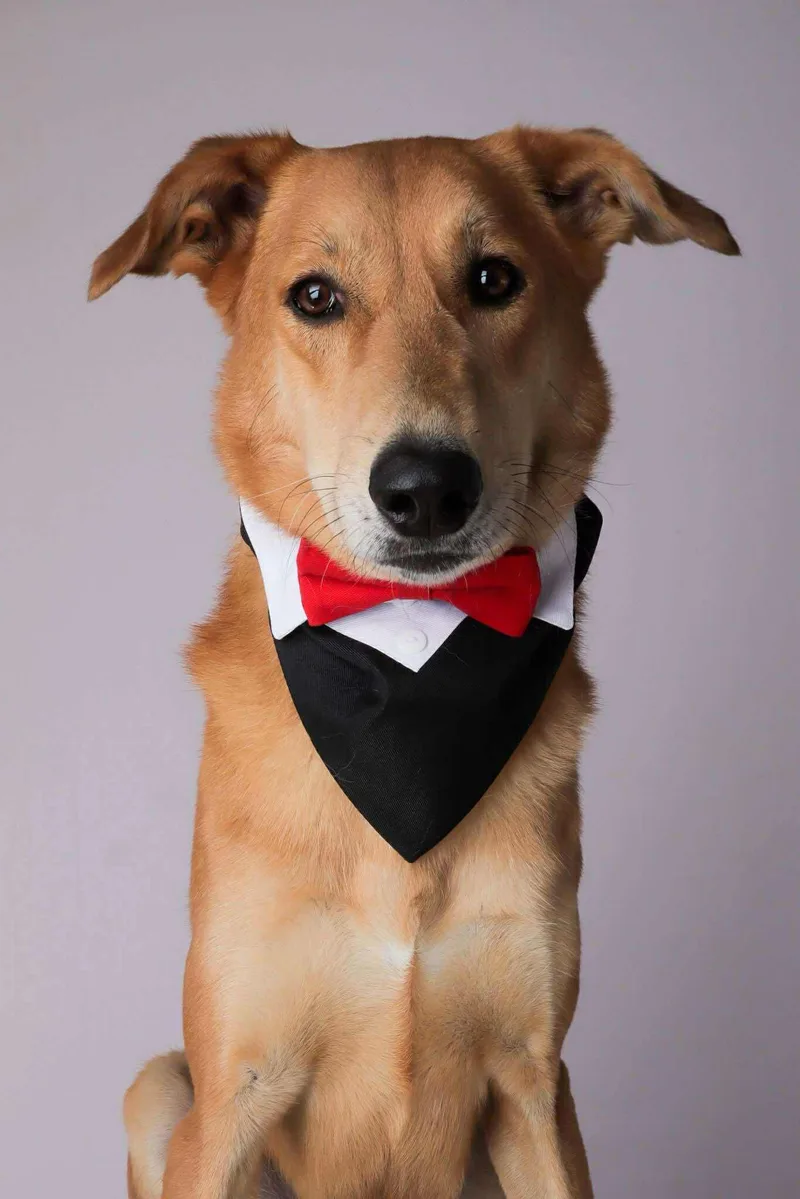
The Saluki is an ancient sighthound from the Middle East and the Fertile Crescent, kept by nomadic peoples to course gazelle and hare across open country. It's tall and narrow, with a deep chest, long legs and a long, curved tail. Coats are either feathered, with silky fringes on the ears and tail, or smooth, in colors from cream and red to black and tan. Shedding is low.

At home, many Salukis are gentle, quiet and a little dignified, affectionate with their own people and reserved with visitors. Their prey drive is strong, so cats and small pets may be at risk, and recall is unreliable outdoors. Thin skin and little body fat mean they want soft bedding. Dogs vary, so a patient adopter and a calm routine matter more than the label.

Weight
35–65 lbs
Height
23–28 in
Lifespan
12–15 yrs
Temperament
Gentle, Independent, Dignified, Athletic
Group
Hound
Shedding
Low

Owning a Saluki in Chicago

Having a Saluki in Chicago

A Saluki is built around sight and speed: it spots movement from far off and wants to chase it. In Chicago, that chase instinct, a low-fat body and cold winters shape daily routines more than size does.

Temperament

Many Salukis are quiet, sensitive and loyal, bonding closely with one or two people and staying aloof with visitors. That reserve suits a calm Chicago apartment, though busy sidewalks and loud 'L' platforms can unsettle a shy dog. Prey drive can make squirrels and small pets a problem, so a secure leash matters. Slow introductions help.

Exercise Needs

Plan on a long daily walk plus regular sprints on fenced ground. In Chicago, off-leash running is legal only inside Park District dog areas, so most outings will be leashed. Most Salukis can't be recalled once they spot prey, so keep the leash on along the Lakefront Trail and in any unfenced park.

Health Considerations

Breed clubs flag heart disease, cancers such as hemangiosarcoma, and hypothyroidism, and note that healthy Salukis often have low thyroid values. Low body fat makes anesthesia a special concern, and thin skin tears easily. A vet familiar with sighthounds can check the heart and thyroid and explain the signs of bloat in a deep-chested dog.

Living Space

Chicago's apartments, two-flats and bungalows can all work for a Saluki if daily exercise is covered. A quiet building with a short walk to a fenced run helps most. Padded bedding is a must for bony joints, and a warm coat for winter. In a yard, a tall, secure fence matters, since many Salukis jump or squeeze through gaps.

What it costs to own a Saluki in Chicago

ExpenseTypical costPer year
Food$55 to $110 per month$660 to $1,320
Pet insurance$55 to $110 per month$660 to $1,320
Routine vet care$250 to $500 per year$250 to $500
Other*$540 to $1,590 per year$540 to $1,590
Estimated yearly total (after year one)$2,110 to $4,730

Other costs are estimates and vary with size, age and health.

* The Chicago dog license and Cook County rabies tag, a yearly dental cleaning, flea, tick and heartworm prevention, supplies, minimal grooming, and a winter coat and padded bedding.

Adopt a Saluki in Chicago.

Now that you know more, let’s find you a new best friend. These rescues and shelters below have dogs available in and near Chicago.

Frequently Asked Questions

A Saluki can be a good fit for Chicago if you can offer daily walks, a fenced place to sprint a few times a week and a calm home. It's less suited to people who want an off-leash companion on city streets or who are away for long stretches, since many Salukis bond closely and struggle alone. Dogs vary, so judge each one's temperament.

Yes, with a coat and some planning. Chicago has roughly 106 to 121 freezing nights a year and about 40 days when the high never gets above freezing, and a Saluki's thin coat and low body fat make it feel the cold quickly. Use a fitted coat, shorten walks on the coldest days, wipe salt from paws and provide a warm, padded bed.

Park District dog areas are the only legal off-leash spots, and Montrose Dog Beach in Uptown is a fenced, roomy choice for sprinting. Belmont Harbor's dog beach is also fenced but much smaller. Each dog needs a $10 yearly permit tag from a participating vet. For leashed outings, the Lakefront Trail and The 606 work well.

Yes. Chicago has no breed bans, and Illinois law bars cities from regulating by breed, so a Saluki is allowed. You'll need to register the dog with the City once it's four months old, keep a Cook County rabies tag on it and leash it off your property. A landlord or condo association may still set its own breed or size rules.

Usually not. CTA buses and 'L' trains allow only small pets in a closed carrier that one person can carry and that fits under a seat, so a Saluki weighing 35 to 65 pounds doesn't qualify unless it's a service animal. For most outings with a Saluki, plan on walking or driving.

Don't count on it. Dogs aren't allowed inside Chicago restaurants, and whether a patio welcomes them is the business's choice, with the rules still unsettled. Service animals are always allowed. In warm months, a quiet, settled Saluki may do fine on a dog-friendly patio, so look for a clear welcome and keep its leash short and its space clear.

Very little. A smooth-coated Saluki needs a weekly brush and wipe-down, while a feathered one needs brushing a couple of times a week to prevent tangles in the ears, tail and legs. In Chicago, the real work is wiping salt and slush off paws and legs in winter. Professional grooming is optional and fits within the yearly other-cost budget.

A Saluki is a tall, slender sighthound from the Middle East, bred to chase gazelle and hare by sight across open country. It has long legs, a narrow head, a deep chest and either silky feathering or a smooth coat. Many are gentle, quiet and independent at home, with an intense chase instinct outdoors.

A Saluki can run roughly 40 miles per hour at full speed, and the 1996 Guinness Book of Records listed one at about 42.8 mph. Greyhounds may be quicker over a short sprint, but Salukis are known for holding high speed over longer distances. That speed is why secure fencing and leashes matter so much for this breed.

Expect food around $55 to $110 a month and pet insurance around $55 to $110 a month. Routine vet care runs about $250 to $500 a year, and other yearly costs, such as parasite prevention, dental care, licensing and a winter coat, run about $540 to $1,590. Actual costs depend on the dog's age and health.

Find Salukis in Nearby Cities

Expand your search to find Salukis available for adoption near Chicago.