Dogue de Bordeaux Dogs for Adoption in Chicago, IL

Your guide to finding and caring for a Dogue de Bordeaux in Chicago

A Dogue de Bordeaux suits Chicago best when the home has room to stretch out, like a Beverly house or a roomy Hyde Park walk-up. These giants are calm indoors, so a steady walk around the block covers most of their day. The harder part is logistics. A dog over 100 pounds can't ride the 'L', and many high-rise buildings in Edgewater and Streeterville set weight limits, so sort out housing and transportation before you fall for a face.

37 Dogue de Bordeaux available in Chicago and nationwide

Find your forever Dogue de Bordeaux

While we don't have enough dogs near Chicago, keep in mind that many rescues may offer transport.

Dogue de Bordeaux Available for Adoption Near Chicago

About the Dogue de Bordeaux breed

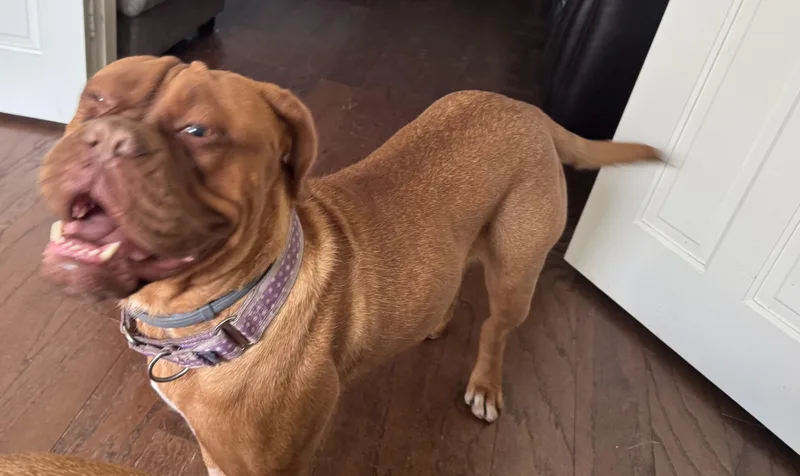
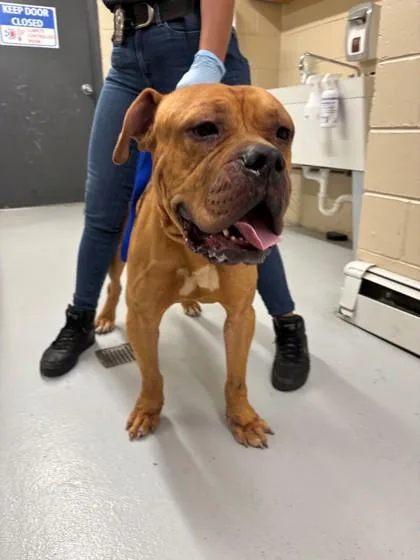
Often called the French Mastiff, the Dogue de Bordeaux is one of France's oldest breeds, long used around Bordeaux as a guardian, drover and estate dog. Its numbers fell to a few hundred worldwide by the early 1980s, and many Americans first met one in the 1989 film Turner & Hooch. The short fawn to mahogany coat, wrinkled brow and proportionally huge head make it easy to recognize.

Many Dogues are calm, sensitive and deeply attached to their families, yet watchful with strangers. In Chicago, that makes early, gentle socialization on busy sidewalks worthwhile. Expect heavy drooling, year-round shedding, giant-dog expenses and a lifespan often under ten years, shaped by heart disease, cancer, bloat and joint problems. Dogs vary, so each Dogue's own personality and health matter more than the breed label.

Weight
99–145 lbs
Height
23–27 in
Lifespan
5–9 yrs
Temperament
Protective, Loyal, Calm, Devoted
Group
Working
Shedding
Moderate to High

Owning a Dogue de Bordeaux in Chicago

Having a Dogue de Bordeaux in Chicago

Dogues pair a gentle home personality with a guardian's watchfulness and serious strength. In Chicago, size, heat, health risks and building rules shape daily life more than exercise does, so plan around those before you meet a dog.

Temperament

Many Dogues are affectionate and devoted with their people but wary of strangers and unfamiliar dogs, which can make crowded Chicago sidewalks a challenge. They're sensitive, so harsh training backfires. Early socialization and consistent, reward-based guidance help, though every dog differs and breed alone doesn't decide temperament.

Exercise Needs

Adults need moderate exercise: daily walks, short play sessions and some puzzle work. Chicago's only legal off-leash spots are small fenced dog areas, so leashed walks on quiet streets and park paths do most of the work. Walk during cool hours, and keep puppies to low-impact activity until about 18 months.

Health Considerations

Risks include heart disease, cancer, bloat, hip and elbow dysplasia, and breathing trouble from the short face. Skin folds need regular cleaning. Lifespan is often under ten years. Have a veterinarian check the heart, joints and airway soon after adoption, and learn the signs of bloat before an emergency happens.

Living Space

A Dogue can manage a Chicago apartment or house if there's room to stretch out, air conditioning and few stairs. Rental weight limits are the main hurdle, so a ground-floor unit or a house is easier. A fenced yard helps, but the dog should live indoors with its family.

What it costs to own a Dogue de Bordeaux in Chicago

ExpenseTypical costPer year
Food$80 to $160 per month$960 to $1,920
Pet insurance$85 to $170 per month$1,020 to $2,040
Routine vet care$250 to $500 per year$250 to $500
Other*$586 to $1,661 per year$586 to $1,661
Estimated yearly total (after year one)$2,816 to $6,121

Other costs are estimates and vary with size, age and health.

* The Chicago dog license ($5 a year for a sterilized dog) and Cook County rabies tag, giant-size flea, tick and heartworm prevention, a dental cleaning, sturdy toys and bedding, basic coat care, and skin-fold care and joint supplements.

Adopt a Dogue de Bordeaux in Chicago.

Now that you know more, let’s find you a new best friend. These rescues and shelters below currently have Dogue de Bordeaux available.

Frequently Asked Questions

Yes. Illinois law bars breed-specific rules, so Chicago has no ban on Dogues. You'll need to register the dog with the City Clerk once it's four months old, get a Cook County rabies tag, and keep it leashed off your property. The bigger hurdle is housing, since landlords can set their own breed and weight limits.

Yes, if the building allows a giant dog and you can keep it cool. Dogues are fairly calm indoors, but they weigh 100-plus pounds, so check weight limits, stair or elevator access and air conditioning before you apply. A ground-floor unit makes walks and hot days easier. Illinois doesn't cap pet fees or pet rent.

They can with planning, but summer is the hard season. Chicago summers are humid, heat waves happen, and a short-faced giant overheats fast. Keep the air conditioning running, walk at dawn or late evening, carry water, and never leave the dog in a parked car. Illinois law prohibits confining an animal in a vehicle in extreme heat.

Generally no. The CTA allows only small pets in a closed carrier that one person can carry and that fits under a seat, so a Dogue of 99 pounds or more can't ride buses or 'L' trains unless it's a service animal. Metra has similar carrier rules. Plan on walking, or on having a car for trips.

If your Dogue is comfortable with other dogs and has the $10 permit tag, Montrose Dog Beach in Uptown is the city's largest off-leash area at 3.83 acres. Most other dog areas are small, so many Dogues do better on leashed walks in Lincoln Park or Jackson Park. Dogs aren't allowed on Chicago's general beaches.

Less than most big dogs, but not none. Plan on weekly brushing with a rubber curry, a bath about every four weeks, and regular cleaning of facial wrinkles, which should be dried after humid summer days and wet spring walks. In winter, wipe off road salt. Home grooming mostly means supplies, covered in the Other costs.

A Dogue de Bordeaux is not inherently dangerous, but it is a powerful guardian breed whose size and protective instincts demand responsible handling. Most are gentle and affectionate with their families. Poor socialization, rough training or weak containment raise the risk of problems with strangers or other dogs. Early training and an experienced owner make a big difference.

The Dogue de Bordeaux is not banned nationally in the United States, but some cities, landlords, homeowners associations and insurers restrict mastiff-type or large guardian breeds. A few jurisdictions abroad also place it on restricted-dog lists. Before adopting, check local ordinances, your lease and your homeowner's or renter's insurance policy to avoid surprises.

We have 1 rescue with Dogue de Bordeaux available: Mission Compassion Paw Rescue. You can see every rescue with Dogue de Bordeaux available in the list above these questions, or scroll to the top to see the Dogue de Bordeaux near Chicago.

Expect roughly $2,800 to $6,100 a year for a Dogue in Chicago. That covers food at $80 to $160 a month, insurance at $85 to $170 a month, routine vet care at $250 to $500 a year, and other costs of $586 to $1,661 a year. Emergencies, bloat surgery and heart care aren't included.

Find Dogue de Bordeaux in Nearby Cities

Expand your search to find Dogue de Bordeaux available for adoption near Chicago.