Irish Wolfhound Dogs for Adoption in Boise, ID

Your guide to finding and caring for an Irish Wolfhound in Boise

Irish Wolfhounds fit Boise best in the roomier, single-family parts of town. In Barber Valley, where nearly all homes are single-family, or out in Southwest Boise, a Wolfhound can have a fenced yard and a wide sidewalk for a long stroll. Most are calm indoors, but a dog that can top 30 inches at the shoulder needs space to stretch out, and dry summer afternoons mean early walks. A downtown studio is a tougher match.

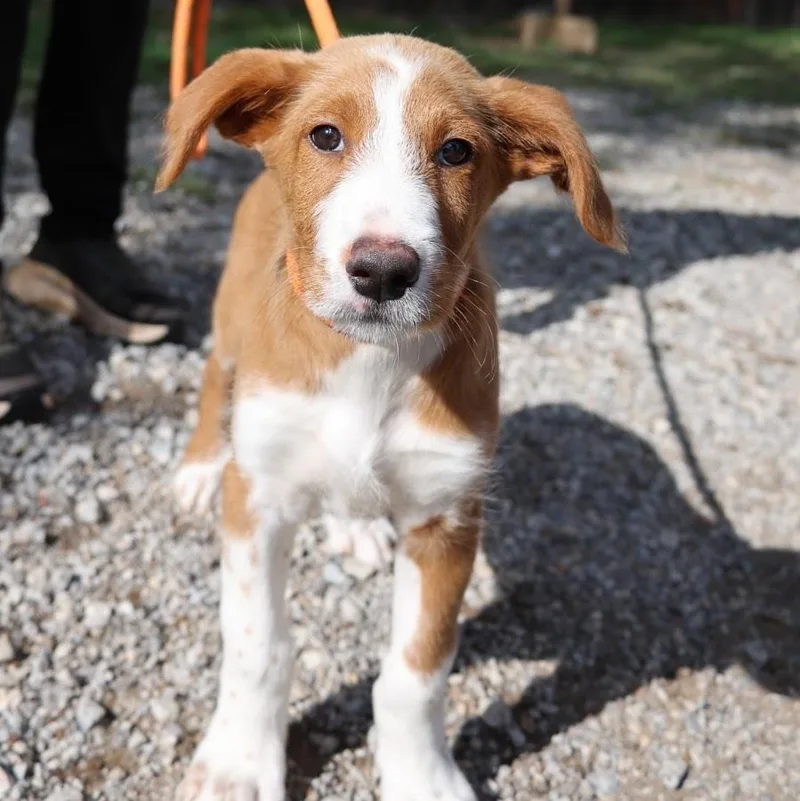
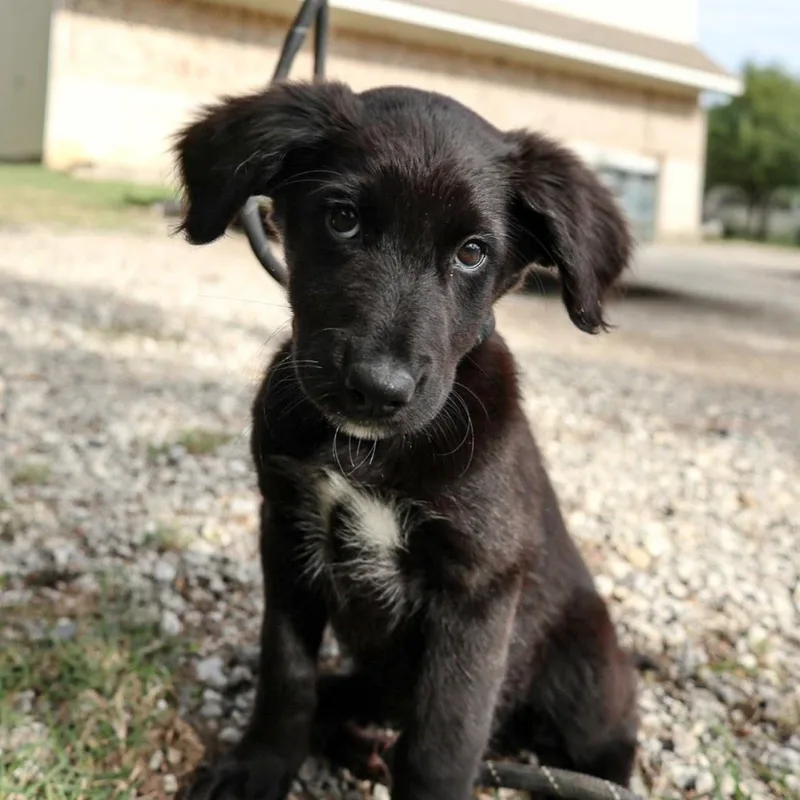
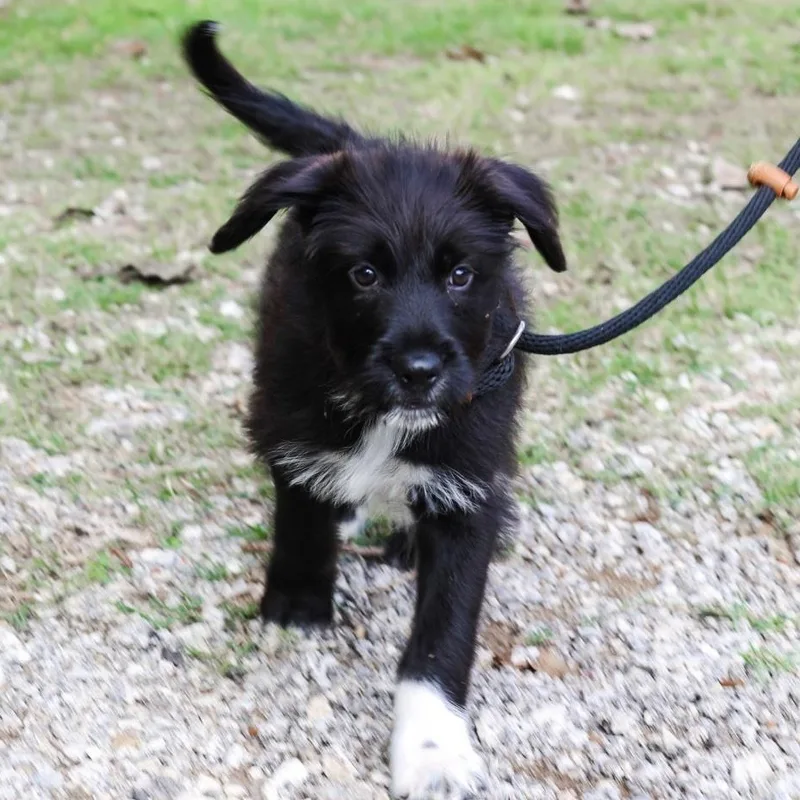
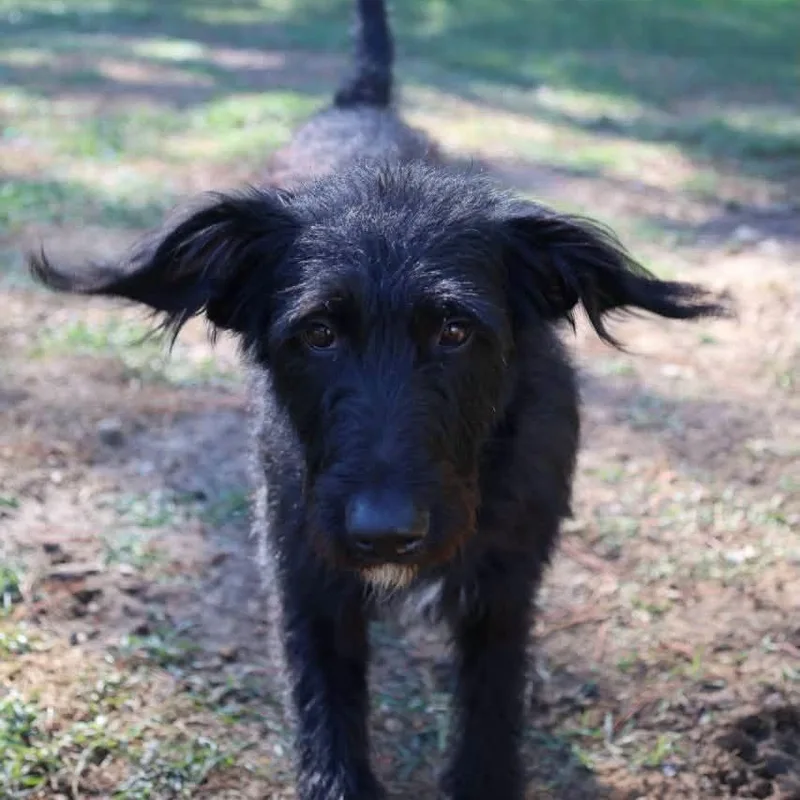
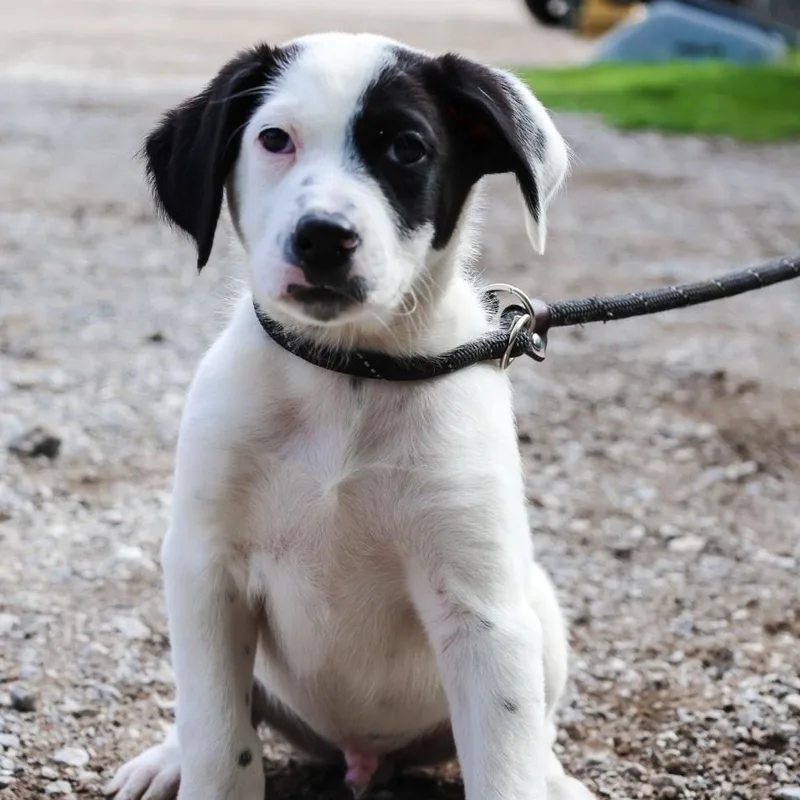
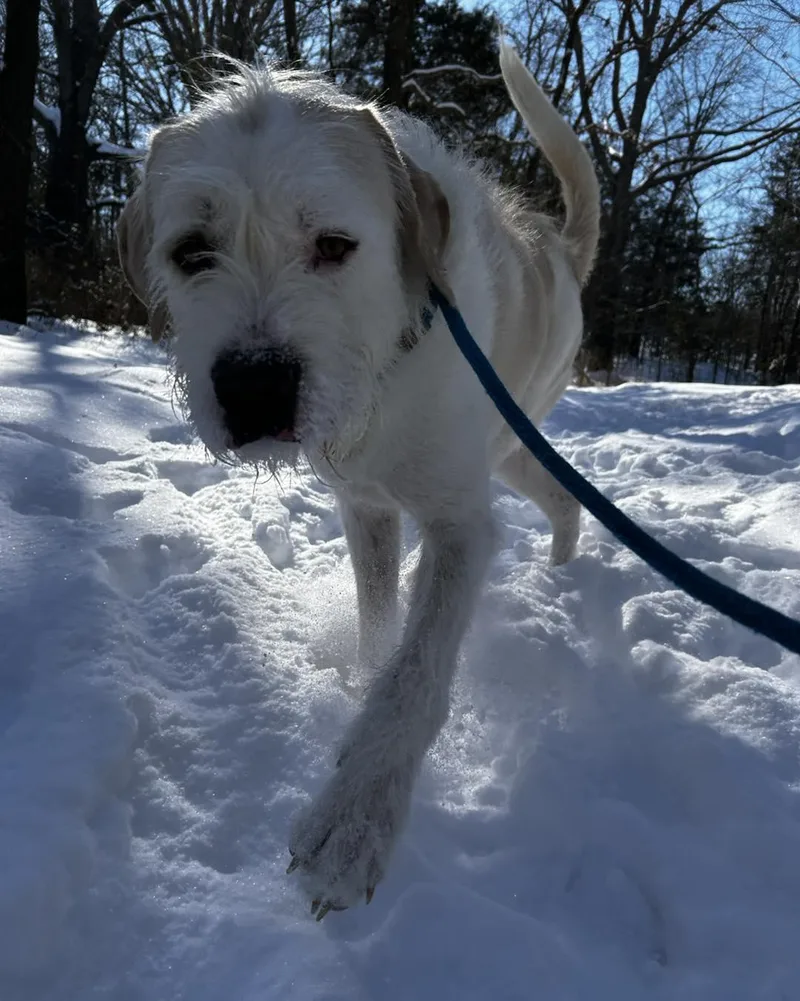
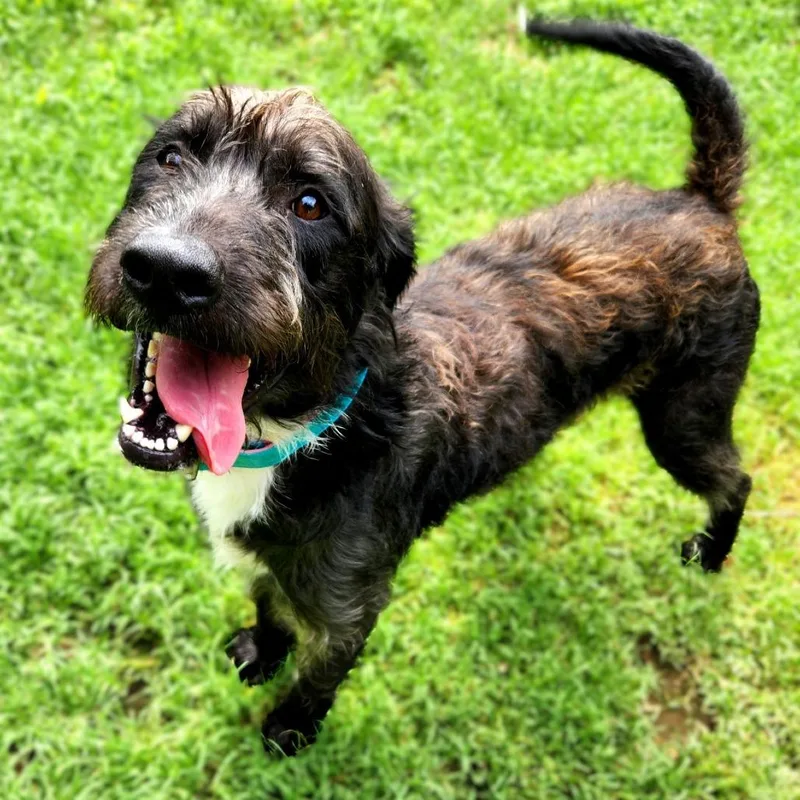
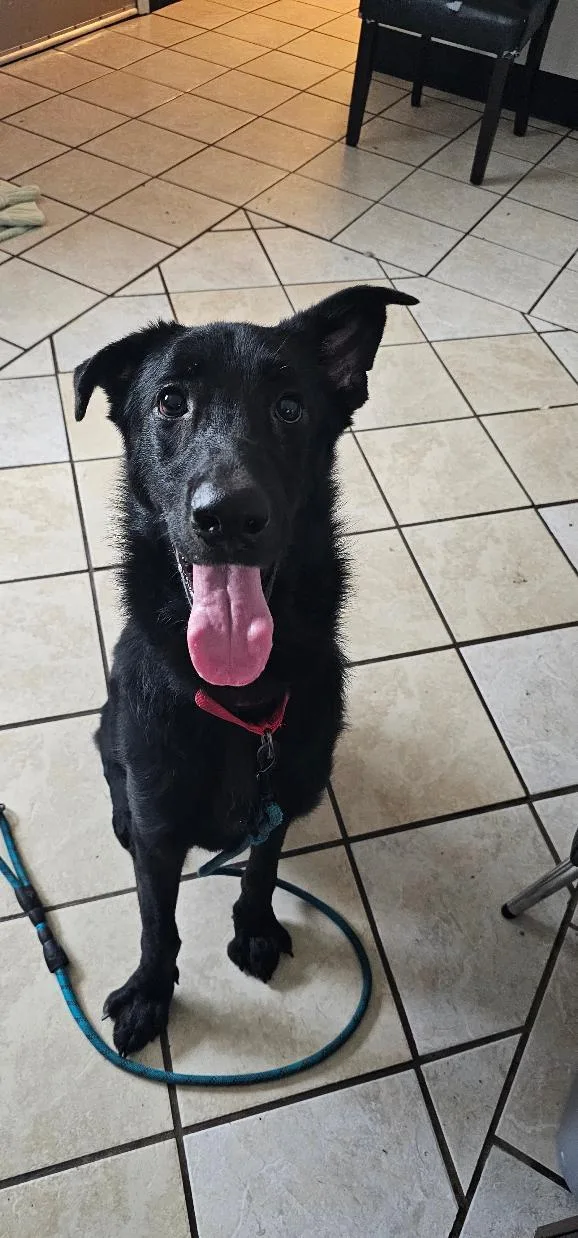
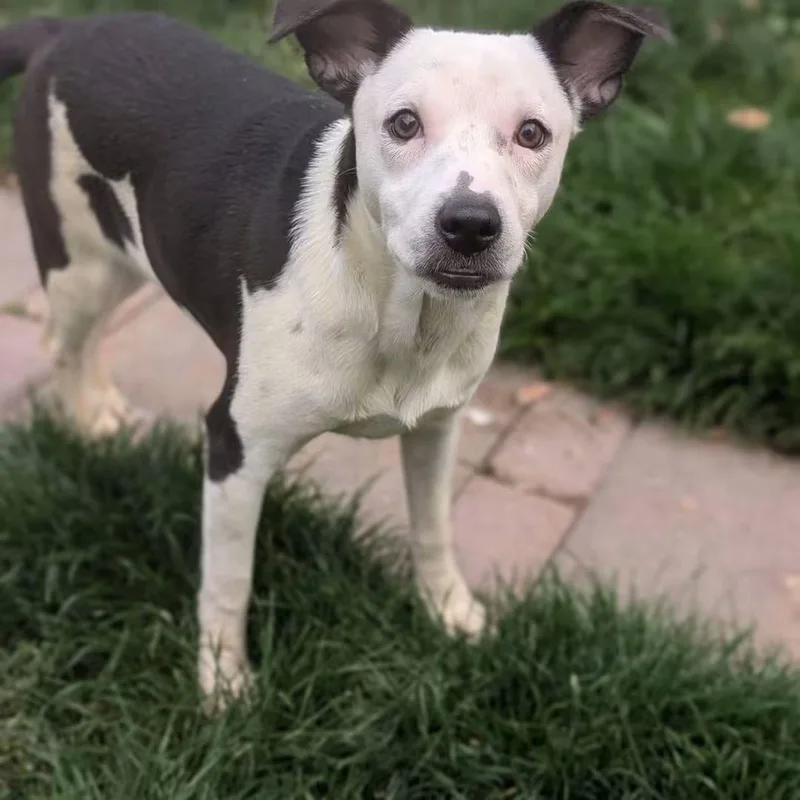
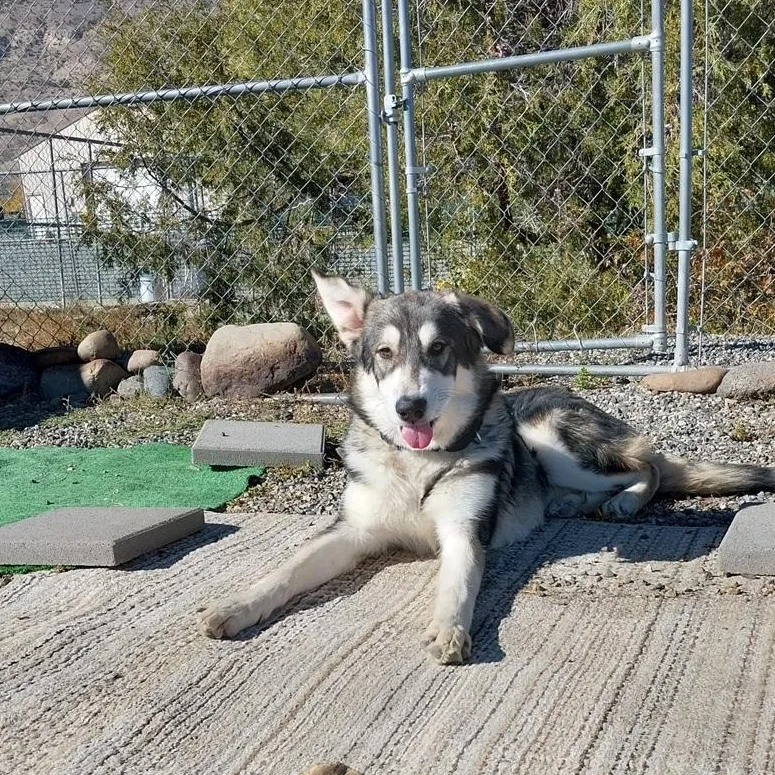
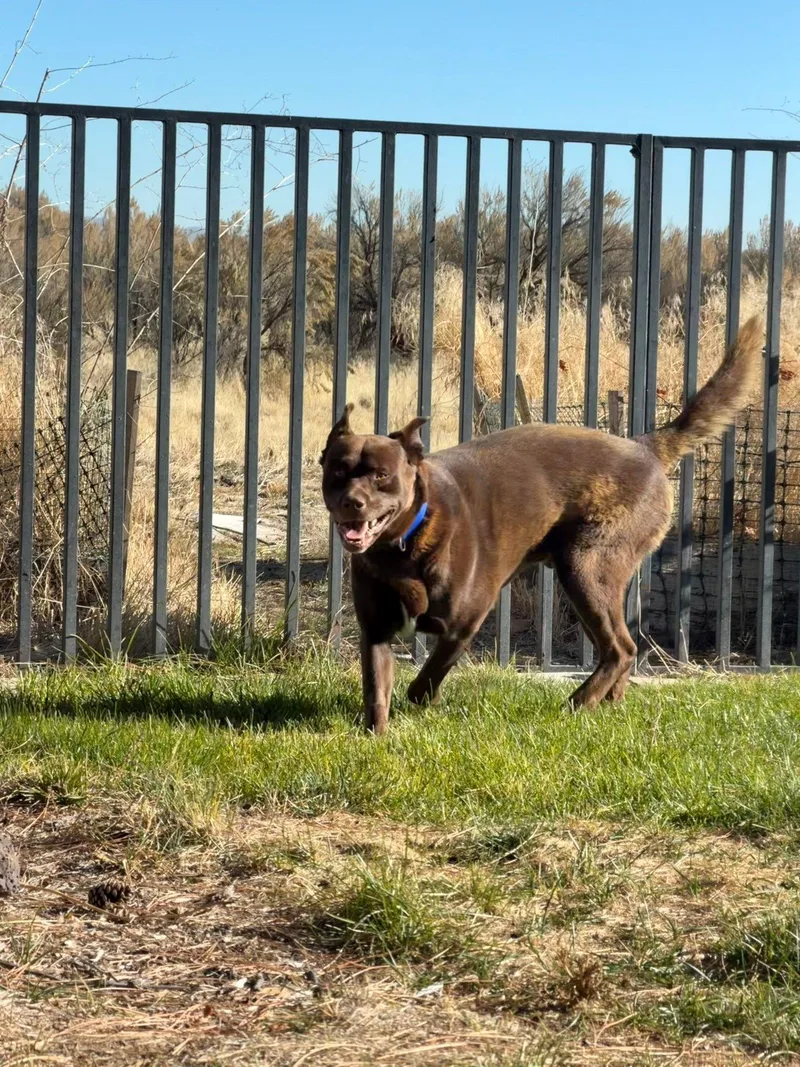
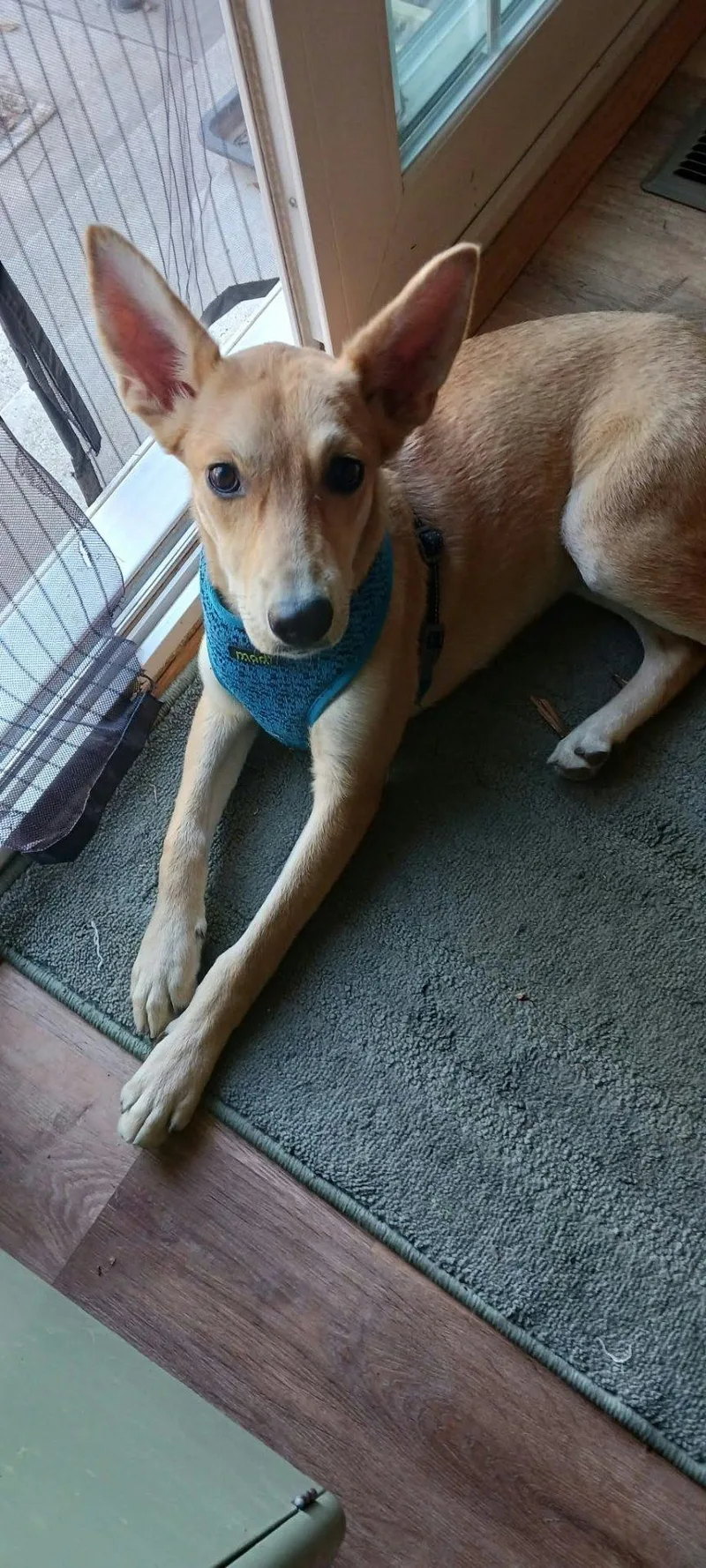
46 Irish Wolfhounds available in Boise and nationwide

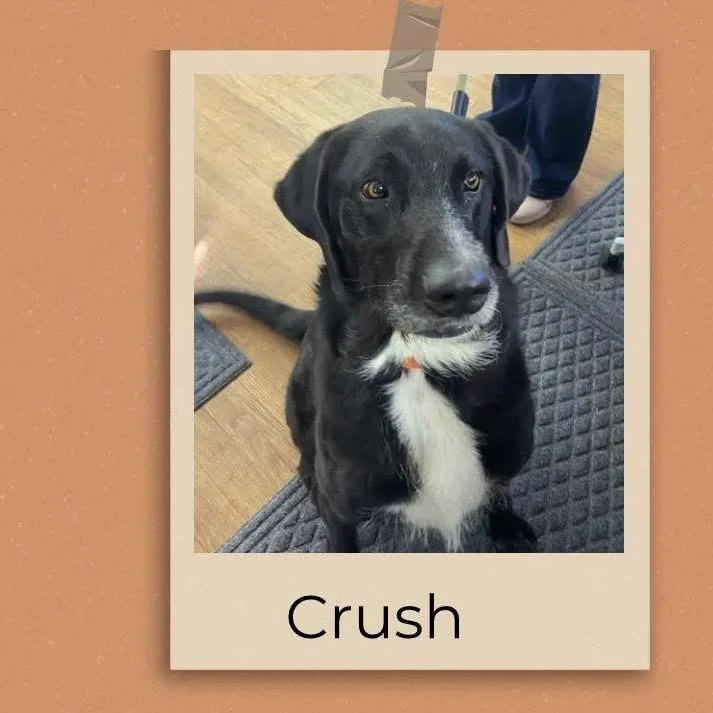
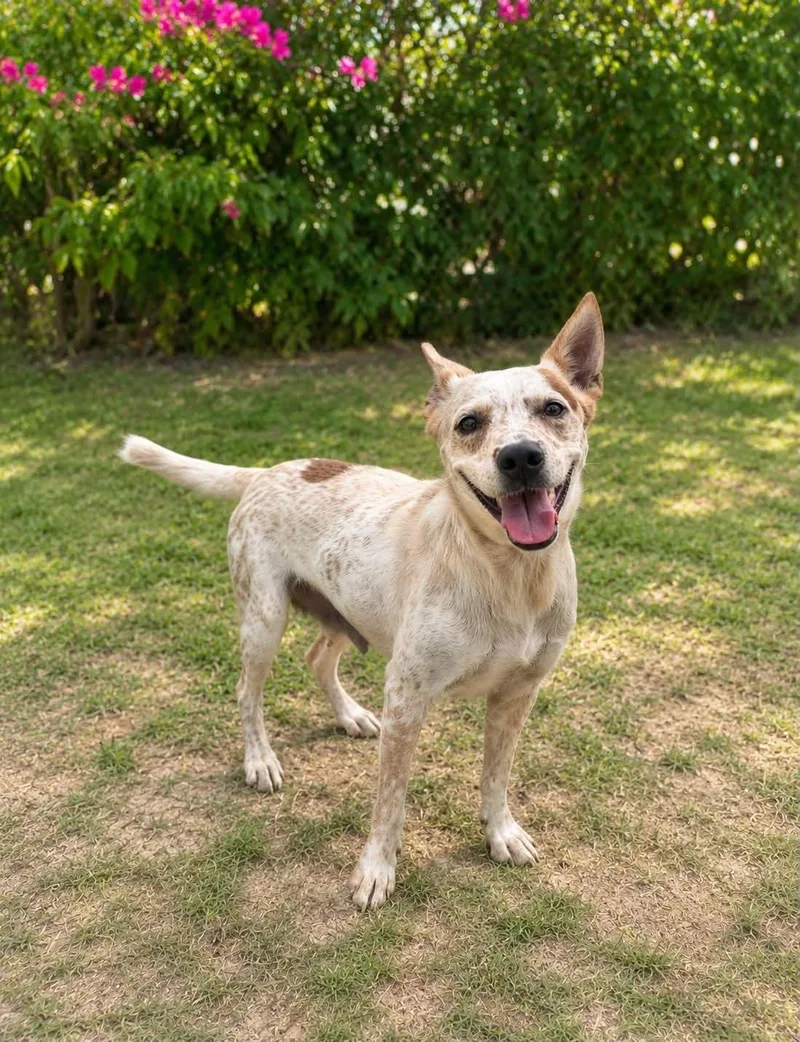
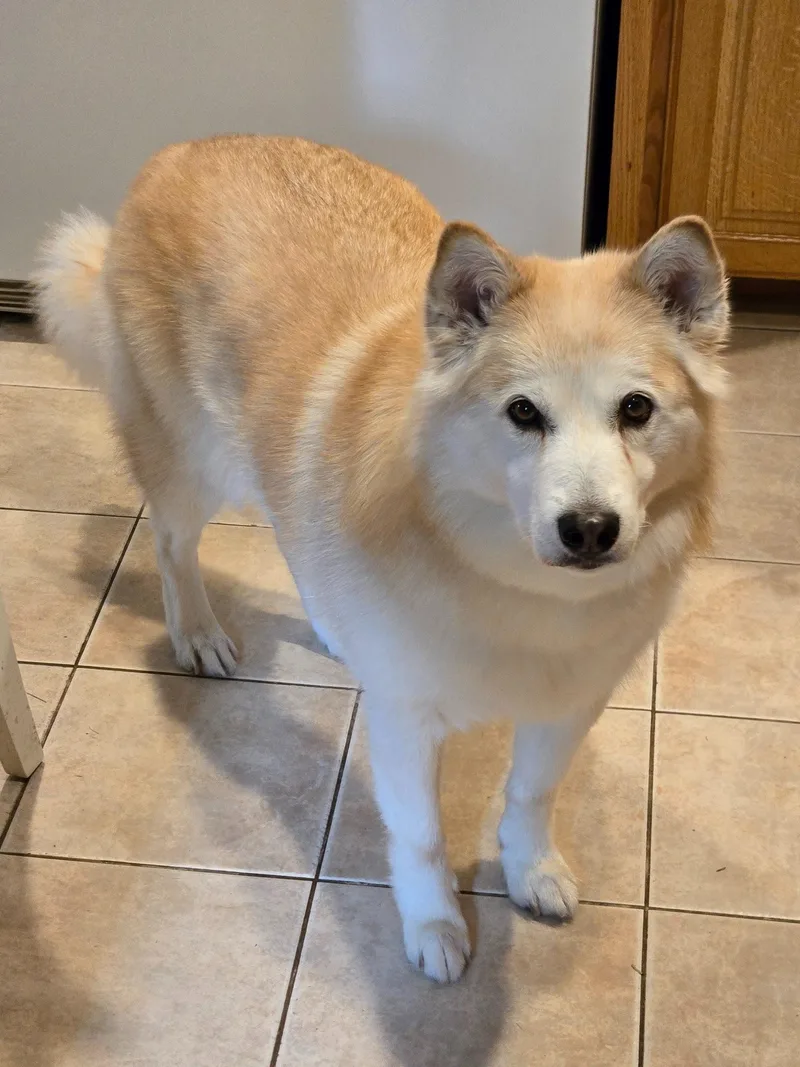
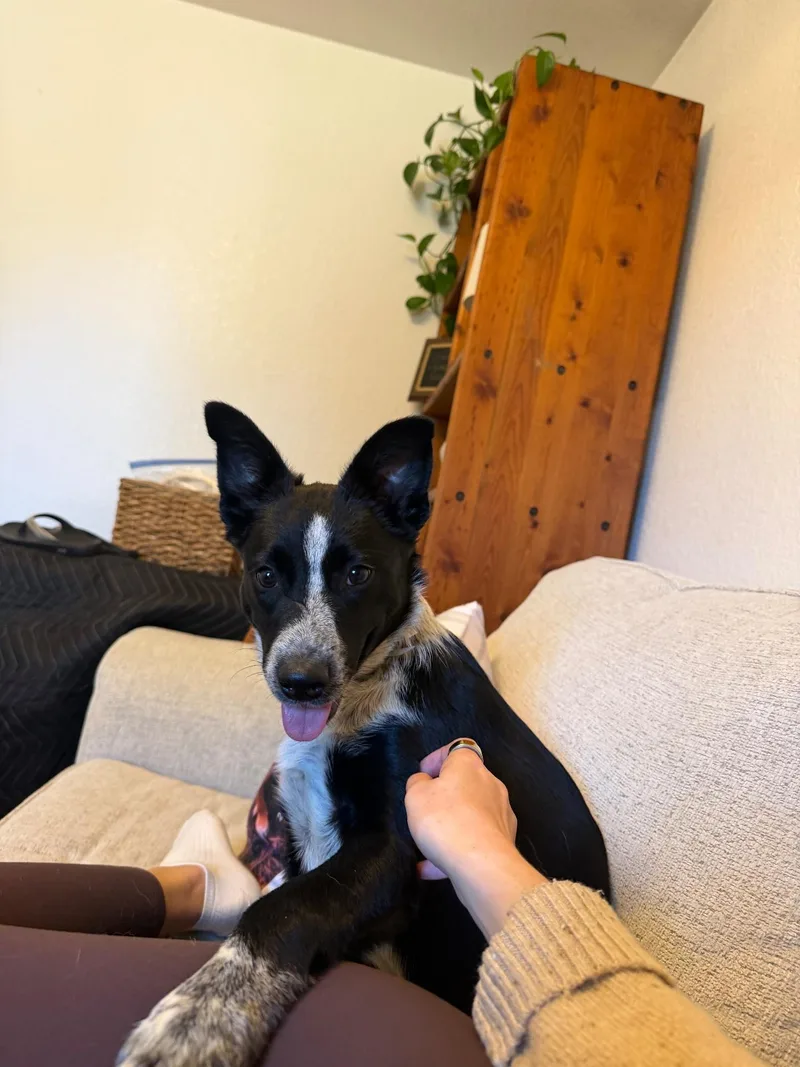
Say hello to your Irish Wolfhound

While we don't have enough dogs near Boise, keep in mind that many rescues may offer transport.

Irish Wolfhounds Available for Adoption Near Boise

About the Irish Wolfhound breed

The Irish Wolfhound is the tallest breed the AKC recognizes, with males at least 32 inches and 120 pounds and females at least 30 inches and 105 pounds. Ancient Irish hounds hunted wolves and deer and went to war, and the breed was revived in the nineteenth century after wolves vanished from Ireland. The name comes from the job, not from wolf ancestry. The rough, wiry coat comes in gray, brindle, red, black, white and fawn.

At home, expect a quiet, affectionate dog that leans on its people and is usually polite with visitors. Sighthound instincts mean a Wolfhound may bolt after squirrels or rabbits, so a leash or secure fence matters on Foothills trails. Wolfhounds grow fast, eat a lot and often live only 6 to 10 years, so plan for the cost and emotional weight of giant-breed health care.

Weight
105–180 lbs
Height
30–35 in
Lifespan
6–10 yrs
Temperament
Gentle, Calm, Dignified, Patient
Group
Hound
Shedding
Moderate

Owning an Irish Wolfhound in Boise

Having an Irish Wolfhound in Boise

Wolfhounds are giants with a soft side. In Boise the practical questions are space, summer heat, cardiac and joint care, and a vehicle big enough to carry one. Each dog differs, but these cards cover what most adopters should weigh first.

Temperament

Wolfhounds are typically gentle, patient and a little sensitive, and many greet visitors politely. They make poor guard dogs. Chase instinct can kick in around squirrels, rabbits or cats, which matters on Foothills trails and along the Greenbelt. Young hounds are clumsy and boisterous, so watch them around small children, though temperament varies by dog.

Exercise Needs

Plan on long daily walks plus a safe place to gallop. In Boise, a fenced off-leash area such as Military Reserve Dog Park or Dog Island at Ann Morrison Park gives a Wolfhound room to stretch out. Keep puppies off forced running and long hikes until about 18 months, and schedule adult outings for cool mornings in summer.

Health Considerations

Dilated cardiomyopathy, bone cancer, bloat and joint trouble are the big concerns, so ask a veterinarian about regular cardiac screening. Feed smaller meals, keep the dog lean, and watch for coughing, limping or restlessness after eating. In Boise, check ears and between the toes for cheatgrass seeds after trail walks.

Living Space

A Wolfhound needs floor space to lie flat, soft orthopedic bedding and a large vehicle. Boise's single-family areas, like Southwest Boise and Barber Valley, suit them well, with a fenced yard for galloping. Apartments and stairs are harder, though some calm adults adapt. A sweeping tail will clear a coffee table.

What it costs to own an Irish Wolfhound in Boise

ExpenseTypical costPer year
Food$80 to $160 per month$960 to $1,920
Pet insurance$85 to $170 per month$1,020 to $2,040
Routine vet care$250 to $500 per year$250 to $500
Other*$690 to $1,890 per year$690 to $1,890
Estimated yearly total (after year one)$2,920 to $6,350

Other costs are estimates and vary with size, age and health.

* The Boise dog license (about $20 a year for a spayed or neutered dog), flea, tick and heartworm prevention for a giant dog, a dental cleaning allowance, oversized bedding and toys, coat brushing and tidying, and joint supplements.

Adopt an Irish Wolfhound in Boise.

Now that you know more, let’s find you a new best friend. These rescues and shelters below have dogs available in and near Boise.

Rescues and Shelters in or near Boise

Boise's rescue community lists new dogs often, though giant breeds like Wolfhounds turn up only occasionally. Here are the rescues & shelters in the Boise area with dogs available for adoption, worth asking whether an Irish Wolfhound is coming in.

Frequently Asked Questions

Not in practice. Valley Regional Transit buses require pets to ride in a carrier small enough to rest on your lap or fit under the seat, and only service animals are exempt. A Wolfhound weighing 105 to 180 pounds can't fit one. Boise has no subway or rail, so plan on a large vehicle for vet visits, trail trips and errands.

Yes, with planning. Boise averages about 55 days a year at 90°F or above, mostly in July and August, but nights cool to roughly 62°F. Walk at sunrise, keep water and indoor cooling available, and skip midday pavement. Smoke days in late summer can also mean resting indoors, and leaving a dog in a parked car is risky under city law.

Fenced options with room to stretch include Morris Hill Park on the Central Bench, Pine Grove Park in West Boise and Military Reserve Dog Park. Multi-use parks with morning and evening off-leash hours also suit summer routines. Esther Simplot Park and Quinn's Pond don't allow dogs. On Foothills trails, keep a Wolfhound leashed, since sighthounds can bolt after wildlife.

Yes. Boise has no breed ban or breed-specific rule, and dangerous-dog designations depend on a dog's behavior. Any dog over 16 weeks needs a city license and a rabies vaccination, and households can keep up to four dogs without a kennel license. Dogs must be leashed in public outside posted off-leash areas.

It's possible but difficult. Wolfhounds are quiet indoors, yet they need floor space, easy stairs and somewhere safe to gallop. Many landlords set dog size or weight limits, so look at those first. A ground-floor unit near the Greenbelt or a fenced park helps, but single-family homes in Southwest Boise or Barber Valley are usually easier.

It can be, for adopters with space and a flexible schedule. Boise's trails, fenced dog parks and cool summer mornings suit a calm giant that needs daily walks, while heat and Foothills chase hazards need care. Wolfhounds bond closely with their people, and the breed's short lifespan and health costs are worth weighing before adopting.

Plan on weekly brushing and occasional tidying of the wiry coat, since shedding is moderate. In Boise, summer cheatgrass seeds catch in the coat, so check ears and toes after Foothills walks. Budget for grooming within the roughly $690 to $1,890 yearly Other costs, which also cover parasite prevention, dental care and joint supplements.

An Irish Wolfhound is a giant sighthound from Ireland and the tallest breed recognized by the American Kennel Club, with males standing at least 32 inches at the shoulder. Originally bred to hunt wolves and other large game, it is now known as a calm, gentle companion. Its rough, wiry coat and long legs give it a distinctive look.

Irish Wolfhounds can be good family dogs for households with enough space and realistic expectations. Many are gentle, patient and affectionate with children and other pets. Their size can accidentally knock over small kids, and puppies are clumsy and boisterous. Families also need to plan for high costs and a shorter lifespan than most breeds.

An Irish Wolfhound in Boise typically costs $80 to $160 a month for food and $85 to $170 for pet insurance, plus $250 to $500 a year for routine vet care and $690 to $1,890 a year for other items. That adds up to roughly $2,900 to $6,350 a year, before any emergencies.