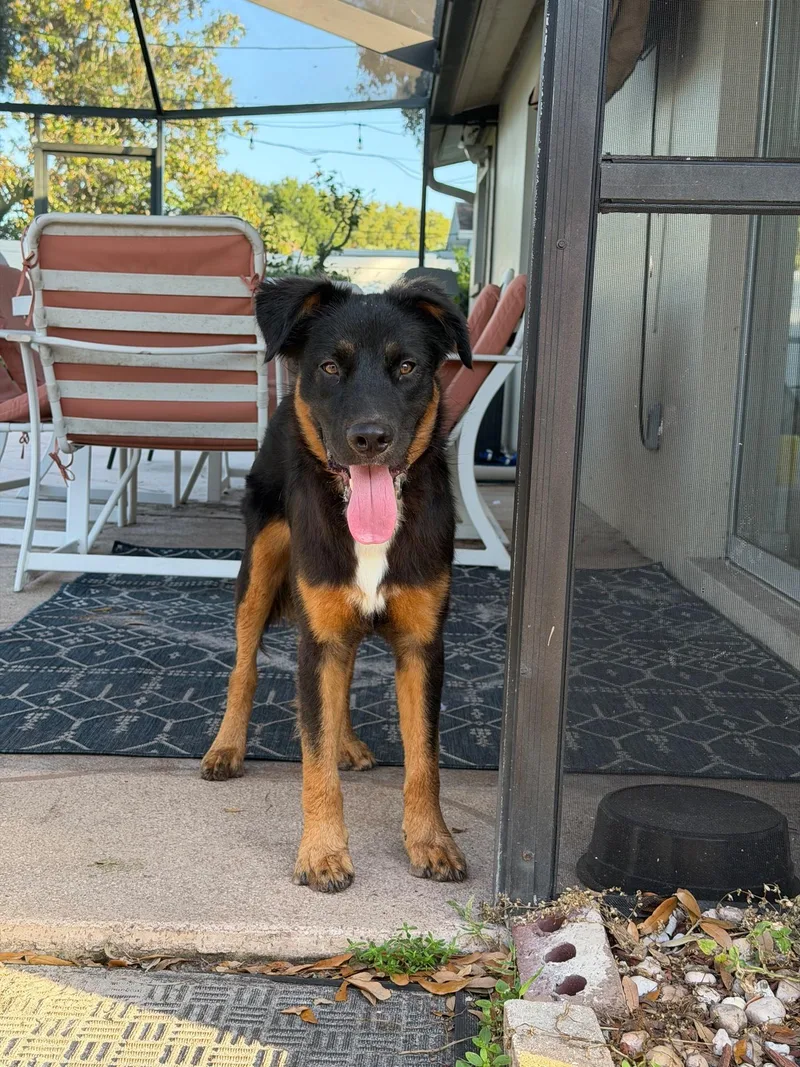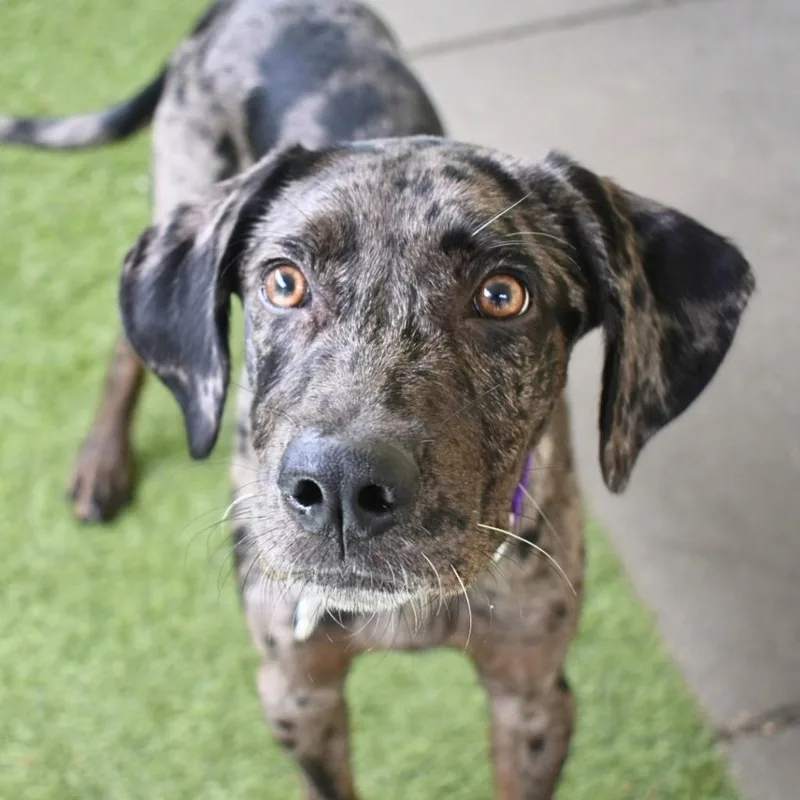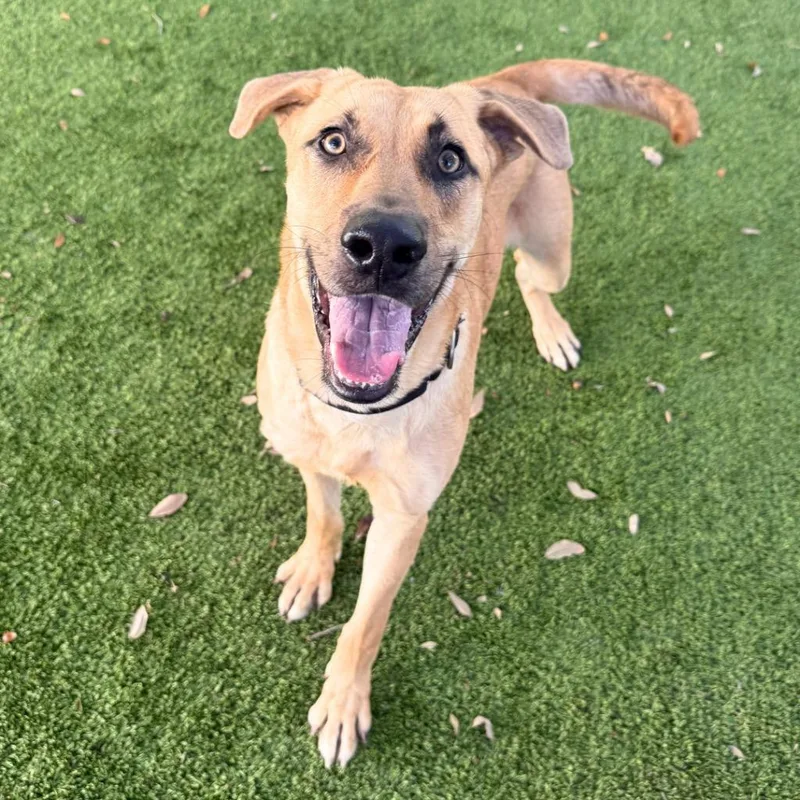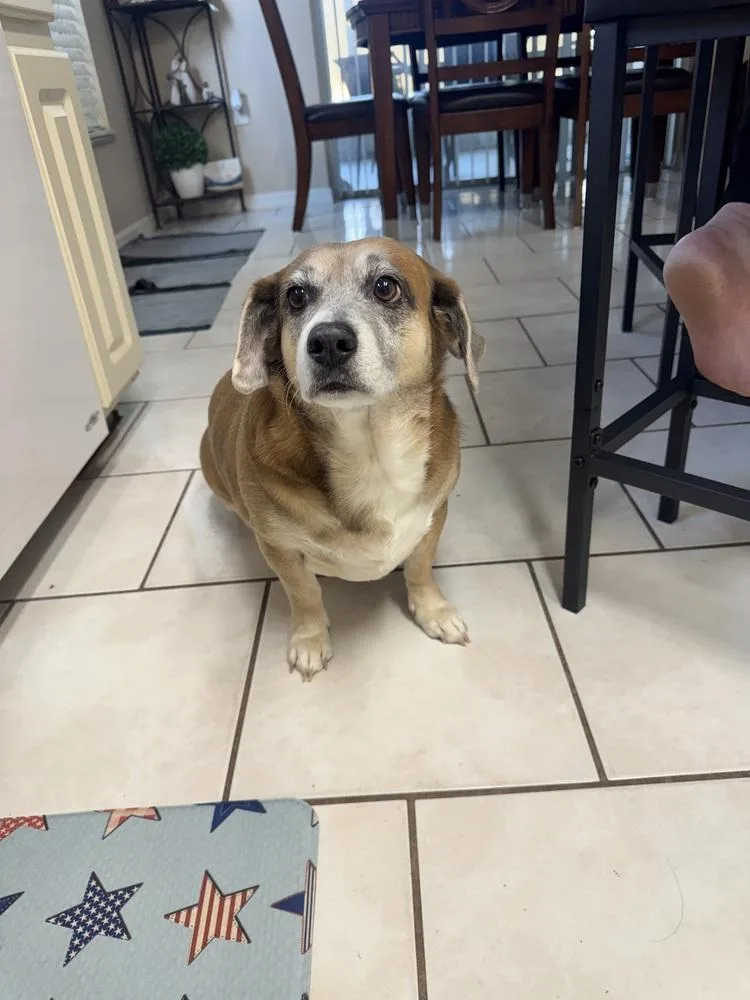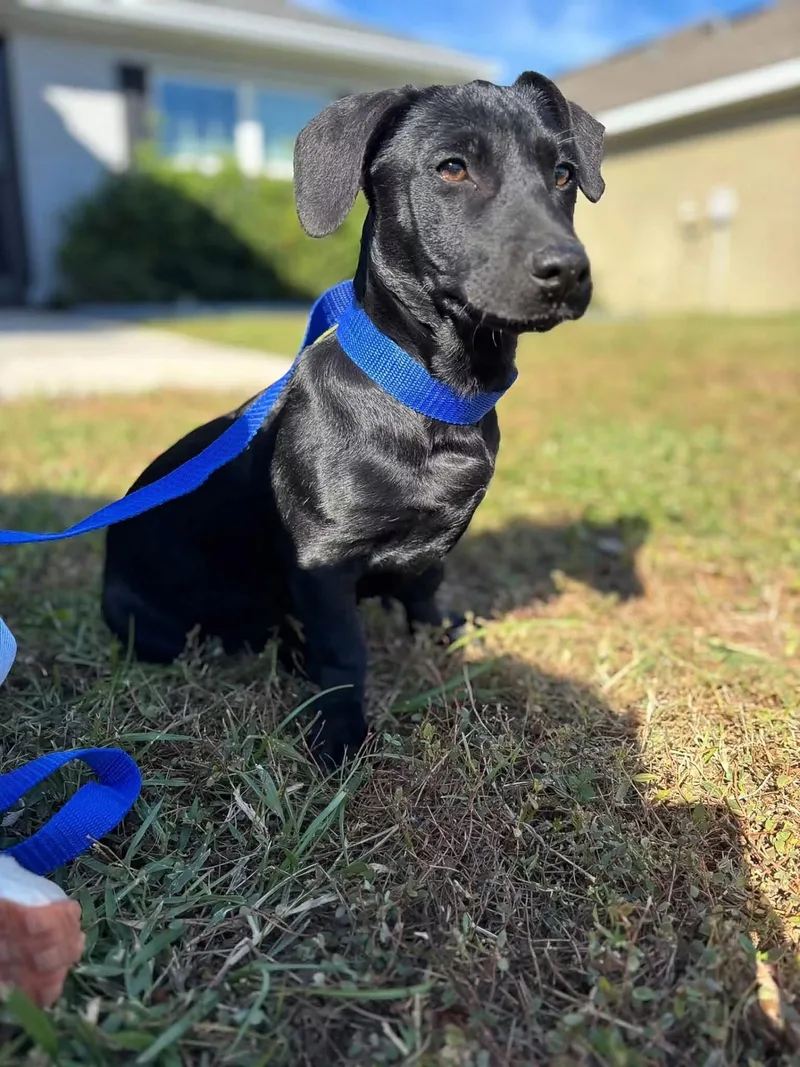
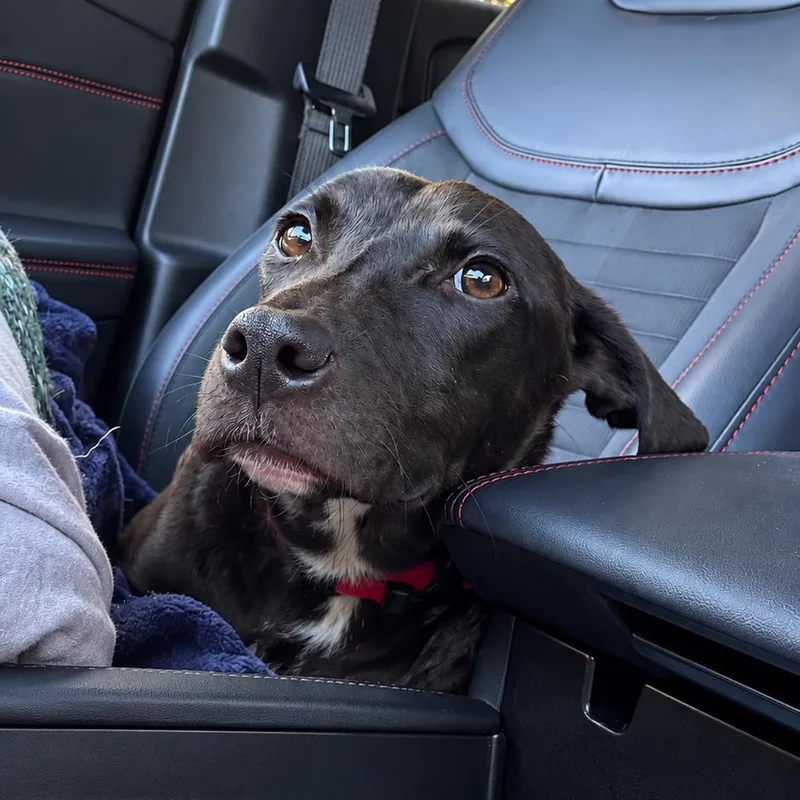
Black Labrador Retriever Dogs for Adoption in St. Petersburg, FL

Your guide to finding and caring for a Black Labrador Retriever in St. Petersburg

Black Labs suit St. Petersburg's mix of backyard neighborhoods and waterfront walks. In Meadowlawn, 1950s ranch homes with yards leave room for fetch, while Kenwood and Crescent Lake each have a fenced dog park for a Lab who wants company. Labs love water, but alligators live in some city lakes and creeks, so keep swims away from the banks. Their dark coats soak up the Florida sun, so most walks work best early or late.

3061 Black Labrador Retrievers available in St. Petersburg and nationwide

Find your Black Labrador Retriever

Black Labrador Retrievers Available for Adoption Near St. Petersburg

About the Black Labrador Retriever breed

A black Lab is simply a Labrador Retriever in the breed's original color. Labs descend from Newfoundland's St. John's water dogs, were refined in Britain as gun dogs, and still carry a dense, water-resistant double coat, an otter tail and a sturdy, athletic build, usually 55 to 80 pounds.

That water-dog heritage suits a city ringed by bay and canals, but the coat and the appetite need managing. Expect moderate to heavy shedding, a dog that will eat whatever is within reach, and a need for daily exercise and consistent, reward-based training. Labs mature slowly, so a young dog may stay bouncy for a couple of years, and each dog's energy varies with its age and background.

Weight
55–80 lbs
Height
21–25 in
Lifespan
10–14 yrs
Temperament
Friendly, Outgoing, Active
Group
Sporting
Shedding
Moderate to High

Owning a Black Labrador Retriever in St. Petersburg

Having a Black Labrador Retriever in St. Petersburg

Black Labs are sociable, energetic and food-driven. In St. Petersburg the local adjustments are heat, water safety and storm planning. Age and background shape each dog's energy, so match the dog's pace to your daily routine.

Temperament

Most Labs are friendly with people and other dogs, which helps on busy sidewalks and at dog parks. Young dogs can be mouthy and boisterous, and many dislike long stretches alone. Storm-phobic dogs may struggle here, since thunderstorms are common on summer afternoons. Reward-based training works well with a food-motivated Lab.
Exercise Needs

Plan on an hour or more of activity daily for a healthy adult: brisk walks, fetch, or leashed runs on the Pinellas Trail, where the leash can be no longer than 6 feet. Schedule outings around sunrise or evening, since summer nights stay near 78°F. Puzzle toys and scent games help on stormy days.

Health Considerations

Labs are prone to hip and elbow dysplasia, cruciate ligament tears, exercise-induced collapse, ear infections and obesity. Warm, humid weather makes ear and skin problems and overheating more likely, and cane toads, which live in Pinellas, can poison a curious dog. A veterinarian can check hips and elbows, and year-round heartworm prevention matters in Florida.

Living Space

A black Lab can live in a condo or a house as long as exercise is covered. A yard, where there is one, makes play easier but doesn't replace walks. Dark coats absorb heat, so provide shade, fresh water and air conditioning indoors. Expect plenty of shed hair and a dog that wants to be near the family.

What it costs to own a Black Labrador Retriever in St. Petersburg

ExpenseTypical costPer year
Adoption fee$425, one time$425 in year one
Food$55 to $110 per month$660 to $1,320
Pet insurance$65 to $130 per month$780 to $1,560
Routine vet care$250 to $500 per year$250 to $500
Other*$590 to $1,490 per year$590 to $1,490
Estimated yearly total (after year one)$2,280 to $4,870
First-year total (with adoption fee)$2,705 to $5,295

Adoption fee is the fee on Black Labrador Retriever listings in St. Petersburg on GetBuddy today. Other costs are estimates and vary with size, age and health.

* The Pinellas County dog license, flea, tick and heartworm prevention, a dental cleaning allowance, toys and bedding, and brushing and baths for heavy seasonal shedding.

Adopt a Black Labrador Retriever in St. Petersburg.

Now that you know more, let’s find you a new best friend. These rescues and shelters below currently have Black Labrador Retrievers available.

Rescues in St. Petersburg with Black Labrador Retrievers Available

St. Petersburg-area shelters and rescues, from private no-kill groups to the county, take in dogs of all sizes and ages. Here are the rescues & shelters in the St. Petersburg area where you can find Black Labrador Retrievers and other dogs available for adoption.

Frequently Asked Questions

Yes, with planning. St. Petersburg summers are hot and humid, with about 71 to 75 days a year at 90°F or above and nights near 78°F. Walk in the early morning or after sunset, test pavement with your hand, keep water and shade available, and never leave a dog in a parked car.

Only in limited ways. PSTA buses, including the SunRunner, allow pets only in a secured carrier, so a full-grown Lab can't ride unless it's a service animal. The seasonal Cross Bay Ferry to Tampa allows dogs on a leash or in a kennel. For most outings, plan on driving with a cool, climate-controlled car.

Start with the city's off-leash parks: Crescent Lake, Kenwood, North Shore, Walter Fuller, Lake Vista and Coquina Key. They open 30 minutes before sunrise until 30 minutes after sunset and close a few hours one weekday for maintenance. The 47-mile Pinellas Trail suits leashed runs, and Fort De Soto has a dog beach. Weedon Island and Boyd Hill preserves don't allow dogs.

Yes. Florida doesn't let local dangerous-dog rules single out a breed, so Labs face no breed restrictions. You'll need a rabies vaccination by 4 months, a Pinellas County license tied to it, and a leash of 6 feet or less in public. The county also bans dogs running at large and has a nuisance rule for prolonged barking.

Yes, if the lease allows it and the dog gets daily exercise. Some landlords set weight or breed limits, so confirm that a 55-to-80-pound Lab is approved before you sign. Ground-floor units and nearby dog parks help, and a Lab left alone all day may chew or bark. Several walks a day, plus play, keep an apartment Lab content.

Often, for active people who can handle the heat. Labs enjoy outdoor activity and are friendly on busy sidewalks, and the mild winters allow year-round outings. The tradeoffs are summer heat, alligators near lake and creek banks, and hurricane season, when you'll need a large crate and an evacuation plan, since county pet-friendly shelters require carriers.

Sometimes, on patios. St. Petersburg's Doggy Dining rule lets permitted restaurants and bars host leashed dogs outdoors, but dogs can't be on furniture or walk through indoor areas to reach the patio. Each venue decides whether to welcome dogs, so look for posted signs. A well-exercised Lab that settles under the table is the easiest guest.

Not much beyond brushing, but plenty of it. Brush at least weekly, and several times a week during heavy shedding. Baths every month or two keep skin comfortable in the humidity, and drying the ears well helps prevent infections. Don't shave the double coat, which helps with heat. Any professional baths fall under the cost table's Other line.

We have 1 rescue with Black Labrador Retrievers available: FARR - FLORIDA RETRIEVER RESCUE. You can see every rescue with Black Labrador Retrievers available in the list above these questions, or scroll to the top to see the Black Labrador Retrievers near St. Petersburg.

Budget roughly $55 to $110 a month for food and $65 to $130 a month for insurance. Routine vet care runs about $250 to $500 a year, and other yearly costs, including parasite prevention, dental care, grooming and the county license, add about $590 to $1,490. Large dogs cost more at every step, so plan toward the upper end.